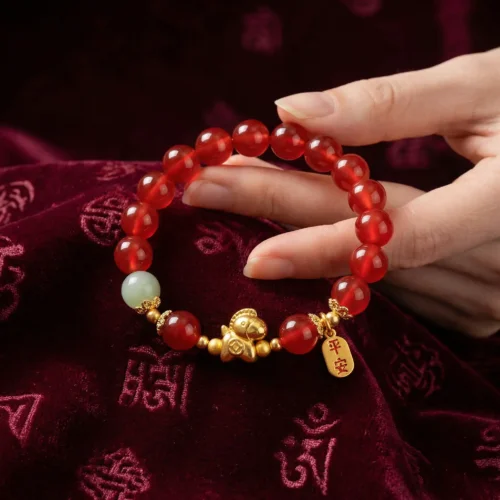

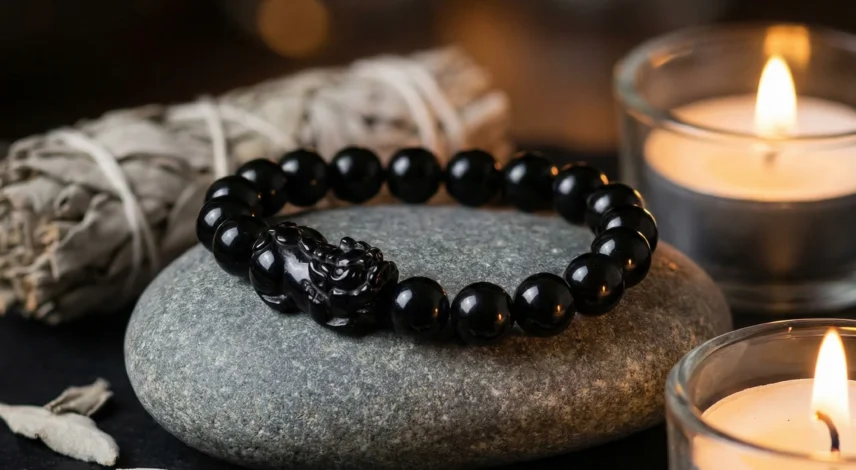

You just started wearing your feng shui bracelet — and something feels off. Maybe you’re sleeping worse. Maybe you feel unusually emotional, or even a little lightheaded. Before you panic or toss the bracelet aside, read this first.
⚠️ Important Note: The spiritual and energetic properties described in this article are based on traditional cultural beliefs and the experiences of practitioners — not scientific claims. This content is for educational purposes only and should not replace professional medical advice. If you experience physical discomfort, please consult a healthcare professional.
At PotalaStore, we source our spiritual jewelry directly from Himalayan monastery artisans, and over the years we’ve received countless messages from customers describing unexpected feelings after first wearing a feng shui bracelet. The reactions are real — but what they mean is widely misunderstood. This guide covers the seven most commonly reported reactions, their true cultural roots, who genuinely should not wear these bracelets, and how to wear one safely from day one.
Are Feng Shui Bracelet Side Effects Real?
Feng shui bracelet “side effects” are real in the sense that some people genuinely feel different after first wearing one — but in traditional Chinese feng shui and Tibetan Buddhist practice, these reactions are rarely negative signs. What Western consumers label as “side effects” are most often understood within these traditions as an adjustment period: the bracelet’s energy interacting with your own. Physical reactions like skin irritation, however, are a separate matter and can have straightforward material explanations.
The term “side effects” itself reflects a Western, medicalized way of thinking about energy objects. Traditional practitioners rarely use it. Understanding the cultural framework behind these reactions is the first step toward working with your bracelet — not against it.
💡 New to feng shui bracelets? Browse our guide to choosing an authentic feng shui bracelet before exploring specific reactions and remedies.
7 Common Feng Shui Bracelet Reactions — and What They Mean
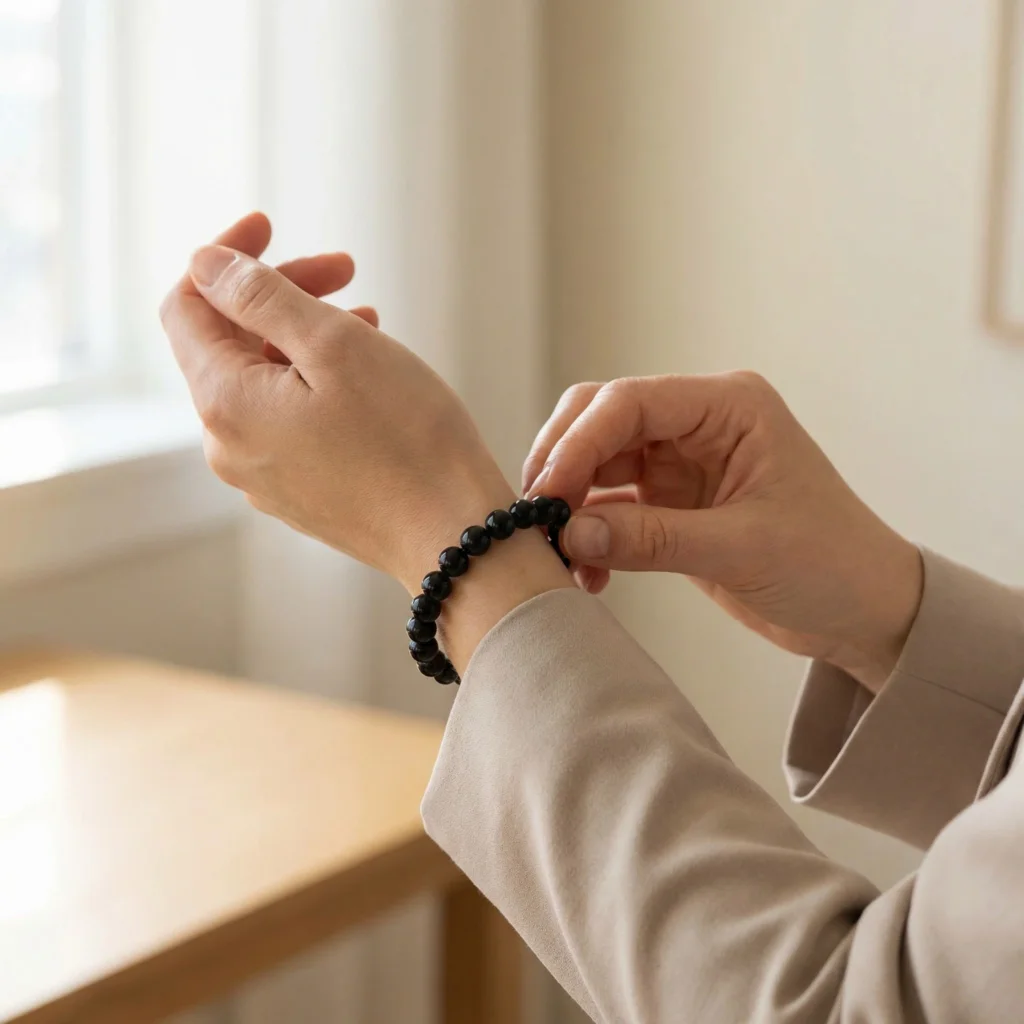
Here are the seven reactions practitioners most frequently report, along with their traditional interpretation and practical guidance:
- Feeling heavy or weighed down on the wrist. Traditional interpretation: the bracelet is actively absorbing negative energy (sha qi) from your energy field. This often fades within 3–7 days as the adjustment settles. If the feeling persists beyond two weeks, the stone’s elemental energy may not align with your constitution — see the causes section below.
- Vivid dreams or disrupted sleep. A commonly reported reaction, particularly with black obsidian and black tourmaline, which are both considered highly yin (receptive) materials. Traditional feng shui practitioners often recommend removing the bracelet before sleep for the first two weeks, precisely to avoid energy disruption during rest.
- Emotional release — mood swings, sudden crying, or heightened sensitivity. Within both Buddhist and feng shui frameworks, this is often interpreted as the bracelet’s energy surfacing and moving suppressed emotional energy. It is traditionally viewed as a cleansing sign rather than a harmful one. That said, if you are in a vulnerable emotional state, a gentler stone like rose quartz or jade may suit you better than high-intensity obsidian.
- Mild headache or lightheadedness on the first day. Often linked to wearing a bracelet that hasn’t been cleansed since its production or shipping — stones can absorb a significant amount of ambient energy during transit. A 4–6 hour moonlight cleanse or a 30-second sage smudge before first wear typically prevents this reaction entirely.
- Skin irritation, redness, or itching at the contact point. Unlike the reactions above, this one is almost never energetic in origin. It is most commonly caused by a nickel or copper alloy in a low-quality bead clasp or spacer, or by synthetic resin material being passed off as genuine stone. Natural gemstones and authentic metal settings are hypoallergenic for the vast majority of wearers. If irritation appears within 24–48 hours of first wear, check the clasp and wire material immediately.
- No perceptible effect at all. Surprisingly, this causes some wearers as much worry as the reactions above. In traditional practice, this is rarely cause for concern — individual sensitivity to subtle energy varies enormously. Focus on wearing your bracelet with clear intention rather than waiting to “feel” something.
- A run of perceived “bad luck” events shortly after wearing. This is the reaction that most often sends customers to Google in a panic. The traditional explanation is typically one of three things: wearing the bracelet on the wrong hand, a Pixiu bracelet whose rules haven’t been followed, or a genuine mismatch between the stone’s elemental energy and your BaZi (Chinese astrological birth chart). It is rarely interpreted as the bracelet itself causing misfortune.
Why Do These Reactions Happen? The 5 Root Causes
Understanding why reactions occur is more useful than simply describing them. In our years of working with traditional Himalayan artisans and feng shui practitioners, the causes almost always fall into one of these five categories:
| Cause | What It Means | How to Address It |
|---|---|---|
| 1. Energy mismatch (elemental incompatibility) | Your BaZi elemental profile may clash with the stone’s element. Fire types often react strongly to water-element stones like black obsidian. | Consult a basic BaZi calculator or choose a gentler, balancing stone like jade or citrine. |
| 2. Material-goal mismatch | Using a protection stone (obsidian) when you primarily need wealth energy (citrine), or vice versa, can create a felt sense of dissonance. | Be clear about your primary intention before choosing a stone. |
| 3. Wearing on the wrong hand | In Chinese feng shui, the left hand receives energy and the right hand releases it. Wearing a wealth-attracting bracelet on the right hand directs energy outward rather than inward. | As a general rule, wear feng shui bracelets on the left wrist. Exception: black obsidian is traditionally worn on the right hand for protection and expelling negativity. |
| 4. Bracelet was never cleansed | A stone can carry energetic residue from its mining, processing, and shipping journey — potentially thousands of miles through multiple hands and environments. | Cleanse before first wear. A 4–6 hour moonlight bath or a 30-second sage smudge is sufficient for most stones. |
| 5. Inauthentic or synthetic material | Industry estimates suggest that up to 90% of mass-market “feng shui bracelets” use dyed glass, resin, or synthetic stone. These materials don’t carry the same energetic or physical properties as genuine gemstones — and some synthetic dyes can cause skin reactions. | Source from verified suppliers. Natural black obsidian has a density of 2.4–2.6 g/cm³ and will feel noticeably cool and heavier than glass or resin imitations. |
A Tibetan Buddhist Perspective: Why “Side Effects” Is the Wrong Frame
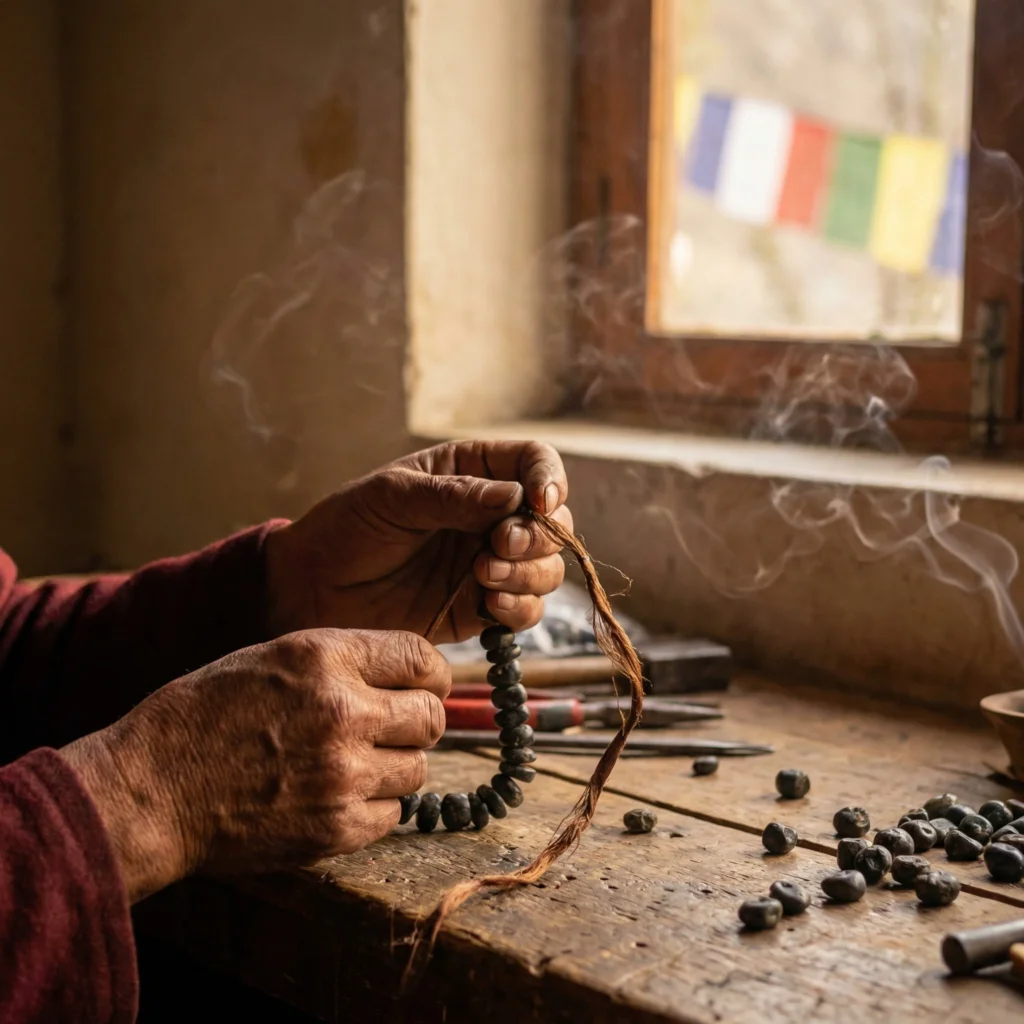
🏔️ A Cultural Note From Our Artisan Partners
This section draws on conversations with the monastery craftspeople we work with in the Himalayan region — a perspective entirely absent from most English-language content on this topic.
One pattern we’ve noticed in working with our Tibetan artisan partners is that the concept of a bracelet having “side effects” is essentially a Western import. In Tibetan Buddhist tradition, spiritual objects — including prayer beads, mala beads (108-bead practice tools), and blessed amulets — are understood to be inert until formally consecrated (rab gnas, or “opening the eye” in Tibetan).
The implication is significant: a commercially produced feng shui bracelet that hasn’t been consecrated by a lama or Buddhist teacher is, from this perspective, primarily a beautiful piece of jewelry. The energy attributed to it depends heavily on the wearer’s own practice, intention, and relationship with the object — not on any inherent property of the stone.
This doesn’t make feng shui bracelets ineffective. It reframes what effectiveness actually means. In Tibetan Buddhist practice, the bracelet serves as a support for mindfulness — a physical anchor for intention and awareness. Discomfort after wearing one is more often interpreted as a prompt to deepen one’s practice or examine one’s intentions than as a sign that something is wrong with the bracelet itself.
The Chinese feng shui tradition, by contrast, attributes more inherent energetic properties to specific stones and their elemental correspondences. Both frameworks are legitimate — but understanding which framework you’re working within helps interpret any reactions far more accurately than generic Western “side effects” language.
One thing both traditions agree on: an uncleansed bracelet of unknown provenance is the most common source of genuinely unwanted reactions. Our artisan partners consistently emphasize that a proper cleansing ritual before first wear eliminates the vast majority of adjustment difficulties.
Who Should Not Wear a Feng Shui Bracelet?
According to traditional Chinese feng shui principles, the following groups are advised against wearing feng shui bracelets, particularly Pixiu bracelets:
- Children under 16 years of age. Traditional practitioners consider the personal energy field (qi) of young children to be too unsettled and permeable to benefit from high-energy stones. Gentler alternatives like jade or rose quartz are sometimes suggested for children who wish to wear spiritual jewelry.
- Elderly adults over the age of 70. The same reasoning applies in reverse — the qi field is considered to become more delicate with advanced age. Lighter stones and simpler designs are generally recommended.
- Pregnant women. The widely shared traditional guidance is that the intense energy of stones like black obsidian or heavily charged Pixiu bracelets may be disruptive during pregnancy. If you are pregnant and wish to wear a spiritual bracelet, consult a traditional practitioner and consider softer materials such as jade.
- Those born in the Year of the Tiger (and some sources include the Dog and Rabbit). The Pixiu specifically is believed in Chinese folk tradition to have a conflicting relationship with the Tiger’s energy. This applies specifically to Pixiu bracelets, not all feng shui bracelets.
- Anyone experiencing acute emotional or psychological instability. High-intensity stones like raw obsidian or black tourmaline are considered amplifying materials — they may intensify whatever emotional state you’re already in. During periods of acute stress or mental health challenges, a grounding stone like hematite or clear quartz is a gentler starting point.
Note on conflicting information: You’ll find different sources giving slightly different age ranges (some say 65+, some say 70+) and different lists of incompatible zodiac signs. These variations exist because feng shui is a living tradition with regional and lineage differences — not a fixed set of rules. When in doubt, choose a more neutral, versatile stone like jade or clear quartz.
How to Wear Your Feng Shui Bracelet Safely and Minimize Reactions
These practical steps, drawn from both Chinese feng shui tradition and the advice of our Himalayan artisan partners, eliminate most of the common reactions described above before they ever occur.
Step 1: Cleanse Before First Wear
Choose one of the following methods based on your stone type:
| Method | Duration | Best For | Avoid For |
|---|---|---|---|
| Moonlight bath | 4–6 hours (full moon optimal) | All stones | — |
| White sage smudging | 30–60 seconds per bracelet | All stones | — |
| Salt water soak | 2–4 hours minimum | Hard stones (obsidian, agate) | Soft or porous stones (selenite, malachite) |
| Singing bowl sound | 3–5 minutes | All stones, especially layered designs | — |
| Morning sunlight | 15–20 minutes | Dark stones (obsidian, tourmaline) | Amethyst, rose quartz, citrine (color-fade risk) |
We recommend cleansing your feng shui bracelet every 2–4 weeks during regular wear, and immediately after any intensely stressful experience or contact with a high-conflict environment.
Step 2: Set Your Intention
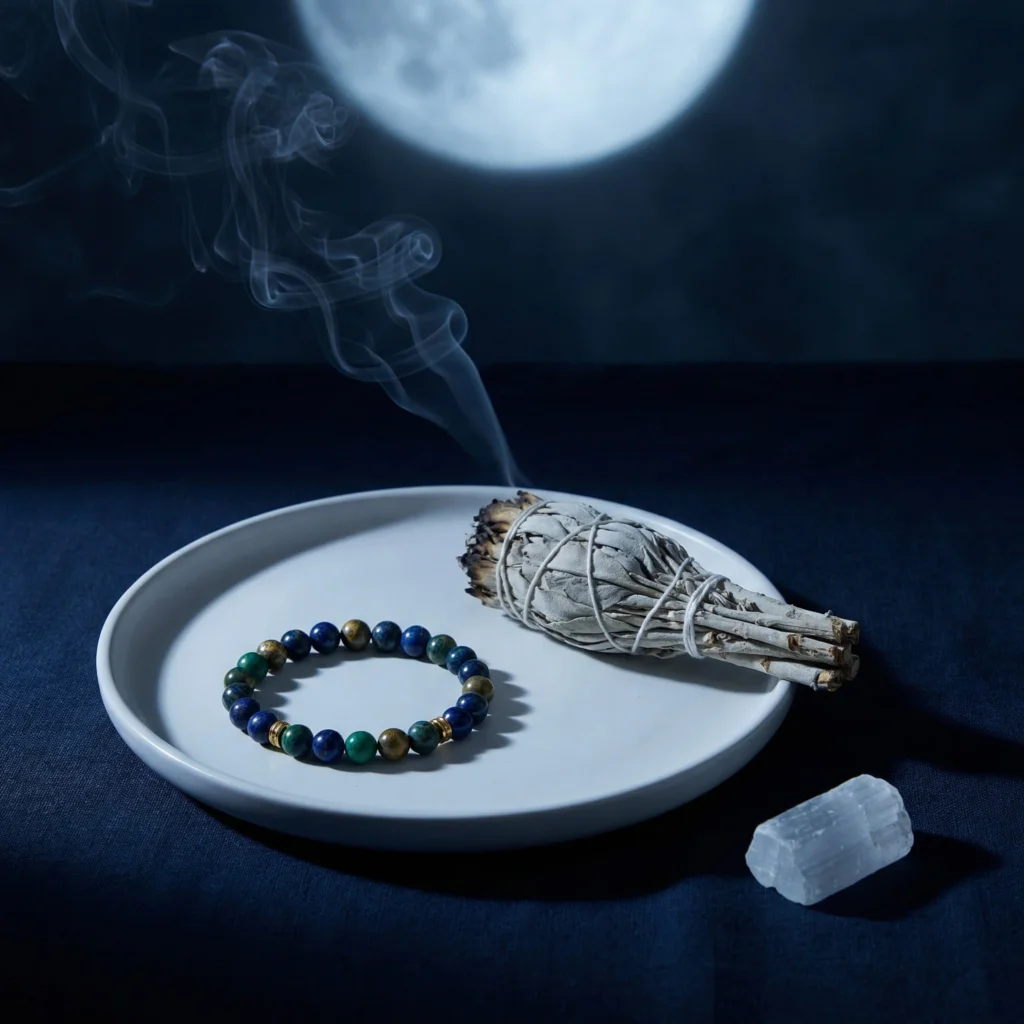
Before putting the bracelet on for the first time, hold it in both hands for 30 seconds. Focus on a clear, specific intention — protection, wealth attraction, emotional balance. This isn’t mystical theater: it’s a way of bringing your conscious attention into relationship with the object, which is precisely what traditional practitioners describe as “activating” the bracelet.
Step 3: Follow the Hand and Removal Rules
Wear feng shui bracelets on the left wrist to receive beneficial energy. Black obsidian is the primary exception — traditionally worn on the right wrist as a protection and expulsion tool. Remove your bracelet before sleep (especially for the first two to four weeks), bathing, swimming, and intimate activity. These guidelines exist across nearly all feng shui traditions and significantly reduce the risk of disrupted sleep or energy imbalance.
Step 4: Maintain for the Long Term
Natural gemstone beads benefit from being stored in a soft cloth pouch when not being worn. Avoid exposing them to strong cleaning chemicals, perfume, or prolonged direct heat. A well-maintained authentic stone bracelet typically retains its physical and energetic integrity for 3–5 years or longer with proper care.
📿 Explore our full range of authentic feng shui bracelets — each handcrafted in the Himalayas from verified natural materials and ethically sourced gemstones. Browse the PotalaStore collection →
Is Your Bracelet Authentic? Why It Matters for Side Effects
Here’s something the mainstream feng shui bracelet content almost never says directly: the majority of reported “side effects” — especially skin reactions and a general sense that “nothing is happening” — are traceable to inauthentic materials.
Synthetic resin beads are widely sold as genuine obsidian, citrine, or tiger’s eye. They carry none of the physical properties of the real stone (density, temperature regulation, natural energy) and may contain chemical dyes or binders that cause contact skin reactions within 24–48 hours of first wear.
Here are three simple, no-equipment tests you can do at home:
- The temperature test. Hold a bead between your fingers for 10 seconds. Natural gemstones — obsidian, agate, quartz — feel noticeably cool and only slowly warm to body temperature. Plastic and resin warm almost immediately.
- The weight test. Natural black obsidian has a density of 2.4–2.6 g/cm³. A full bracelet of 10mm beads should feel solid and substantial. If a “stone” bracelet feels surprisingly light, it’s almost certainly synthetic.
- The visual consistency test. Real gemstones have natural inclusions, color variations, and imperfections. Perfect, identical-looking beads are characteristic of dyed glass or resin molds.
We’ve occasionally discovered that customers reporting strong “side effects” were wearing bracelets purchased from mass-market platforms — and that switching to a verified natural-stone bracelet resolved both the physical reactions and the sense that something was “off.”
Frequently Asked Questions
Are feng shui bracelets evil or spiritually dangerous?
No. In both Chinese feng shui tradition and Tibetan Buddhist practice, these bracelets are considered protective and beneficial tools — not spiritually dangerous objects. The “evil” framing occasionally appears in certain religious communities that view all non-Western spiritual objects with suspicion, but it has no basis in the actual traditions from which these bracelets come. If any spiritual practice or object makes you uncomfortable in a way that doesn’t resolve with education and time, the right response is simply not to use it.
What does it mean if my feng shui bracelet breaks?
In traditional belief, a broken feng shui bracelet — especially a Pixiu bracelet — is commonly interpreted as the bracelet having absorbed a significant amount of negative energy on your behalf, protecting you from something harmful. It is not considered bad luck. The standard guidance is to thank the bracelet, wrap it in natural cloth, and either return it to the earth or dispose of it respectfully — not to throw it away carelessly. Then replace it with a fresh, cleansed bracelet.
Can I wear multiple feng shui bracelets at once?
You can, with some caveats. Traditional practitioners generally recommend no more than two or three bracelets on a single wrist, and caution against combining stones with strongly conflicting elemental energies — for example, pairing a fire-element stone like carnelian with a water-element stone like aquamarine in the same stack. For most people, a single well-chosen bracelet is more effective (and far less visually overwhelming) than a complex stack.
How long should I wear a feng shui bracelet each day?
There’s no fixed rule. Many practitioners wear their bracelet throughout the day and remove it before sleep. During the first week of wear with a new bracelet, some traditional guidance suggests starting with 2–4 hours per day and gradually increasing wear time, which gives your system time to adjust without the intensity that some people find overwhelming in the first few days.
Ready to Find Your Authentic Feng Shui Bracelet?
Every piece in our collection is handcrafted by Himalayan monastery artisans using verified natural materials — and ships with a care guide so you can avoid the most common bracelet reactions from day one.Shop Authentic Feng Shui Bracelets →
📚 References
- Feng Shui: History and Principles. Overview of feng shui philosophy, qi theory, and its development within Chinese cultural tradition. The Metropolitan Museum of Art
- Buddhist Material Culture and Sacred Objects. Academic survey of the role of physical objects — including jewelry and prayer tools — in Tibetan Buddhist practice. Rubin Museum of Art
- Contact Dermatitis and Jewelry Allergens. Clinical overview of skin reactions caused by metals commonly used in jewelry manufacturing, including nickel and copper alloys. American Academy of Dermatology
- Crystal and Gemstone Properties: A Gemological Overview. Scientific properties of commonly used gemstones in spiritual jewelry, including density, composition, and physical characteristics. Gemological Institute of America (GIA)