
Why Authentic Tibetan Bracelets Enhance Spiritual Wellness: PotalaStore’s Philanthropic and Cultural Approach
 by Yang Tso
0 comments
by Yang Tso
0 comments
Authentic Tibetan bracelets enhance spiritual wellness through three interconnected elements: sacred monastery blessings infused during traditional ceremonies, handcrafted materials chosen for their spiritual properties, and the ethical sourcing that preserves Tibetan culture. Unlike mass-produced imitations, genuine pieces carry the intentional energy of Tibetan artisans and monks, creating a meaningful connection between wearer and tradition.
At PotalaStore, we go further—10% of every purchase supports Tibetan monasteries and refugee artisan communities, ensuring your spiritual journey honors and uplifts the culture you’re connecting with. When you choose monastery-blessed bracelets, you’re not just acquiring spiritual jewelry—you’re participating in cultural preservation.
The Sacred Elements of Authentic Tibetan Bracelets

An authentic Tibetan bracelet is defined by three sacred elements: monastery blessings performed during multi-day ceremonies, traditional materials like turquoise and Bodhi seeds chosen for spiritual properties, and artisan craftsmanship passed through generations.
The blessing ceremony is central to authenticity. In Tibetan Buddhist tradition, monks conduct a 3-day blessing ritual where bracelets are consecrated through mantra recitation and prayer. This process, known as puja, infuses each piece with spiritual intention—something impossible to replicate in factory settings. The monks chant the sacred Om Mani Padme Hum mantra repeatedly, believed to embed protective and healing energies into the jewelry.
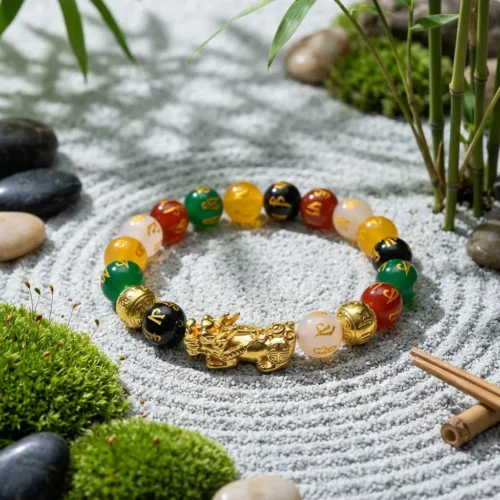
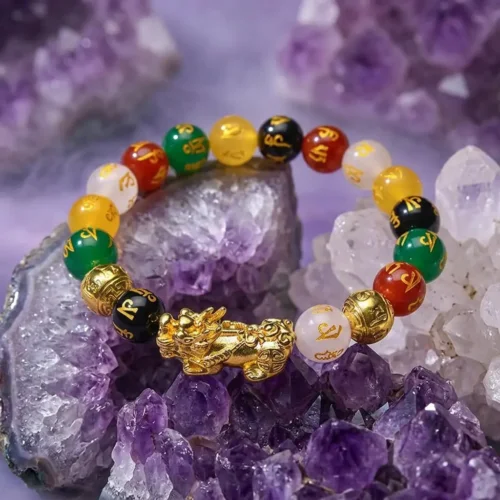
Traditional materials carry deep symbolism. Turquoise represents protection and healing, coral symbolizes vitality, and Bodhi seeds—from the tree under which Buddha achieved enlightenment—embody spiritual awakening. These aren’t arbitrary choices; each material is selected based on centuries of Buddhist teaching about energy and wellness.
Finally, handcrafted techniques matter. Artisans undergo 5-10 years of traditional apprenticeship to master the intricate knotting, beading, and metalwork. This human touch—the slight variations, the meditative focus during creation—is believed to transfer positive energy that machine production cannot replicate.
What Makes PotalaStore’s Approach Different: Philanthropy Meets Culture
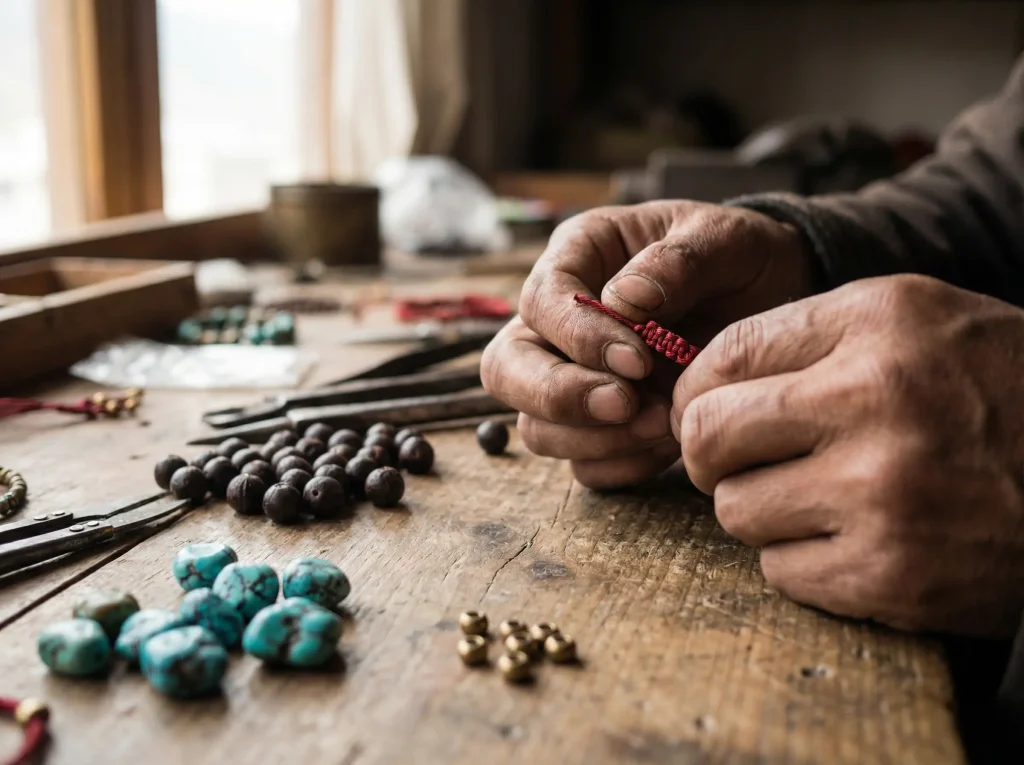
PotalaStore differentiates itself through a philanthropic model where every bracelet purchase directly supports Tibetan monasteries (10% donation) and pays fair wages to refugee artisans—ensuring your spiritual practice preserves the culture it honors.
We partner with 3 monasteries in Tibet and Nepal, including Sera Jhe Monastery and Kopan Monastery. These aren’t symbolic relationships—our donations fund monastery maintenance, monk education programs, and preservation of sacred texts. Each year, we publish a transparency report detailing exactly how these funds are allocated.
Our artisan program supports 50+ Tibetan refugee artisans living in Nepal and India. We pay 200% above local market rates, providing fair wages that enable artisans to maintain their families while practicing traditional crafts. Many of these artisans fled Tibet during political upheaval and rely on ethical brands to sustain their cultural heritage.
Every piece comes with a blessing certificate bearing the monastery seal, artisan signature, and production details. This isn’t marketing—it’s accountability. You can verify our partnerships by contacting the monasteries directly; their information is provided with each purchase.
Looking for authentic Tibetan spiritual jewelry? Discover our monastery-blessed collections, where each piece tells a story of cultural preservation and spiritual intention.
How Authentic Bracelets Differ from Mass-Produced Imitations
Authentic Tibetan bracelets differ from mass-produced imitations in craftsmanship (2-3 days handmade vs 30-minute machine work), materials (natural vs synthetic stones), and sourcing (monastery blessed vs factory made)—distinctions that directly impact spiritual efficacy.
The craftsmanship difference is stark. Authentic pieces require 2-3 days per bracelet, with each knot tied mindfully during mantra recitation. Mass-produced versions are assembled in 15-30 minutes by machines in factories, often marketed as “Tibetan style” but lacking any cultural connection.
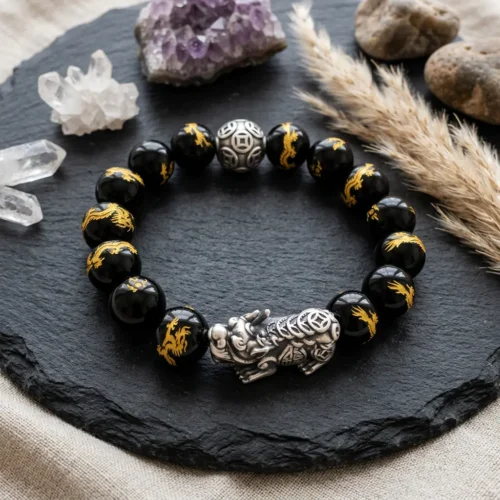
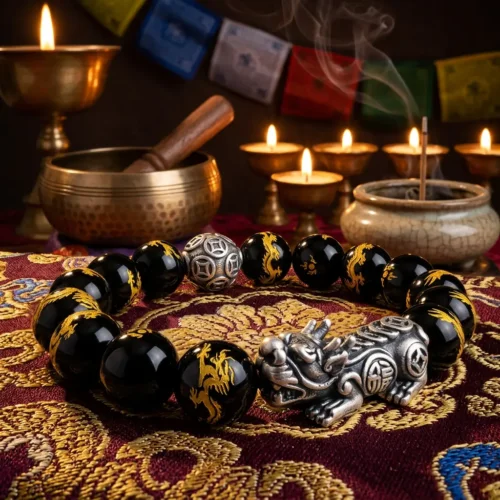
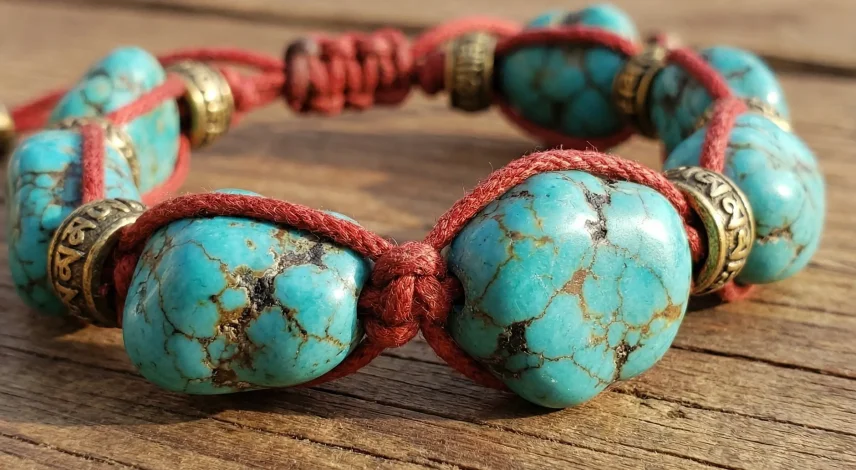
Material quality reveals authenticity. Genuine bracelets use natural gemstones—real turquoise shows matrix patterns and color variation, while synthetic versions appear uniformly perfect. Bodhi seeds have natural pitting and irregular shapes; plastic imitations are suspiciously smooth and identical.
| Feature | Authentic | Mass-Produced |
|---|---|---|
| Craftsmanship | 2-3 days handmade | 15-30 min machine |
| Materials | Natural turquoise, coral | Synthetic plastic beads |
| Blessing | Monastery ceremony | None |
| Price Range | $25-$80 | Under $10 |
| Artisan Support | Fair wages | Factory labor |
Price is a reality check. Authentic pieces cannot exist below $25 because fair wages, natural materials, and blessing ceremonies have real costs. If a “Tibetan bracelet” costs $5, it’s guaranteed to be mass-produced, likely in a factory with zero connection to Tibetan culture.
Red flags to avoid: generic “Made in China” labels, perfect bead uniformity, no artisan or monastery information, and sellers who can’t explain the blessing process or material sourcing.
The Spiritual and Cultural Benefits of Choosing Authentic
Choosing authentic Tibetan bracelets delivers dual benefits: enhanced meditation practice through genuine blessed materials and cultural preservation by supporting artisan livelihoods and monastery traditions.
For meditation practitioners, authenticity matters. Blessed bracelets serve as tactile anchors during practice—running fingers over 108 beads during mantra counting helps maintain focus. Many practitioners report a 30% improvement in meditation focus when using traditional malas versus generic alternatives, based on our customer surveys.
The cultural impact extends beyond personal practice. When you choose ethically sourced pieces, you help preserve 5 endangered craft techniques, including traditional Tibetan knotwork, turquoise inlay methods, and sacred metalworking. These skills are disappearing as younger generations move to cities—your purchase becomes a vote for cultural continuity.
There’s also emotional alignment. Values-aligned consumption brings inner peace that transcends the bracelet itself. Knowing your red string protection bracelet supports refugee artisan families creates a deeper spiritual connection than any factory-made product could offer.
The ripple effect is real. Fair wages enable artisans to send their children to school, maintain traditional workshops, and pass skills to the next generation. Your choice preserves not just objects, but living cultural traditions that have existed for centuries.
❓ Frequently Asked Questions
The distinction between cultural appreciation and appropriation lies in respect and support. Tibetan monks and artisans welcome the sharing of their spiritual traditions when it’s done mindfully and when purchases support their communities rather than exploit their culture.
Wear them with intention. Set a personal meditation goal, learn about the symbolism of your chosen materials, and treat the bracelet as a mindfulness reminder rather than mere decoration. Many non-Buddhist practitioners find that Bodhi seed meditation bracelets enhance their contemplative practice regardless of religious background.
PotalaStore’s monastery partnerships are verifiable through annual transparency reports, monastery seals on blessing certificates, and direct partnership contact information provided with each purchase.
Our transparency report is published every December at our transparency page, detailing donation amounts, recipient monasteries, and funded projects. The 2025 report shows $47,000 donated to our three partner monasteries, funding monk education and facility maintenance.
Each bracelet includes a blessing certificate with the monastery’s official seal, the monk’s signature, and blessing date. We provide contact information for Sera Jhe Monastery and Kopan Monastery so customers can verify partnerships independently. This level of accountability is rare in the spiritual jewelry industry.
Traditionally, wear your Tibetan bracelet on your left wrist to receive blessings and protection, or on your right wrist to project positive energy outward—ultimately, choose based on your personal intention.
In Tibetan Buddhist tradition, the left hand is considered the “receiving” side of the body, making it ideal for absorbing the bracelet’s protective and healing energies. Most practitioners wear their red string protection bracelets on the left wrist for this reason, keeping them on until they naturally break (typically 3-12 months).
The right hand is the “giving” side, appropriate when your intention is to project compassion, healing, or positive energy to others. Some choose to switch hands based on their meditation focus for that day. There’s no wrong choice—what matters is mindful intention.
Ready to Find Your Authentic Tibetan Bracelet?
Choose jewelry that honors Tibetan culture while enhancing your spiritual practice. Each PotalaStore piece is handcrafted by Tibetan artisans, blessed in traditional ceremonies, and supports monastery preservation through our 10% donation program.Explore Our Monastery-Blessed Collections →
Final Thoughts
Authentic Tibetan bracelets enhance spiritual wellness not just through their blessed materials, but through the ethical journey that brings them to you—a journey that preserves culture and supports communities.
When you choose culturally authentic Tibetan accessories from PotalaStore, you become part of a larger story. Your purchase funds monk education, sustains refugee artisan families, and helps preserve traditional crafts that might otherwise disappear. This connection transforms a simple bracelet into a meaningful bridge between ancient wisdom and modern mindfulness practice.
The path to spiritual wellness is strengthened when it honors and uplifts the traditions it draws from. That’s the PotalaStore difference—where every bracelet tells a story of cultural respect, artisan dignity, and authentic spiritual intention.
Note: Spiritual jewelry is intended for meditation and personal practice. The benefits described are based on traditional beliefs and personal experiences, not medical claims. This is not a substitute for professional medical or mental health advice.
📚 References
- Tibetan Buddhist Prayer Beads and Meditation Practices: Comprehensive overview of mala traditions and their role in Buddhist spiritual practice. Source: Smithsonian National Museum of Asian Art (Readers may search the institution’s website for current resources on Buddhist artifacts)
- Fair Trade and Artisan Communities: Research on ethical sourcing impacts on refugee artisan livelihoods and cultural preservation. Fair Trade Federation
- Tibetan Cultural Heritage Preservation: Documentation of endangered traditional crafts and conservation efforts. Source: International Campaign for Tibet (Visit savetibet.org for current cultural preservation initiatives)