



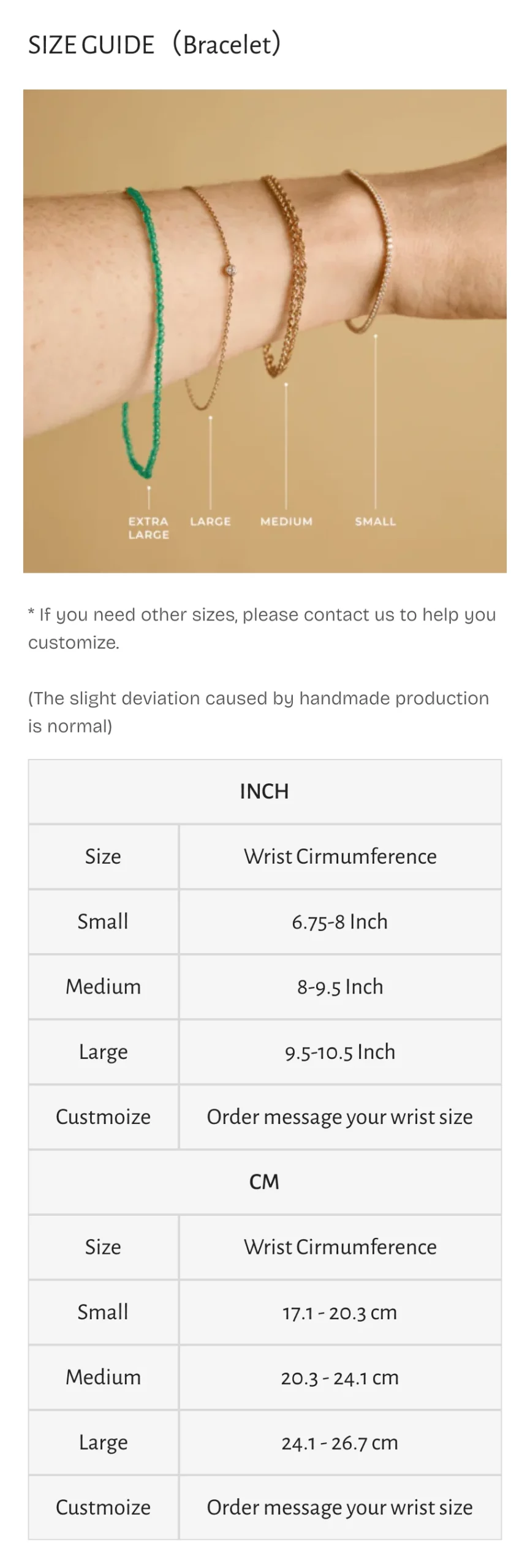
 Bracelet Size Guide Chart - Wrist Measurement in Inches & CM[/caption]
[caption id="attachment_17326" align="aligncenter" width="905"]
Bracelet Size Guide Chart - Wrist Measurement in Inches & CM[/caption]
[caption id="attachment_17326" align="aligncenter" width="905"]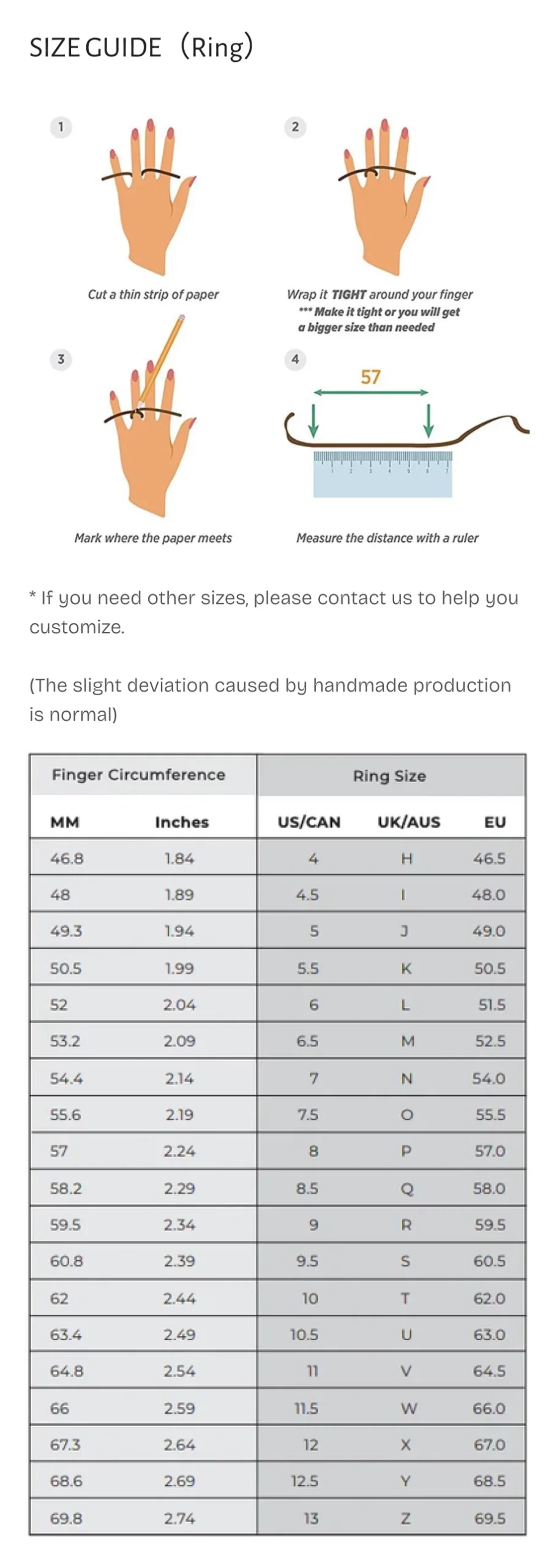 Ring Size Guide - How to Measure Finger Size at Home[/caption]
[caption id="attachment_17325" align="aligncenter" width="912"]
Ring Size Guide - How to Measure Finger Size at Home[/caption]
[caption id="attachment_17325" align="aligncenter" width="912"]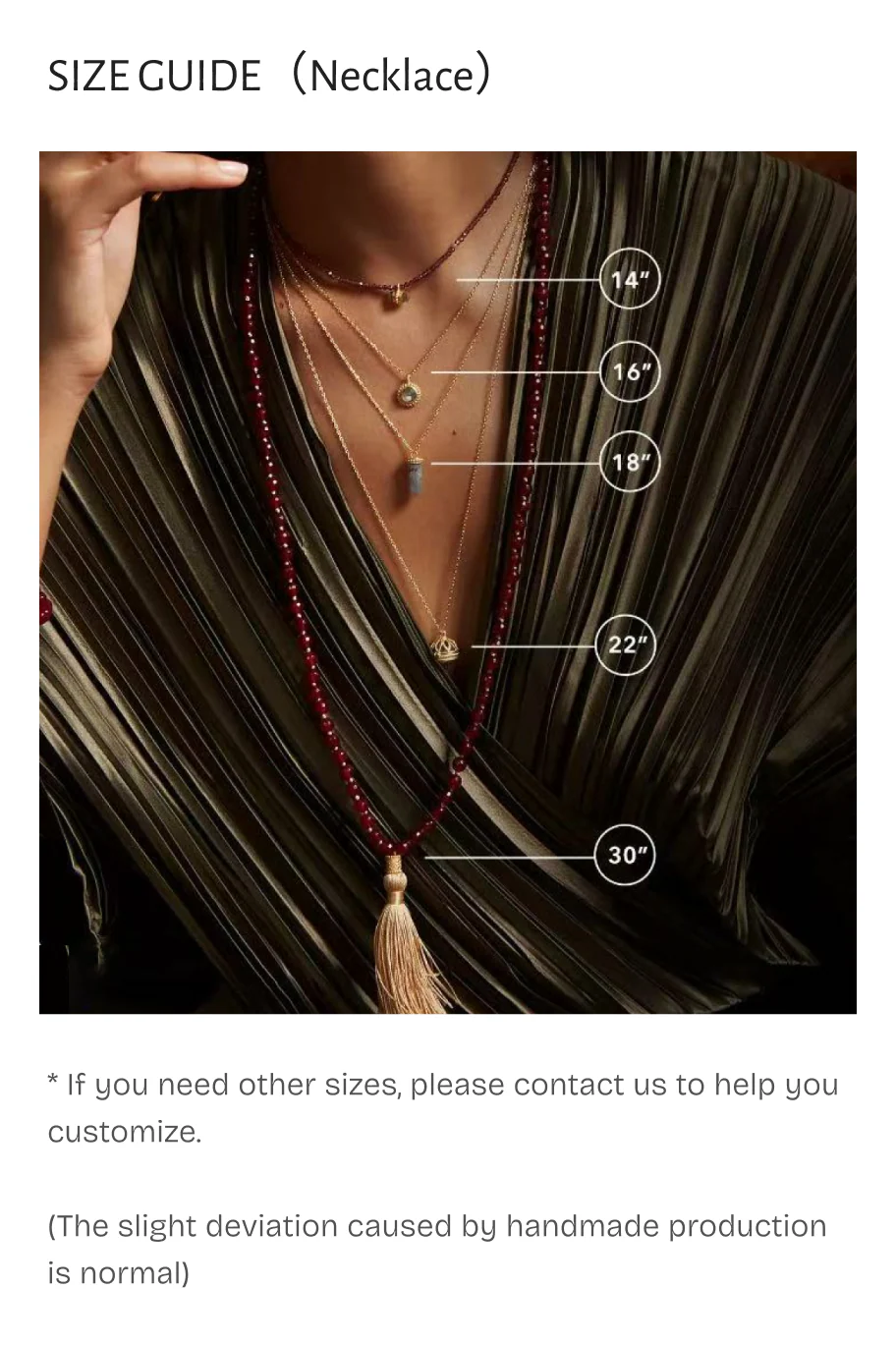 Necklace Length Size Guide Chart - 14 16 18 22 30[/caption]
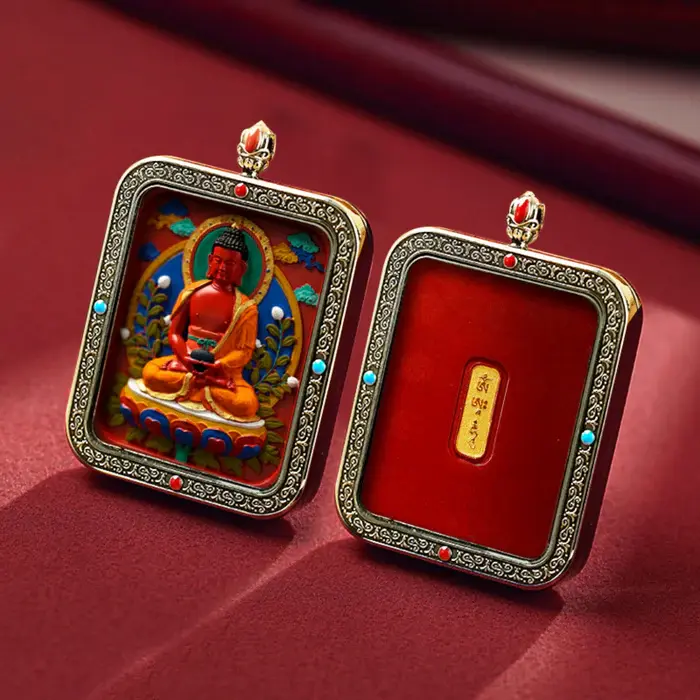
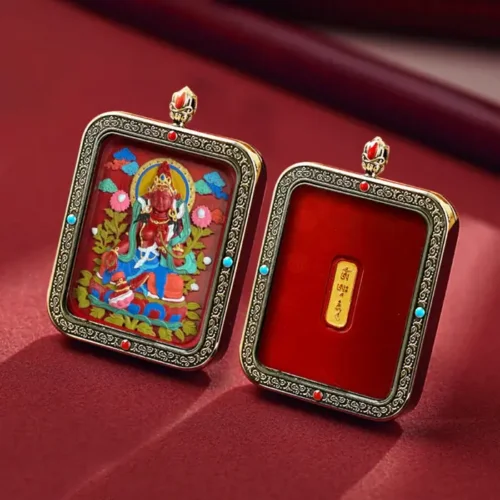
This pendant is a wearable portable shrine — a Ga Wu box (also spelled Gau, Ghau, or Gawu) enclosing a hand-painted miniature Thangka of your chosen deity. The white copper frame carries a rich cinnabar finish, inlaid with coral and turquoise accent stones, and the top bail is crowned with a small vajra motif. Every detail follows centuries-old Tibetan Buddhist iconographic tradition.
If you’re looking for a piece of spiritual jewelry that is authentically made — not mass-printed, not machine-stamped — this is it. Each Thangka is individually hand-painted by artisans trained in classical mineral-pigment techniques, meaning no two pieces are absolutely identical.
What is a Ga Wu box — and why Tibetans have worn one for 1,300 years
The word Ga Wu (嘎乌) comes from Tibetan and means protective amulet box. Think of it as a portable shrine — a hollow container worn over the heart that holds a sacred object: a miniature Thangka painting, a relic, or a rolled mantra.
The tradition dates to the 7th century, when nomads crossing the Qinghai-Tibet Plateau wore Gau boxes to carry their personal deity on long journeys. Tibetan soldiers wore them into battle. Pilgrims wore them on months-long treks to holy sites. The logic was simple: keep your protective deity close to your heart, physically and spiritually.
“A Ga Wu box is not decoration. It is a portable altar — a commitment to carry the sacred with you, wherever you go.”— Tibetan Buddhist tradition
What makes this version distinctive is the sealed glass-faced frame — the Thangka inside is fully visible and protected at the same time. The back panel opens to reveal a red silk lining and a small gold inscription plaque, true to the traditional Gau format.
The Thangka art inside — 600 years of sacred painting tradition, in miniature
Thangka (唐卡) are Tibetan Buddhist scroll paintings used for meditation, teaching, and devotion since at least the 15th century. Creating one follows strict iconographic rules — proportional grids, precise mudra positions, regulated color symbolism — that have been passed down through lineages of master painters.
Translating that tradition to pendant scale is genuinely difficult. These miniature Thangkas are painted with fine-tipped brushes under magnification, using mineral-based pigments that give the colors their characteristic vibrancy and depth. The result is a level of detail that simply cannot be replicated by printing — look closely and you will see individual brushstrokes in the deity’s robes, the lotus petals, the mandorla halo.
- Painted using traditional mineral pigments — not UV printing or digital reproduction
- Each painting follows classical Tibetan iconographic proportion grids
- Slight variations between pieces prove genuine handcraft
- Creating a Thangka is itself a merit-accumulating practice in Tibetan tradition
Cinnabar finish & white copper — materials chosen for meaning, not just appearance
The frame is cast in white copper (白铜) — a durable, tarnish-resistant alloy long used in Tibetan metalwork, associated with purity in the Buddhist “body, speech, and mind” metals framework. The surface receives a cinnabar (朱砂 / Zhu Sha) finish: a deep vermillion oxide traditionally revered in Chinese and Tibetan cultures for protection, vitality, and the warding off of negative energy.
Is cinnabar safe to wear? The cinnabar here is a sealed decorative surface finish applied to the copper — not raw mineral cinnabar. It is safe for everyday jewelry wear. Simply avoid prolonged water contact to preserve the finish.
Coral and turquoise accent stones are inlaid at the frame corners — both materials sacred in Tibetan jewelry traditions, representing longevity and wisdom respectively. The bail at the top is a small vajra (ritual thunderbolt), symbolizing indestructible clarity.
Choose your guardian deity — 14 variants and what each one protects
In Tibetan and Chinese Buddhist tradition, each person born in a given zodiac year has a corresponding Guardian Buddha (守护神) — a protective deity whose qualities complement and support the person born under that sign. This pendant is available in 14 variants spanning both the core Eight Guardian Buddhas and six additional deities for specialized protection.
Eight Guardian Buddhas by Chinese Zodiac year
| Zodiac Sign | Example Birth Years | Guardian Deity | Core Blessing |
|---|---|---|---|
| Rat | 1984, 1996, 2008, 2020 | Four-Armed Avalokiteshvara | Compassion, mercy, swift assistance |
| Ox & Tiger | 1985/86, 1997/98, 2009/10 | Akasagarbha | Boundless wisdom, merit accumulation |
| Rabbit | 1987, 1999, 2011, 2023 | Manjushri | Wisdom, clarity, academic & career success |
| Dragon & Snake | 1988/89, 2000/01, 2012/13 | Samantabhadra | Virtue, great vows, spiritual practice |
| Horse | 1990, 2002, 2014, 2026 | Mahasthamaprapta | Strength, perseverance, liberation |
| Sheep & Monkey | 1991/92, 2003/04, 2015/16 | Vairocana | Illumination, truth, universal dharma |
| Rooster | 1993, 2005, 2017 | Acala (Fudo Myo-o) | Fierce protection, obstacle removal |
| Dog & Pig | 1994/95, 2006/07, 2018/19 | Amitabha Buddha | Infinite light, compassion, peaceful rebirth |
Six additional variants for specialized protection
- Medicine Buddha (Bhaisajyaguru) — Healing of physical and mental illness; promotes longevity and good health. Universally revered, not zodiac-specific.
- Green Tara — Swift protection from fear and obstacles. Particularly beloved by women; one of the most widely venerated deities in all of Tibetan Buddhism.
- Yellow Jambhala (Dzambhala) — Deity of ethical wealth and prosperity; one of the Five Wealth Deities. For those seeking financial stability rooted in right livelihood.
- Fox Deity (狐仙) — From Chinese folk tradition; associated with business acumen, charisma, and interpersonal relationships. A crossover deity between Buddhist and Daoist worlds.
- Zakiram (扎基拉姆 / Zhaqi Lhamo) — A revered Tibetan wealth goddess and one of the Twelve Tenma guardian deities. Symbolizes good fortune, protection, and happiness.
- The Fifth Lord (五爷 / Shengyan Bodhisattva) — Believed to be the fifth son of the Dragon King, revered as a God of Wealth and distributor of earthly abundance. Widely worshipped across Tibet and China.
How to wear and honor your Ga Wu box pendant
Wear the pendant against the heart, above the waist — this mirrors how Tibetan practitioners have worn Gau boxes for centuries. The pendant face (Thangka side) traditionally faces outward, so the deity “looks out” to protect you.
Can non-Buddhists wear this? Yes, without hesitation. Buddhist amulets are intended to benefit all beings, not only practitioners. What matters is respectful intention — treat it as the sacred object it is, not as casual fashion.
- Remove before bathing, swimming, or sleeping
- Store respectfully — on a clean, elevated surface, or in the gift box provided
- Do not let others casually handle your Ga Wu box
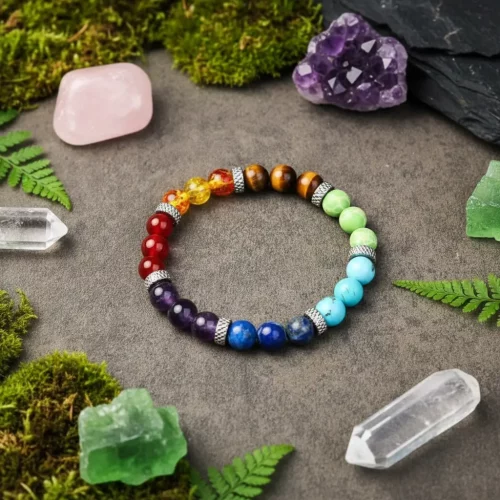
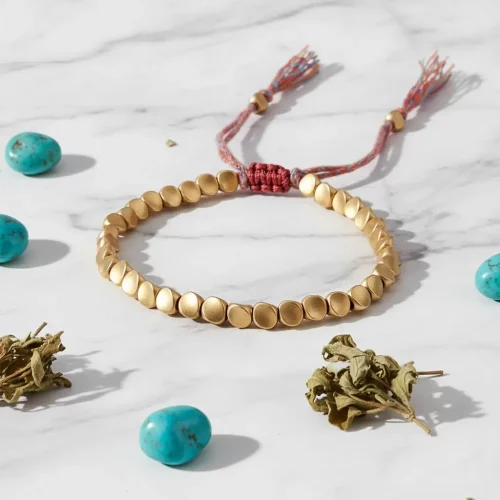
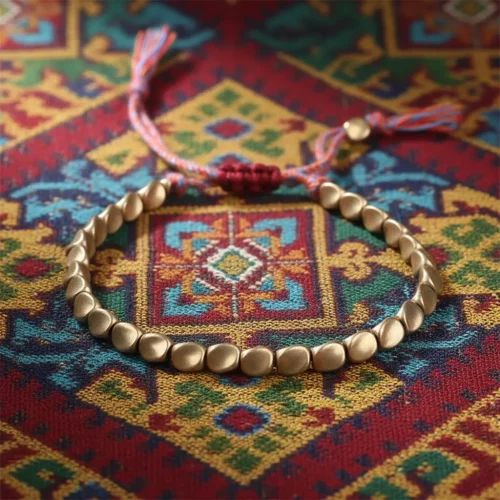
- Pairs well with a mala bracelet or other Buddhist jewelry — no conflict
- Can be worn during meditation and mantra recitation to deepen practice
Caring for your pendant
Prolonged exposure degrades the cinnabar finish and mineral pigments
UV fades mineral pigments over time — store away from direct sun
Avoid perfume, cleaning agents, and ultrasonic cleaners
Use a soft dry cloth; do not scrub the Thangka surface
When not wearing, keep in the included embroidered jewelry box
Product specifications
Frequently asked questions
What is a Ga Wu box (Gau box)?
A Ga Wu box (also spelled Gau, Ghau, or Gawu) is a portable Tibetan Buddhist shrine worn as a pendant. It holds a sacred miniature Thangka painting or relic inside, serving as both protective amulet and wearable altar — a tradition carried by Tibetan nomads and pilgrims for over 1,300 years.
Is cinnabar safe to wear as jewelry?
The cinnabar on this pendant is a sealed decorative surface finish applied to white copper — not raw mineral cinnabar. It is safe for normal jewelry wear. Avoid prolonged water exposure to preserve the finish.
Can non-Buddhists wear this pendant?
Yes. Buddhist amulets are intended to benefit all beings regardless of religious background. What matters is sincere intention and respectful treatment of the piece.
How do I choose which deity is right for me?
Use the Chinese Zodiac Guardian Buddha system in the table above to find your birth-year deity. Alternatively, choose based on your current needs: wisdom (Manjushri), compassion (Avalokiteshvara), wealth (Yellow Jambhala), healing (Medicine Buddha), or swift protection (Green Tara).
What is the difference between this and a regular Buddhist pendant?
A Ga Wu box is hollow and openable — a true portable shrine, not a solid pendant. It carries the Thangka art inside a sealed frame, mirroring the shrine boxes Tibetan practitioners have worn for centuries. The back panel opens to reveal a red silk interior and inscription plaque.
Does the pendant need to be blessed or consecrated?
Traditional practice involves consecration (Tib: rabne) by a qualified lama, which activates the deity’s presence within the image. If you have access to a Tibetan Buddhist teacher, requesting a blessing is meaningful. That said, the hand-painted Thangka and sacred iconography carry intrinsic spiritual significance — many practitioners wear them from the moment of purchase with sincere intention.
Can I wear this with other Buddhist jewelry?
Yes — this pendant pairs naturally with a mala bracelet, prayer beads, or other Buddhist jewelry. There is no conflict in wearing multiple pieces together, provided each is worn with intention and respect.
How should I care for the pendant?


Reviews