

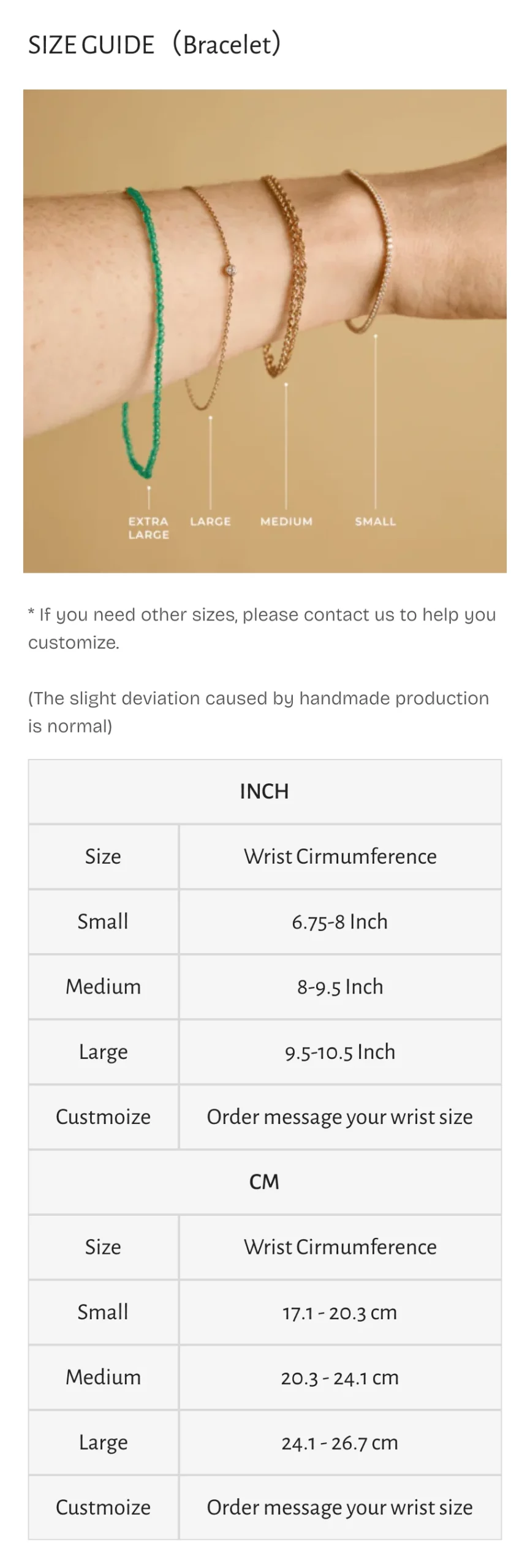
 Bracelet Size Guide Chart - Wrist Measurement in Inches & CM[/caption]
[caption id="attachment_17326" align="aligncenter" width="905"]
Bracelet Size Guide Chart - Wrist Measurement in Inches & CM[/caption]
[caption id="attachment_17326" align="aligncenter" width="905"]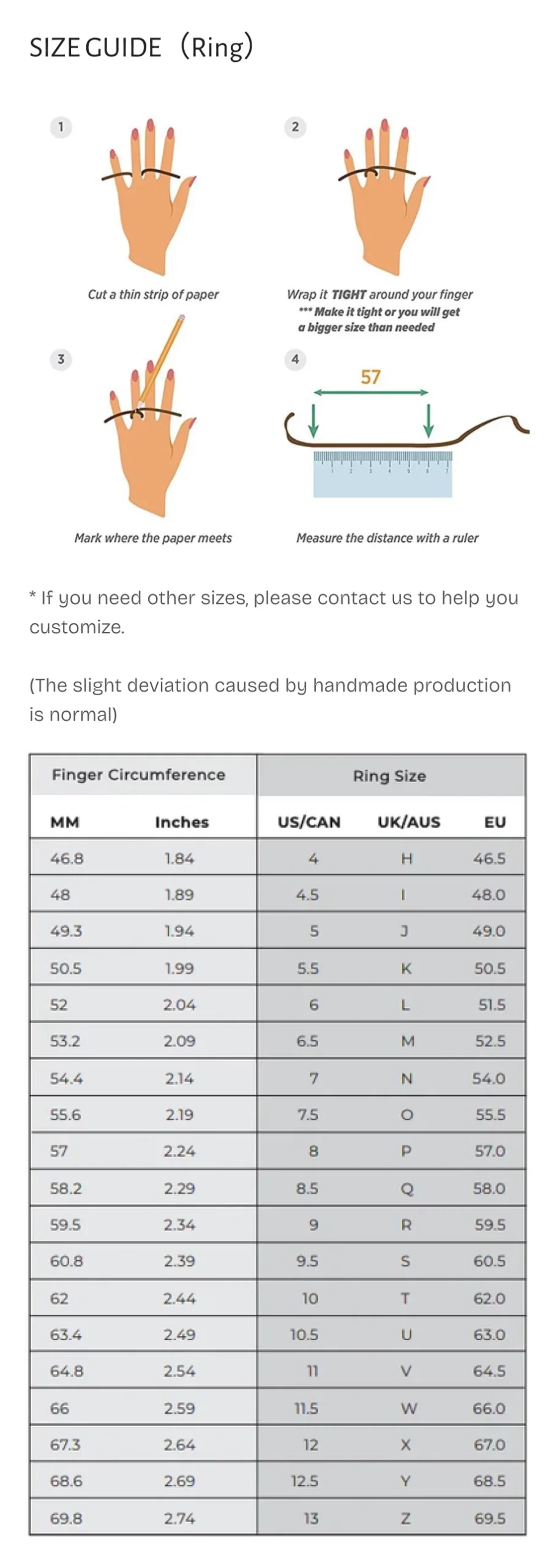 Ring Size Guide - How to Measure Finger Size at Home[/caption]
[caption id="attachment_17325" align="aligncenter" width="912"]
Ring Size Guide - How to Measure Finger Size at Home[/caption]
[caption id="attachment_17325" align="aligncenter" width="912"]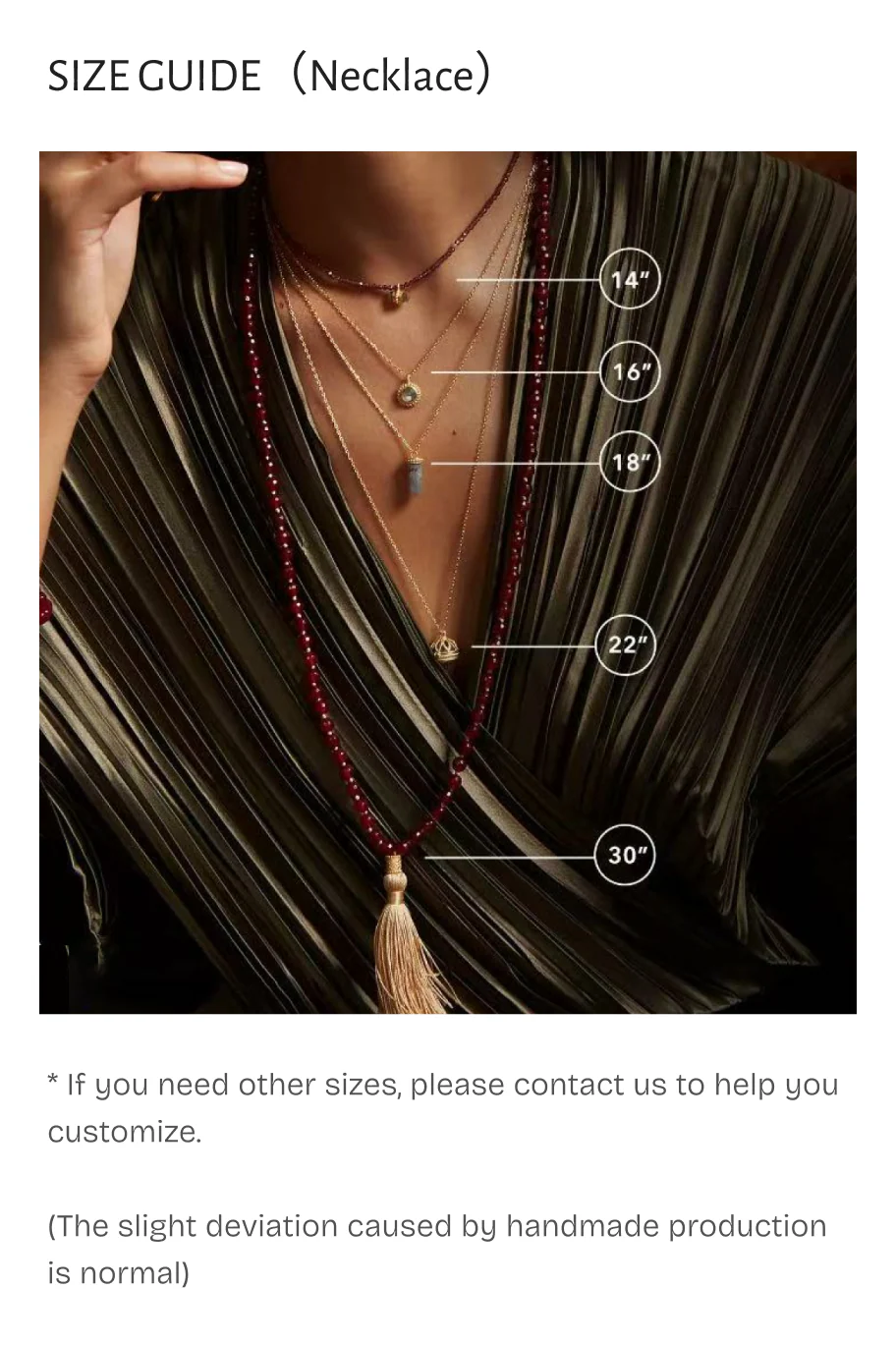 Necklace Length Size Guide Chart - 14 16 18 22 30[/caption]
A handcrafted symbol of inner peace and mindfulness
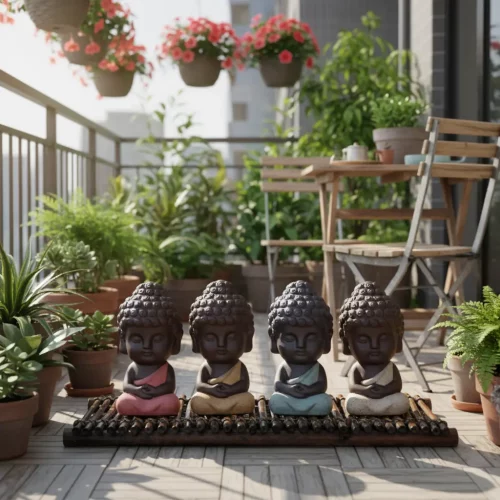
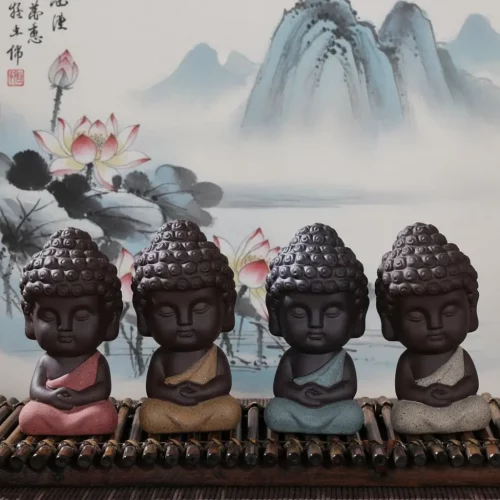
Some objects do more than decorate a room — they change how the room feels. This Tibetan meditation Buddha statue is one of them. Carved by hand from natural green sandstone, it carries a quiet authority that draws your eye, slows your breath, and reminds you, even on the most chaotic days, that stillness is always available.
“In Tibetan Buddhist tradition, a Buddha statue is never merely an ornament. It is a living symbol of enlightenment, compassion, and the boundless potential within every human mind.” — PotalaStore
At PotalaStore, every piece we offer is chosen with that understanding. Our roots are in the Tibetan Buddhist tradition — inspired by the great monasteries of the Himalayas, by the artisans who dedicate their lives to sacred craft, and by the simple belief that beauty and meaning belong together. When you bring this statue into your home, you’re not just buying décor. You’re inviting in a centuries-old tradition of contemplation, wisdom, and compassion.
Whether you practice meditation, follow a spiritual path, or simply want a serene focal point in your living space, this figurine speaks to you — no prior knowledge of Buddhism required.
Eight poses, each with its own spiritual meaning
Every Buddha statue you see is telling a story with its body. The position of the hands — called a mudra — and the posture of the figure together express a specific spiritual intention. Choose the one that resonates with where you are right now.
1. Contemplation — patient understanding and reflection
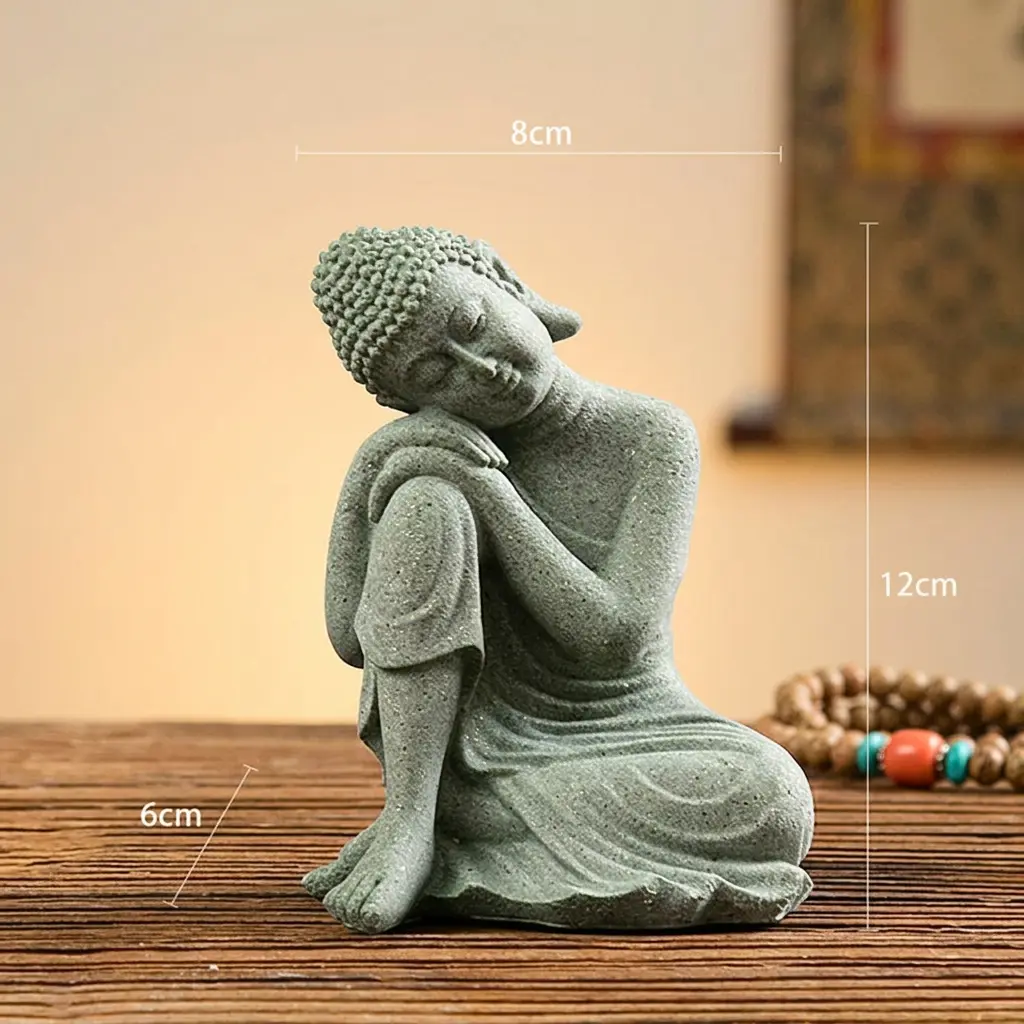
Arms crossed at the chest, right over left. This pose embodies patient inquiry — the willingness to sit with a question rather than rush to an answer. Ideal for a reading nook, library, or study where deep thinking happens.
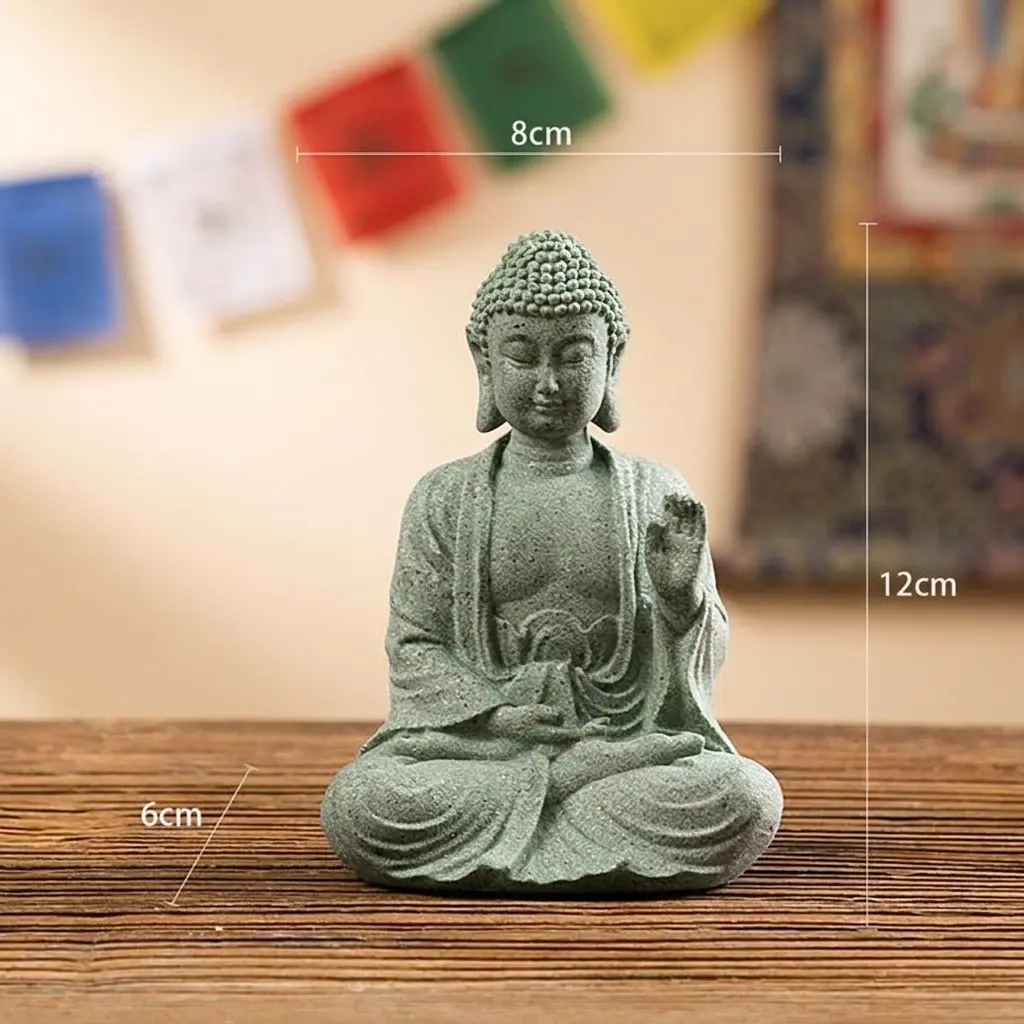
2. Meditation (Dhyana Mudra) — calm concentration and clarity
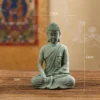
Seated in lotus position, hands resting in the lap with palms facing upward. The most universally recognized Buddha pose. It represents unshakeable inner calm, the quality of mind that remains steady regardless of external noise. Perfect for a meditation corner, yoga room, or any space dedicated to stillness.
3. Thinking — the pursuit of wisdom
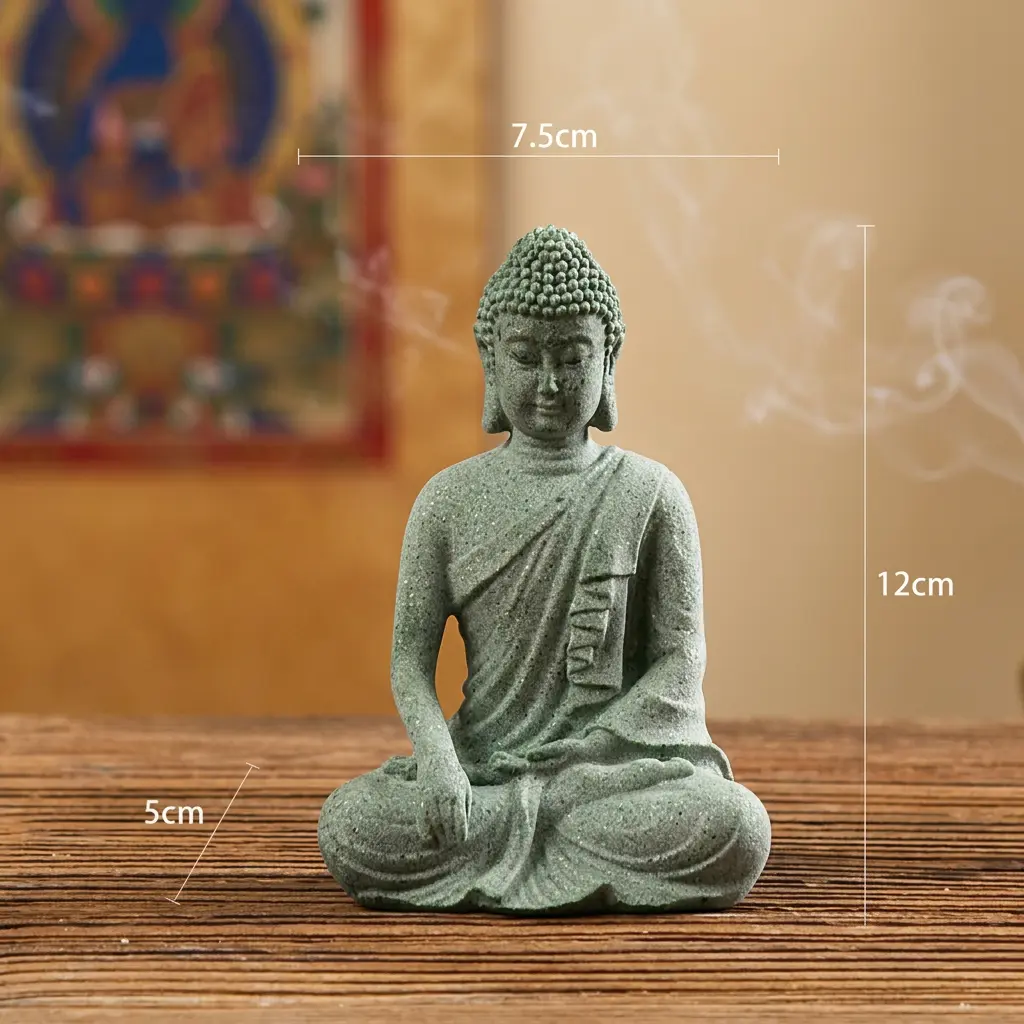
One hand resting gently against the chin in a reflective gesture. This pose captures philosophical curiosity — the mind actively turning inward to seek truth. A natural fit for a home office or creative workspace.
4. Praying (Anjali Mudra) — devotion, gratitude, and humility
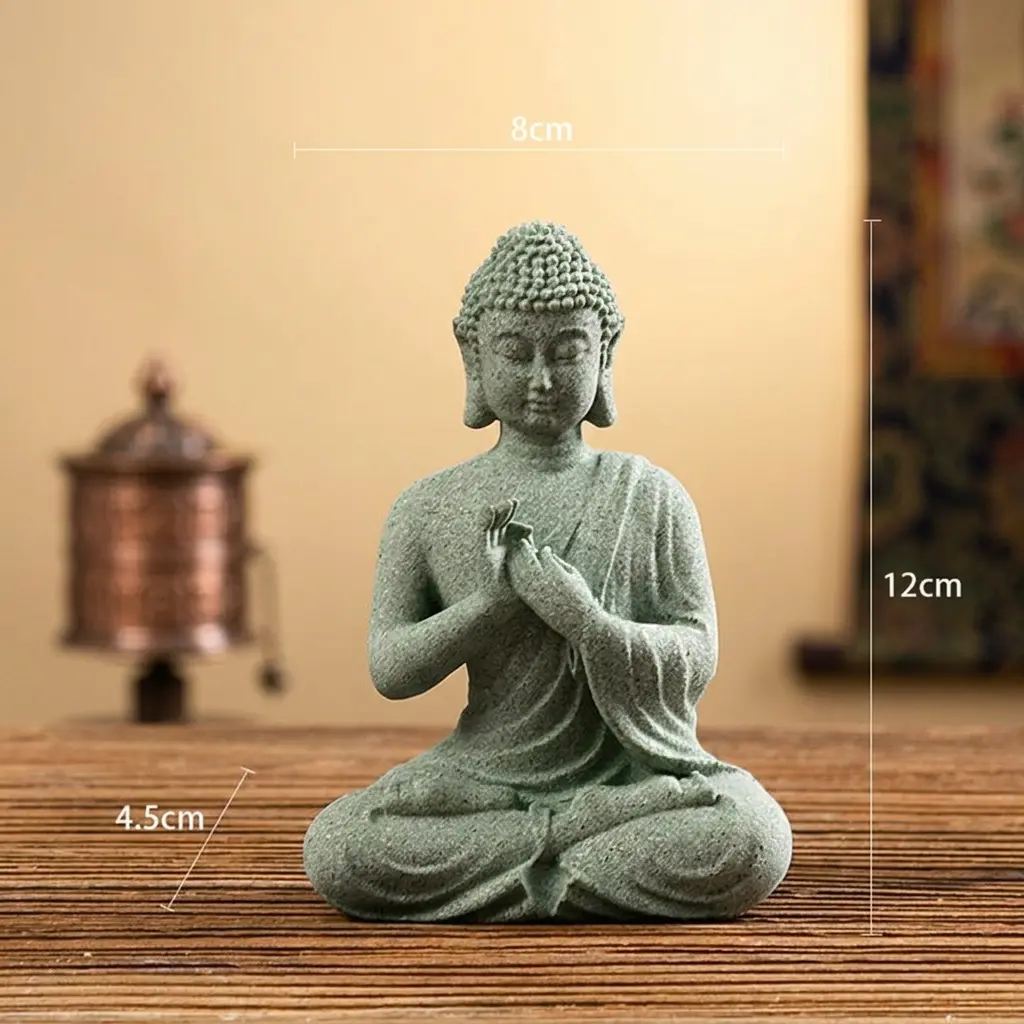
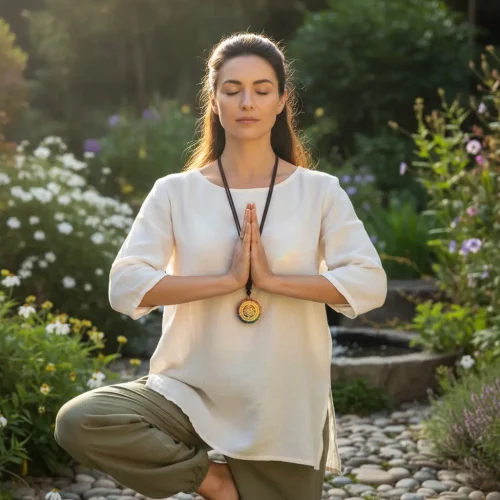
Palms pressed together at the heart. This gesture is universal across spiritual traditions as a sign of respect and gratitude. Place it on an altar, a windowsill, or any sacred corner of your home.
5. Sitting — grounded stability and quiet presence
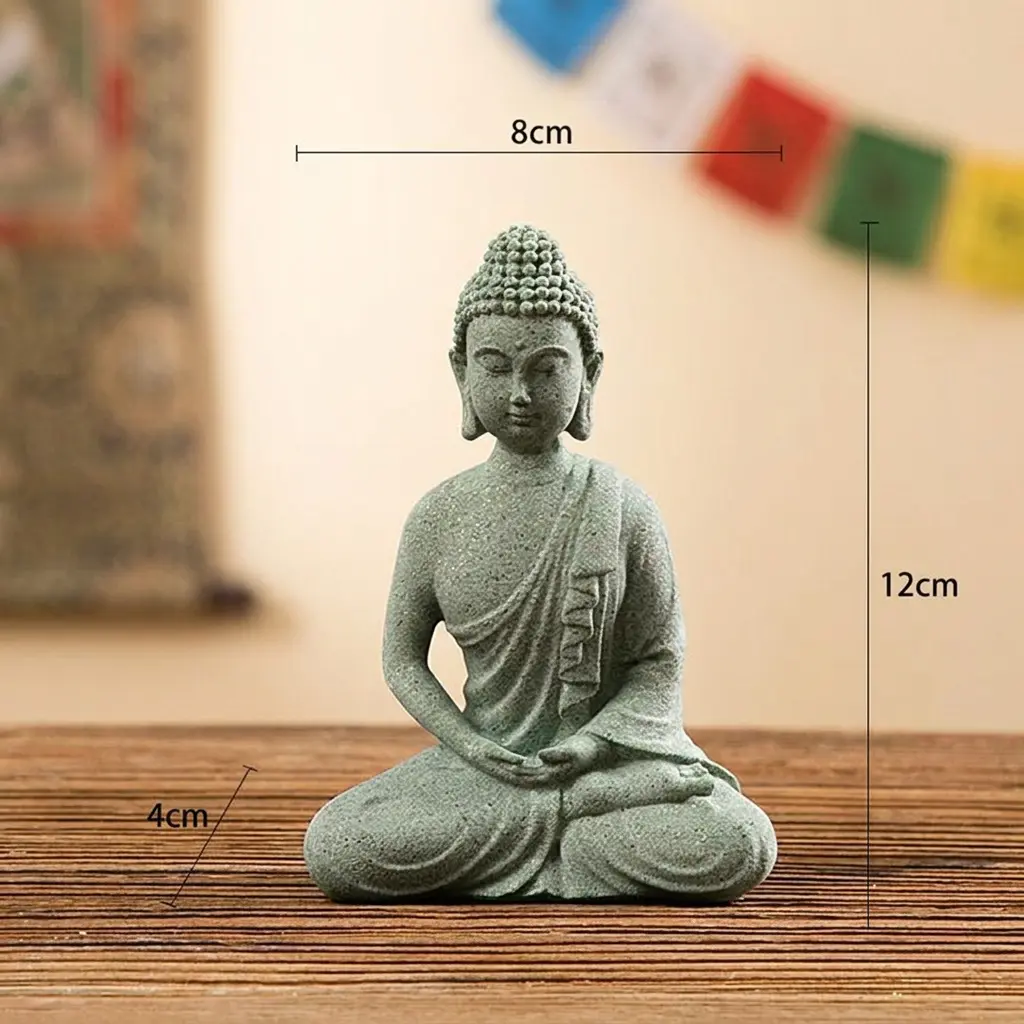
A classic seated posture with a stable triangular base. Symbolizes rootedness and unwavering focus — the quality of being fully present without being swept away. Versatile for any room.
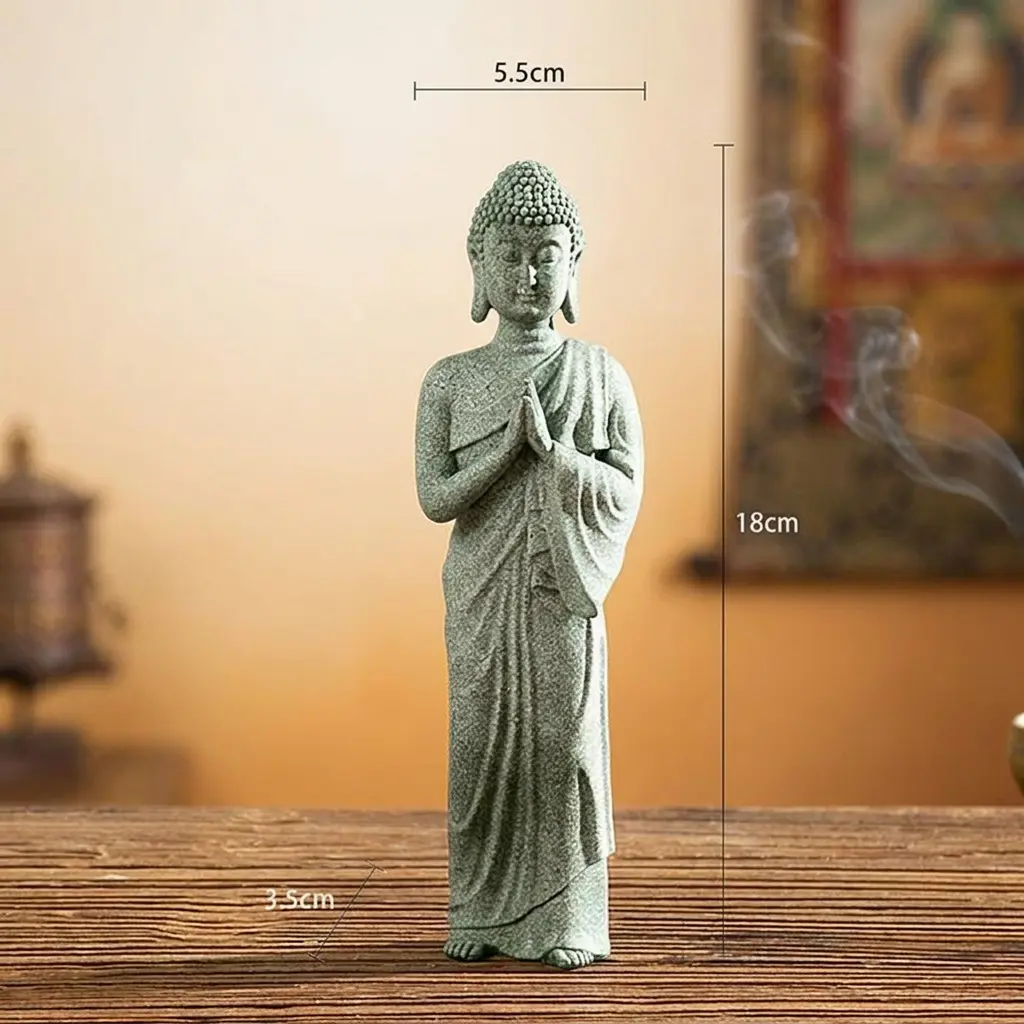
6. Standing Praying — active compassion and service
Upright figure with hands in prayer. Standing posture conveys readiness and engaged compassion — the bodhisattva ideal of wisdom paired with action. A powerful presence near an entryway or doorway.
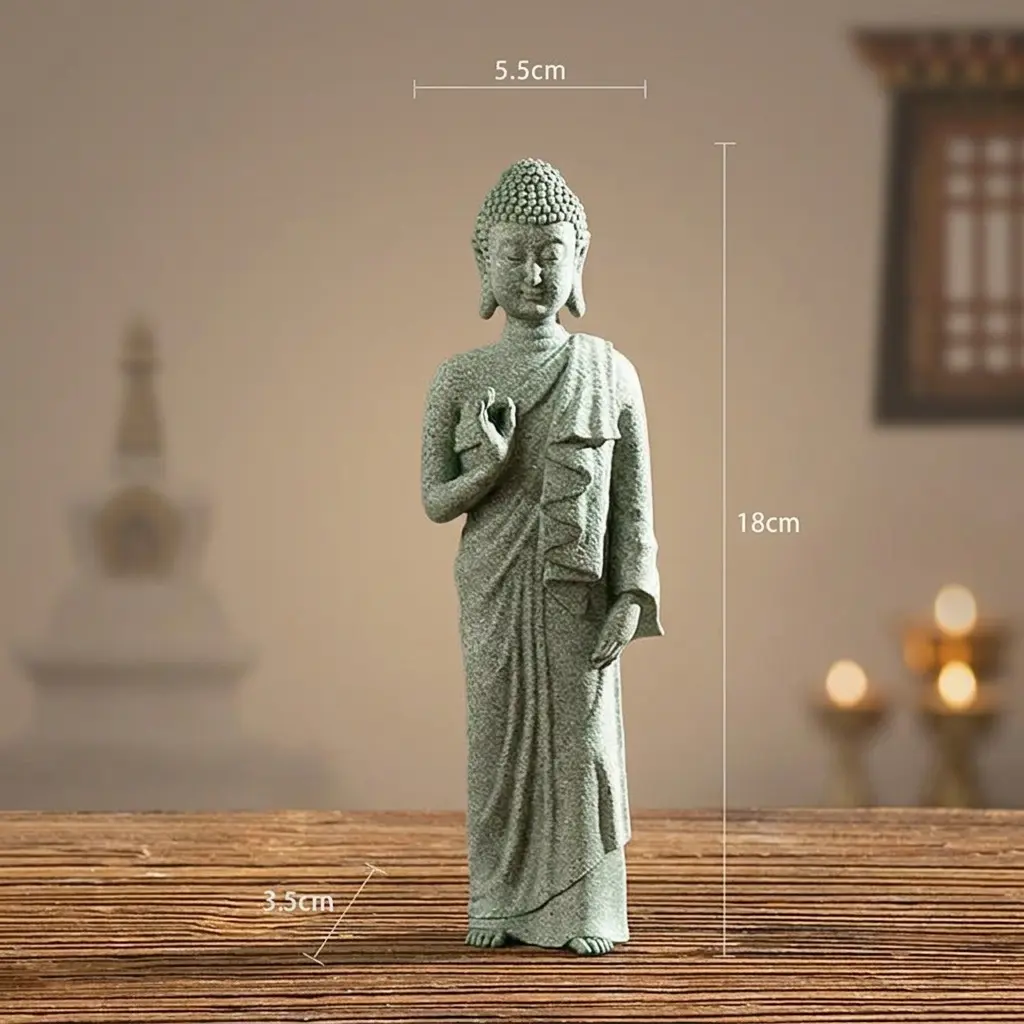
7. Standing Left Hand (Varada Mudra) — generosity and blessing
One open hand extended downward, palm outward — the gesture of gift-giving and abundance. Traditionally placed at an entrance to welcome positive energy into the home.
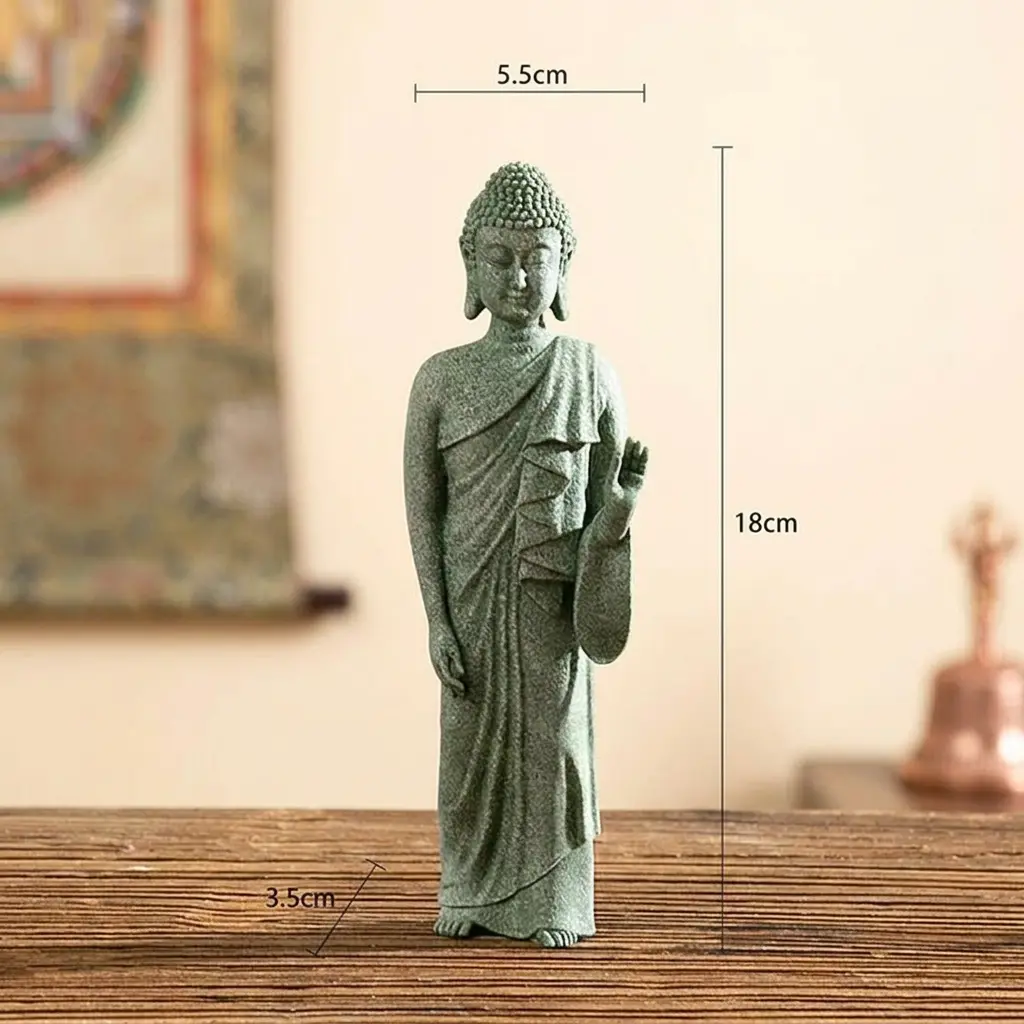
8. Standing Right Hand (Abhaya Mudra) — fearlessness and protection
Right hand raised, palm facing outward: “Do not be afraid.” The Abhaya Mudra is a gesture of protection and reassurance, widely used in Tibetan, Thai, and Gandharan Buddhist art. Ideal for entryways or anywhere you want to feel a sense of calm authority.
Carved from natural green sandstone — not resin, not faux-stone
This is where PotalaStore’s offering diverges sharply from most Buddha statues on the market. The majority are cast from resin with a sandstone-finish coating. This statue is carved from genuine natural green sandstone — a sedimentary rock formed over thousands of years from compressed mineral particles. It’s non-toxic, contains zero synthetic coatings, and is fully eco-friendly.
- Matte, warm surface — natural grain you can feel with your fingertips
- Earthy sage-green tone — complements minimalist, wabi-sabi, and Tibetan-inspired interiors equally well
- Solid and substantial — 205–261g seated; 237g standing; it has real weight in the hand
- Truly one of a kind — slight variations in color and texture are inherent to natural stone, not defects
- Handmade by artisans — each piece individually carved, not mass-produced in molds
Because every statue is shaped by hand, you may notice minor irregularities in line or surface. In the Tibetan craft tradition, these are signs of authentic human making — evidence that a real person, not a machine, brought this figure into existence.
Where to place your Buddha statue for positive energy
Placement matters — both aesthetically and energetically. Here’s what Tibetan and feng shui traditions consistently recommend:
- Face toward the main entrance or east — east represents new beginnings, dawn, and spiritual growth
- Place at or above eye level — never on the floor; elevation shows respect and allows the statue to anchor the space
- Keep the area clean and uncluttered — the statue works best as a focal point, not buried among objects
- Living room: Meditation or Sitting pose facing the entrance
- Meditation / yoga room: Dhyana Mudra pose, east-facing, surrounded by candles or incense
- Home office or desk: Thinking pose for clarity and focused energy
- Entryway: Standing Abhaya or Varada Mudra for protection and welcoming chi
- Bedroom: Small seated pose on a nightstand for restful, grounded sleep energy
What to avoid: bathrooms, kitchens, directly on the floor, or near loud electronics. Pair your statue with a small plant, a candle, or incense to create a complete mindfulness corner.
A meaningful gift — for any occasion, any recipient
In Buddhist tradition, gifting a sacred object is an act of dāna — generosity — and conveys your genuine wish for the recipient’s peace and well-being. You don’t have to be Buddhist to give or receive one meaningfully.
This statue works beautifully as a gift for:
- Housewarming — a serene anchor for a new home
- Birthday or graduation — marking a new chapter with intention
- Yoga teachers, meditation practitioners, or spiritual seekers
- Anyone navigating stress, change, or burnout
- The person who “has everything” — this is not another candle
At just 12cm (seated) or 18cm (standing), it’s compact enough to travel or sit elegantly on a desk, yet substantial enough to feel like a considered, lasting gift.
Free shipping on orders over $35 · PotalaStore · Rooted in Tibetan tradition
Product specifications
| Variant | Dimensions (approx.) | Weight (approx.) |
|---|---|---|
| Contemplation (Seated) | 8 × 4 × 12 cm / 3.1 × 1.6 × 4.7 in | 261 g / 9.2 oz |
| Meditation (Seated) | 8 × 6 × 12 cm / 3.1 × 2.4 × 4.7 in | 247 g / 8.7 oz |
| Thinking (Seated) | 7.5 × 5 × 12 cm / 3.0 × 2.0 × 4.7 in | 205 g / 7.2 oz |
| Praying (Seated) | 8 × 4.5 × 12 cm / 3.1 × 1.8 × 4.7 in | 215 g / 7.6 oz |
| Sitting (Seated) | 8 × 4 × 12 cm / 3.1 × 1.6 × 4.7 in | 215 g / 7.6 oz |
| Standing (all 3 poses) | 5.5 × 3.5 × 18 cm / 2.2 × 1.4 × 7.1 in | ~237 g / 8.4 oz |
- Material: Natural green sandstone (not resin)
- Finish: Matte, hand-finished
- Process: Individually handmade — not molded
- Safe for: Indoor use; eco-friendly, non-toxic
- Note: Slight color and texture variation is normal and expected — a feature, not a flaw
Frequently asked questions
What does a meditating Buddha statue symbolize?
The meditation pose — hands in the lap, palms upward — represents the Dhyana Mudra: the state of deep, undistracted concentration on the path to enlightenment. It symbolizes inner clarity, emotional stability, and the quiet courage it takes to look inward.
Is it disrespectful to have a Buddha statue as home décor?
No — provided the statue is placed respectfully: elevated, in a clean space, away from bathrooms and the floor. Displaying a Buddha statue is a long-standing, welcomed practice worldwide, regardless of religious background. Intention and reverence are what matter.
Which direction should my Buddha statue face?
Toward the main entrance or east. In both Tibetan Buddhist tradition and feng shui, east represents the rising sun — new beginnings, awakening, and spiritual energy flowing into the home.
Is green sandstone durable?
Yes. Sandstone is a natural sedimentary rock comparable in density and longevity to marble. It won’t fade under normal indoor conditions and develops a subtle patina over time that deepens its character. Keep it dry and away from direct moisture.
Can I give a Buddha statue as a gift to a non-Buddhist?
Absolutely. In Buddhism, giving a sacred object is an act of generosity (dāna) and simply expresses your wish for the recipient’s peace and well-being. Many people who receive Buddha statues as gifts say it becomes one of the most meaningful objects they own — Buddhist or not.











Customer Reviews
Reviews