

Carry Blessings on the Wind — What These Prayer Flags Actually Do
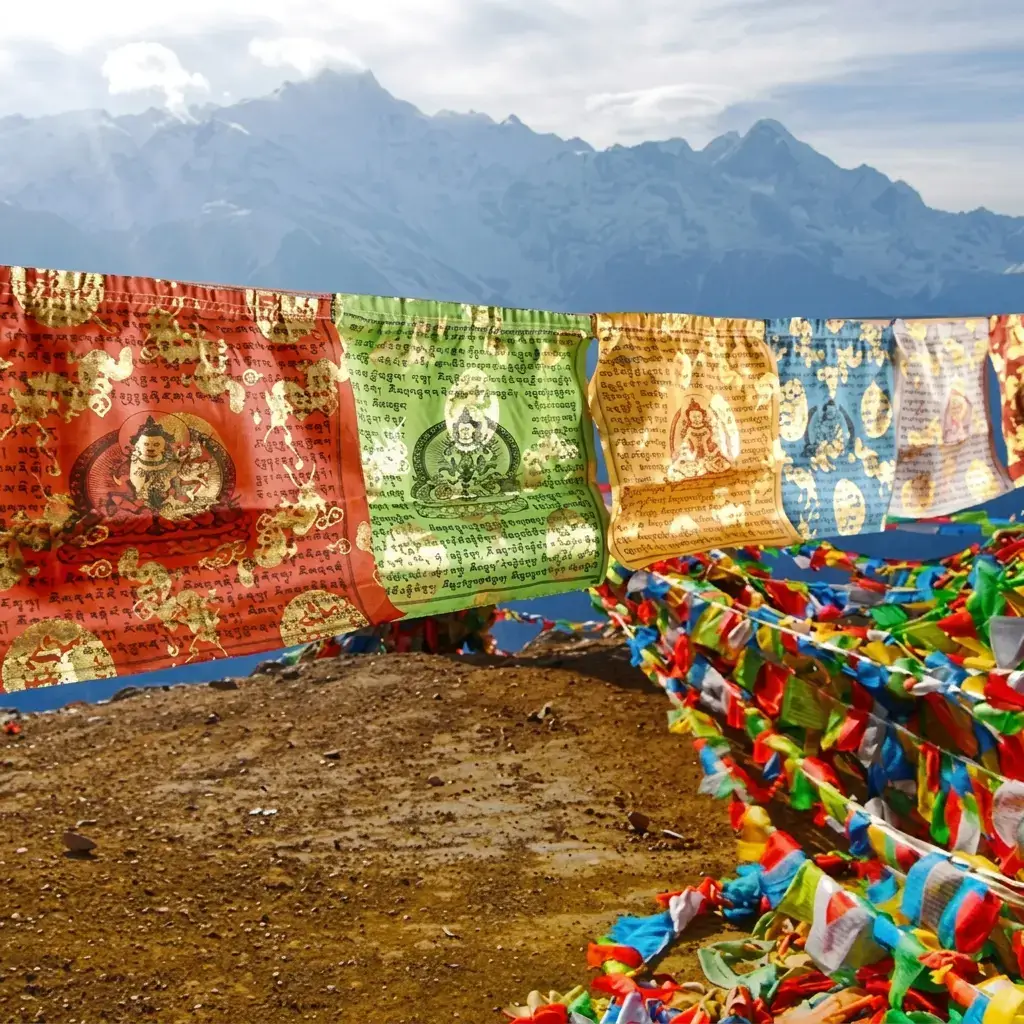
Every morning in the high villages of Tibet, families hang prayer flags before the sun crests the peaks — not as decoration, but as intention. Each flag is a prayer sent into the world on every passing breeze, touching everyone and everything nearby.
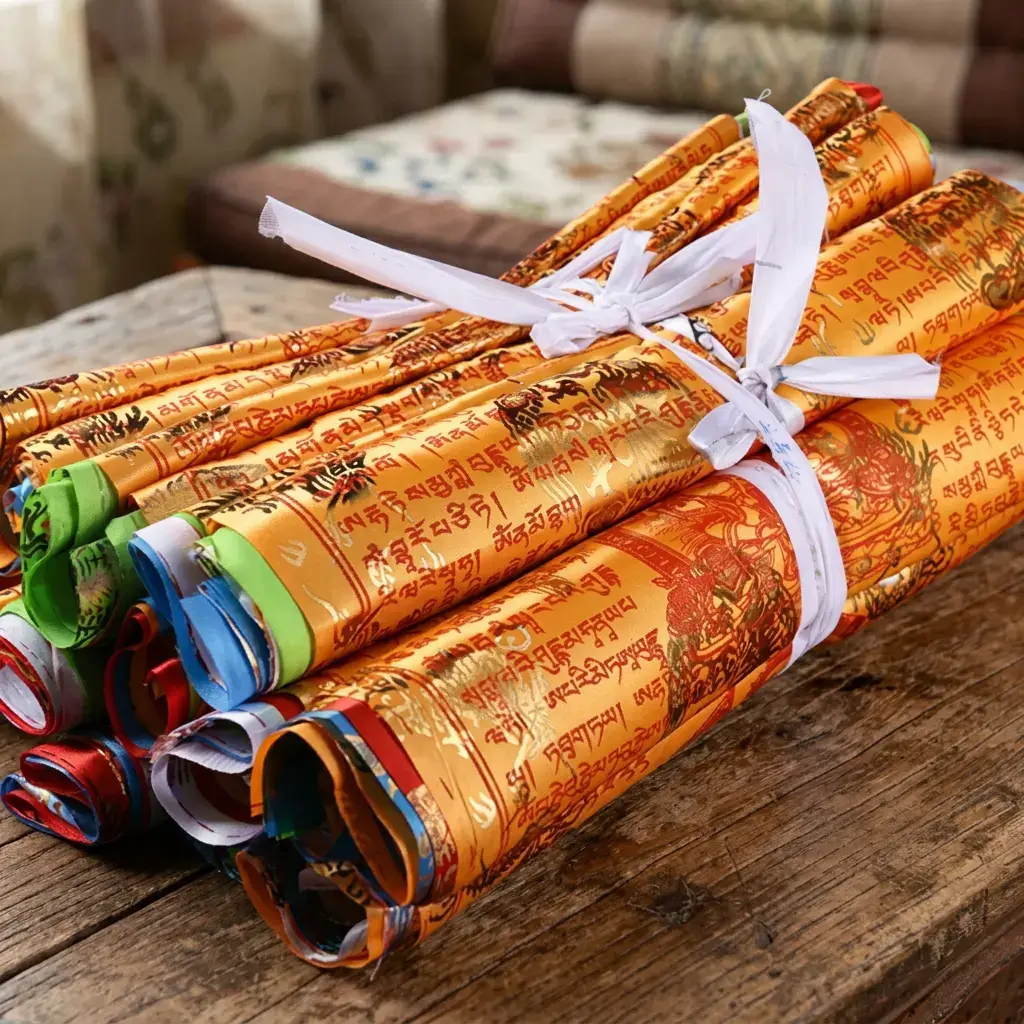
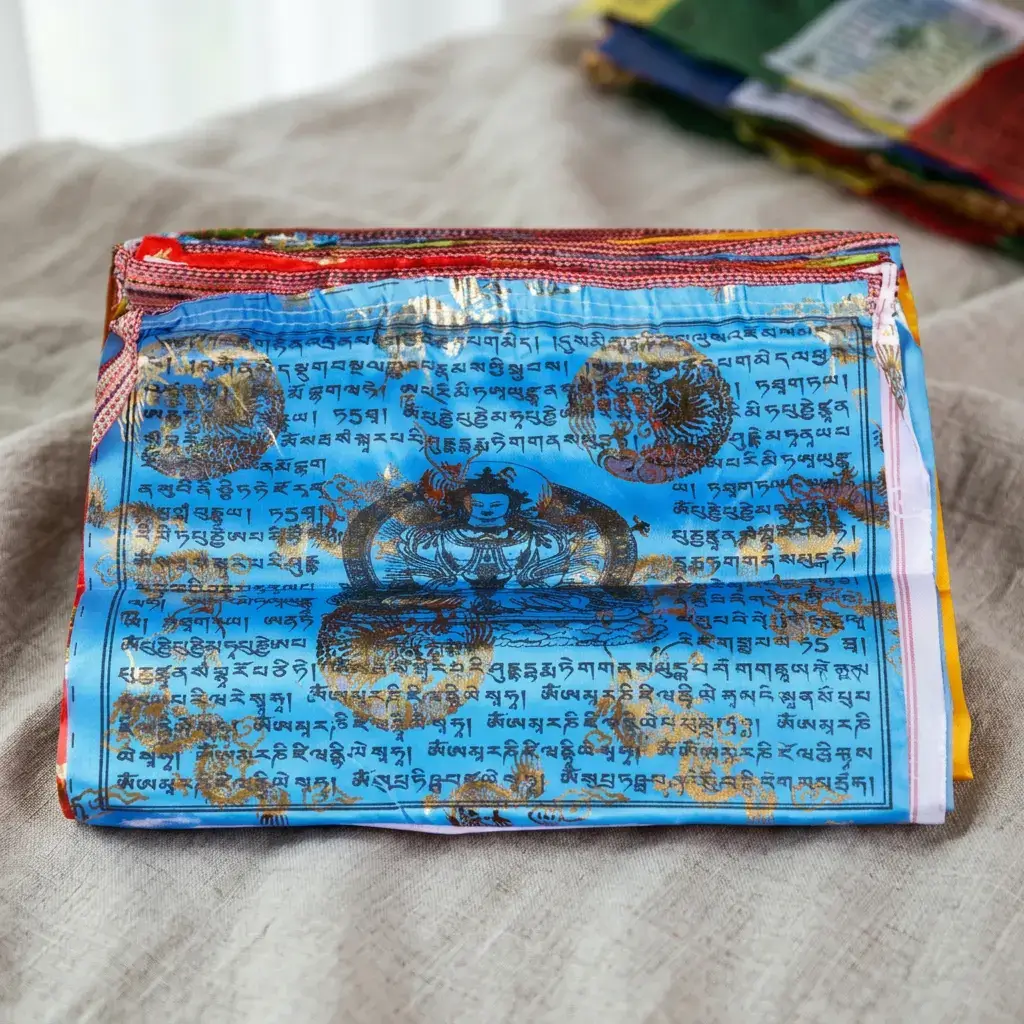
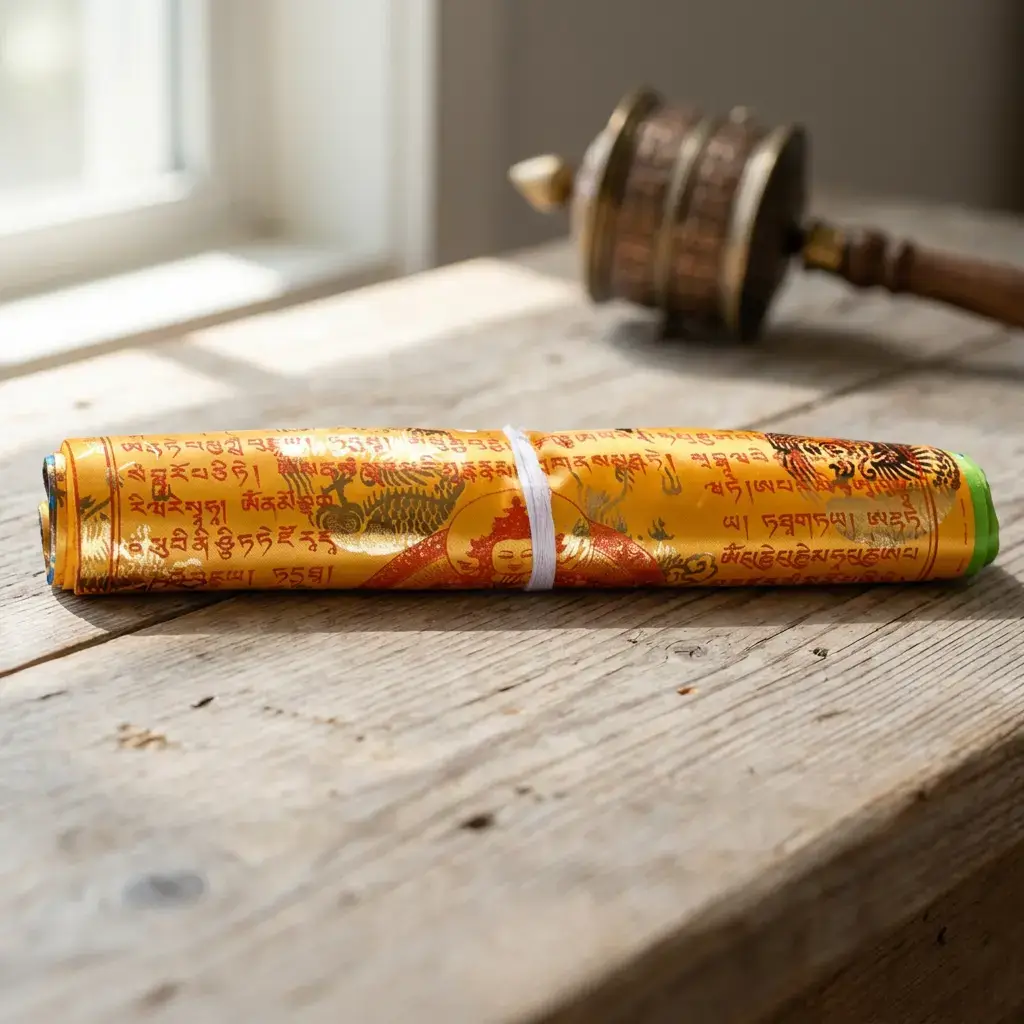
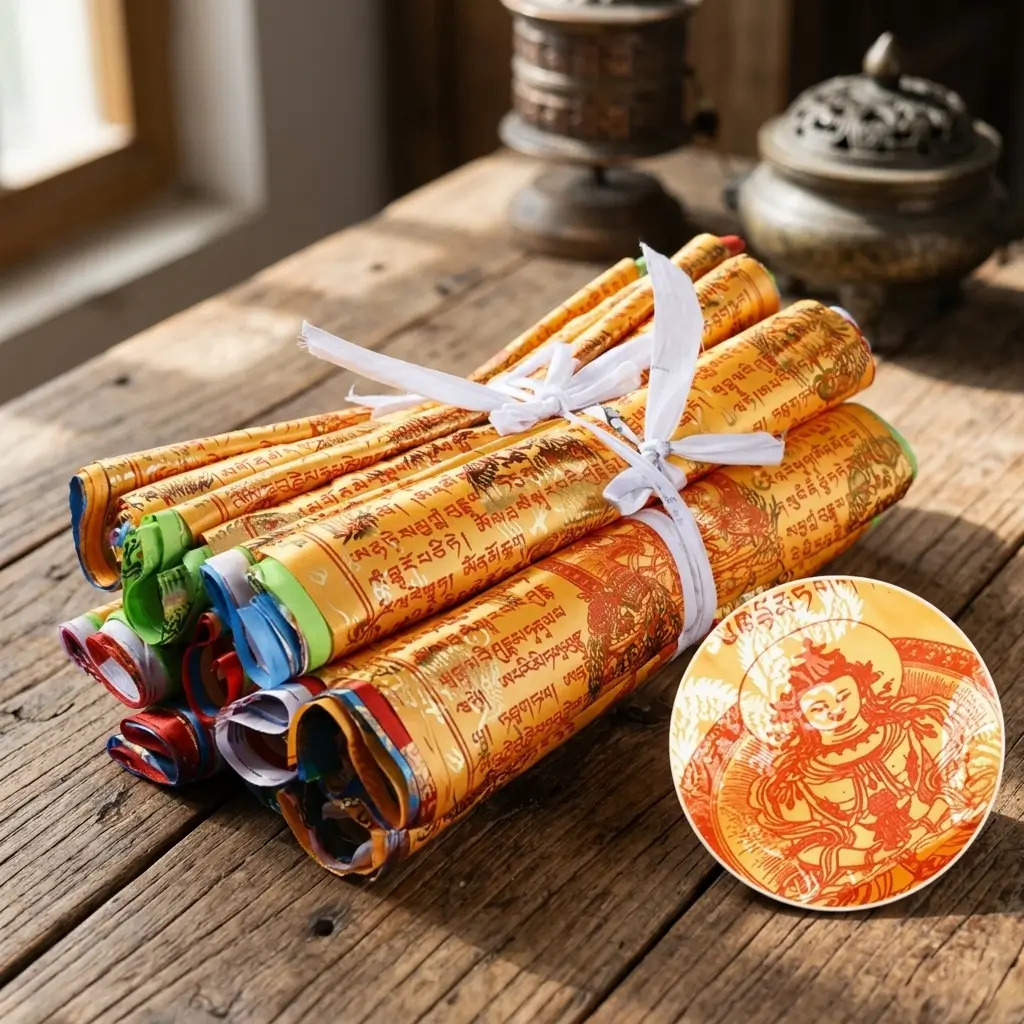
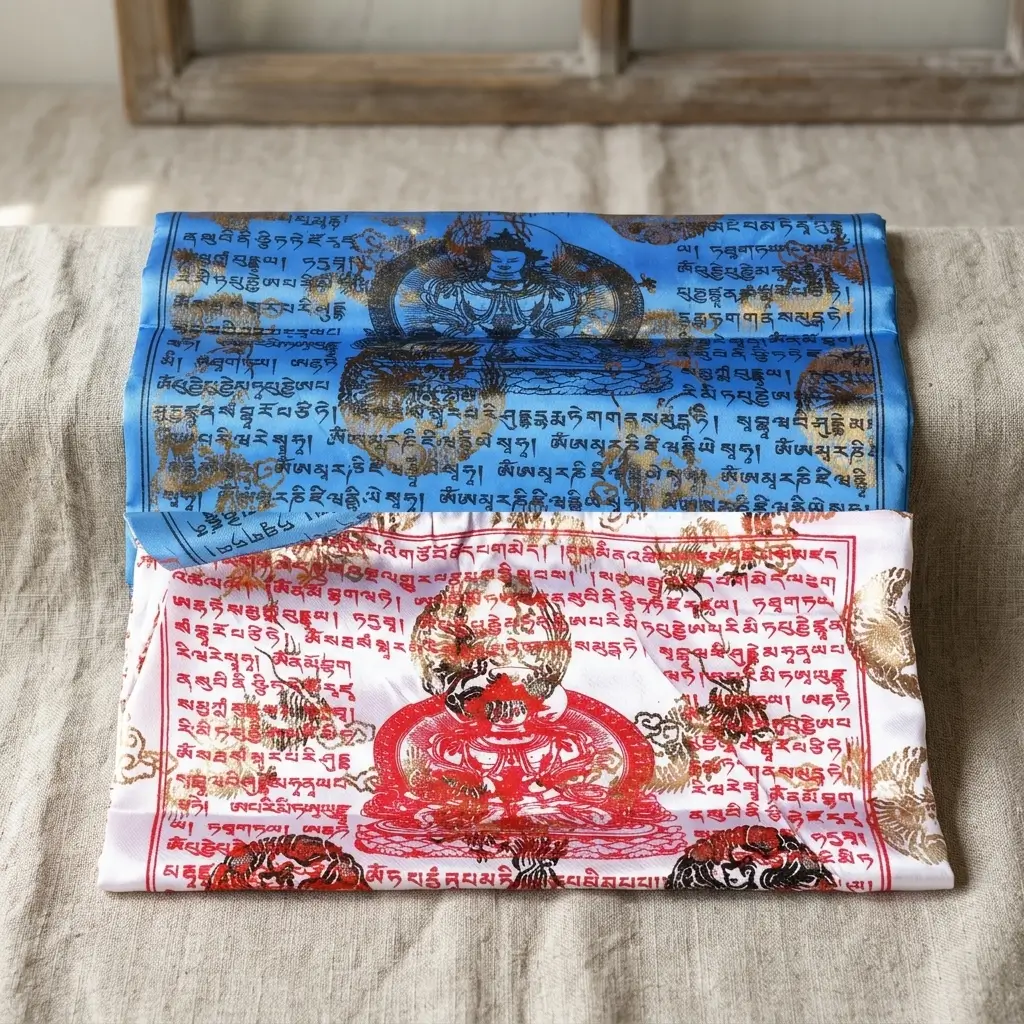
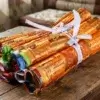
These Tibetan 5-Color Windhorse Longevity Prayer Flags carry that same thousand-year-old practice to your garden, patio, balcony, or meditation space. Each flag is printed with the Longevity Sutra and the sacred Windhorse symbol — a blessing for long life, good health, and the well-being of all beings. No chanting required. No monastery required.
At PotalaStore, we’ve spent years working directly with Tibetan artisans and cultural sources to bring you pieces that are both meaningful and accurate. Every symbol on these flags carries documented significance — and we’ll walk you through all of it right here.
You don’t have to be Buddhist to hang prayer flags. The tradition openly welcomes anyone who hangs them with good intentions for others — not just for themselves.
The Five Sacred Colors — A Map of the Elements
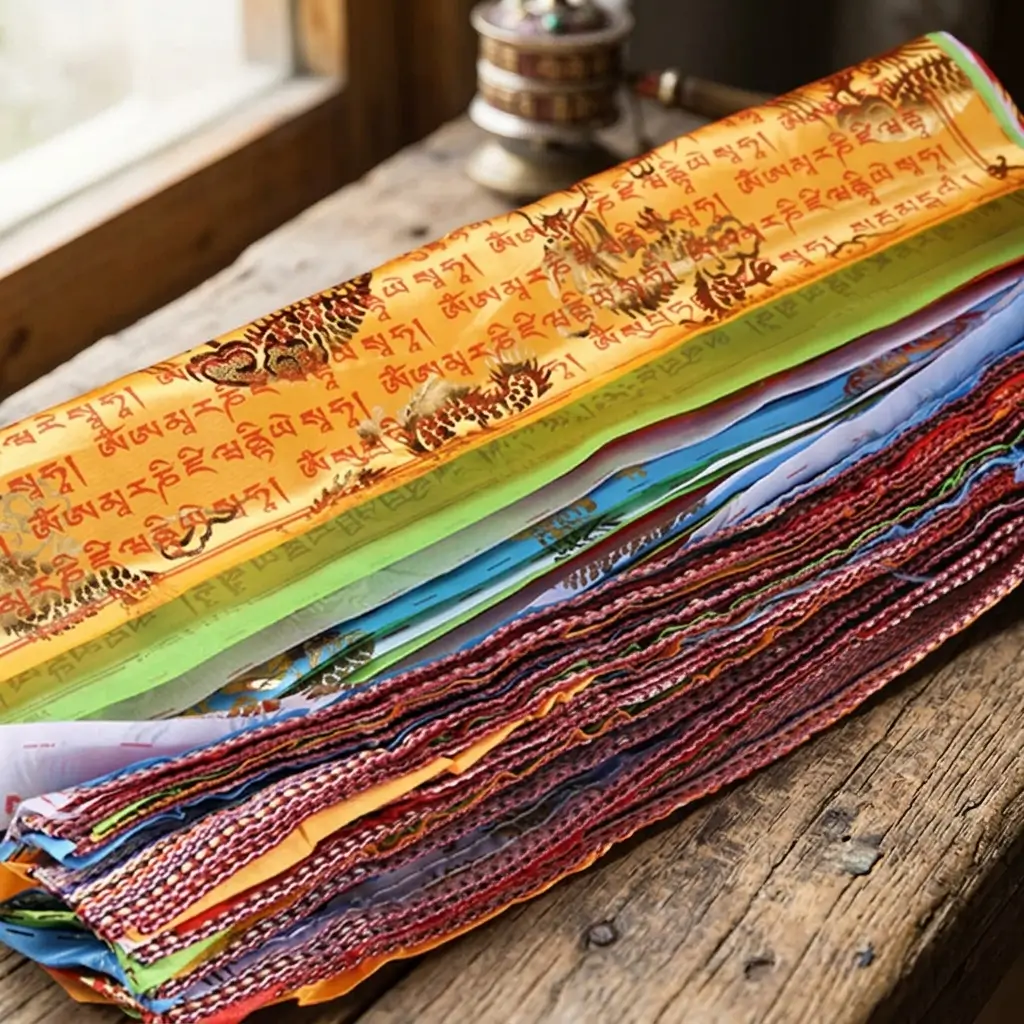
The five colors are never random and always appear in a specific, non-negotiable order. This sequence mirrors the five elements of Tibetan cosmology. When all five are in balance, health and good fortune follow.
These aren’t color choices someone made for visual appeal. They are a cosmological sequence — a visible reminder that everything in life is interconnected. Hanging your flags in the correct color order is itself an act of mindfulness.
Windhorse & the Longevity Sutra — What’s Really Printed on Every Flag
Most prayer flag sellers use “Windhorse” as a keyword. Few actually explain what it means. Here’s the real story — because you deserve to know what’s hanging in your home.
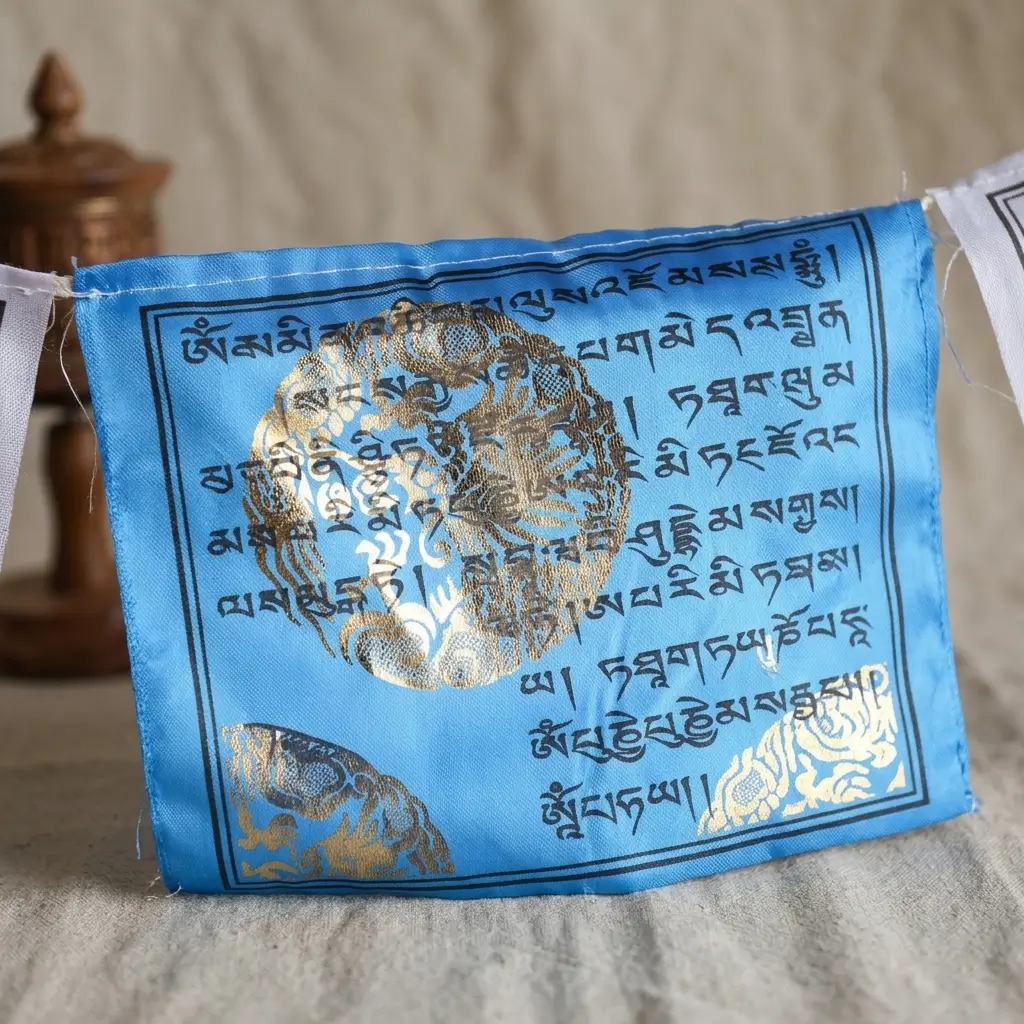
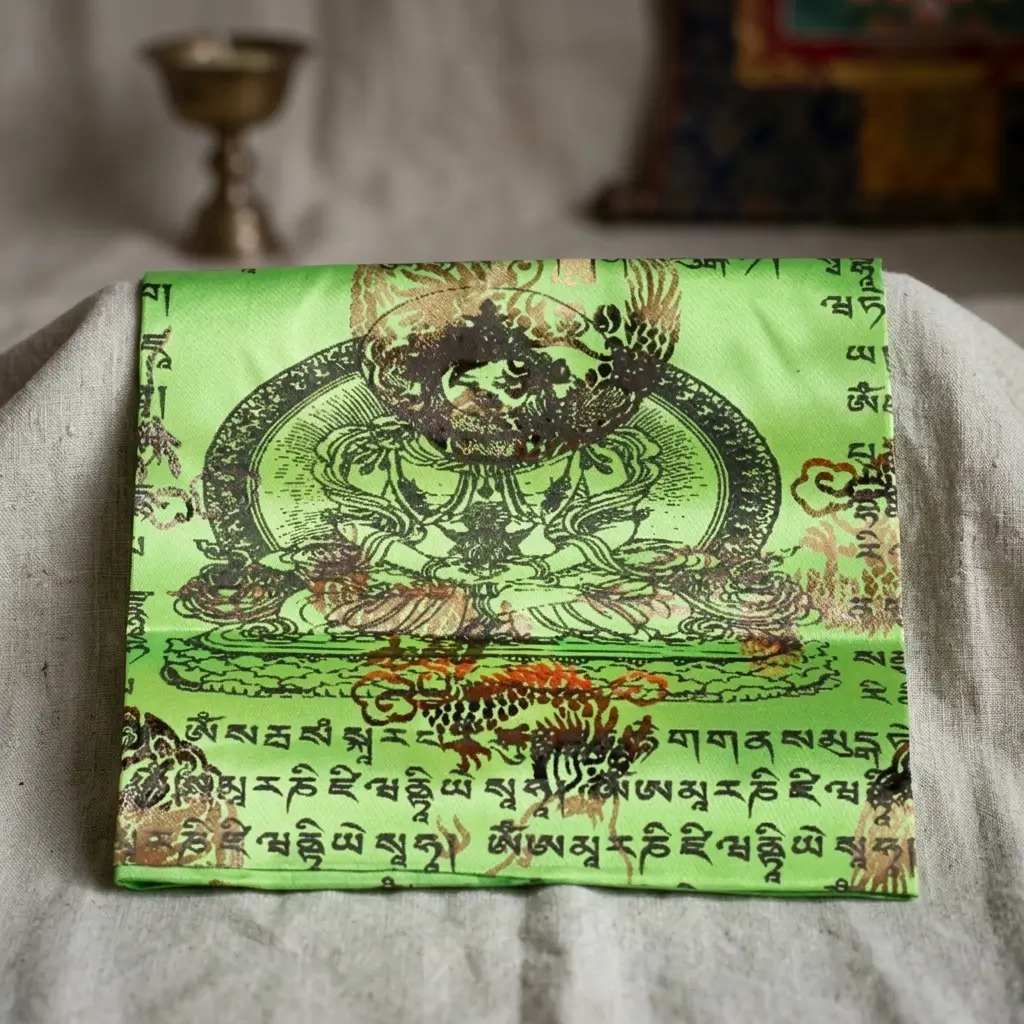
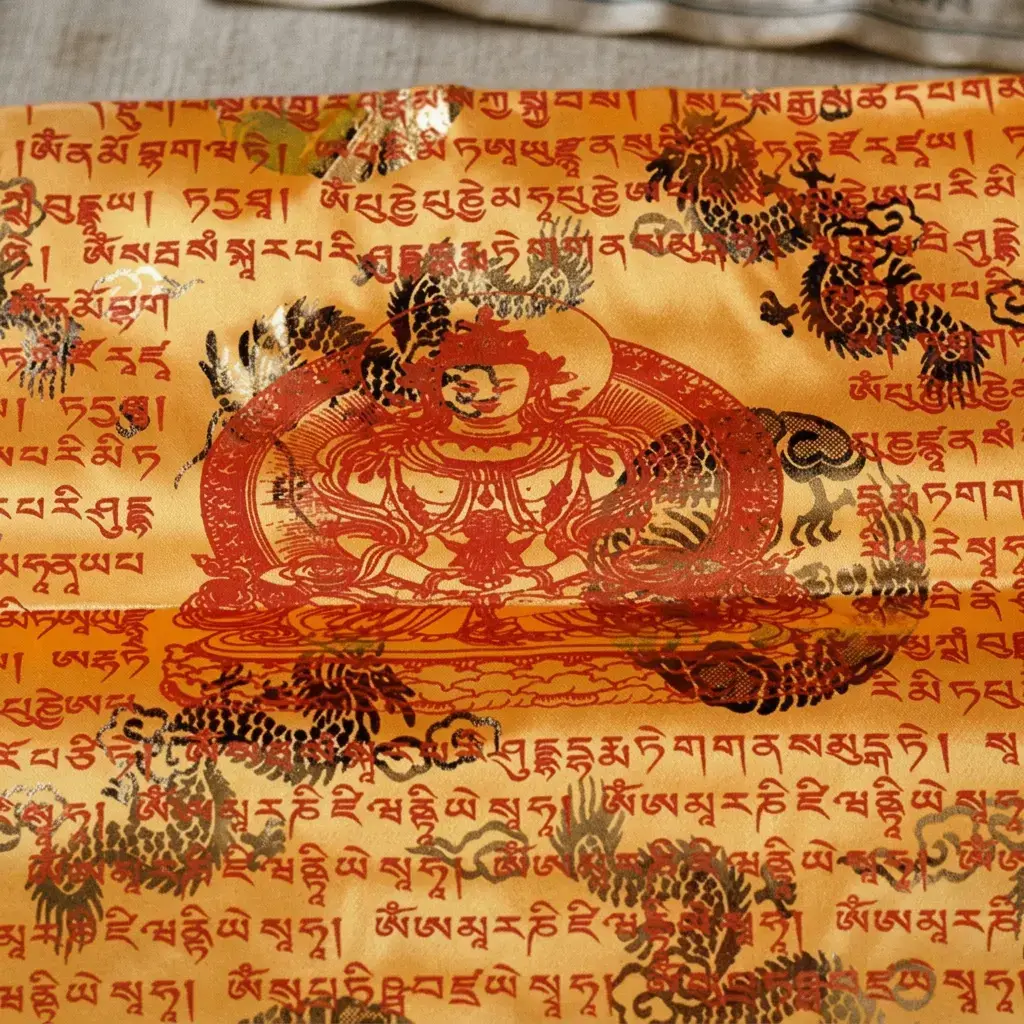
The Windhorse (Lungta in Tibetan) is the central figure printed on each flag: a galloping white horse carrying the Three Flaming Jewels — the Buddha, the Dharma (his teachings), and the Sangha (the community of practitioners) — on its back. In Tibetan Buddhism, the Windhorse symbolizes your personal life-force energy and the power to transform bad fortune into good with the swiftness of the wind.
In each corner of the flag stand the Four Dignities — four sacred animals, each a guardian of one direction:
- 1
Garuda (top left) — The mythic bird of wisdom; fearlessness in the face of obstacles.
- 2
Dragon (top right) — Gentle, limitless power; the voice of thunder and truth.
- 3
Snow Lion (bottom left) — Joyful confidence; Tibet’s national symbol of freedom.
- 4
Tiger (bottom right) — Mindful strength and precise, grounded action.
Surrounding the Windhorse, the Tibetan script is the Longevity Sutra — prayers for long life, health, and happiness for all sentient beings. As wind moves through the flags each day, those prayers are considered active — radiating outward like invisible ripples in water.
“In Tibetan tradition, a fading prayer flag is not a worn-out flag. It is a flag that has done its job — its blessings fully released into the world.”
Fading is not a flaw. Fading is the point. It embodies the Buddhist principle of impermanence — and the beauty of letting go.
Built to Fly Outdoors — Full Specifications
These flags are made for real outdoor life, not display cases. Every spec is chosen to maximize both durability and spiritual function — because a flag that doesn’t move in the wind isn’t sending blessings anywhere.
How to Hang Your Prayer Flags — With Intention
The how matters as much as the where. A few simple principles make the difference between flags that flutter beautifully and flags that do their job spiritually.
- Hang diagonally, high to low. String from a roofline down to a tree branch, or across a balcony from high point to low — this natural slope allows blessings to flow downward into the space below.
- Never let flags touch the ground. Tibetan script and sacred imagery deserve elevation. Ground contact is considered disrespectful to the sutras printed on the cloth.
- Choose a windy, clear morning. The more the flags move, the more actively the prayers are considered to spread. Auspicious occasions include Tibetan New Year (Losar), Saga Dawa festival, a housewarming, or any moment of fresh beginnings.
- Set an intention as you hang them — for peace, for healing, for the happiness of people you love. In Tibetan tradition, the motivation behind the act is considered as powerful as the act itself.
- Retire faded flags respectfully. When flags have faded completely, the traditional practice is to burn them — never discard in the trash. A small ceremonial fire honors the sutras they carried. The fading itself is beautiful: it means the blessings have been fully released.
A Gift That Carries Real Meaning
In Tibetan culture, receiving prayer flags as a gift is considered a particularly auspicious sign — it means someone is actively wishing you health, longevity, and good fortune. That’s a rare kind of gift.
These flags are a thoughtful, culturally rich choice for anyone in your life beginning something new. Beautiful as spiritual practice. Beautiful as outdoor decor. Most powerful when they’re both.
Join thousands of customers who trust PotalaStore for authentic Tibetan spiritual items — prayer flags, malas, Thangka art, and ritual objects sourced with cultural integrity.
















Customer Reviews
Only logged in customers who have purchased this product may leave a review.
Reviews