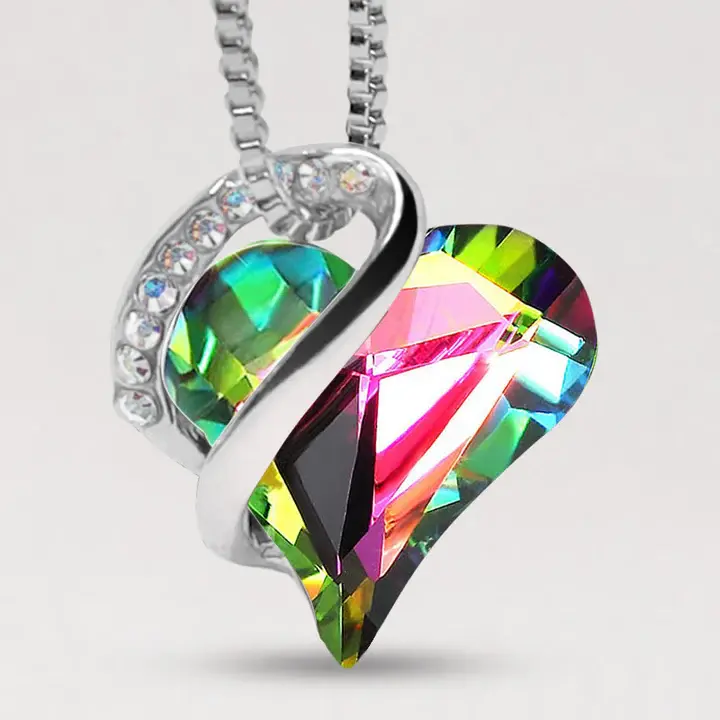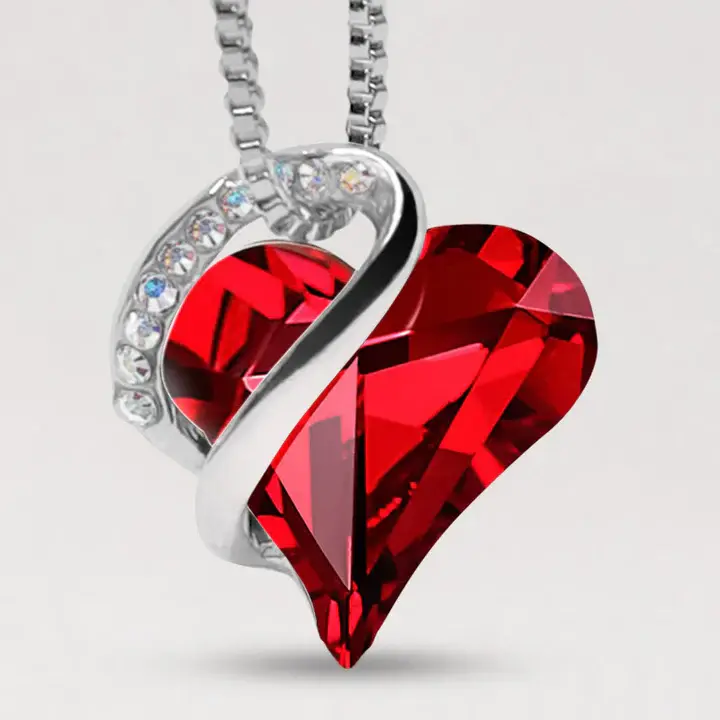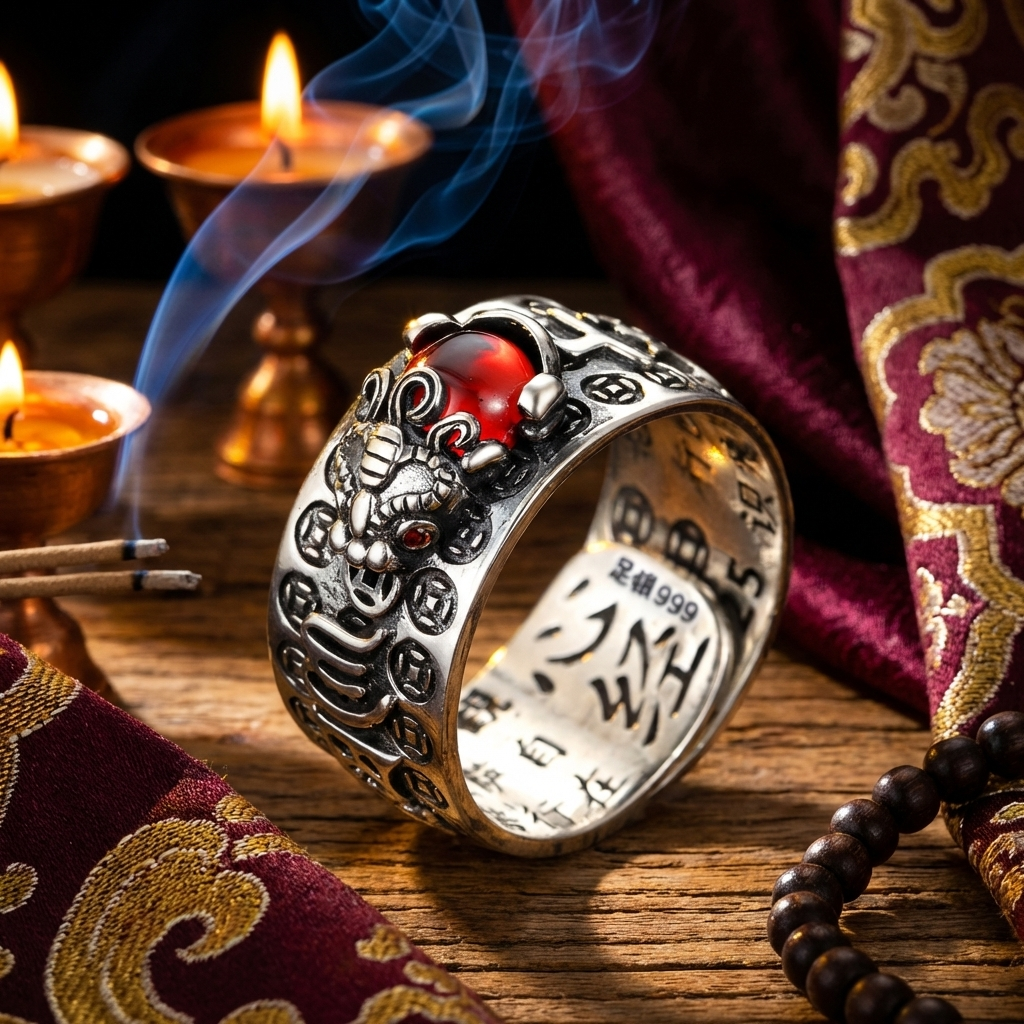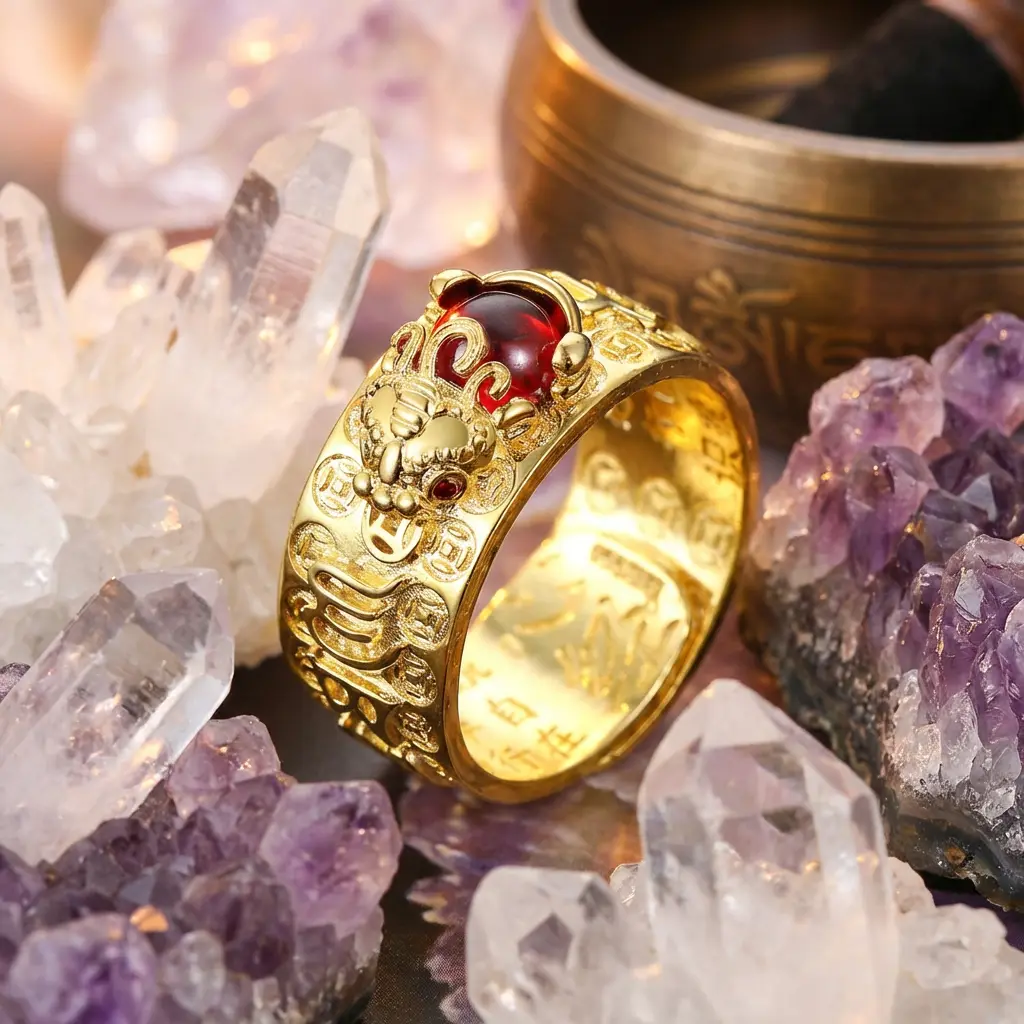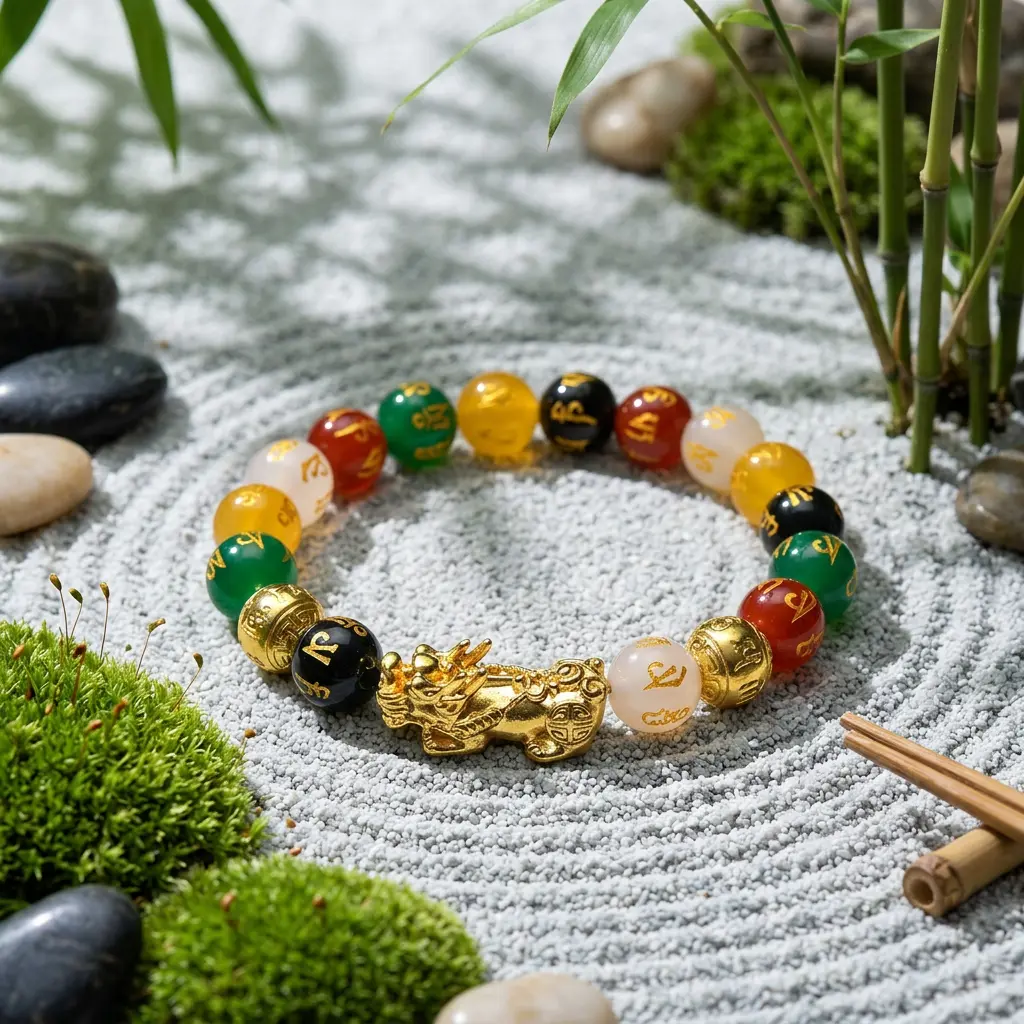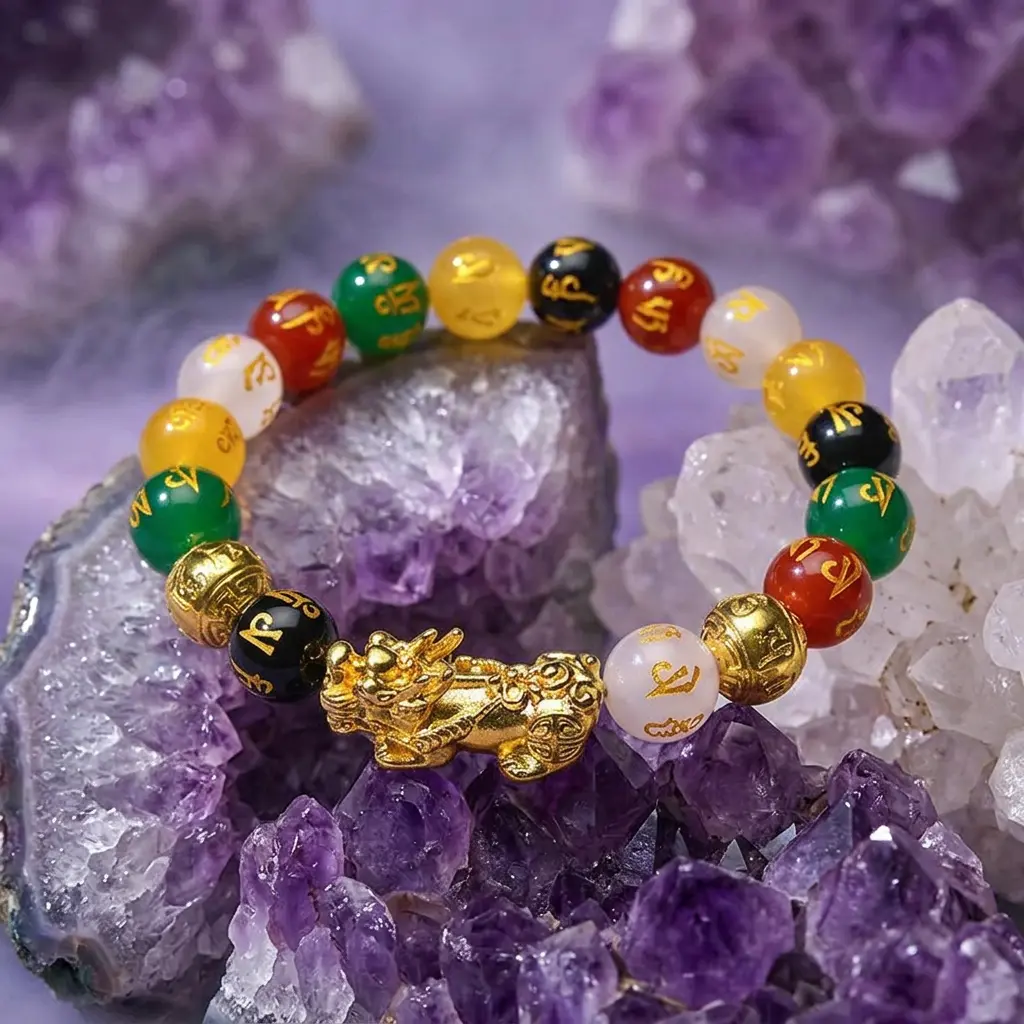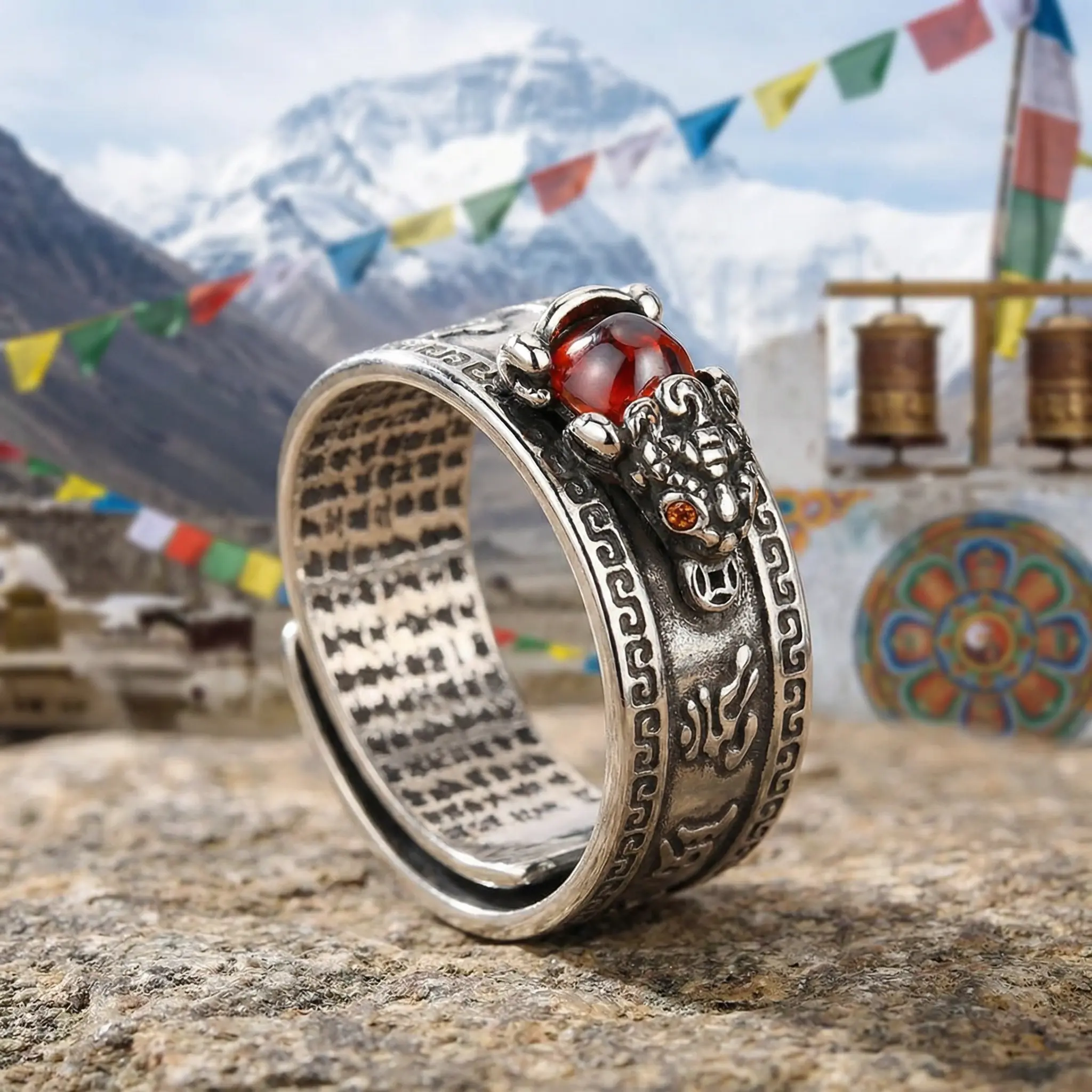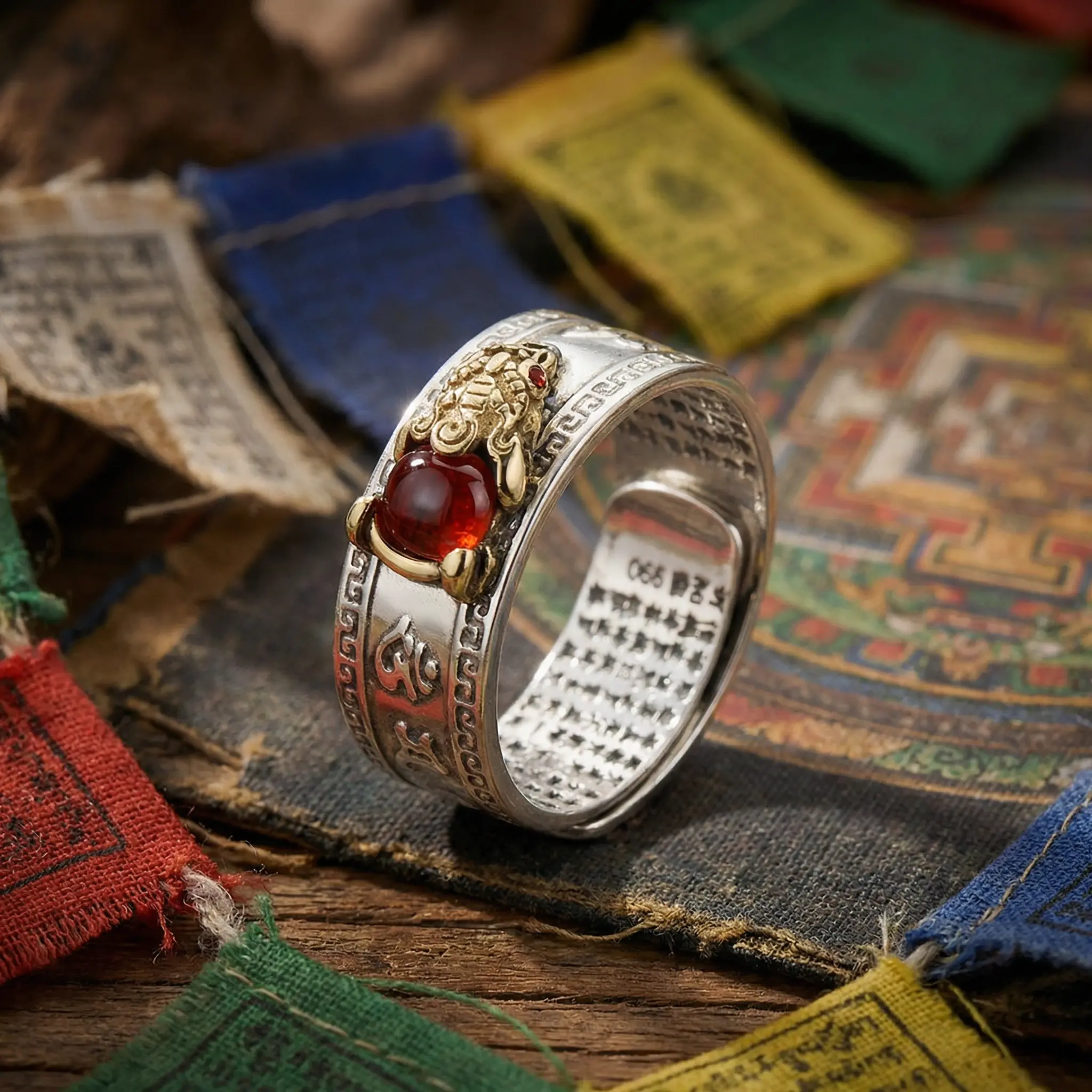

The best baby shower crystal gifts carry more than beauty—they carry intention. When you choose a healing stone for a new arrival, you’re selecting a symbol of protection, calm, or blessing that many families keep for years. If you’re looking for a baby shower gift that stands apart from the registry, crystals offer something genuinely rare: a meaningful, cross-cultural tradition of wishing new life well.
At PotalaStore, we’ve spent years working directly with Tibetan artisans and monastery-partnered craftspeople to source authentic healing stones for families worldwide. We’ve helped thousands of customers choose crystal gifts for new babies—and we’ve learned which stones resonate most, which traditions carry the deepest significance, and how to present these gifts in a way that turns a beautiful object into a lasting memory.
The eight crystals best suited for baby shower gifts are rose quartz, amethyst, moonstone, black tourmaline, selenite, clear quartz, celestite, and Tibetan turquoise. Each offers a distinct protective or blessing energy—but the right choice depends on what you want to communicate to the new family. This guide walks you through each stone, their cultural roots, how to choose by recipient and budget, and how to present a crystal gift in a way that gives it meaning.
⚠️ Important Note: The spiritual and energetic properties described in this article reflect centuries of traditional belief and cultural practice across multiple civilizations, not scientifically verified medical claims. Crystal gifts are offered as meaningful symbols of care and intention. They do not replace professional pediatric or medical advice.
Why Crystals Make Meaningful Baby Shower Gifts
Crystal gifts stand out at baby showers because they carry a specific, chosen intention—something few other gifts can claim. When someone selects a stone and says “I brought this because I want your child to feel protected,” that specificity transforms a decorative object into a keepsake.
Gifting gemstones at birth is not a modern wellness trend. It is one of the most widespread human traditions across history. Ancient Egyptian mothers placed carnelian amulets inside swaddling cloths. Celtic families used amber to guard newborns against illness. In Jewish tradition, the priestly breastplate of the Torah bore twelve gemstones, each assigned protective significance. Native American communities have long used turquoise as a life-force stone for children. And in Tibetan Buddhist culture—a tradition Potala Store is deeply connected to—turquoise and coral have been tied to infant clothing since at least the 7th century CE.
What these diverse traditions share is a common belief: that certain stones, given with intention, form a spiritual protection around new life. Whether or not you hold that belief literally, the gesture itself carries weight. You chose something with meaning. You took time to learn what it signifies. That’s the gift.
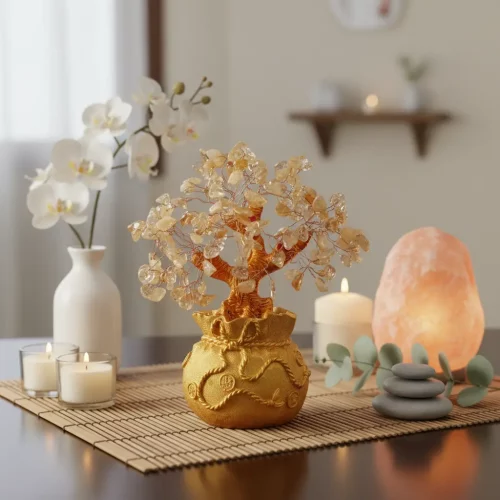
Practically speaking, crystals also make excellent nursery decor. They’re visually striking, naturally durable, non-toxic when displayed safely, and aesthetically distinctive in a way that most baby gifts are not. Many parents keep the crystals they receive at a baby shower in their child’s room well into adolescence—long after the onesies have been outgrown.
8 Healing Stones That Guard and Bless New Arrivals
Here are the eight best crystals for baby shower gifts, chosen for their protective, calming, and blessing properties across multiple spiritual traditions:
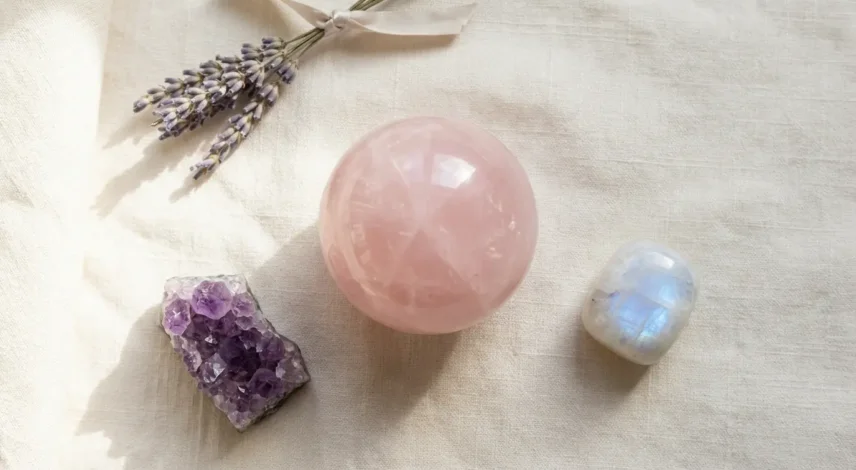
- Rose Quartz — The stone of unconditional love and the most universally given crystal gift at baby showers. Rose quartz is traditionally believed to deepen the bond between parent and child and infuse a nursery with gentle, nurturing energy. Mohs hardness: 7—durable enough for decades of display. Best gift form: a polished sphere or palm stone.
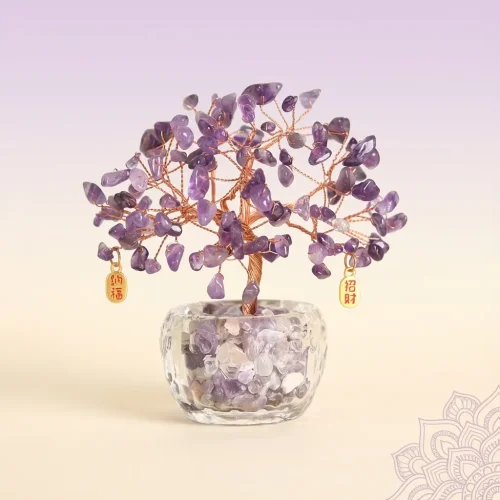
- Amethyst — A purple quartz long used in children’s spaces for calm and restful sleep. Many crystal practitioners place amethyst in nurseries to ease anxiety for both baby and caregiver. Best form: a polished point or small geode, displayed on a high shelf at least 4 feet from the floor.
- Moonstone — Named for its shifting optical effect called adularescence—a soft, billowing light that moves across the stone’s surface. Moonstone is the traditional stone of new beginnings and feminine cycles, making it particularly meaningful for first-time mothers. Place it on a windowsill where moonlight can reach it.
- Black Tourmaline — The most widely used protective stone in crystal healing traditions. Practitioners typically place black tourmaline 6–12 inches from the nursery’s entryway to create an energetic barrier. Always display well out of a young child’s reach—never directly on or near a baby.
- Selenite — One of the few crystals believed to be self-clearing (it doesn’t absorb negative energy the way other stones do). Selenite is associated with peace and mental clarity. A key practical note: selenite is water-soluble and should never be placed near a humidifier or soaked for cleansing. Recharge it under moonlight once a month.
- Clear Quartz — Called the “master healer” in crystal traditions, clear quartz is believed to amplify the intention of any stone it is placed beside. It’s an excellent addition to a gift set—pair it with rose quartz to amplify love energy, or with black tourmaline to strengthen protection.
- Celestite — A soft blue-gray crystal associated in many traditions with angelic guidance and peaceful sleep. Celestite’s gentle color makes it a natural fit for a nursery. Handle with care: at Mohs 3–3.5, it is one of the more fragile crystals on this list and should not be given to young children to handle directly.
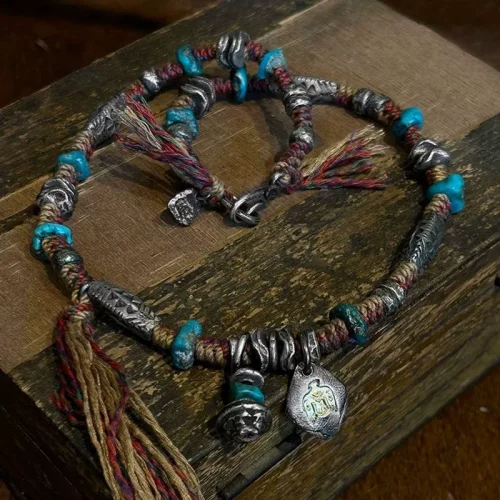
- Tibetan Turquoise — The most culturally significant protective stone in Tibetan Buddhist tradition, and the most distinctive gift on this list. Turquoise has been given to newborns and children across the Himalayas for over 2,000 years as a symbol of bla (life-force) protection. It is the only crystal here with a specific, documented ceremonial tradition for infant blessing—making it the most meaningful choice for families who value spiritual depth. We explore this tradition fully in the next section.

| Crystal | Primary Benefit | Best Gift Form | Best For |
|---|---|---|---|
| Rose Quartz | Bonding & unconditional love | Sphere or palm stone | Mom & baby bonding |
| Amethyst | Calm & restful sleep | Small geode or polished point | Nursery ambiance |
| Moonstone | New beginnings & intuition | Tumbled stone or pendant | New mothers (especially first-time) |
| Black Tourmaline | Protective barrier | Raw chunk or tumbled stone | Nursery entry protection |
| Selenite | Peace & clarity | Wand or tower | Whole-room energy clearing |
| Clear Quartz | Amplifies other stones’ intentions | Cluster or single point | Crystal gift sets |
| Celestite | Angelic calm & sleep support | Natural cluster | Nursery shelf display |
| Tibetan Turquoise | Life-force protection (ceremonial) | Pendant or decorative piece | Families who value cultural depth |
💎 PotalaStore’s protection crystal collection includes ethically sourced Tibetan turquoise, monastery-blessed pieces, and curated gift sets for new arrivals—each arriving with a card explaining the stone’s cultural significance and placement guidance.
What Tibetan Buddhist Tradition Teaches About Protecting Newborns
Tibetan Buddhism has one of the most ancient and detailed traditions of using sacred stones to protect newborns—a practice almost completely absent from Western crystal gift guides. Understanding it transforms a turquoise pendant from a pretty object into something that carries the weight of centuries.
In Tibetan cosmology, a newborn’s bla (life-force, sometimes translated as “life-wind” or vital essence) is considered particularly vulnerable in the early weeks of life. The infant’s energy is not yet fully stabilized within the body—it is sensitive, responsive to environmental forces, and in need of grounding. Specific stones have been used for more than two millennia to anchor and protect this life-force.
Turquoise holds the highest protective status in this tradition. Across villages in Tibet, Nepal, and Bhutan, turquoise is sewn into the clothing of newborns or tied gently to their wrists within the first week of life. This is a deliberate ritual act, often performed by a lama or respected elder, with protection mantras—most commonly the Medicine Buddha mantra, Tayata Om Bekandze Bekandze Maha Bekandze Radza Samudgate Soha—recited over the stone during its preparation.
Traditionally, turquoise is paired with two other stones in Tibetan infant blessing sets: coral (for vitality and warmth) and amber (for protection against illness and for grounding life-force). This trio forms the classic Himalayan baby amulet combination, documented in ethnographic collections at the Smithsonian’s National Museum of Asian Art and in textile records from the Rubin Museum of Art in New York.
What distinguishes Tibetan Buddhist crystal tradition from Western crystal healing is its emphasis on the giver’s ritual intention and the blessing ceremony, not merely the stone’s inherent properties. A turquoise bead held during 108 recitations of a protection prayer carries a different quality than one that has not been blessed. The stone becomes a vessel for transferred intention. This is precisely why every Tibetan crystal piece at PotalaStore is sourced through monastery partnerships—the blessing is part of what you are giving.
For gift-givers who are not Tibetan Buddhist practitioners, there is still a meaningful takeaway: the intention you hold when selecting and presenting a crystal gift matters as much as the stone itself. Taking even a few quiet moments to hold the stone and direct your genuine wish for the child’s protection is a ritual act—small, personal, and real.

How to Match the Right Healing Stone to Mom, Baby, or Your Budget
The most useful question to ask before buying a crystal gift is: who is this primarily for—the baby, the new mother, or the home they’re building together? Each answer points toward a different stone, a different form, and a different intention for the gift.
If the gift is for the baby’s nursery
Choose stones for their environmental energy and visual beauty: amethyst for calm and sleep, celestite for a serene, angelic ambiance, black tourmaline for protective placement near the room’s entry. Form matters most here. Choose smooth, palm-sized tumbled stones displayed in a shallow ceramic dish on a high shelf—beautiful, safe, and intentional.
If the gift is for the new mother
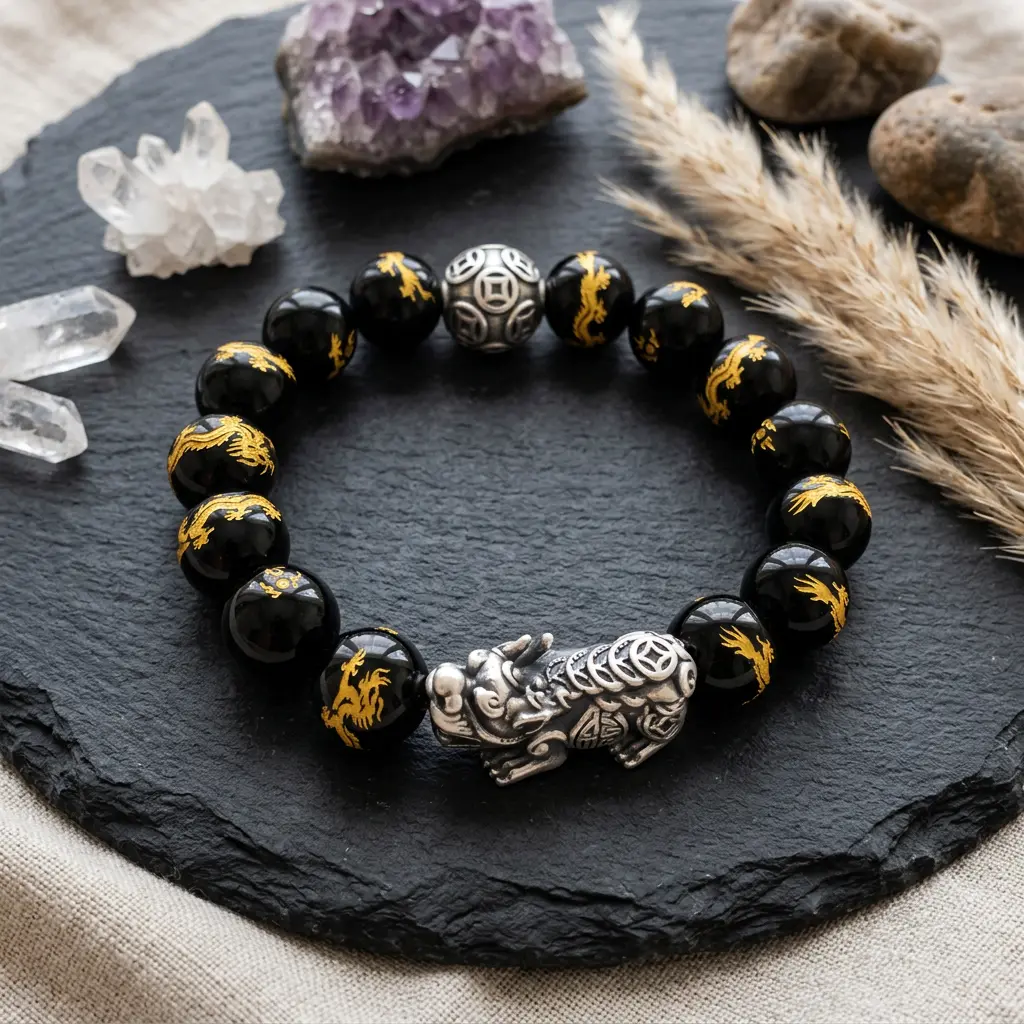
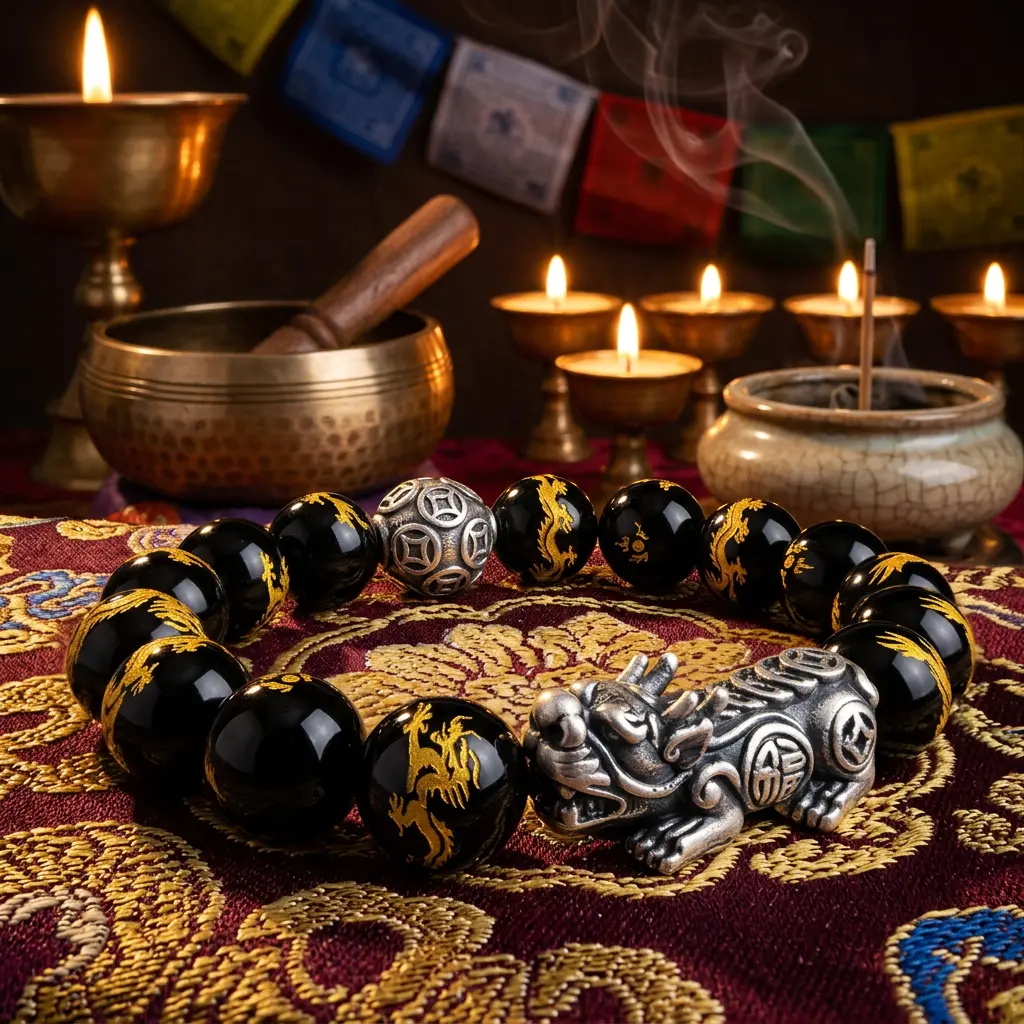
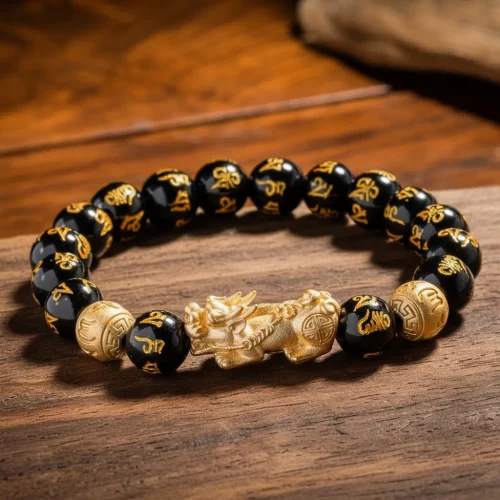
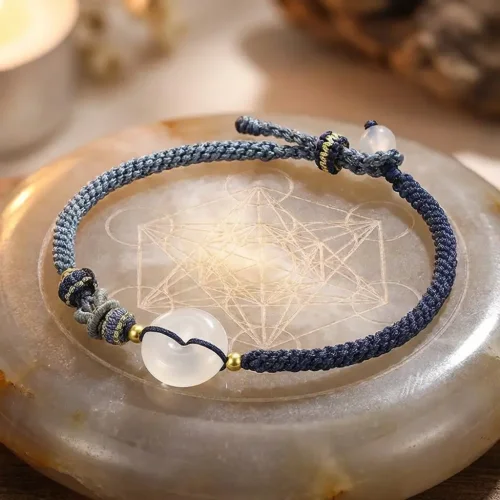
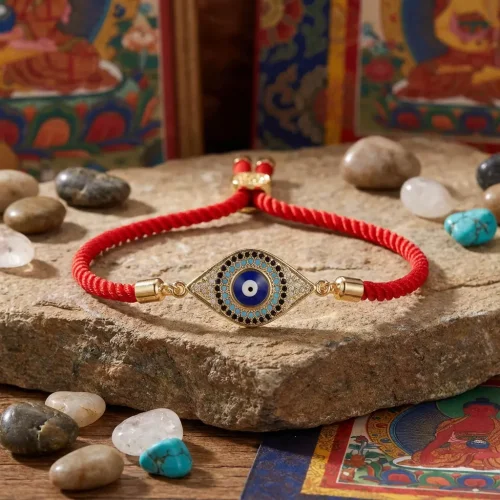
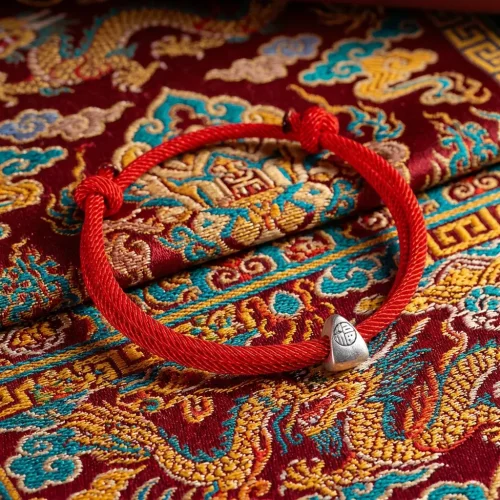
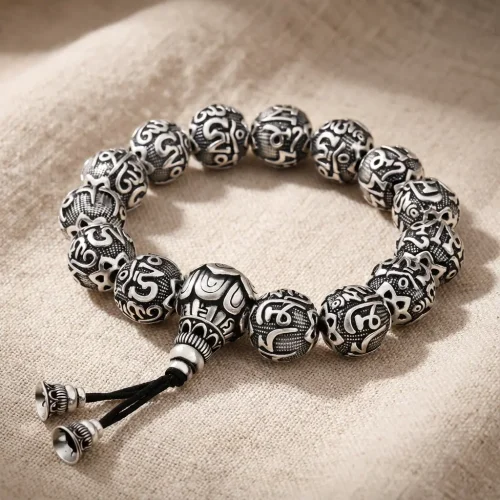
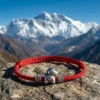
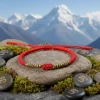
Moonstone is the most resonant choice for new moms. Its connection to feminine cycles, new beginnings, and intuition mirrors the postpartum experience directly. A rose quartz palm stone she can hold during nursing is another deeply practical intention gift. For mothers who already practice meditation, a Tibetan mala bracelet set with healing stones provides a daily mindfulness anchor during the exhausting early weeks of motherhood—a tool, not just a symbol.
If the gift is a set for the whole family
A three-stone set works best: one stone for the baby’s room (amethyst or selenite), one for the mother (moonstone or rose quartz), and one protective anchor for the home’s threshold (black tourmaline or clear quartz). A small wooden keepsake box with a brief handwritten card explaining each stone’s intention transforms a collection of beautiful rocks into a curated ceremony.
By budget
- $15–$25: A single high-quality tumbled rose quartz or amethyst with a gift card explaining its meaning—simple, personal, and thoughtful.
- $25–$50: A curated 3-stone gift set combining moonstone, selenite, and black tourmaline in a keepsake box.
- $50–$100: A Tibetan turquoise pendant or a monastery-sourced crystal gift set paired with a mala bracelet for the new mother—the most culturally distinctive option at this price range.
We’ve found at PotalaStore that the $50–$100 Tibetan crystal gift set is consistently the one that brings the most meaningful response from new families—not because of the price, but because it comes with a story. A stone with 2,000 years of protective tradition behind it carries weight that a generic tumbled stone, however beautiful, does not.
How to Present and Bless Your Crystal Gift: A Simple Gifting Ceremony

The way you present a crystal gift determines whether it becomes a keepsake or a curiosity. Most crystal gifts miss their potential because they arrive in a gift bag without context. Two minutes of intentional presentation—before or at the baby shower—transforms the stone entirely.
A Simple Four-Step Crystal Blessing for Baby Showers
- Cleanse the stone the night before. Hold it under cool running water for 30 seconds—or place it on a windowsill under moonlight overnight. This releases any energy the stone absorbed during shipping or handling, and brings it to a neutral, receptive state.
- Hold the stone in both hands for 60 seconds. Think specifically about what you wish for this child: protection from harm, peaceful sleep, strong health, a life full of love. The more specific the intention, the more meaningful the gesture—both for you and for the family receiving it.
- At the shower, when you hand the gift, say one sentence out loud: what stone you chose and why. “I brought rose quartz because I wanted to honor the bond you’re building with your child” takes ten seconds to say. It gives the stone its meaning in a way that no gift card can.
- Include a small card with the stone. Write 3–4 sentences: the stone’s name, where the tradition comes from, what it is believed to offer, and where to place it in the home. At PotalaStore, we include a printed cultural significance card with every crystal order—you can also handwrite your own.
One of our longtime customers—a birth doula who has attended over 200 births—told us she always brings a small Tibetan turquoise piece to the baby showers of her clients. “I’ve never once had a family not moved by it,” she shared. “Not because of what the crystal does—but because someone took the time to bring something with meaning and a history.” That is the real gift. The stone is just the container for it.
Safety First: What Every Gift-Giver Should Know About Healing Stones Near Babies
Crystals are completely safe in a baby’s space when displayed correctly—but a few practical guidelines matter. Gifting a crystal responsibly means anticipating the questions a new parent will have and answering them before they ask.
- Never place crystals within reach of a child under 3 years old. Choking is the primary risk. Any stone smaller than 1.5 inches in diameter should be treated as a choking hazard for infants and toddlers. Display all crystals on shelves at least 4 feet from the floor, inside closed display cases, or in rooms the baby cannot access unsupervised.
- Choose polished forms over raw when gifting. Raw crystals sometimes have sharp edges or small chipping points. Tumbled stones, spheres, and smooth palm stones are the safest gift forms for households with young children—and they’re often more visually striking anyway.
- Note water sensitivity. Selenite dissolves in water and should never be placed near a humidifier, wet-wipe station, or bathroom sink. Water-safe alternatives for humid rooms include rose quartz, black tourmaline, and amethyst—all of which can be wiped clean with a damp cloth.
- Avoid malachite in young children’s spaces. Malachite contains copper carbonate and should not be handled by young children unsupervised. It is a beautiful stone but is better given as a gift for the parents rather than for the nursery itself.
- Skip crystal-infused water for babies. Some adults use crystals in drinking water vessels—this practice is not appropriate for children of any age, and certain crystals (malachite, selenite, pyrite) should never be used in this way even for adults. The safest crystals for display near infants are rose quartz, amethyst, clear quartz, moonstone, and black tourmaline.
- The ideal gift packaging solves the safety question automatically. A set of 2–3 polished tumbled stones presented in a small wooden keepsake box keeps all the stones contained, displayable, and clearly intended as a shelf decoration—not a plaything.
Frequently Asked Questions
Rose quartz is the most universally meaningful baby shower crystal gift—it symbolizes unconditional love, is durable (Mohs hardness 7), and resonates with both the new mother and the idea of bonding with a new child. For the most culturally distinctive and spiritually significant gift, Tibetan turquoise is unmatched—it carries over 2,000 years of ceremonial infant-protection tradition from Himalayan Buddhist culture, a history that no other gift stone can claim.
Yes—when displayed correctly. Keep all crystals on shelves at least 4 feet from the floor or in closed display cases that are out of a young child’s reach. Choose polished, smooth forms (tumbled stones, spheres, towers) rather than raw crystals with sharp edges. Avoid placing water-soluble crystals like selenite near humidifiers. When in doubt, treat crystals as decorative objects for adults to display—beautiful and meaningful, and inaccessible to children under 3.
Moonstone is considered the most resonant crystal for new mothers—it is traditionally linked to feminine cycles, new beginnings, and intuition, all of which mirror the postpartum experience directly. Rose quartz (held during nursing for its calming, bonding energy) and selenite (placed nearby during rest for peace and clarity) are also widely valued. For mothers who practice meditation, a Tibetan mala bracelet set with healing stones offers a practical daily tool for mindfulness during the demanding early weeks of motherhood.
Cleanse the stone under cool running water or moonlight the night before. At the shower, say one sentence explaining why you chose it and what you intended for the child when you selected it. Include a small card with 3–4 sentences covering the stone’s name, its cultural tradition, what it is believed to offer, and where to display it in the home. This 2-minute ritual turns a beautiful object into a story the family will carry with the stone for years.
Find the Perfect Crystal Gift for a New Arrival
PotalaStore sources authentic Tibetan healing crystals directly through monastery-partnered artisans in Nepal and Tibet. Every piece arrives with a cultural significance card and placement guidance—so your gift arrives complete with its story.Shop Baby Shower Crystal Gifts →
📚 References & Further Reading
- Turquoise Gemstone Properties and Cultural History: Comprehensive mineralogical data on turquoise composition, Mohs hardness, and documented cultural uses across civilizations. Gemological Institute of America (GIA) — Turquoise
- Tibetan Buddhist Material Culture and Amulet Traditions: Documentation of protective stone and amulet use in Himalayan Buddhist cultures, including infant blessing objects. Rubin Museum of Art, New York — Himalayan Art Resources (himalayanart.org) (Readers may search himalayanart.org for Tibetan jewelry and amulet collections)
- Quartz Family Mineral Properties (Rose Quartz, Amethyst, Clear Quartz): Educational reference for gemological properties of the quartz mineral family, including hardness, optical effects, and care guidelines. Gemological Institute of America (GIA) — Quartz
- Moonstone Optical Properties (Adularescence): Scientific explanation of adularescence and feldspar mineral group properties relevant to moonstone identification and care. Gemological Institute of America (GIA) — Moonstone