

Can Anyone Wear Mala Beads? What You Actually Need to Know
Yes, anyone can wear mala beads. This isn’t just our opinion at PotalaStore—it’s a sentiment echoed by Tibetan Buddhist nuns, meditation teachers, and spiritual practitioners worldwide. But here’s what most articles won’t tell you: how you wear them matters far more than who you are.
Mala beads have traveled from ancient Himalayan monasteries to yoga studios in Brooklyn, from Hindu temples to mindfulness apps. Along the way, questions have emerged about appropriateness, respect, and whether these sacred tools belong only to certain people. We’ve spent years working directly with Tibetan artisans and Buddhist practitioners, and the answer we consistently hear might surprise you.
This guide cuts through the confusion. You’ll learn what mala beads actually are, who can wear them, how to do so respectfully, and why these 3,000-year-old meditation tools remain powerfully relevant today.
What Are Mala Beads? A Quick Foundation
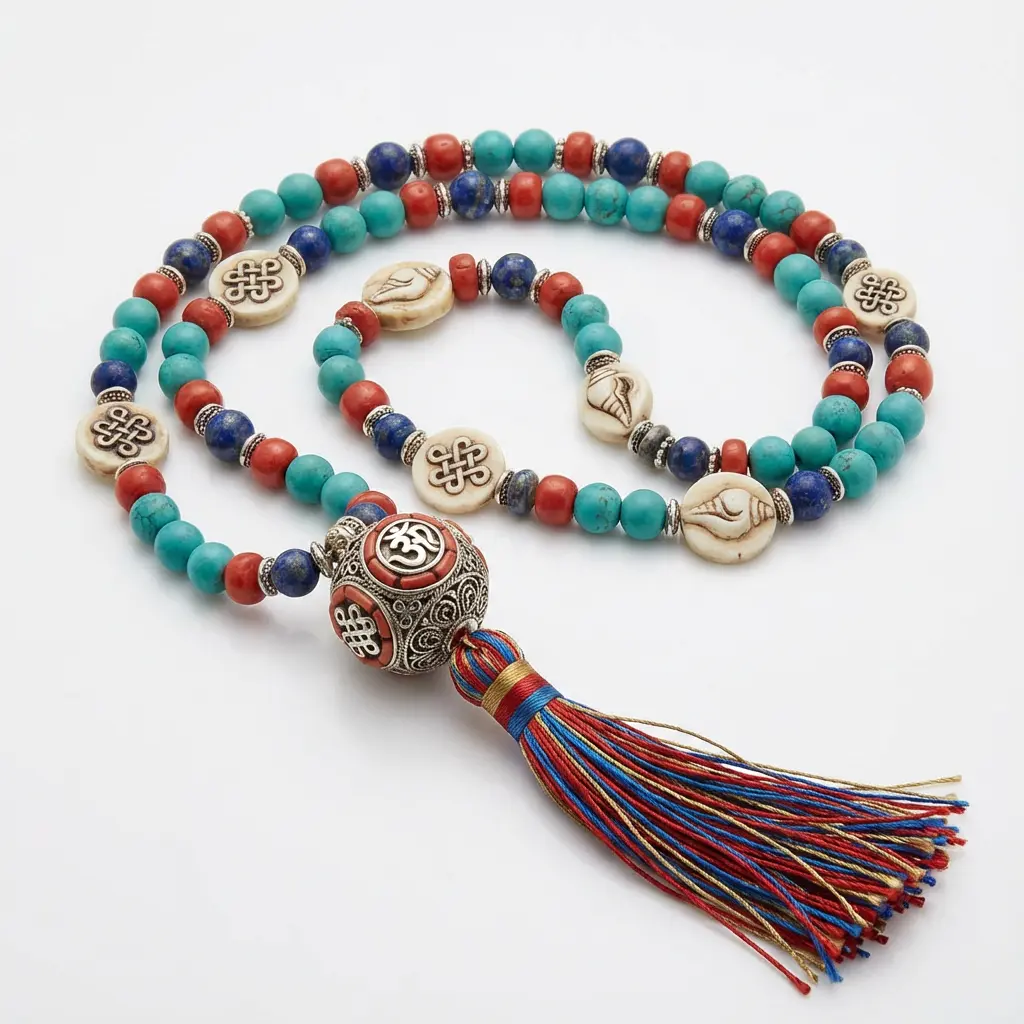
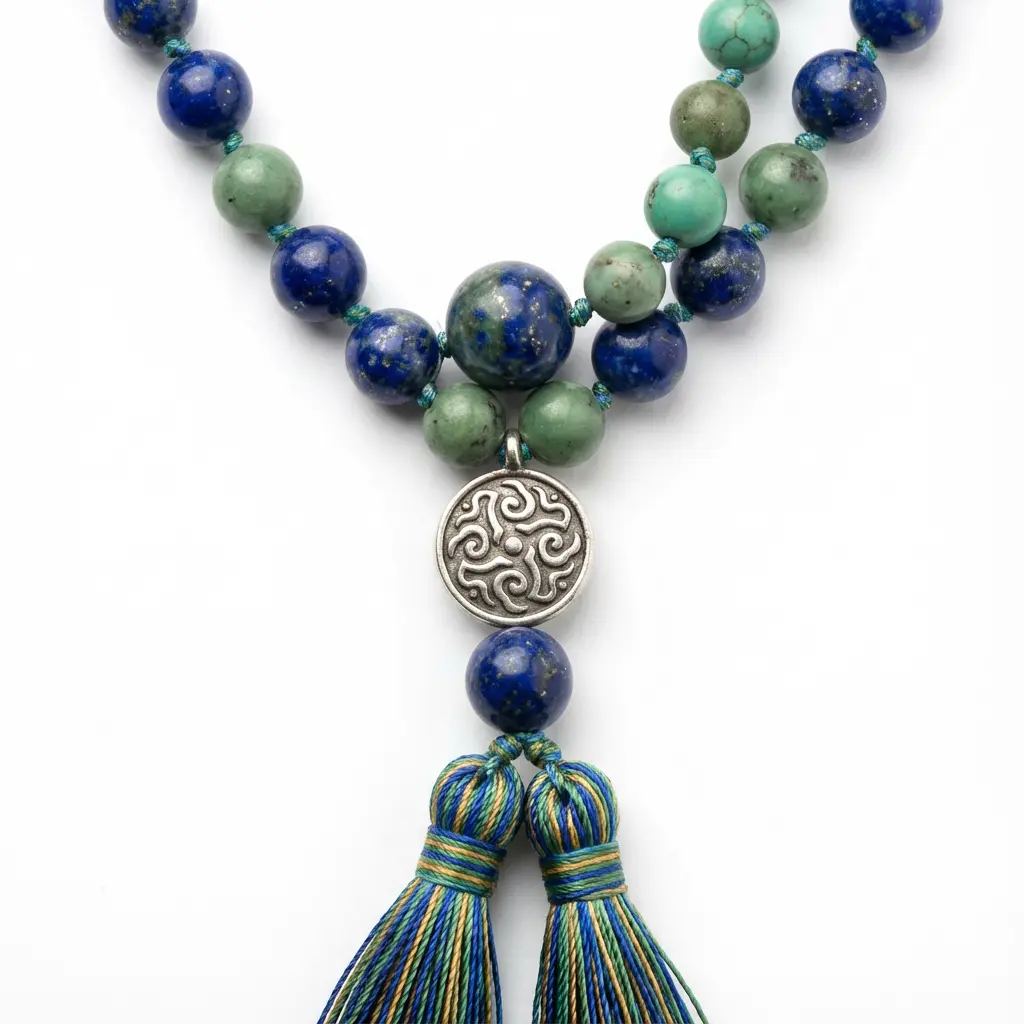
A mala is a string of 108 beads plus one larger “guru bead,” traditionally used for counting mantras during meditation. The word mala comes from Sanskrit, meaning “garland.” Think of it as the Eastern equivalent of a rosary—a tactile tool that anchors the wandering mind.
Mala beads originated in India over 3,000 years ago within Hindu spiritual practice. They later spread to Buddhism, Jainism, and Sikhism, each tradition adapting the tool while preserving its core purpose. In Tibetan Buddhism specifically, malas are considered sacred instruments blessed by practitioners and used daily for mantra recitation like Om Mani Padme Hum.
Today, malas serve multiple purposes beyond religious practice:
- Meditation aid: Counting breaths or mantras during Japa practice
- Mindfulness anchor: A physical reminder to stay present throughout the day
- Intention setting: Wearing specific gemstones aligned with personal goals
- Anxiety relief: Tactile fidgeting that calms nervous energy
- Spiritual connection: A link to ancient wisdom traditions
Can Non-Buddhists or Non-Hindus Wear Mala Beads?
The Direct Answer
Absolutely yes. Mala beads are not exclusive to any single religion, ethnicity, or cultural background. The Tibetan Nuns Project, an organization supporting Buddhist nuns in northern India, states clearly: “You don’t have to be a Buddhist to wear or use a mala.” They actively sell malas made by nuns to people of all backgrounds, viewing it as a way to share meaningful spiritual tools while supporting their community.
This inclusivity isn’t modern accommodation—it reflects the Buddhist teaching that beneficial practices should be accessible to anyone seeking peace, clarity, or spiritual growth. The Buddha himself encouraged sharing wisdom without gatekeeping.
What Traditional Teachers Actually Say
We’ve observed an interesting pattern: the people most protective of mala beads are often not practitioners from the source cultures. Many Tibetan teachers, Hindu swamis, and Buddhist monastics actively encourage sincere seekers to use malas regardless of background. Their concern isn’t identity—it’s intention.
“Malas are powerful tools for meditation and you can wear a mala to remind yourself of your intention to have a calm mind, body, and spirit and to benefit others.”
— Tibetan Nuns Project, Dharamsala, India
Is Wearing Mala Beads Cultural Appropriation?
Appropriation vs. Appreciation: Understanding the Difference
Cultural appropriation involves taking elements from a culture without understanding, respect, or acknowledgment—often for superficial reasons while the source community receives no benefit or recognition. Cultural appreciation, by contrast, involves genuine learning, respectful engagement, and often supporting the originating community.
Wearing mala beads falls into appropriation when someone treats them purely as trendy accessories with zero awareness of their meaning. It becomes appreciation when worn with understanding, intention, and respect for their sacred origins.
When Mala Wearing Becomes Problematic
Based on perspectives from practitioners and cultural educators, mala use crosses into disrespectful territory when:
- Worn purely as “boho fashion” with no understanding of significance
- Treated carelessly—left on the floor, worn in bathrooms, or handled without respect
- Used to signal spirituality without any actual practice
- Purchased from mass-produced sources that profit without honoring the tradition
How to Wear Mala Beads Respectfully
Respectful mala wearing doesn’t require converting to Buddhism or Hinduism. It requires sincerity. Here’s what that looks like in practice:
- Educate yourself: Learn what mala beads represent and their history (you’re already doing this)
- Set an intention: Know why you’re wearing it—meditation, mindfulness, healing, or spiritual reminder
- Use it purposefully: Even occasionally using your mala for meditation honors its function
- Source ethically: Purchase from artisans or organizations connected to the tradition
- Treat it with care: Handle your mala as a meaningful object, not casual jewelry
At PotalaStore, every mala we offer is handcrafted by Tibetan artisans using traditional methods. When you purchase from sources like ours, you’re participating in cultural exchange that benefits the originating community—the opposite of appropriation.
Traditional Rules for Wearing Mala Beads
Where and How to Wear Your Mala
Traditional practices offer guidance, though they vary across lineages. Here are the most common approaches:
| Wearing Style | Description | Best For |
|---|---|---|
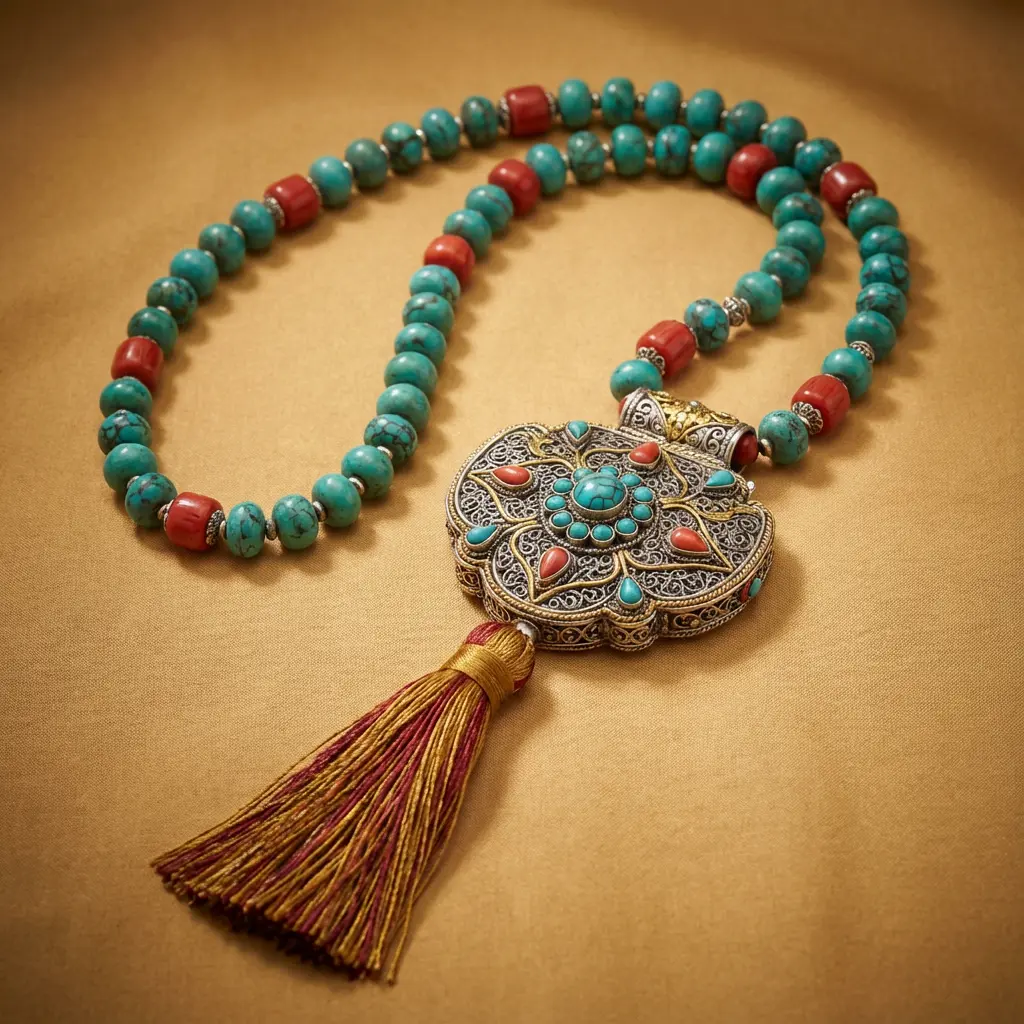
| Around the neck | Full 108-bead mala worn as necklace, tassel at heart or behind neck | Daily wear, meditation practice, energy work |
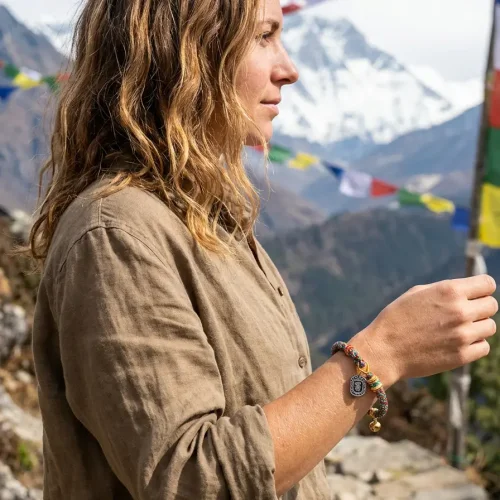
| Wrapped on wrist | Full mala wrapped 3-4 times around wrist | Easy access for spontaneous meditation (may stress cord) |
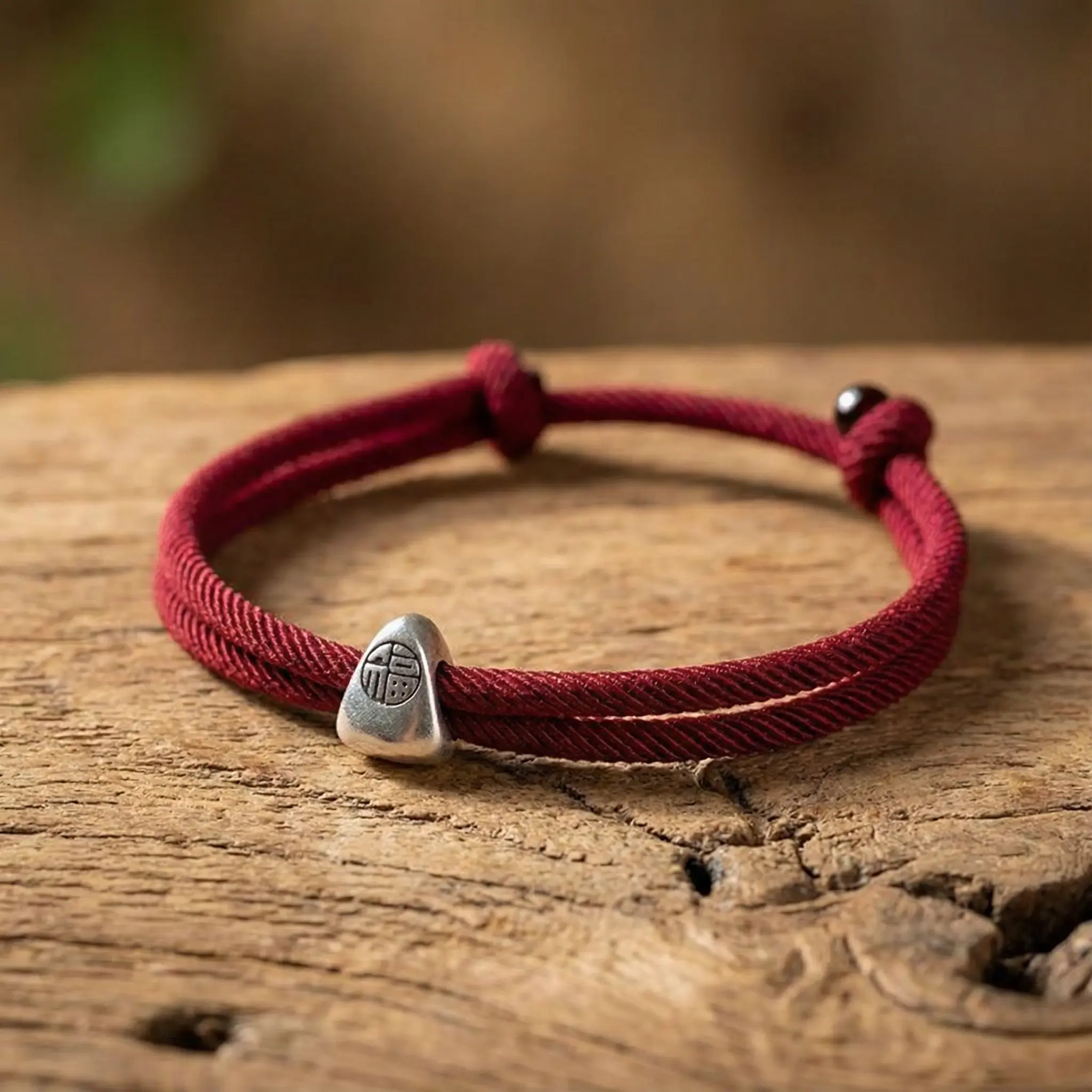
| Wrist mala/bracelet | Shorter 18, 21, or 27-bead mala designed for wrist | Convenience, anxiety relief, constant reminder |
Which Wrist Should You Wear a Mala On?
Traditional Hindu and some Buddhist practices suggest the right wrist, as this hand is considered more pure. However, Tibetan Buddhists wear malas on either wrist without concern. There are no strict universal rules—wear your mala where it feels most comfortable and accessible for your practice.
When NOT to Wear Mala Beads
Several traditional guidelines protect both the mala and its sacred nature:
- While bathing: Water weakens the cord and may damage certain stones
- During sleep: Risk of breaking the cord or damaging beads
- In the bathroom: Many traditions consider this disrespectful
- During intense physical activity: Yoga, gym workouts, or manual labor can snag or break malas
- Intimate situations: Some traditions recommend removal during intercourse
Keeping Your Mala Sacred
Small practices honor the significance of your mala:
- Never place it on the floor or ground
- Store in a dedicated mala bag when not wearing
- Some practitioners keep their meditation mala hidden, using a separate mala for daily wear
- Avoid letting others casually handle your personal mala—it absorbs your energy through practice
Why 108 Beads? The Sacred Number Explained
The number 108 appears across Hindu, Buddhist, and Jain traditions with remarkable consistency. This isn’t coincidence—it reflects deep mathematical and spiritual significance:
Cosmic and Mathematical Meanings
- Astronomical alignment: The distance between Earth and the Sun is approximately 108 times the Sun’s diameter. The same ratio applies to Earth and the Moon.
- Energy channels: Yogic philosophy identifies 108 energy lines (nadis) converging at the heart chakra
- Buddhist teaching: 108 earthly desires (kleshas) that one must overcome to reach enlightenment
- Sanskrit alphabet: 54 letters, each with masculine (Shiva) and feminine (Shakti) aspects: 54 × 2 = 108
- Sacred texts: 108 Upanishads in Hindu philosophy, 108 names for various deities
- Harshad number: 108 is divisible by the sum of its digits (1+0+8=9), considered auspicious in Sanskrit (“harshad” means “great joy”)
The Guru Bead (109th Bead)
The larger bead at the mala’s center isn’t counted during meditation. Called the guru bead, sumeru, or bindu, it serves as the starting and ending point of each meditation cycle. It represents the teacher-student relationship and signals a moment for gratitude and reflection. Traditional practice never crosses over the guru bead—instead, you reverse direction to begin another cycle.
How to Use Mala Beads (Beyond Just Wearing)
Japa Meditation: The Traditional Practice
Japa means “to repeat” in Sanskrit. This meditation technique involves reciting a mantra while moving through each bead:
- Hold the mala in your right hand, draped between middle and ring fingers
- Start at the bead next to the guru bead
- Use your thumb to pull each bead toward you as you recite your mantra
- Avoid using the index finger (considered disrespectful in some traditions)
- Complete 108 repetitions until you reach the guru bead
- Pause for gratitude, then reverse direction if continuing
Breath Meditation
If mantras feel unfamiliar, use your mala for breath awareness. Simply move one bead with each complete inhale-exhale cycle. This creates a physical anchor that grounds wandering attention—particularly helpful for beginners or anyone with racing thoughts.
Intention and Gratitude Practice
Move through each bead while naming something you’re grateful for, or repeat a personal affirmation. This practice transforms the mala into a powerful tool for shifting mindset and cultivating positive mental states.
How to Choose Your Mala
Trust Your Intuition
Experienced mala makers consistently offer this advice: the mala that draws your attention first is usually the right one. Don’t overthink. Your intuitive attraction often reflects what your spirit needs, even if you can’t articulate why.
Consider Material Properties
Different materials carry distinct energetic qualities:
- Bodhi seed: Connected to Buddha’s enlightenment under the Bodhi tree—ideal for serious meditation practice
- Rudraksha seeds: Associated with Shiva, known for grounding and protective energy
- Sandalwood: Calming fragrance, traditional meditation material
- Rosewood: Heart-opening, connected to compassion practices
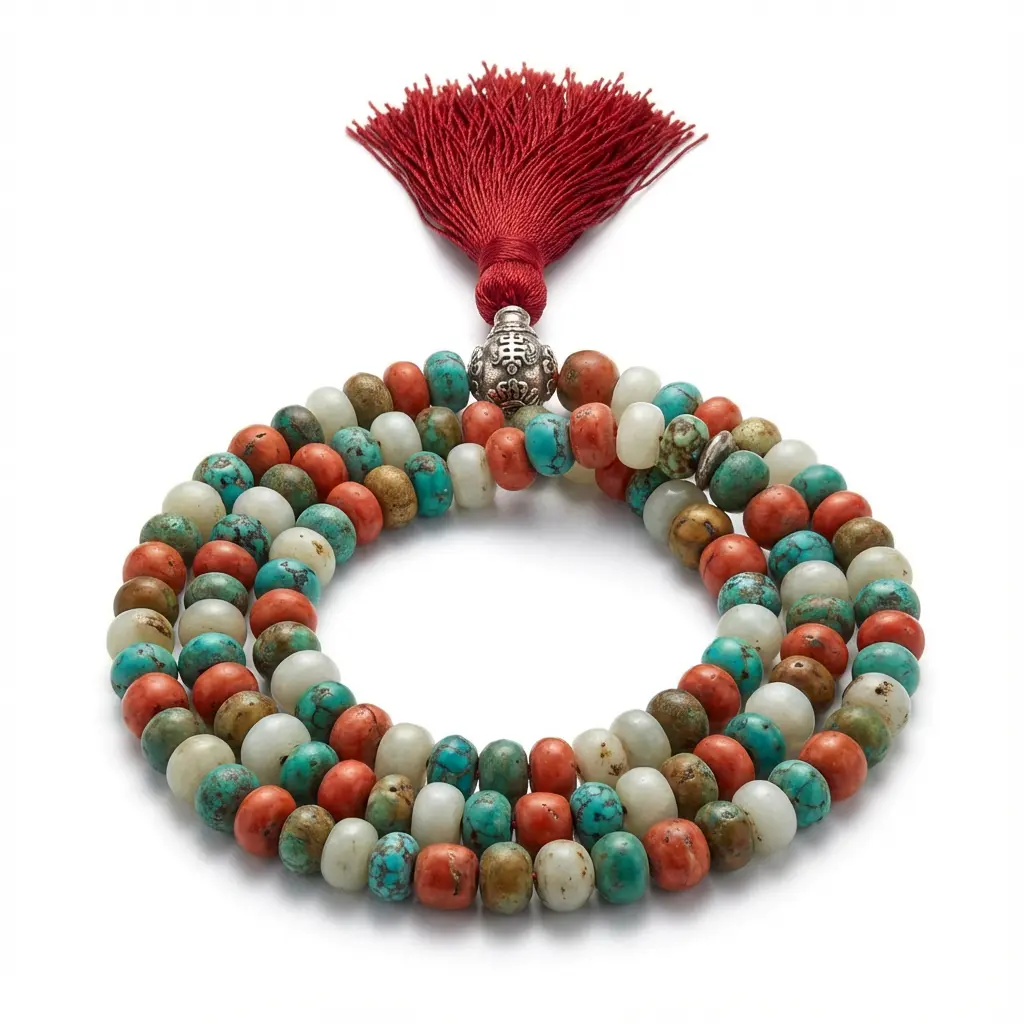
- Gemstones: Specific properties—amethyst for calm, rose quartz for love, turquoise for protection
- Bone: Traditional in Tibetan Buddhism, represents impermanence
Match Your Intention
Before selecting, ask yourself: What am I seeking? Grounding? Heart opening? Mental clarity? Protection? Choose materials and colors aligned with your answer. At PotalaStore, we provide detailed information about each mala’s traditional significance to help guide your selection.
Common Questions Answered
Can I wear mala beads as jewelry?
Yes, with awareness. Many practitioners wear malas both for meditation and as daily reminders of their intentions. The key is maintaining respect for what the mala represents rather than treating it as purely decorative.
Can I wear mala beads all the time?
Many people do. Remove them for bathing, sleeping, and intense physical activity to preserve the cord and beads. Some traditions recommend removal during bathroom use.
Can other people touch my mala?
Traditional practice discourages casual handling by others. Through meditation, your mala absorbs your personal energy. Lending it freely can disrupt this connection. If someone handles your mala, many practitioners recommend cleansing it afterward.
What if my mala breaks?
This is often interpreted as the mala having fulfilled its purpose or absorbed negative energy on your behalf. You can restring the beads with a new intention and cleanse them, or view it as a sign to begin fresh with a new mala.
The Bottom Line
Mala beads belong to anyone who approaches them with sincerity. Your religious background, ethnicity, or level of spiritual experience doesn’t determine your worthiness to use these tools. What matters is intention, understanding, and respect.
When you wear a mala from PotalaStore, you’re not just wearing jewelry. You’re connecting with a 3,000-year-old tradition, supporting Tibetan artisans who preserve these sacred crafts, and carrying a tool designed to bring you closer to peace, clarity, and your highest self.
The question was never really “can anyone wear mala beads?” The real question is: will you wear yours with meaning?