
Healing Properties and Benefits of Wearing Crystal Bracelets: PotalaStore’s Expert Guide
 by Yang Tso
0 comments
by Yang Tso
0 comments
⚠️ Important Note: The healing properties described in this guide are based on traditional beliefs, spiritual practice, and user experience — not clinically verified medical claims. Crystal bracelets are intended as complementary spiritual tools and should never replace professional medical care.
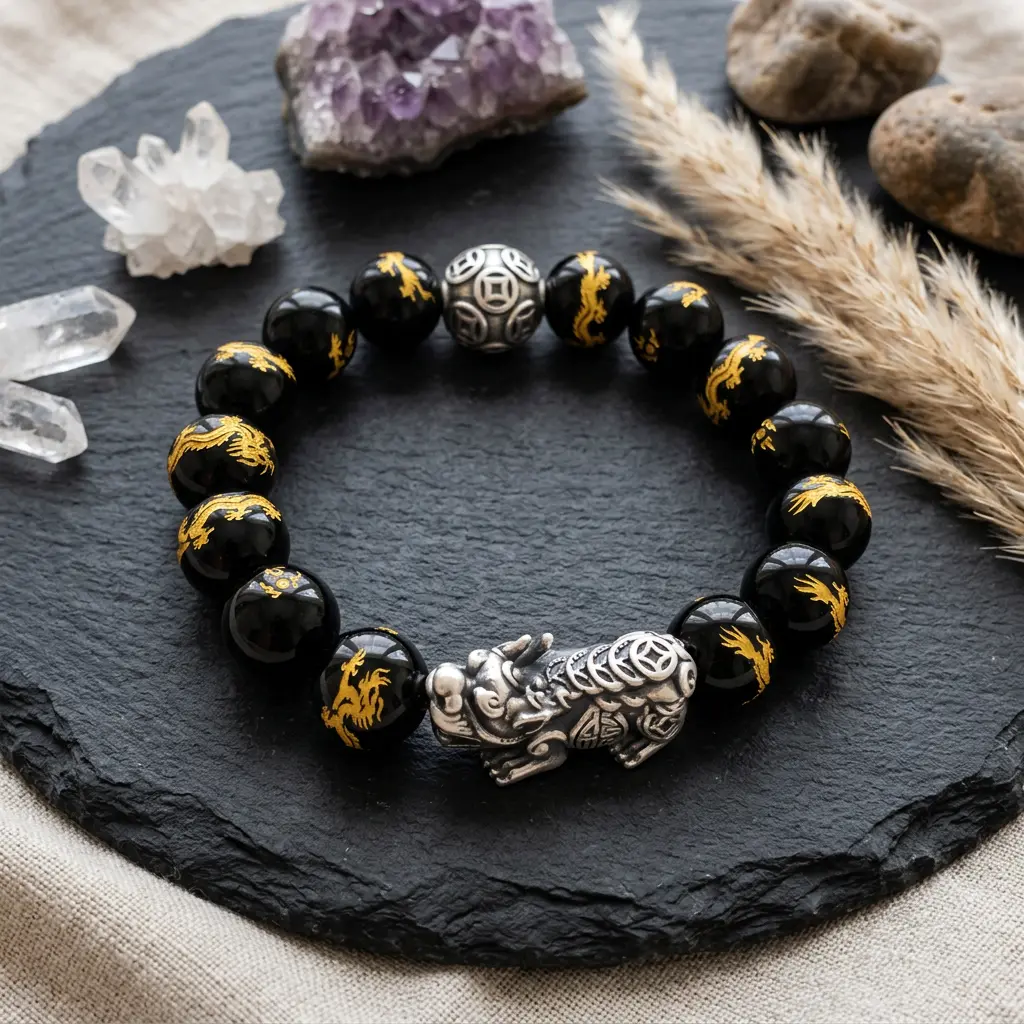
Crystal bracelets carry more meaning than most people realize. In Tibetan Buddhist tradition — and across centuries of healing practice worldwide — specific gemstones worn on the wrist are believed to interact with the body’s energy field, supporting emotional balance, spiritual clarity, and energetic protection.
At PotalaStore, our work with Sera Jhe Monastery and Kopan Monastery partners in the Himalayas has given us a perspective on crystal healing that most Western retailers simply don’t have. What we’ve learned is that the “benefit” of a crystal bracelet isn’t just about the stone itself — it’s about intention, tradition, and consistent practice.
This guide covers what healing crystal bracelets actually do, the core benefits by crystal type, and how to choose the right one for your specific needs.
What Are the Healing Properties of Crystal Bracelets?
Healing crystal bracelets are gemstone jewelry tools, traditionally worn to harmonize the body’s energy centers (chakras), deflect negative energy, and reinforce a specific spiritual intention. Each crystal variety is associated with distinct properties — from calming emotional turbulence to attracting abundance — rooted in millennia of use across Buddhist, Hindu, and indigenous healing traditions.
The core concept is vibrational resonance: different crystals are believed to emit unique energetic frequencies that interact with the wearer’s own biofield. Clear quartz, for example, is known as the “Master Healer” because its structure is thought to amplify whatever energy it encounters. Black tourmaline carries a dense, grounding frequency associated with shielding against negative influences.
From a scientific standpoint, quartz crystals do exhibit a measurable property called the piezoelectric effect — the ability to generate a small electric charge under pressure. Whether this translates to human energetic healing remains outside the scope of current clinical research. What is well-documented is that intentional ritual practice, including wearing meaningful objects, can positively influence mindset, reduce stress responses, and reinforce personal focus — a phenomenon confirmed by multiple psychology studies on belief and perception.
In short: the properties are grounded in tradition and intention. They work best when worn with awareness.
Core Healing Benefits: The Most Powerful Crystals for Bracelets

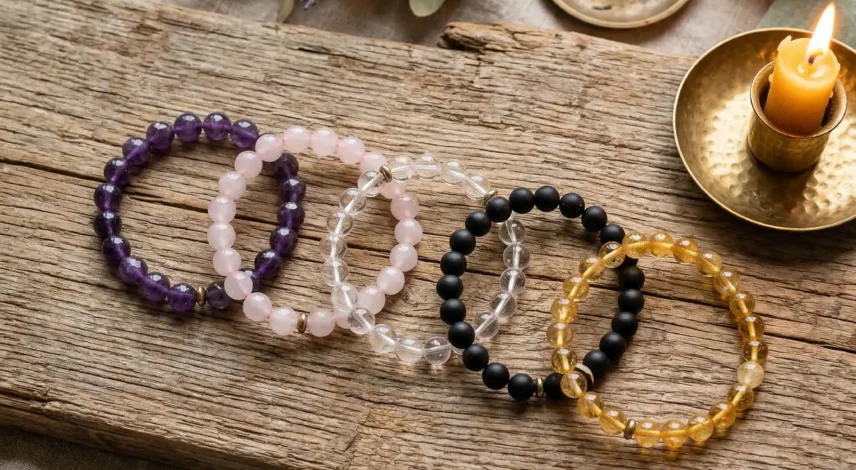
Different crystals serve different intentions. The table below covers the six most sought-after healing crystals used in bracelets, organized by their primary benefit, chakra association, and what they’re best suited for.
| Crystal | Primary Healing Property | Chakra | Best For |
|---|---|---|---|
| Amethyst | Calm, stress relief, intuition | Crown (7th) | Anxiety, sleep, spiritual growth |
| Rose Quartz | Emotional healing, self-love | Heart (4th) | Grief, relationships, compassion |
| Clear Quartz | Amplification, mental clarity | All chakras | Focus, intention-setting, energy boost |
| Black Tourmaline | Protection, grounding | Root (1st) | Negative energy shielding, EMF environments |
| Citrine | Abundance, positive energy | Solar Plexus (3rd) | Confidence, creativity, wealth intention |
| Tiger’s Eye | Courage, willpower, focus | Sacral / Solar Plexus | Decision-making, career clarity, discipline |
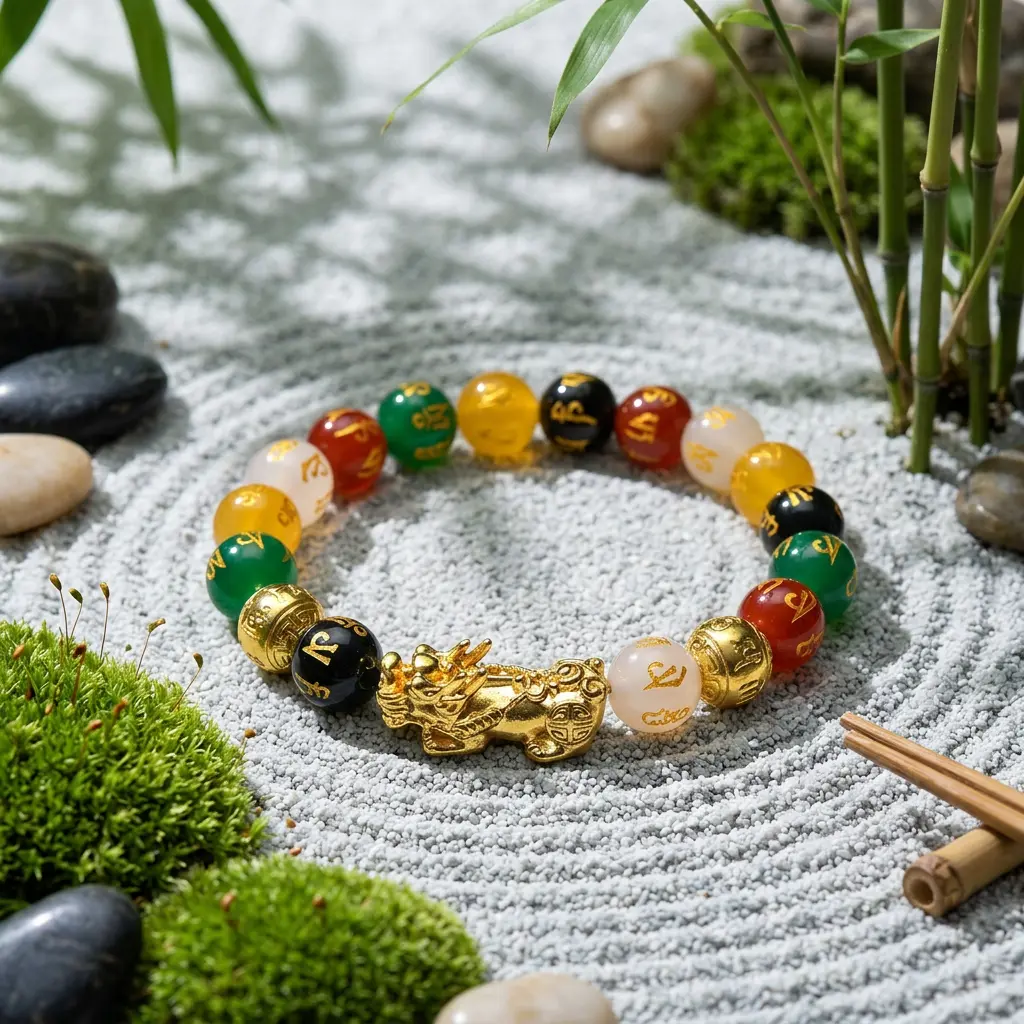
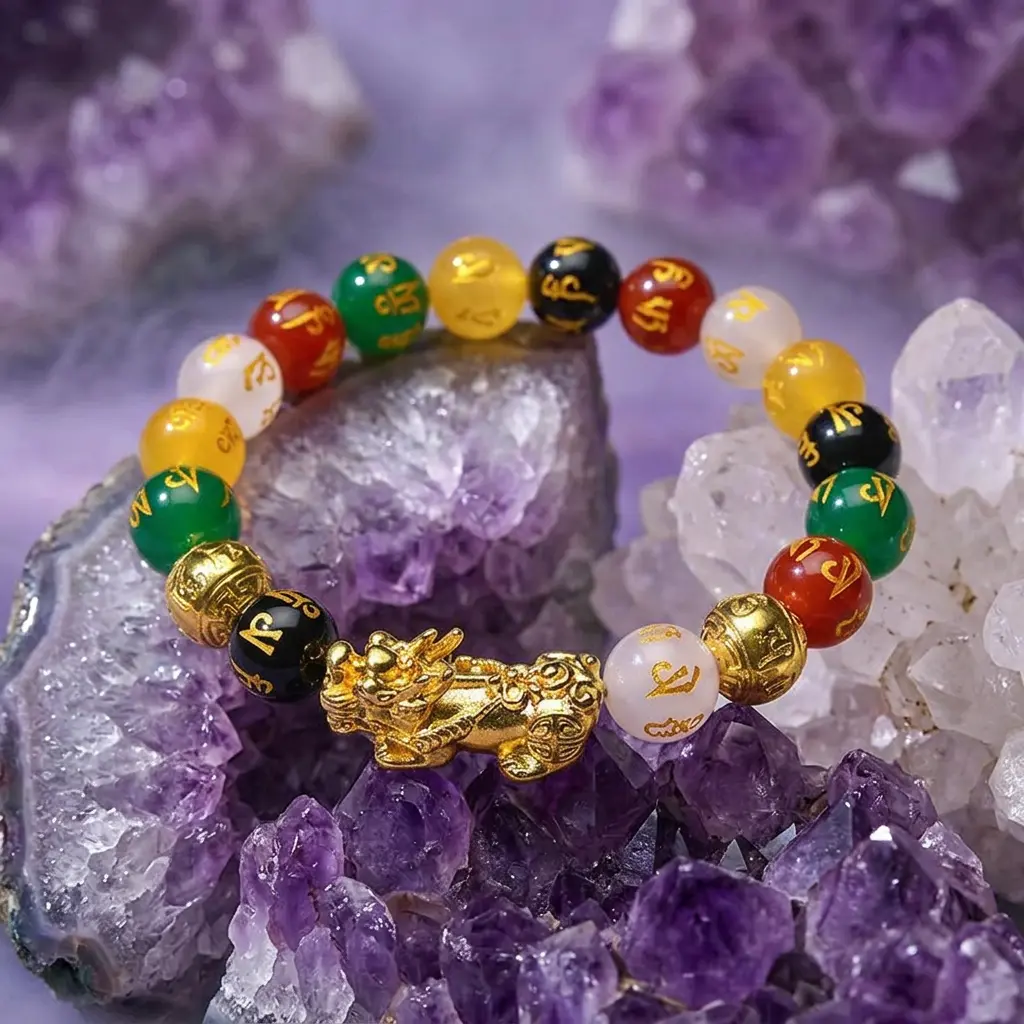
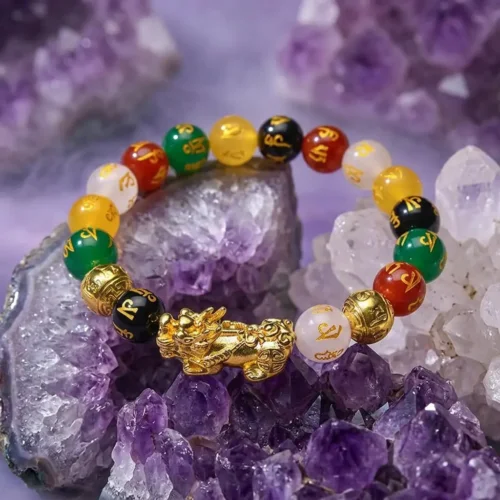
Most quality crystal bracelets use 8mm or 10mm beads — this is the standard in both traditional Tibetan jewelry and contemporary crystal wellness accessories. Larger beads carry more surface area in contact with your skin, which many practitioners prefer for sustained energetic contact throughout the day.
In the Tibetan Buddhist tradition our monastery partners follow, amethyst is consistently recommended for practitioners beginning a meditation practice. Its association with the crown chakra is believed to ease the mental turbulence that makes sitting quietly so difficult for most beginners. Many of our customers report that, within 2–4 weeks of consistent daily wearing, they notice a shift in their ability to manage stress responses — not because the crystal “cured” anything, but because it serves as a tangible anchor for their intention to cultivate calm.
💎 PotalaStore Tip: If you’re unsure which crystal to start with, our handpicked crystal bracelet collection includes guidance cards describing each stone’s properties — sourced directly from our Himalayan artisan partners.
How to Choose and Wear Your Crystal Bracelet Effectively

Choosing a healing crystal bracelet comes down to two factors: your current intention and your intuitive response to the stone. In Tibetan healing traditions, practitioners are often advised to hold or observe a crystal before selecting it — the one that draws your eye or feels comfortable in your hand is frequently the one aligned with what you need most.
Left Wrist or Right? A Tibetan Perspective
This is one of the most common questions we hear, and most Western sources give the same generic answer. In Tibetan Buddhist energy philosophy — which informs how our monastery partners approach wrist jewelry — the guidance is more nuanced:
🤚 Left Wrist — Receiving Side
Wear crystals here to absorb their energy inward. Ideal for stones you want to draw into your personal field: rose quartz for self-love, amethyst for inner calm, moonstone for intuition. In Tibetan practice, the left side corresponds to the yin (receptive) channel.
✋ Right Wrist — Giving Side
Wear crystals here to project their energy outward. Useful for black tourmaline (projecting protective energy into your environment) or citrine (radiating abundance). The right side corresponds to the yang (active) channel.
“One thing we initially got wrong: we assumed black tourmaline should always be worn on the left wrist for protection. After consulting with our Kopan Monastery connection, we learned the right wrist is actually preferred — you’re actively projecting a protective barrier outward, not just absorbing protection inward. It’s a small difference, but it changes how you think about the bracelet’s function.”
— PotalaStore sourcing team note
Setting Your Intention and Keeping Your Crystal Active
A crystal bracelet without intention is simply jewelry. Before wearing your bracelet for the first time, hold it in both hands, breathe slowly, and articulate — silently or aloud — what you’re seeking. This ritual of setting intentions is practiced across Buddhist, Hindu, and indigenous traditions worldwide.
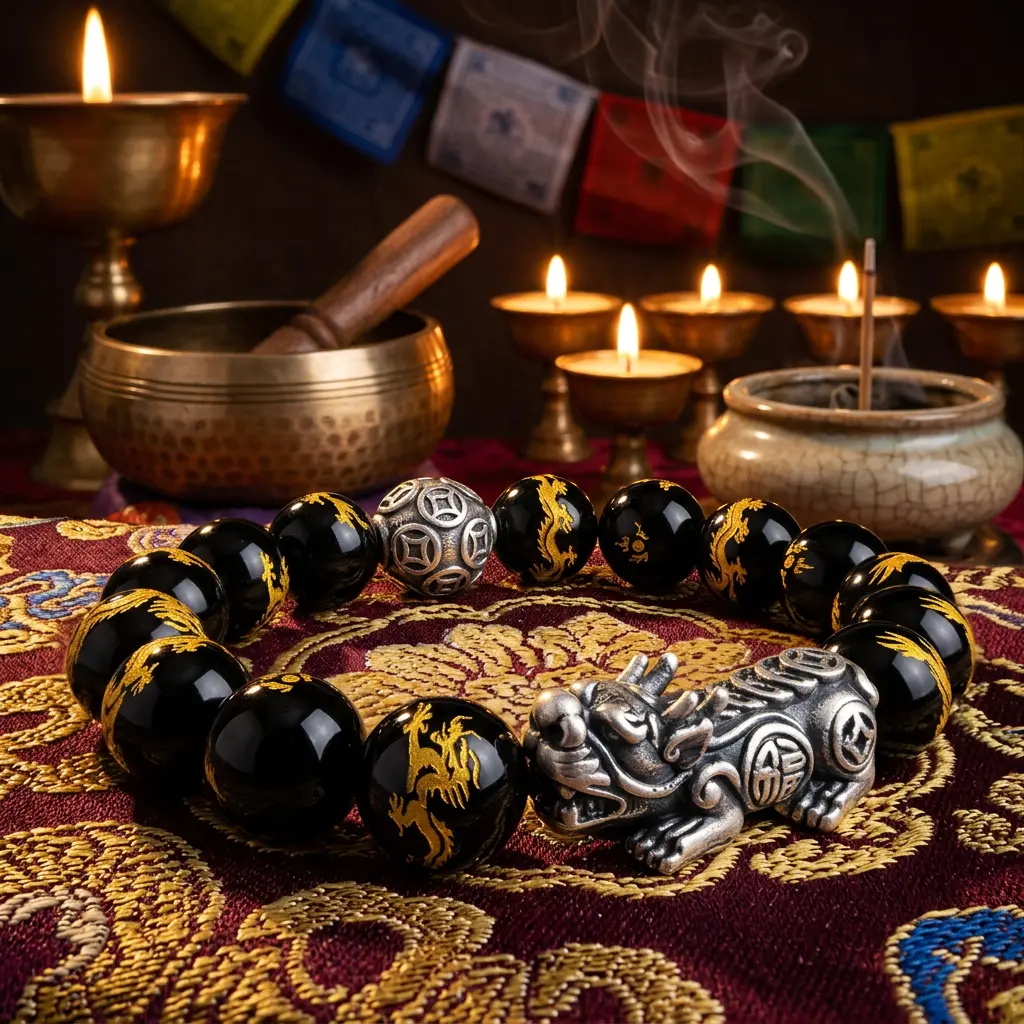
Over time, crystals are believed to absorb residual energy from their environment. We recommend cleansing your bracelet at least once a month to reset it. Effective methods include: placing it under full moonlight overnight, passing it through white sage or palo santo smoke for 30 seconds, or using a Tibetan singing bowl — resting the bracelet near the bowl while playing it for 1–2 minutes. Note: some crystals (selenite, malachite, lapis lazuli) should not be cleansed with water, as their Mohs hardness rating of 5 or below makes them water-sensitive.

Frequently Asked Questions
Crystal bracelets work within a framework of intention, belief, and consistent practice. A 1999 study by French and Williams found that participants reported similar sensations from both real and fake crystals during meditation — suggesting the mind’s engagement plays a central role. That doesn’t make the experience less real or valuable. Many practitioners report meaningful shifts in mood, focus, and stress levels after incorporating crystal bracelets into a regular mindfulness or meditation practice. They are best understood as spiritual tools that support — rather than replace — intentional inner work.
Amethyst is the most widely recommended crystal for stress and anxiety. It’s traditionally associated with the crown chakra, calming mental chatter, and deepening sleep quality. Blue lace agate and lepidolite are also excellent choices for anxiety — lepidolite contains trace amounts of lithium, the same element used in mood-stabilizing medications, though its concentration in the stone is not medically significant. For general emotional grounding, rose quartz supports the heart chakra and is well-suited for grief or relational stress.
Yes — stacking crystal bracelets is a common and beneficial practice, often called “power banding.” The key is intention alignment: choose stones with complementary purposes rather than conflicting energies. A grounding stone (black tourmaline) pairs well with a clarity stone (clear quartz). Avoid pairing stones with opposing directional energies — such as a highly stimulating stone like carnelian with a deeply calming stone like amethyst on the same wrist — unless you’re intentionally seeking balance between those states.
Find Your Crystal Bracelet at PotalaStore
Every piece in our collection is handcrafted by Himalayan artisans and sourced through our verified monastery partnerships — so you know the spiritual lineage behind what you’re wearing.Shop Crystal Bracelets →
📚 References
- Crystal and Gemstone Properties: Educational overview of gemstone identification, properties, and geological formation. Gemological Institute of America (GIA) — Gem Encyclopedia
- Buddhist Prayer Beads and Spiritual Jewelry Traditions: Cultural and historical context of sacred wrist adornments across Asian Buddhist traditions. Smithsonian Freer and Sackler Galleries — Asian Art
- Crystal Healing and the Placebo Effect: French, C. C., & Williams, M. (1999). Study presented at the British Psychological Society centenary annual conference, examining reported sensations from real versus fake crystals in a meditation context. Referenced in: MissCrystal.uk — Crystal Bracelets: Meaning, Benefits & How to Choose.