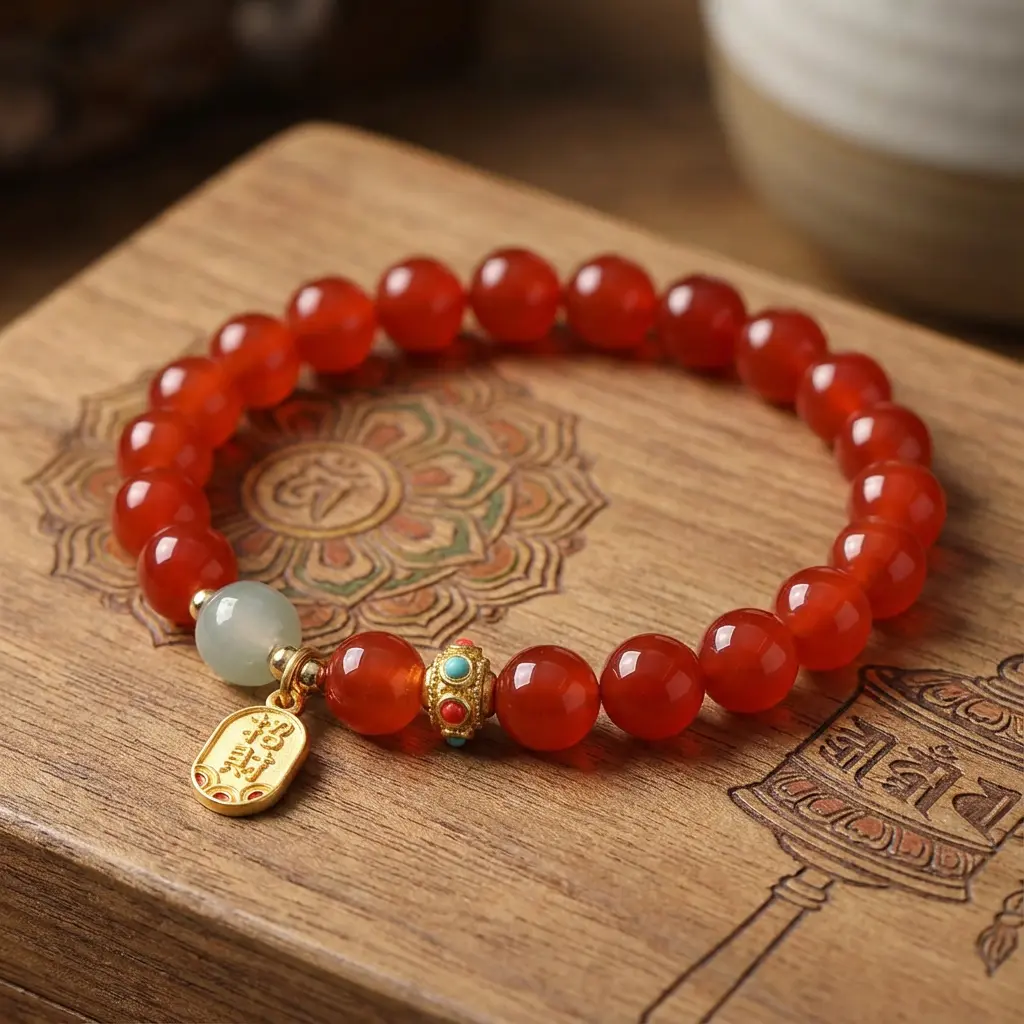

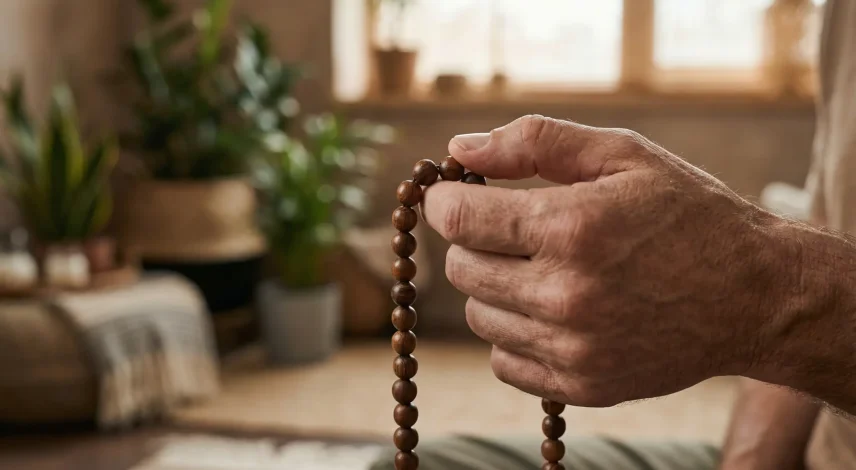

Choosing the right mala beads is a deeply personal journey that combines understanding materials, setting clear intentions, and trusting your intuition. A mala is a string of 108 beads used for counting mantras during meditation—think of it like a spiritual rosary. Whether you’re a complete beginner or an experienced practitioner, selecting mala beads that resonate with your energy can transform your meditation practice and support your spiritual growth.
At PotalaStore, we understand that the perfect mala isn’t just about aesthetics—it’s about finding a tool that aligns with your personal journey. This comprehensive guide will walk you through everything you need to know about selecting mala beads, from understanding sacred materials to matching colors with chakra energies.
Understanding the Sacred Significance of 108 Beads
Traditional malas contain 108 counting beads plus one guru bead. This number isn’t random—it holds profound spiritual meaning across multiple traditions. The number 108 appears in Sanskrit cosmology, where there are 54 letters in the Sanskrit alphabet, each with masculine and feminine forms, totaling 108.
In Buddhist tradition, 108 represents the number of earthly desires that humans must overcome to reach enlightenment. The Heart Chakra is said to have 108 energy lines converging to form this vital center. Even in astronomy, the Sun’s diameter is 108 times the Earth’s diameter, and the average distance from Earth to the Sun is 108 times the Sun’s diameter.
In summary, one full round of meditation with your mala—touching all 108 beads—takes approximately 10 to 20 minutes, creating a complete cycle that mirrors universal wholeness.
The Three Essential Components of Every Mala
Every authentic mala consists of three main parts: the counting beads, the guru bead, and the tassel or pendant. Understanding these components helps you recognize quality malas and use them correctly.
The Guru Bead: Your Sacred Anchor
The guru bead is the 109th bead, larger than the others, positioned at the mala’s bottom. This bead symbolizes your spiritual teacher or the wisdom you’ve received. When meditating, you never cross over the guru bead—instead, you reverse direction when you reach it, showing respect for the teacher-student relationship. This bead serves as your starting and ending point for each meditation cycle.
The Tassel: Symbol of Enlightenment
Attached to the guru bead, the tassel represents the lotus flower—a universal symbol of spiritual enlightenment and purity. Just as the lotus rises from muddy water to bloom beautifully, the tassel reminds you of your journey from confusion to clarity. Some modern malas feature charms or pendants instead of tassels, adding personal meaning.
Choosing Mala Beads by Material: Wood, Seeds, or Gemstones?

The short answer is: choose materials that align with your intention and feel right in your hands. Mala beads are crafted from three main material categories, each offering unique properties.
| Material Type | Examples | Best For | Energy Property |
|---|---|---|---|
| Sacred Woods | Sandalwood, Rosewood, Bodhi | Grounding, daily meditation | Calming, earthy connection |
| Sacred Seeds | Rudraksha, Bodhi Seeds | Traditional practice, protection | Spiritual power, enlightenment |
| Gemstones | Rose Quartz, Amethyst, Jade | Specific intentions, healing | Targeted chakra work, amplification |
Sacred Woods: Nature’s Meditation Companions
Sandalwood malas remain the most popular choice for meditation. This wood carries naturally calming properties that promote peaceful states. The subtle fragrance of sandalwood enhances your meditation experience, lasting for months or even years with proper care. Sandalwood is said to activate the Third Eye Chakra, improving intuition and mental clarity.
Rosewood offers heart-opening qualities perfect for loving-kindness meditation. These warm, rich-toned beads support emotional healing and compassion cultivation. Bodhi wood comes from the tree under which Buddha achieved enlightenment over 3,000 years ago, making it especially meaningful for Buddhist practitioners.
Sacred Seeds: Ancient Spiritual Power
Rudraksha seeds have been used in Hindu and Buddhist practice for thousands of years. These seeds come from the Rudraksha tree and are believed to provide natural protection while supporting deep meditation states. Traditional texts describe rudraksha as “the tears of Lord Shiva”, carrying divine energy.
Bodhi seeds hold special significance because they come from the Bodhi tree species (Ficus religiosa). These seeds are lightweight, durable, and represent spiritual promise and dedication.
Gemstones: Targeted Energy Work
Gemstone malas combine meditation benefits with crystal healing properties. Rose Quartz promotes unconditional love and emotional healing—ideal for heart chakra work. Amethyst supports spiritual growth, stress relief, and intuition development, working with the Crown Chakra. Turquoise brings healing, protection, and enhanced communication through the Throat Chakra.
Key takeaway: beginners often start with sandalwood or clear quartz because these materials work universally with any intention, while experienced practitioners may choose specific gemstones for targeted work.
Setting Your Intention: The Foundation of Mala Selection
Before choosing your mala, spend 5 to 10 minutes clarifying your primary intention. Your intention acts as the compass guiding all other decisions. Ask yourself: What do I want to cultivate in my life right now?
Common intentions include:
- Healing: Emotional wounds, past trauma, or physical wellness
- Love: Self-love, relationships, compassion for others
- Protection: Shielding from negative energy, grounding
- Clarity: Mental focus, decision-making, life direction
- Spiritual Growth: Deeper meditation, connection to higher self
- Abundance: Prosperity, success, manifesting goals
Once you’ve identified your intention, match it to materials. For emotional healing, choose Rose Quartz or Green Aventurine. For protection and grounding, select Black Onyx or Tiger’s Eye. For spiritual awareness, go with Amethyst or Lapis Lazuli.
Bottom line: write your intention down before shopping. This simple act clarifies your needs and helps you recognize the right mala when you see it.
Understanding Gemstone Properties for Targeted Support
Each gemstone carries distinct healing properties based on its mineral composition and energetic vibration. Here’s a practical guide to popular gemstone malas:
| Gemstone | Primary Property | Chakra | Best Used For |
|---|---|---|---|
| Rose Quartz | Unconditional love | Heart | Relationships, self-love, emotional healing |
| Amethyst | Spiritual awareness | Crown, Third Eye | Meditation depth, stress relief, intuition |
| Black Onyx | Protection | Root | Grounding, strength, negative energy shield |
| Turquoise | Healing communication | Throat | Honest expression, protection, balance |
| Jade | Harmony prosperity | Heart | Good fortune, peace, longevity |
| Carnelian | Creativity confidence | Sacral | Motivation, boldness, passion |
| Clear Quartz | Amplification | All chakras | Any intention, clarity, energy boost |
In summary, Clear Quartz acts as the “master healer”—it amplifies any intention you set, making it perfect for beginners who aren’t sure which specific stone to choose.
Color Energy and Chakra Alignment

Mala bead colors correspond directly to the seven chakras, allowing you to balance specific energy centers. The chakra system consists of seven main energy wheels running from the base of your spine to the crown of your head.
The Seven Chakra Colors
Red (Root Chakra): Located at the base of your spine, this chakra governs security, grounding, and survival. Red gemstones like Red Jasper, Garnet, and dark Carnelian support this foundation. Use red malas when you feel ungrounded or insecure.
Orange (Sacral Chakra): Positioned below your navel, this center relates to creativity, pleasure, and emotions. Orange stones like Carnelian and Orange Aventurine spark joy and vitality. These malas help overcome creative blocks or emotional stagnation.
Yellow (Solar Plexus Chakra): Located above your navel, this chakra represents personal power, confidence, and willpower. Yellow gemstones like Citrine boost self-esteem and decision-making abilities.
Green or Pink (Heart Chakra): Centered in your chest, this chakra governs love, compassion, and healing. Green stones like Jade and Green Aventurine promote harmony. Pink stones like Rose Quartz and Rhodonite encourage self-love and emotional healing.
Blue (Throat Chakra): At your throat, this center enables communication, truth, and self-expression. Blue gemstones like Turquoise and Lapis Lazuli help you speak your truth clearly.
Indigo or Purple (Third Eye Chakra): Between your eyebrows, this chakra connects to intuition, wisdom, and vision. Purple stones like Amethyst and Sodalite enhance psychic abilities and inner knowing.
Violet or White (Crown Chakra): At the top of your head, this chakra links to spiritual connection and enlightenment. White or clear stones like Clear Quartz and Moonstone open you to divine wisdom and higher consciousness.
To put it simply: if you’re struggling with self-confidence, choose yellow or orange beads. If you want deeper meditation, go with purple or white. If you’re healing a broken heart, pink or green is your answer.
Bead Size and Mala Style: Practical Considerations
Mala beads typically come in 6mm or 8mm sizes, and this choice significantly affects your meditation experience.
| Bead Size | Mala Length | Feel | Best For |
|---|---|---|---|
| 6mm | ~70cm (27.5 inches) | Lightweight, delicate | Smaller hands, daily wear, subtle presence |
| 8mm | ~90cm (35.4 inches) | Substantial, easier to grip | Larger hands, easier counting, meditation focus |
The most important thing to remember is: 8mm beads are generally easier for beginners to handle during meditation. Your thumb can grip each bead more confidently, helping you maintain focus. 6mm beads feel lighter and more delicate—perfect if you plan to wear your mala daily as jewelry.
Full Mala vs. Wrist Mala
Full malas contain all 108 beads and work best for traditional seated meditation sessions. Wrist malas typically have 18, 21, or 27 beads—divisions of 108. Wrist malas offer portability and constant presence, serving as mindfulness reminders throughout your day.
Half malas with 54 beads provide a middle ground—shorter sessions but still substantial practice. These work well for people with limited time or beginners building consistency.
Trusting Your Intuition: The Ultimate Selection Tool
Here’s something experienced practitioners know: your intuitive attraction to specific mala beads reveals what your energy needs most. While understanding materials and properties is valuable, that inexplicable pull toward certain beads shouldn’t be ignored.
“The mala chooses you as much as you choose it.”
When browsing at PotalaStore, notice which malas your eyes return to repeatedly. Pick them up if possible—authentic malas feel substantial, with natural weight and texture. Trust these signals. Your subconscious often recognizes what your conscious mind hasn’t yet articulated.
Key signs you’ve found your mala:
- Immediate visual attraction—you can’t look away
- Physical warmth or tingling when holding the beads
- Emotional response—calm, joy, or excitement
- Keeps appearing in your mind after you’ve seen it
Mala Beads for Beginners: Your First Steps
New to mala meditation? Start with these beginner-friendly choices that offer universal support without requiring advanced knowledge.
Sandalwood (8mm): This classic choice costs approximately $30 to $50 for quality beads. Sandalwood works with any intention, smells amazing, and feels smooth in your hands. It’s nearly impossible to make a wrong choice with sandalwood.
Clear Quartz (8mm): Called the “master healer,” Clear Quartz amplifies whatever intention you set. Prices range from $40 to $80. This stone gives you flexibility as your practice evolves.
Rose Quartz (8mm): Perfect if you’re drawn to self-love and compassion work. These gentle pink beads typically cost $45 to $70 and offer emotional support for beginners.
Bottom line: beginners should invest in one quality mala between $40 and $80 rather than several cheap ones. Quality malas last for decades with proper care.
How to Use Your Chosen Mala: Basic Practice

Using your mala takes 10 to 20 minutes for one complete round of 108 repetitions. Here’s the traditional technique:
- Sit comfortably with your spine straight and eyes closed
- Hold your mala in your right hand, draped over your middle finger
- Start at the guru bead—this is your beginning point
- Use your thumb to pull each bead toward you (never use your index finger)
- Recite your mantra or intention once per bead
- Continue around the entire mala until you reach the guru bead again
- Never cross over the guru bead—reverse direction if continuing
Popular mantras for beginners:
- “Om” (the universal sound)
- “So Hum” (I am that)
- “Om Mani Padme Hum” (Tibetan compassion mantra)
- Personal affirmations like “I am peaceful” or “I am enough”
The key takeaway is: practice daily for 40 consecutive days to establish a strong energetic connection with your mala. This traditional period allows the beads to absorb your intention and become a powerful personal tool.
Identifying Authentic, Quality Malas
Authentic malas show specific characteristics that distinguish them from mass-produced imitations:
Natural Material Weight: Genuine gemstone or wood beads feel substantial in your hands. Plastic or glass imitations feel unnaturally light or uniform in temperature.
Slight Variations: Handcrafted malas display minor inconsistencies in bead size and color—this is actually a sign of authenticity. Natural materials contain variations. Perfect uniformity often indicates synthetic materials.
Hand-Knotted Construction: Quality malas feature individual knots between each bead. These knots protect your investment—if the string breaks, you lose only one bead instead of all 108. Knotting also makes counting easier during meditation.
Reasonable Pricing: Genuine gemstone malas typically range from $40 to $150 depending on stone rarity. If a “gemstone” mala costs $15, it’s probably glass or dyed plastic.
Caring for Your Mala: Cleansing and Maintenance
Cleanse your mala energetically once a month or whenever it feels heavy or dull. Your mala absorbs energy during practice, and regular cleansing keeps it vibrating at its highest frequency.
Four cleansing methods:
- Moonlight: Place your mala under the full moon for 4 to 6 hours (overnight works perfectly)
- Sage smoke: Pass your mala through white sage smoke for 30 seconds to 1 minute
- Sound healing: Ring a singing bowl near your mala for 3 to 5 minutes
- Selenite charging: Rest your mala on a selenite plate for 24 hours
Storage: Keep your meditation mala in a dedicated fabric pouch or on your altar. Never let it touch the ground—this traditional practice shows respect and prevents energetic grounding.
Physical care: Wood and seed beads benefit from occasional natural oil treatment (use coconut or jojoba oil sparingly). Gemstone malas can be gently wiped with a soft cloth. Avoid water exposure for porous stones like turquoise and avoid direct sunlight for stones like amethyst, which can fade.
❓ Frequently Asked Questions
Can I wear mala beads if I’m not Buddhist or Hindu?
Yes, absolutely. Mala beads are spiritual tools that transcend religious boundaries. They can be used by anyone seeking mindfulness, meditation support, or intention-setting practices, regardless of religious affiliation. The key is approaching them with respect and genuine intention.
Should I have multiple malas for different intentions?
Beginners typically start with one primary mala, using it for 40 consecutive days to build a strong connection. Experienced practitioners often have 2 to 4 malas for different purposes—one for daily practice, one for healing work, one for specific intentions. Each mala becomes dedicated to its purpose over time.
How long before I feel connected to my mala?
Most practitioners notice a connection within 7 to 14 days of daily use. The traditional 40-day dedication period creates a deep energetic bond. Some people feel an immediate connection upon receiving their beads, while others need consistent practice. Trust the process—the connection grows naturally with regular use.
Can I let others touch my mala beads?
Malas absorb personal energy, so it’s generally recommended to keep your meditation mala private. However, decorative malas worn as jewelry are less restrictive. If someone does touch your practice mala, simply cleanse it using sage smoke or moonlight before your next session.
What if I’m drawn to multiple mala styles equally?
Trust the one you keep returning to mentally. If torn between options, consider your primary current intention. Sometimes being drawn to multiple malas means you need different tools for different life areas—in this case, note which one calls to you most strongly right now and start there.
Your Mala Journey Begins With Intentional Choice
Choosing the right mala beads combines three essential elements: understanding materials and their properties, setting clear personal intentions, and trusting your intuitive guidance. This isn’t about finding the “perfect” mala according to some external standard—it’s about discovering the beads that resonate with your unique energy and support your specific journey.
Remember that your mala will grow with you. The beads that feel perfect today will deepen in meaning as you continue your practice. They’ll absorb your intentions, witness your transformation, and become a tangible connection to your spiritual growth. At PotalaStore, we offer authentic, handcrafted malas specifically chosen to support practitioners at every stage of their journey.
The most important thing: start your practice today. Don’t wait for the “perfect” moment or the “perfect” mala. Choose beads that speak to you, set your intention clearly, and commit to 40 days of daily practice. This simple act of showing up—one bead at a time—creates profound transformation.
Your meditation practice awaits. Choose your mala with confidence, knowing that you now have the knowledge to make an informed decision that serves your highest good.
📚 References
- Meditation and Brain Science: Harvard Medical School’s research demonstrates that 8 weeks of mindfulness meditation produces measurable changes in brain regions associated with memory, empathy, and stress reduction. Harvard Gazette – Eight Weeks to a Better Brain
- Clinical Benefits of Meditation: Massachusetts General Hospital’s Meditation Research Program explores how advanced meditation practices reduce stress, anxiety, and depression while promoting well-being. MGH Meditation Research Program
- Traditional Mala Practice: Yoga Journal provides comprehensive guidance on using mala beads in meditation, explaining the significance of 108 beads and proper technique. Yoga Journal – How to Use Mala Beads
- Historical Context: Academic research on the symbolism and function of prayer beads in Buddhist practice, examining their role across different traditions. International Journal of Research – The Mala as Mandala
- Cultural Significance: Educational resource on the meaning of 108 beads and their importance across Eastern spiritual traditions. Seven Corners – What is a Mala