
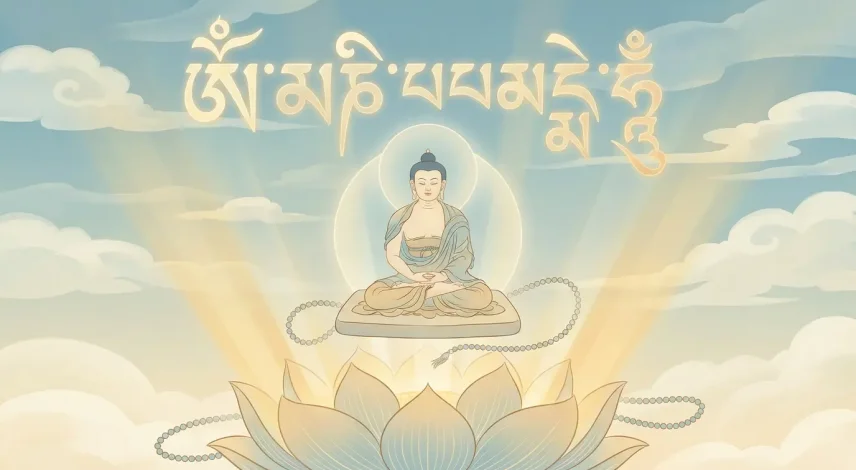

Walk through any Tibetan monastery, and you’ll hear it—a rhythmic hum vibrating through ancient stone walls. Spin a prayer wheel in Dharamsala, and its cylinders carry millions of these sacred syllables. Om Mani Padme Hum isn’t just a mantra; it’s the heartbeat of Tibetan Buddhism, whispered by monks and laypeople alike for over 1,500 years.
But here’s what most people miss: this six-syllable phrase contains the entire essence of Buddhist teachings compressed into a single breath. The 14th Dalai Lama himself calls it “the condensed form of all the Buddha’s teachings.” Whether you’re seeking inner peace, spiritual awakening, or simply a moment of calm in a chaotic world, understanding this mantra could transform how you approach both meditation and daily life.
At PotalaStore, we’ve spent years working with Tibetan artisans who craft sacred jewelry bearing this powerful mantra. Through countless conversations with Buddhist practitioners and scholars, we’ve gathered insights that go far beyond surface-level explanations. Let us share what we’ve learned.
What Does Om Mani Padme Hum Actually Mean?
The common translation—”The Jewel in the Lotus”—barely scratches the surface. While mani does mean “jewel” and padme means “lotus” in Sanskrit, reducing this mantra to a simple phrase misses its transformative power. According to the Kāraṇḍavyūha Sūtra, the 4th-century text where this mantra first appears, it represents the “innermost heart” of Avalokiteshvara, the Bodhisattva of Compassion.
The Dalai Lama offers a deeper interpretation: the mantra symbolizes the path of transforming your impure body, speech, and mind into the pure, enlightened state of a Buddha. Each syllable carries specific meaning and power. When chanted with awareness, the mantra becomes a complete spiritual practice in itself—purifying negative karma, cultivating compassion, and awakening wisdom.
“It is very good to recite the mantra Om Mani Padme Hum, but while you are doing it, you should be thinking on its meaning, for the meaning of the six syllables is great and vast.”
— His Holiness the 14th Dalai Lama
The Six Syllables: A Complete Breakdown
Each syllable of Om Mani Padme Hum corresponds to one of the Six Perfections (Paramitas) that Buddhists cultivate on the path to enlightenment. Simultaneously, each syllable purifies a specific negative emotion and closes the door to rebirth in one of the six realms of existence. This elegant structure makes the mantra a complete practice system.
| Syllable | Perfection (Paramita) | Purifies | Closes Rebirth In |
|---|---|---|---|
| OM | Generosity | Pride | God Realm |
| MA | Ethics | Jealousy | Demigod Realm |
| NI | Patience | Desire/Attachment | Human Realm |
| PAD | Perseverance | Ignorance | Animal Realm |
| ME | Concentration | Greed | Hungry Ghost Realm |
| HUM | Wisdom | Hatred/Anger | Hell Realm |
Understanding Each Syllable
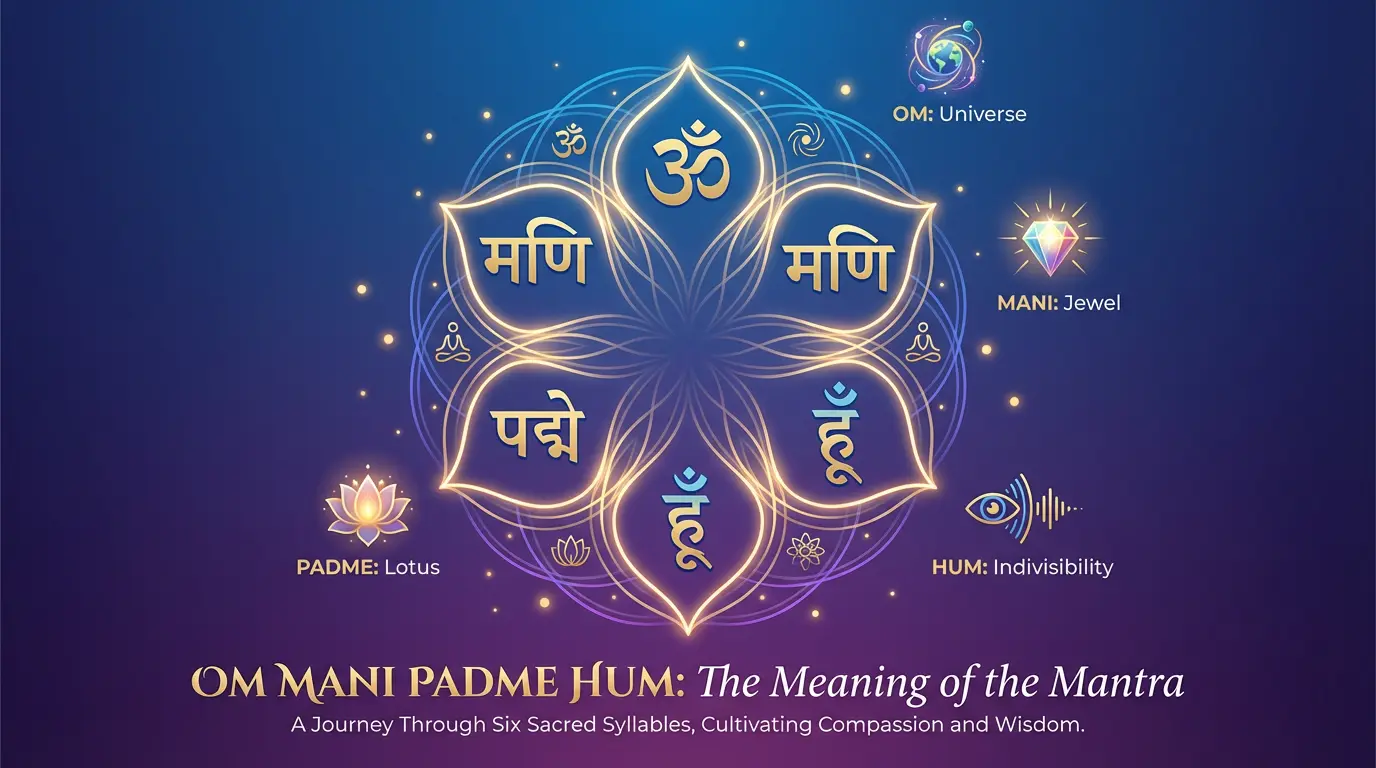
OM is composed of three sounds—A, U, and M—representing the practitioner’s body, speech, and mind in both their impure and pure states. It connects you to the primordial vibration of the universe, the sound from which all creation emerges. Chanting OM with awareness dissolves ego and cultivates generosity.
MANI (MA + NI) means “jewel” and symbolizes the method—specifically, the altruistic intention to achieve enlightenment for the benefit of all beings. Just as a jewel fulfills wishes and removes poverty, the awakened mind removes suffering and fulfills the deepest aspirations of all sentient beings.
PADME (PAD + ME) means “lotus” and represents wisdom. The lotus grows from muddy water yet remains unstained—a perfect metaphor for how wisdom allows us to engage with the world without being corrupted by it. This wisdom recognizes the empty, impermanent nature of all phenomena.
HUM represents the indivisible union of method and wisdom. You cannot have one without the other. This syllable is the seed syllable of Akshobhya Buddha—”the immovable, the unfluctuating, that which cannot be disturbed by anything.”
Who Is Avalokiteshvara? The Bodhisattva Behind the Mantra
Om Mani Padme Hum is inseparable from Avalokiteshvara (known as Chenrezig in Tibetan)—the embodiment of all Buddha’s compassion. According to Buddhist tradition, Avalokiteshvara made a vow to never rest until every sentient being was freed from suffering. The story goes that upon seeing the endless suffering of beings, his head split into eleven pieces and his body into a thousand arms, each with an eye in the palm to see and help those in need.
In Tibetan culture, the Dalai Lama is considered a living emanation of Avalokiteshvara. The mantra Om Mani Padme Hum is essentially invoking this compassionate energy, asking for blessing and protection while simultaneously awakening that same compassion within yourself.
This is why our artisans at PotalaStore treat the inscription of this mantra with such reverence. When you wear jewelry bearing Om Mani Padme Hum, you carry a direct connection to this lineage of compassion stretching back over a millennium.
The Proven Benefits of Chanting Om Mani Padme Hum
Buddhist texts outline numerous benefits—both spiritual and practical—of reciting this mantra. While some claims are matters of faith, others align with what modern science understands about meditation, breathwork, and repetitive chanting.
Spiritual Benefits (Traditional Buddhist View)
- Purifies negative karma accumulated across lifetimes
- Accumulates merit equivalent to reciting vast numbers of sutras
- Protects from rebirth in lower realms of existence
- Creates connection with Avalokiteshvara’s blessing power
- Plants seeds for eventual enlightenment and Buddha nature realization
According to Lama Zopa Rinpoche, one of the most respected living teachers, reciting just ten malas (1,080 repetitions) of Om Mani Padme Hum daily creates such blessing that even the water you touch becomes purified, benefiting every being it contacts.
Mental and Emotional Benefits
- Reduces stress and anxiety through rhythmic breathing and focused attention
- Calms the nervous system—the repetitive sound activates the parasympathetic response
- Improves concentration by giving the mind a single point of focus
- Cultivates compassion—neuroimaging studies show compassion meditation changes brain structure
- Promotes emotional healing by releasing blocked energy and negative thought patterns
Practitioners across traditions report that even a few minutes of chanting creates noticeable calm. The rhythmic nature of mantra recitation has been compared to the effects of other contemplative practices known to lower cortisol levels and reduce blood pressure.
How to Pronounce Om Mani Padme Hum Correctly
Pronunciation varies slightly between Sanskrit and Tibetan traditions. Both are considered valid—what matters most is intention and mindfulness during recitation.
Sanskrit pronunciation: ohm mah-nee pahd-may hoom
Tibetan pronunciation: ohm mah-nee peh-may hoong
The key points to remember:
- OM should resonate deeply, starting from the belly
- MANI has emphasis on the first syllable (MAH-nee)
- PADME in Tibetan becomes “peh-may” with a soft transition
- HUM ends with a nasal resonance (like “hung” in Tibetan tradition)
Don’t let fear of “incorrect” pronunciation stop you. Tibetan masters consistently teach that sincere intention matters more than perfect pronunciation. The mantra works through your devotion and understanding, not phonetic precision.
How to Practice Om Mani Padme Hum Meditation
Whether you’re a complete beginner or experienced meditator, this mantra offers a simple yet profound practice. Here’s a step-by-step guide based on traditional Tibetan methods:
Basic Practice (5-10 Minutes)
- Sit comfortably with a straight spine, hands resting on your knees or in your lap
- Take three deep breaths to settle your mind
- Begin chanting Om Mani Padme Hum slowly, either aloud or silently
- Visualize white light radiating from your heart with each recitation, extending compassion to all beings
- When distracted, gently return to the mantra without judgment
- Conclude by dedicating the merit: “May this practice benefit all beings”
Using Mala Beads (108 Repetitions)
Traditional malas contain 108 beads—a sacred number representing the 108 earthly desires or defilements to be purified. Using a mala provides tactile focus and allows you to track your practice without counting mentally.
- Hold the mala in your left hand (or right, traditions vary)
- Start at the bead next to the guru bead (the larger bead)
- Recite one mantra per bead, moving through the mala
- When you reach the guru bead, do not cross over it—reverse direction instead
- One complete circuit equals approximately 100 mantras (eight beads account for errors)
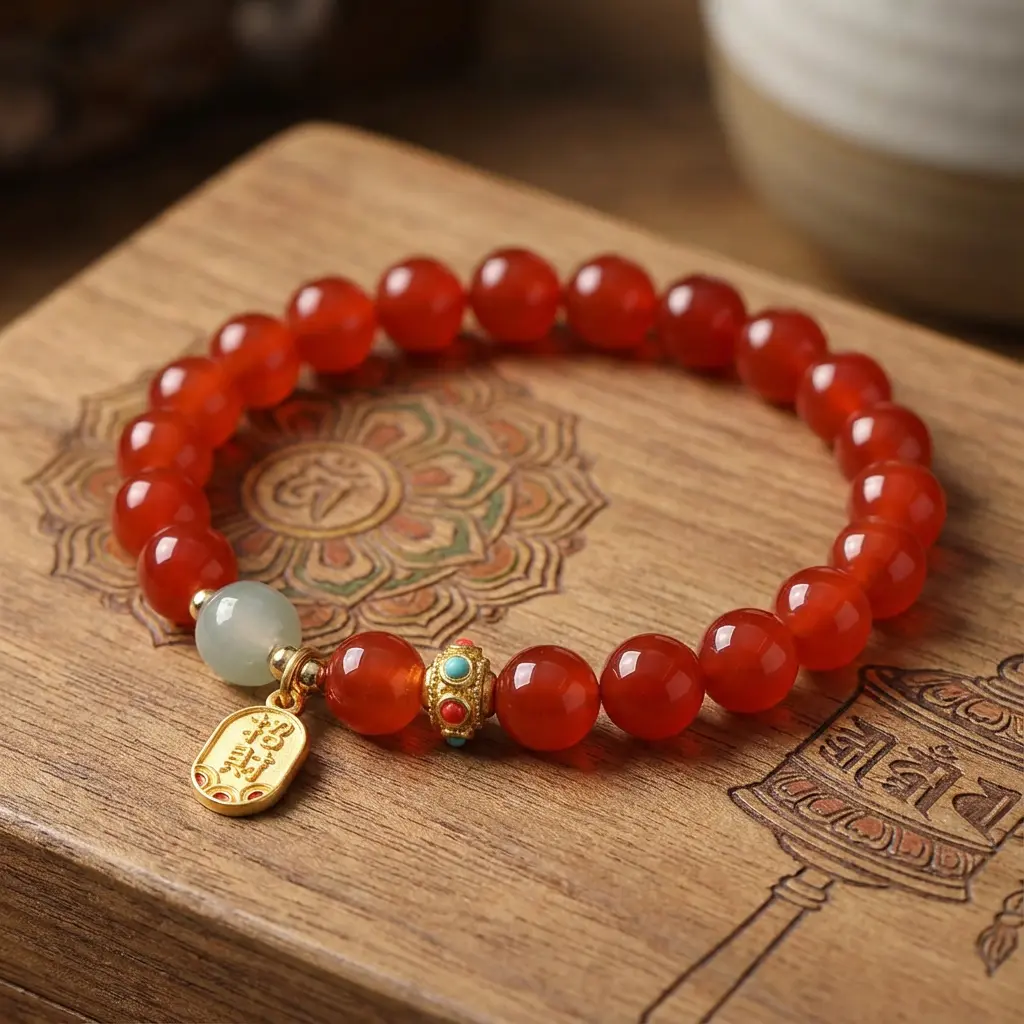
Many practitioners wear mala bracelets throughout the day as a reminder to practice. The Om Mani Padme Hum inscription on quality mala beads—like those crafted by Tibetan artisans for PotalaStore—serves as both a spiritual tool and a beautiful piece of meaningful jewelry.
The History and Origin of the Mantra
Om Mani Padme Hum first appears in the Kāraṇḍavyūha Sūtra, a Mahayana Buddhist text dated to approximately the 4th-5th century CE, likely originating in Kashmir or Central Asia. In this sutra, the Buddha Shakyamuni declares it “the most beneficial mantra,” stating that even he received this teaching from Buddha Amitabha.
The mantra reached Tibet around the 7th century and became the most widely practiced mantra in Tibetan Buddhism. The text called Mani Kabum, attributed to the 7th-century Tibetan king Songtsen Gampo, helped popularize the practice. Today, it’s estimated that this mantra is recited millions of times daily around the world, inscribed on prayer wheels, carved into mani stones, and printed on prayer flags from the Himalayas to Western meditation centers.
Carrying the Mantra With You
Tibetan Buddhists believe that even seeing the mantra written creates blessing—which is why you’ll find Om Mani Padme Hum carved into mountainsides, printed on flags, and inscribed on jewelry throughout the Tibetan world. Wearing the mantra keeps its power close to your body and serves as a constant reminder of compassion and mindfulness.
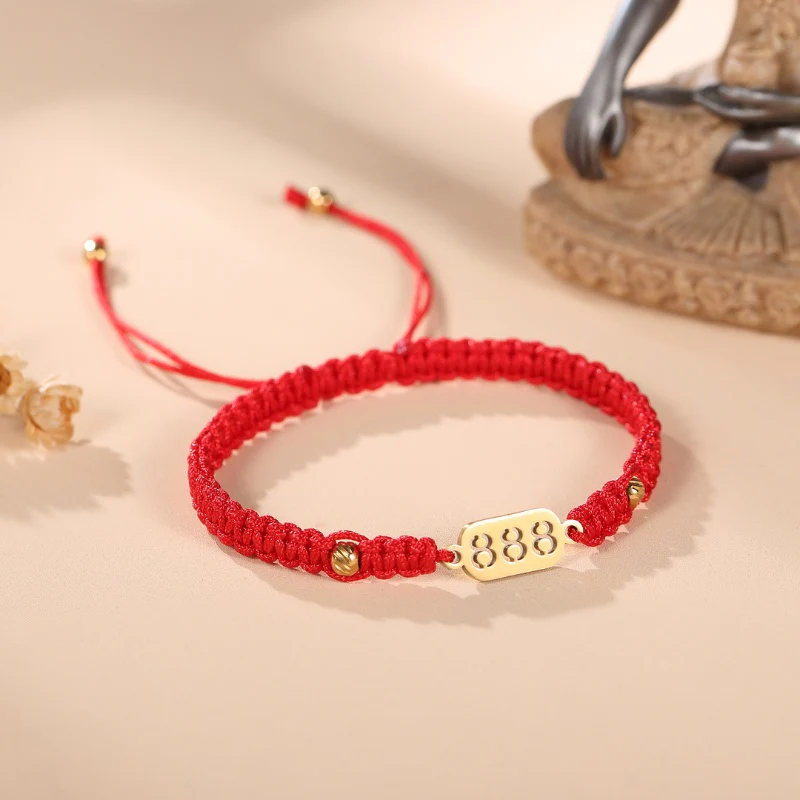
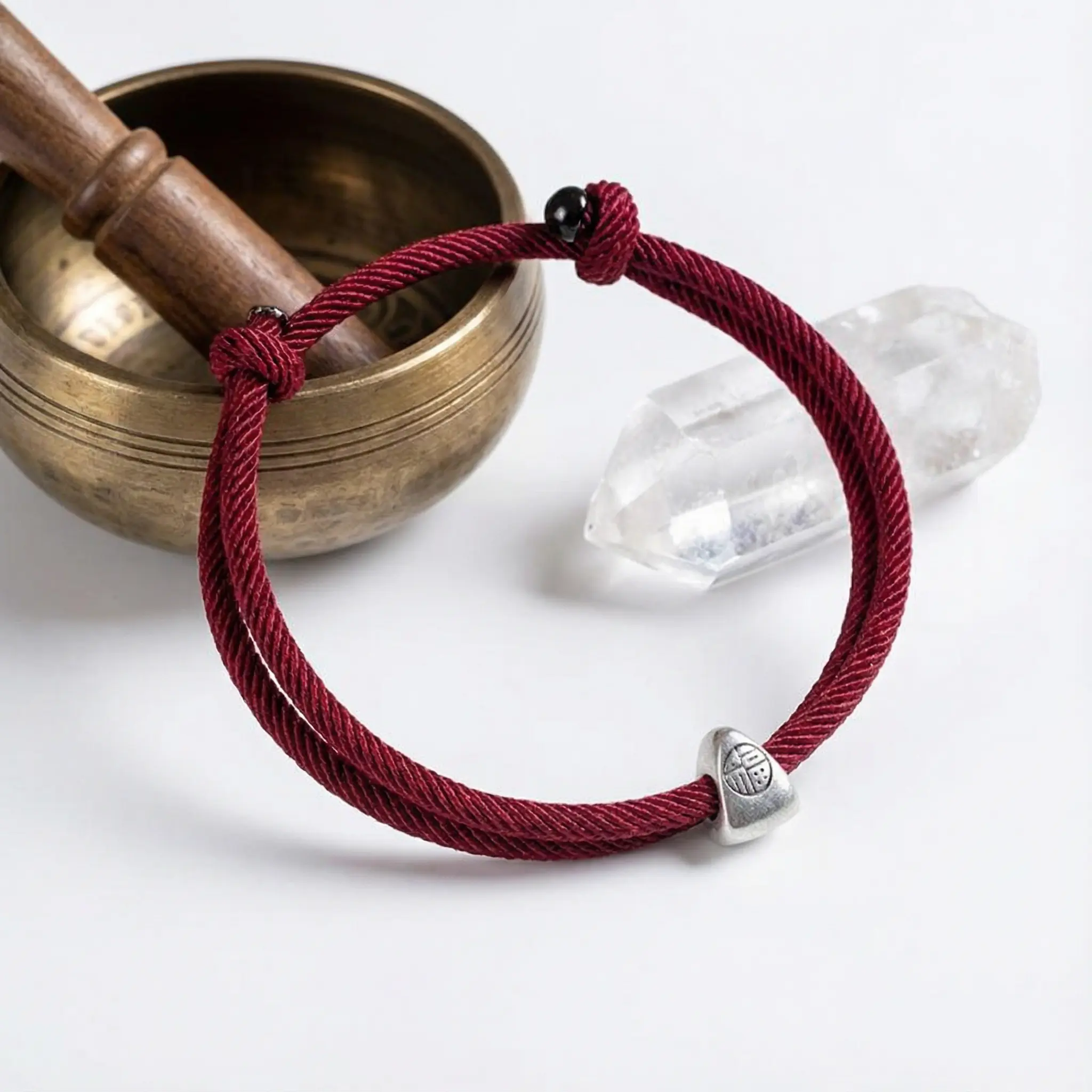
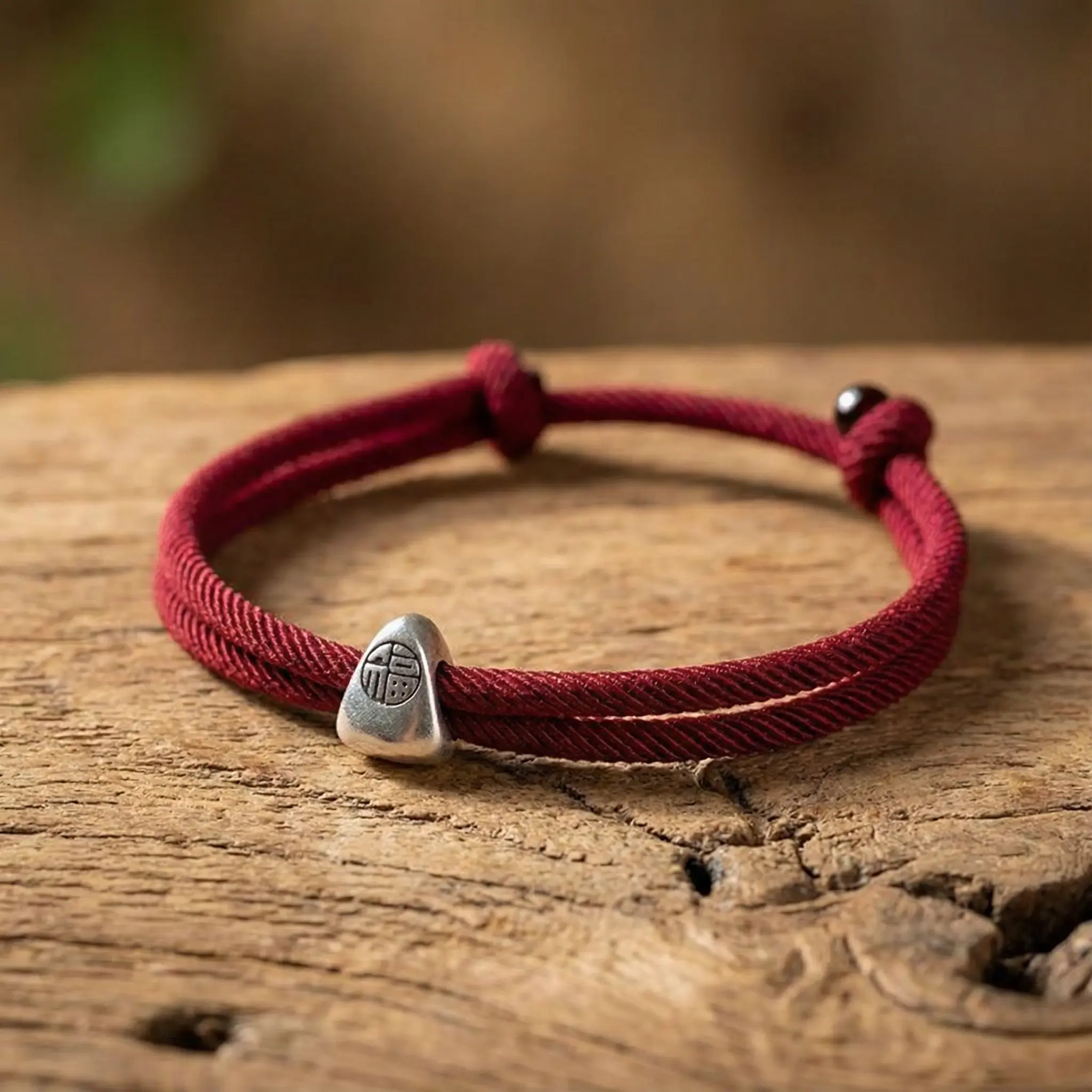
At PotalaStore, we work with Tibetan artisans who understand the sacred significance of each piece they create. Our Om Mani Padme Hum bracelets and pendants aren’t merely decorative—they’re crafted with intention, following traditional methods that honor the mantra’s spiritual heritage. When you wear one, you join a practice stretching back fifteen centuries.
Frequently Asked Questions
Can anyone chant Om Mani Padme Hum?
Yes. Unlike some advanced tantric practices requiring initiation, this mantra is open to everyone regardless of religious background. Tibetan masters encourage sincere practitioners of all traditions to use it.
How many times should I chant?
Traditional recommendations suggest a minimum of 21 times daily, ideally 108 (one mala). Serious practitioners may recite 10 malas or more. Even a few mindful repetitions provide benefit.
Does pronunciation have to be perfect?
No. Intention and understanding matter more than phonetic accuracy. The mantra’s power works through your sincere engagement, not perfect Sanskrit.
What’s the best time to practice?
Early morning and evening are traditionally recommended, but any time works. Many practitioners use the mantra during stressful moments as an instant calming practice.
Begin Your Practice Today
Om Mani Padme Hum offers something rare: a complete spiritual practice within six syllables. It asks nothing of you except sincerity. You don’t need to be Buddhist, you don’t need special training, and you don’t need hours of free time. A few mindful breaths, a simple phrase, and an open heart are all that’s required.
The jewel really is in the lotus—the Buddha nature exists within you already. This ancient mantra simply helps you discover what was there all along.
Explore our collection of authentic Tibetan Buddhist jewelry at PotalaStore, where each piece carries the blessing of traditional craftsmanship and sacred intention.