

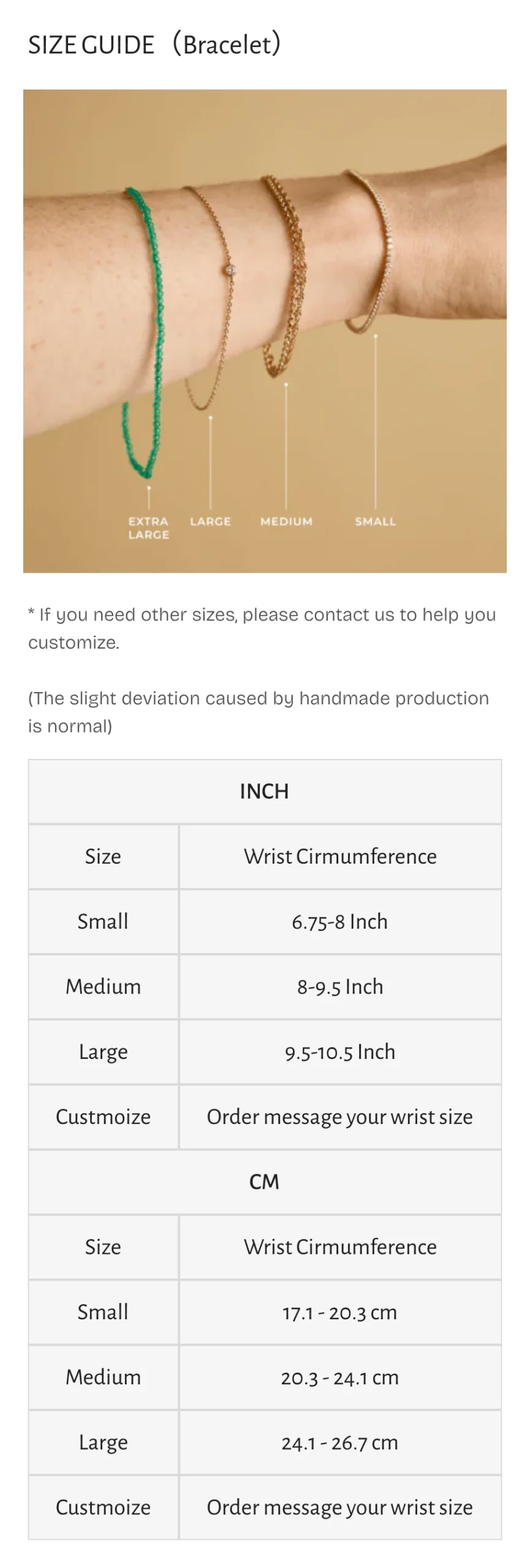
 Bracelet Size Guide Chart - Wrist Measurement in Inches & CM[/caption]
[caption id="attachment_17326" align="aligncenter" width="905"]
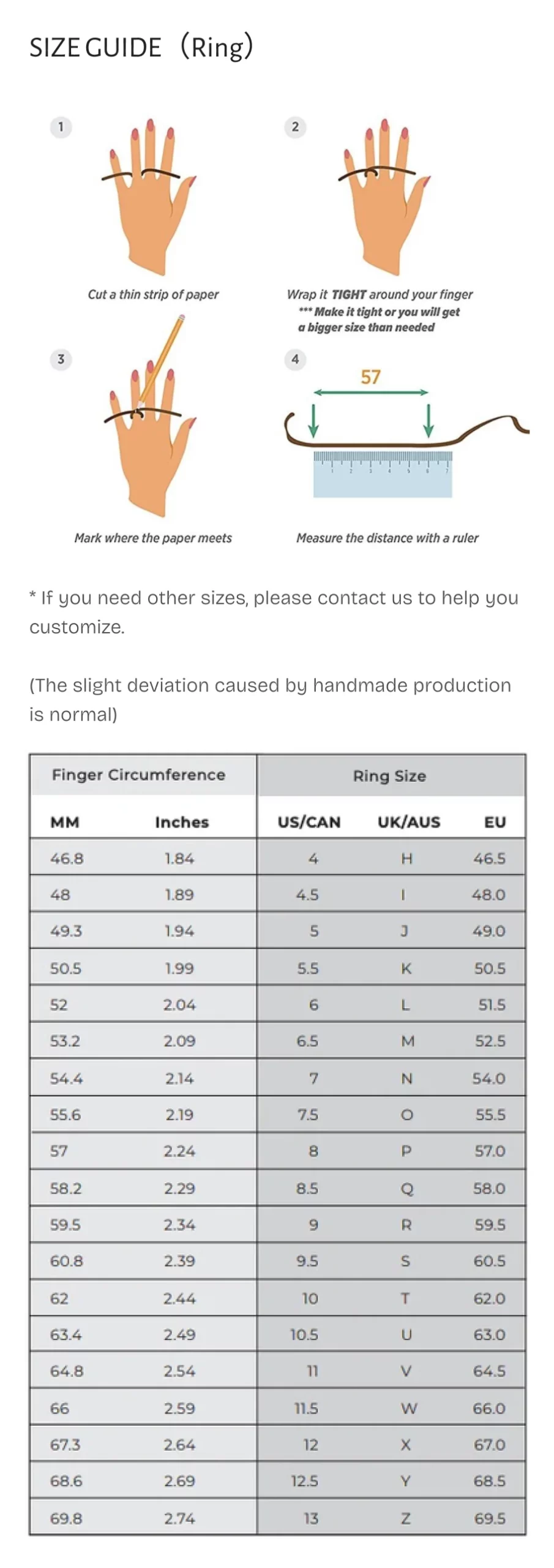 Ring Size Guide - How to Measure Finger Size at Home[/caption]
[caption id="attachment_17325" align="aligncenter" width="912"]
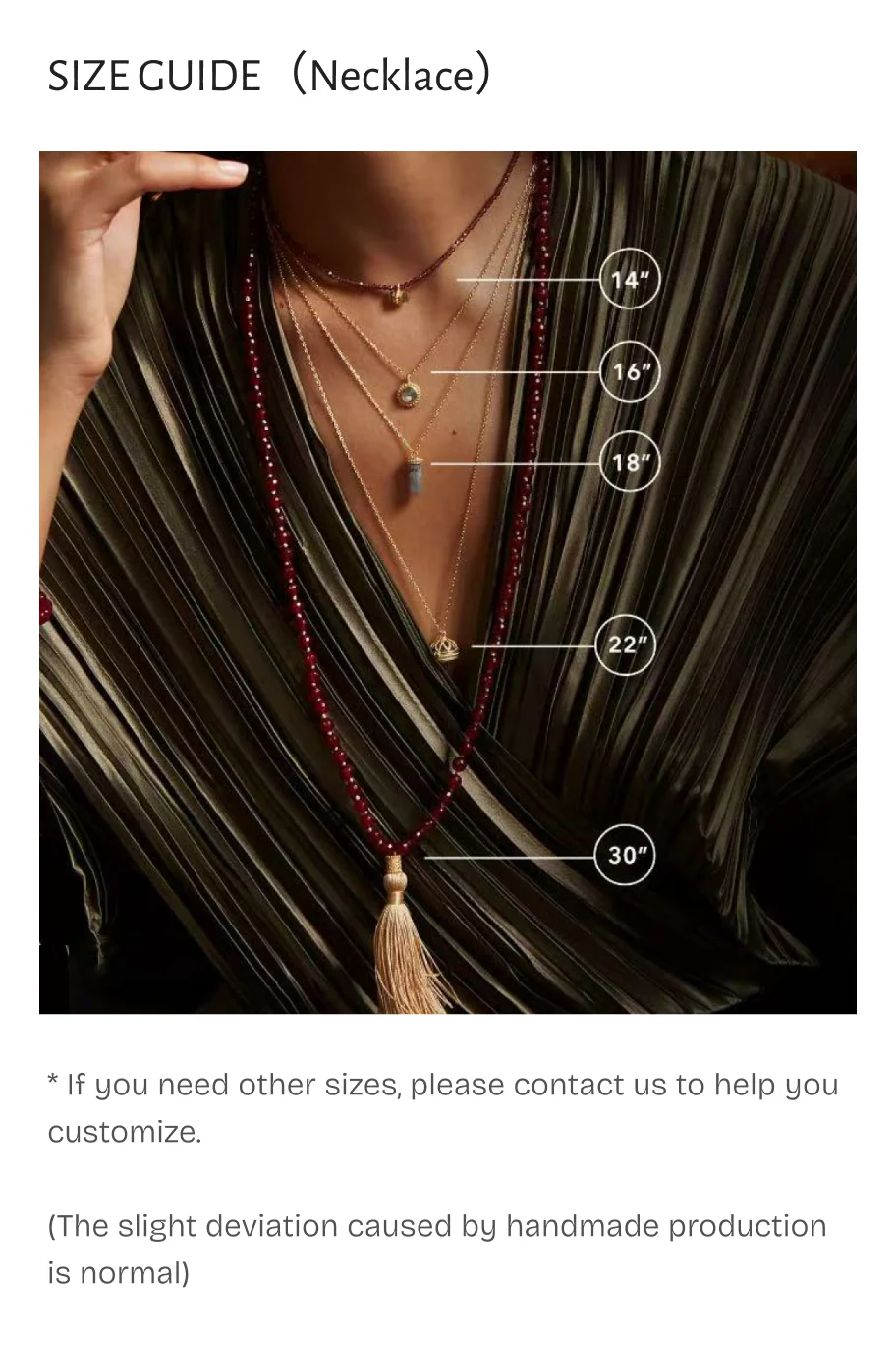 Necklace Length Size Guide Chart - 14 16 18 22 30[/caption]
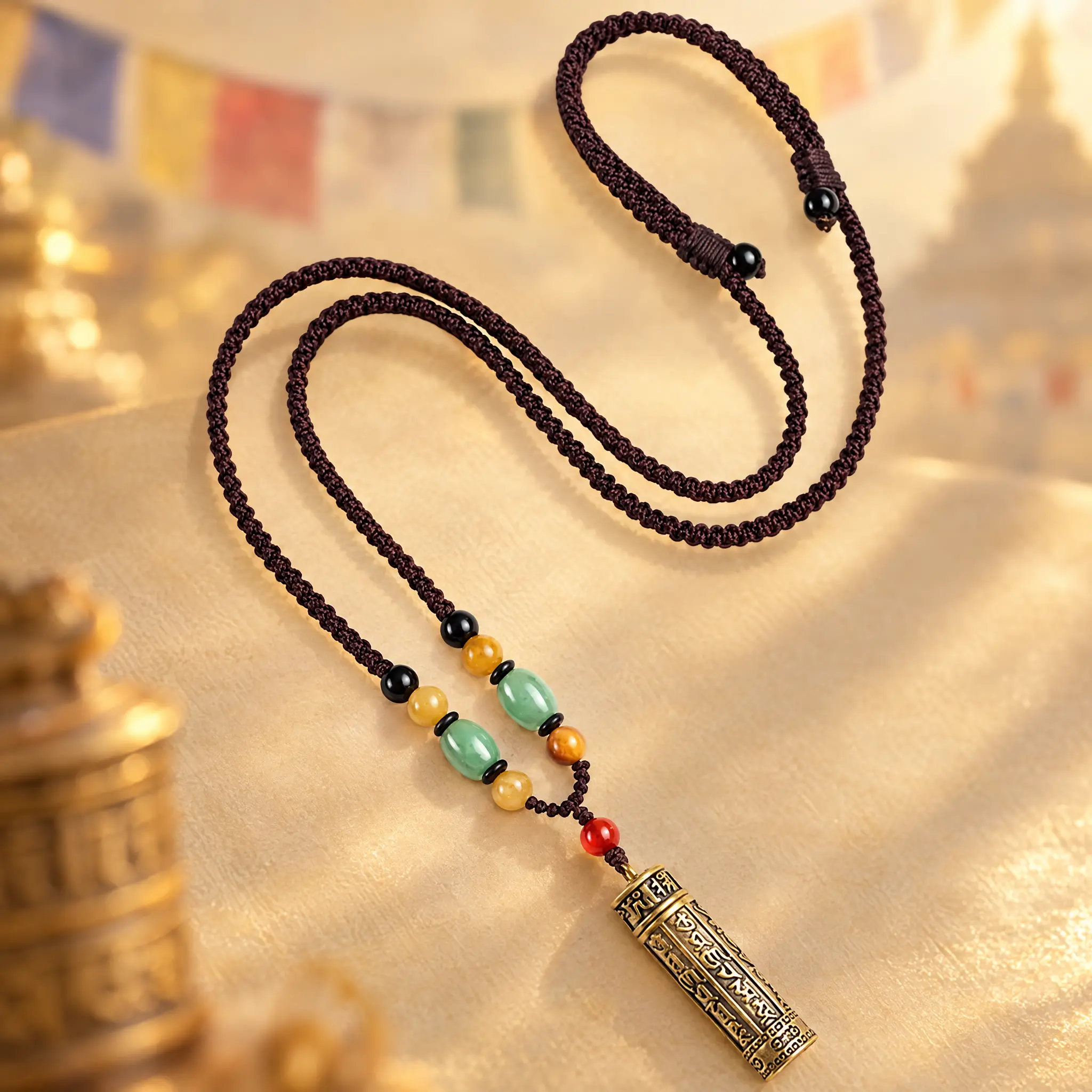
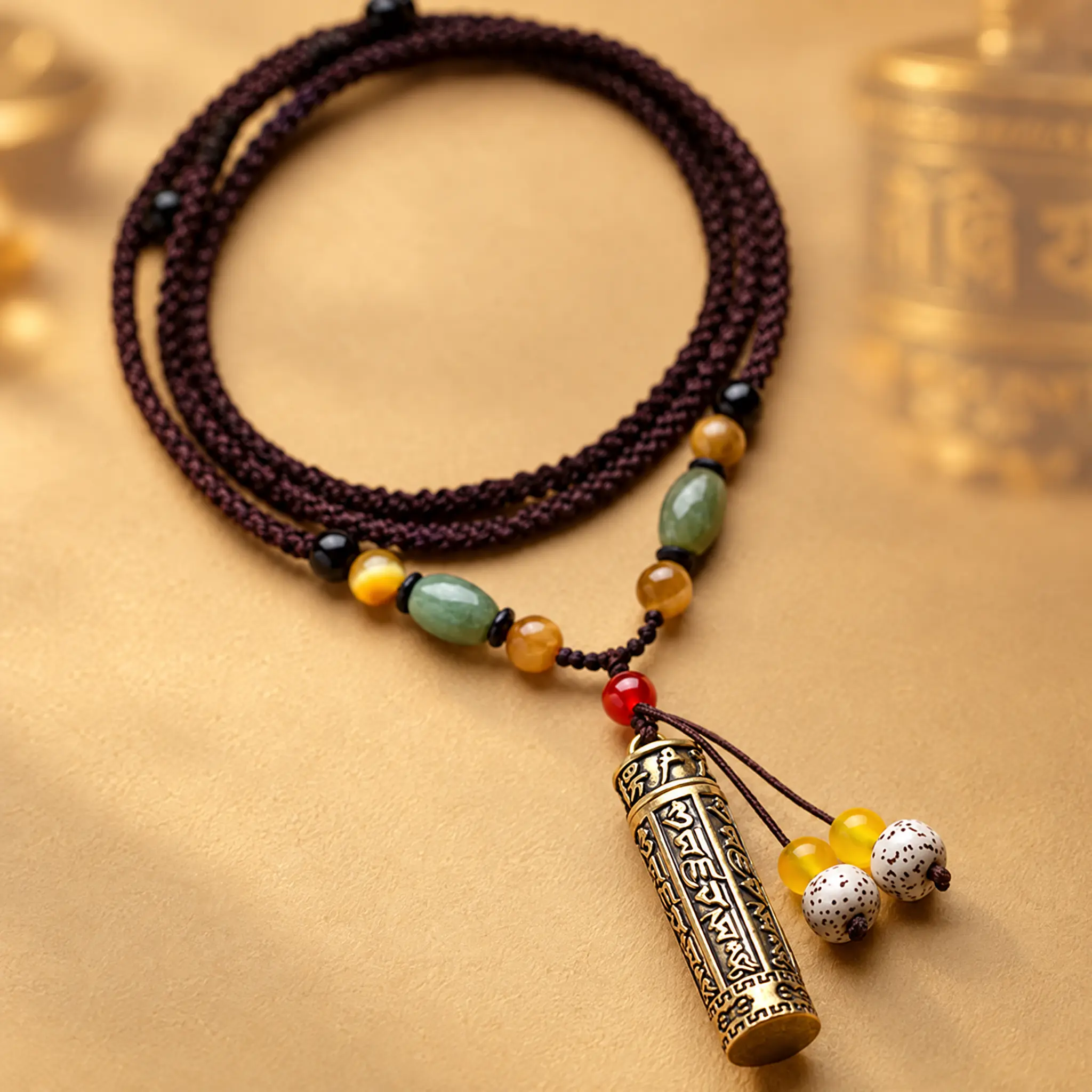
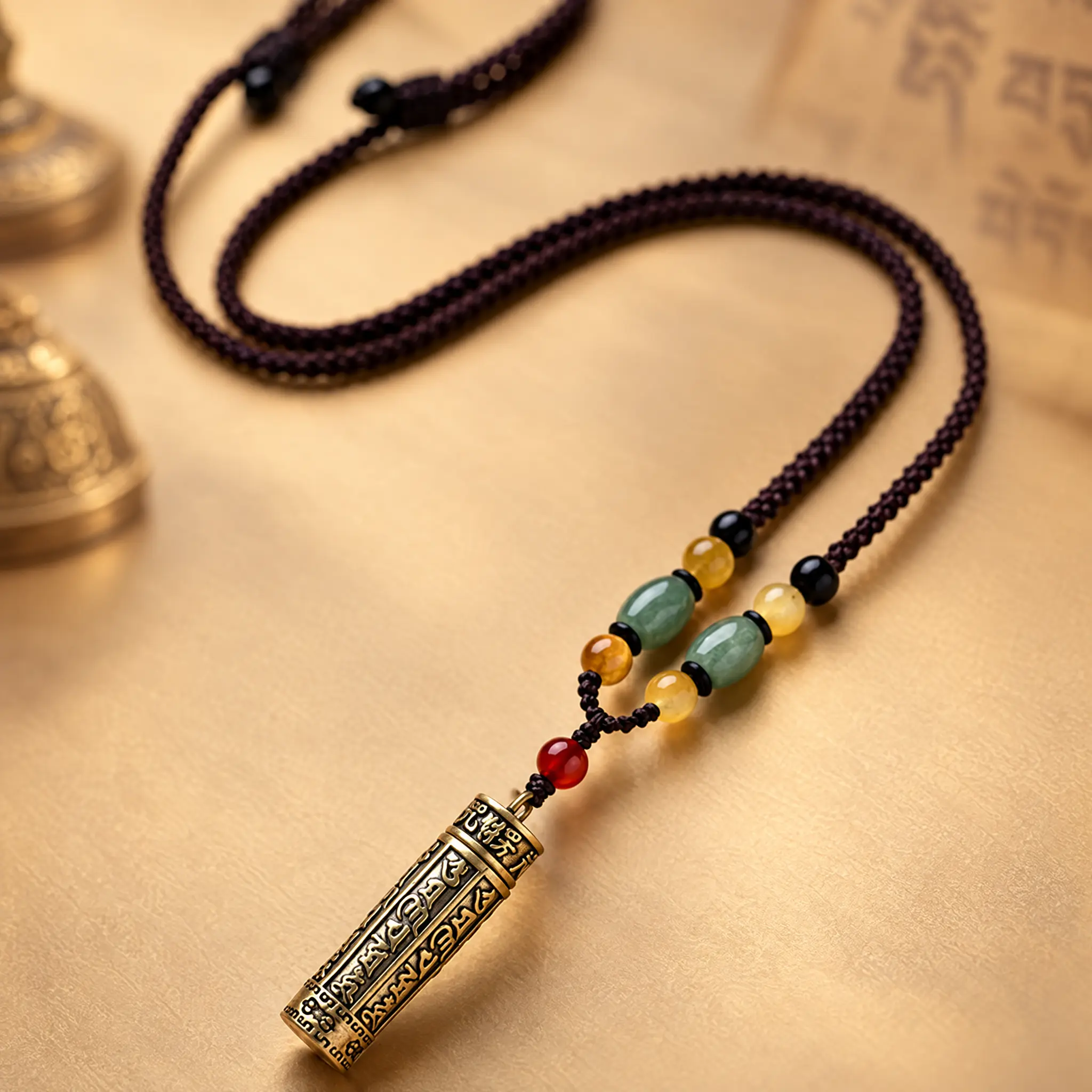
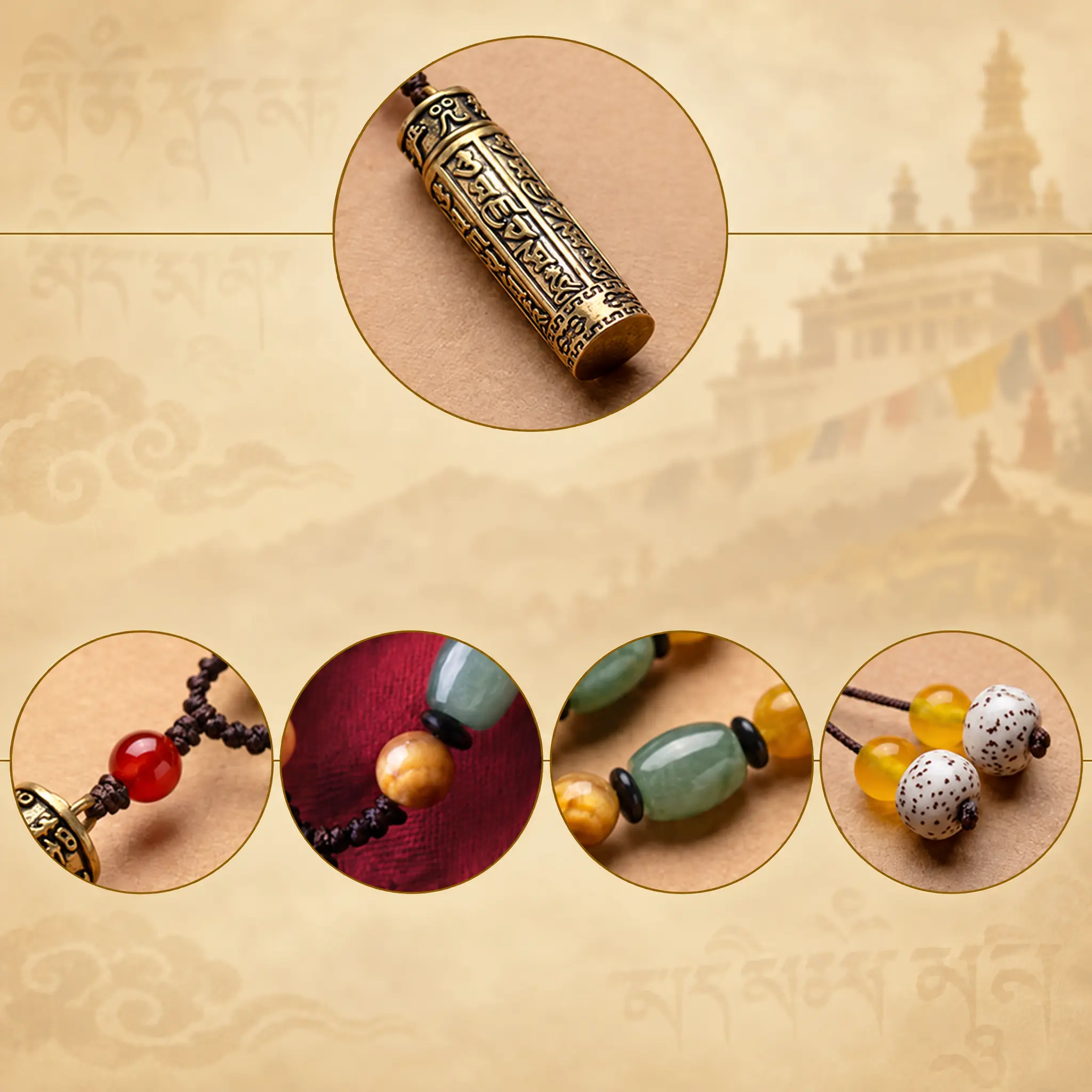
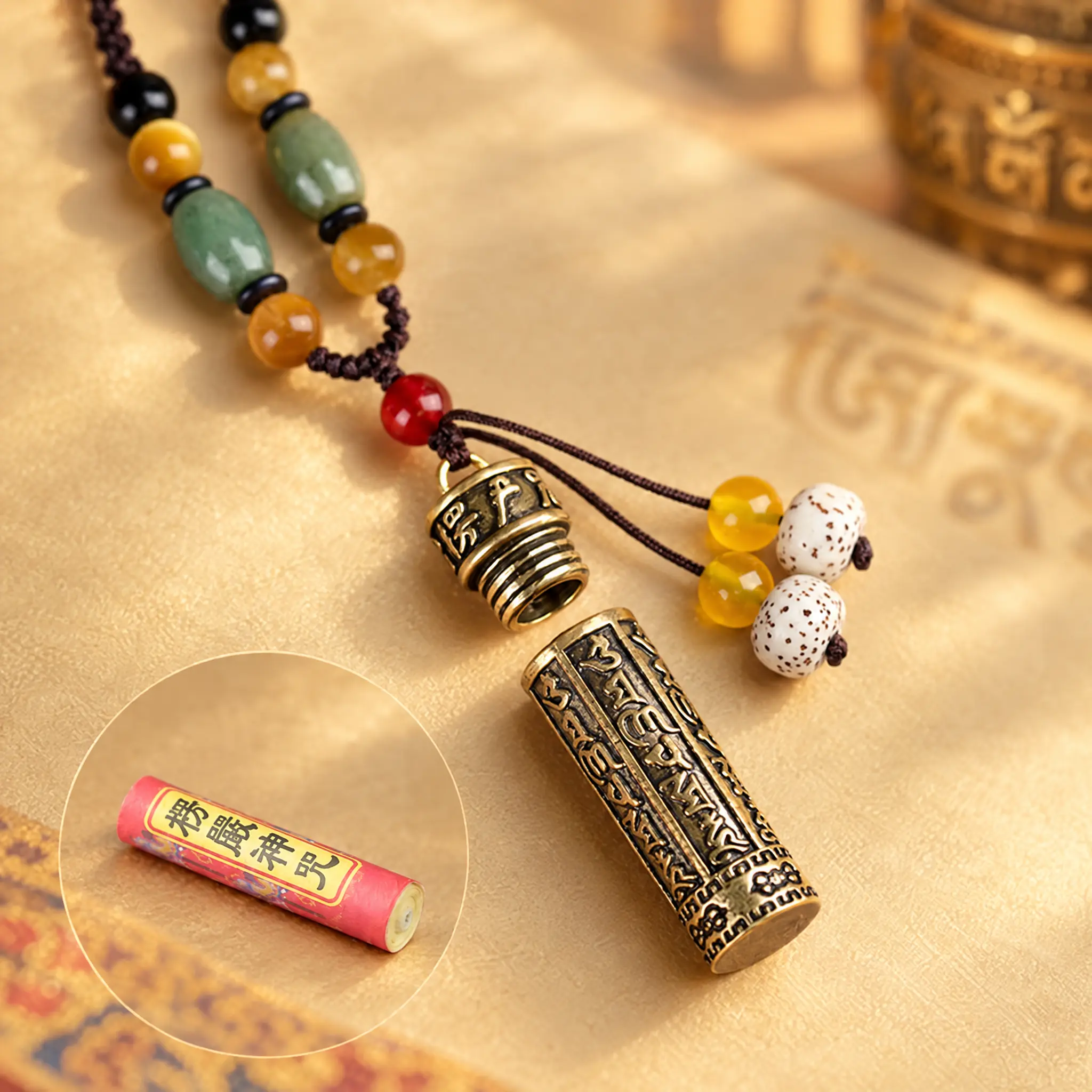
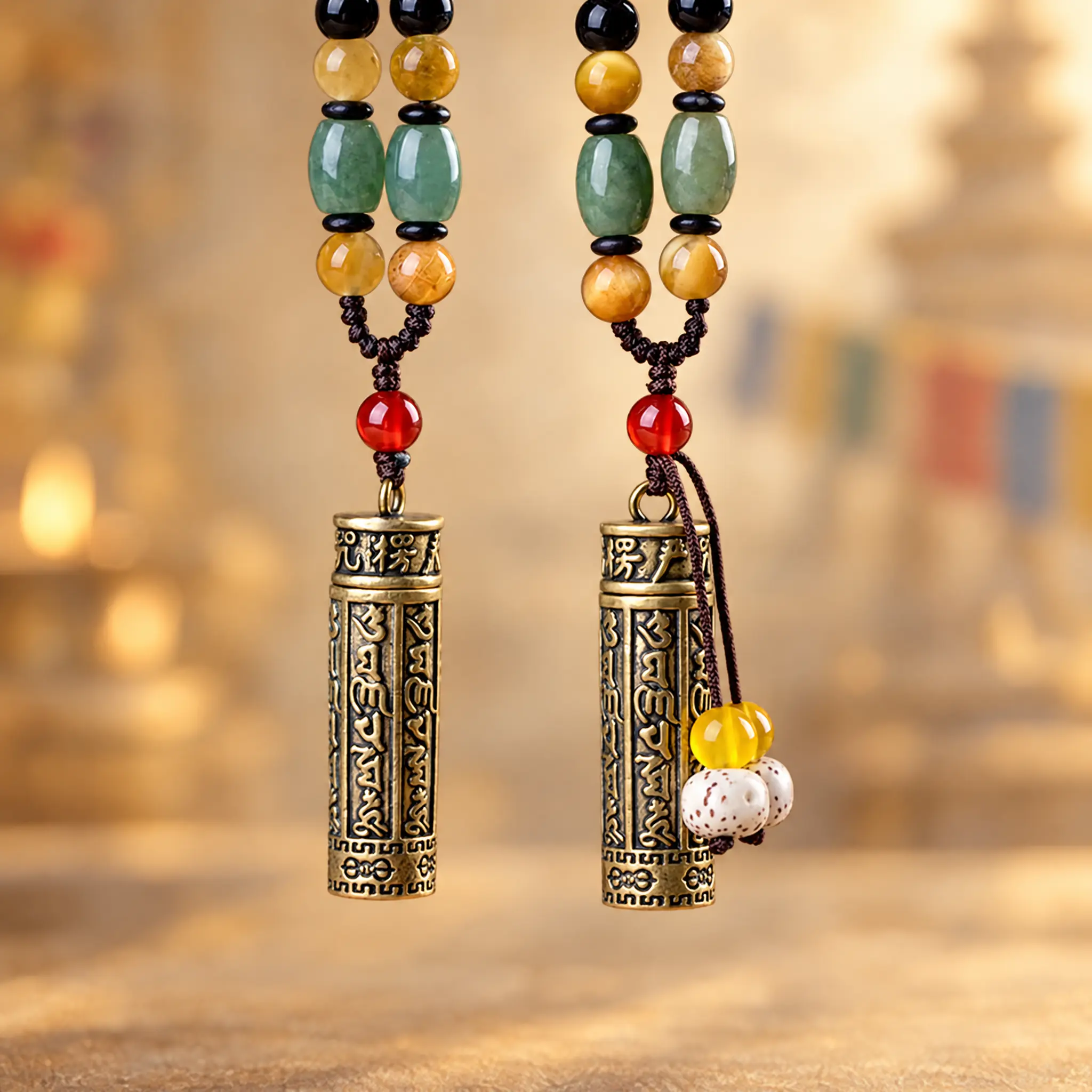
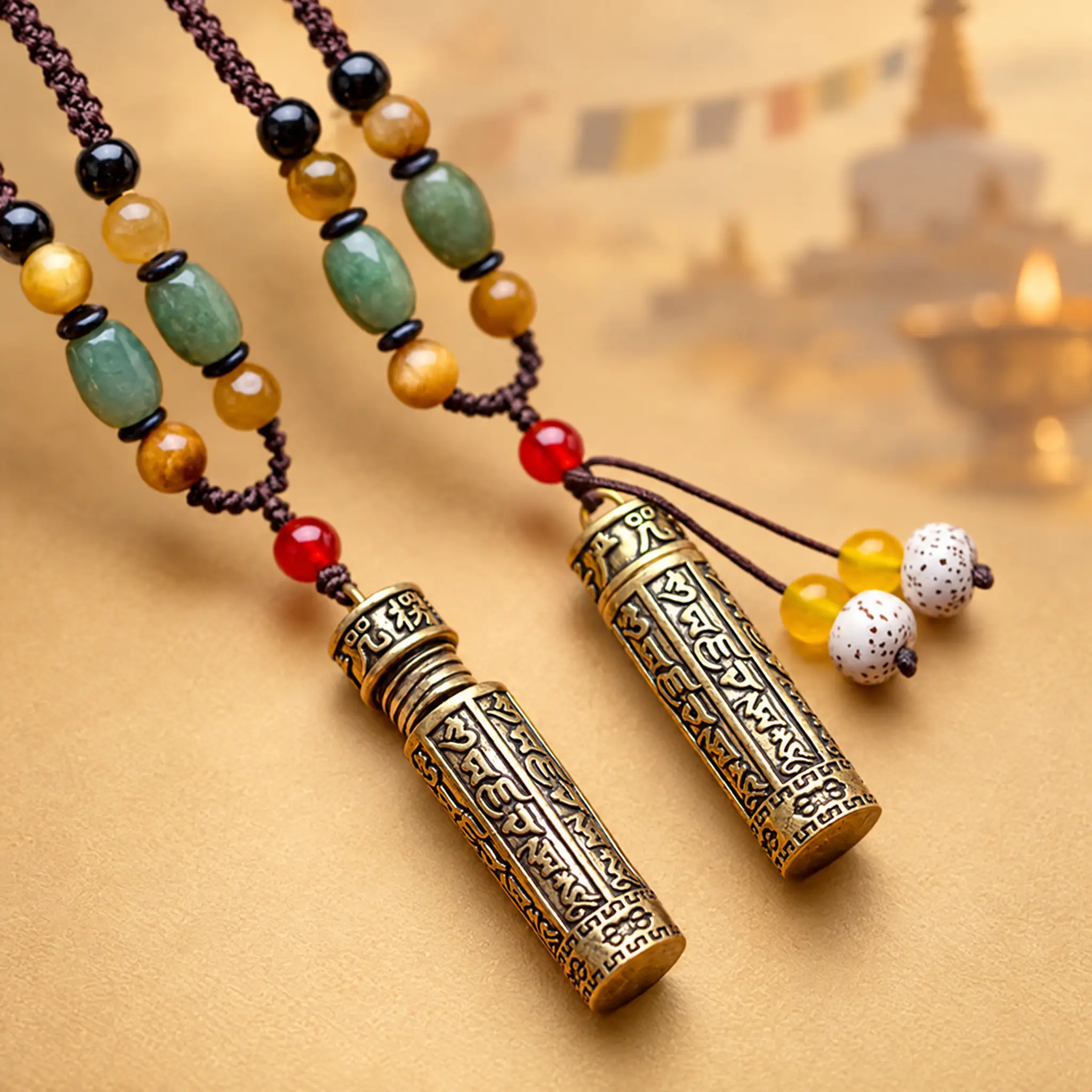
Want a Tibetan necklace that actually means something? This Om Mani Padme Hum necklace carries two sacred mantras on one pendant. An antique-gold copper cylinder, engraved with Tibetan and Sanskrit script, hangs from an adjustable braided cord. Red agate, tiger eye and jade beads frame it, and you can add bodhi seeds if you like.
Wear it close to your heart as a daily reminder to stay kind and calm. In Tibetan tradition, it’s also a symbol of protection. Here’s what you get:
- Two mantras: Om Mani Padme Hum and the Shurangama Mantra
- Materials: copper, red agate, tiger eye, jade, and optional bodhi seed
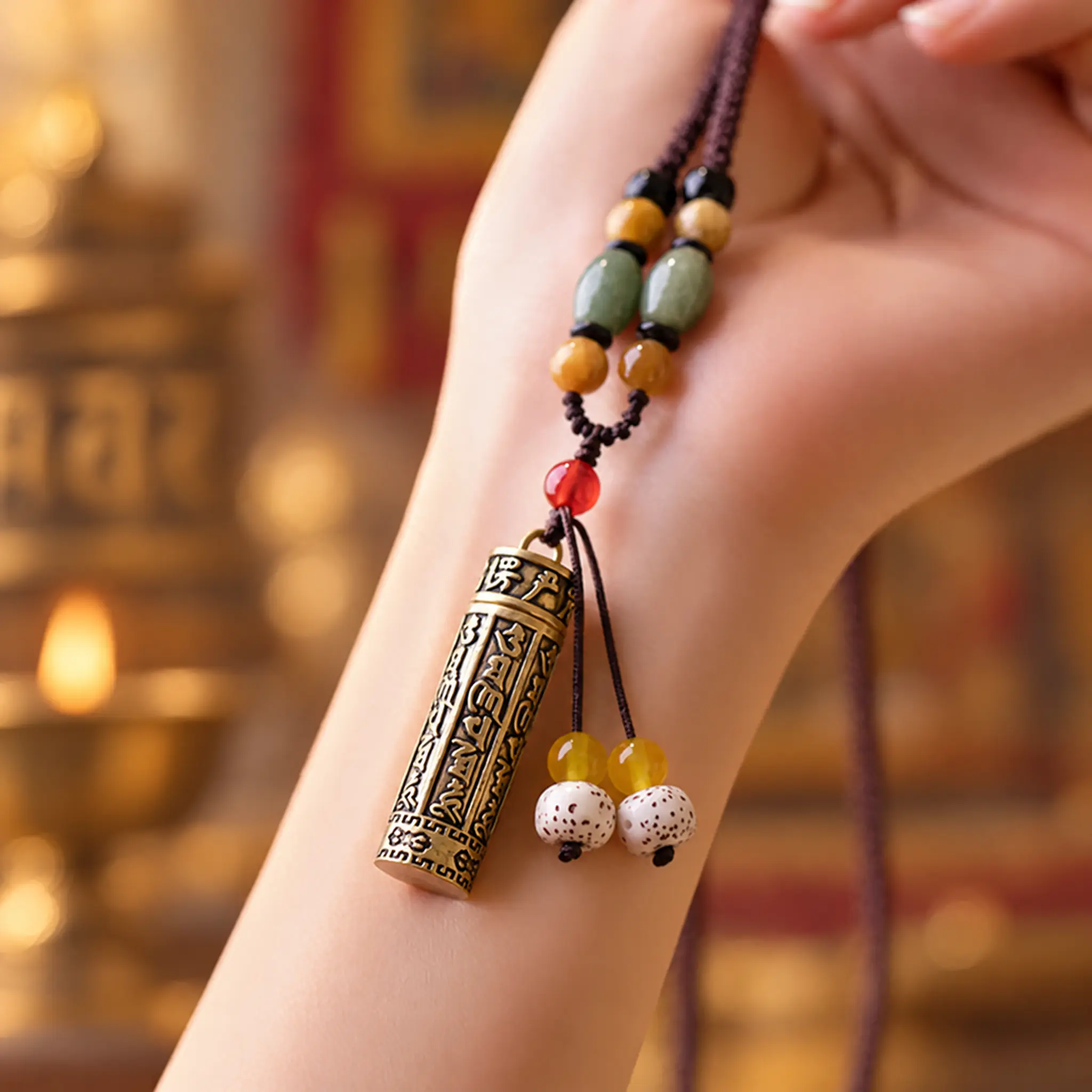
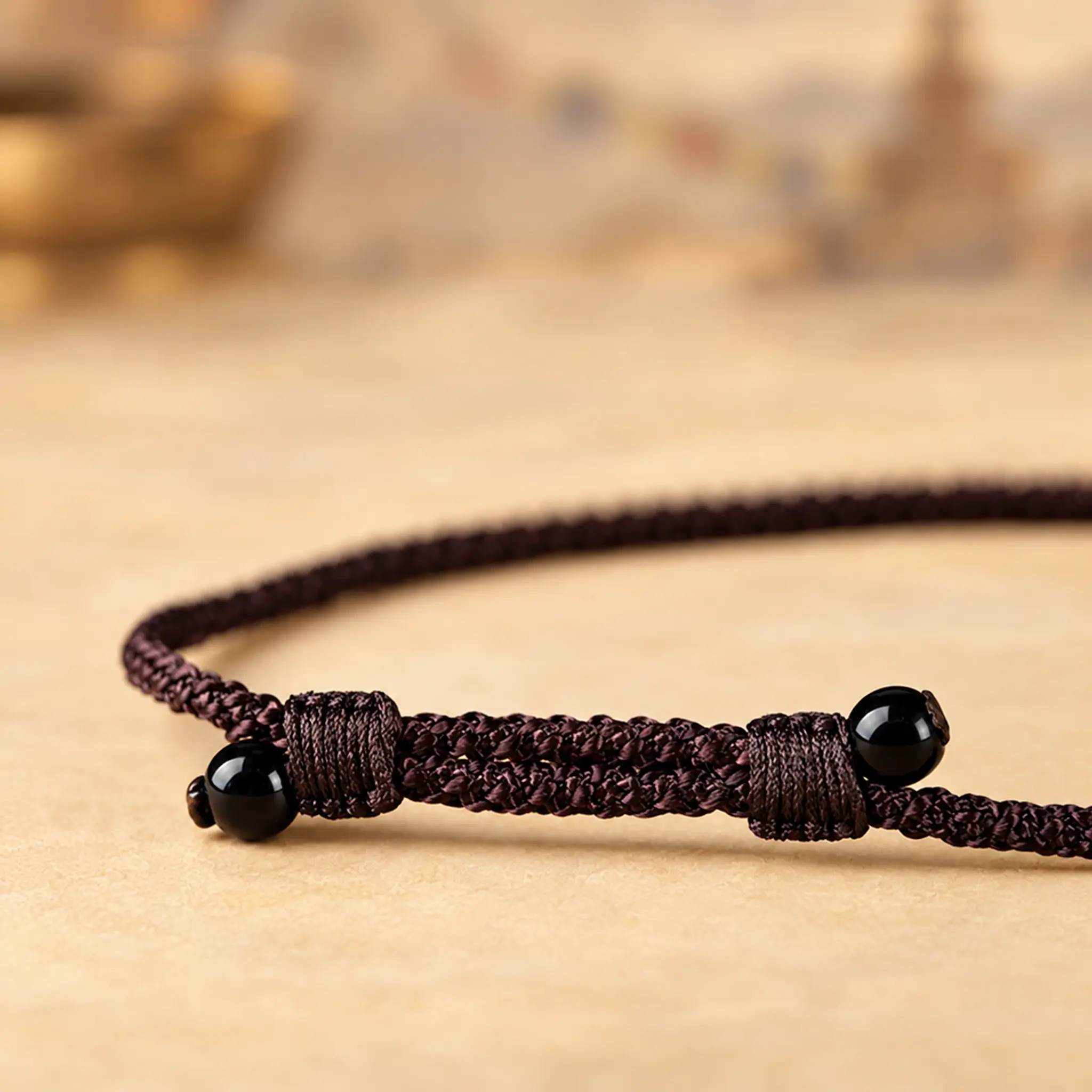
- Adjustable fit: 15.4–26 in (39–66 cm), so it works for most necks and layering styles
- Unisex design: a 1.6 in (4.1 cm) pendant that suits any wardrobe
What’s on This Pendant: Two Mantras, One Amulet
Most listings just say “Tibetan mantra” and stop there. Here’s what you’re really wearing.
Om Mani Padme Hum: The Mantra of Compassion
Om Mani Padme Hum is the six-syllable mantra of Avalokiteshvara (Chenrezig in Tibetan), the bodhisattva of compassion. You’ll find it carved on mani stones, printed on prayer flags and spun inside prayer wheels across the Himalayas. Literally, mani means “jewel” and padme means “lotus.” That’s why people often call it “the jewel in the lotus.”
The Dalai Lama’s popular explanation reads the syllables like this:
- Om: your body, speech and mind
- Mani (the jewel): compassion, love and the wish to awaken for others
- Padme (the lotus): wisdom
- Hum: the unity of compassion and wisdom
Compassion and wisdom, held together. That’s the heart of this mantra.
Many Tibetan teachers also link the six syllables to the six perfections: generosity, ethics, patience, diligence, concentration and wisdom. Commentaries differ, so treat that as one popular reading, not the only one.
The Shurangama Mantra: A Protective Dharani
The Shurangama Mantra (Leng Yan Zhou, 楞嚴咒, in Chinese) is a long protective chant, or dharani, from the Śūraṅgama Sūtra. Chinese Buddhist monasteries recite it. It’s also closely related to the White Parasol protector, Sitātapatrā, who is honored in Tibetan Buddhism too. Tibetan sources describe her dharani as offering protection when worn as an amulet.
So why pair the two? Om Mani Padme Hum is about opening your heart. The Shurangama Mantra is traditionally recited for protection and purification. Together they make a “compassion plus protection” amulet that draws on both Tibetan and East Asian Buddhist traditions. It’s a tradition-based symbol, not a guarantee, and we’d rather tell you that up front.
Inspired by the Tibetan Gau Amulet
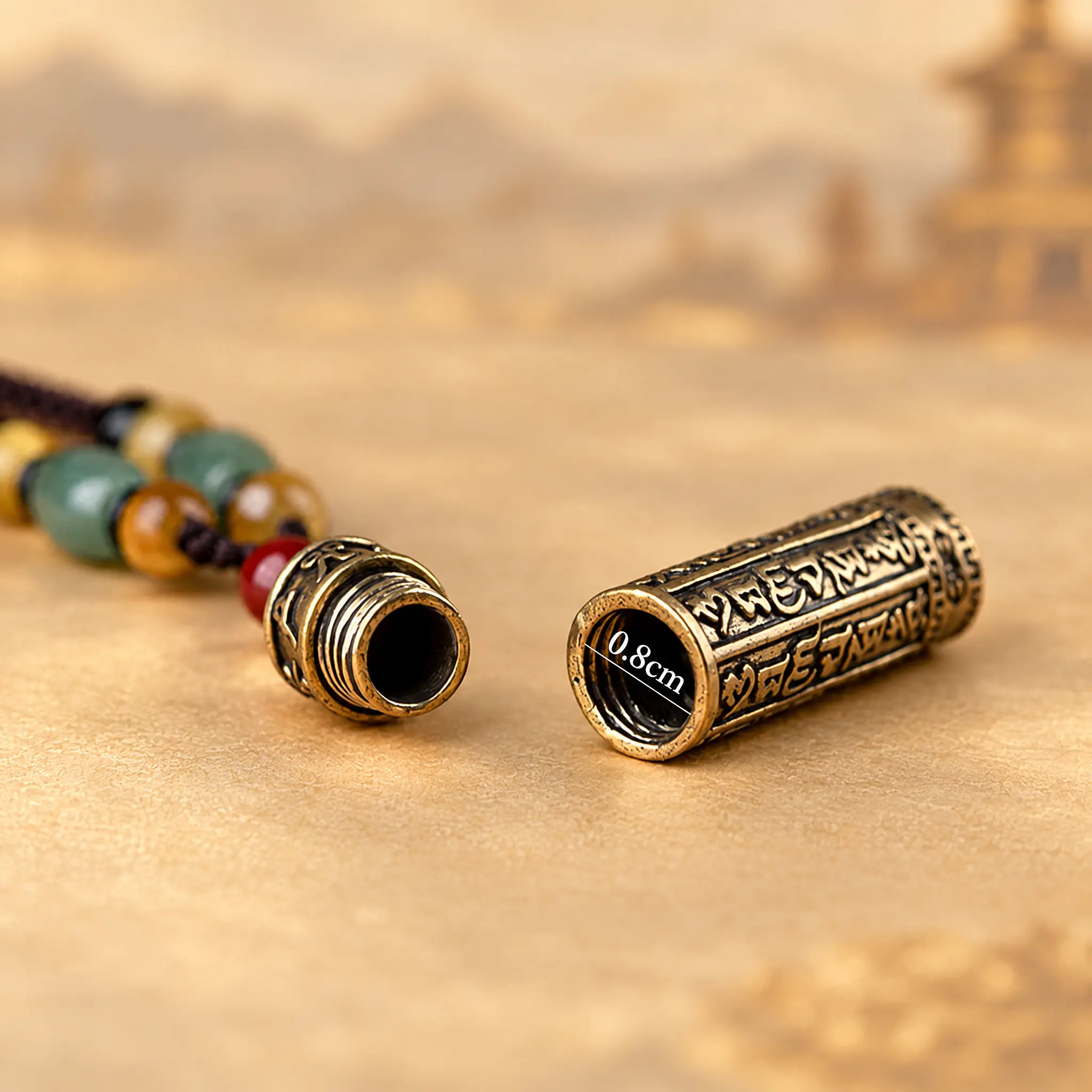
Look at the shape. The engraved cylinder echoes the gau (also spelled ghau), the portable amulet case Tibetans have long worn at the chest. Traditionally, a gau holds mantras, prayers or blessed objects. This pendant is gau-inspired: you wear it for its engraved script and its symbolism. The ribbed collar near the top gives it a layered, antique look.
The Beads and Their Traditional Symbolism
Every bead on the cord has a long cultural history. Here’s what each one is traditionally associated with:
| Material | What you’ll see | Traditional association |
|---|---|---|
| Red agate | One red bead below the pendant | In Chinese tradition, good fortune, joy and vitality |
| Tiger eye | Golden-brown banded beads | Courage, focus and protection |
| Jade | Green barrel-shaped beads | Harmony, protection and good luck in Chinese culture |
| Bodhi seed | Seed beads and tassel (Copper & Bodhi Seed style) | The Bodhi tree where the Buddha awakened; a symbol of awakening |
| Copper | Engraved antique-gold cylinder | A traditional metal for Tibetan amulets and gau boxes |
These are cultural associations, not medical claims or promised results. We say “traditionally” on purpose. Because the beads are stone, color and banding vary a little from piece to piece, so yours will be slightly unique.
Specifications
| Item type | Necklace with pendant |
|---|---|
| Pendant | Copper cylinder engraved with Tibetan/Sanskrit mantra script, 1.1 × 4.1 cm (≈ 0.43 × 1.6 in) |
| Cord | Dark brown braided cord with an adjustable sliding closure |
| Length | 39–66 cm (≈ 15.4–26 in). The short setting sits near your collarbone; the long setting rests mid-chest |
| Beads | Red agate, tiger eye, jade and black spacer beads; bodhi seeds and tassel on the Copper & Bodhi Seed style |
| Fit | Unisex |
Copper or Copper & Bodhi Seed: Which Style Is Right for You?
- Copper: a cleaner, lower-profile look. Choose it for daily wear and layering with other necklaces.
- Copper & Bodhi Seed: a more traditional, mala-like look, with a tassel of bodhi seeds. Choose it for meditation, gifting or a statement piece. The seeds darken and gain a soft patina as you handle them.
How to Wear Your Mantra Necklace Respectfully
You don’t need to be Buddhist to wear this. Many Buddhist jewelry guides agree that sincerity and basic respect matter most. A few simple habits help:
- Wear it with intention. Know what the mantras mean, and you’ll wear it differently.
- Keep it above the waist, ideally near your heart, as gau amulets are traditionally worn.
- Take it off before showering, swimming, sleeping or entering a bathroom.
- Store it somewhere clean and raised, never on the floor.
- Use it as a pause. Touch the pendant and silently say Om Mani Padme Hum (in Tibetan, often pronounced “Om Mani Peme Hung”).
The meaning lives in how you wear it, not in the metal.
Care Guide
- Copper pendant: copper reacts with sweat, skin oils and air, and can leave a harmless green mark on skin. Wipe it with a soft, dry cloth after wearing. Keep it away from perfume, lotion and chlorine.
- Bodhi seeds: don’t soak them. Water can make them swell or crack. Over time, skin oils give them a glossy, darker patina. That’s a feature, not a flaw.
- Stones and cord: avoid knocks against hard surfaces. If the cord gets wet, dry it fully before storing.
Frequently Asked Questions
What does Om Mani Padme Hum mean?
It’s often translated as “the jewel in the lotus.” In the Dalai Lama’s explanation, it expresses the union of compassion (the jewel) and wisdom (the lotus).
What is the Shurangama Mantra?
It’s a long protective dharani from the Śūraṅgama Sūtra, recited in Chinese Buddhist monasteries and closely related to the White Parasol tradition.
Can I wear it if I’m not Buddhist?
Yes. Wear it respectfully and with some understanding of its meaning, and you’re doing it right.
Is the pendant a storage box?
It’s a gau-inspired engraved pendant, worn for its mantra script and symbolism rather than as a storage case.
Will the copper turn my skin green?
It can, especially in warm weather or with sweat. It’s harmless and washes off. Wipe the pendant after wearing to reduce it.
Can I shower or sleep in it?
We’d take it off. That protects the copper, bodhi seeds and cord, and it matches the traditional etiquette.
Will this necklace protect me or bring luck?
Many wearers see it as a symbol of protection and a reminder of compassion. Its meaning is spiritual and personal, and we make no guarantees of specific outcomes.
Is it a good gift?
Yes. It’s unisex and adjustable, so sizing is easy. Add a note about the mantra’s meaning, and the gift becomes more personal.
Handmade With Care by PotalaStore
At PotalaStore, we choose Tibetan jewelry that respects its roots and says plainly what it is. This necklace is hand-assembled from copper, stone and seed beads, and each piece varies slightly in color and engraving.
Our name nods to the Potala Palace in Lhasa, which takes its name from Mount Potalaka, the legendary home of Avalokiteshvara. He’s the same bodhisattva whose mantra is engraved on this pendant.
Ready to wear a daily reminder of compassion? Choose your style above and add this Om Mani Padme Hum necklace to your cart.


Reviews