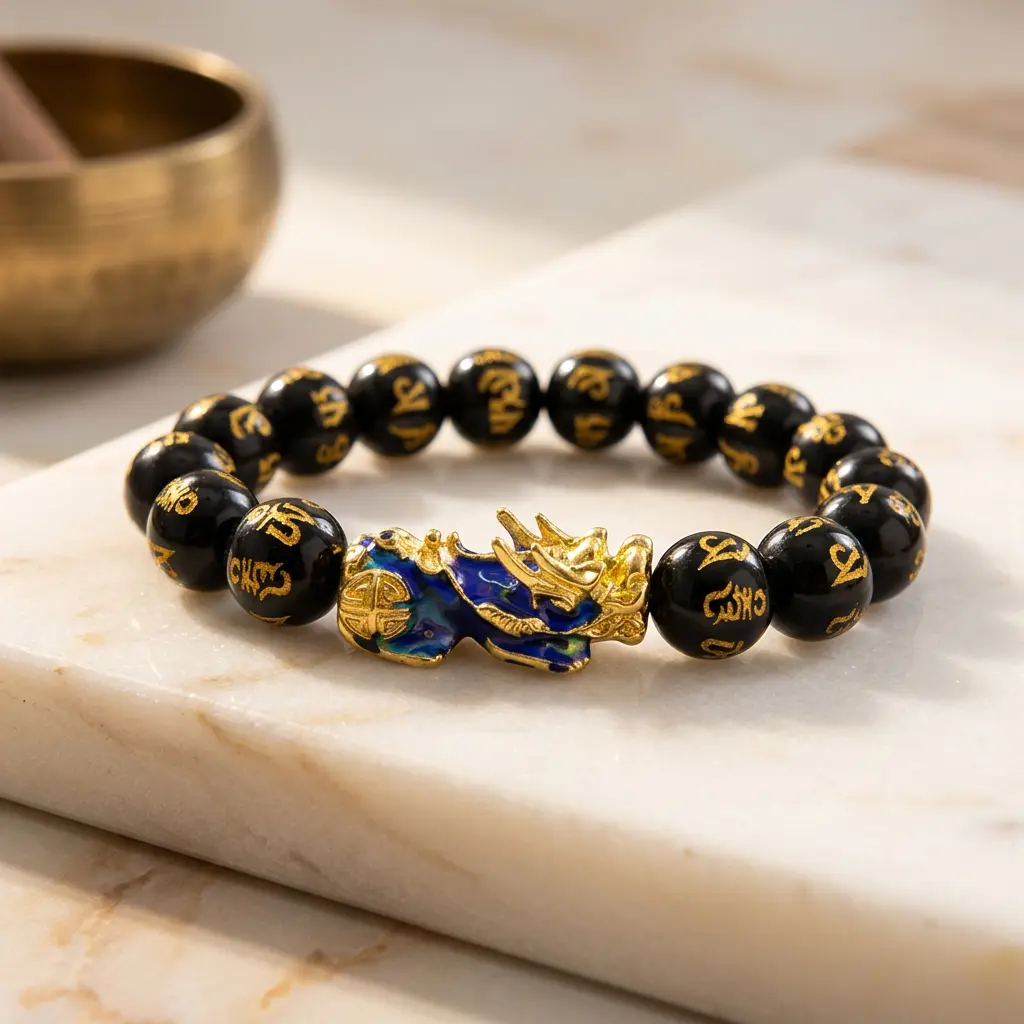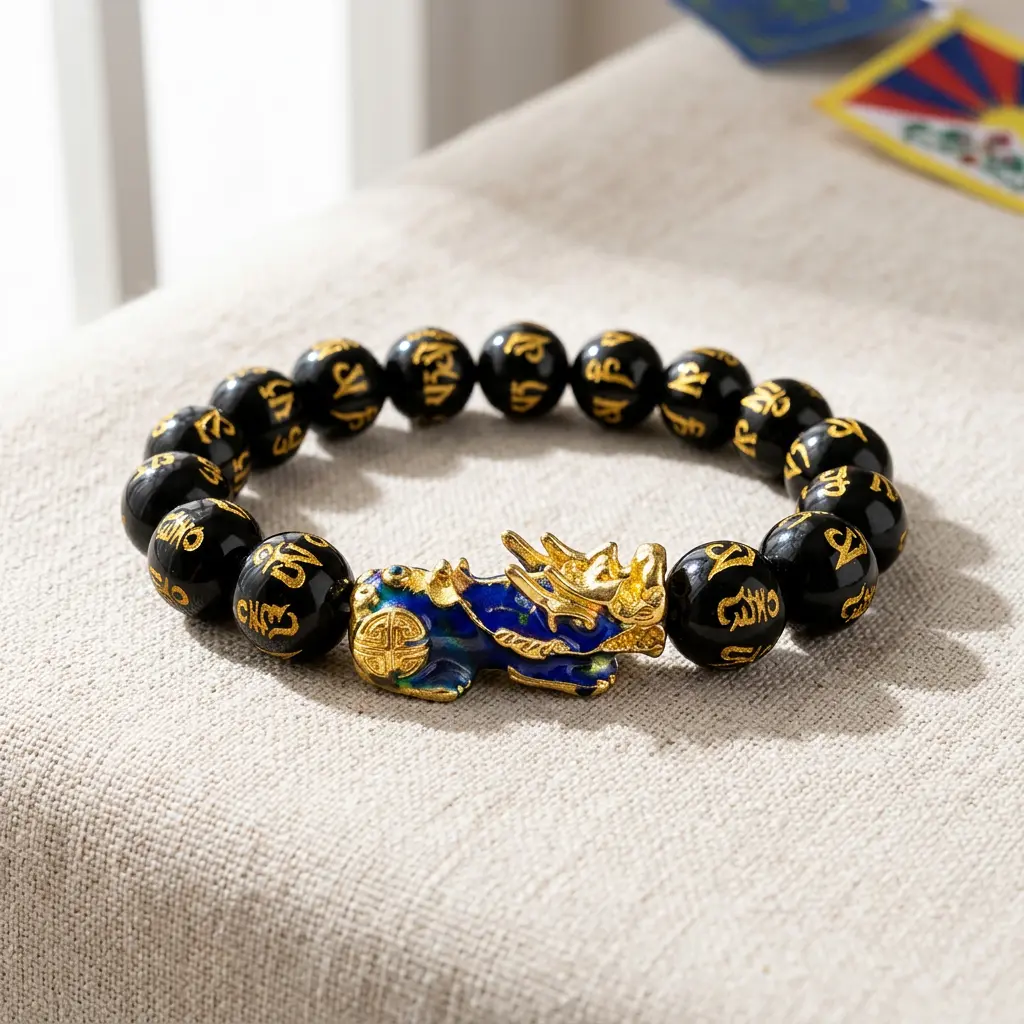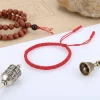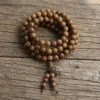


Looking for the right Tibetan mala beads for meditation but overwhelmed by the choices? After years of partnering with monasteries in Lhasa and Kathmandu, we’ve learned that monks don’t pick malas randomly — they follow specific criteria based on practice type and experience level. Bodhi seed and sandalwood rank as the top two mala materials for meditation, but the full picture is more nuanced than a quick search might suggest. At PotalaStore, we’ve sourced authentic Tibetan mala beads — Buddhist prayer beads used for mantra counting and mindful focus — directly from Himalayan workshops, and we’ve tested each material firsthand. This guide ranks five types by monk preference, with real weight data and usage notes you won’t find elsewhere.
What Are Tibetan Mala Beads?

Tibetan mala beads (threngwa in Tibetan, ཕྲེང་བ) are a string of 108 sacred beads used in Buddhist meditation to count mantra recitations and anchor mindful focus during spiritual practice. The word “mala” comes from Sanskrit, meaning “garland.” In Tibetan Buddhism, the 108 beads reflect the 108 volumes of the Kangyur — the collected words of the Buddha. Each mala also includes a larger guru bead with three stringing holes and a tower-shaped cap, representing the relationship between student and spiritual teacher. Unlike decorative beaded jewelry, a meditation mala is a functional tool: each bead tracks one repetition, so you can complete 100 mantras per circuit without counting in your head.
Monks’ Selection Criteria for Meditation Malas
After years of working with Tibetan monasteries, we’ve identified five criteria that monks consistently use when selecting malas for meditation practice:
- Weight & Hand Feel: A mala that’s too light won’t anchor your attention; one that’s too heavy causes wrist fatigue during long sessions. Monks prefer 15–55 grams depending on material.
- Construction Method: Hand-knotted malas (a knot between each bead) last 2–5 years with daily use and prevent bead loss if the cord breaks. Elastic-string malas are convenient but less durable.
- Material Authenticity: Natural, undyed materials develop character over time. Synthetic or dyed beads may look similar but lack the tactile feedback that aids concentration.
- Cultural Authenticity: Malas made using traditional methods — with proper guru bead structure and interval spacers every 27 beads — carry cultural significance that mass-produced versions lack.
- Practice Alignment: Different meditation styles and experience levels suit different materials. A monk’s daily mala often differs from one used for specific mantra practices.
🌱 Our Experience: When we first started sourcing malas, we assumed the most expensive ones were the best. Monks quickly corrected us — they told us they use the simplest wooden malas for daily practice. The material matters far less than the consistency of your practice.
Starting out, it’s normal to feel overwhelmed by all the material options — even experienced monks have their personal preferences. The five criteria above give you a reliable framework regardless of which material you choose.
5 Types of Tibetan Mala Beads Ranked by Monks
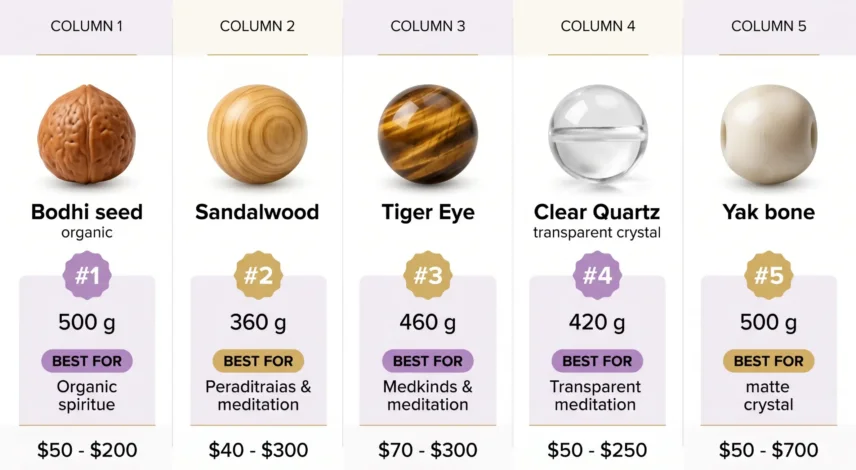
Based on guidance from Tibetan Buddhist monks and our own testing, here are five types of mala beads ranked by their suitability for meditation practice:
| Rank | Material | Weight (108 beads) | Best For | Monk Preference | Price Range |
|---|---|---|---|---|---|
| #1 | Bodhi Seed | 15–20g | All practices; beginners to advanced | Most versatile; linked to Buddha’s awakening | $15–$35 |
| #2 | Sandalwood | 18–22g | Calming meditation; daily wear | Preferred for natural aroma & light weight | $12–$30 |
| #3 | Tiger Eye | 45–55g | Grounding practices; protection | Valued for tactile weight; not traditional monastery material | $20–$45 |
| #4 | Clear Quartz | 40–50g | Intention setting; purification | Used for clarity practices; needs careful cleansing | $18–$40 |
| #5 | Yak Bone | 20–30g | Advanced impermanence contemplation | Traditionally for senior practitioners only | $25–$80 |
#1 Bodhi Seed — The Monk’s Universal Choice
Bodhi seed malas rank first because they connect directly to the Buddha’s awakening and suit every type of meditation practice. The bodhi tree is where Siddhartha Gautama attained enlightenment, and its seeds carry that symbolic weight across all Buddhist traditions. Monks consistently recommend bodhi seed as the most versatile material — it works for calming meditation, mantra recitation, and prostration practice alike. At 15–20 grams for a full 108-bead mala, the weight sits comfortably in your hand without causing fatigue during extended sessions.
One thing that surprises new practitioners: bodhi seed malas naturally darken from ivory to a warm golden-brown over 3–6 months of regular handling. This patina development isn’t a defect — it’s a sign that your mala is absorbing the oils and energy of your practice. Each mala becomes uniquely yours.
💡 Pro Tip: If you’re unsure which mala to start with, bodhi seed is the safest choice. Monks across all four major Tibetan Buddhist traditions (Nyingma, Kagyu, Sakya, and Gelug) consider it appropriate for any practice. Explore our bodhi seed mala collection to find your match.
#2 Sandalwood — Lightweight Calm for Daily Practice
Sandalwood malas offer a naturally calming aroma and the lightest weight of all traditional materials, making them ideal for extended meditation sessions. At 18–22 grams, sandalwood is one of the lightest mala materials available — a real advantage when you’re holding your mala for 30–45 minutes of continuous mantra counting. The subtle, earthy scent of natural sandalwood helps settle the mind before you even begin your practice.
There’s one caveat: the natural aroma of sandalwood fades after 6–12 months of daily use. You can gently refresh it by lightly sanding the beads with fine-grit sandpaper, but many practitioners find that the scent’s gradual disappearance mirrors their own deepening practice — less reliance on external aids, more internal focus.
Browse our sandalwood mala selection for hand-selected pieces from certified workshops.
#3 Tiger Eye — Grounding Weight for Focused Practice
Tiger eye malas provide substantial tactile weight that anchors your attention during grounding meditations. At 45–55 grams, a tiger eye mala is noticeably heavier than wood or seed malas — and that weight is precisely why some practitioners prefer it. The physical heft gives your fingers something substantial to grip, which helps prevent the mind from wandering during meditation.
In Buddhist tradition, tiger eye is associated with grounding and protection. It’s worth noting, however, that tiger eye is not a traditional material used inside Tibetan monasteries — monks typically use simpler wood or seed malas. Tiger eye has become popular among Western practitioners who value its tactile properties and traditional beliefs about protective energy.
If you choose a tiger eye mala, be aware that the extra weight can cause wrist fatigue during sessions longer than 45 minutes. For shorter, focused meditations (15–30 minutes), the weight actually enhances concentration. See our tiger eye mala options.
#4 Clear Quartz — Clarity and Intention Amplification
Clear quartz malas are traditionally used for purification practices and amplifying meditation intentions. In Buddhist tradition, clear quartz is associated with mental clarity and the amplification of positive intention — making it a popular choice for practitioners who set specific goals during their meditation sessions. A clear quartz mala weighs 40–50 grams, similar to tiger eye.
The key consideration with clear quartz is cleansing method. Unlike wood or seed malas, crystal malas require regular energetic cleansing. The safest methods are moonlight charging (place under a full moon for 3–4 hours) or sage smudging (pass through smoke for 30–60 seconds). Avoid salt water — it damages the cord and can cloud the stone’s surface over time.
#5 Yak Bone — Impermanence Reminder for Advanced Practitioners
Yak bone malas serve as a powerful reminder of impermanence, traditionally reserved for advanced Buddhist practitioners. In Tibetan Buddhism, bone malas symbolize the transient nature of all things — holding a bone mala during meditation reinforces the contemplation of impermanence, a core Buddhist teaching. Traditional yak bone malas weigh 20–30 grams and are typically used by senior monks and long-term practitioners.
This is not a beginner’s mala. The material can feel unsettling if you haven’t yet developed a comfort with Buddhist teachings on impermanence. Most bone malas available today are made from eco-friendly imitation bone that will naturally disintegrate over time — a deliberate design choice that mirrors the Buddhist principle of non-attachment. If you’re drawn to this material, our Tibetan mala collection includes traditionally crafted options.
How to Verify Authentic Tibetan Mala Beads

With the market flooded with factory-made imitations, here are five reliable ways to verify that your Tibetan mala beads are authentic:
- Weight & Temperature Test: Natural materials feel cool to the touch and have a consistent, natural weight. Plastic or resin beads feel warm and unnaturally light — a 108-bead sandalwood mala should weigh 18–22 grams, not 8–10.
- Knot Inspection: Authentic hand-knotted malas have 1–2mm of space between each bead where the knot sits. Machine-strung beads sit flush against each other with no visible knots.
- Guru Bead Structure: A genuine Tibetan guru bead has three stringing holes and a small tower-shaped cap bead on top. If the guru bead has only two holes or is simply a larger version of the other beads, it’s likely mass-produced.
- Consecration Certificate: Reputable sellers provide documentation that your mala has been blessed at a monastery, including the monastery name and a seal or stamp.
- Supply Chain Transparency: Authentic sellers can trace their malas back to specific workshops in Nepal or Tibet. If a seller can’t tell you where their malas come from, that’s a red flag.
🔍 Our Experience: We’ve seen too many malas labeled “Tibetan” that were actually factory output from mass-production workshops — guru beads with only two holes, elastic string instead of hand-knotted cord, and no blessing documentation. These five checks take about three minutes and can save you from spending real money on inauthentic pieces.
You definitely don’t want to spend your hard-earned money on factory-line products. Every PotalaStore mala comes with a consecration certificate and documented origin from our partner monasteries — learn about our sourcing.
Consecration & Blessing — Why It Matters for Your Practice
In Tibetan Buddhist tradition, consecration transforms a string of beads from a simple object into a sacred tool charged with spiritual intention. During a blessing ceremony, monks recite specific mantras, perform visualization practices, and purify the mala through ritual — a process that typically takes 30–60 minutes depending on the tradition.
Traditionally, a consecrated mala is believed to carry the accumulated spiritual energy of the blessing, helping practitioners maintain deeper focus during meditation. The most common blessing mantra is Om Ah Hum, recited three times when a mala accidentally touches the ground — a practice that reflects the respect these sacred objects command.
⚠️ Important Note: The spiritual and energetic properties described above are based on traditional Buddhist beliefs and practitioner experiences, not scientific evidence. A consecrated mala is a meaningful spiritual tool, but its benefits relate to your personal practice and intention rather than objectively measurable effects.
When we first started working with monasteries, we thought consecration was just a ceremonial formality. Monks explained that the real purpose is establishing a “karmic connection” (缘起) between the practitioner and the mala — a relationship that deepens with consistent use. All PotalaStore malas are blessed by monks at our partner monasteries before shipping.
Caring for Your Mala — Monk-Approved Maintenance Tips

Proper care preserves both the physical integrity and spiritual significance of your mala. Here are the methods monks themselves follow:
- Never place it on the ground. If your mala accidentally falls, touch it to the crown of your head and recite Om Ah Hum three times.
- Remove before bathing or sleeping. Water weakens the cord over time, and sleeping with your mala stresses the knots. Store it on a clean, elevated surface near your altar.
- Cleanse crystal malas with moonlight or sage smoke. Avoid salt water — it damages the cord and can cloud certain stones. A full moon overnight or 30 seconds of sage smoke is sufficient.
- Refresh sandalwood aroma with light sanding. Use fine-grit sandpaper (400+ grit) every 6–12 months to gently remove the outer layer and release fresh scent.
- Use a mala bag for storage. A soft cloth bag protects your mala from dust and accidental damage when not in use.
🧪 Our Experience: We tried rinsing a clear quartz mala under running water to “cleanse” it. The cotton cord broke within three weeks. After switching to sage smudging, we got the same spiritual benefit with zero damage to the mala. Lesson learned the hard way.
Frequently Asked Questions About Tibetan Mala Beads
Monks most commonly recommend bodhi seed malas for meditation. They’re the most versatile choice, associated with the Buddha’s awakening, and suit all practice types. For beginners specifically, sandalwood is also an excellent choice due to its light weight (18–22g) and calming natural aroma.
In Tibetan Buddhist tradition, the “power” of a mala comes from consistent use and blessing rather than the material itself. However, rudraksha seeds are traditionally considered especially potent for mantra practice, and consecrated malas are believed to carry accumulated spiritual energy from blessing ceremonies. The most powerful mala is the one you use every day.
No, it’s not disrespectful to wear mala beads. Tibetans commonly wear malas around their wrists or necks as a reminder of their spiritual practice. The key is intention — wear your mala with respect, not as mere fashion jewelry. Remove it before bathing or sleeping to protect the cord, and avoid placing it on the ground.
Choose based on three factors: (1) Your meditation style — calming practices suit sandalwood, grounding practices suit tiger eye. (2) Your experience level — beginners do well with bodhi seed or sandalwood. (3) Authenticity — look for hand-knotted construction, proper guru bead structure (three holes + cap), and consecration certification.
Look for sellers who provide consecration certificates, source directly from Tibetan or Nepalese monasteries, and can verify their supply chain. At PotalaStore, every mala comes with a blessing certificate from our partner monasteries and documented origin information. Browse our authentic Tibetan mala collection.
In Buddhist tradition, no mala inherently “removes” negative energy — that’s a modern spiritual interpretation. Tiger eye and black obsidian malas are popularly associated with protection and grounding. For traditional Buddhist practice, the power comes from your mantra recitation and intention, not the bead material itself. Learn more about crystal combinations in our guide on which crystals should not be placed together.
Browse our collection of authentic Tibetan mala beads — blessed by Himalayan monks, hand-knotted for durability, and shipped worldwide with free shipping on orders over $50.Shop Monk-Selected Malas →
📚 References
- Tibetan Nuns Project — How to Use and Choose a Tibetan Mala: Authoritative guide on mala usage, guru bead meaning, and care instructions from a respected nonprofit supporting Tibetan Buddhist nuns. tnp.org
- YoWangdu Experience Tibet — Malas: How to Use Tibetan Prayer Beads: Detailed explanation of mala counting methods, dorje and bell counters, and traditional Tibetan perspectives on mala use. yowangdu.com
- Golden Lotus Mala — How to Choose Mala Beads: Comprehensive in-depth guide by a certified meditation teacher and artisan jeweler with 16 years of experience, covering bead sizes, wired vs. knotted construction, and gifting considerations. goldenlotusmala.com