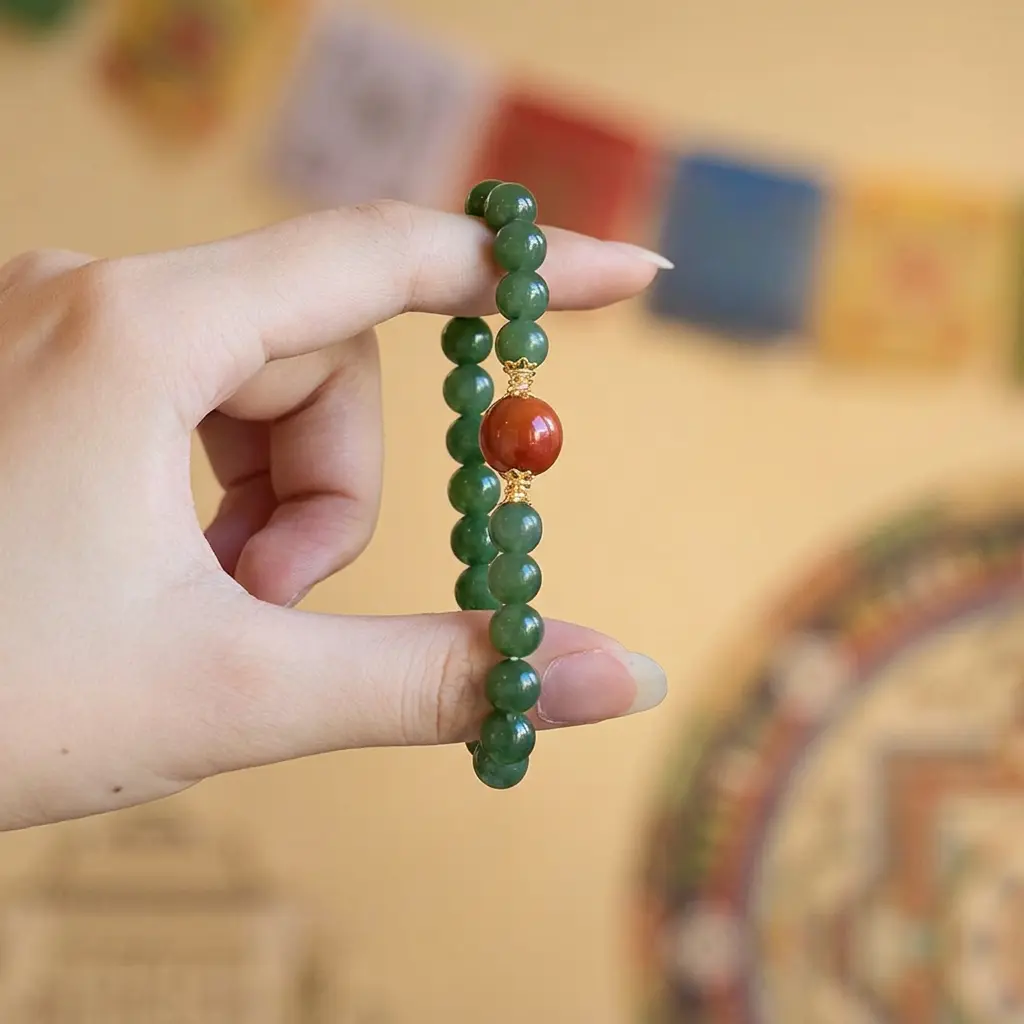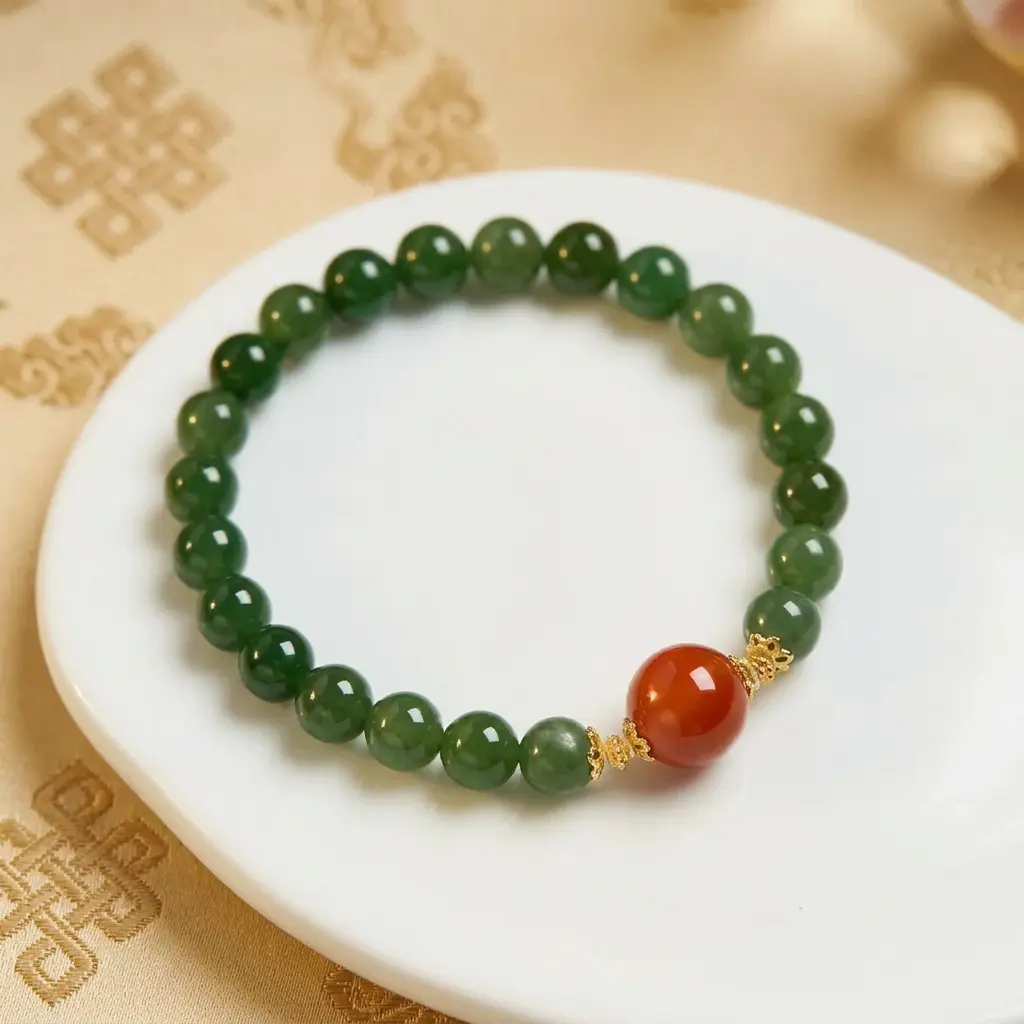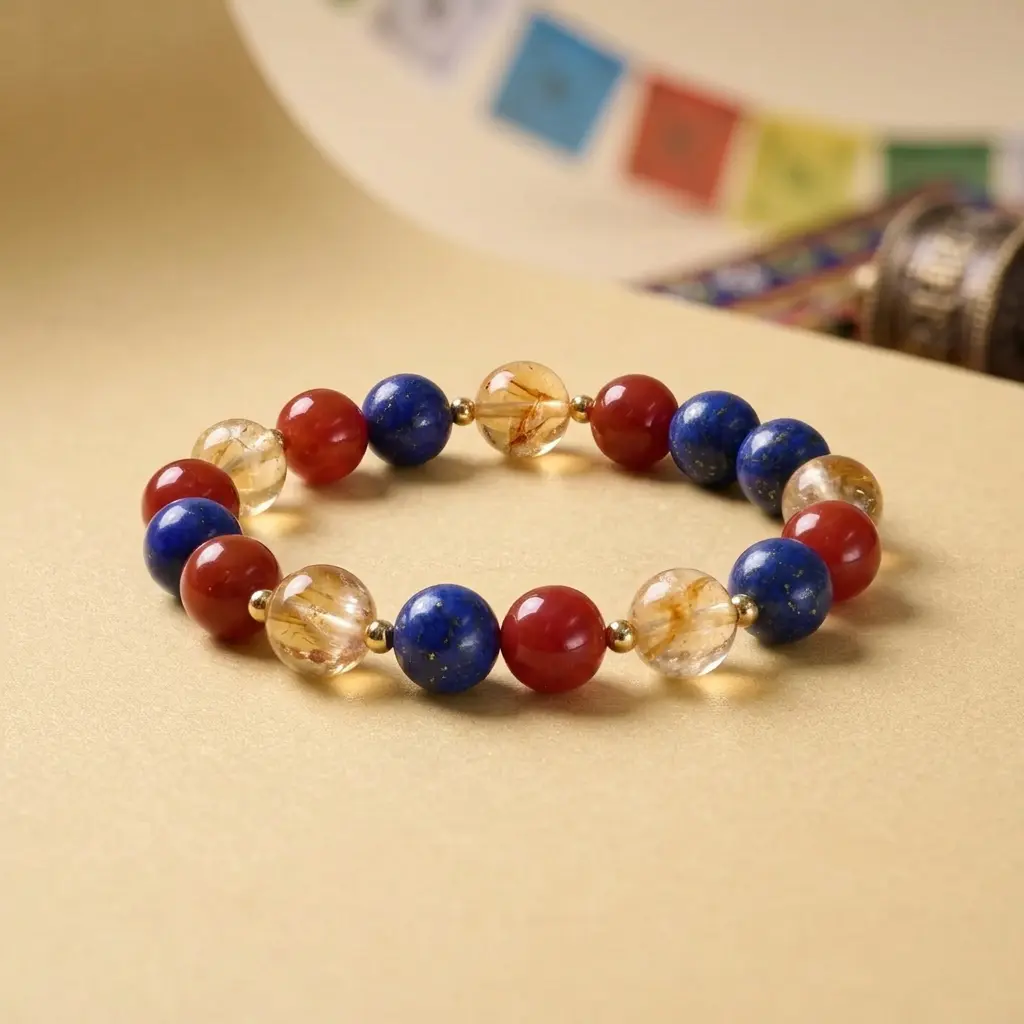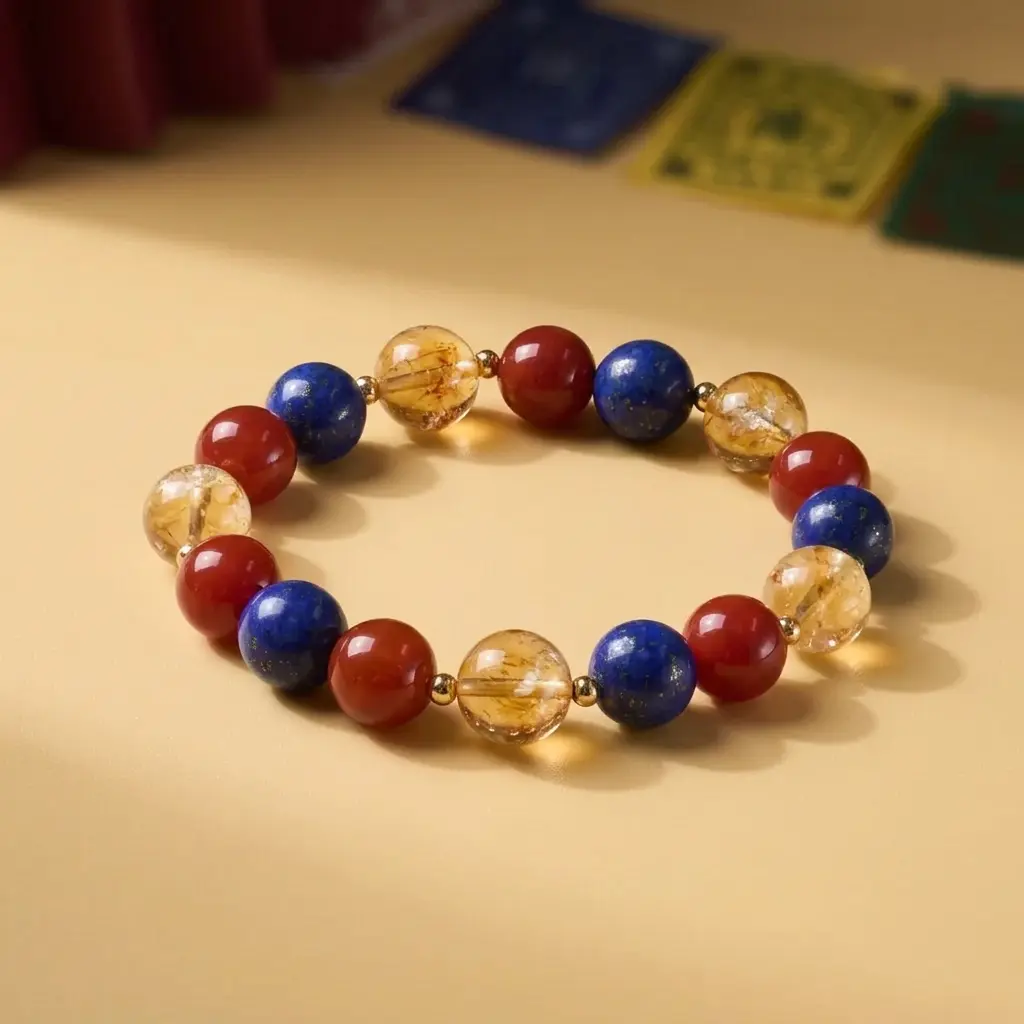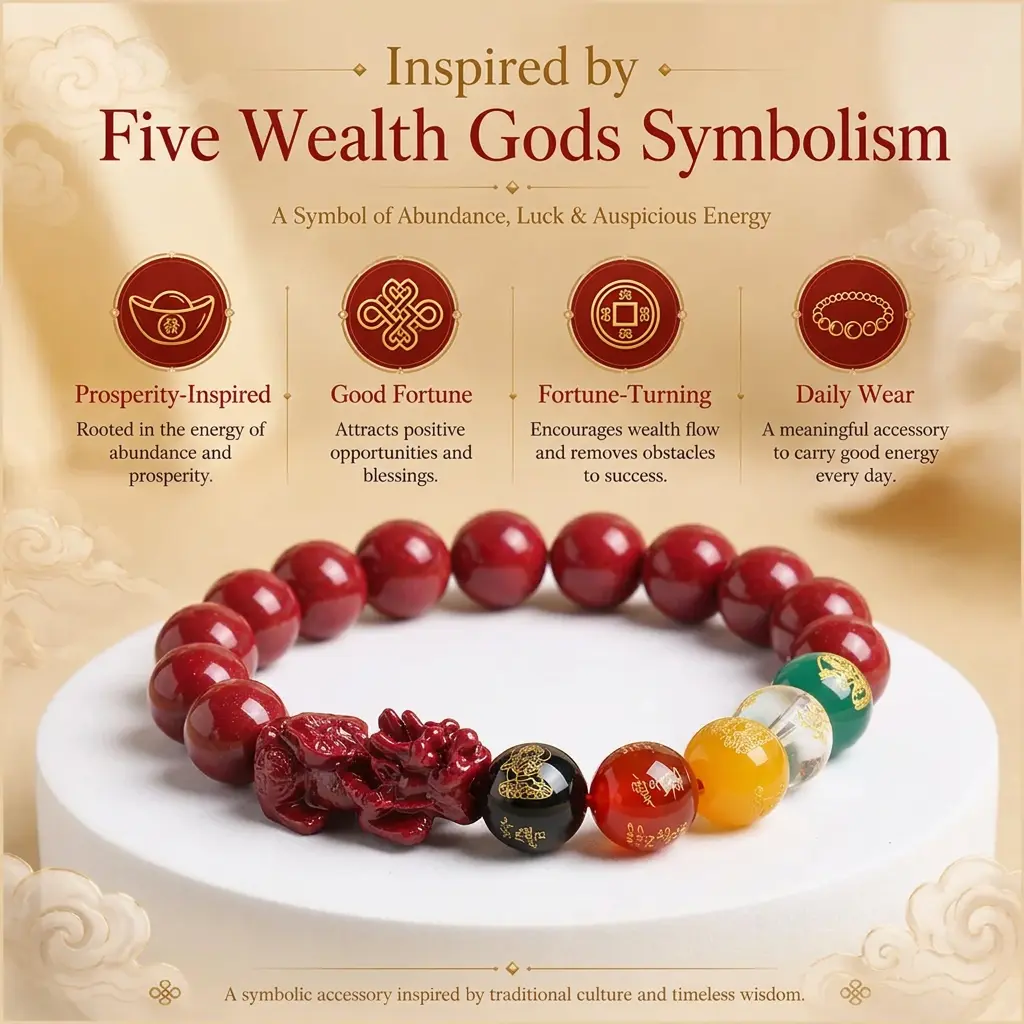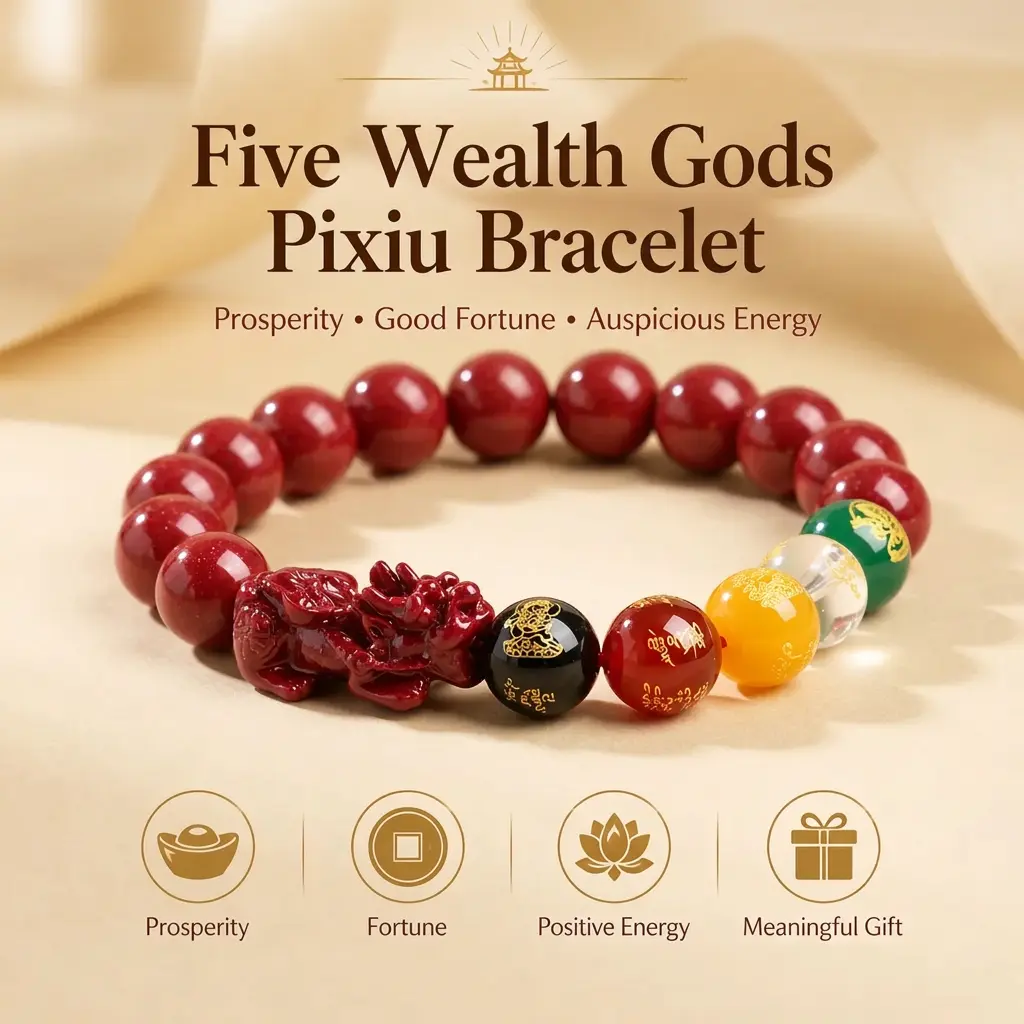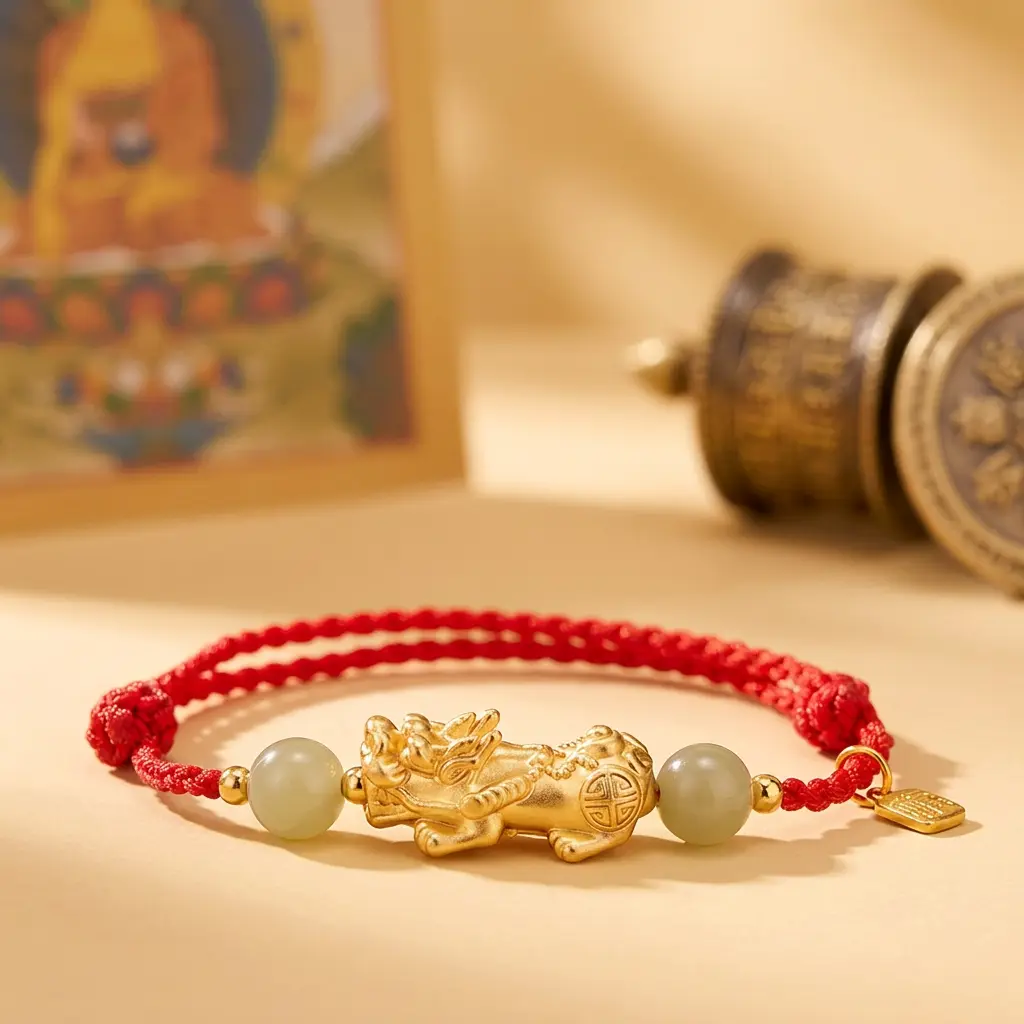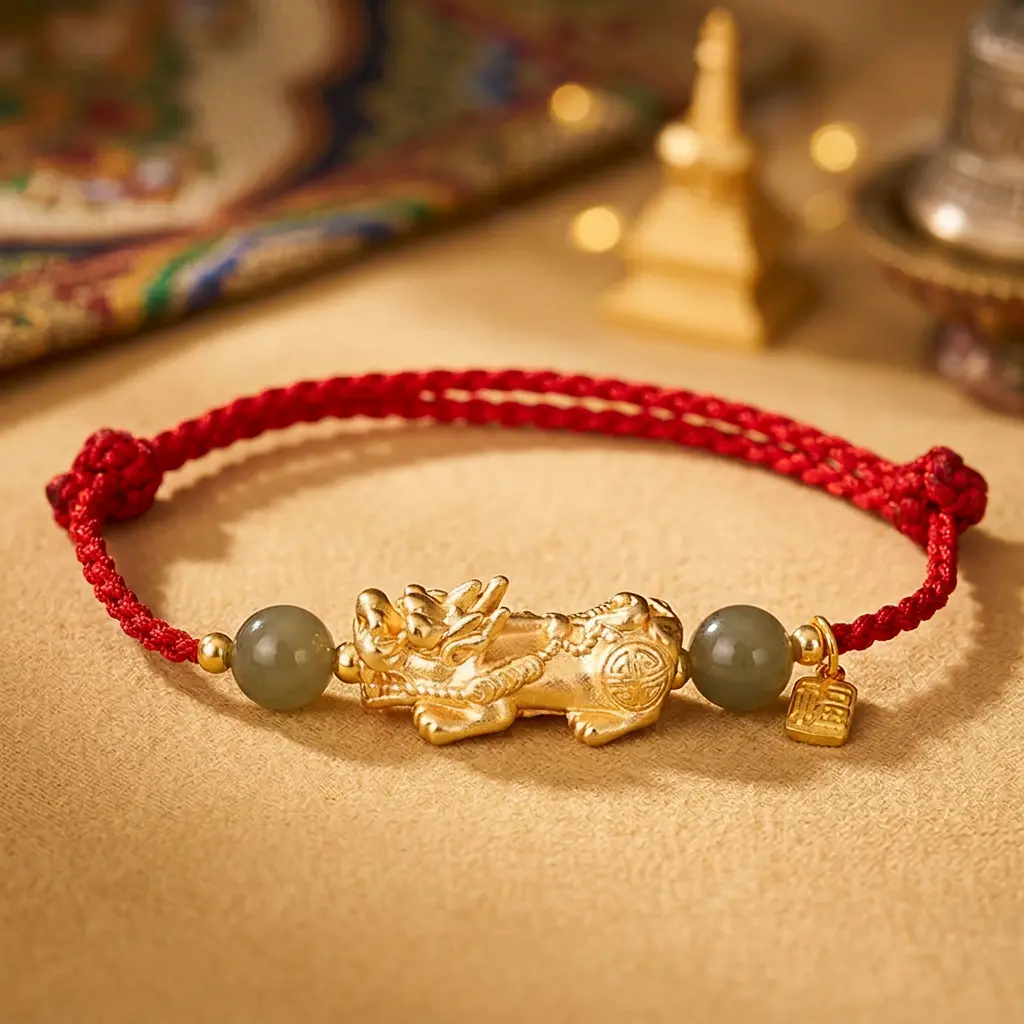


Still unsure whether to go with a bracelet or a pendant after reading three different feng shui guides? Here’s the short answer: a Pixiu bracelet on your left wrist is traditionally considered more effective for active wealth attraction, because it sits on the receiving hand and lets the fortune beast hunt chi from all directions. But a Pixiu pendant has three real advantages the bracelet can’t match — and the better choice depends on how, when, and where you’ll wear it.
At PotalaStore, we’ve curated both forms from authentic Tibetan and Chinese feng shui traditions, and we’ve fielded thousands of customer questions on this exact debate. This guide scores both forms on eight real criteria so you can decide in under five minutes — no conflicting rules, no guesswork.
⚠️ Important Note: The spiritual and energetic properties described here are based on traditional Chinese feng shui beliefs and cultural practices, not scientific evidence. This article is for educational and cultural purposes only. Results from wearing feng shui jewelry are based on individual belief and experience.
Table of Contents
Which Pixiu Form Is More Effective? The Short Answer
For most practitioners, the Pixiu bracelet edges out the pendant on active wealth-pulling — but it’s far closer than most guides admit. Score both forms across eight criteria that actually determine daily wearer satisfaction, and they finish almost dead-even: bracelet wins four, pendant wins four, with one tie.
🔶 Bracelet Wins On
Active Wealth Attraction
- Left-hand receiving rule (canonical)
- Daily ritual contact with your palm
- Highest traditional authority across feng shui texts
- Bracelet head faces outward — hunting energy in all directions
🟢 Pendant Wins On
Continuous Blessing Energy
- All-day contact — can stay on through sleep
- Discreet under business attire
- More durable (single solid piece vs. beaded string)
- Perfect for gifting (one-size chain; no sizing needed)
The key insight: in our experience helping customers choose their first Pixiu piece, roughly six of ten start with a bracelet — and four of ten return within a year to add a pendant. The two forms work in different sectors (wrist vs. heart), and many committed practitioners wear both. More on that in the care section below.
Ready to start? Browse PotalaStore’s handcrafted Pixiu bracelet collection — each piece prepared with traditional intention before shipping.Shop Pixiu Bracelets →
The Wrist-Worn Wealth Magnet: How a Pixiu Bracelet Works

A Pixiu bracelet sits on your left wrist — the “receiving hand” in feng shui tradition — with the creature’s head pointing outward toward your little finger. This orientation means the fortune beast faces the world, actively hunting wealth energy (cai qi) from all directions and drawing it back to you.
This follows what Chow Tai Fook, one of the world’s largest jewelry groups with decades of feng shui advisory experience, describes as the traditional “left in, right out” principle: wear Pixiu on the left to gather wealth from all directions; if worn on the right, energy flows outward and away. For active earners, entrepreneurs, and anyone in sales, this makes the bracelet the instinctive first choice.
Material choices matter here:
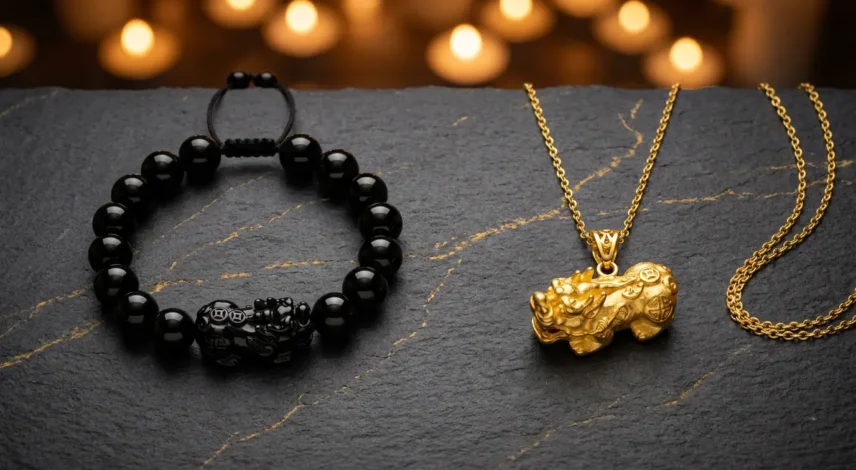
- Black obsidian Pixiu bracelets ($43–$97) — combine the fortune beast’s wealth-attracting power with obsidian’s protective energy. Best for those who also want to deflect negative influences from their financial environment.
- Green jade Pixiu bracelets ($49–$90) — jade is traditionally associated with long-term wealth retention and abundance in Chinese culture. A good choice for those focused on growing and keeping wealth over time.
- 24K gold-plated Pixiu bracelets ($60–$150) — gold amplifies the wealth signal in feng shui’s Five Elements framework. Popular for business owners and investors.
One limitation worth knowing: the bracelet requires more conscious care than the pendant. You should remove it before showers, swimming, and sleep, and avoid letting others touch the Pixiu head (traditionally believed to disrupt the personal bond between wearer and talisman). If your lifestyle involves a lot of hands-on work, you may find yourself taking it off more often than you expect — which is why some wearers eventually prefer the pendant for daytime wear.
We’ve found that the most common mistake new bracelet wearers make is forgetting to orient the head correctly after putting it back on. A quick check each morning takes three seconds and keeps the intention clear.
👉 Explore our Feng Shui Black Obsidian Pixiu Bracelet — one of our most popular wealth-attracting pieces, combining two of the most powerful feng shui symbols in one design.
The Hanging Charm: How a Pixiu Pendant Channels Heaven’s Blessing

Where the bracelet hunts wealth outward, a Pixiu pendant looks upward. Worn with the creature’s head facing toward your face — toward heaven — the pendant is traditionally believed to receive blessings from above and channel that energy downward through your heart center.
This upward orientation traces back to the mythological nature of Pixiu itself. Ancient texts such as the Classic of Mountains and Seas (Shan Hai Jing) describe the Pixiu as the ninth son of the Dragon King, a creature that travels through the sky. When the pendant hangs at chest height, the head-up position mirrors how the Pixiu moves through the heavens — absorbing auspicious energy from a higher source.
Three real advantages the bracelet can’t match:
- Continuous contact. A pendant can stay with you through sleep (when dreaming is believed to be when intentions are strongest) and all-day wear without the removal requirements of the bracelet. Some practitioners feel this uninterrupted presence builds a stronger energetic bond over time.
- Professional discretion. A pendant rests under a shirt or blouse. For office environments, client-facing roles, or any situation where wearing a visible talisman feels inappropriate, the pendant lets you keep your feng shui practice private. Customers who wear pendants under business attire often describe it as “quiet armor.”
- Gift-friendliness. No sizing required. A pendant on a chain fits anyone, which makes it significantly easier to give as a Lunar New Year, Valentine’s Day, or career-milestone gift.
Pendant materials tend toward finer finishes — jadeite, 999 silver, and 24K gold are the most common — because the pendant often serves as a statement piece rather than a casual everyday wear item. Price range in the US runs $30–$250 depending on material.
If you’re exploring pendants alongside bracelets, our Pixiu necklace and pendant collection includes a range of materials suited to different intentions and budgets.
Pixiu Bracelet vs Pendant: Side-by-Side Comparison
Score both forms on the eight criteria that actually predict daily wearer satisfaction, and the result is a near-tie. Here’s where each form wins — and by how much.
| Criterion | Pixiu Bracelet | Pixiu Pendant | Winner |
|---|---|---|---|
| Active wealth attraction Left-hand receiving principle | ★★★★★ | ★★★★☆ | 🔶 Bracelet |
| All-day continuous contact Can be worn without removing | ★★★★★ | ★★★★★ | 🟢 Pendant |
| Social discretion Visible vs. hideable | ★★★★★ | ★★★★★ | 🟢 Pendant |
| Gift-friendliness Ease of sizing & giving | ★★★★☆ | ★★★★★ | 🟢 Pendant |
| Daily ritual depth Intentional palm contact & prayer | ★★★★★ | ★★★★★ | 🔶 Bracelet |
| Durability Resistance to daily wear damage | ★★★★★ | ★★★★☆ | 🟢 Pendant |
| US price range | $25–$200 | $30–$250 | — Even |
| Traditional authority Cited most in feng shui texts | ★★★★★ | ★★★★☆ | 🔶 Bracelet |
Aggregate: Bracelet wins 3 criteria · Pendant wins 4 criteria · 1 tie. The bracelet leads on active wealth-attraction mechanics and ritual depth; the pendant leads on lifestyle fit and practicality.
Which criteria matter most to you? Use this quick decision framework:
60-Second Pixiu Form Decision
- ☑ I work in sales, finance, or run my own business → Start with the bracelet. The left-hand receiving rule is most powerful for active wealth-seekers.
- ☑ I wear business attire or work in a conservative environment → Start with the pendant. It keeps your practice private while maintaining all-day contact.
- ☑ I want a gift for someone else → Choose the pendant. No sizing needed; chain fits all.
- ☑ I meditate or do daily intention-setting practices → Bracelet is ideal. The ritual of holding the beads and setting intention each morning is a core part of the practice.
- ☑ I want maximum feng shui coverage → Wear both. They work in different energy sectors (wrist vs. heart) and don’t conflict — see the care section below.
A note on Period 9 (2024–2044): Chinese feng shui operates in 20-year cycles. The current Period 9, which began on February 4, 2024, is governed by the Fire element and the Nine Purple Star — a cycle associated with visibility, recognition, and accelerating financial momentum. Both Pixiu forms benefit from this cycle, but the bracelet’s visible presence aligns particularly well with Period 9’s emphasis on active, outward energy.
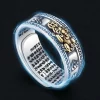
Want both forms? Our Feng Shui Pixiu Mantra Ring adds a third point of contact — creating a complete wealth-attraction circuit at wrist, chest, and hand.View the Ring →
Care, Activation, and Can You Wear Both at Once?

Yes — a bracelet and pendant can absolutely be worn together. The two forms occupy different energy sectors (wrist and heart) and are not in conflict. The widely accepted guideline is to keep your total Pixiu piece count at three or fewer, and never combine your Pixiu jewelry with Tiger zodiac symbols, which are traditionally said to create an energetic conflict with the Pixiu.
Beyond that, care needs differ significantly between the two forms:
🔶 Bracelet Care
- Remove before showers, swimming, and sleep
- Don’t let others touch the Pixiu head
- Cleanse monthly — moonlight overnight is the gentlest method
- If touched accidentally by someone else, rinse in clean water and reset your intention
- Avoid extreme heat (saunas, direct prolonged sun)
🟢 Pendant Care
- Can remain on through daily activities; optional removal for sleep
- Wipe with a soft cloth — avoid harsh chemical cleaners
- Less frequent water cleansing required
- Check chain clasp and jump ring regularly for wear
- Store flat or hanging — avoid tangling with other chains
Activation (Kai Guang): Both forms benefit from an activation ritual before first wear. The traditional approach involves holding the piece in your dominant hand, facing south or toward natural light, and clearly stating your intention — the specific wealth goal you want Pixiu to help you attract. Some practitioners also burn incense during activation. This process takes about five minutes and is considered by many feng shui teachers to be as important as choosing the form itself.
For a deeper dive into which crystals amplify Pixiu’s wealth energy further, our guide on the best crystals to pair with Pixiu for wealth covers ten proven pairings — including why citrine, green jade, and black tourmaline each serve a different wealth intention.
If you’re also working on your home feng shui alongside wearing Pixiu, our article on the feng shui money corner explains which directions and placements activate wealth energy in your living space — a natural complement to personal talisman practice.
Frequently Asked Questions
Neither is universally better — they serve different energetic roles. The bracelet is traditionally considered more effective for active wealth attraction because it sits on the left receiving hand, while the pendant is better for continuous all-day contact, discretion, and receiving heavenly blessings. Most practitioners recommend starting with a bracelet, then adding a pendant after 90 days of consistent wear.
The Pixiu pendant should always be worn with the head facing upward, toward your face. This mirrors the creature’s mythological nature as a sky-traveler, believed to absorb blessings from heaven above. Wearing the pendant head-down is widely considered less auspicious and is not recommended in traditional feng shui practice.
Yes. A bracelet (wrist sector) and pendant (heart sector) occupy different energy zones and don’t conflict with each other. The accepted guidelines are: keep your total Pixiu count to three pieces or fewer, never combine with Tiger-zodiac jewelry, and maintain each piece’s correct orientation — outward for the bracelet head, upward for the pendant head.
Start with a single Pixiu bracelet in black obsidian or jade — it’s the most-recommended entry point in feng shui practice and the most accessible price-point ($43–$70). Wear it daily for at least 90 days to build the energetic bond, then consider adding a pendant for continuous all-day coverage. Browse PotalaStore’s Green Jade Pixiu Bracelet or our Black Obsidian Pixiu Bracelet to find your starting piece.
Find Your Pixiu — Bracelet, Pendant, or Both
Every PotalaStore Pixiu piece is sourced from authentic Tibetan and Chinese feng shui traditions and prepared with traditional intention before shipping. Whether you start with a bracelet, a pendant, or a complete set — the right form is the one you’ll actually wear every day.Shop Pixiu Wealth Collection →
📚 References
- Pixiu in Chinese Cultural History: Background on the Pixiu’s origins in Han Dynasty stone carvings and its role in the Classic of Mountains and Seas (Shan Hai Jing) as one of the nine sons of the Dragon King. China Daily — “Creatures of the Past” cultural feature (chinadaily.com.cn)
- Feng Shui Period 9 (2024–2044): Explanation of the current 20-year feng shui cycle, its governing star (Nine Purple), and its Fire element implications for wealth practice. Your Chinese Astrology — Feng Shui Three Cycles & Nine Periods
- Wearing Pixiu for Wealth — Traditional Guidelines: “Left in, right out” wearing principle, head orientation rules, and material selection for Pixiu bracelets and pendants. Chow Sang Sang Jewellery Blog — “Pixiu Meaning & Wearing Guide”
- Pixiu Cultural Symbolism and Taboos: Detailed guide on the fortune beast’s mythology, wearing rules, and the distinction between Tian Lu (male) and Bi Xie (female) forms. Chow Tai Fook Jewellery Blog — “Pixiu: The Fortune Guardian”
Last updated: May 18, 2026 · PotalaStore Editorial Team · This article is reviewed periodically to reflect current feng shui guidance and product availability. Content is for cultural and educational purposes only.