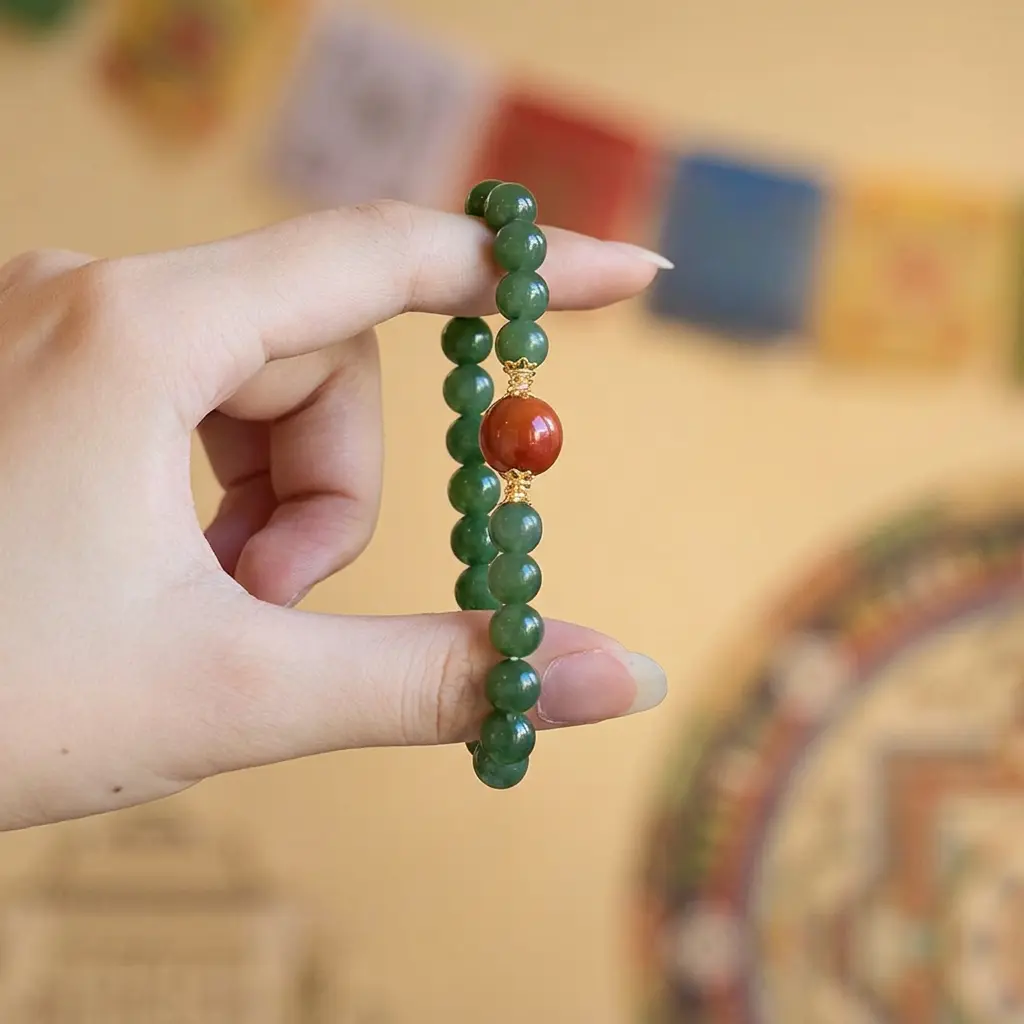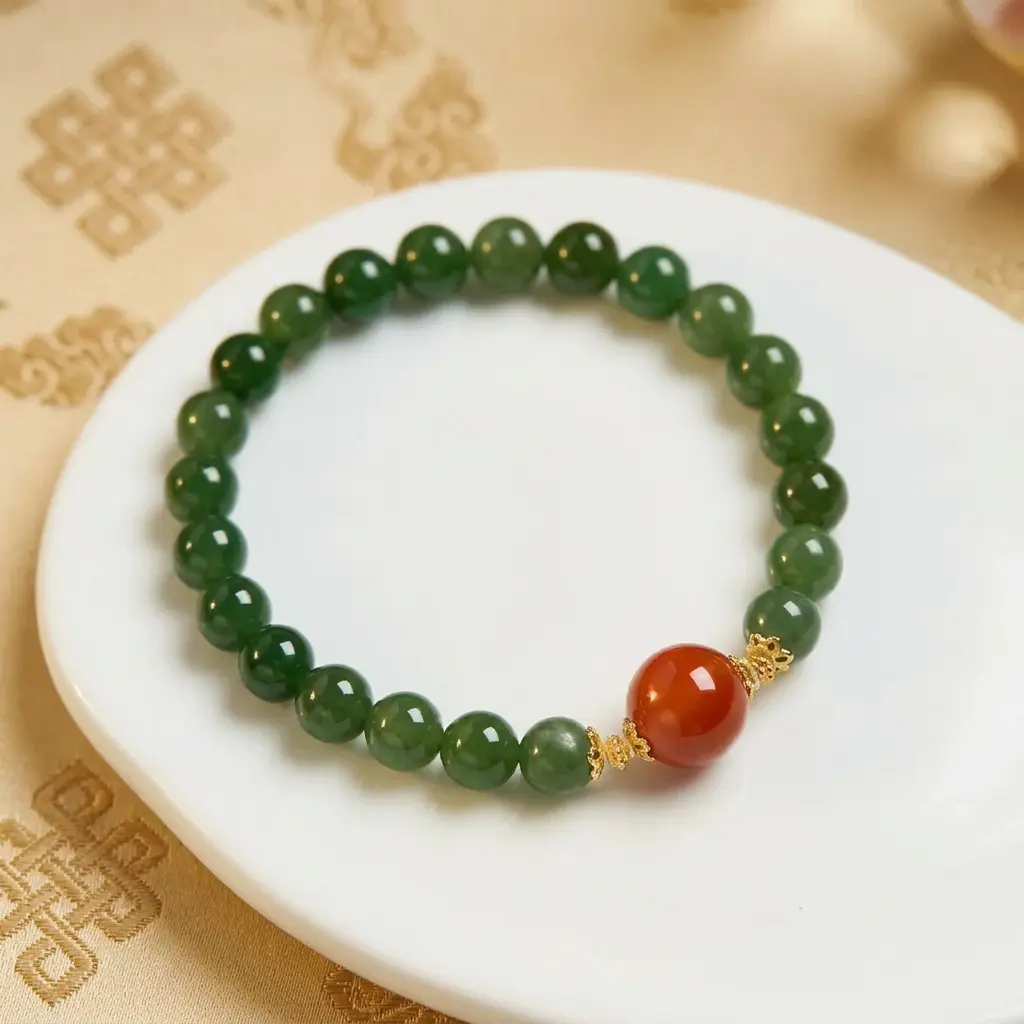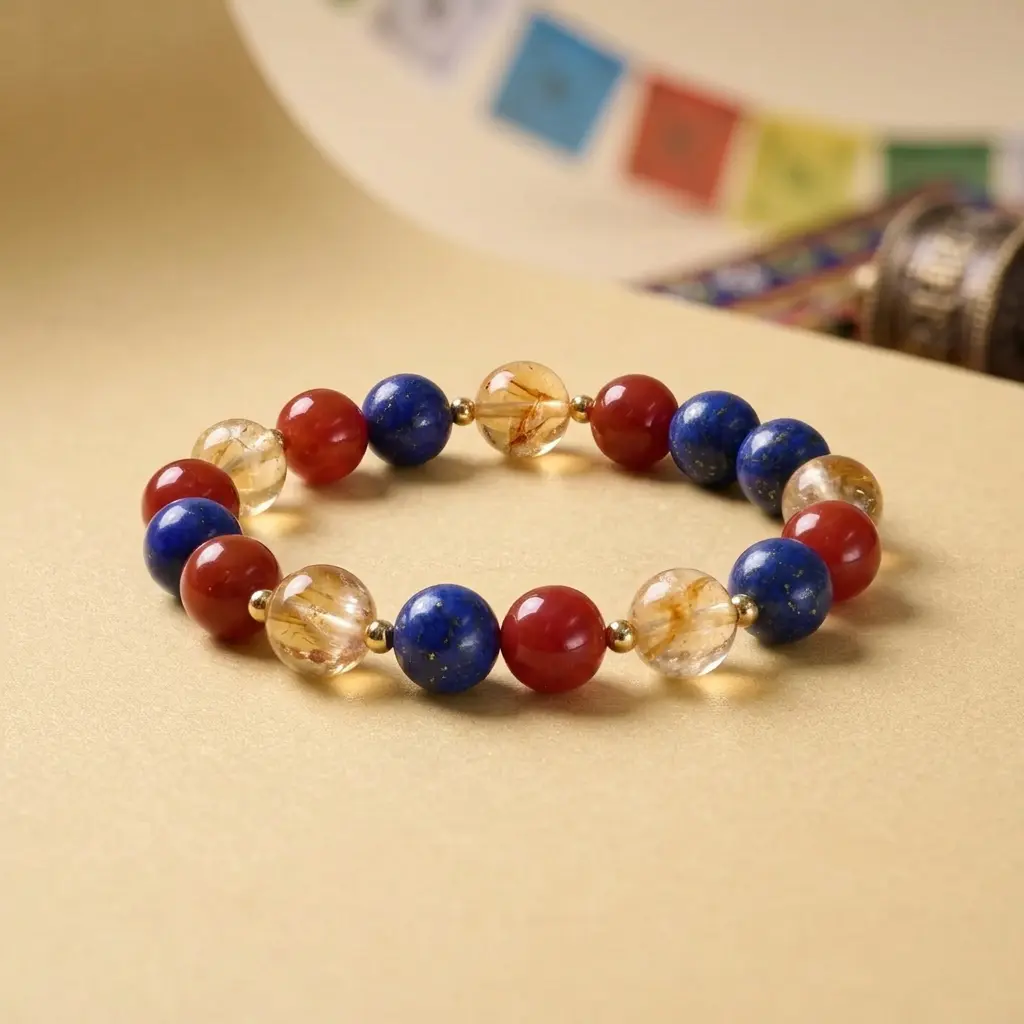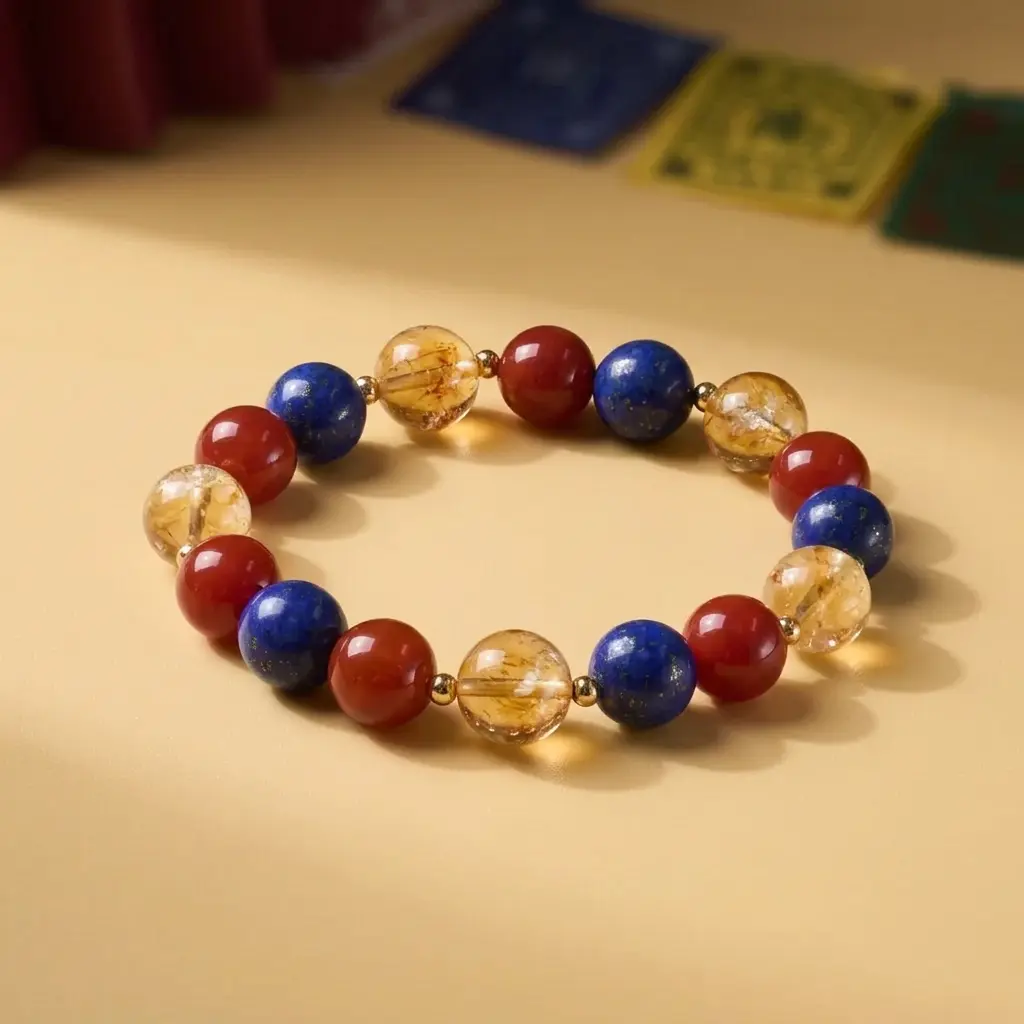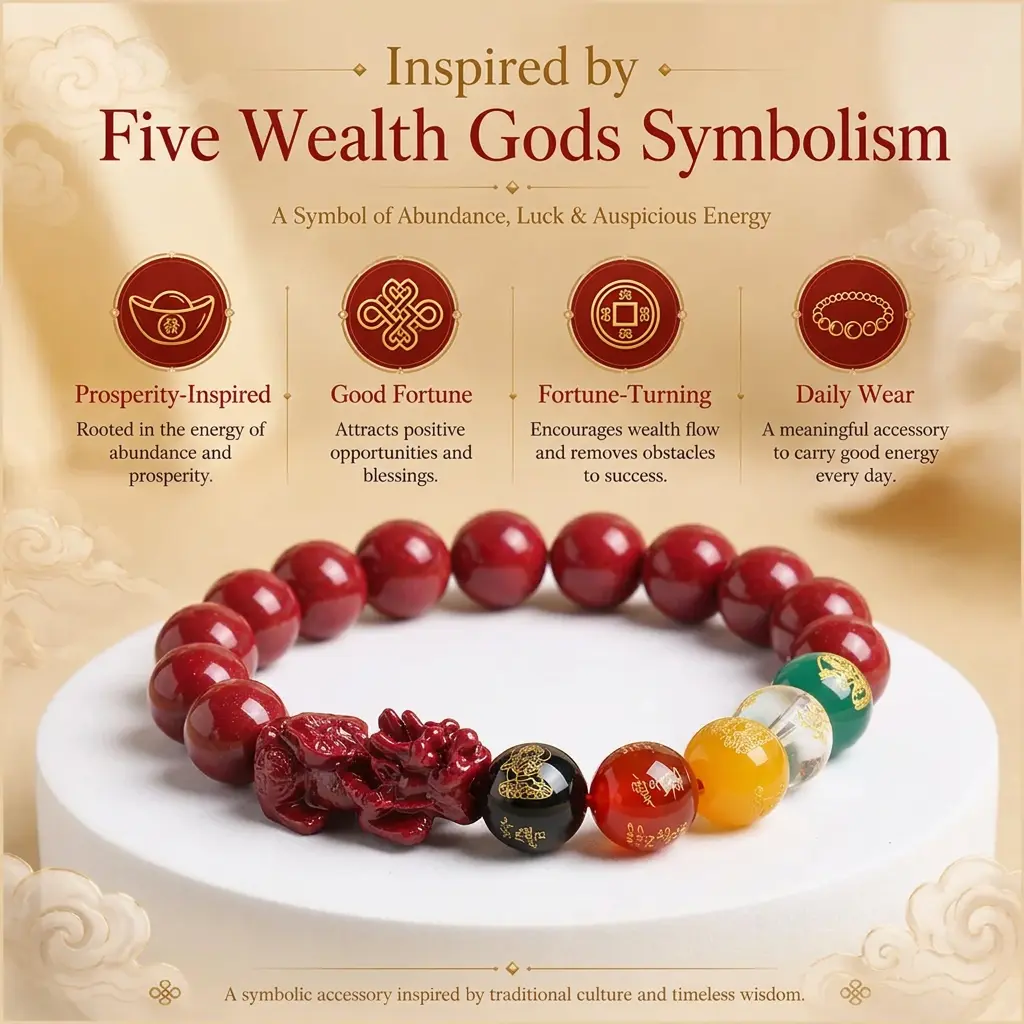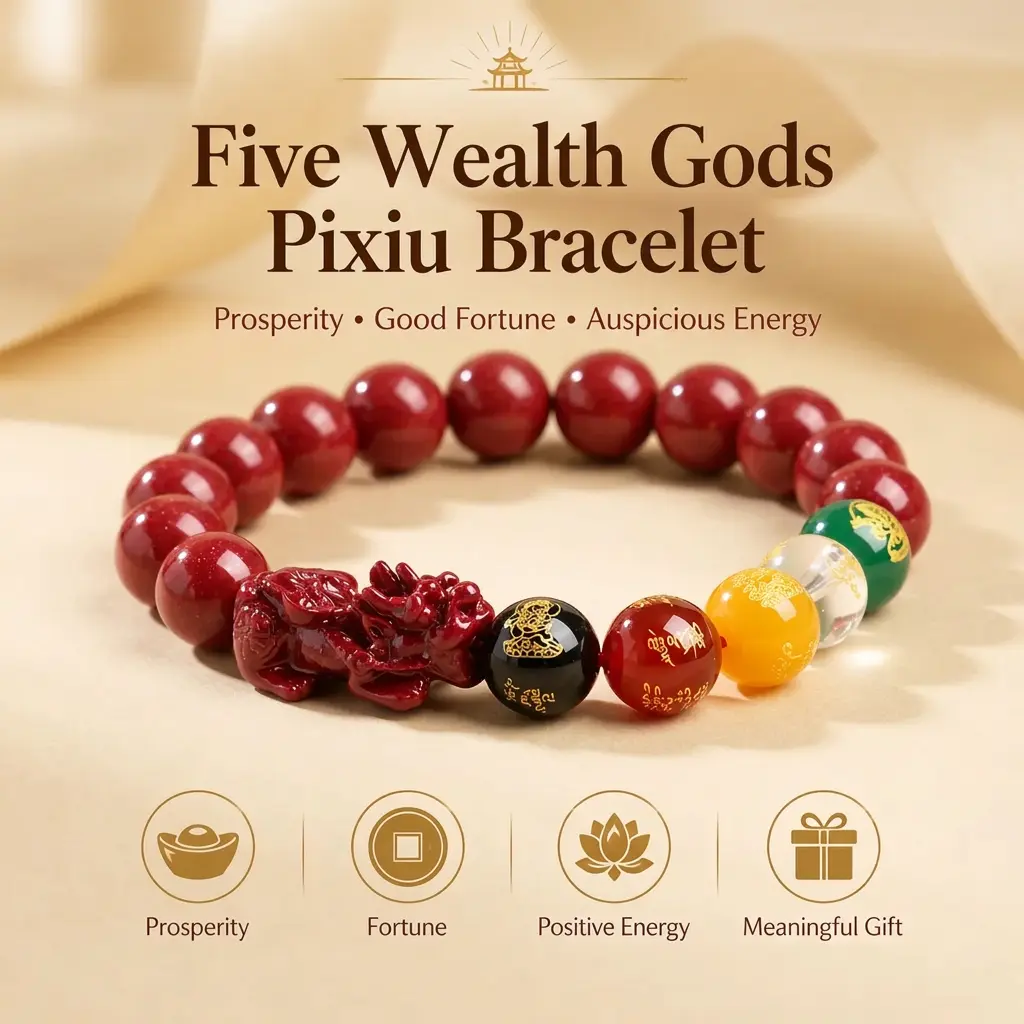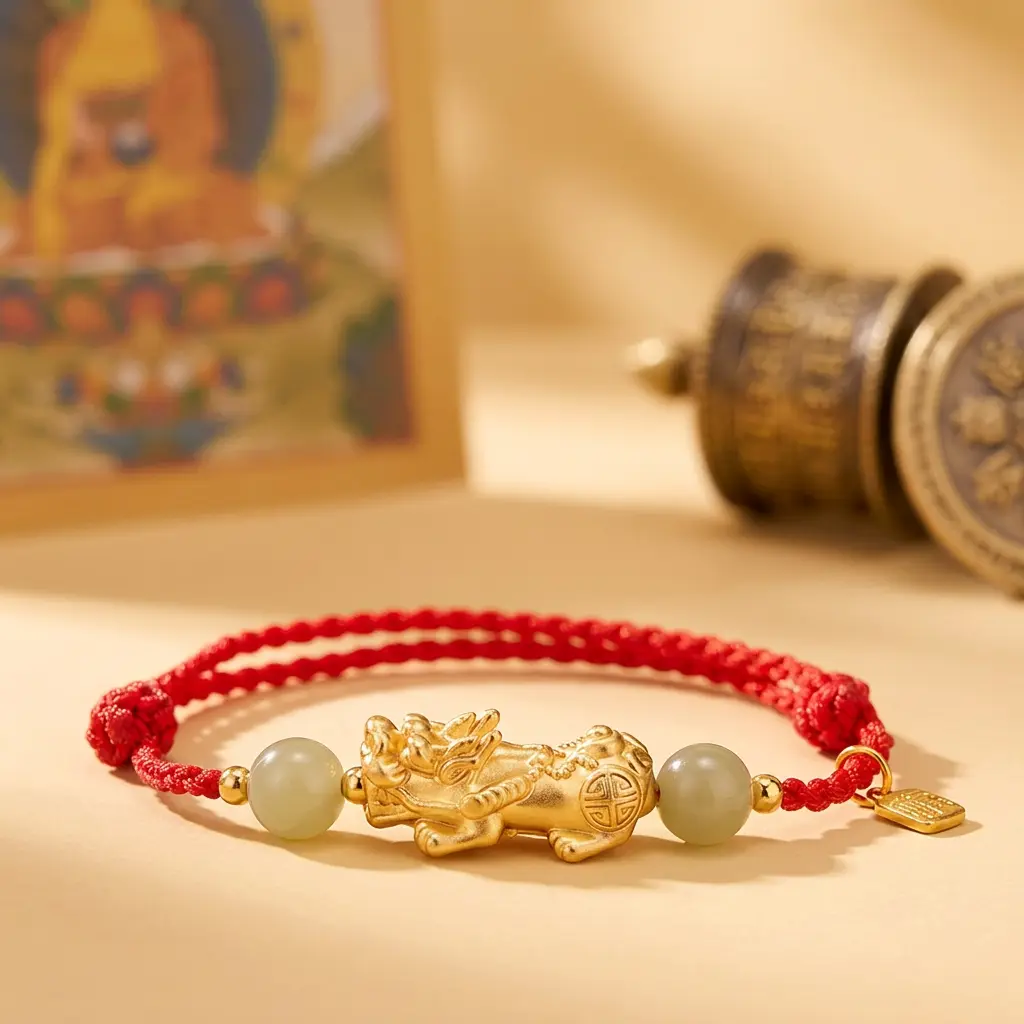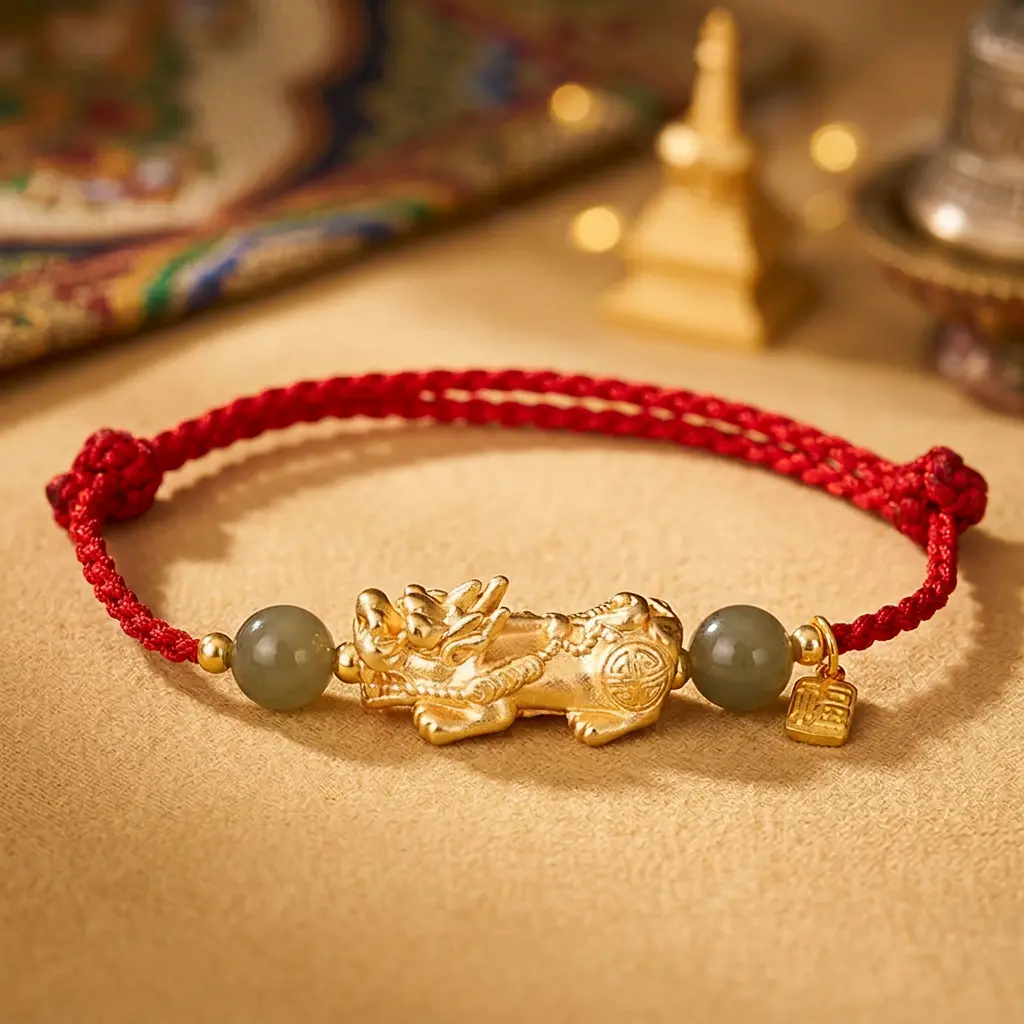

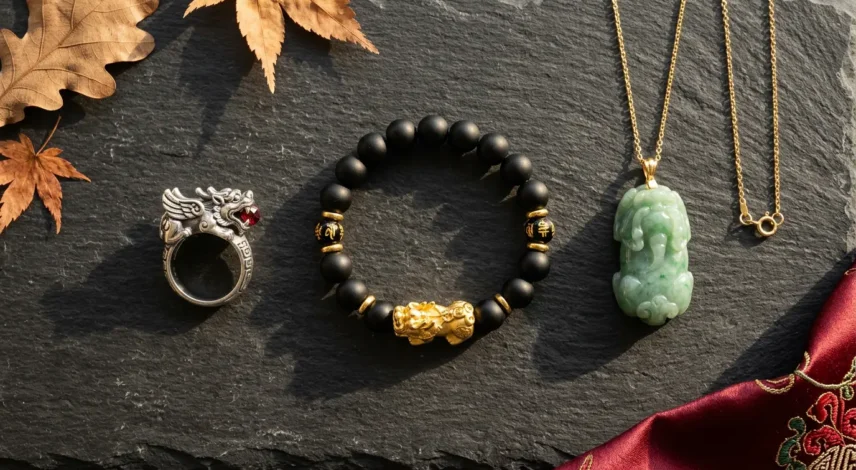

You have decided you want a Pixiu, the Chinese fortune beast said to pull wealth in and never let it out. The harder question is which form to buy: a Pixiu ring, a Pixiu bracelet, or a Pixiu pendant. And underneath that sits a quieter worry. What if you spend $60 and it turns out to be dyed glass with a stamped charm?
This guide settles both questions. At PotalaStore we have helped thousands of first-time buyers choose their Pixiu form, and the honest answer is that no single form “wins.” Each one channels wealth energy differently, sits at a different price, and suits a different lifestyle. Below you get a side-by-side comparison, a rule for choosing by your Chinese zodiac, a four-point test for spotting fakes, and exact sizing so your piece fits the first time. You will be able to decide in about five minutes.
⚠️ Important note: The energetic and wealth properties described here come from traditional Chinese feng shui belief and cultural practice, not scientific evidence. This article is for cultural and educational purposes only. Any result from wearing feng shui jewelry rests on individual belief and experience.
Table of Contents
Pixiu Ring vs Bracelet vs Pendant: The 60-Second Comparison
A Pixiu bracelet is the most-recommended starting point and the strongest form for active wealth attraction. A Pixiu ring puts a wealth signal on your money finger and reads as the boldest statement. A Pixiu pendant offers the most discreet, all-day contact and is the easiest to give as a gift. Here is how the three forms compare on what buyers actually weigh.
| What you’re comparing | Pixiu Ring | Pixiu Bracelet | Pixiu Pendant |
|---|---|---|---|
| Energy role (feng shui) | Concentrated wealth signal on the “money finger” | Active wealth magnet; hunts cai qi from all directions | Receives blessing from above; steady, continuous energy |
| US price range | $30 to $150 | $25 to $200 | $30 to $250 |
| Best wearing scenario | Meetings and negotiations; when you want it seen | Daily wear, sales and business, morning intention-setting | Under business attire, sleep, gifting |
| Visibility | High, on the hand | Medium, on the wrist | Low, hidden under a shirt |
| Sizing needed | Yes (ring size) | Some (bead size plus wrist fit) | Minimal (one-size chain) |
| Care demand | Low | Higher (remove for water and sleep) | Low |
| Best for | Bold wearers, self-gift milestones | Entrepreneurs, beginners, active earners | Professionals, gift-givers, all-day wearers |
How Each Form Channels Wealth Energy
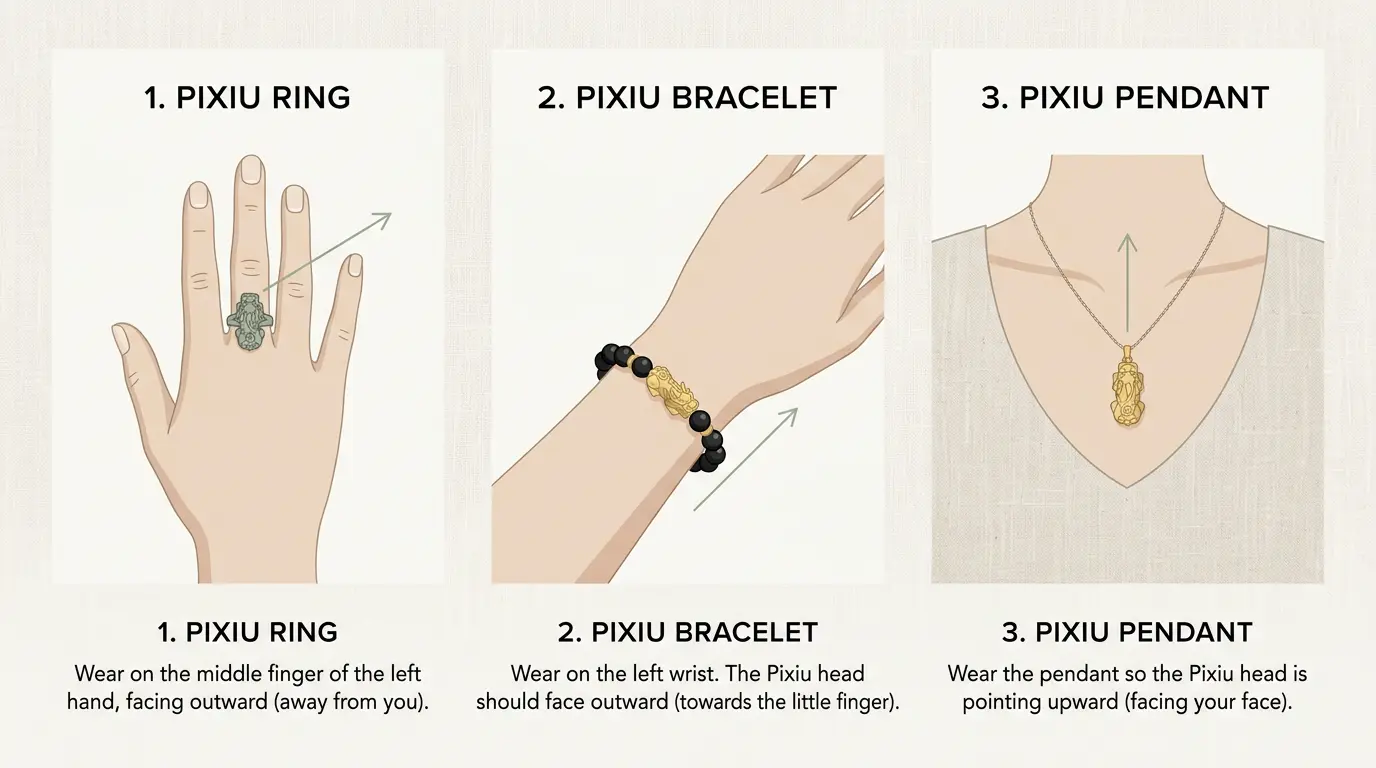
Each form gives the fortune beast a different job. In feng shui tradition, a Pixiu bracelet sits on your left wrist, the receiving hand, with the head pointing outward so the beast hunts wealth energy and draws it back to you. A ring concentrates that same intention on the hand you gesture and transact with. A pendant reverses the direction. Worn head-up at the heart, it is traditionally believed to absorb auspicious energy from above and channel it downward. Same beast, three different roles.
Which Form Fits You Best
Match the form to your situation, not to a ranking. Work in sales, finance, or run your own business? Start with the bracelet. Want your practice private, or buying for someone else? Choose the pendant. Want the boldest daily reminder on your hand? Go with the ring. Want maximum coverage? Many committed practitioners wear more than one. Just keep your total to three Pixiu pieces or fewer, a rule covered in full below.
Shop Authentic Pixiu Jewelry →
The Pixiu Ring: A Wealth Signal on Your Money Finger
A Pixiu ring places the fortune beast on the finger most tied to wealth in Chinese tradition, making it the most visible and assertive of the three forms. It runs about $30 to $150 in the US. People reach for it when they want their intention on display, in a negotiation, at a signing, or as a daily reminder on the hand that does the work.
How to Wear a Pixiu Ring
Wear a Pixiu ring on the middle finger of your left hand, with the head facing outward, away from your body. The left hand is the receiving side in feng shui. The middle finger is where tradition places the “wealth line,” so the ring sits where its intention is considered strongest. Keep the head pointing out toward the world, the same “hunting outward” logic as the bracelet, rather than turned back toward your palm. If your ring pairs the Pixiu with a mantra band or old-coin motif, those are traditional wealth amplifiers layered onto one piece, not decoration.
Who Should Choose a Ring
A ring suits you if you want the boldest, most visible form, if you tend to lose or forget bracelets, or if you are marking a milestone with a piece you will see every time you reach for something. It makes a strong self-gift. It is a weaker choice if your work is hands-on, since rings take a beating, or if you would rather keep your practice private. In that case the pendant is the better call.
Three Pixiu rings to start with:
- Feng Shui Pixiu Mantra Ring (from about $39.95). The everyday entry point, pairing the Pixiu with the Om Mani Padme Hum mantra. It is our single best-selling Pixiu piece, so it is the safe first buy if you are unsure.
- Red Agate Pixiu Wealth Ring (from about $30.95). Layers a carved Pixiu, a natural red agate stone, and a full Heart Sutra engraving inside the band. The engraving rests against your skin all day, which keeps the intention private.
- Feng Shui Pixiu Ring with Natural Garnet (from about $98.95). Made from 990 sterling silver with a deep-red garnet and old-coin detailing. It has real heft, so it reads as a statement piece rather than an everyday band.
Want to see the full range first? Browse all Pixiu and wealth rings. Still torn between the two most popular hand-and-wrist forms? Our deeper breakdown of the Pixiu ring vs Pixiu bracelet covers that exact matchup.
The Pixiu Bracelet: The Wrist-Worn Wealth Magnet
A Pixiu bracelet is the most popular way to wear the fortune beast, and in feng shui it is considered the strongest form for active wealth attraction. It also spans the widest price range, about $25 to $200, so it is the easiest form to start with on a comfortable budget. In our experience helping customers pick a first piece, roughly six in ten begin here, and many add a second form later.
How to Wear a Pixiu Bracelet
Wear a Pixiu bracelet on your left wrist with the head pointing outward, toward your little finger. This follows the traditional “left in, right out” principle. The left wrist gathers wealth energy from all directions, while the right is believed to send energy away. Build one habit here. After you take the bracelet off and put it back on, check the head orientation. The most common mistake new wearers make is reversing the head without noticing. A three-second glance each morning keeps the intention clear. Avoid letting other people handle the Pixiu head, and take the bracelet off before showers, swimming, and sleep.
Who Should Choose a Bracelet
The bracelet is the instinctive first choice for entrepreneurs, salespeople, active earners, and anyone new to Pixiu who wants the most traditional form. It is also the best form for a daily ritual. Holding the beads and setting an intention each morning is a core part of the practice for many wearers. The trade-off is care. It asks for more conscious handling than a ring or pendant. If your days involve a lot of hands-on work, you may remove it often, which is exactly why some wearers add a pendant for uninterrupted daytime wear.
Three Pixiu bracelets to start with:
- Black Obsidian Pixiu Bracelet (from about $43.95). The classic pairing of the fortune beast with black obsidian, a volcanic glass tied to grounding and protection. Choose it if you also want to deflect negative influences from your money life.
- Green Jade Pixiu Bracelet (from about $48.95). Uses genuine natural jade, undyed and uncoated, carved with a jade Pixiu. Jade is traditionally linked to long-term wealth retention, so it suits people focused on keeping and growing what they earn.
- Gold Pixiu Wealth Mantra Bracelet. Features 12mm beads engraved with the Om Mani Padme Hum mantra. Gold amplifies the wealth signal in the Five Elements, which is why business owners and investors favor it.
Want to compare everything? Browse all Pixiu bracelets. Deciding between the two most common materials? Our gold Pixiu vs jade Pixiu comparison explains which element suits fast growth and which suits steady accumulation.
The Pixiu Pendant: Continuous Blessing at Your Heart Center
A Pixiu pendant offers what the other two forms cannot: uninterrupted, all-day contact worn discreetly at the heart. Where the bracelet hunts wealth outward, the pendant looks upward. Worn head-up, it is traditionally believed to receive blessings from above and channel them down through the heart center. In the US it runs about $30 to $250, with the higher end reflecting the finer finishes that pendants tend to use.
How to Wear a Pixiu Pendant
Wear a Pixiu pendant with the head facing upward, toward your face and the sky. This mirrors the Pixiu’s mythological nature as a sky-traveler. In the Classic of Mountains and Seas, the beast moves through the heavens with its head held high. Worn at chest height with the head up, the pendant is believed to draw auspicious energy from a higher source. Wearing the head down is widely considered less auspicious and is not recommended. Because a pendant has fewer wearing restrictions than a bracelet, many practitioners keep it on through sleep, when intentions are traditionally thought to be strongest.
Who Should Choose a Pendant
Choose a pendant if you work in a conservative or client-facing role and want to keep your practice private. It rests unseen under a shirt or blouse, which customers often describe as “quiet armor.” It is also the easiest form to give as a gift, since a chain needs no sizing and fits anyone. That makes it a natural pick for Lunar New Year, a graduation, or a career milestone. The one honest limitation is choice. Dedicated carved-Pixiu pendants are a smaller category than bracelets, so you will have fewer designs to pick from.
Where to start with pendants:
- Pixiu necklace and pendant collection. Browse the current, in-stock range of wealth pendants and necklaces in one place, so you see live availability rather than a fixed list.
- Hetian Jade Pendant, Manifest Wealth & Peace. The closest in-stock wealth pendant if you want the jade-and-abundance pairing on a chain for daily, discreet wear.
- Green Jade Pixiu Car Charm. A hand-carved jade Pixiu in hanging-charm form. Pick this if you specifically want the carved fortune beast to hang, in the car or on a bag, rather than on your wrist.
New to the whole idea and torn between wrist and neck? Our bracelet vs pendant Pixiu guide scores both forms on eight feng shui criteria.
How to Choose Your Pixiu by Chinese Zodiac
For most people, your Chinese zodiac affects which material to choose, not whether you can wear Pixiu at all, with one important exception. Pixiu is considered broadly compatible across the zodiac. There is a single well-known rule everyone should follow, plus a way to match your birth-year element to a supportive material.
The One Rule Everyone Must Follow: Never Pair Pixiu With the Tiger
Do not combine Pixiu jewelry with Tiger-zodiac symbols, and take extra care if you were born in a Year of the Tiger. In traditional feng shui the Tiger and the Pixiu sit in energetic conflict, and pairing them is believed to cancel out the wealth effect. This does not mean Tiger-born people cannot wear Pixiu, since many do. It means you should avoid stacking a Pixiu piece with a Tiger charm on the same body. Some practitioners born in Tiger years choose a different wealth symbol to be safe. Beyond the Tiger, the widely accepted guidance is simply to keep your total Pixiu count to three pieces or fewer.
Best Pixiu Material for Your Birth-Year Element
Chinese astrology assigns each birth year one of the Five Elements (Wu Xing), and matching your element to a supportive material is a traditional way to personalize the piece. Different materials channel different elemental energies, so the right Pixiu is partly about your element and partly about your goal.
| Your goal or element leaning | Suggested material | Why (feng shui tradition) |
|---|---|---|
| Fast growth, breakthroughs, new ventures | Gold (Metal element) | Metal’s commanding energy is tied to rapid financial expansion |
| Steady, long-term accumulation | Green jade (growth) | Jade is linked to keeping and slowly growing wealth |
| Protection alongside wealth | Black obsidian | Grounding volcanic glass believed to absorb negative energy |
| Calm, everyday durability | Sterling silver | One of the “Seven Treasures of Buddhism,” protective and hard-wearing |
One clarification on the “male vs female” question you will see online. Classical texts describe a single-horned form, the Tianlu, and a two-horned form, the Bixie. Most modern Pixiu jewelry depicts the single-horned Tianlu associated with wealth. The male-and-female labeling is inconsistent across sources and is best treated as tradition rather than settled classical fact. The horn count is the part with a documented origin. If this distinction matters to you, our male vs female Pixiu guide covers it in full.
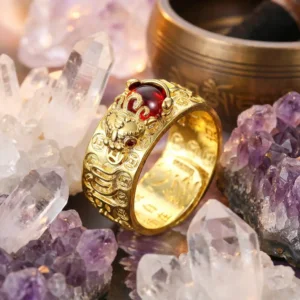
FengShui PiXiu Red Garnet Heart Sutra Wealth Ring
Original price was: $37.95.$28.95Current price is: $28.95.
Buy Now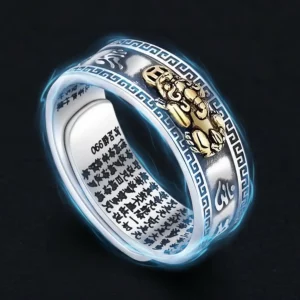
Feng Shui Pixiu Mantra Ring – Your Gateway to Lasting Prosperity
Original price was: $55.95.$39.95Current price is: $39.95.
Buy Now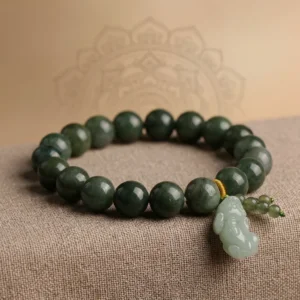
Green Jade Pixiu Bracelet – Feng Shui Fortune
Original price was: $69.97.$48.95Current price is: $48.95.
Buy Now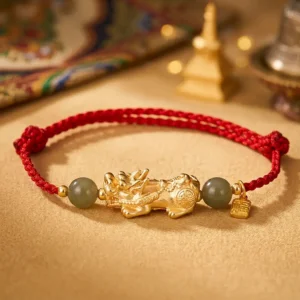
Pixiu Fu Red String Bracelet — Draw In Wealth, Wear Your Blessing
Original price was: $76.95.$66.95Current price is: $66.95.
Buy NowHow to Spot a Real Pixiu vs a Fake
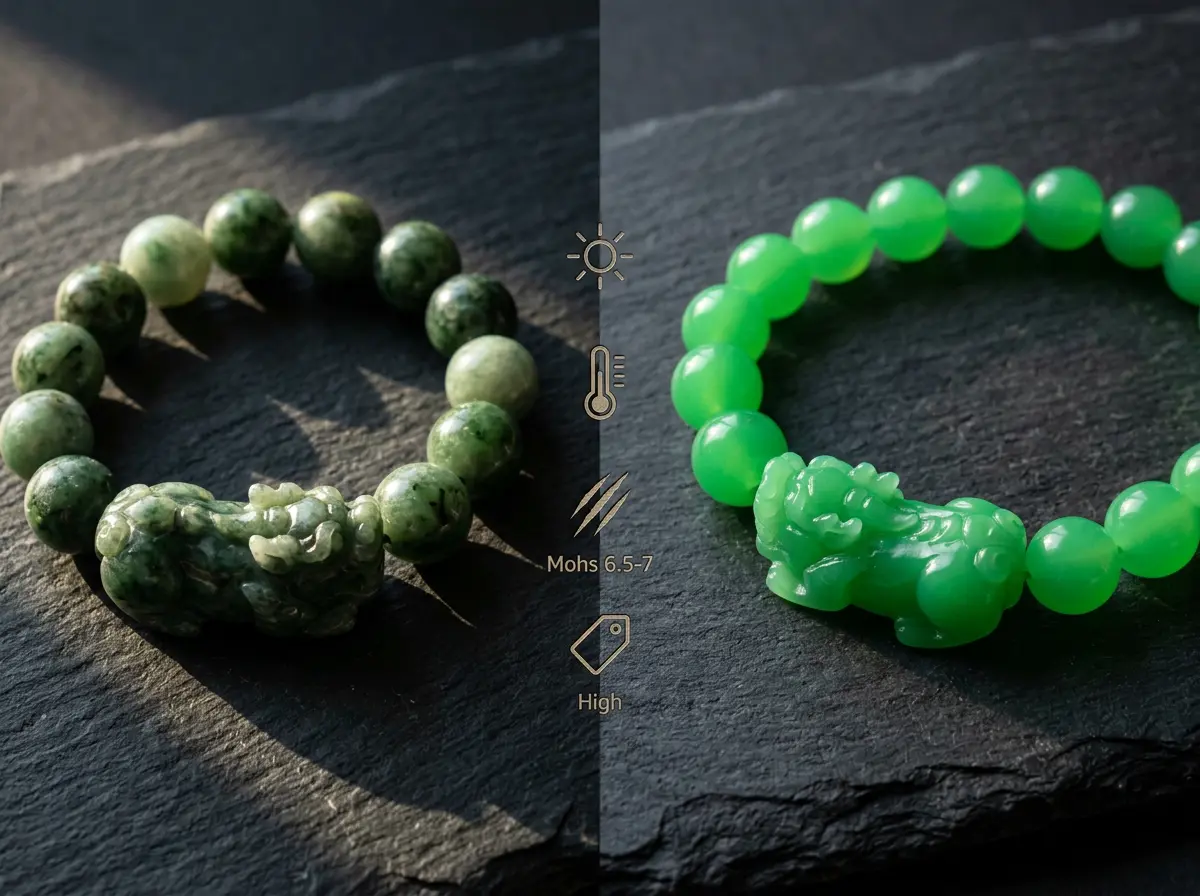
You can screen most Pixiu pieces with four quick checks, light, temperature, hardness, and price, before you ever hand over money. The market is full of dyed glass sold as jade and resin charms plated to look like carved stone. A little scrutiny protects both your wallet and your intention.
The Four-Point Authenticity Test
- Light. Hold the stone up to a bright light. Natural jade and obsidian show depth, subtle internal variation, and a soft glow rather than a flat, plastic-looking color. Perfectly even, candy-bright color across every bead is a warning sign of dye or resin.
- Temperature. Genuine stone feels cool to the touch and warms slowly. Glass warms faster than jade. Plastic and resin feel warm almost immediately and never carry that first cool weight.
- Hardness and weight. Real stone is dense and hard. It resists scratching from everyday contact and has a satisfying heft for its size. A charm that feels suspiciously light, or that scratches or chips easily, is likely resin or soft filler.
- Price. If a “999 silver” or “natural jade” Pixiu is priced far below every comparable piece, treat that as the tell. Authentic materials and real carving have a floor price. A deal that seems impossible usually is.
Red Flags of a Mass-Produced Fake
Beyond the four tests, a few seller signals give a fake away. Watch for shops that cannot say what the stone actually is, listings that reuse the same stock photo as dozens of other stores, “jade” with zero natural variation between beads, and charms with soft, blurry carving detail. Real hand-carving shows crisp features and intentional line work. A trustworthy seller names the material plainly, shows real product photos, and stands behind the piece with reviews and a returns policy. For the full bench test, including how to check a Pixiu bracelet step by step, see our detailed real vs fake Pixiu field guide.
Pixiu Sizing Guide: Ring Size, Bead Size, and Chain Length
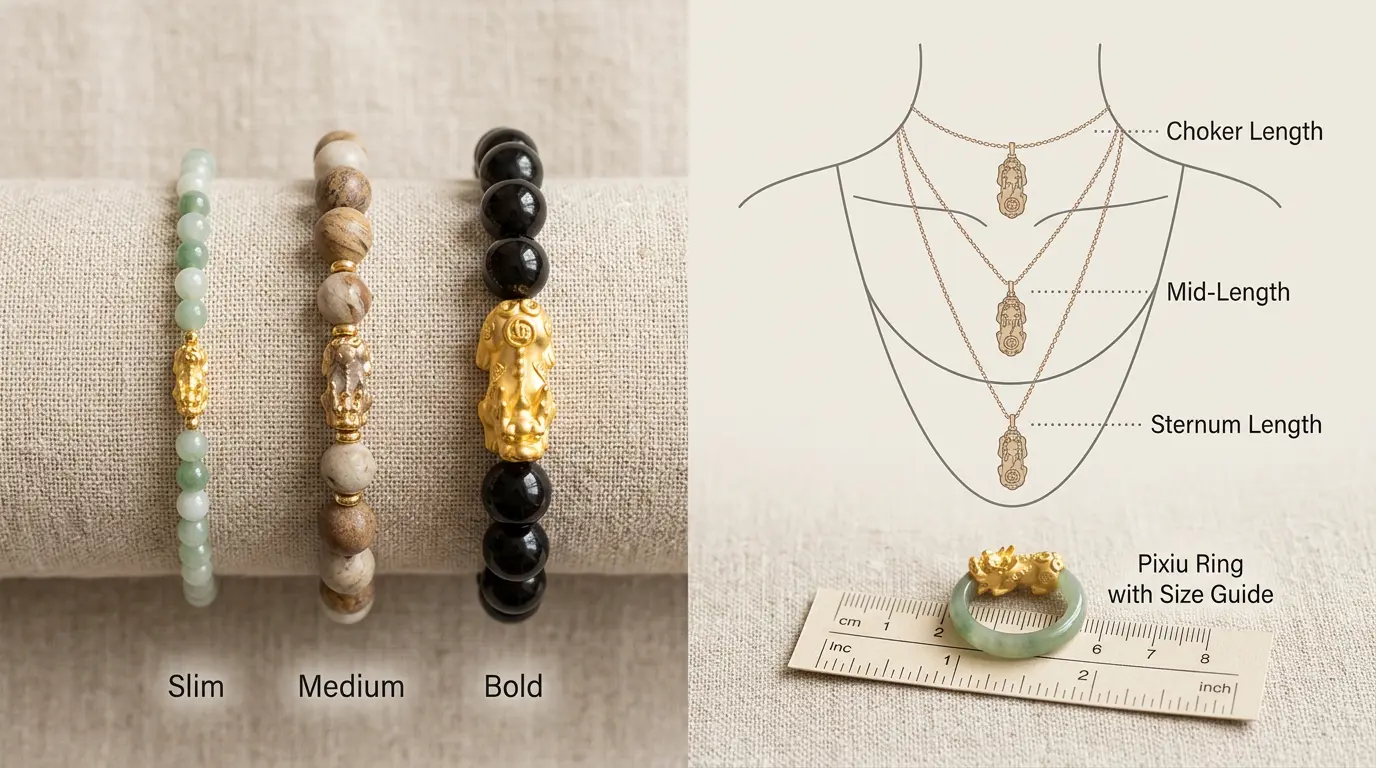
Each form is sized differently, and getting it right is the difference between a piece you wear daily and one that sits in a drawer. Here is how to size a Pixiu ring, bracelet, and pendant so it fits the first time.
Ring Sizing
Measure your ring size before you order. A Pixiu ring should sit snug enough that the head does not spin out of position, but loose enough to pass over the knuckle. If you do not know your size, wrap a strip of paper around the base of your middle finger, mark where it overlaps, and measure that length in millimeters. Then match it to a standard US ring-size chart. Measure at the end of the day, when fingers are slightly larger, and in a warm room. If you fall between sizes, size up. A ring that is too tight is the most common reason it goes unworn.
Bracelet Bead Size and Wrist Fit
Pixiu bracelets are sold by bead diameter, and the standard choices are 8mm and 10mm, with 12mm used for a bolder, more masculine look. As a rough guide, 8mm suits smaller wrists and a subtle everyday feel, while 10mm to 12mm reads bigger and sits more prominently. For fit, measure your wrist circumference with a soft tape or a paper strip. A Pixiu bracelet should have a little movement but should not slide over your hand. Most use an elastic cord, which fits a range of wrist sizes, but check the listing, since fixed-length beaded or metal styles need a closer measurement. If you are deciding between the two common bead sizes, our 8mm vs 10mm bracelet guide shows how each sits on the wrist.
Pendant Chain Length
Pixiu pendants come on chains measured in inches, and the common range runs from 14 to 30 inches. As a reference: 14 to 16 inches sits high on the neck, from choker to collarbone; 18 inches is the most popular unisex length and rests just below the collarbone; 20 to 22 inches sits mid-chest; and 24 to 30 inches falls lower, near the heart or sternum. Many wearers prefer the longer lengths so the Pixiu rests at the heart center. Because a chain is essentially one-size and adjustable, the pendant is the most forgiving form to buy for someone else.
Where to Buy an Authentic Pixiu in 2026
Buy your Pixiu from a specialist seller who names the material, sources real stone, and prepares each piece with an activation ritual before shipping, not from an anonymous marketplace listing chosen on price alone. Where you buy matters as much as which form you choose, because authenticity and consecration are exactly the things a bargain listing tends to skip.
What to Look for in a Seller
Prioritize sellers who do five things. First, they state the exact material and carving, not just “natural stone.” Second, they show genuine product photography rather than recycled stock images. Third, they carry real customer reviews you can read. Fourth, they offer a clear returns policy. Fifth, they explain whether and how the piece is activated. Activation, known as Kai Guang, traditionally involves holding the piece in your dominant hand, facing south or toward natural light, and clearly stating your wealth intention. Many practitioners do it in the morning, often in the 7 to 9 AM window, the traditional “dragon raises its head” hour. Reputable specialist stores handle this consecration before the piece reaches you.
Marketplace vs Specialist Store
Large marketplaces win on price and speed but rarely verify materials or offer any cultural preparation, so the risk of dyed glass and mass-stamped charms is highest there. A dedicated feng shui or Tibetan-jewelry store costs a little more but gives you material transparency, real carving, consecration, and a return path if the piece is not right. Every PotalaStore Pixiu piece is sourced from authentic Tibetan and Chinese traditions and prepared with traditional intention before it ships, and $2 from every order goes to charity.
Frequently Asked Questions
Which is better: a Pixiu ring, bracelet, or pendant?
None is universally better, because they serve different roles. The bracelet is traditionally strongest for active wealth attraction and is the most-recommended starting point. The pendant is best for discreet, continuous all-day wear and gifting. The ring is the boldest, most visible statement. Most people start with a bracelet and add a second form later.
Can I wear a Pixiu ring and bracelet at the same time?
Yes. A ring and a bracelet do not conflict, and many wearers use both to reinforce the intention across hand and wrist. Keep your total Pixiu count to three pieces or fewer, keep each head facing outward, and never combine your Pixiu with Tiger-zodiac symbols.
Which zodiac signs should not wear Pixiu?
Pixiu is considered broadly compatible across the zodiac, but you should never pair it with Tiger symbols. Those born in a Year of the Tiger should take extra care and avoid stacking Pixiu with Tiger charms. This is about pairing and personal caution rather than an outright ban.
How can I tell if my Pixiu is real?
Use four quick checks. Hold it to the light, where natural stone shows depth rather than flat plastic color. Feel the temperature, since real stone is cool and warms slowly. Test hardness and weight, because genuine stone is dense and scratch-resistant. Check the price, since a real jade or 999 silver piece priced far below the market is a red flag.
Which finger should I wear a Pixiu ring on?
Wear it on the middle finger of your left hand, with the head facing outward. The left hand is the receiving side in feng shui and the middle finger is traditionally linked to wealth, so the ring sits where its intention is considered strongest.
Ready to Choose? Browse Our Collection
Whether you start with a bracelet, a ring, or a pendant, the right form is the one you will actually wear every day. Every PotalaStore Pixiu piece is crafted from authentic materials and prepared with traditional intention before shipping.Browse the Pixiu Wealth Collection →
📚 References
- Pixiu in Chinese cultural history: origins in Han Dynasty carvings and the Classic of Mountains and Seas (Shan Hai Jing), where Pixiu appears among the nine sons of the Dragon King. China Daily cultural features (chinadaily.com.cn).
- Wearing Pixiu for wealth, traditional guidelines: the “left in, right out” principle, head-orientation rules, and material selection. Source: Chow Sang Sang Jewellery Blog, “All About Pixiu.” (Readers may search the brand’s jewellery blog for the current article.)
- Pixiu symbolism and taboos: mythology, wearing rules, and the Tian Lu (single-horn) versus Bi Xie (two-horn) distinction. Source: Chow Tai Fook Jewellery Blog, “Pixiu: The Fortune Guardian.” (Readers may search the brand’s blog for the current article.)
- Feng Shui Period 9 (2024 to 2044): the current 20-year cycle, the Nine Purple Star, and its Fire-element implications for wealth practice. Your Chinese Astrology.