

Koi fish symbolize perseverance, good fortune, and transformation, values rooted in an ancient legend of a carp that swam upstream and became a dragon. These ornamental carp, known in Japan as nishikigoi, carry layered meaning across Japanese, Chinese, and Buddhist traditions. Their color, their direction, and even their number each change what they represent.
At Potala Store, we have spent more than a decade working with artisan and monastery communities across the Himalayas, where the koi and its cousin the golden fish appear in art, jewelry, and home altars. That background shapes this guide. Below you will find what koi mean, where that meaning comes from, what each color represents, and how people use koi symbolism in tattoos, feng shui, and gifts.
Quick koi meanings at a glance:
- Perseverance and determination through hardship
- Good fortune, prosperity, and abundance
- Transformation and hard-won success
- Love, strength, and family (the red koi)
Table of Contents
What Does a Koi Fish Symbolize?
At their heart, koi fish symbolize perseverance, good fortune, and the reward that comes from pushing through hardship. The same fish can also stand for ambition, courage, and lasting success. With over 100 recognized varieties, organized into 13 official Japanese classification groups, koi have become one of the most collected symbolic fish in the world.
Koi are tied to long life as well, which suits their nature. Most Japanese koi live around 40 years, and a celebrated koi named Hanako was reported to have reached a far greater age. That reputation deepened the link between the fish and endurance.
Perseverance and Strength
Perseverance is the meaning most people attach to koi first. A koi swims against strong river currents, and it keeps going when the water pushes back. In many traditions the fish stands for steady effort through difficult conditions. People often choose koi imagery when they are working toward a hard goal, recovering from a setback, or marking a personal turning point.
Good Fortune, Prosperity, and Success
Koi also carry strong links to luck and prosperity. In Chinese, the word for carp sounds like the words for profit and abundance, which ties the fish to wealth. A koi that has “made it” represents success earned rather than success handed over. This is why koi appear so often in business spaces, New Year decorations, and gifts for someone starting a new chapter.
The Dragon Gate Legend: How a Koi Became a Dragon
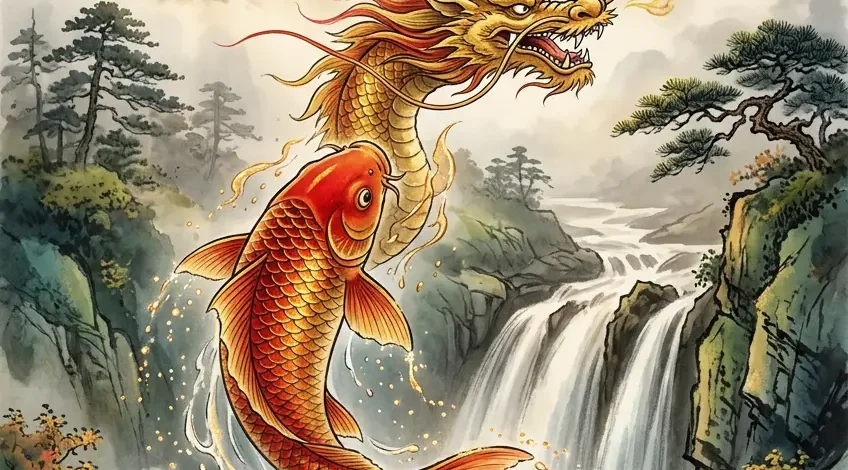
Nearly every koi meaning traces back to one story: the legend of the Dragon Gate. In this ancient Chinese tale, a school of carp swims up the Yellow River against the current. Most turn back. A few reach a waterfall called the Dragon Gate, leap over it, and transform into a dragon, the highest symbol of power in Chinese culture.
The Journey Upstream the Yellow River
The journey itself is the point of the legend. The carp face a long climb against the current of the Yellow River, and the distance stands for the obstacles anyone meets on the way to a goal. Ornamental koi are far more recent than the story. Systematic breeding began in the 1820s in the Ojiya and Yamakoshi areas of Niigata Prefecture in Japan, where farmers noticed color mutations in their food carp and started selecting for them.
What the Transformation Symbolizes
The carp that clears the Dragon Gate becomes a dragon, and that change represents a complete transformation earned through effort. It is why koi are linked to breakthroughs, graduations, and hard-won achievement. A koi swimming upward usually signals a struggle still in progress. A koi shown past the gate signals a goal already reached. Artists use this difference on purpose, so the same fish can read as ongoing effort or final triumph depending on how it is drawn.
What Each Koi Color Means
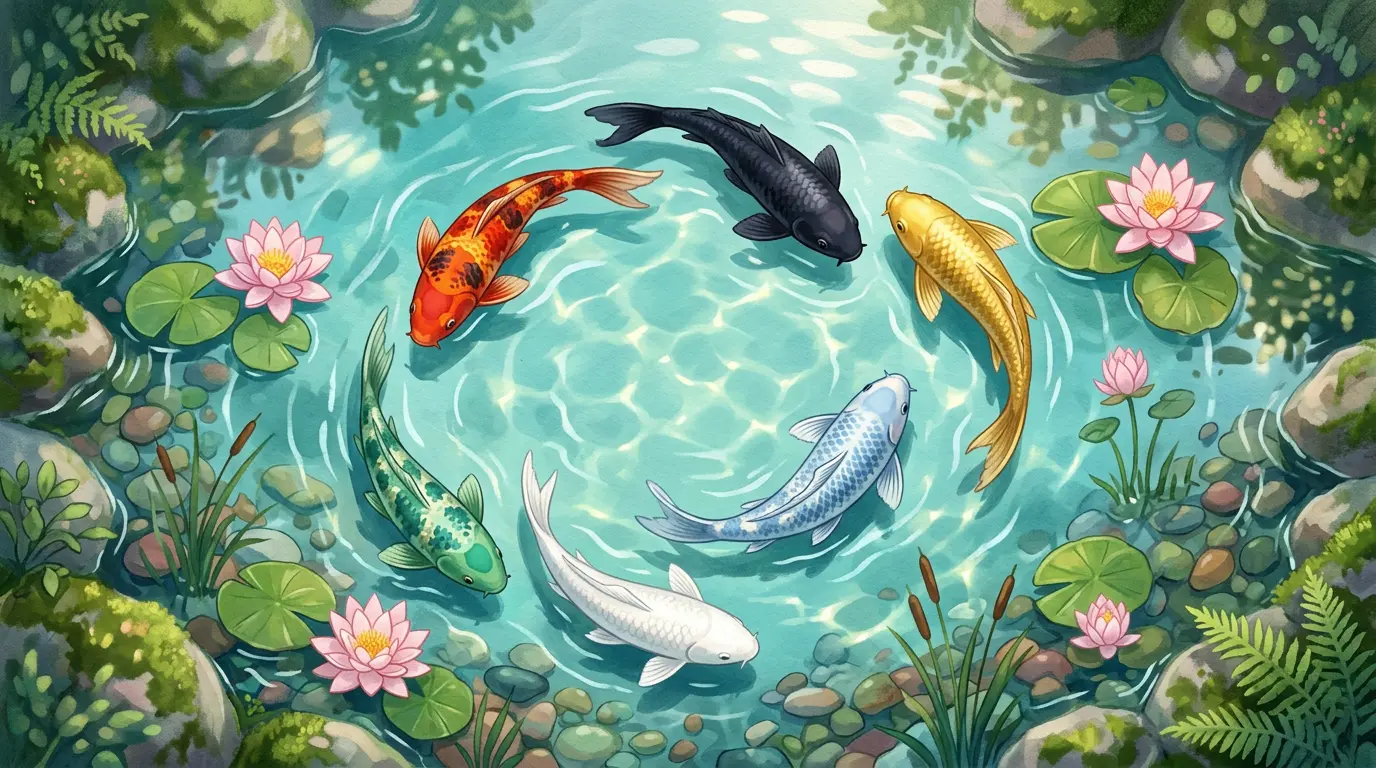
Each koi color carries its own meaning, from red for love and energy to gold for wealth and black for overcoming hardship. Color is the fastest way to read a koi’s symbolism. It is also where feng shui adds a second layer, because each color maps to one of the five elements.
| Koi Color | Traditional Meaning | Five-Element (Wu Xing) Link |
|---|---|---|
| Red (Hi) | Love, energy, strength, family | Fire |
| Black (Karasu) | Overcoming obstacles, resilience | Water |
| Gold / Yellow | Wealth, prosperity, fortune | Metal / Earth |
| Blue (Asagi) | Peace, calm, masculine energy | Water |
| White | Purity, career success | Metal |
| Green (Midori) | Growth, renewal, good health | Wood |
Red, Black, and Gold Koi Meanings
Red, black, and gold are the three colors people ask about most. A red koi stands for love, energy, and strong family bonds, and in some family traditions it represents the mother. A black koi represents endurance and coming through adversity, which is why it is tied to major life changes. A gold or yellow koi points to wealth and prosperity, and it is a common choice for business owners.
The most prized varieties belong to a group called Gosanke, the “big three,” made up of Kohaku, Taisho Sanke, and Showa. These red-and-white patterned koi form the foundation of competitive koi breeding worldwide.
Blue, White, and the Five Elements Connection
Blue, white, and green koi connect naturally to the five elements of feng shui. A blue koi suggests calm and, in some traditions, a son or masculine energy. A white koi signals purity, and paired with red it points to career success. In feng shui each color also carries an element: black and blue belong to Water, red to Fire, gold and white to Metal, and green to Wood. If you want the full framework, our guide to the five elements in feng shui explains how the colors, directions, and cycles fit together.
Koi Fish Meaning Across Cultures
Koi carry different shades of meaning in Japanese, Chinese, and Buddhist traditions, though the themes of luck and perseverance run through all of them. Reading the fish in its cultural context tells you why it appears where it does.
In Japanese and Chinese Culture
In Japan, koi are tied to courage, determination, and family. Every year on Children’s Day, a national holiday on May 5, families fly carp-shaped streamers called koinobori to wish strength and success for their children. The custom draws directly on the Dragon Gate legend. In China, koi are symbols of wealth, abundance, and marital harmony. A pair of koi often represents a happy relationship, and two koi circling each other, one light and one dark, echo the yin and yang balance of opposite forces that complete each other. This pairing is one reason koi appear so often at weddings and in art about partnership.
In Buddhism and Feng Shui
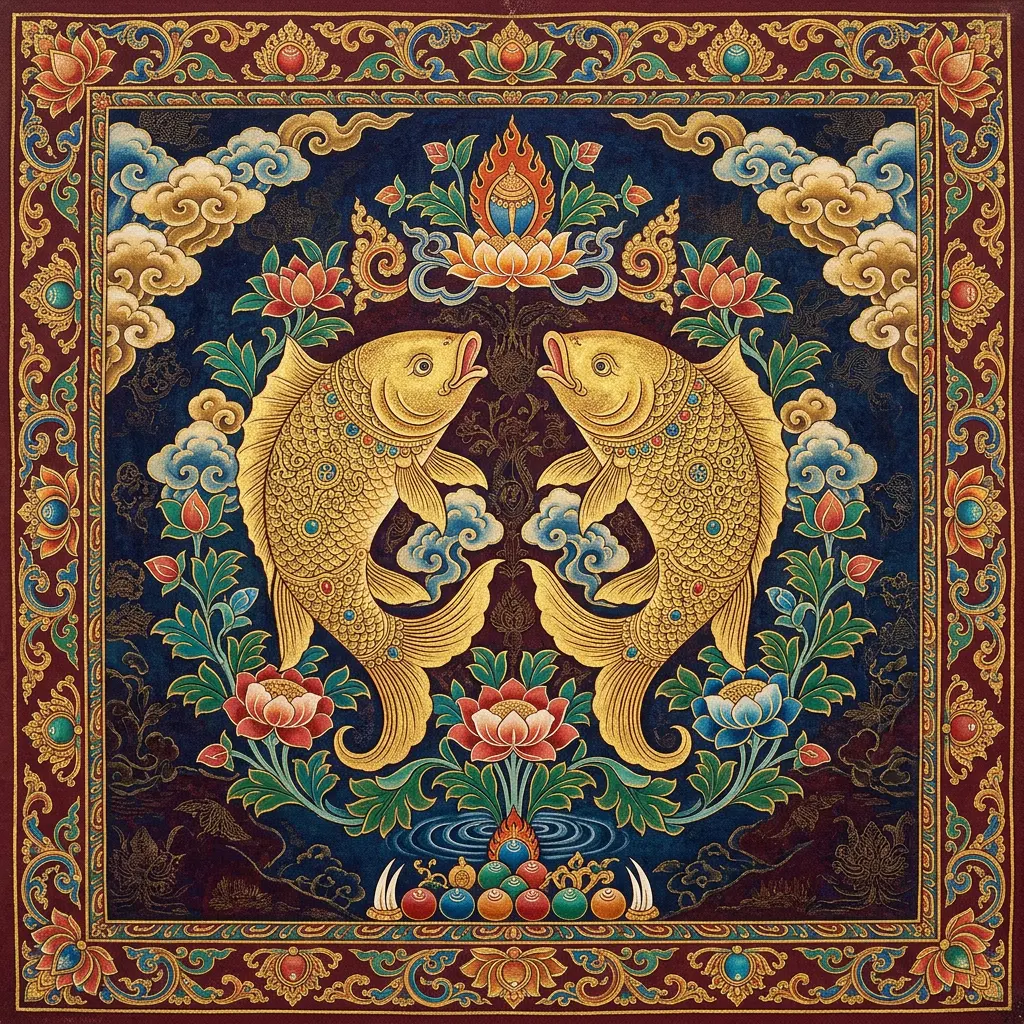
In Buddhism, the fish takes on a spiritual meaning that most koi guides skip. A pair of golden fish is one of the Eight Auspicious Symbols (Ashtamangala) of Tibetan Buddhism. The two fish represent freedom, fearlessness, and liberation from suffering, because fish move through water without fear of drowning. You will see this pair in scroll paintings and on temple decoration. Our collection of Tibetan thangka paintings shows how the golden fish appears alongside other sacred symbols.
In our own workshop conversations at Potala Store, we have noticed that most people meet koi through tattoos and garden ponds, but have never seen the golden fish of the altar. The two are close relatives in meaning. Both point to freedom, abundance, and moving through life without fear. In feng shui, koi carry that same wealth and abundance energy into the home, and where you place them changes how strongly that energy is felt.
Koi Symbolism in Tattoos, Home Decor, and Gifts
In tattoos, art, and gifts, koi symbolism shifts with the fish’s direction, color, and number. This is where the meaning becomes practical, and where small choices change the message you send.
Tattoo Direction and Number Meanings
Direction is the key detail in a koi tattoo. A koi swimming upstream represents a struggle you are still fighting, along with the determination to win it. A koi swimming downstream represents an obstacle you have already overcome. Color follows the same meanings as living koi, so many people choose a black koi to mark surviving a hard period, or a red koi for love and family.
Placing Koi at Home and Giving Koi as Gifts
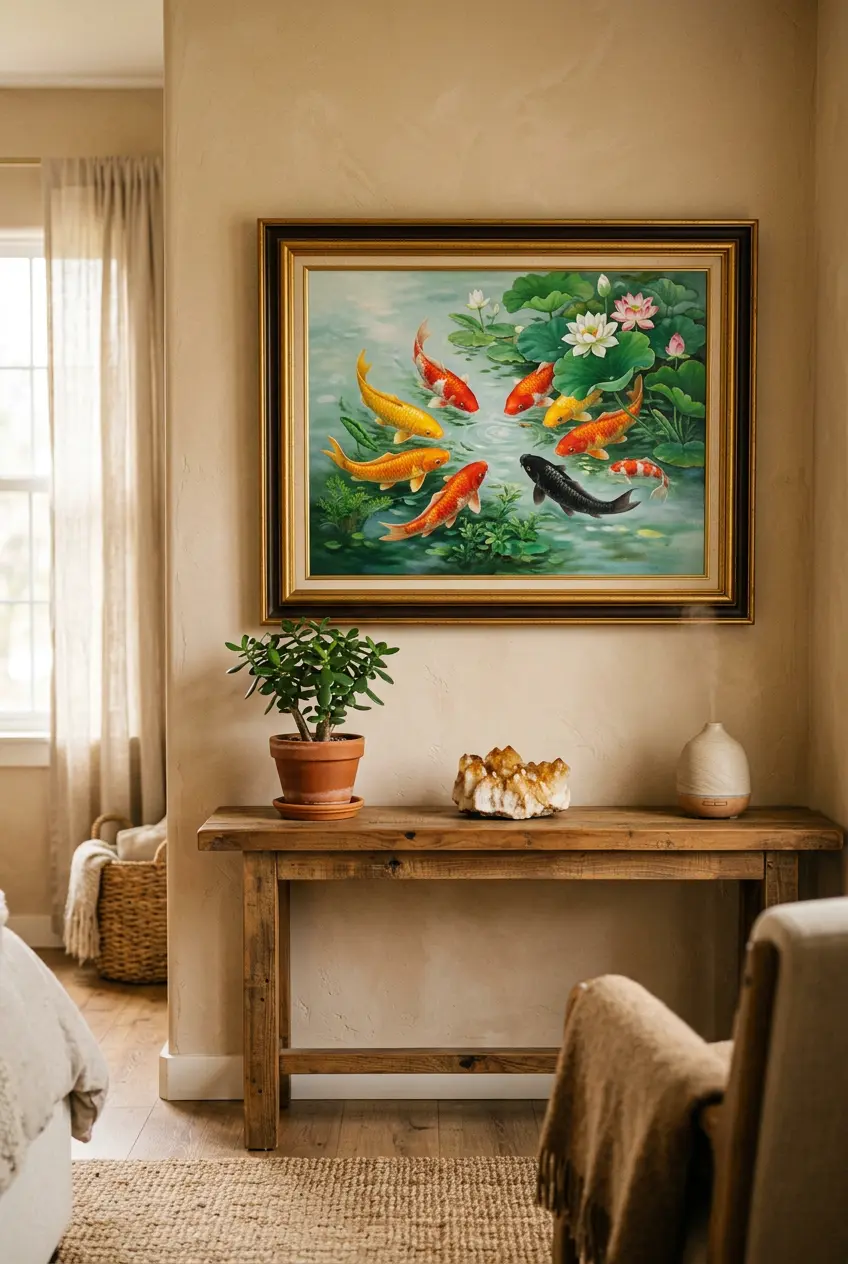
Number is the detail that matters most when you place koi at home. In feng shui, a group of nine koi, made up of eight red or gold fish and one black fish, is believed to attract lasting prosperity. The eight bright fish carry wealth energy, and the single black fish is said to absorb misfortune. Traditionally you place koi art in the southeast wealth corner of a room, the Xun position on the bagua map. Our guide to the feng shui money corner covers what else belongs in that space.
Koi also make thoughtful gifts, and the right color fits the occasion. You do not want to send the wrong message, so the table below matches common moments to a fitting koi.
| Occasion | Best Koi Color | Why It Fits |
|---|---|---|
| Graduation or new job | Red-and-white (Kohaku) | Success earned through effort |
| Starting a business | Gold or yellow | Wealth and prosperity |
| Recovery or a fresh start | Black | Resilience through hardship |
| Wedding or anniversary | A pair of koi | Love and lasting harmony |
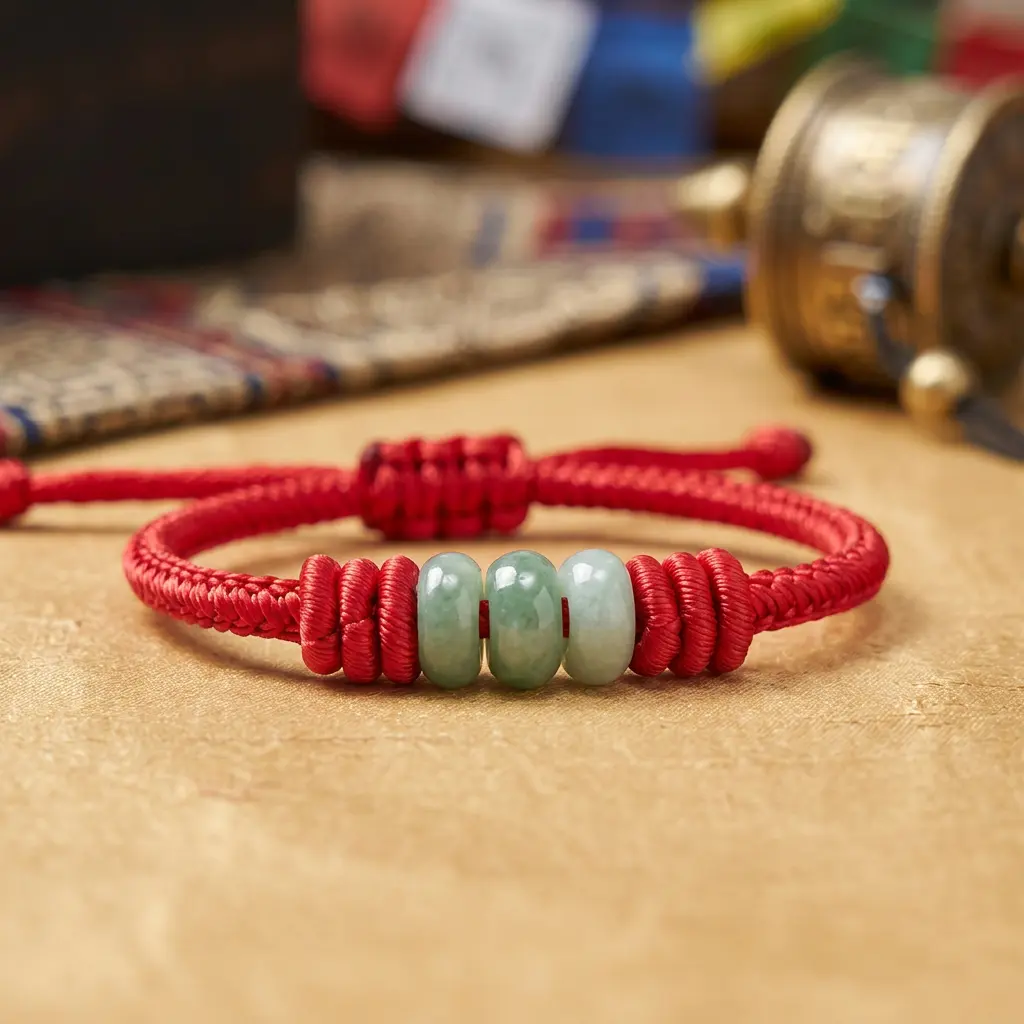
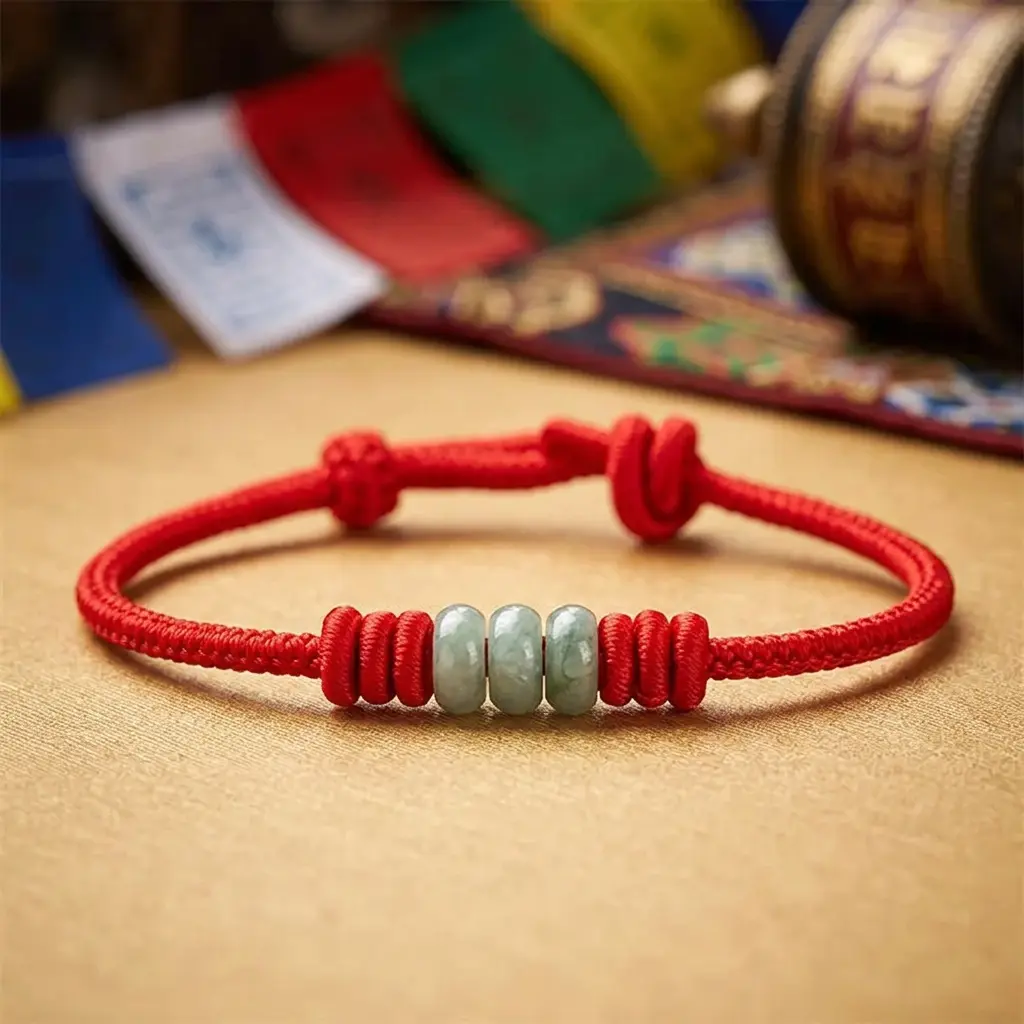
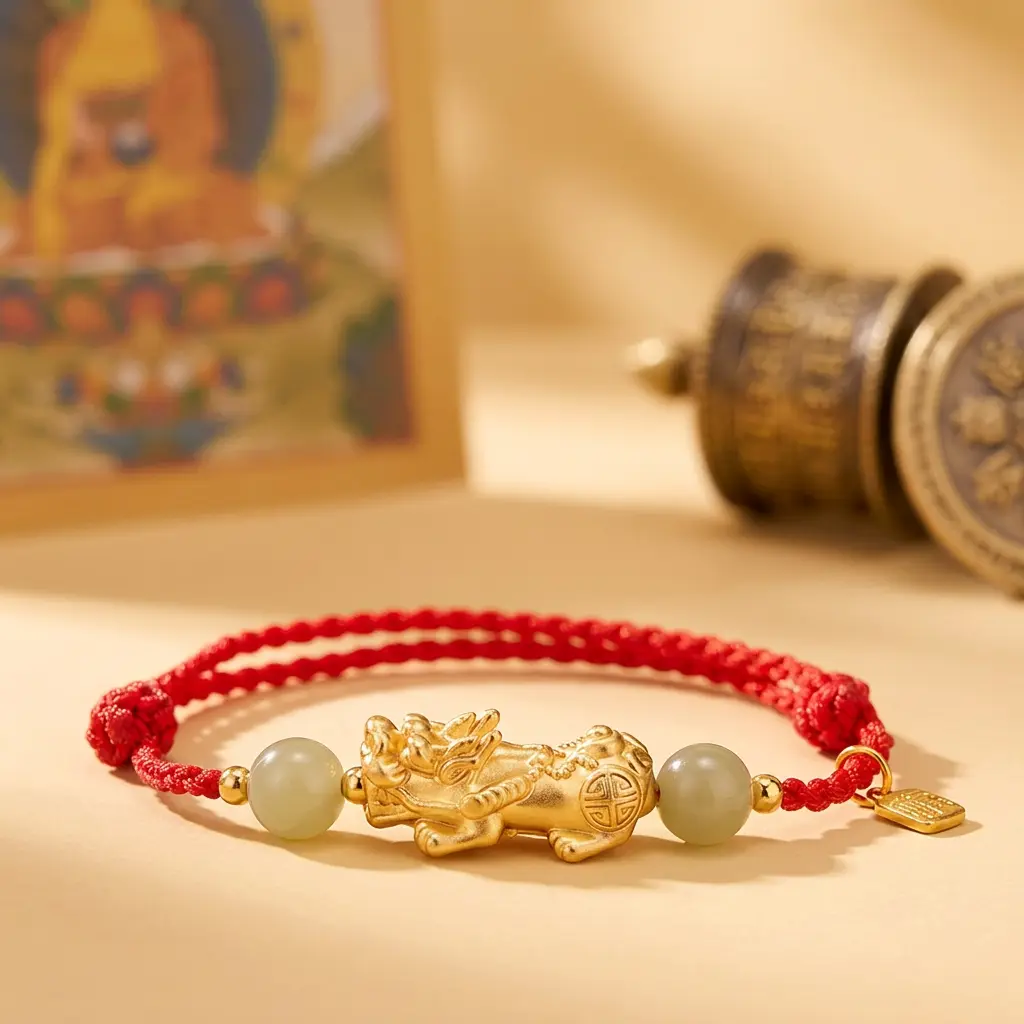
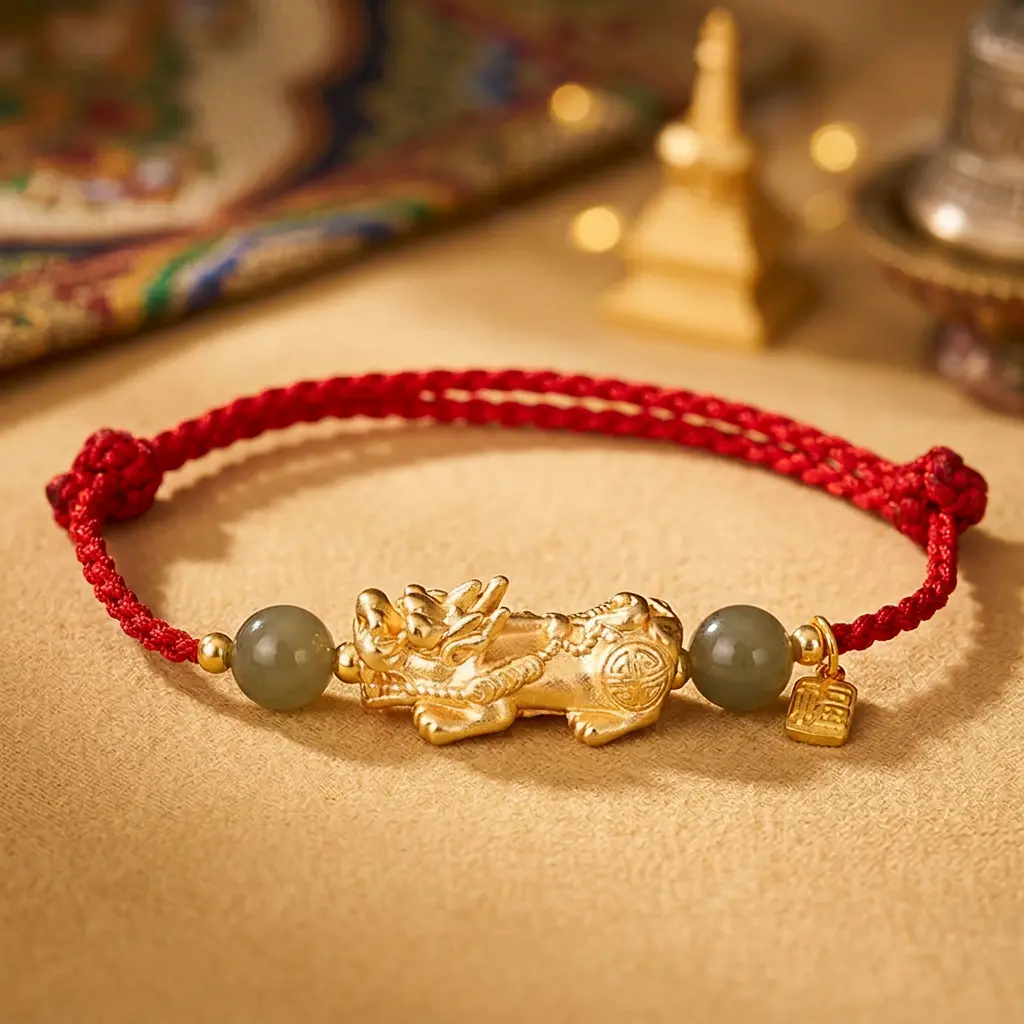
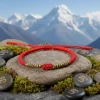
For a gift that carries the meaning every day, the Koi Fish Luck hand-woven bracelet pairs a hand-painted koi charm with a traditional adjustable cord. It brings the fish’s message of perseverance and fortune into something you can wear rather than hang on a wall.
Frequently Asked Questions About Koi Fish Meaning
A koi fish symbolizes perseverance, good fortune, and transformation. The meaning comes from the legend of a carp that swam upstream and became a dragon. Its color and swimming direction adjust the exact message.
Nine koi, eight red or gold plus one black, represent lasting prosperity in feng shui. The eight bright fish are believed to draw wealth, and the black fish is said to absorb negative energy. Many people place a nine-koi image in the southeast wealth corner.
Red and gold koi are considered the luckiest colors. Red stands for love and energy, while gold stands for wealth and prosperity. Both are popular choices for gifts and home décor.
A koi swimming upstream represents a struggle you are still facing and the determination to overcome it. A koi swimming downstream represents a challenge you have already beaten. The direction is a common choice point in koi tattoos.
Are koi fish Japanese or Chinese?
Both cultures shaped the koi. The carp and the Dragon Gate legend come from ancient China, while the colorful ornamental koi we know today were bred in Japan starting in the 1820s. The symbolism you see today blends both traditions.
A note on meaning: The luck, wealth, and energy associations described here come from cultural and feng shui tradition, not scientific evidence. This guide is for educational and decorative purposes and is not financial, medical, or psychological advice.
Wear the Meaning
However you read them, koi carry a hopeful message: keep going, and the climb pays off.Shop the Koi Fish Bracelet
📚 References
- Koi Origin and Varieties: Overview of ornamental carp history, including breeding that began in Niigata, Japan, in the early 19th century, and the recognized koi varieties. Wikipedia: Koi
- Koi as a Species: Biology, care, and general facts about koi from a leading zoological institution. Smithsonian’s National Zoo & Conservation Biology Institute
- The Eight Auspicious Symbols: Explanation of the golden fish and the other symbols in Tibetan Buddhist tradition, including their meanings of freedom and abundance. Encyclopedia of Buddhism
- Five Elements (Wu Xing): Overview of the Wood, Fire, Earth, Metal, and Water system central to Chinese cosmology and feng shui, including its cycles. Wikipedia: Wuxing (Chinese philosophy)