
How to Celebrate Losar 2027 at Home: A Step-by-Step Guide to the Tibetan New Year
 by Yang Tso
0 comments
by Yang Tso
0 comments
Want to welcome the Year of the Fire Sheep at home but not sure where to start? You need one clean shelf, seven small bowls, a handful of roasted barley flour, and about 90 minutes.
Losar is the Tibetan New Year, a 15-day Tibetan Buddhist festival of purification, prayer, and family that opens the first month of the Tibetan lunar calendar. In 2027, it begins on Sunday, 02/07/2027, one day after Lunar New Year.
We wrote this guide at PotalaStore, our shop for Tibetan spiritual home goods, using Central Tibetan Administration, Tibetan Nuns Project, and Smithsonian sources. Where dates or customs differ, we say so plainly. Below you will find a verified date, a 7-step altar, festival food, prayer flags for Day 3, and a short meditation sit for Day 1.
Losar 2027 at a glance
- Starts: Sunday, 02/07/2027
- Tibetan year: Female Fire Sheep, year 2154
- Main days: 02/07/2027 to 02/09/2027
- Festival length: 15 days, ending around 02/21/2027
- Order supplies by: 01/17/2027
Table of Contents
When Is Losar 2027? Date, Fire Sheep Year, and U.S. Time Zones
Losar 2027 begins on Sunday, February 7, 2027, opening the Tibetan Year of the Female Fire Sheep (2154). The festival traditionally runs 15 days, but the first three days, February 7 to 9, are the heart of the celebration at home.
The Tibetan Nuns Project lists this date using the Men-Tsee-Khang calendar. Several holiday calendars agree.
Time zones can shift the day. Losar starts in Asia, so some U.S. communities may mark it a day earlier. Check your local Tibetan association or dharma center announcement before you plan Sunday morning.
If your family also celebrates Lunar New Year, you get back-to-back mornings of new beginnings.
Tibetan Losar vs. Sonam Lhosar vs. Bhutan’s Losar
Tibetan Losar, Sonam Lhosar, and Bhutan’s Losar all fall on or near 02/07/2027, but each tradition follows its own calendar and customs.
| Celebration | 2027 date | Notes |
|---|---|---|
| Tibetan Losar (Gyalpo Losar) | Sunday, 02/07/2027 | Opens Fire Sheep year 2154. This guide follows this tradition. |
| Sonam Lhosar (Tamang communities, Nepal) | 02/07/2027 | Listed by holiday calendars. Confirm with your community. |
| Bhutan’s Losar (Dawa Dangpa Losar) | 02/07/2027 to 02/08/2027 | Listed as public holidays by holiday calendars. Official dates may be updated. |
| Gyalpo Lhosar (Sherpa communities, Nepal) | Varies | Sources disagree, and some list early March 2027. Confirm locally. |
Is Losar the Same as Chinese New Year?
No. Losar is the Tibetan New Year, and its customs are distinct from Chinese New Year, even when the two dates land close together. In 2027, Chinese New Year falls on Saturday, 02/06/2027, exactly one day before Losar.
The two festivals follow separate calendars and separate traditions. Losar centers on altar offerings, guthuk soup, and prayer flags, not red envelopes or dragon dances.
How Do You Prepare Your Home Before the Tibetan New Year?
Preparing your home for the Tibetan New Year happens in two moves: clear out the old year on the 29th day, then finish decorating your altar on the 30th. In 2027, plan your deep clean for Friday and Saturday, 02/05 and 02/06/2027.
| When | Task | Planning estimate |
|---|---|---|
| By Sunday, 01/17/2027 | Order altar items and prayer flags | 15 minutes |
| Monday, 02/01/2027 | Buy tsampa, wheat or barley grains, flour, butter, and rice | 45 minutes |
| Friday, 02/05/2027 (29th day, approximate) | Deep clean the home and cook guthuk | 2 to 3 hours |
| Saturday, 02/06/2027 | Build the altar (7 steps below) | 90 minutes |
| Sunday, 02/07/2027 | Losar morning: offerings, changkol, greetings | 30 minutes |
These dates are planning guides, and the 29th day can shift by a day. Our gift guide lists 7 to 14 business days for delivery, so ordering by 01/17/2027 covers the longest window.
Deep Clean on the 29th Day (Around 02/05/2027)
Deep clean your home on Nyi-shu-gu, the 29th day of the 12th month, which falls around Friday, 02/05/2027. The Smithsonian describes Tibetan families cleaning from top to bottom, preparing new clothes, and cooking butter or tsampa offerings for the family altar.
In an apartment, that means wiping shelves, washing the altar cloth, dusting frames, and setting aside one new outfit for Sunday. Finish the sweeping before Losar morning, because many families pause the broom afterward. The 30th day, called Nam-gang, is when many families finish decorating the altar.
Your first cleaning day will not be perfect, and that is fine. Aim for a tidy shelf and a fresh cloth, not a spotless home.
What Happens the Night Before Losar? Guthuk and the Lue Ritual

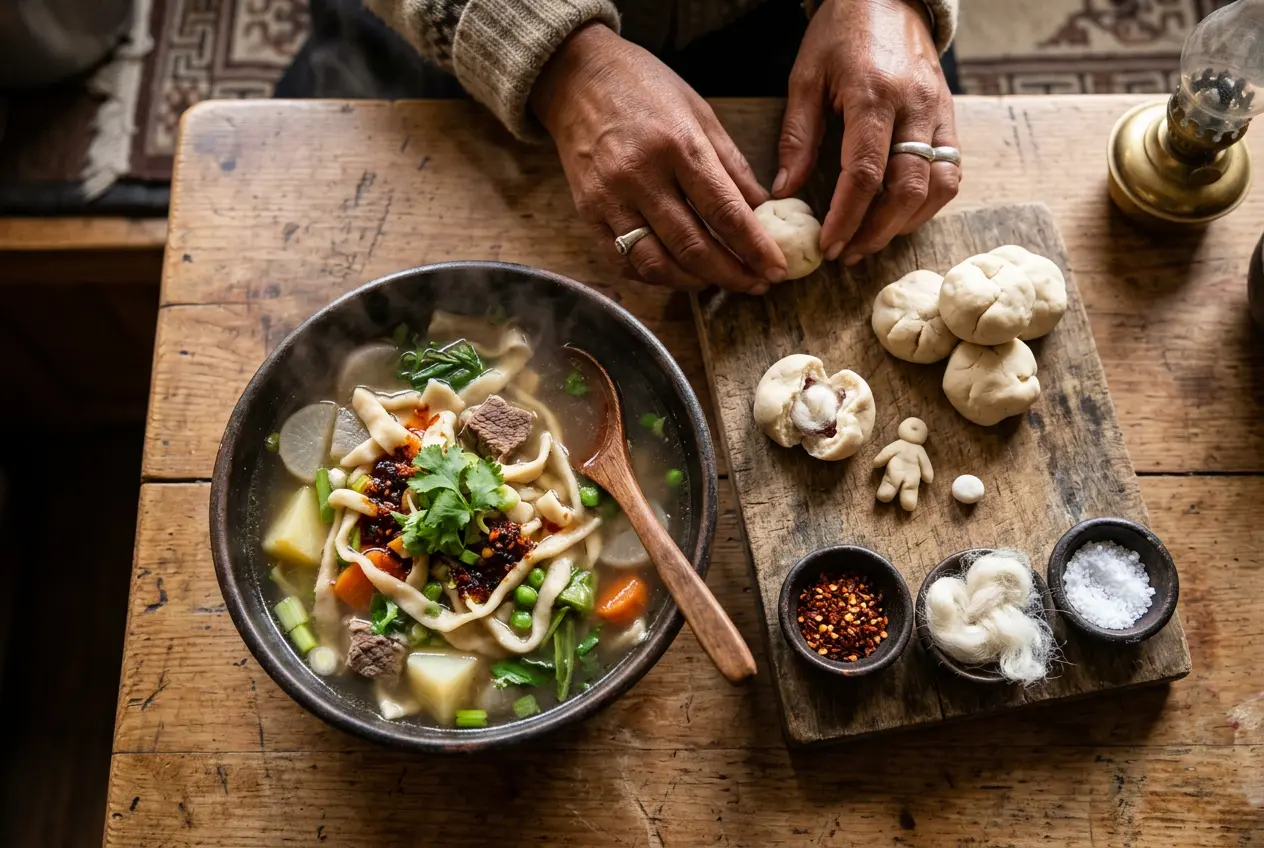
The main event before Losar is guthuk, a nine-ingredient noodle soup eaten on Nyi-shu-gu, the 29th day, about two days before the new year begins. The Rubin Museum describes guthuk as a soup meant to drive out the negativity of the past year.
Cooks hide filled dough balls in the soup. Each filling is said to tease your character, such as chili for a sharp tongue or wool for a soft heart.
Families also shape a small dough figure called a lue and set it outside the door. It symbolizes sending the old year’s obstacles away. Whoever finds the chili gets the first laugh. A vegetable broth keeps the soup vegetarian.
How to Set Up a Losar Altar at Home (7 Steps, About 90 Minutes)
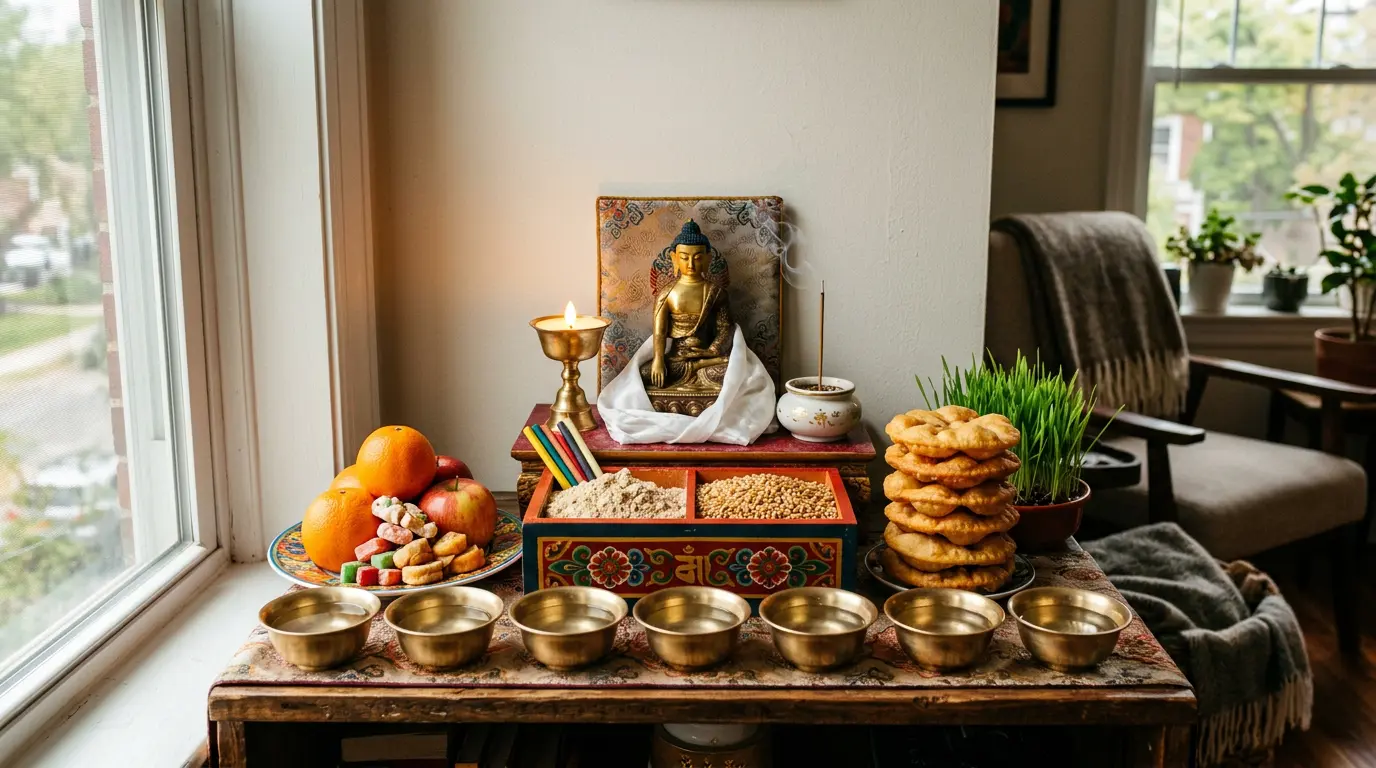
To set up a Losar altar at home, clean your shrine on the 29th day, then add seven water bowls, a chemar box of tsampa and wheat, a stack of khapse, wheat sprouts, fruit, a khata, incense, and light. The full setup takes about 90 minutes.
- Clean the shelf (15 min): Wipe the altar surface and remove old offerings.
- Lay a fresh cloth and place your main image (5 min): Set any statue or picture at or above seated eye level, never on the floor.
- Fill seven water bowls (5 min): Pour fresh water into each bowl, working left to right.
- Build the chemar bo (15 min): Fill one side of the box with tsampa and the other with wheat or barley grains.
- Stack the khapse into a derkha (20 min): Build the tower in even layers, as explained below.
- Add wheat sprouts, fruit, sweets, and a khata (10 min): Place the green shoots and food offerings around the main image.
- Light incense and a lamp, then pray (20 min): Sit quietly and recite an aspiration prayer for the year.
Treat the 90-minute total as a planning estimate. Your first setup may take longer, and that is normal. A chod-shom is the offering altar itself, so any clean, raised surface can serve as one.
| Item | What it is | Apartment-friendly option |
|---|---|---|
| Water bowls (yon-chab) | Small bowls of fresh water offered on the altar | Seven matching small cups or bowls |
| Chemar bo (droso-chemar) | Two-part box of tsampa and wheat grains | A small box with two compartments, or two small bowls |
| Derkha | Tower of fried khapse stacked on the altar | Homemade khapse in a smaller stack |
| Wheat sprouts (lo-phue) | Fresh green shoots grown before Losar | Wheat grass from a grocery or garden store |
| Butter lamp | Light offering on the altar | LED or rechargeable electronic butter lamp |
| Incense | Fragrance offering | Incense in a heat-safe burner |
Pro tip: If you need a cloth, bowls, or a small statue, browse our Tibetan Buddhist prayer altar items for altar basics to build around.
The Chemar Bo and Derkha: Grain Box and Khapse Tower
The chemar bo is a two-part box of tsampa and wheat grains, and the derkha is a tower of fried khapse stacked in even layers. When guests visit on Losar morning, they take a pinch of tsampa, toss it three times, taste it, and say Losar Tashi Delek, a wish for an auspicious new year.
The derkha is where a Tibetan altar shows its craft. According to the Central Tibetan Administration, the largest piece, the bongbu-achok, is about one foot (30 cm) long and five inches (13 cm) wide. Smaller khapse sit above it in layers, and families stack an even number of layers, such as 8, 10, or 12.
Most apartment shelves cannot hold a full-size tower. We suggest a smaller stack with an even number of layers, such as 4 or 6. This is our adaptation, not a ritual rule, so ask an elder in your community if you want the traditional proportions. A common first-timer mistake is stacking an odd number of layers.
Seven Water Bowls, Light, and Incense: Apartment-Safe Versions
Many Tibetan households set seven water offering bowls (yon-chab) on the altar, and you can keep the light and incense apartment-safe with an LED butter lamp and a heat-safe burner. Fill each bowl with fresh water on the morning of the setup, left to right.
Keep any open flame at least 12 inches from curtains, paper, and anything else that burns. A heat-safe burner keeps ash and embers contained, so you can finish step 7 without watching the clock. For scent, see our Tibetan incense and burners collection.
For statue placement and respectful handling, read our Buddha statue placement and cultural respect FAQ.
Why a Sheep’s Head Belongs on Your 2027 Altar
The lug-go, a sheep’s head modeled from dough or butter, belongs on a 2027 altar because it welcomes the Year of the Fire Sheep. Many accounts of Losar note that the Tibetan word for a sheep’s head sounds like the word for the beginning of the year.
You do not need a real sheep’s head. Like a torma, the flour-and-butter ritual offering the Rubin Museum describes, a lug-go can be modeled from dough or butter and set beside the khapse tower.
What Do Tibetans Eat for the New Year? Khapse, Changkol, and Dresil
Tibetan New Year food centers on khapse, deep-fried pastries stacked on the altar and shared with guests, plus changkol on the first morning and dresil, a sweet butter rice.
- Khapse: Deep-fried dough pastries in shapes such as nyapsha, twisted strips. Fry at about 350°F until golden.
- Changkol: A warm barley-based drink traditionally served on the first morning.
- Dresil: Sweet rice made with butter, sugar, saffron water, and raisins.
How to Make Khapse Without a Deep Fryer
You can fry khapse in a heavy Dutch oven with 2 to 3 inches of oil heated to about 350°F. Use a thermometer, because cooler oil makes greasy pastry.
Roll the dough, cut it into strips, twist them, and fry in small batches. Let the khapse cool completely before you stack them, or the layers will slide. Shape them together as a family. Kids love twisting nyapsha strips, and uneven ones still go on the altar.
Changkol and Dresil for Losar Morning
Serve changkol and dresil first thing on Losar morning, after you make offerings at the altar. Cook the rice, then stir in butter, sugar, saffron water, and raisins for dresil.
Chang is a barley drink that can contain alcohol. Offer a non-alcoholic option, such as warm barley tea or sweet tea, to kids and guests who do not drink.
What to Do on the First Three Days of the Festival
The first three days each have a focus: Day 1 (Lama Losar) is for immediate family and teachers, Day 2 (Gyalpo Losar) is for visits and public celebration, and Day 3 (Chokyong Losar) is when many families raise new prayer flags.
| Day | Name | Focus | Home activity |
|---|---|---|---|
| Day 1, 02/07/2027 | Lama Losar | Family and teachers | Altar offerings, new clothes, changkol, dresil, short sit |
| Day 2, 02/08/2027 | Gyalpo Losar | Visits and community | Visit friends, join a community event |
| Day 3, 02/09/2027 | Chokyong Losar | New prayer flags | Take down old flags, hang new ones |
Day 1 (Lama Losar): Offerings, New Clothes, and “Losar Tashi Delek”
On Day 1, rise early, put on new clothes, and make offerings at your altar before breakfast. Greet your family with “Losar Tashi Delek,” then share changkol and dresil.
Many practitioners close the morning with a short sit, a prayer to Chenrezig or Tara, and an aspiration prayer for the year. A 10-minute sit counts. Ring a singing bowl once to open and once to close. A Tibetan singing bowl ($40.95 to $46.95 as of 10/2026) gives even a short sit a clear start and finish.
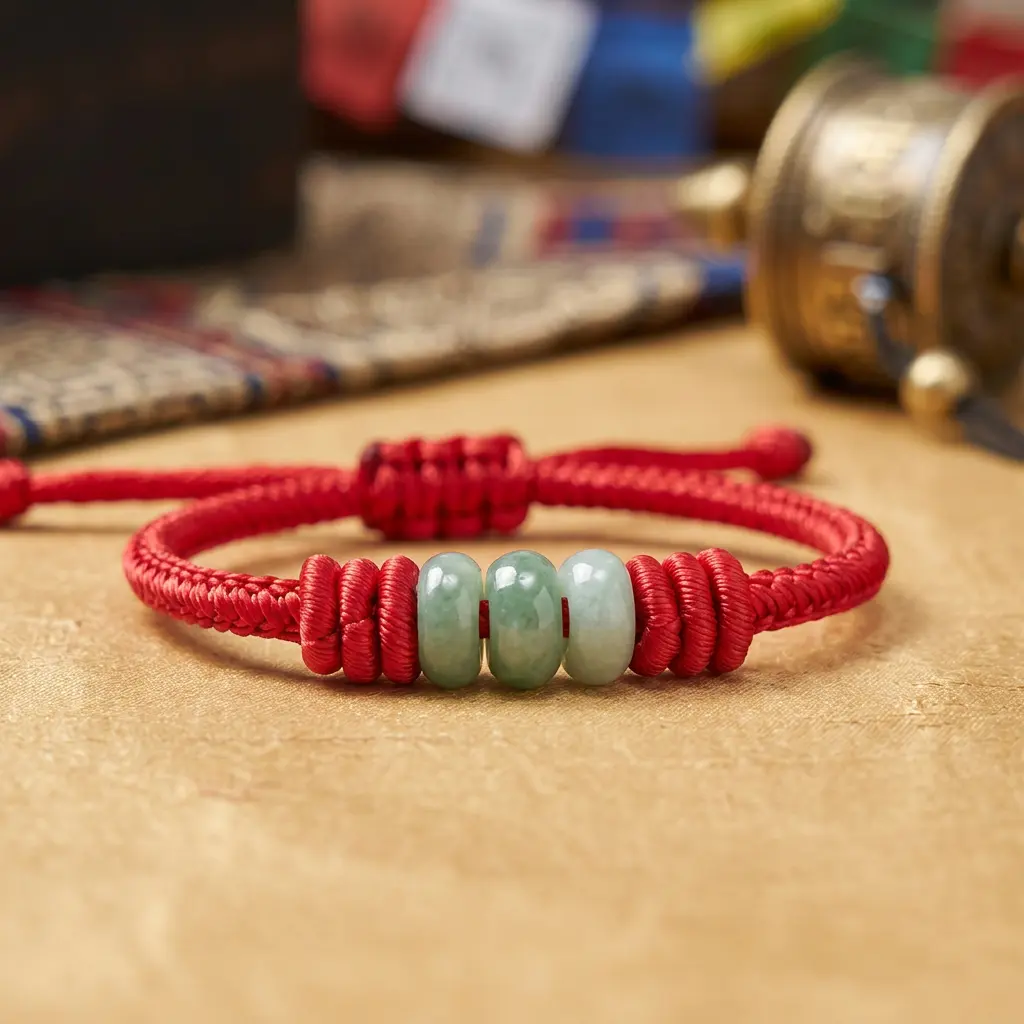
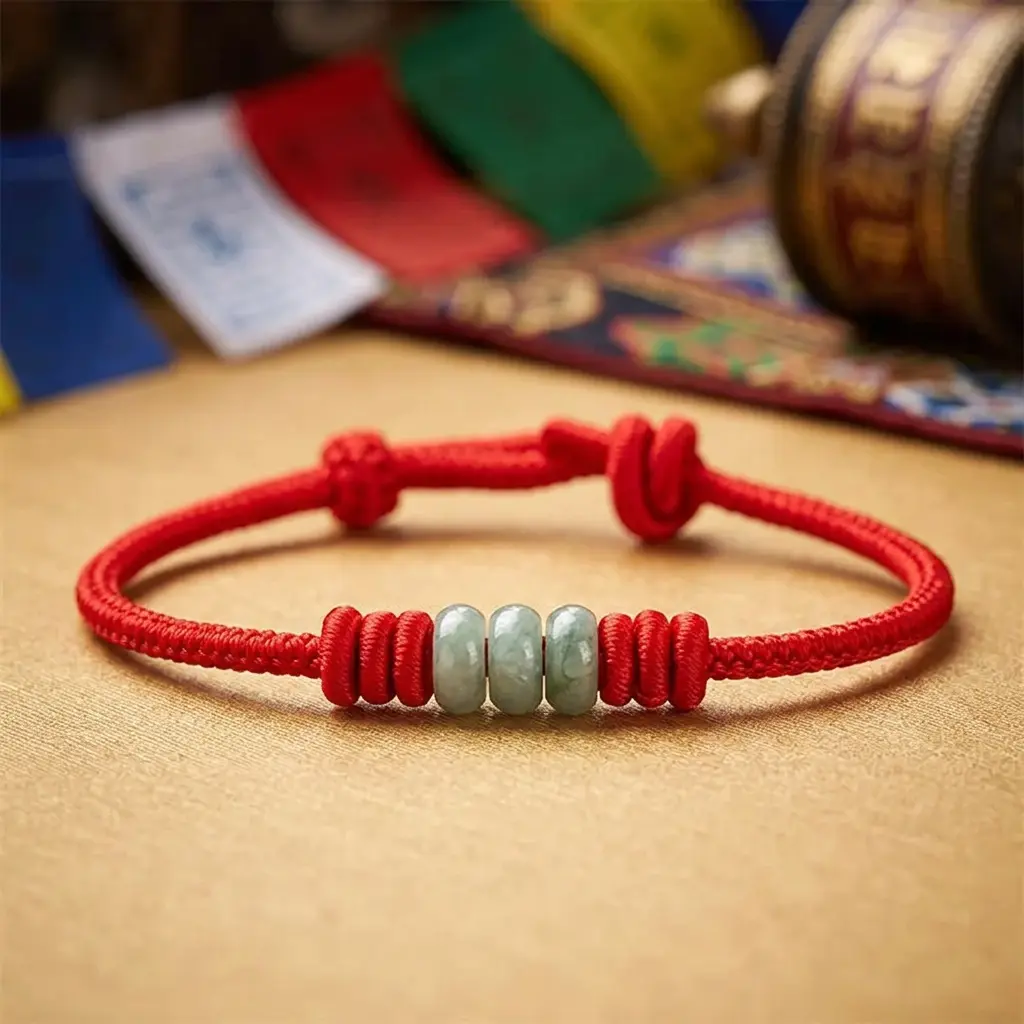
If you have never meditated, our simple Tibetan meditation starter kit for your first Losar sit lists what to gather. For one new item on Day 1, a Tibetan Buddhist knot lucky rope bracelet ($28.95 to $58.95 as of 10/2026) is traditionally worn and believed to offer protection.
Day 2 (Gyalpo Losar) and Day 3 (Chokyong Losar): Visits and New Prayer Flags
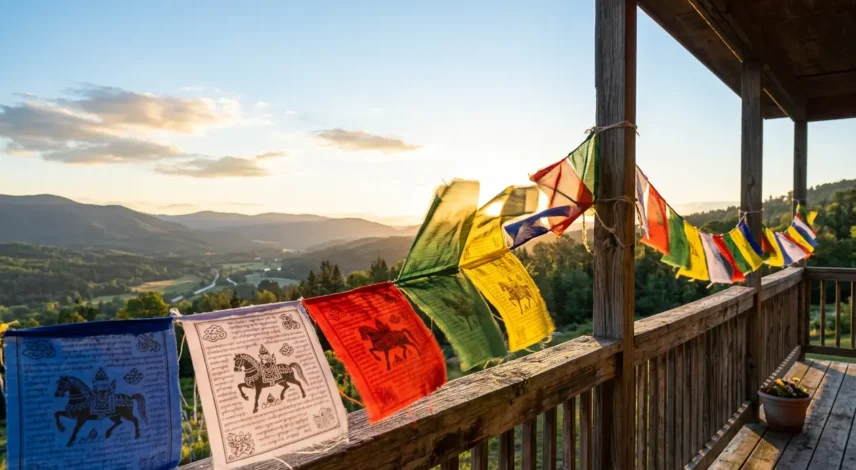
Day 2 is for visiting friends and relatives, and Day 3 is when many families take down old prayer flags and hang new ones. On Chokyong Losar, hang the new prayer flags in the five-color order of blue, white, red, green, and yellow, left to right.
The Tibetan Nuns Project explains that Tibetans hang prayer flags at mountain passes, temples, and stupas so the prayers can be released. The center image on a windhorse flag is the lungta, a powerful horse surrounded by mantras. To learn each color’s element, read what the five colors of Tibetan prayer flags mean.
Check your lease and building rules before you tie anything to a balcony or porch.
For Day 3: Shop five-color windhorse prayer flags for Chokyong Losar. Our 20-piece outdoor set is $30.95 as of 10/2026, enough for a full line in the traditional color order.
Common Mistakes and Etiquette for First-Time Celebrants
Most Losar mistakes come from treating it like another holiday. Skip momos on Day 1, do not sweep in the first days, and do not call it Chinese New Year; small choices show real respect.
- Eating momos on Day 1: Some families avoid momos that day because the closed shape is considered inauspicious.
- Sweeping in the first days: Finish cleaning on the 29th day, then pause the broom for the first few days of Losar.
- Calling it Chinese New Year: The festivals are separate, even when the dates are one day apart.
- Handing over a khata or gift with one hand: Use both hands. Our Losar gift guide 2027 with khata and mala etiquette covers what to bring to a Tibetan host.
- Tossing old prayer flags in the trash: Many families treat old flags with respect rather than discarding them. Ask your community how they retire them.
- Spending money on Day 1: Some families avoid spending money on the first day, as reported by news coverage of Losar customs.
Do’s and Don’ts for Non-Tibetan Households
Non-Tibetan households can celebrate respectfully by learning what each object means, using Tibetan sources, and asking before improvising. The Tibetan Nuns Project notes that you do not need to be Buddhist to hang prayer flags, as long as you handle them with respect.
| Do | Don’t |
|---|---|
| Learn what each altar object means before you use it | Treat altar objects as simple decor, such as placing a statue on the floor |
| Label your adaptations, such as an LED lamp, as adaptations | Present your changes as Tibetan tradition |
| Ask a local Tibetan association before trying a ritual | Invent a ritual because it looks right |
If you worry about getting something wrong, that care already shows respect.
How to Find a Tibetan Community Losar Event in the U.S.
Start with the calendar of a local Tibetan association, dharma center, or museum with a Himalayan collection, then check again in January.
Hejmo, a Tibetan community organization in Berlin, describes Losar in exile as a way to keep culture alive and build community.
Frequently Asked Questions
Say “Losar Tashi Delek,” which pairs Losar (new year) with Tashi Delek, a wish for auspiciousness and blessings. Offer it with a smile and, if you have one, a white khata held in both hands.
Losar traditionally lasts 15 days, from 02/07/2027 to about 02/21/2027, ending with Chotrul Duchen, the Butter Lamp Festival. Calendars can differ by a day on the final date, and most families focus on the first three days at home.
Yes, with respect. Learn what each object means, follow Tibetan sources, and ask your local Tibetan community when unsure. Cleaning, sharing food, and hanging prayer flags are good places to start.
Start with items you will reuse every year: a set of five-color prayer flags for Day 3 and a few altar basics such as bowls and incense. Order by 01/17/2027 so everything arrives before 02/07/2027.
In summary, celebrating Losar 2027 at home comes down to three moves: clean on 02/05, build the altar on 02/06, and welcome the Tibetan New Year on 02/07. The key takeaway is to start small, follow Tibetan sources, and ask your local community when unsure.
Ready for Losar 2027?
Gather your altar basics at PotalaStore before the first week of February.Browse Prayer Altar Items
Important note: This guide reflects traditional Tibetan Buddhist and cultural practice as described by Tibetan institutions. Customs vary by family, region, and lineage. Statements about spiritual meaning reflect traditional belief, not scientific evidence. When in doubt, ask your local Tibetan community or teacher.
📚 References
- Losar dates, Tibetan year, and calendar basis: Explains the Tibetan calendar and publishes 2027 date information from Men-Tsee-Khang data. Tibetan Nuns Project
- Losar customs, offerings, and the seven-bowl altar: An official introduction to Nyi-shu-gu, Nam-gang, and the three main days of Losar. Central Tibetan Administration
- Home cleaning, new clothes, altar offerings, and festival foods: A museum overview of the 15-day celebration, including dresil, khapsey, and guthuk. Smithsonian National Museum of Asian Art
- Guthuk, torma, prayer flags, and the Butter Lamp Festival: A Himalayan art museum’s summary of Losar traditions and their meanings. Rubin Museum of Himalayan Art