
What Is Chi (Qi) in Feng Shui? Meaning, Types, and How to Improve Your Home’s Energy
 by Yang Tso
0 comments
by Yang Tso
0 comments
Walk into one room and you feel calm and welcome. Walk into another and you want to leave, even though nothing looks wrong. That reaction is your body reading chi, the life-force energy at the center of feng shui. In feng shui, chi (also spelled qi) is the invisible energy that flows through every space and shapes how a room feels. The whole practice works by guiding that energy to move smoothly through your home.
At Potala Store, we source feng shui and spiritual pieces directly from Himalayan monastery artisans, and we have watched plenty of people try to “fix” a room’s energy in the wrong way. This guide stays practical and honest. You will learn what chi means, the five types of energy in a space, how to tell good chi from blocked chi, and simple ways to improve the flow at home. We will also be clear about what tradition claims and what science can and cannot confirm.
Table of Contents
What Does Chi (Qi) Mean in Feng Shui?
In feng shui, chi (also spelled qi) is the invisible life-force energy that flows through every space and living thing, shaping how a room feels and how the people inside it fare. Feng shui, which translates as “wind and water,” works by guiding this energy so it moves smoothly instead of rushing, stalling, or turning harsh. Chi flows through a home much the way wind and water move through a landscape.
Chi, Qi, and Ki: One Life Force, Many Spellings
Chi and qi are two spellings of the same Chinese word (氣), and both are pronounced “chee.” The concept translates loosely as “life force,” “vital energy,” or “breath of life,” though no single English word captures it fully. Ki is the Japanese reading of the same idea, familiar from words like reiki and aikido. The Chinese character itself pictures steam rising from cooking rice, an image of something material turning into invisible energy.
How Chi Relates to Prana, Ki, and Tibetan Lung
Chi is not a Chinese-only idea. Almost every wisdom tradition names the same vital energy. In Indian yoga it is prana, the breath-borne life force. In Japan it is ki, and in Polynesian culture it is mana. In Tibetan Buddhism, the tradition many of our pieces come from, the closest concept is lung (rlung), the subtle inner wind that carries the mind and moves through the body’s channels. Feng shui works with the chi of a space, while lung describes the wind-energy within a person. Seeing these parallels helps you understand chi as a shared human observation rather than a superstition.
The Five Types of Chi Energy in a Space
Feng shui recognizes several kinds of chi, and learning to tell them apart is the first step to improving any space. Here are the ones you will meet most often.
| Type of Chi | Also Known As | How It Feels | Common Source |
|---|---|---|---|
| Sheng chi | Growing, auspicious energy | Fresh, calm, alive | Light, plants, open flow |
| Sha chi | Poison arrows, killing breath | Tense, on edge | Sharp corners aimed at you |
| Si chi | Stagnant, dead energy | Heavy, stuck, low | Clutter, dark unused corners |
| Shar chi | Rushing energy | Restless, unsettled | Straight door-to-door line |
Sheng Chi: Fresh, Auspicious Energy
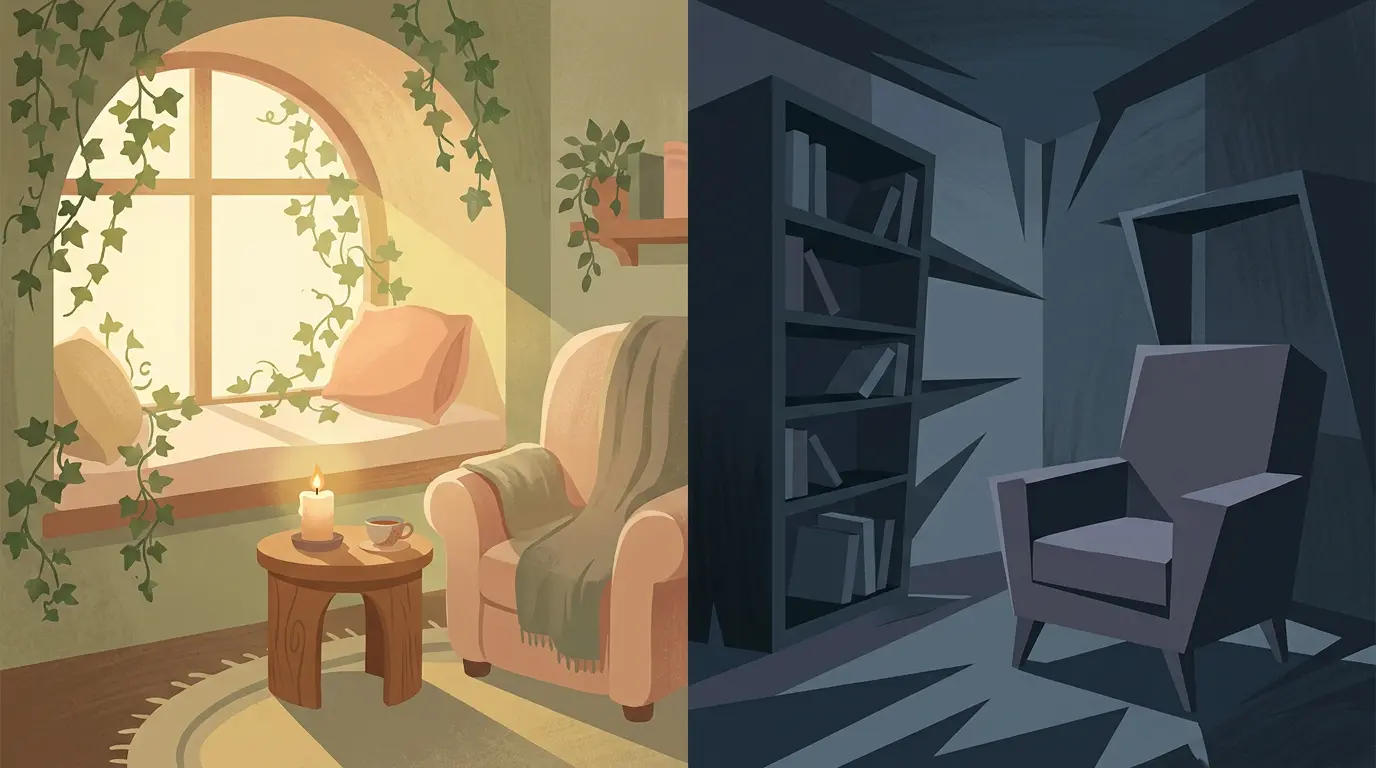
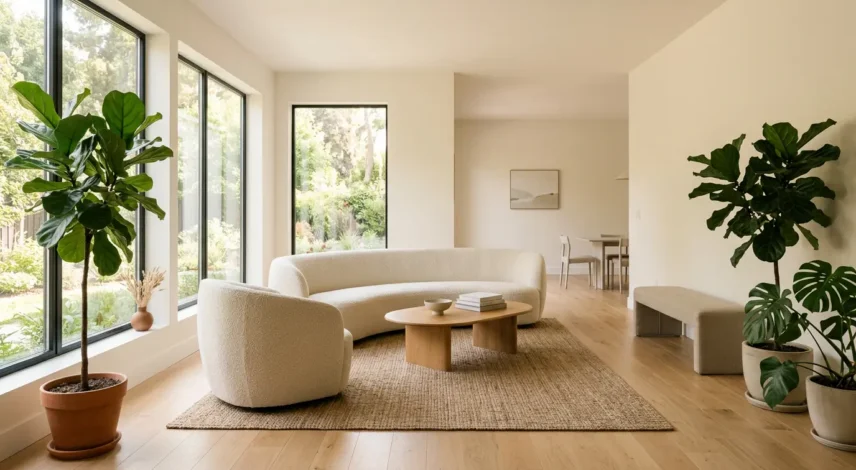
Sheng chi is fresh, nourishing energy, and it is the kind you want to invite in. It moves in gentle, winding paths and makes a space feel alive and welcoming. You recognize sheng chi by how it makes you feel, which is energized yet calm. Bright natural light, healthy plants, and open walkways all generate sheng chi.
Sha Chi: Harsh “Poison Arrow” Energy
Sha chi is harsh, attacking energy, often called poison arrows or “killing breath.” Sha chi forms when sharp corners, exposed beams, or straight edges point directly at where you sit or sleep. It can leave you feeling tense or uneasy without an obvious reason. A bookshelf corner aimed at your bed and a support column pointing at your sofa both create sha chi.
Si Chi and Shar Chi: Stagnant and Rushing Energy
Si chi is stagnant, dead energy that collects in clutter, dark corners, and rooms you never use. It drains vitality and can leave you feeling stuck or low. Shar chi is the opposite problem, energy that rushes through too fast to nourish anything. Shar chi is common when your front door lines up directly with a back door or window, letting chi shoot straight through the home.
How Energy Flows Through Your Home
Chi flows through your home much like water or wind, entering through openings, following open paths, pooling in some areas, and eventually flowing out. When chi flows freely, a room feels fresh and alive. When it gets blocked or rushes past, the space feels off.
The Front Door as the “Mouth of Chi”
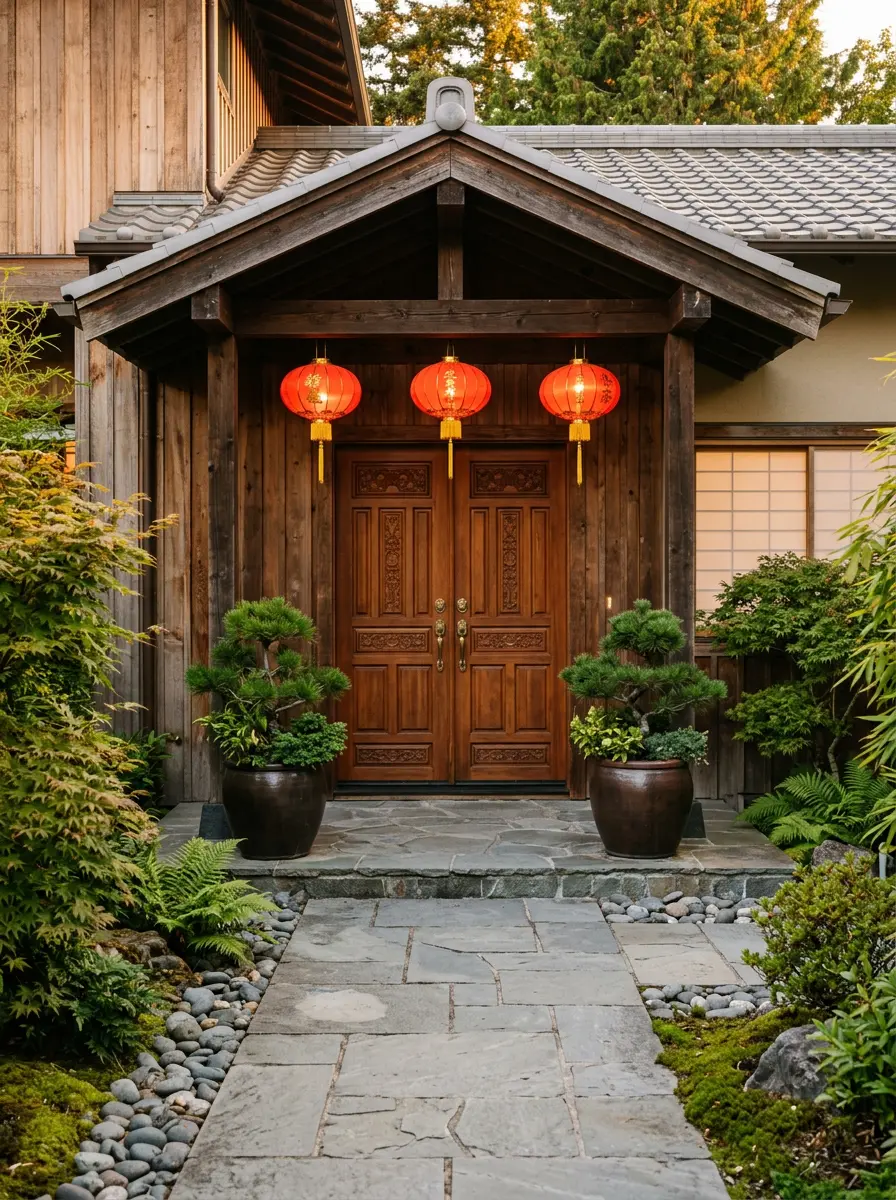
Chi enters your home mainly through the front door, which feng shui calls the mouth of chi. This single doorway sets the energy tone for the whole home, so its condition matters more than any other entry point. A door blocked by clutter, dead plants, or broken steps limits the quality of chi that gets in. Keep the entry clean, well lit, and clear so fresh energy can flow in easily.
Pathways, Pooling, and Exit Points
Once inside, chi follows the paths your layout gives it, moving down hallways and around furniture. Gently curved, open pathways let chi travel at a nourishing pace, while long straight corridors speed it up. Chi also pools in open rooms and settles in corners, where it can go stale if it is never refreshed. Feng shui often maps these zones with the bagua, an energy grid that links areas of your home to areas of your life. To put this to work in one zone, our guide to activate your home’s wealth corner shows the full setup.
Signs of Good Chi vs. Blocked Chi
You do not need special training to sense chi, because your body already reads it. Rooms with good chi feel welcoming and easy to be in. Rooms with blocked chi feel heavy, and you tend to avoid them. If a room feels off, noticing that is already the first step, and none of this is about getting your home “perfect.”
What Good, Flowing Chi Feels Like
- Ease: The space feels calm, welcoming, and easy to relax in.
- Light and air: Natural light fills the room and the air feels fresh.
- Vitality: Plants stay healthy and thrive with little struggle.
- Function: You sleep, focus, and unwind well in the rooms meant for it.
Warning Signs of Stagnant or Negative Chi
- Heaviness: Rooms feel oppressive, and you avoid spending time there.
- Buildup: Clutter and dust pile up quickly despite regular cleaning.
- Struggling plants: Greenery wilts or keeps dying in the same spot.
- Low energy: You feel tired, restless, or foggy in certain areas.
How to Improve the Chi in Your Home
Improving chi comes down to a few steady habits: clear the clutter, invite in light and air, add living energy, and move stagnant corners with sound. You do not need to overhaul your home, since small and consistent changes matter most.
- Declutter the entryway and main walkways first.
- Open up light and fresh air every day.
- Add life with healthy plants or grounding crystals.
- Clear the air with sound from a bell or singing bowl.
Clear the Clutter and Open the Flow
Clutter is the most common cause of stagnant chi in a modern home. Piles of unused items block the paths chi wants to travel, which is why decluttering is the single most powerful feng shui habit. Start with your entryway and main walkways, then clear the corners where si chi tends to gather. Keep pathways wide enough to walk through without squeezing past furniture.
Add Light, Plants, and Living Energy
Light and living things carry fresh chi into a space. Open your curtains during the day, and place healthy plants in corners that feel flat or dark. A thriving plant cleans the air and adds life-force energy at the same time. Crystals work in a similar way as steady, grounding objects. Our amethyst crystal tree holds real amethyst on a hand-shaped copper trunk, which adds earth-element stability to a dull corner and turns a sluggish desk into a calmer, more focused spot.
Use Sound and Sacred Objects to Move Chi
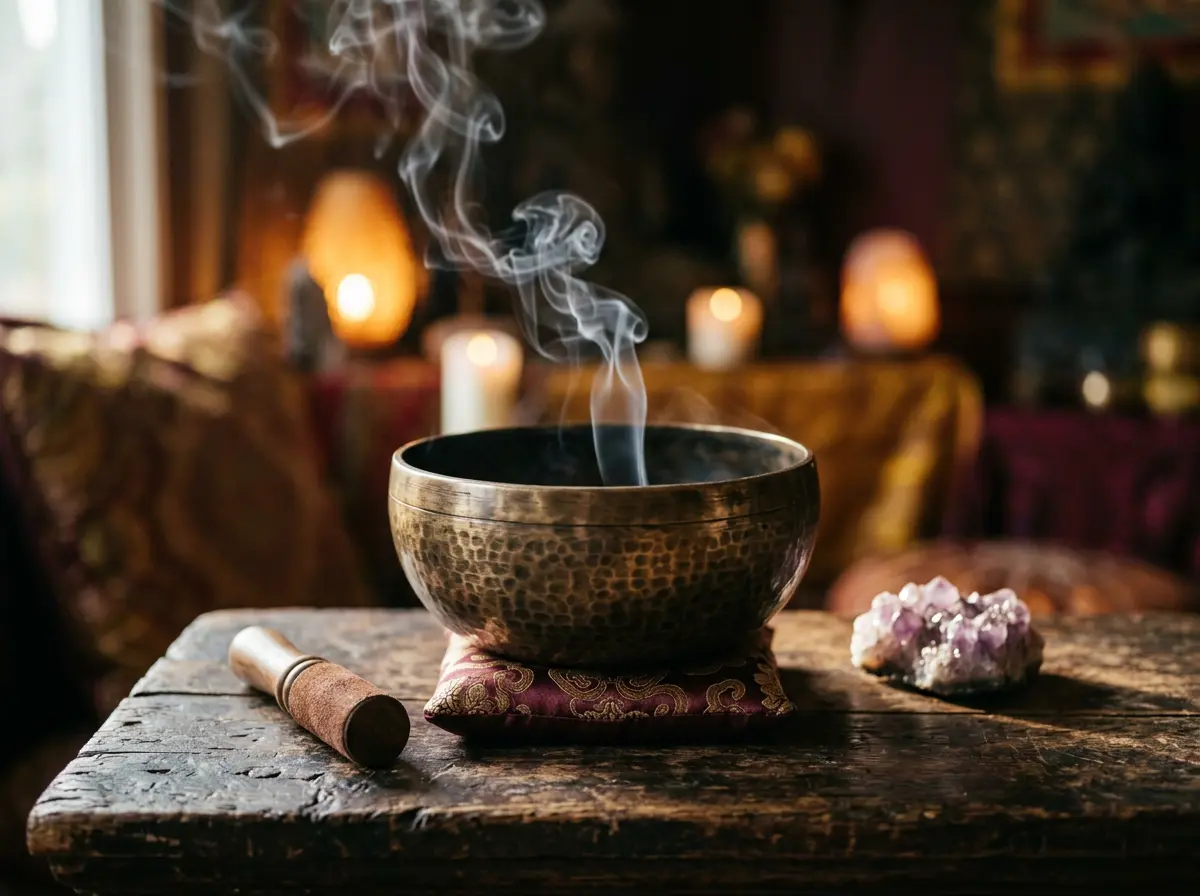
Sound is one of the fastest ways to shift stagnant chi. A singing bowl or temple bell sends sound waves through still air, which stirs energy trapped in quiet corners, so a room that felt heavy feels clear and open again. Our singing bowls and temple bells are made for this kind of energy clearing. Wind chimes do similar work near a doorway, and our guide on where to hang a feng shui wind chime shows the best spots.
In Tibetan Buddhist tradition, the object itself is believed to matter only once it is activated. This is where kai guang (开光), or the Tibetan rab gnas consecration, comes in. Kai guang means “opening the light,” a formal ritual blessing said to turn a decorative object into an active spiritual tool. At Potala Store, every piece is consecrated in a 3-day puja ceremony at Sera Jhe Monastery in Bylakuppe, South India, one of the great seats of Gelug Buddhist learning. Tradition holds that this ritual is what activates the energy a piece carries, so you receive something with real intention and lineage behind it rather than just a pretty ornament.
A quick note on where to start: Pick one room and one change. Clear its clutter, open a window, and add a single plant or grounding piece. Then notice how the space feels over the next week before you do anything else.
Frequently Asked Questions About Chi
There is no peer-reviewed evidence that chi is a measurable physical force, and we think that is worth saying plainly. What is well documented is the effect of your surroundings on how you feel. A space you arrange with care and intention creates a daily ritual, and ritual is one of the most reliable ways to support focus and calm. Treat feng shui as a tool for intention, not a guaranteed outcome.
Qi is pronounced “chee.” The spellings “qi” and “chi” are simply two ways of romanizing the same Chinese word (氣), so they mean exactly the same thing. “Ki” is the Japanese reading of the same concept.
In traditional feng shui and Tibetan Buddhist practice, consecration is believed to be what activates an object, not the material alone. The Chinese kai guang (开光) and Tibetan rab gnas are formal ritual blessings that go beyond a seller simply “charging” an item. At Potala Store, each piece is consecrated at Sera Jhe Monastery before it ships. You can explore our monastery-blessed feng shui décor to see how this works.
They are the same underlying idea applied to different places. In feng shui, chi is the energy of a space, while in Traditional Chinese Medicine and qigong, chi is the vital energy moving through the body. This guide focuses on the chi of your home and environment rather than the body.
⚠️ Important note: The information here about energy and spiritual properties reflects traditional beliefs and cultural practice, not scientific evidence. It is meant for educational purposes and is not a substitute for professional medical, psychological, or financial advice.
Bring Better Chi Into Your Space
Explore monastery-blessed crystals, singing bowls, and feng shui décor, each consecrated at Sera Jhe Monastery and shipped with a free Reiki blessing.Explore the Feng Shui Collection →
📚 References
- Qi (Chinese philosophy): Encyclopedia entry on qi as the psychophysical energy that permeates the universe, with its Daoist and Neo-Confucian history. Encyclopædia Britannica
- What Is Qi? (and Other Concepts): University overview of qi and yin-yang as the foundations of Traditional Chinese Medicine. University of Minnesota, Earl E. Bakken Center for Spirituality & Healing
- What Is Qi: Explanation of the character 氣 (rice plus rising steam) and the role of qi in Chinese thought and medicine. Yo San University of Traditional Chinese Medicine