
Best Protective Gifts for a New Baby: Blessed Charms, Amulets & Sacred Keepsakes
 by Yang Tso
0 comments
by Yang Tso
0 comments
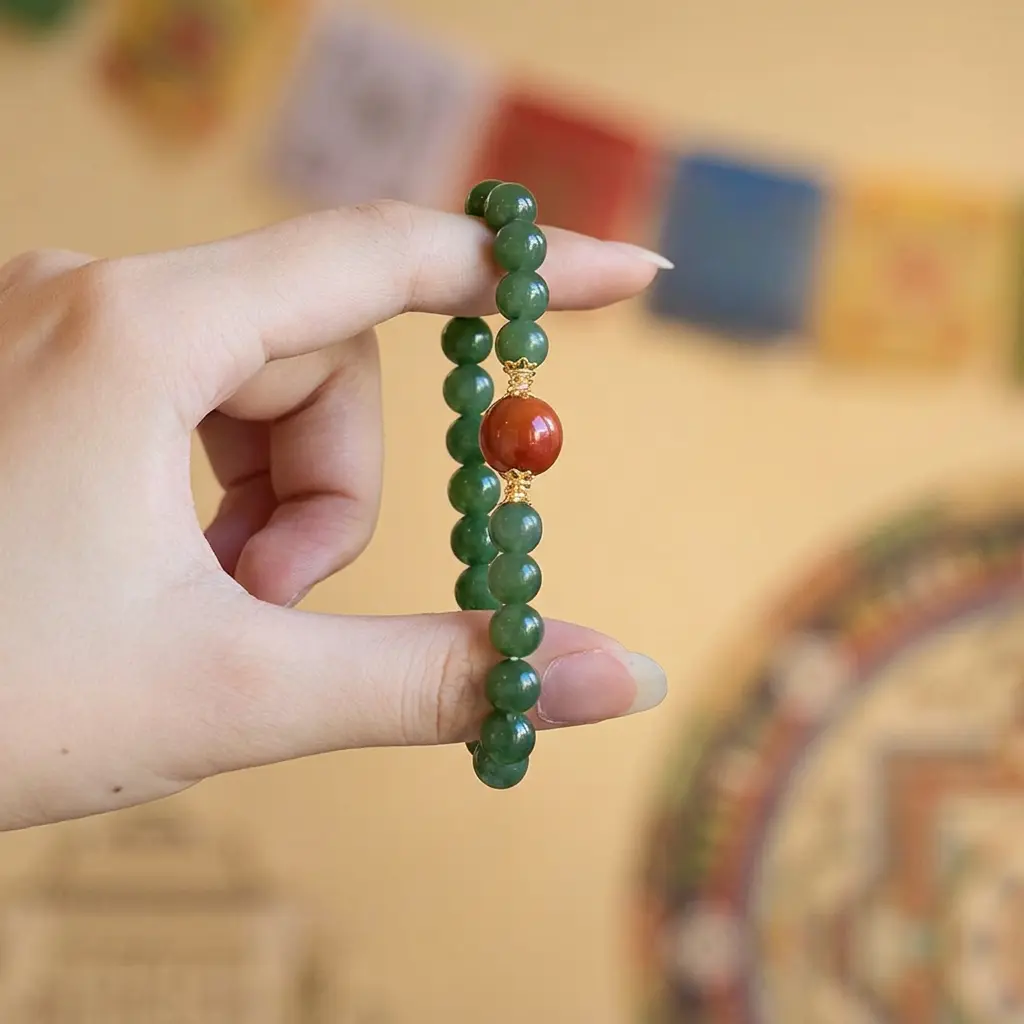
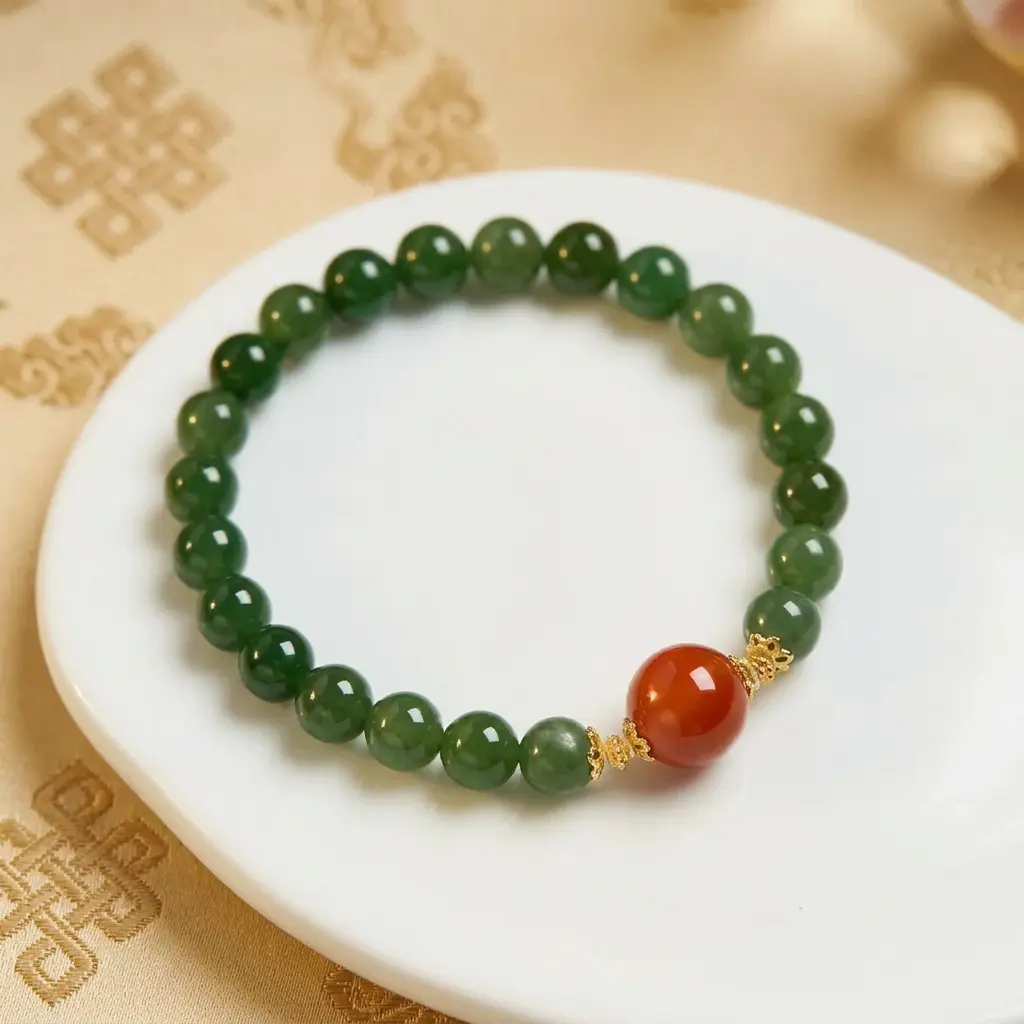
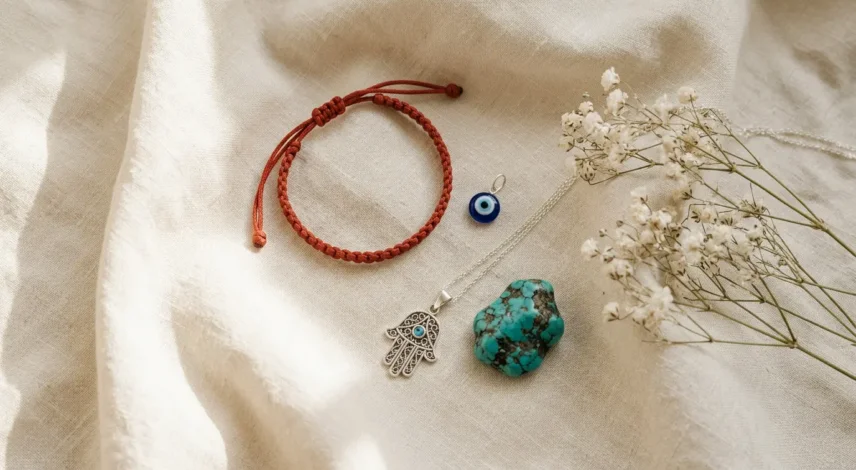
The best protective gift for a new baby is a blessed charm chosen for its meaning and given with intention, such as a red string bracelet, an evil eye pendant, or a piece of Tibetan turquoise. A protective gift chosen for a newborn carries a specific wish for their safety, something a registry item can never hold, and many families keep it long after the onesies are outgrown. If you want a baby shower gift that stands apart without feeling generic, a meaningful protection charm is one of the most personal choices you can make.
At PotalaStore, we have spent years working directly with Tibetan artisans and monastery-partnered craftspeople, and we have helped thousands of families choose blessed gifts for new arrivals. That work taught us which pieces carry the deepest meaning, how different cultures protect a child, and the safety details every gift-giver needs before placing anything near an infant. This guide covers eight protective gifts, what each one means, how to choose by recipient and budget, how to keep a baby safe, and how to present the gift so its meaning truly lands.
⚠️ Important Note: The spiritual and protective meanings described here reflect centuries of traditional belief across many cultures, not scientifically verified medical claims. These gifts are meaningful keepsakes, not safety devices or medical products. They do not replace professional pediatric care, and no charm should ever be placed within a baby’s reach. See the safety section below before gifting anything wearable.
Table of Contents
Why a Blessed Charm Makes a Meaningful Newborn Gift
A blessed charm makes a meaningful newborn gift because it carries a chosen intention, something very few baby presents can claim. When you hand over a stone or a bracelet and say, “I brought this because I want your child to feel protected,” you turn a small object into a keepsake. That specific wish is the real gift, and it is why a protection charm is remembered when generic presents are not.
Giving a protective token at birth is not a modern wellness trend. It is one of the most widespread human traditions in history, and understanding its roots is what separates a thoughtful gift from an impulse buy.
The Cross-Cultural Roots of Protecting a Newborn
Protective birth gifts appear across nearly every culture, each with its own symbol. Ancient Egyptian mothers tucked carnelian amulets into swaddling cloths. Celtic families used amber to guard infants against illness. In Jewish tradition, the Hamsa hand and red string have long been given at a birth or a bris. Across Latin American communities, the azabache (jet) charm wards off the evil eye, and in Tibetan Buddhist culture, turquoise and coral have been tied to infant clothing for well over a thousand years.
What these traditions share is a single belief: that certain objects, given with genuine intention, form a circle of care around new life. You do not have to hold that belief literally for the gesture to carry weight. You chose something with meaning, and you took time to learn what it signifies.
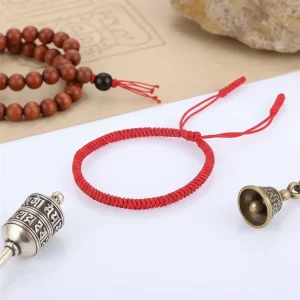
Tibetan Buddhist Knot Lucky Rope Bracelet – Handmade Blessed Protection Bracelet
Price range: $28.95 through $58.95
Buy Now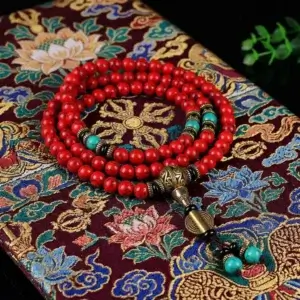
Tibetan Mala Red Turquoise 108 Beads Necklace
Original price was: $62.95.$53.95Current price is: $53.95.
Buy Now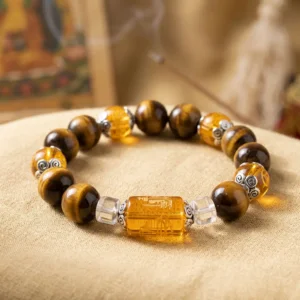
Tiger Eye Fortune Lucky Bracelet 10mm
Original price was: $79.96.$46.95Current price is: $46.95.
Buy Now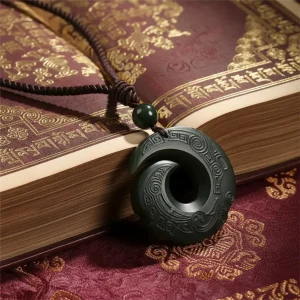
Hetian Jade Pendant - Manifest Wealth & Peace
Original price was: $93.95.$83.95Current price is: $83.95.
Buy NowWhat Tibetan Tradition Means by a Baby’s Bla (Life-Force)
Tibetan Buddhism has one of the oldest and most detailed traditions of protecting newborns, built around the idea of bla, a person’s life-force or vital essence. In Tibetan cosmology, a newborn’s bla is considered especially unsettled in the first weeks of life, sensitive to its surroundings and in need of grounding. Specific stones have been used for more than 2,000 years to anchor and shield that life-force.
Turquoise holds the highest protective status in this tradition. Across Tibet, Nepal, and Bhutan, a small turquoise bead is sewn into a newborn’s clothing or tied gently to the wrist within the first week, often by a lama or respected elder. This detail is almost entirely absent from Western gift guides, and it is exactly what gives a Tibetan turquoise gift its depth.
8 Meaningful Protective Gifts to Guard a New Arrival
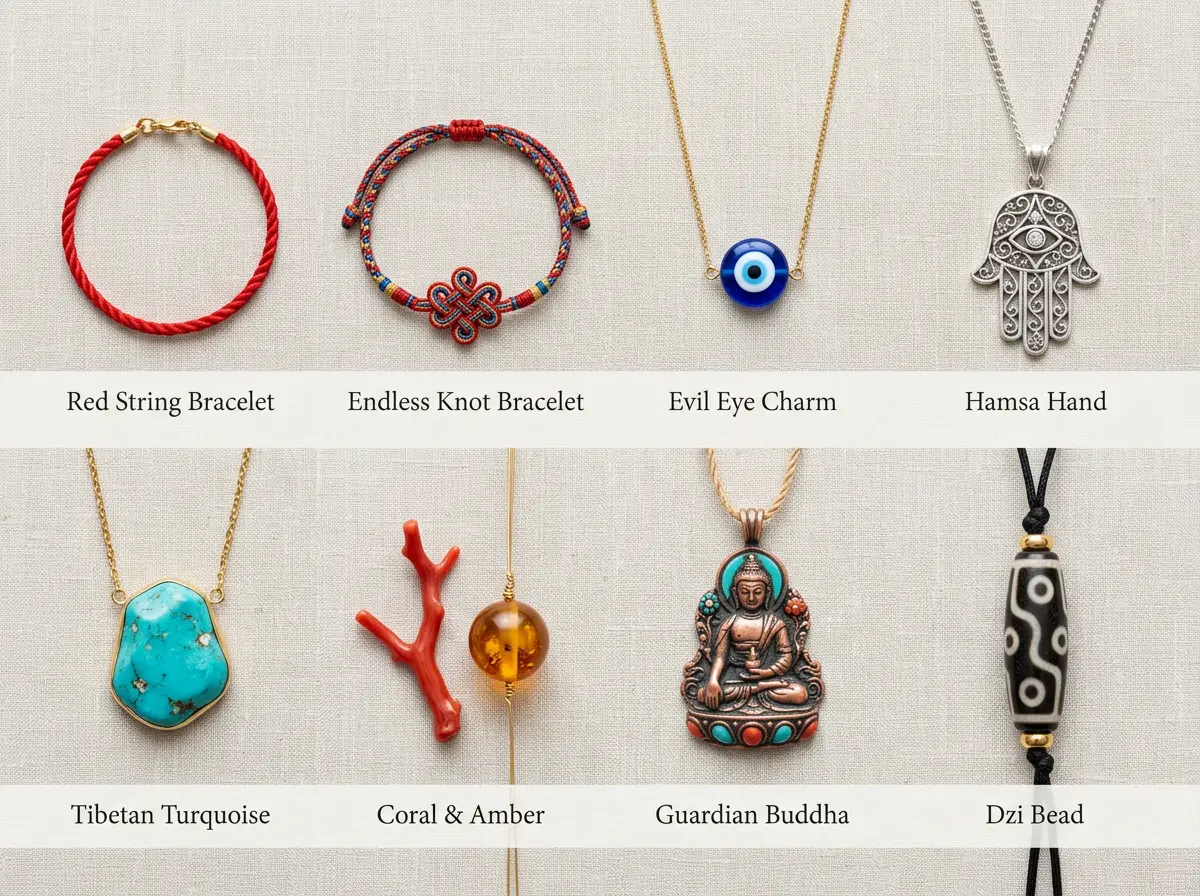
Here are the eight most meaningful protective gifts for a newborn, each chosen for a distinct blessing and a form that suits gift-giving:
- Red string bracelet: A braided cord worn to deflect negativity and invite good fortune, common to both Kabbalistic and Tibetan traditions.
- Tibetan Buddhist knot bracelet: A handwoven endless-knot cord, blessed for protection and long life.
- Evil eye (nazar) charm: The blue eye that reflects away the “look” of ill intent, one of the most recognized symbols worldwide.
- Hamsa hand pendant: An open palm that guards against harm and brings blessing, shared across several faiths.
- Tibetan turquoise: The Himalayan life-force stone, tied to newborns for over 2,000 years.
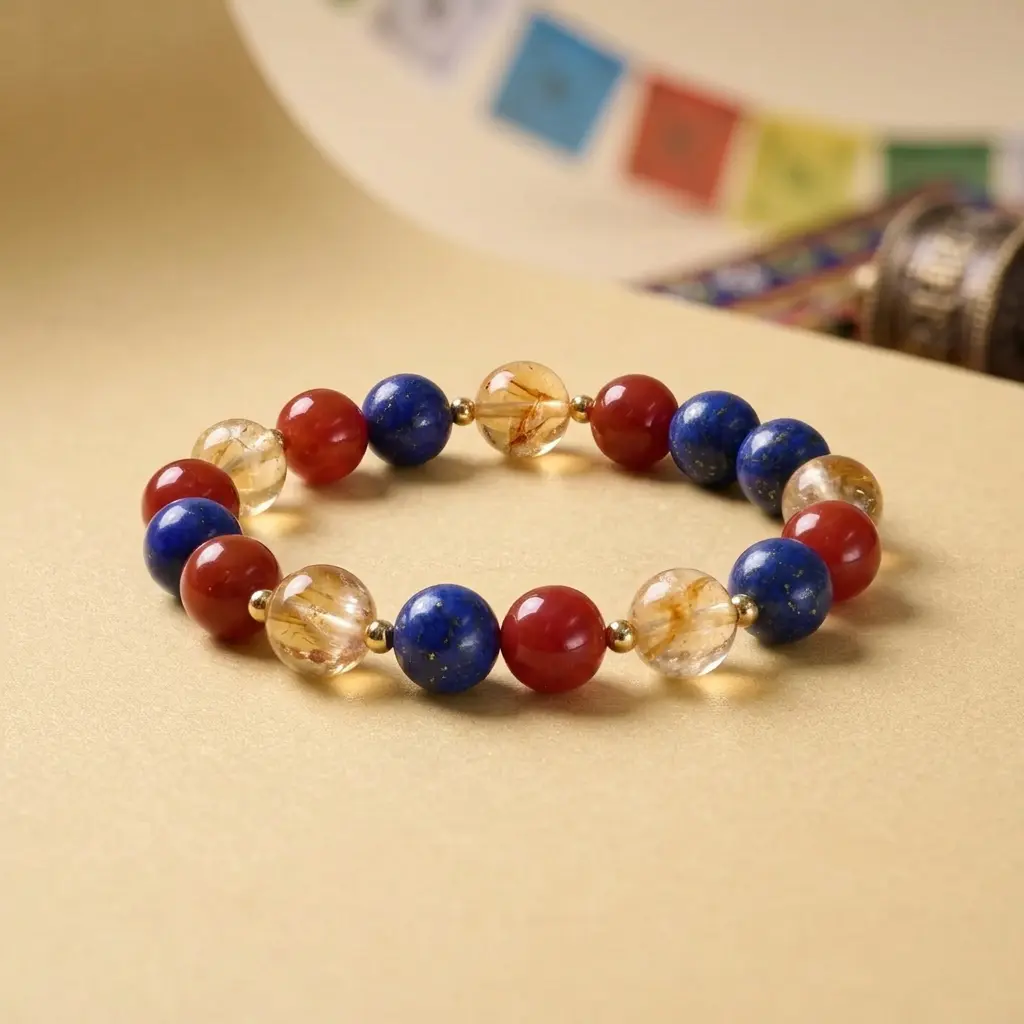
- Coral and amber: Paired with turquoise for vitality and grounding in the classic Himalayan infant set.
- Guardian Buddha pendant: A birth-year protector figure, given as a lifelong spiritual companion.
- Dzi bead: An etched agate bead prized in Tibetan culture as a powerful protective talisman.
| Gift | Tradition | Best Gift Form | Price (USD) |
|---|---|---|---|
| Red string / knot bracelet | Kabbalistic & Tibetan | Adjustable cord, keepsake box | $25–$60 |
| Evil eye & Hamsa | Mediterranean, Jewish, Middle Eastern | Sterling silver pendant or pin | $30–$70 |
| Tibetan turquoise | Himalayan Buddhist | Small pendant or nursery piece | $40–$100 |
| Guardian pendant / Dzi | Tibetan Buddhist | Pendant for keepsake, not wear | $45–$100 |
Red String and Tibetan Knot Bracelets
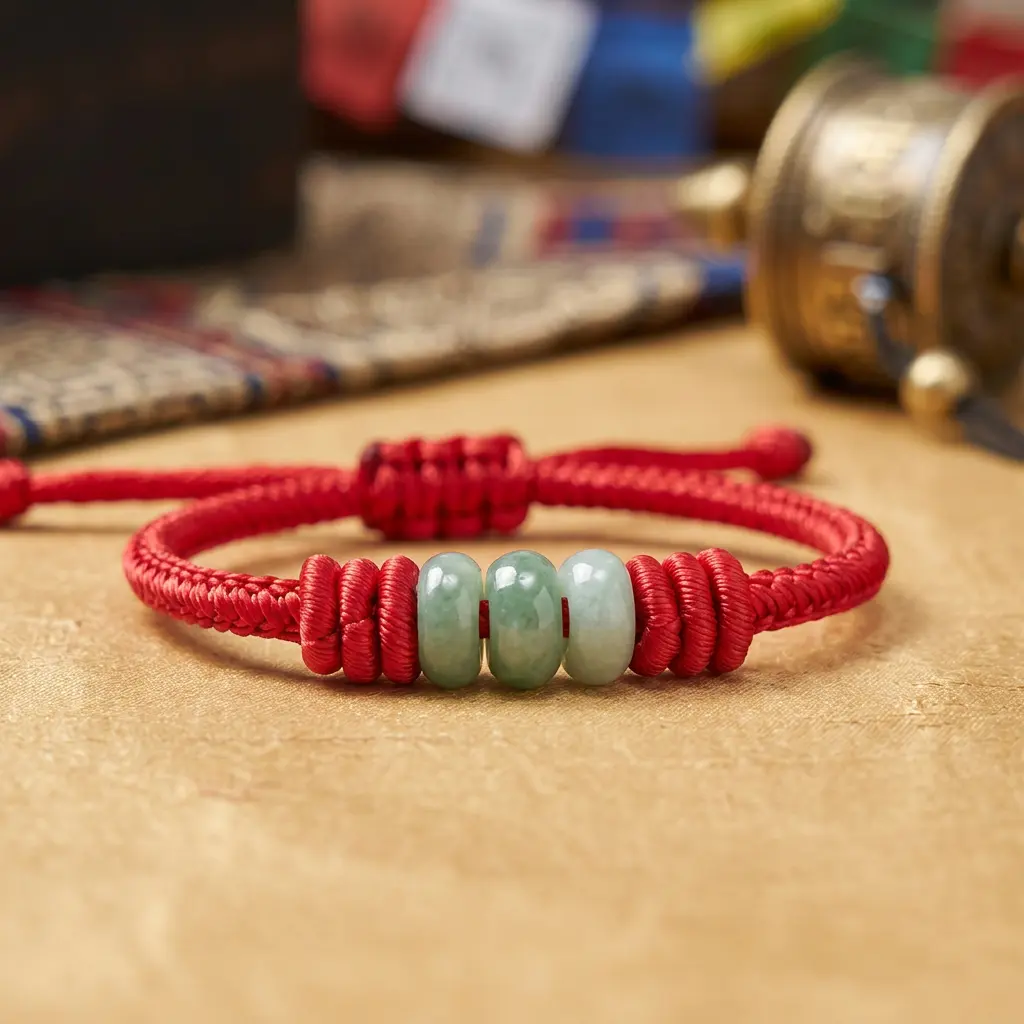
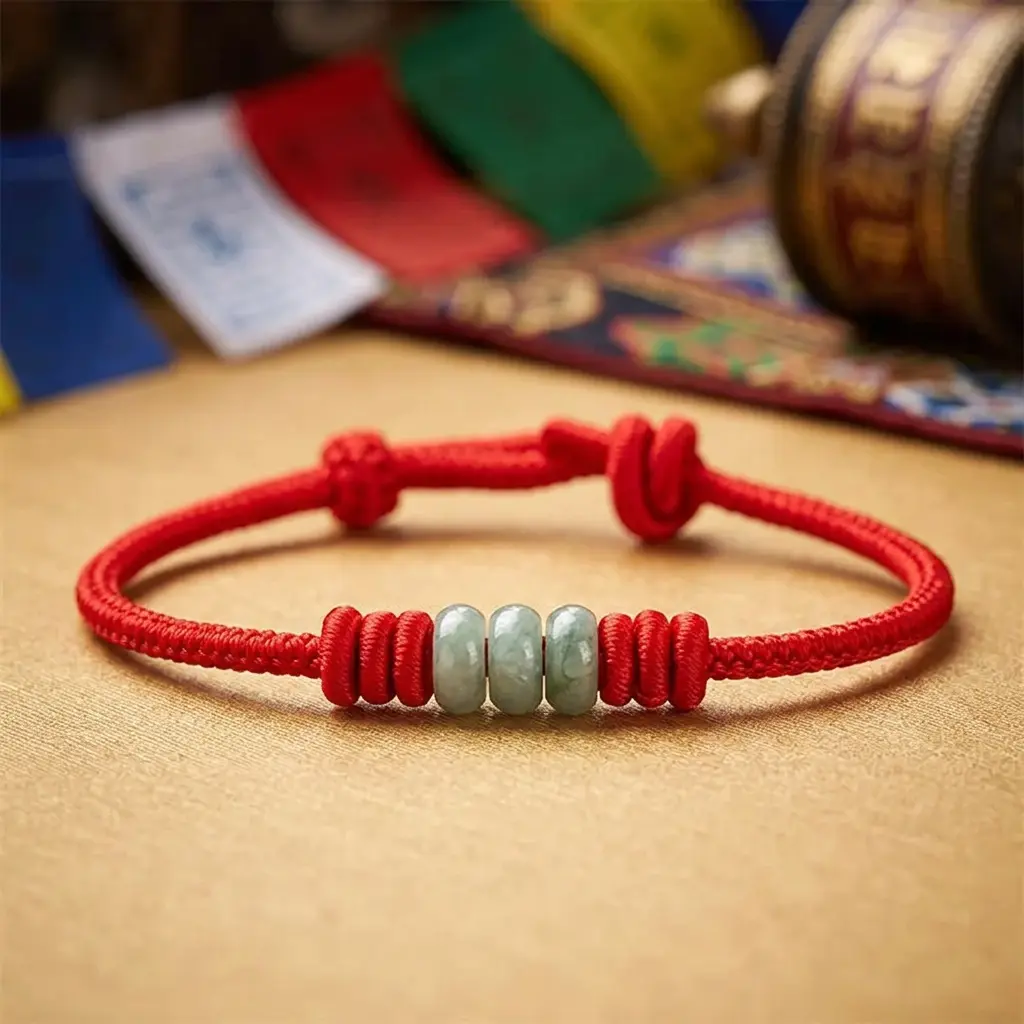
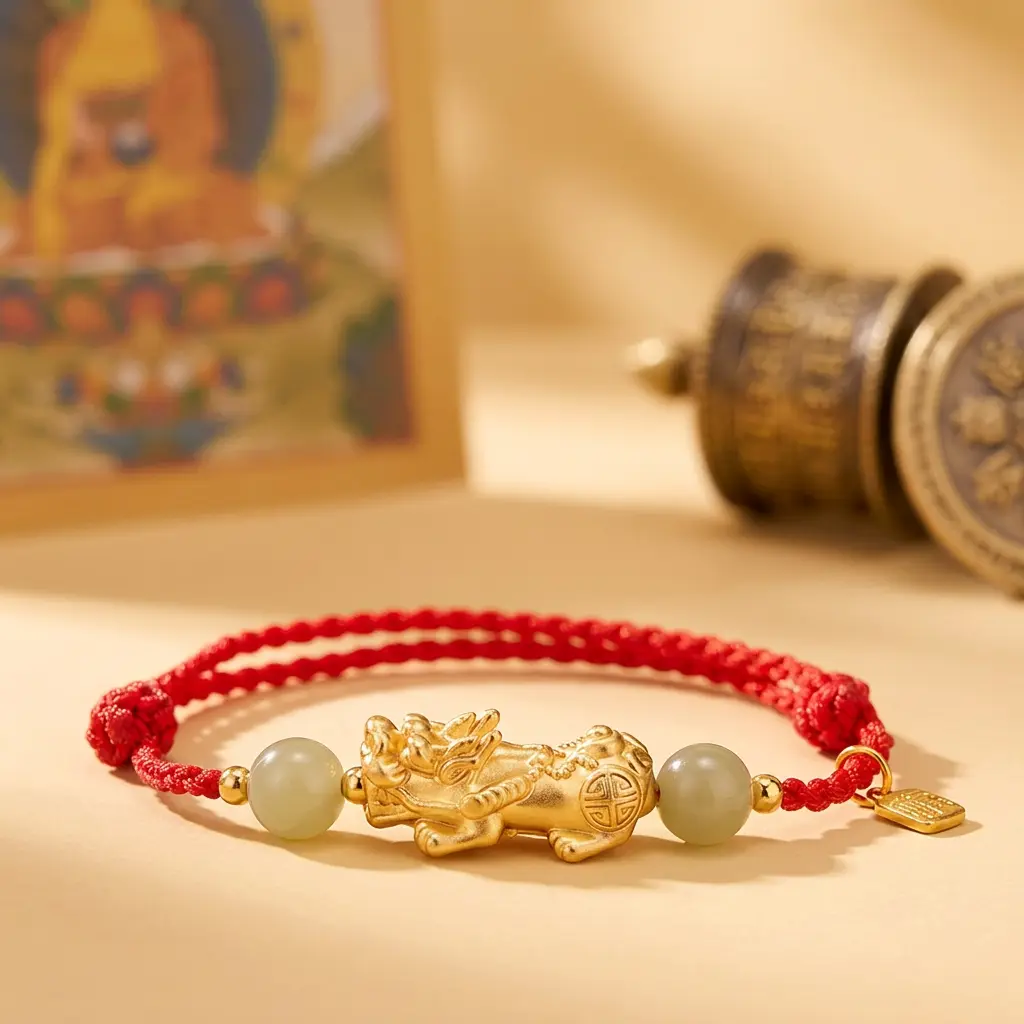
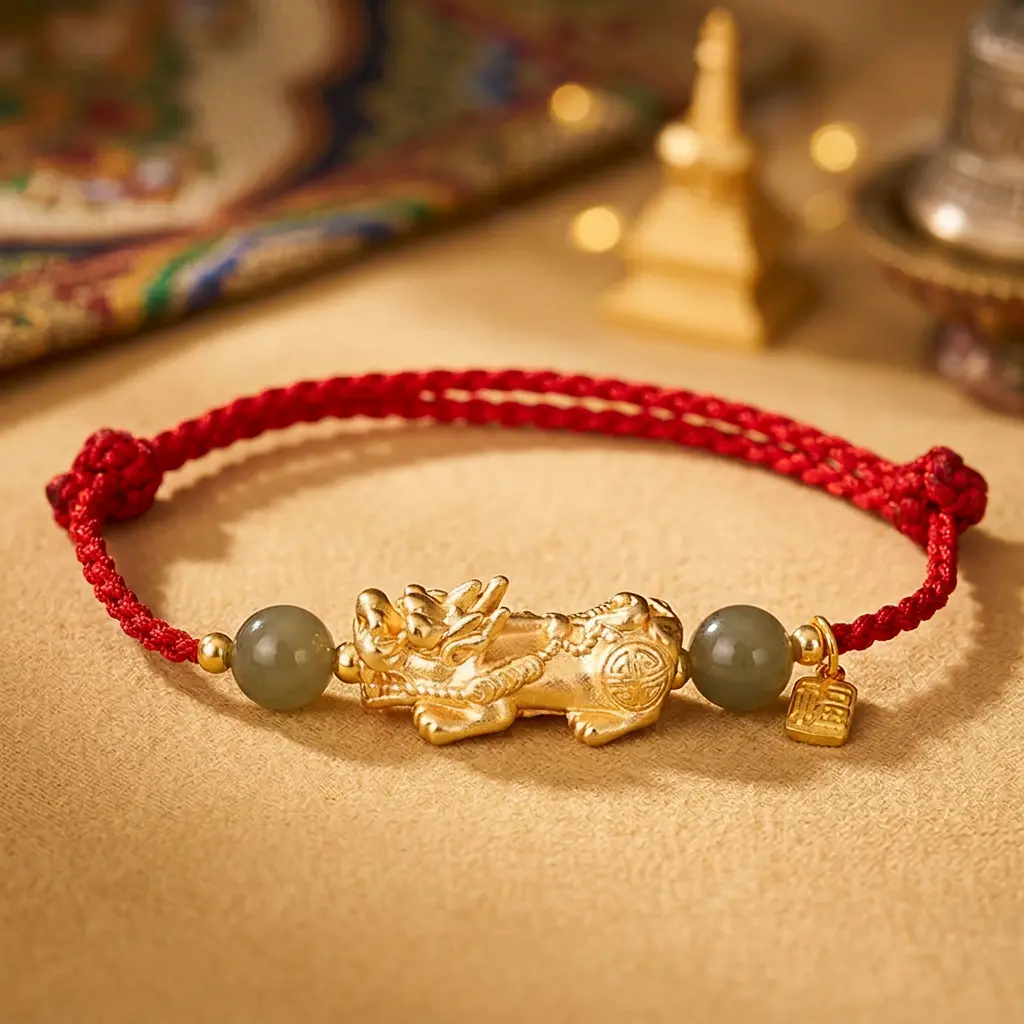
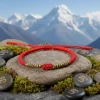
A red string bracelet is the most accessible protective gift, made from a braided red cord often finished with a sterling silver charm or knot. In many traditions the bright red color is believed to ward off negative energy and invite good fortune. Because the cord is soft and lightweight, it reads as gentle and personal, and parents often keep it as a memento long after a baby has outgrown it.
The Tibetan version centers on the endless knot, a Buddhist symbol of long life and connection. Our handwoven pieces are blessed before they ship, so the gift arrives carrying more than thread. That blessing is the difference between a pretty accessory and a token of protection a family will remember. For a ready-to-gift version, browse a handmade Tibetan Buddhist knot protection bracelet starting at $28.95.
The Evil Eye and Hamsa Hand
The evil eye, known as nazar, is a blue-and-white charm believed to deflect the envious or ill-intentioned “look” directed at a vulnerable child. Its power is symbolic: it does not need explaining, which makes it a gift that “reads” instantly even to someone unfamiliar with the tradition. The Hamsa hand works alongside it, an open palm that many cultures associate with protection and blessing.
For a newborn, choose these as sterling silver pieces meant for display or supervised wear rather than everyday infant use. If you want to understand the symbol before you give it, our complete guide explains what the Hamsa hand means and how it pairs with the evil eye.
Tibetan Turquoise, Coral, and Amber
Tibetan turquoise is the most culturally significant protective gift on this list, tied to Himalayan newborns for more than 2,000 years as a symbol of bla protection. It is the only stone here with a specific, documented ceremonial tradition for infant blessing, which makes it the most meaningful choice for families who value cultural depth.
Traditionally, turquoise is not given alone. The classic Himalayan infant amulet set pairs it with coral, for vitality and warmth, and amber, for grounding and protection against illness. This three-stone combination is documented in ethnographic collections at the Smithsonian’s National Museum of Asian Art and the Rubin Museum of Art, and it is a detail almost no gift guide covers. For a deeper look at gemstone gifts and their care, see our companion guide to healing crystals for a baby shower.
Guardian Pendants and Dzi Beads
A Guardian Buddha pendant is a protector figure matched to a child’s birth year in Tibetan tradition, given as a lifelong spiritual companion rather than an everyday accessory. A Dzi bead, an etched agate stone, is prized across the Himalayas as one of the most powerful protective talismans a family can own. Both are best given as framed or boxed keepsakes for a nursery shelf, since their size and cords are not suitable for a baby to wear.
How to Choose the Right Gift for the Baby, the Mom, or the Whole Family
The most useful question before you buy is simple: who is this gift really for, the baby, the new mother, or the home they are building together? Each answer points toward a different piece and a different intention. You want a gift that gets kept and noticed, not one quietly tucked into a drawer, and choosing by recipient is the surest way to get there.
If the Gift Is for the Baby
Choose a symbolic keepsake over anything the baby will actually wear unsupervised. A boxed evil eye pendant, a blessed knot bracelet kept for milestone photos, or a small turquoise piece for the nursery all work beautifully. Form matters most here, and safety comes first, so read the safety section below before you decide on anything with a cord or a small charm.
If the Gift Is for the New Mother
A gift for the new mom is often the most appreciated choice, since the early weeks are demanding. A turquoise pendant she can wear, or a Tibetan mala and necklace she can hold during quiet moments, offers her a daily anchor rather than one more item for the nursery. Many mothers tell us the gift meant for them, not the baby, is the one they remember most.
Choosing by Budget
Protective gifts range from about $25 to $100, and price rarely reflects how meaningful the gift feels. Here is how the tiers break down:
- $25–$40: A single high-quality red string bracelet or a boxed evil eye charm with a card explaining its meaning.
- $40–$70: A sterling silver Hamsa or evil eye pendant, or a blessed knot bracelet in a keepsake box.
- $70–$100: A Tibetan turquoise pendant or a monastery-sourced piece, the most culturally distinctive option in this range.
💡 Our experience: We have found that the gift with a story attached, not the most expensive one, draws the warmest response from new families. A stone with 2,000 years of protective tradition behind it carries weight that a generic charm, however pretty, does not.
Keep Baby Safe: What Every Gift-Giver Must Know About Wearable Charms
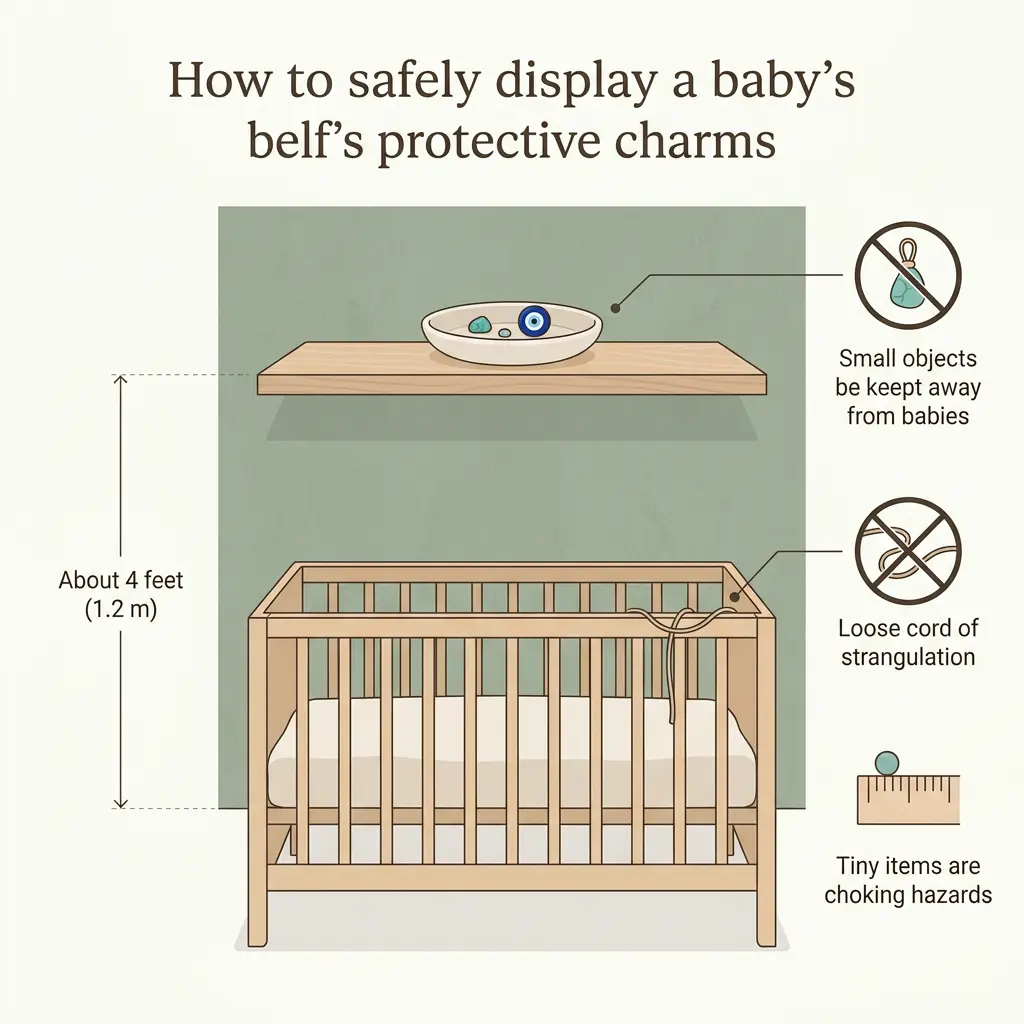
A protective charm is a keepsake, not a toy, so the single most important rule is that any cord or small charm is a choking hazard and must stay out of a baby’s reach. Every competitor guide we studied skips this point entirely. We put it front and center, because a gift that could harm the child it is meant to protect defeats its own purpose. If the family plans to display the gift rather than dress the baby in it, most of these risks disappear.
The Choking and Cord-Safety Rules
Follow these safety rules whenever a protective gift will be near an infant:
- Treat any charm under 1.5 inches as a choking hazard. Small stones and beads are the primary risk for children under 3.
- Never leave a cord or bracelet on a sleeping baby. A cord in a crib is a strangulation risk and should always be removed for sleep.
- Allow wear only with active adult supervision. For daily protection, display the piece instead of dressing the baby in it.
- Keep nursery stones on a high shelf. Place any decorative stone at least 4 feet from the floor and out of reach.
The American Academy of Pediatrics offers detailed guidance on choking and safe-sleep practices, and we recommend every gift-giver review it. When in doubt, choose a display-only gift.
Safe Materials for a Baby’s Skin
If a gift will touch a baby’s skin, material safety matters as much as size. Choose .925 sterling silver, which is hypoallergenic and nickel-free, so it is gentle on delicate skin and unlikely to cause a reaction. Because it is safe on the skin, parents do not have to worry each time the piece is worn, which is part of what makes a well-chosen charm a relief rather than a concern. Avoid painted or coated charms for anything an infant might mouth.
Display-Only Gifts for the Nursery
The simplest way to solve every safety question is to choose a gift meant for the room rather than the child. Tibetan prayer flags strung above a doorway, a framed protective symbol, or a boxed set of stones on a high shelf all carry the same blessing with none of the risk. Our guide explains what Tibetan prayer flags mean and how their colors carry protective wishes into a nursery.
How to Present and Bless a Protective Gift
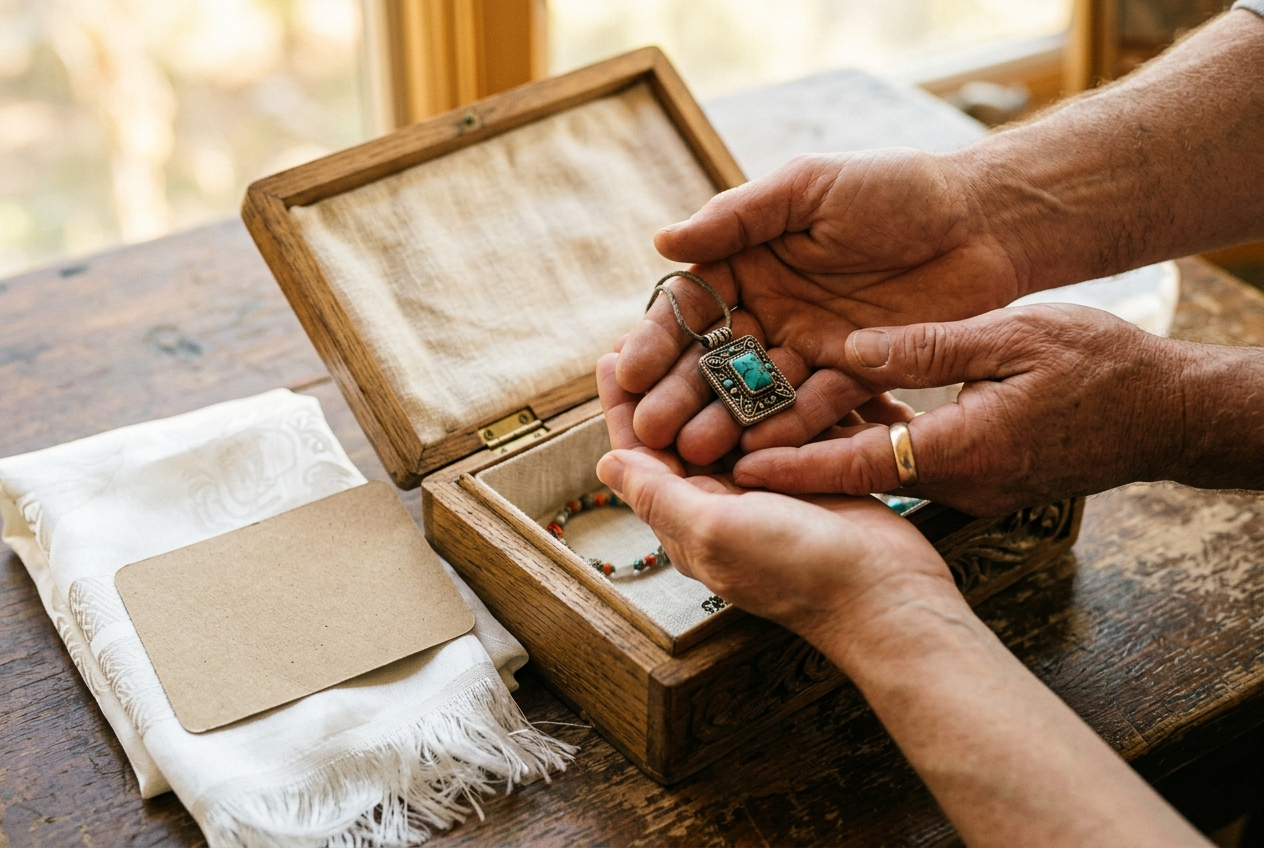
The way you present a protective gift decides whether it becomes a keepsake or a curiosity, and two minutes of intention transforms it. Most protection gifts miss their potential because they arrive in a bag with no context. A few small steps give the gift its meaning before the family even unwraps it.
A Simple Blessing You Can Do at Home
You do not need to be a practitioner to bless a gift. The blessing carries the giver’s intention, and that intention is what turns an object into a token of care. Hold the piece in both hands for about 60 seconds and think specifically about what you wish for the child: protection from harm, peaceful sleep, strong health. When you hand it over, say one sentence about what you chose and why. That single line does more than any gift card.
What a Monastery Blessing Adds
A monastery blessing adds a layer no home ritual can replicate. In Tibetan tradition, a protective piece is consecrated with mantras, most often the Medicine Buddha mantra, recited over the item through 108 repetitions before it is given. This is why every Tibetan piece at PotalaStore is sourced through monastery partnerships, so the blessing is part of what you are giving.
One of our longtime customers, a birth doula who has attended more than 200 births, brings a small Tibetan turquoise piece to every client’s baby shower. She told us she has never once had a family unmoved by it, not because of what the stone does, but because someone took the time to bring something with meaning and a history. That is the real gift. The charm is simply the container for it.
Frequently Asked Questions
A protective piece is a keepsake, not a toy. Any cord or charm smaller than 1.5 inches is a choking or strangulation hazard, so it should stay out of a baby’s reach, never be worn during sleep, and only be worn with active adult supervision. For everyday protection, choose a display-only gift such as prayer flags or a boxed stone for the nursery.
A red string bracelet is a braided cord given as a protective gift for a newborn. In several traditions, including Kabbalistic and Tibetan Buddhist practice, the red color is believed to ward off negative energy and invite good fortune. It is often given at a baby shower or blessing as a symbol of care, and kept as a keepsake once the baby outgrows it.
The best spiritual baby shower gift is one with a clear meaning, given with intention, and safe for the household. A blessed red string or knot bracelet and a Tibetan turquoise pendant are the two most popular choices, and turquoise carries over 2,000 years of newborn-protection tradition. You can explore ready-to-gift options in our protection collection.
Traditionally, protective colors relate to meaning more than to gender. Red signals protection and good fortune, blue is linked to calm and the evil eye’s guarding power, and turquoise represents life-force. Any of these suits a boy or a girl, so choose the color by the wish you want the gift to carry rather than by the baby’s gender.
Find the Perfect Blessing for a New Arrival
PotalaStore sources authentic Tibetan protective pieces through monastery-partnered artisans in Nepal and Tibet. Every piece arrives with a cultural significance card, so your gift comes complete with its story.Shop the Tibetan Protection Collection →
📚 References
- Tibetan Buddhist Amulet & Infant-Protection Traditions: Documentation of protective stone and amulet use in Himalayan Buddhist cultures, including infant blessing objects. Source: Rubin Museum of Art / Himalayan Art Resources (Readers may search himalayanart.org for Tibetan jewelry and amulet collections.)
- Turquoise Gemstone Properties & Cultural History: Mineralogical data on turquoise and its documented cultural uses across civilizations. Gemological Institute of America (GIA)
- Infant Choking & Safe-Sleep Guidance: Pediatric guidance on choking hazards, small objects, and safe-sleep practices for infants. American Academy of Pediatrics (HealthyChildren.org)
- Cross-Cultural Amulet & Material Culture: Ethnographic records of protective objects and infant amulets across world cultures. Source: Smithsonian National Museum of Asian Art (Readers may search asia.si.edu for related collections.)