

Torn between a Buddha amulet and a Gawu box pendant? Here is the real difference. A Buddha amulet is the sacred image, while a Gawu box is a small Tibetan prayer box that holds one. Both are traditionally worn for protection, so your choice comes down to form, size, and personal meaning.
This guide gives you a side-by-side table, measured specs in inches and ounces, and a few simple rules for choosing. At PotalaStore, we built it from our own product listings and museum sources such as the Rubin Museum, so every number here is one you can check. Choose a Buddha amulet for a light everyday reminder. Choose a Gawu box if you want to carry a deity image, a mantra, or a handwritten prayer sealed inside.
⚠️ Important Note: This guide describes traditional Tibetan and Thai Buddhist beliefs and practices. It makes no medical, psychological, or guaranteed protective claims. The information is for educational purposes and does not replace professional advice.
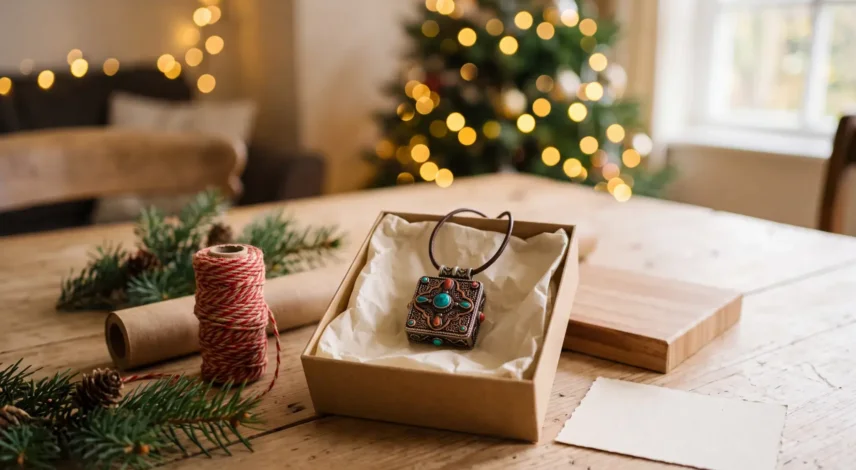
Already drawn to the shrine style? See the hand-painted Ga Wu box pendant, listed at $68.95 USD as of 10/10/2026.
Table of Contents
What Is the Difference Between a Buddha Amulet and a Gawu Box?
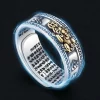
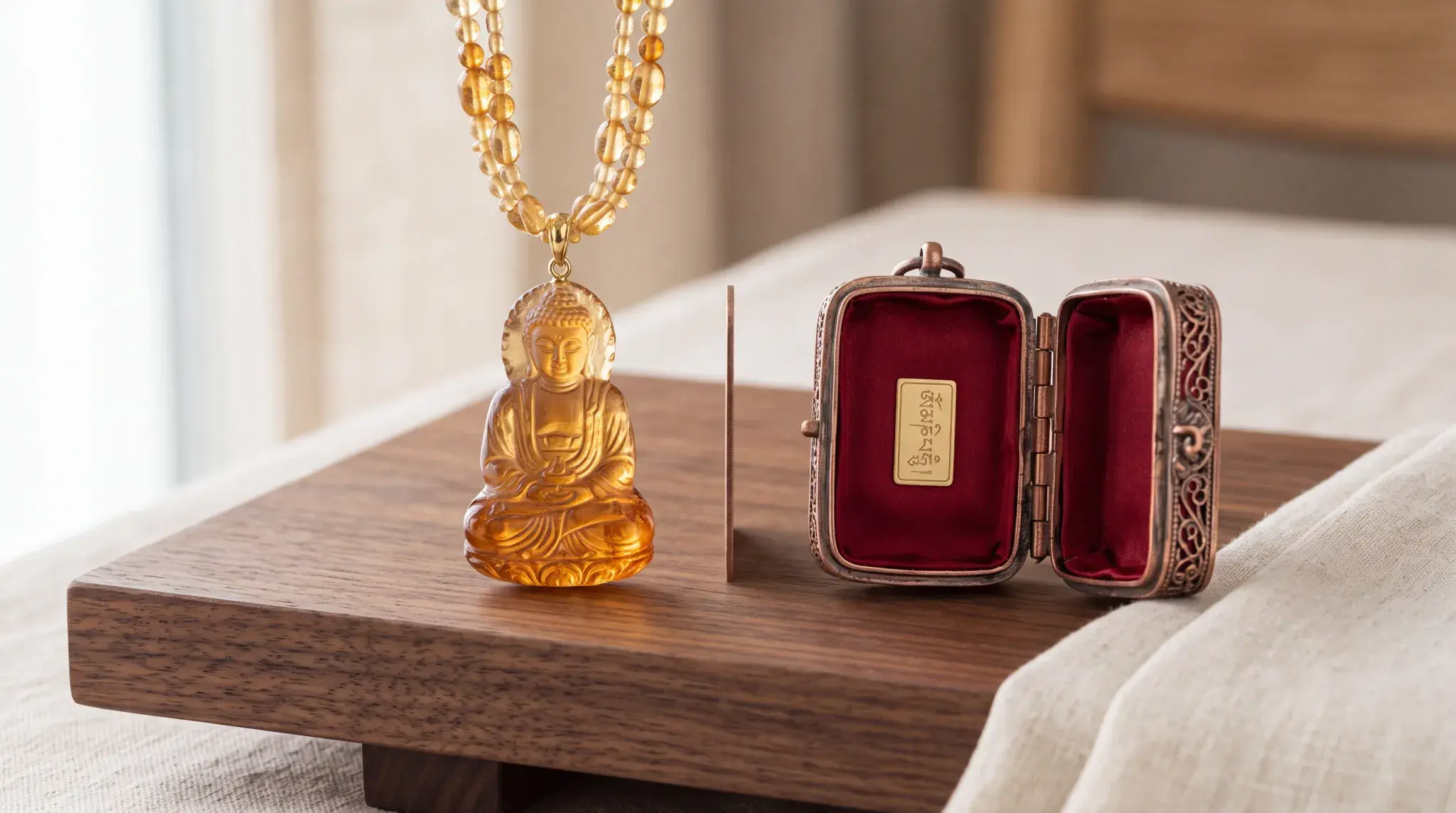
A Buddha amulet is a solid sacred image of the Buddha that you wear as a reminder and, traditionally, for protection. A Gawu box is a hollow, openable Tibetan prayer box, a portable shrine, that carries a deity image or mantra close to your chest.
| Feature | Buddha Amulet | Gawu Box |
|---|---|---|
| Form | Solid image, carved, cast, or pressed | Hollow box that opens at the back |
| What it holds | Nothing. The image is the sacred object | Traditionally a deity image, mantra, relic, tsatsa, or blessed pills |
| Tradition | Thai votive tablets (phra khrueang); Tibetan and Chinese carved Buddha pendants | Tibetan Buddhism, worn on a cord at the neck or across the shoulder |
| Typical materials | Gemstone, carved stone, metal, clay | White copper, brass, silver, leather |
| Personalization | Fixed. You choose the image once | Open. You choose what goes inside |
| Best for | Light daily wear and a lower budget | Travel, personal intention, and meaningful gifts |
The two are not rivals, and many wearers own both. They also belong to a wider family of Buddhist protection objects, which you can browse in our guide to Tibetan Buddhist protection amulets and their meanings. This page answers one narrower question: which of the two should you wear?
What Counts as a “Buddha Amulet”?
In Thailand, a Buddha amulet (phra khrueang) usually means a small votive tablet blessed by monks. In Tibetan and Chinese practice, the term more often describes a carved or cast Buddha pendant. Museum collections, including the Spurlock Museum at the University of Illinois, document Thai Buddhist amulets as devotional objects. Search results for “Buddha amulet” lean heavily Thai, so confirm which tradition a seller means before you buy.
Why Is a Gawu Box Called a Portable Shrine?
Rubin Museum scholar James Gentry describes amulet boxes as among the most common features of Tibetan Buddhist culture. Their contents are called ten, or “receptacle,” because they hold the blessing (jinlab) and power (tu) of buddhas, bodhisattvas, and revered lamas. A box that carries that much meaning works like a shrine you can wear. Tibetans traditionally carry one on a cord around the neck or slung across the shoulder.
What Goes Inside a Tibetan Prayer Box, and Why Not Wear the Buddha Directly?
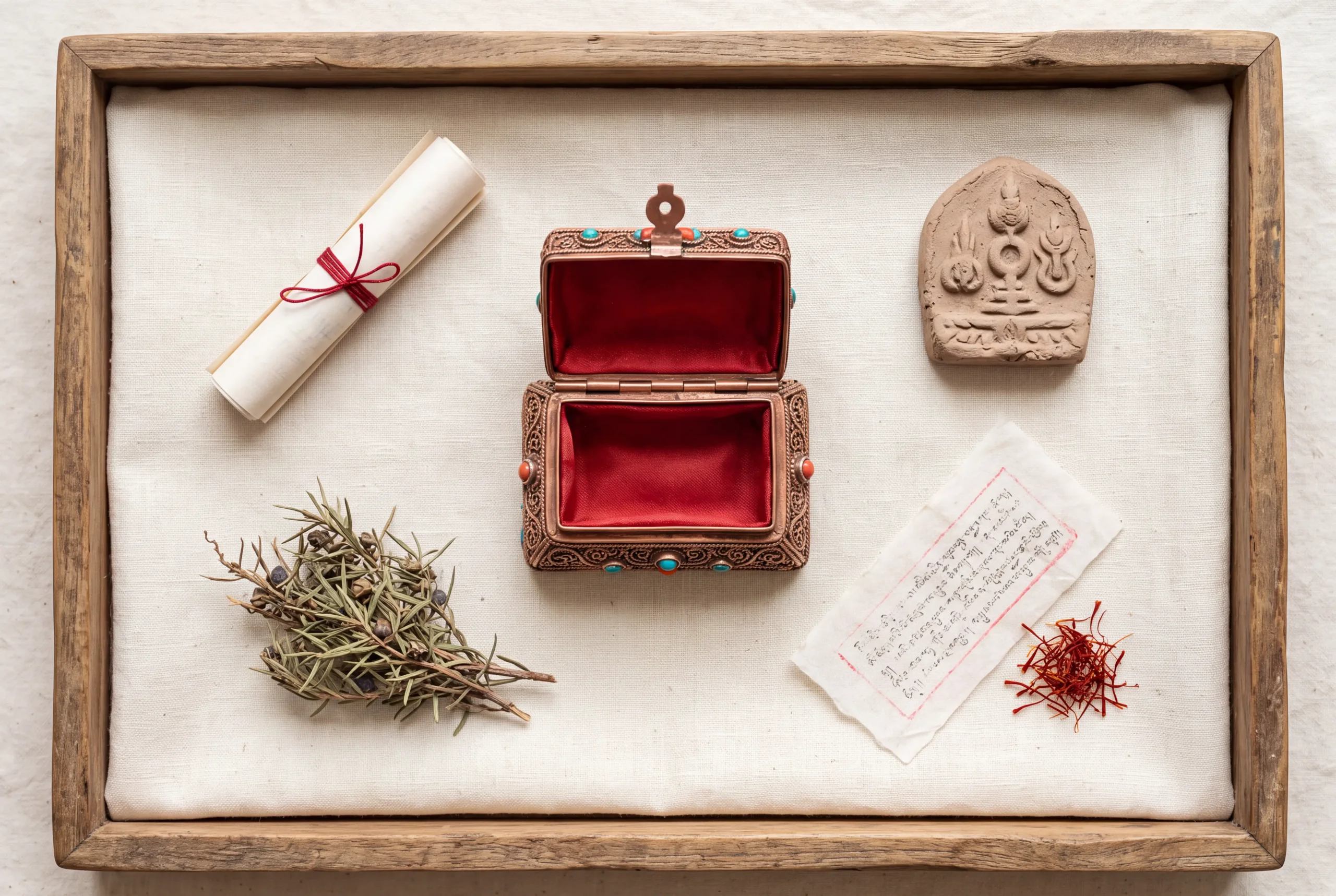
Traditionally, a Tibetan prayer box holds a deity image, rolled mantras, relics, a clay tsatsa, or blessed pills, which is why people treat it as a shrine rather than a locket. The box encloses these objects so the sacred contents stay protected and respected.
The Five Traditional Contents
- Deity images: a small printed or painted figure of a Buddha or Guardian Buddha.
- Mantras and dharanis: paper scrolls, such as Om Mani Padme Hum, rolled tightly and sealed.
- Relics: tiny sacred substances linked to revered teachers.
- Tsatsa: a small molded clay votive figure.
- Blessed pills: consecrated pills prepared by a lama.
Most of us do not own a lama’s blessed pills, and that is fine. The PotalaStore Ga Wu listing suggests modern fillers instead: a tiny printed mantra card, a pinch of juniper or saffron, or a prayer written on rice paper. The listing also notes that the back opens onto a red silk lining with a gold nameplate. Keep whatever you add thin and dry so the back closes flush.
The Respect Logic Behind the Box
Some Tibetans consider it disrespectful for a Buddha image to touch the skin directly, so the box keeps the image enclosed while it still rests over the heart. A Tibet travel guide, GoToTibet, describes this reasoning. Respect for the Buddha image is the idea that shapes the whole tradition.
The box is one Tibetan answer, not a rule for every Buddhist. Many Buddhist cultures wear Buddha pendants without a case. If you worry about wearing a sacred image the wrong way, that concern is common, and it is already a respectful place to start.
How Do Size, Weight, and Materials Compare for Daily Wear?
On PotalaStore’s own spec sheets, the citrine Buddha amulet measures about 2.0 × 1.2 in and weighs 2.1 oz with its 27.6-inch bead chain, while the hand-painted Ga Wu box pendant measures about 1.85 × 2.22 in in white copper. The table below puts all three pieces from this guide side by side.
Measured Specs Side by Side
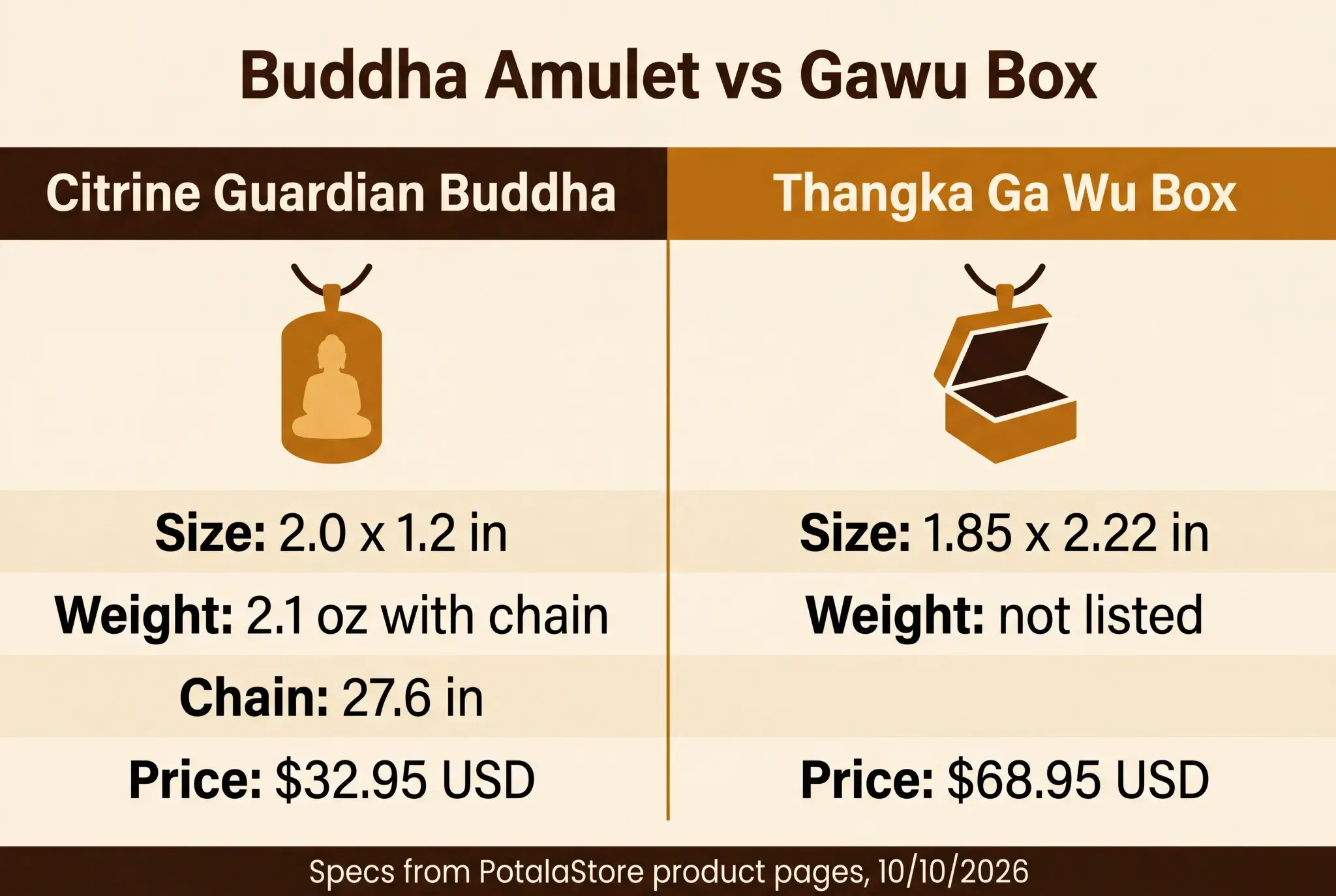
| Spec | Citrine Guardian Buddha | Thangka Ga Wu Box | Thangka Buddha (Gawu Frame) |
|---|---|---|---|
| Form | Solid, hand-carved citrine | Hollow, openable white-copper box | Leather Gawu frame, 3D hand-painted |
| Size | 5 × 3 cm (about 2.0 × 1.2 in) | 47 × 56.3 mm (about 1.85 × 2.22 in) | Not listed on page |
| Weight | 60 g (about 2.1 oz) with chain | Not listed on page | Not listed on page |
| Chain or cord | 70 cm (about 27.6 in) bead chain | Not listed on page | Adjustable cotton cord |
| Variants | 8 | 14 | 16 |
| Price | $32.95 USD | $68.95 USD | $68.95 USD |
Specs and prices taken from the product pages on 10/10/2026. Check the live page before you order.
For scale, Rubin’s collection notes that men’s gaus range from about 1 inch to over 14 inches tall. Its Kathmandu-made example measures 3½ × 3 1/8 × 1½ in. A pendant-sized Gawu box is small by museum standards. Traditional accounts also describe men’s boxes as square and women’s as round, though modern pendants follow no strict rule.
The Ga Wu piece in this table is our hand-painted thangka Ga Wu box pendant in white copper. We list the weight for the citrine piece but not yet for the Ga Wu box. We would rather show that gap than guess a number.
Materials and Everyday Care
The Ga Wu box has a white copper body with a cinnabar-colored finish and coral and turquoise accents. A hand-painted thangka sits inside the front. The listing advises keeping it away from water, direct sunlight, and chemicals. The citrine amulet is a single carved stone, so it has no hinge, no hollow, and no painted panel to protect. Its compact 2.0 × 1.2 in size is also easy to tuck under a collar.
What Will Each One Feel Like to Wear?
The specs suggest the citrine amulet is the lighter, simpler wear, and the Gawu box is the thicker, more deliberate one. We have not yet published a wear test for either piece, so treat these comfort notes as spec-based. A hollow box has depth that a flat pendant lacks, which you may notice under fitted clothing. Choose by how you dress and move through your day.
Which Protective Intention Fits Each Piece?
In Tibetan and Chinese Buddhist tradition, many people choose by deity rather than by object: a birth-year Guardian Buddha for steady, personal protection, or a figure such as Green Tara, traditionally invoked for swift help in times of fear. Pick the deity that speaks to you first, then pick the form.
Choosing by Birth-Year Guardian Buddha
Each Chinese zodiac sign pairs with one of eight Guardian Buddhas (Ben Ming Fo), so you can find your Guardian Buddha by Chinese zodiac birth year in a few minutes. The Citrine Guardian Buddha comes in 8 variants. The Ga Wu box comes in 14, including Green Tara.
Here is a personal touch only a Gawu box allows. You can place a small printed image of your Guardian Buddha inside it. A solid amulet cannot hold anything beyond its own image.
Choosing by Life Situation
Himalayan Art Resources notes that an amulet box traditionally offers protection when traveling, such as on pilgrimage or extended business trips. That makes a Gawu box a natural fit for a cross-country move, a long road trip, or a new job far from home. A Buddha amulet suits a quieter purpose, such as a daily reminder of calm and compassion at your desk.
For gifts, match the piece to the person. A first spiritual gift often works best as a simple amulet. A friend with an established practice may value the openable box more.
Want the lighter, lower-cost option? Start with the citrine piece.Shop the Citrine Guardian Buddha Necklace, $32.95 USD
Should You Choose a Buddha Amulet or a Gawu Box? Pros, Cons, and Our Verdict
Choose a Buddha amulet if you want a lighter, lower-cost daily reminder, and choose a Gawu box if you want to personalize what you carry and accept a thicker pendant that needs gentler care. The lists below show the trade-offs plainly.
Buddha Amulet: Pros and Cons
- Pro, lower price: the citrine Guardian Buddha is $32.95 USD, less than half the Ga Wu box.
- Pro, simple wear: a solid stone has no hinge and no painted panel to protect.
- Con, fixed image: you cannot add a mantra, prayer, or personal item.
- Con, direct contact: the Buddha image rests against clothing or skin, which some traditions avoid.
Gawu Box: Pros and Cons
- Pro, personalization: the back opens, so you choose what sits over your heart.
- Pro, travel tradition: the form is rooted in protection for journeys and pilgrimage.
- Con, higher price: the hand-painted Ga Wu box is $68.95 USD.
- Con, gentler care: the listing says to avoid water, sunlight, and chemicals, and its weight is not yet listed.
Our Verdict: Who Should Choose Which
- Budget under $40: choose the Buddha amulet.
- Want something personal inside: choose the Gawu box.
- Buying for a frequent traveler or an older family member: choose the Gawu box.
- Cannot decide: choose the hybrid, a Buddha image inside a Gawu frame, shown at the end of this guide.
The hybrid is the Tibetan Thangka Buddha pendant. It is 3D hand-painted on a leather Gawu frame with an adjustable cotton cord, and it comes in 16 variants. It has only 3 reviews so far, averaging 4.33 out of 5, so treat that rating as an early signal.
If neither form feels right, see how dorje, vajra, and prayer wheel pendants compare. For holiday gifts, U.S. shipping is listed at 5 to 10 business days, so order early in December to be safe before Christmas on 12/25/2026.
How Do You Wear and Care for a Protective Pendant Respectfully?
Wear either piece above the waist, ideally at the chest, remove it before bathing or sleeping, and store it on a clean, raised surface. These habits reflect how Tibetan practitioners have traditionally treated sacred objects.
Where and When to Wear It
Keep the pendant at chest height, never below the waist. Take it off before bathing, swimming, or sleeping, as the Ga Wu listing advises. Do not wear it as a costume piece or as a joke. When it is off, set it on a clean shelf or in a pouch, not on the floor or a bathroom counter.
Does It Need to Be Blessed?
Tradition holds that a qualified lama performs the consecration (rabne) that sets a sacred object apart from an ordinary one. Practices differ by culture. Wikipedia reports that monks chant and bless Thai Buddha amulets, a process that can take from a week to several years.
The Ga Wu product page describes a 3-day puja and rab gnas blessing. That is the seller’s statement, not an independent certification. Ask any seller, including us, what the blessing involved and who performed it.
Cleaning Without Damage
Wipe the piece with a soft, dry cloth. Skip jewelry dips, polishing chemicals, and ultrasonic cleaners, which can harm hand-painted thangka art and metal finishes. The same advice applies to the citrine amulet’s chain. If a painted panel gets wet, pat it dry right away and keep it out of sunlight.
Frequently Asked Questions
Yes. Many Buddhist teachers and sellers say these pieces are meant for anyone who treats them with respect, whatever their faith. Handle yours with care, keep it above the waist, and do not wear it as a joke or a costume. If you are unsure, your respectful intent matters most.
It is best to take it off. An occasional splash will not “undo” a blessing, but soaking can damage metal boxes, painted finishes, and thangka art. The Ga Wu listing advises removing the pendant before bathing, swimming, or sleeping.
Yes. Traditionally a lama places a mantra or blessed substance inside, but many wearers add a handwritten prayer or a small mantra card. Keep the contents thin, dry, and meaningful, and check that the back closes fully.
For a first spiritual gift, a Buddha amulet matched to the recipient’s birth-year Guardian Buddha is personal and easy to wear. For someone who travels often or already has a practice, a Gawu box feels more meaningful. Look up their Guardian Buddha first, then order early in December for 5 to 10 business days of U.S. shipping.
The bottom line: a Buddha amulet is the sacred image, and a Gawu box is the shrine that holds one. Pick the amulet for light, everyday wear and a lower price. Pick the Gawu box for personal meaning, travel, and a gift with a story. If you want both, the hybrid pendant gives you a Buddha image in a Gawu frame.
Cannot Choose? Wear a Buddha Image Inside a Gawu Frame
The Tibetan Thangka Buddha pendant combines a hand-painted 3D Buddha with a leather Gawu frame, $68.95 USD in 16 variants.Shop the Thangka Buddha Pendant →
Editorial note: Written by the PotalaStore editorial team. Facts about Tibetan and Thai Buddhist practice come from the museum and academic sources below. Product sizes, weights, and prices come from PotalaStore product pages checked on 10/10/2026. Statements about blessings are the seller’s own and are not independently certified. This guide describes traditional beliefs and does not offer medical or psychological advice. Version 1.0, last updated 10/10/2026.
📚 References
- Amulet Box (Gau) with Its Contents: Rubin Museum scholar James Gentry on the contents, purpose, and examples of Tibetan amulet boxes. Rubin Museum of Art, Project Himalayan Art
- Ritual Object: Amulet Box (Ga’u): Function, size, and shape of Tibetan amulet boxes, including travel use. Himalayan Art Resources
- Featured Object: Thai Buddhist Amulet: A museum entry on Thai Buddhist amulets as devotional objects. Spurlock Museum, University of Illinois
- Thai Buddha Amulet: Overview of Thai votive amulets and how monks bless them. Wikipedia