
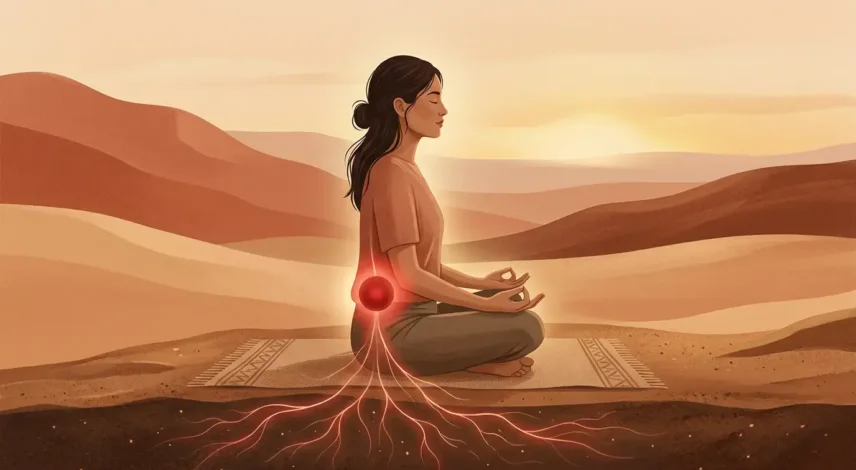

If you have felt anxious, unsafe, or like the ground keeps shifting under you, your root chakra may be asking for attention. This guide explains what the root chakra means, how to spot the signs of a blocked root chakra, and how to heal and balance it with grounding practices and crystals.
The root chakra (Muladhara) is the first of the seven chakras, located at the base of the spine. It governs your sense of safety, stability, and survival, and it forms the foundation that every chakra above it depends on. In Sanskrit, Mula means root and Adhara means base, so Muladhara is your energetic foundation.
When your root chakra feels balanced, you feel grounded, secure, and able to trust life. When it is blocked, fear and insecurity tend to take over. If several of the signs below sound familiar, you are not alone, and this is very workable. At PotalaStore, we work with authentic grounding stones and Tibetan healing tools drawn from Himalayan traditions, so what follows blends traditional yogic teaching with what practitioners actually use today.
⚠️ Important note: Information about the root chakra’s spiritual and energy properties reflects traditional beliefs and practitioner experience, not scientific evidence. This content is educational and is not a substitute for professional medical or mental health care.
Table of Contents
Root Chakra at a Glance
| Aspect | Detail |
|---|---|
| Sanskrit name | Muladhara (मूलाधार), meaning “root support” |
| Location | Base of the spine (perineum) |
| Color | Red |
| Element | Earth |
| Seed mantra | LAM (लं) |
| Sound frequency | 194.18 Hz (Earth tone) |
| Associated gland | Adrenal glands |
| Key stones | Garnet, red jasper, black tourmaline, hematite, smoky quartz |
What Is the Root Chakra (Muladhara)?
The root chakra is the first energy center in the seven-chakra system, located at the base of the spine. It governs your survival instincts, your sense of safety, and your physical connection to the earth, which is why it is often called your grounding center. A steady root chakra gives you grounding and stability, so the higher chakras can develop without feeling shaky.
Where Is the Root Chakra Located?
The root chakra sits at the base of the spine, in the perineum, between the tailbone and the pelvic floor. Its energy runs down through the legs and feet, the parts of you that touch the ground. This low position reflects its job, which is keeping you rooted in your body and the physical world.
What the Root Chakra Governs (Safety and Survival)
Muladhara governs your most basic needs, including safety, shelter, food, and financial security. It is tied to the Earth element, the energy of stability and physical survival. When these needs feel met, your body relaxes. When they feel threatened, Muladhara sounds the alarm through anxiety and unease.
The Meaning, Color, and Symbol of Muladhara
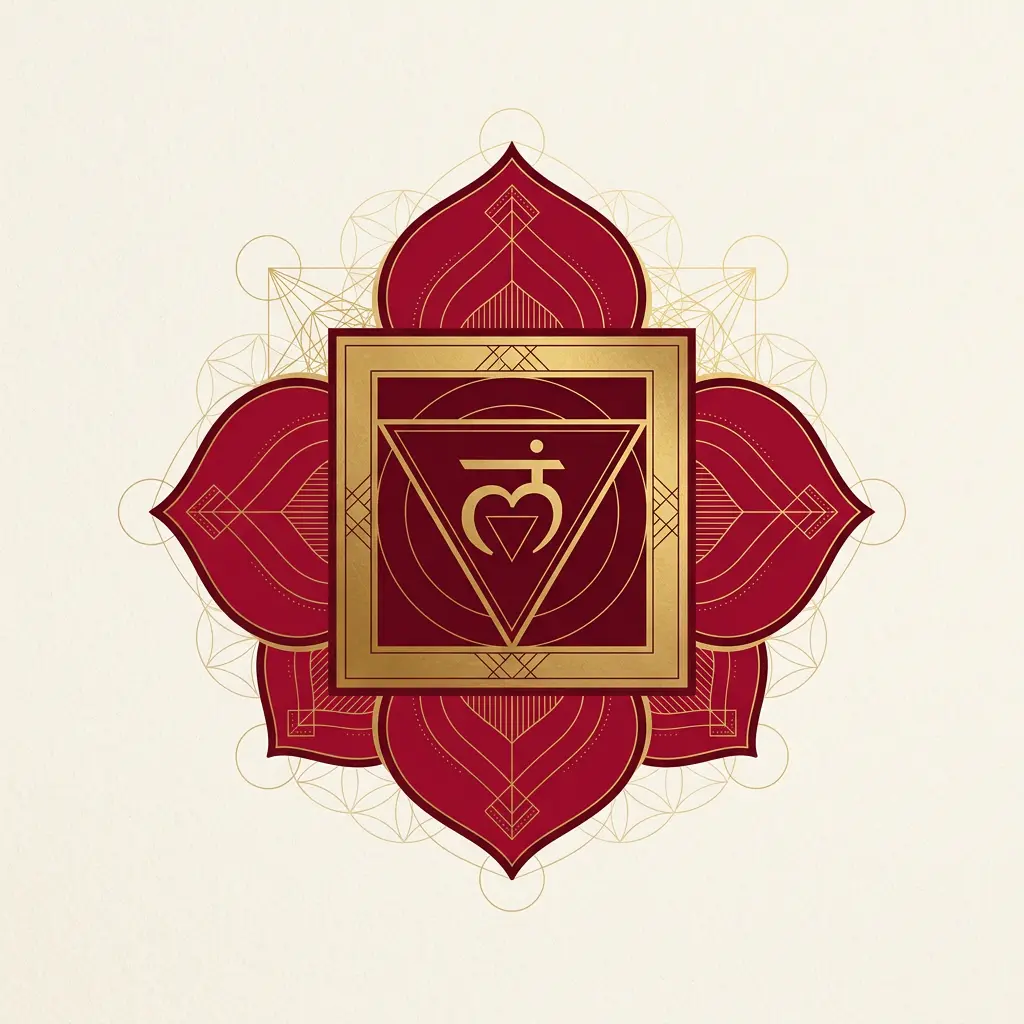
Muladhara is symbolized by a deep red, four-petaled lotus with a downward-pointing triangle at its center. Red stands for vitality and survival, and the seed sound LAM carries its vibration. Each part of the symbol points back to safety, structure, and connection to the earth.
Why the Root Chakra Is Red
The root chakra’s color is red, the shade of blood, vitality, and primal life force. Red signals survival energy and the drive to protect yourself and stand your ground. Picturing a warm red light at the base of your spine is a simple way to focus on this center.
The Muladhara Symbol Explained
The Muladhara symbol is a red lotus with four petals, framing a square and a downward triangle. The four petals represent mind, intellect, consciousness, and ego. The square stands for structure and steadiness, and the downward triangle shows energy flowing toward the earth.
The LAM Mantra and the 194.18 Hz Earth Frequency
The seed mantra of the root chakra is LAM (लं), a sound believed to activate and steady Muladhara. It resonates with an Earth tone of 194.18 Hz, the frequency traditionally linked to grounding. Chanting LAM slowly, or listening to this frequency, is a common way to settle root chakra energy.
Signs Your First Chakra Is Blocked or Overactive

A blocked first chakra usually shows up as ongoing anxiety, insecurity, and fear around money or safety, paired with physical signs like lower-back pain, fatigue, and digestive issues. The signs fall into two groups, emotional and physical.
Emotional and Mental Signs
- Persistent anxiety or fear about money, work, or basic safety
- Insecurity and low trust, needing constant reassurance from others
- Feeling ungrounded or disconnected from your body
- Scarcity thinking, holding tightly to money and possessions
- Low motivation and a sense of not belonging
Physical Signs in the Body
Because the root chakra is linked to the adrenal glands and the body’s fight-or-flight response, imbalance often surfaces physically:
- Lower-back or tailbone pain
- Leg, knee, or foot discomfort
- Chronic fatigue or low energy
- Digestive issues, such as constipation
- Frequent illness or weakened immunity
Underactive vs. Overactive: A Quick Self-Check
Your root chakra can be underactive (blocked) or overactive. Underactive feels like floating anxiety and never quite feeling safe. Overactive feels like rigidity, control, and clinging to security. Ask yourself:
- Do I often feel anxious about money or basic needs?
- Do I struggle to feel safe or settled in my body?
- Do I cling tightly to routine, control, or possessions?
- Do I have ongoing lower-body or digestive discomfort?
- Do I find it hard to trust that things will work out?
Noticing several of these is common, and it points to awareness, not a diagnosis. The practices below are designed to help you rebuild a steady foundation.
Grounding Crystals and Stones for the Base Chakra

The most trusted root chakra crystals are grounding stones: garnet, red jasper, black tourmaline, hematite, and smoky quartz. Each is traditionally used to restore stability and a sense of safety.
| Stone | Traditional Property | Best For | Hardness (Mohs) |
|---|---|---|---|
| Garnet | Deep grounding, courage, clearing fear | Building a steady foundation | 6.5 to 7.5 |
| Red Jasper | Stability, endurance, physical strength | Everyday grounding | 6.5 to 7 |
| Black Tourmaline | Protection, EMF shielding, grounding | Sensitive people, busy spaces | About 7 |
| Hematite | Grounding, focus, emotional steadiness | Staying centered under stress | 5 to 6 |
| Smoky Quartz | Turning stress into calmer energy | Overthinking and tension | 7 |
Best Root Chakra Crystals, Stone by Stone
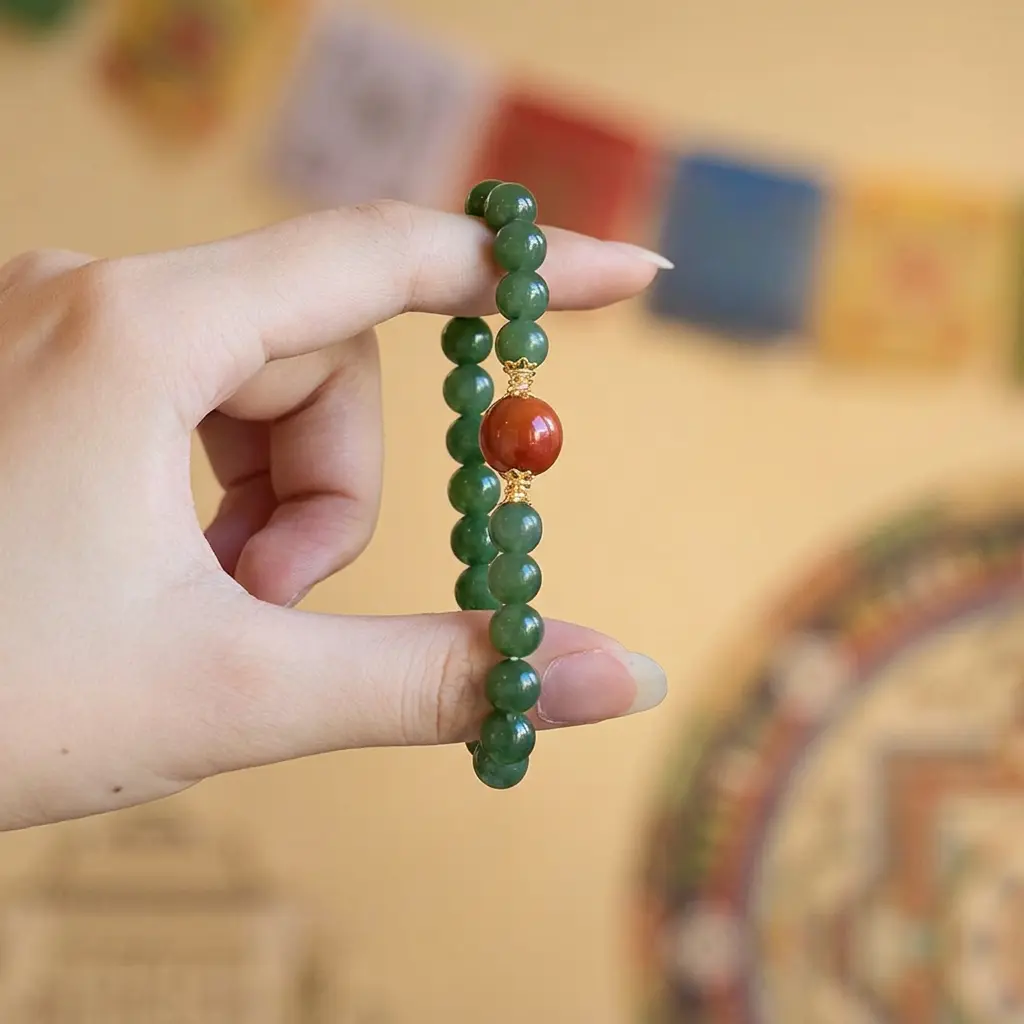
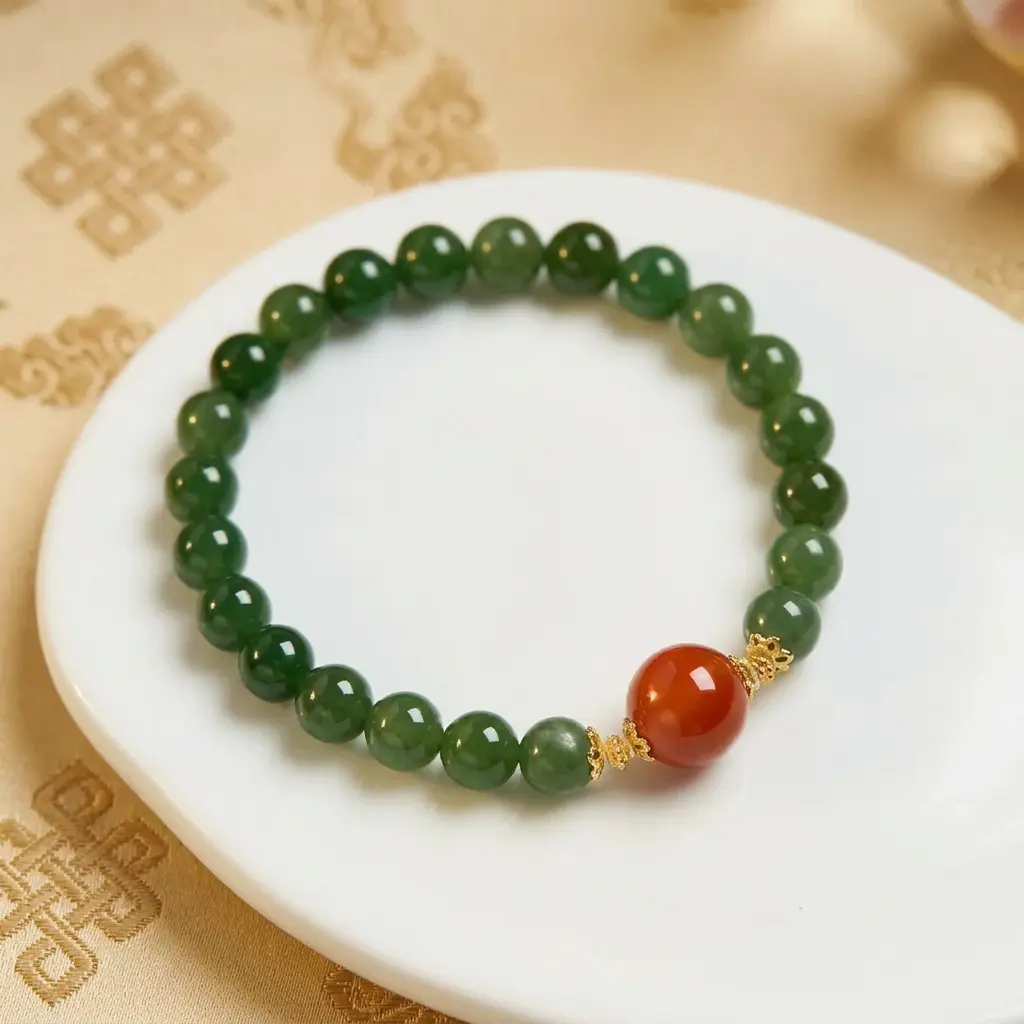
Garnet is a deep crimson stone and one of the strongest root chakra anchors, traditionally used for grounding, courage, and clearing fear. Its grounding energy makes it a favorite starting stone for Muladhara work. Our natural garnet root chakra bracelet pairs garnet with a heart-opening accent for a grounded, steady feel.
In our experience at PotalaStore, sourcing stones directly rather than through the usual four to six middlemen, quality varies far more than most listings admit. Many wearers tell us they notice a shift over about 21 to 48 days of steady wear, not overnight, so patience matters. The other core stones each have a role too. Red jasper is the everyday workhorse for stability. Black tourmaline is the go-to for sensitive people and screen-heavy spaces. Hematite keeps you focused under pressure, and smoky quartz eases overthinking. You can explore more root chakra healing crystals to find the stone that fits your intention.
How to Wear and Place Grounding Stones
To work with root chakra stones, keep them in contact with your body or your space. Wear a bracelet on your left wrist, the receiving side in many traditions. Slip a stone in your pocket on stressful days, or set one near your desk or bed. During meditation, some people rest a stone at the base of the spine to focus the energy there.
Choosing and Cleansing Authentic Stones
Choose natural stones over dyed glass, and cleanse them regularly so they keep working well. Moonlight and sage smudging are gentle, reliable methods. Avoid salt water, which can damage softer stones like hematite. If you are not sure which stone suits you, our guide on how to choose the right healing crystal bracelet walks through it by intention, and our roundup of the best grounding crystals for protection from negative energy covers protective stones in more depth.
💡 Pro Tip: Pair a grounding stone with a daily habit, like ten quiet minutes each morning. The stone becomes a physical cue that keeps your practice consistent, which is where most of the results come from.
How to Heal and Balance Your Root Chakra
To heal your root chakra, focus on grounding practices that rebuild a sense of safety. The core methods are earthing, mantra meditation, sound healing, and affirmations.
- Ground barefoot on grass, soil, or sand for 10 to 20 minutes.
- Meditate on the base of your spine, chanting the LAM mantra.
- Use sound healing, such as a Tibetan singing bowl with an earthy tone.
- Repeat grounding affirmations like “I am safe and supported.”
- Eat grounding foods, especially red and root vegetables.
Grounding and Earthing Practices
Earthing means making direct skin contact with the ground, such as walking barefoot outdoors. Research on grounding suggests it may calm the nervous system and support better sleep and lower stress. Even a few minutes a day builds grounding and stability over time.
Root Chakra Meditation with the LAM Mantra
Sit with your spine upright and bring your attention to the base of your spine. Picture a warm red light there, steady and supportive. Chant LAM softly for 5 to 10 minutes, letting the sound settle into your lower body. A morning session sets a grounded tone for the whole day.
Sound Healing with a Tibetan Singing Bowl
Sound settles the nervous system quickly, which makes it useful for root chakra work. A Tibetan singing bowl produces low, steady tones that many people find deeply grounding. Playing a bowl while you chant LAM layers two grounding methods at once. You can add a Tibetan singing bowl for sound healing to your practice for a simple daily reset.
Affirmations and Grounding Yoga Poses
Affirmations gently reshape the fear-based beliefs behind a blocked root chakra. Repeat lines like “I am safe,” “I am grounded and supported,” and “I have what I need.” A few grounding yoga poses reinforce the same feeling: Mountain Pose (Tadasana), Garland Pose (Malasana), and Child’s Pose (Balasana). Hold each for several slow breaths, feeling your weight settle toward the floor.
It helps to keep perspective. Western medicine does not recognize chakras as physical structures, though many clinicians see value in the grounding, breathwork, and mindfulness that chakra practice encourages. Treat these tools as support for your wellbeing, and see a professional for ongoing physical or emotional symptoms.
Frequently Asked Questions
With consistent grounding practice, many people notice subtle shifts within one to two weeks. Deeper or long-standing imbalances can take several weeks to months. With regular crystal wear, changes often appear over about 21 to 48 days of steady use.
Garnet, red jasper, black tourmaline, hematite, and smoky quartz are the most trusted grounding stones. Garnet is a popular anchor for its deep red, stabilizing energy. Start with one stone that matches your intention, then build from there.
Yes. An overactive root chakra can show up as excessive attachment to money or security, hoarding, rigidity, and fear of change. Balance it by pairing grounding practices with relaxation, flexibility, and learning to trust.
Grounding red and root foods support Muladhara. Good choices include beets, red apples, pomegranate, and root vegetables like carrots, potatoes, and ginger, plus protein for a strong physical base.
The key takeaway is simple. Your root chakra is the foundation of your whole energy system, so a little steady attention to grounding pays off everywhere else. Start with one practice from this guide, add a grounding stone as a daily cue, and give it a few weeks.
Ground Your Energy, Starting Today
Explore PotalaStore’s collection of authentic root chakra crystals and grounding stones, chosen to support stability, safety, and a steady foundation.Shop Grounding Crystals →
📚 References
- 7 Chakras and What They Mean: Overview of the chakra system, including the root chakra, and how modern medicine views these practices. Cleveland Clinic
- Practical Applications of Grounding to Support Health: Peer-reviewed review of earthing and its effects on the nervous system and stress. Koniver L., Biomedical Journal (2022). NIH / PMC
- Gemstone Education: Authoritative reference on gemstone properties, hardness, and identification. Gemological Institute of America (GIA)
- What Are the Seven Chakras? Plain-language explanation of chakras, blockages, and balancing practices. WebMD