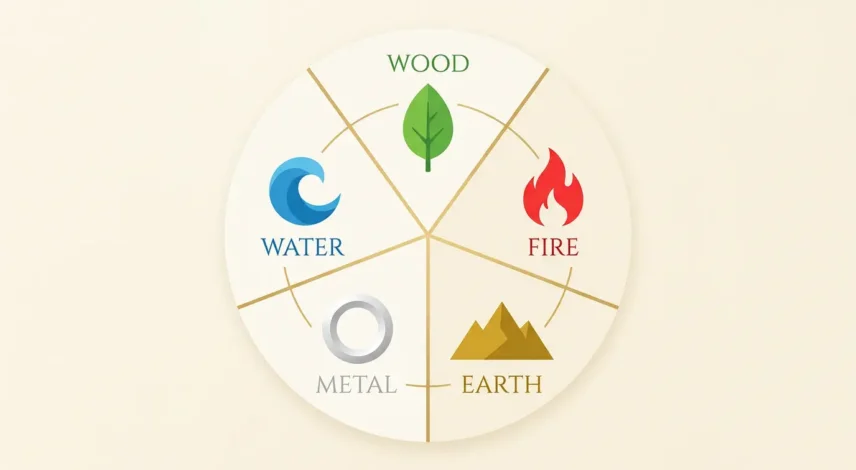

If feng shui feels like a maze of mysterious rules, start here: everything comes back to five simple energies. The five elements in feng shui, Wood, Fire, Earth, Metal, and Water, are not five physical materials. They are five types of energy, known in Chinese as Wu Xing (五行), that flow through every room and every person. Master how these five phases interact, and the rest of feng shui starts to click into place.
At PotalaStore, we have spent more than a decade working alongside artisans and monastery communities in Nepal and Tibet, where the five elements shape everything from crystal selection to home altars. That experience, plus thousands of conversations with customers new to feng shui, shaped this beginner’s guide. Below you will learn what each element means, how the elements support and control one another, their colors and directions, and how to balance them at home in a few practical steps.
⚠️ Important note: The information about the elements and their energy properties reflects traditional feng shui beliefs and cultural practice, not scientific evidence. This content is for educational purposes and is not medical, psychological, or financial advice.
Table of Contents
What Are the Five Elements in Feng Shui? (Wu Xing Explained)
The five elements in feng shui are Wood, Fire, Earth, Metal, and Water, five types of energy that interact in cycles to shape the chi, or energy flow, of any space. In feng shui tradition, everything in your home carries one of these five energies, and balance among them is believed to support a calmer, more supportive environment.
Wu Xing: Five Phases of Energy, Not Five Materials
The word Wu Xing translates as “five phases” or “five movements,” which captures the idea better than “five elements” does. Western thinking often treats elements as building blocks of matter. Chinese thought treats them as moving forces or energies of five sorts. As the Feng Shui Institute International puts it, Wu Xing should not be taken literally; the five names are simply a way to describe five kinds of energy. So when feng shui calls a red sofa a “Fire” object, it means the sofa carries active, warm, upward energy, not that it is literally on fire.
Where the Five Elements Came From
The five-element system was organized by the scholar Zou Yan in the third century BCE and became a dominant framework during the Han dynasty (206 BCE to 220 CE). It grew alongside the concept of yin and yang and the idea of qi, the life-force energy said to run through all things. Understanding this history matters for one reason: the five elements are an ancient cultural tradition with real depth, not a modern decorating trend.
Meet Each Element: Wood, Fire, Earth, Metal, and Water
Each element carries its own signature of energy and a feeling it brings into a room. Here is what each one represents at a glance.
- Wood: growth, vitality, and new beginnings. Structured and expansive, like a tree reaching upward.
- Fire: passion, energy, and visibility. Enthusiastic and lively, sometimes restless.
- Earth: stability, nourishment, and grounding. Reliable and steady, the center that holds everything together.
- Metal: clarity, precision, and focus. Sharp, decisive, and organized.
- Water: flow, intuition, and depth. Reflective, creative, and calm.
Wood and Fire: Growth and Passion
Wood energy fuels ambition and expansion, which is why feng shui links it to career growth and fresh starts. Fire energy fuels recognition and connection, adding warmth and social spark to a space. A living room with a little Wood and Fire feels active and welcoming. Too much, though, and the room can feel restless, which is where the balancing cycles below come in.
Earth, Metal, and Water: Stability, Clarity, and Flow
Earth energy grounds a home and supports health and relationships, so it suits bedrooms and central rooms. Metal energy sharpens focus and order, which makes it useful in a home office. Water energy invites calm, reflection, and abundance, and it pairs naturally with entryways in feng shui practice. Together, these three temper the heat of Fire and the push of Wood, creating a home that feels balanced rather than chaotic.
How the Elements Interact: Productive, Destructive, and Weakening Cycles
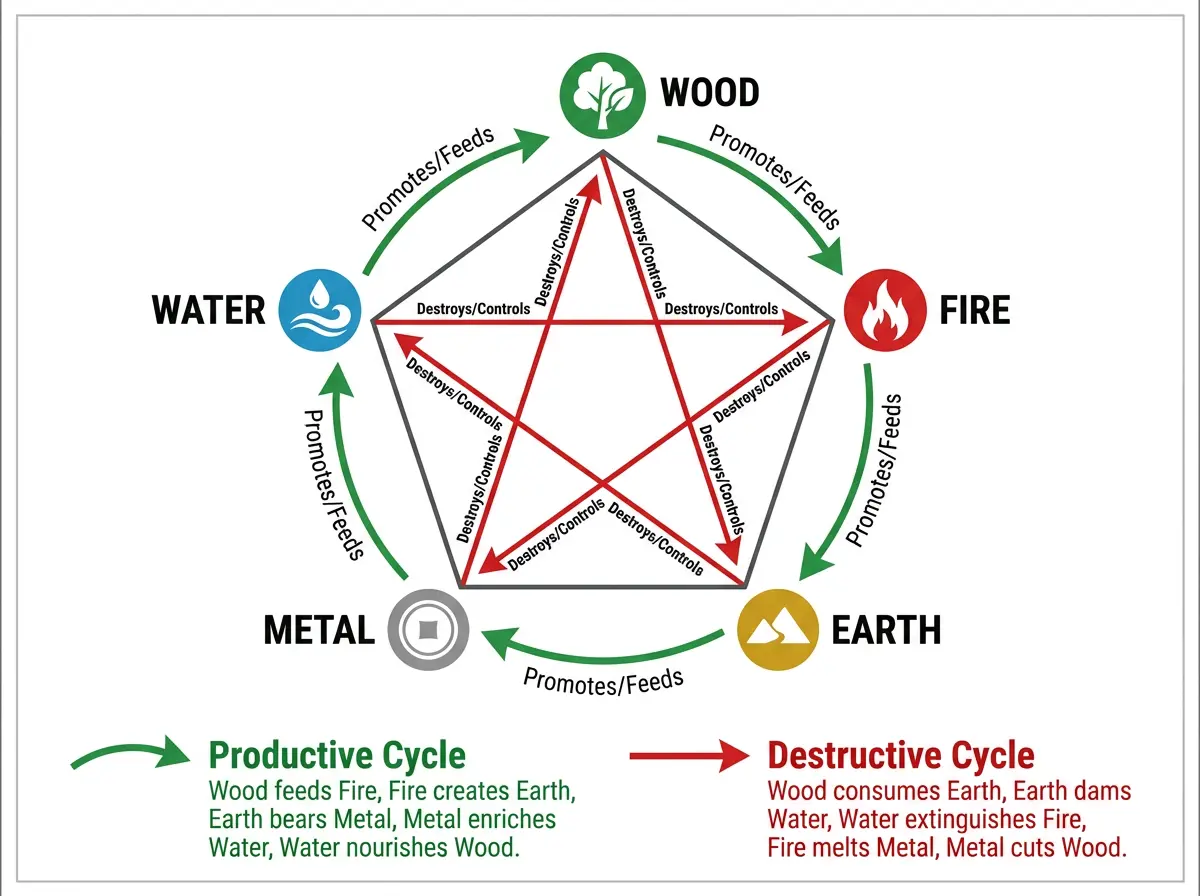
The five elements are never static. They feed, control, and drain one another through three cycles, and every feng shui adjustment is built on them. Understanding the productive cycle and the destructive cycle together is what lets you fix an imbalance instead of guessing.
The Productive (Generating) Cycle
In the productive cycle, each element creates and strengthens the next, in this order:
- Wood feeds Fire: wood is fuel for a flame.
- Fire creates Earth: ash and burnt matter enrich the soil.
- Earth bears Metal: ore forms within the ground.
- Metal carries Water: metal collects and channels water (think of condensation on a cold surface).
- Water nourishes Wood: water helps trees and plants grow, and the cycle begins again.
You use this cycle to strengthen a weak element. To boost Fire energy in a room, add Wood, because Wood feeds Fire.
The Destructive and Weakening Cycles
The destructive (controlling) cycle is how one element keeps another in check: Wood parts Earth, Earth dams Water, Water quenches Fire, Fire melts Metal, and Metal chops Wood. You use it to calm an element that is too strong. If a room has too much Fire, add Water to quench it.
Most beginner guides stop there, but there is a gentler third cycle worth knowing: the weakening (exhaustive) cycle, which runs in reverse of the productive cycle. Here each element drains the one that produced it. Fire exhausts Wood, Wood exhausts Water, Water exhausts Metal, Metal exhausts Earth, and Earth exhausts Fire. This matters because weakening is often the softer fix. Instead of using Water to forcefully quench too much Fire, you can add Earth, which gently exhausts Fire without a harsh clash. In our experience helping customers, this subtle option is the piece most people are missing.
Colors, Directions, and Seasons of Each Element
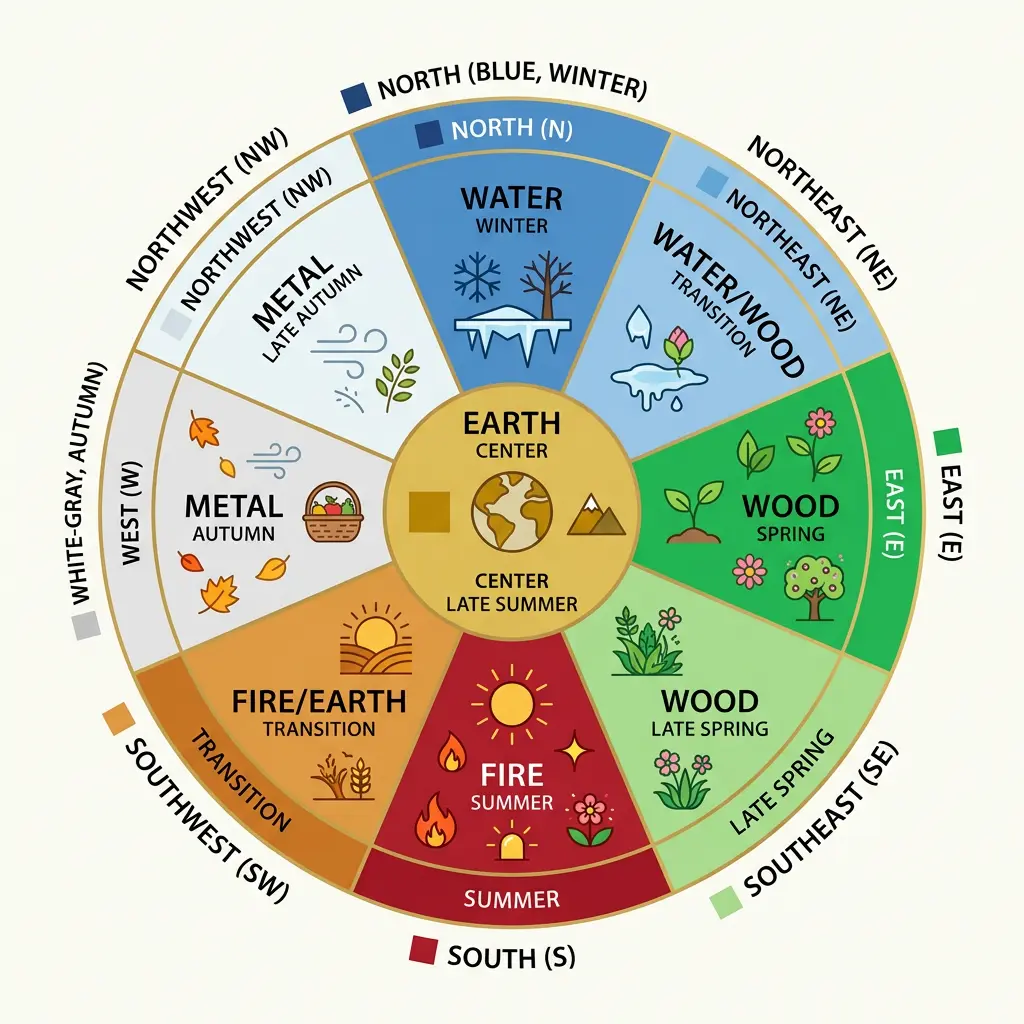
Want the cheat sheet? Here is every element matched to its color, compass direction, and season, so you can spot what a space is missing at a glance.
The Five-Element Color, Direction, and Season Chart
| Element | Colors | Direction | Season |
|---|---|---|---|
| Wood | Green, teal, brown | East and Southeast | Spring |
| Fire | Red, orange, purple, pink | South | Summer |
| Earth | Yellow, sandy beige, brown | Center, Northeast, Southwest | Late summer and transitions |
| Metal | White, gray, metallic | West and Northwest | Autumn |
| Water | Blue, black | North | Winter |
This chart is the fastest way to add an element without renovating. If a north-facing entry feels flat, a touch of blue or black adds the Water energy that direction favors. Matching an element to its color and direction is the everyday language of feng shui.
How the Elements Map onto the Bagua
The bagua is a feng shui energy map divided into nine areas, each tied to a life theme such as wealth, career, or relationships, and each governed by an element. For example, the wealth area in the southeast is a Wood zone, while the career area in the north is a Water zone. You do not need to master the full bagua as a beginner. Just knowing which element rules an area tells you which colors and objects will support it. For a deeper walkthrough, see our guide to the feng shui money corner in the bagua map.
How to Balance the Five Elements at Home
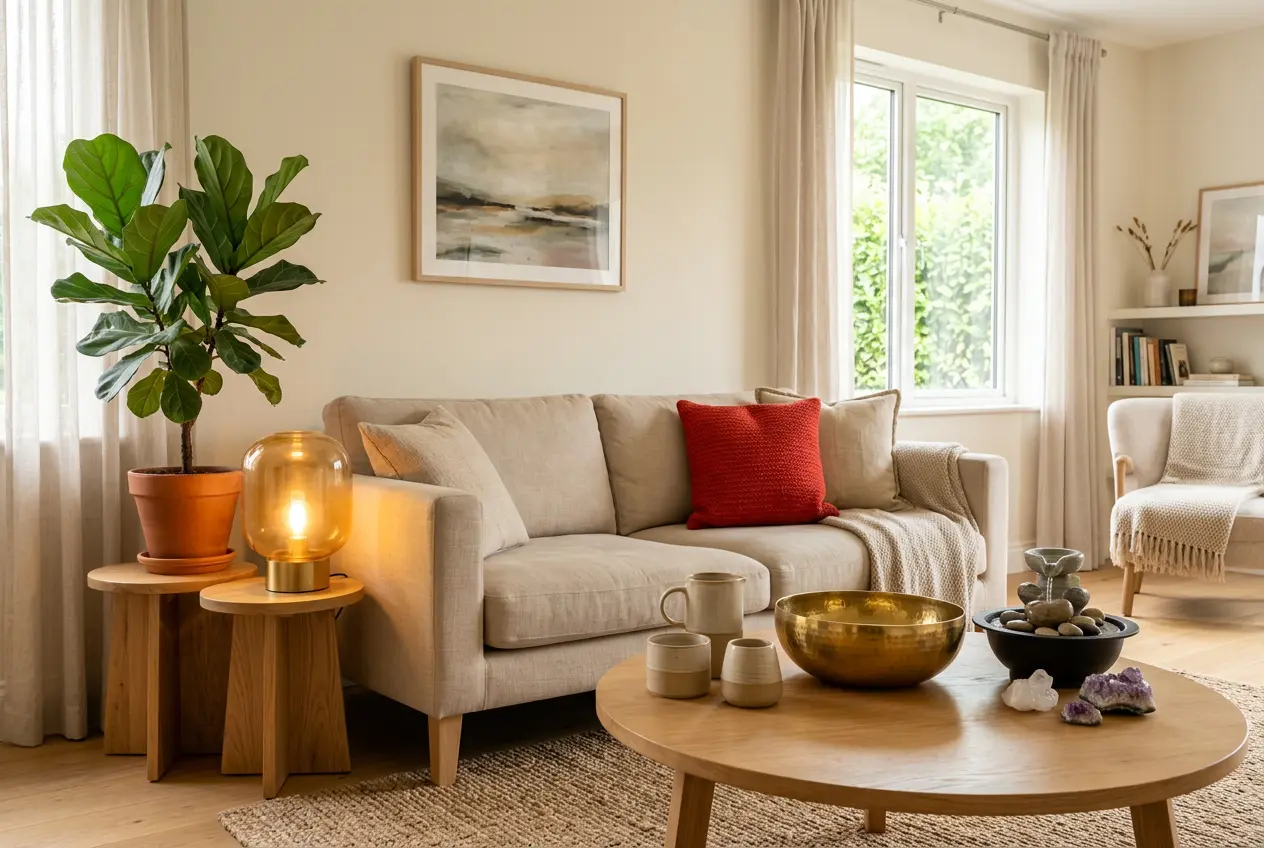
You do not need all five elements in equal amounts. You need balance. Here is how to tell which element is running the show and how to gently rebalance it. This is the practical heart of feng shui for a home.
Signs an Element Is Excessive or Missing
Each element sends signals when it is out of proportion. Reading them is simpler than it sounds.
- Too much Fire: a room feels agitated, arguments flare, sleep suffers. Common in spaces heavy with red and strong lighting.
- Too much Water: a space feels cold, scattered, or emotionally heavy.
- Missing Earth: life feels unstable or ungrounded, and rooms lack a sense of comfort.
- Missing Metal: thinking feels foggy and clutter builds with no clear order.
- Missing Wood: energy feels stuck, with little motivation or growth.
Simple Ways to Rebalance (Colors, Shapes, and Crystals)
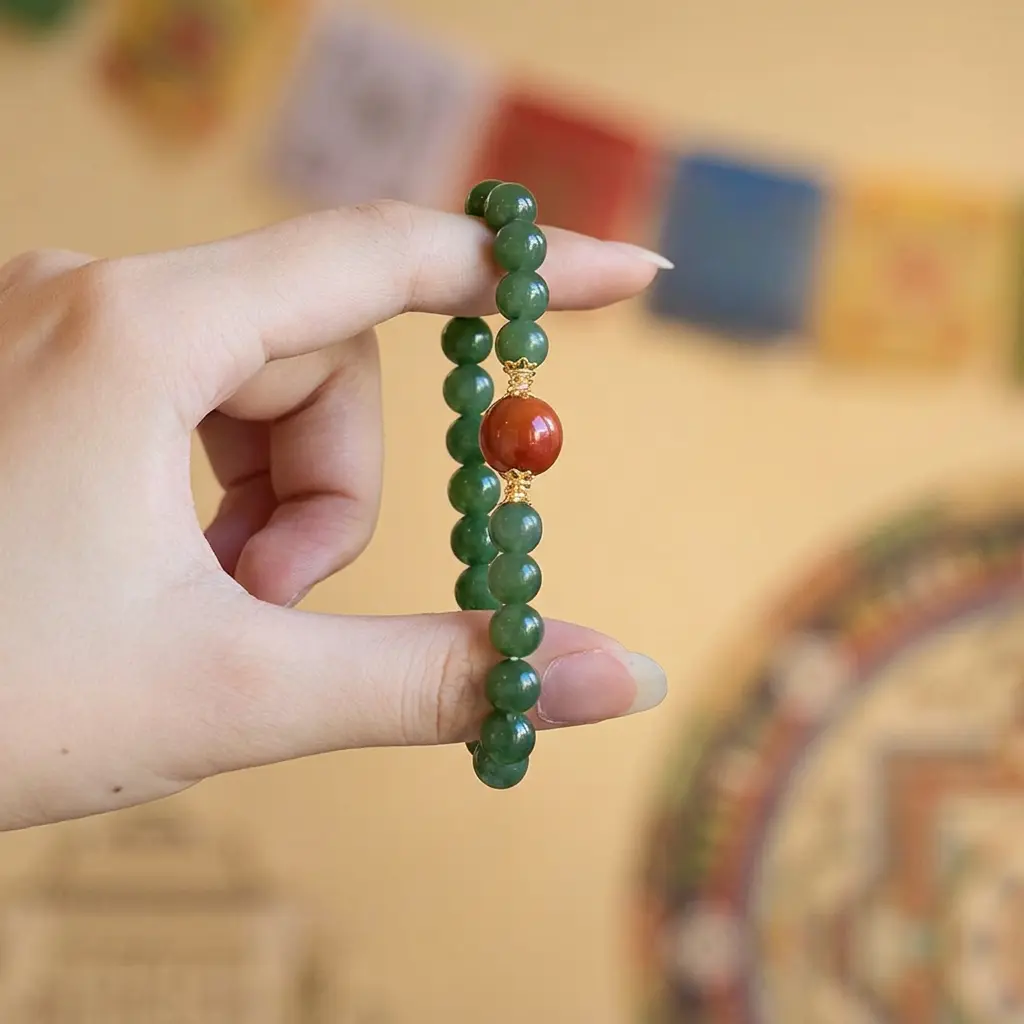
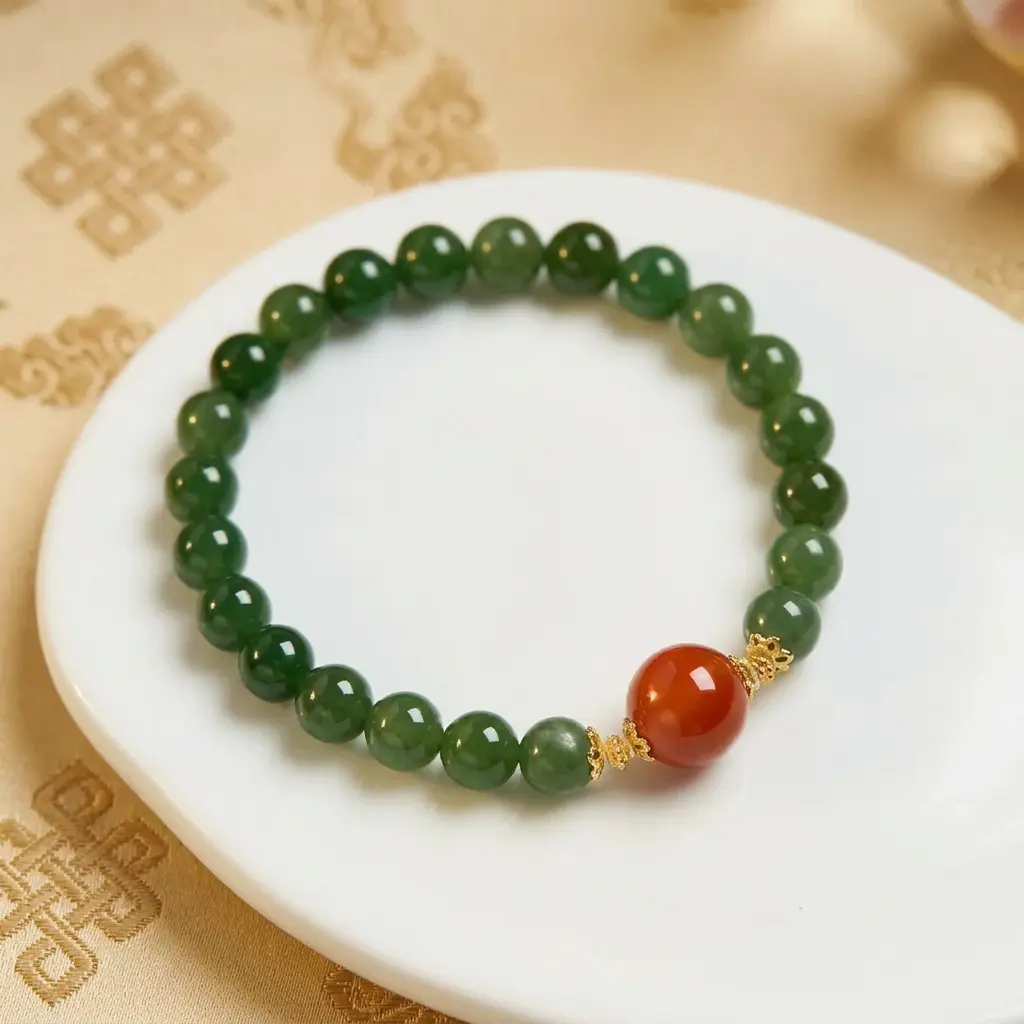
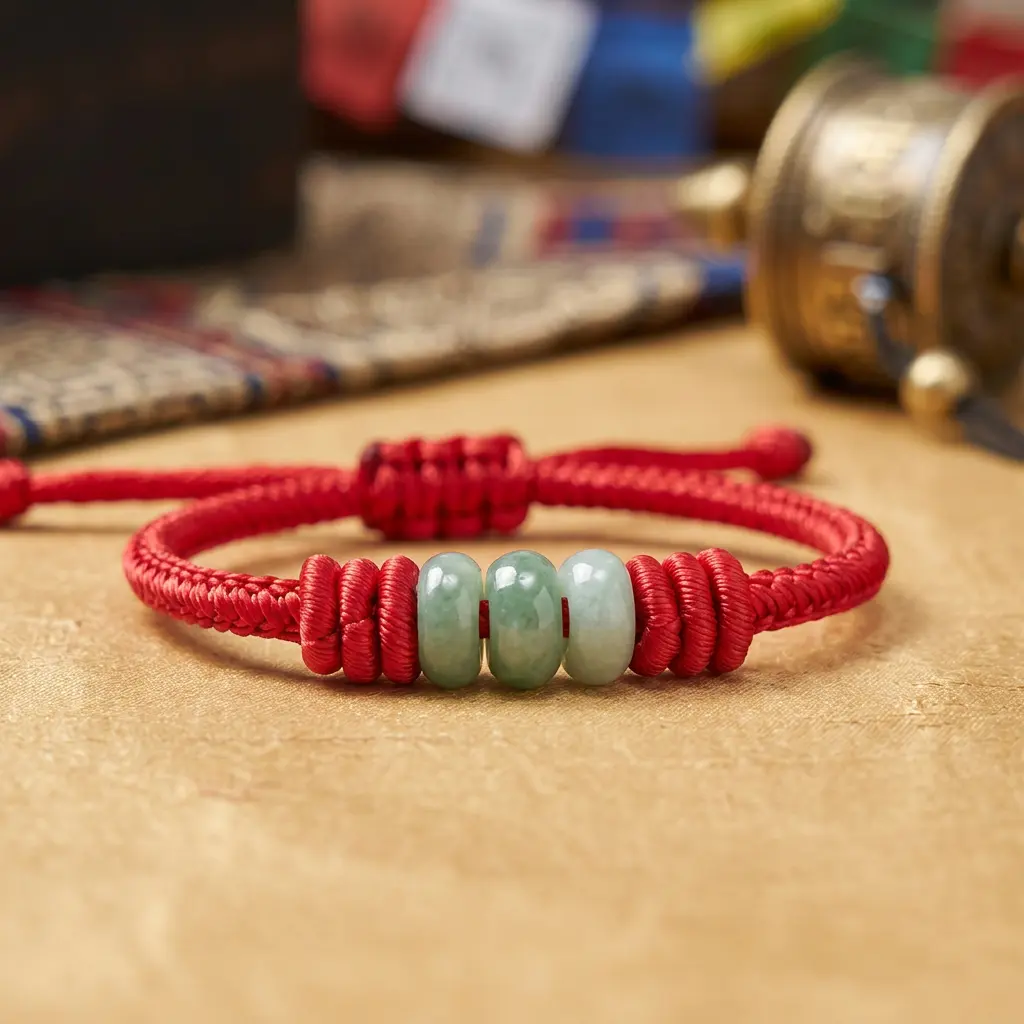
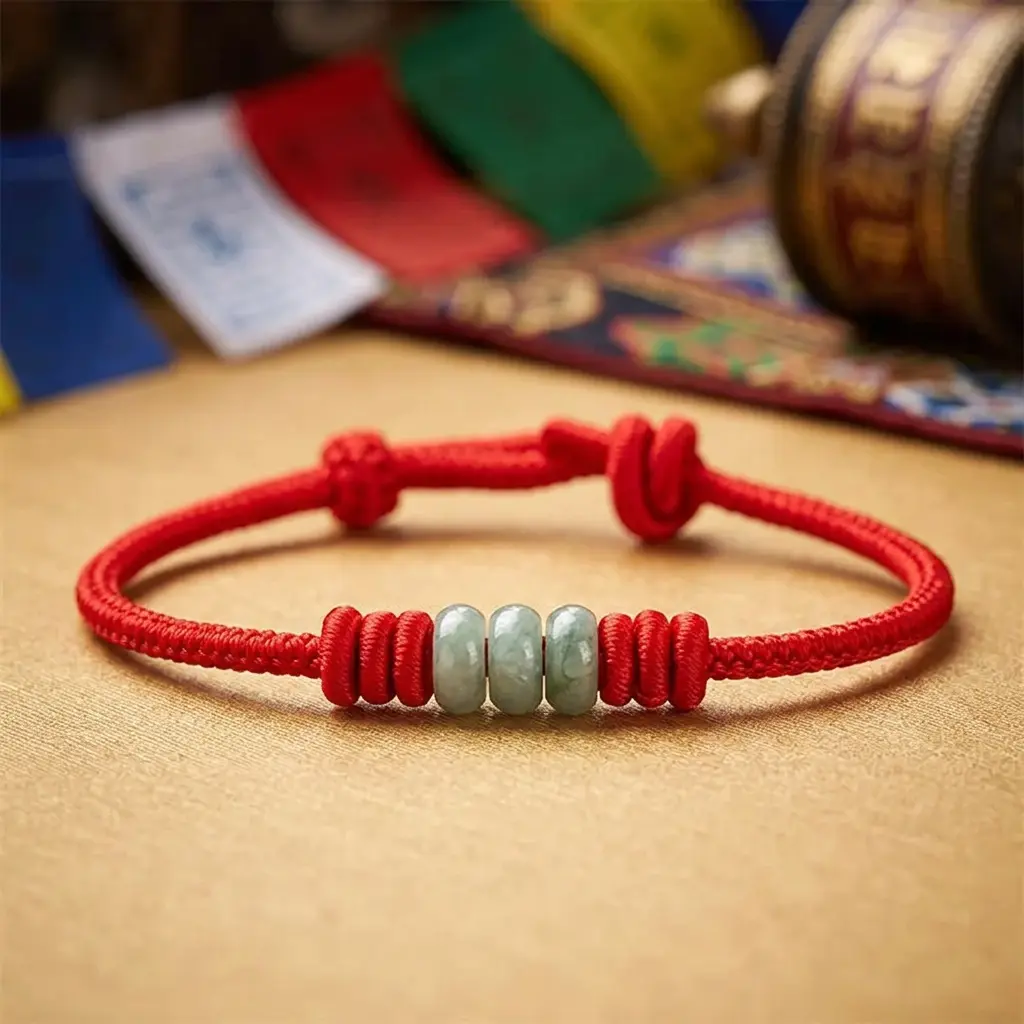
Once you know what is off, three easy tools bring an element up or down: color, shape, and material. Add a color from the chart above to introduce an element. Use shapes, since tall columns carry Wood energy, triangles carry Fire, squares carry Earth, round and metallic forms carry Metal, and wavy forms carry Water. Crystals are another gentle way to introduce element energy, and they double as decor. Green stones lean Wood, red and orange stones lean Fire, yellow citrine leans Earth, clear and white stones lean Metal, and dark stones lean Water. If you want a curated starting point, our roundup of the best healing crystals for beginners maps common stones to their uses. You can also keep supportive energy on your wrist with feng shui crystal bracelets chosen to match the element you want to strengthen.
💡 Beginner tip: Start with one room and one adjustment. Add a single element through color or a crystal, live with it for two weeks, then notice the shift before changing anything else. Balance is a process, not a one-day overhaul, and it is completely normal to adjust as you go.
Find Your Personal Birth Element
Beyond the five energies in your home, you carry one personal birth element based on your birth year. Knowing it helps you choose supportive colors, crystals, and decor that work with your natural energy rather than against it.
How Your Birth Year Points to Your Element
Your birth element is set by the last digit of your birth year, following the Wu Xing five-phase system.
| Last digit of birth year | Birth element |
|---|---|
| 0 or 1 | Metal |
| 2 or 3 | Water |
| 4 or 5 | Wood |
| 6 or 7 | Fire |
| 8 or 9 | Earth |
One catch: the Chinese calendar follows the lunar cycle, and the year turns over at Chinese New Year, usually between late January and mid-February. If you were born before February 4th or 5th, your element may belong to the previous year. For a full breakdown with the cutoff dates, use our chart to find your feng shui birth element.
Using Your Element in Daily Life
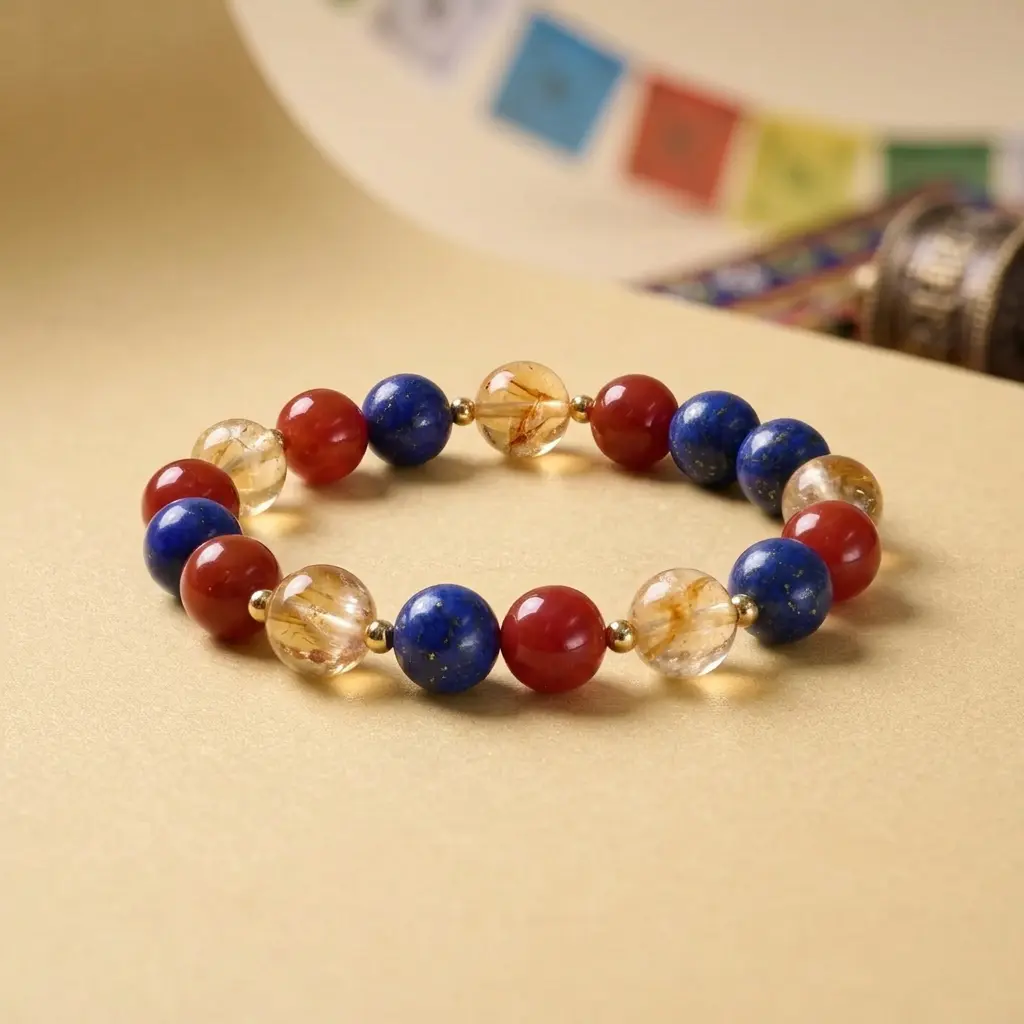
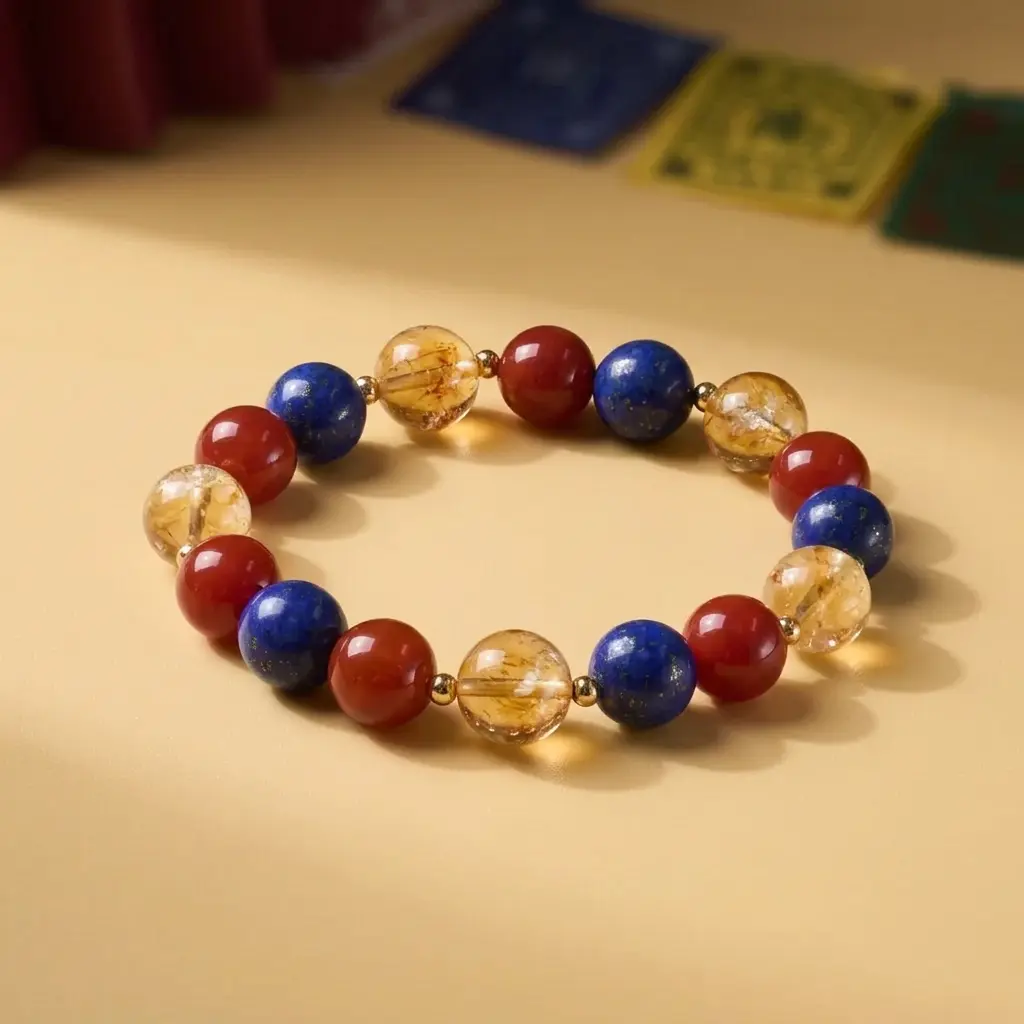
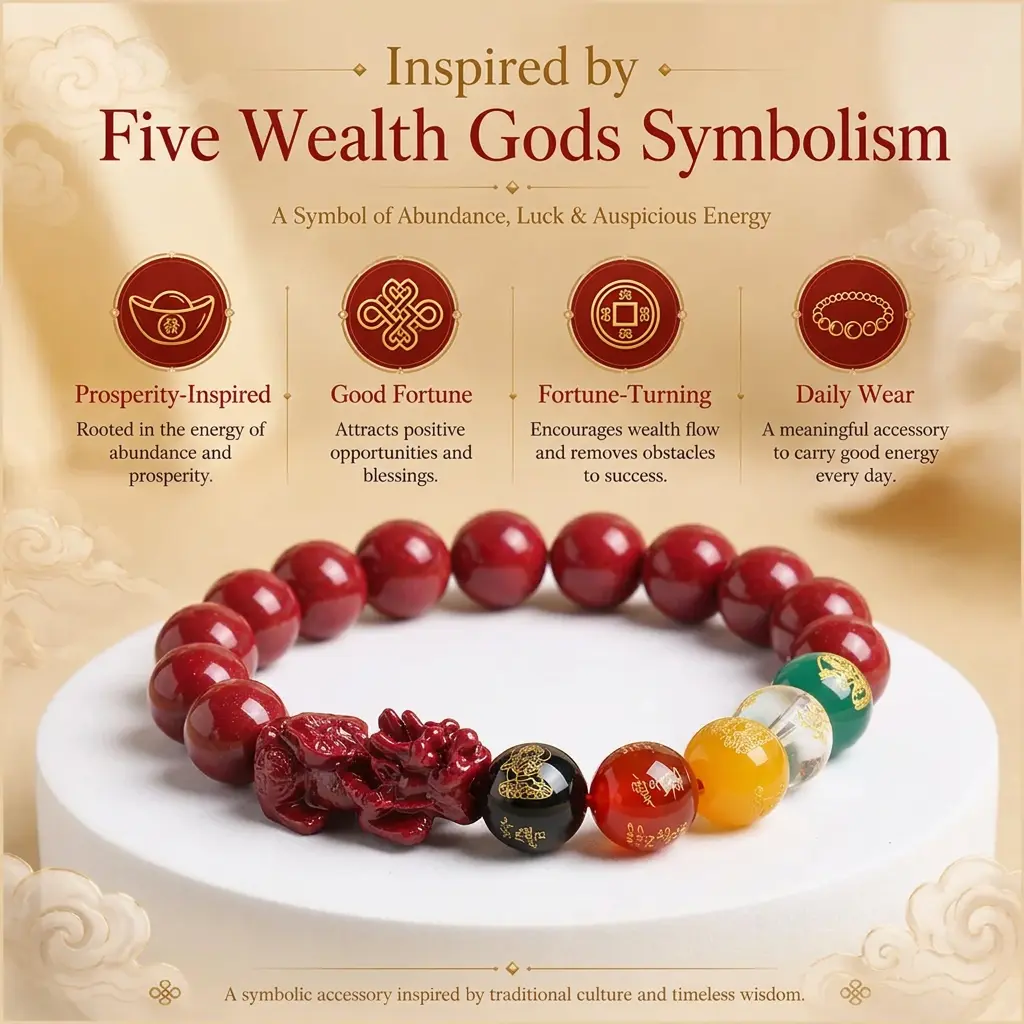
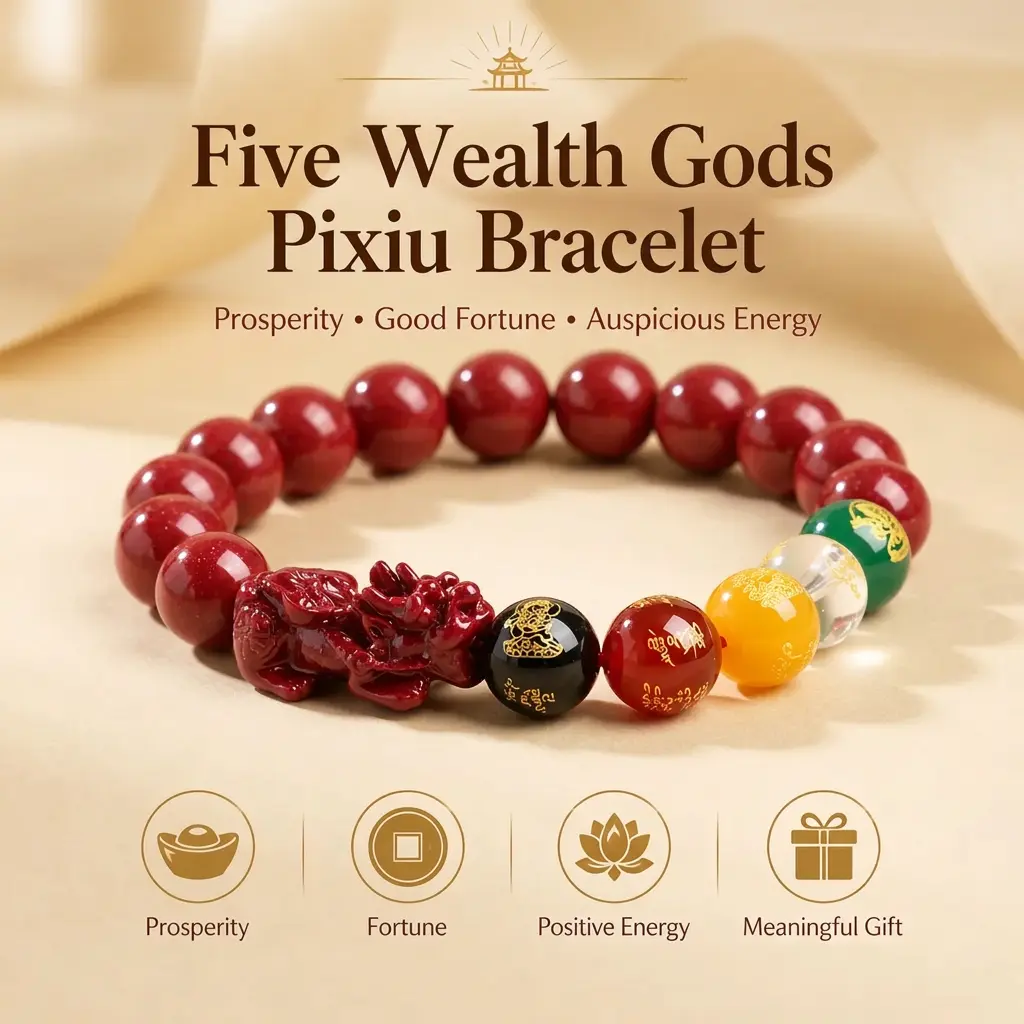
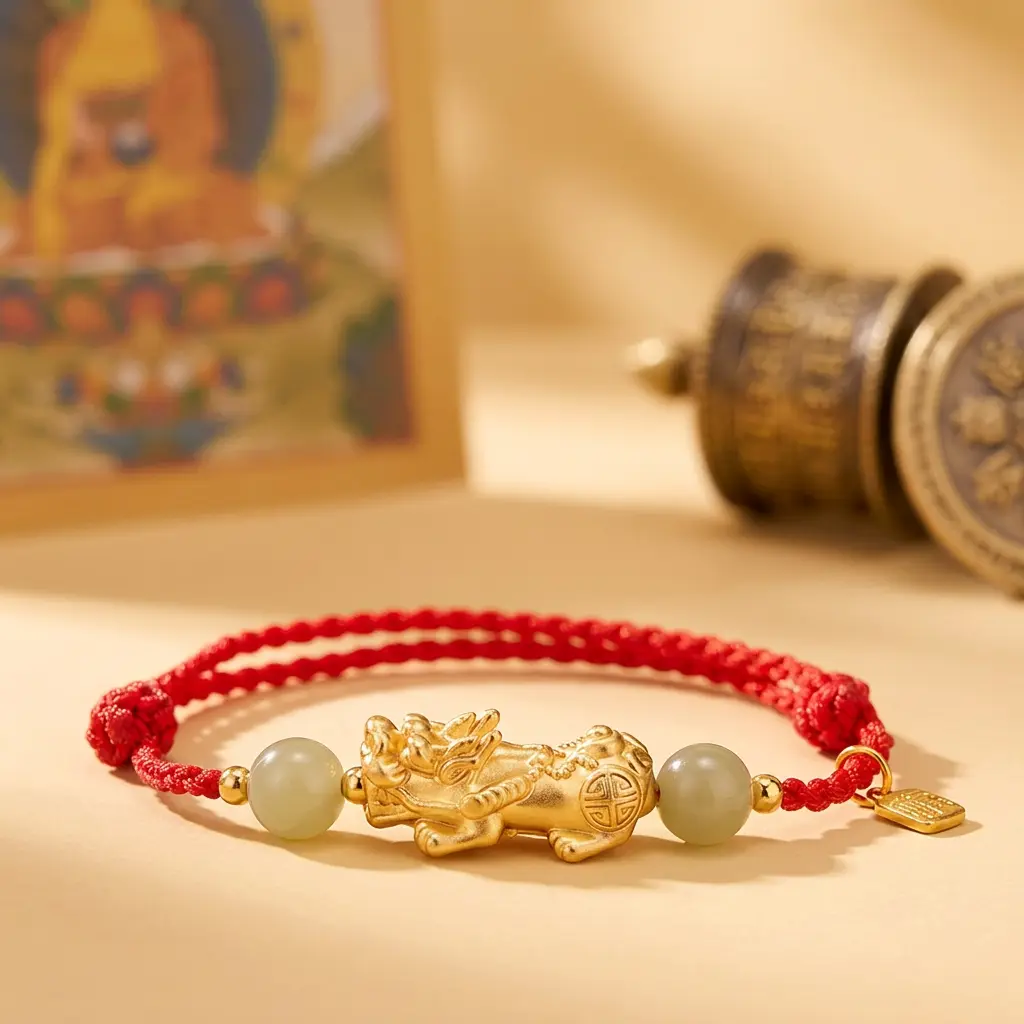
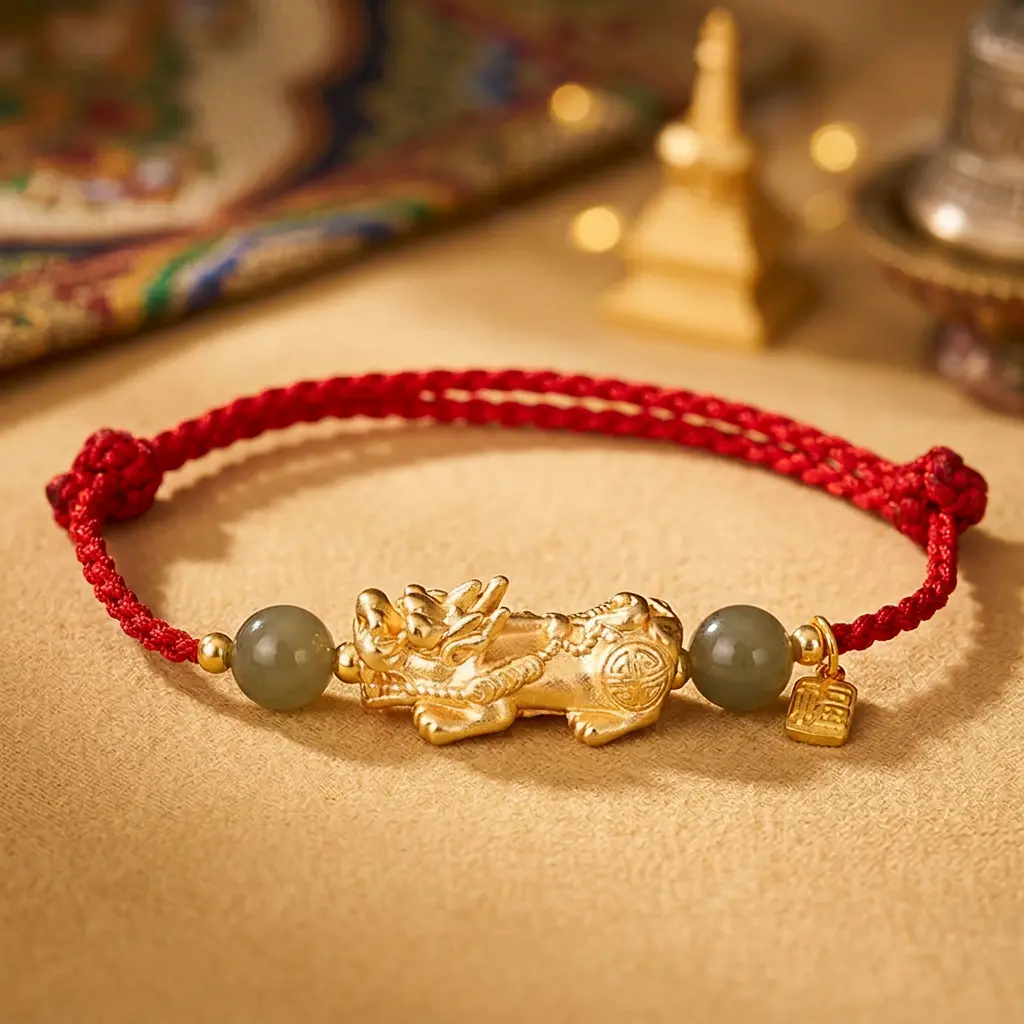
Once you know your birth element, lean into its colors and the element that supports it in the productive cycle. A Wood person is nourished by Water, so blues and flowing forms are supportive, while heavy Metal decor may feel draining. Many people also like to carry an element-aligned crystal. A Fire or Earth person, for instance, often gravitates toward warm golden stones like citrine. Our Citrine Pixiu wealth bracelet is one popular way to keep that warm, grounding energy close during the day. Remember, though, that we all contain aspects of all five elements. Your birth element is a foundation, not a limit.
Frequently Asked Questions
Fire is often called the most active element because it transforms whatever it touches, but feng shui is not about one strongest element. The five phases are believed to overcome and support one another in an ongoing cycle, so real benefit comes from balance among all five, not dominance by one.
Your personal birth element is based on the last digit of the year you were born: 0 or 1 is Metal, 2 or 3 is Water, 4 or 5 is Wood, 6 or 7 is Fire, and 8 or 9 is Earth. If you were born before early February, check the Chinese New Year cutoff, since your element may belong to the prior year.
Wood is green and teal, Fire is red and orange, Earth is yellow and brown, Metal is white and gray, and Water is blue and black. These colors let you add an element to a room without any renovation.
No, and this is a common myth. Feng shui is about balance, not owning one of everything. Focus on adding what a space feels like it is missing and easing back on whatever dominates. We all need every element present, just in different proportions.
Ready to Bring the Five Elements Into Your Space?
Start with your birth element, then match it to a crystal that supports your energy. Explore PotalaStore’s authentic, monastery-sourced pieces and build a home that feels balanced.Explore Feng Shui Crystal Bracelets →
📚 References
- Wuxing (Five Phases): Overview of the origin of the five-element system under Zou Yan and its role in Han dynasty thought, including its links to directions, seasons, and colors. Encyclopaedia Britannica
- Wuxing in Chinese Philosophy: Explanation of the five phases as dynamic energies rather than fixed material substances. Internet Encyclopedia of Philosophy
- The 5 Feng Shui Elements and How to Use Them: Practical overview of element colors, directions, and the generating and destructive cycles. Homedit
- Feng Shui Five Elements Theory (Wu Xing): Beginner-friendly guide to how the five-element cycles are applied in feng shui practice. Feng Shui Nexus