

Buddha’s Birthday is a Buddhist holy day that honors the birth of Siddhartha Gautama, the teacher who became the Buddha. Known in many countries as Vesak or Buddha Purnima, it is traditionally observed on the full moon of May, though the exact date shifts each year with the lunar calendar.
If the many names and moving dates leave you unsure what the day actually marks, you are not alone. This guide covers what Buddha’s Birthday means, when it falls in 2026, how it is celebrated across Buddhist traditions, and how you can observe it respectfully at home, whether or not you are Buddhist.
At PotalaStore, we source Buddha statues, incense, and prayer beads directly from monastery workshops in the Himalayas, and we have spent years learning how communities mark this day. That experience shapes the practical steps below, alongside sources from the United Nations and UNESCO.
Table of Contents
What Is Buddha’s Birthday? Meaning and Names
Buddha’s Birthday celebrates the birth of Siddhartha Gautama, the founder of Buddhism, whose teachings are followed by roughly half a billion people worldwide. The day marks the arrival of a prince who left his palace, sought the causes of human suffering, and became known as the Buddha, meaning “the awakened one.”
The United Nations recognizes the day internationally as the Day of Vesak. Its General Assembly adopted resolution 54/115 on 12/15/1999, acknowledging the contribution of Buddhism to humanity’s spiritual life. That recognition is why Vesak now appears on calendars far beyond traditionally Buddhist countries.
Vesak, Buddha Purnima, or Buddha’s Birthday: What’s the Difference?
These names describe the same celebration through different languages and traditions. Vesak (also spelled Wesak) comes from Vesākha, the lunar month in which it falls. Buddha Purnima is the common name in India and Nepal, where purnima means “full moon.” In Tibetan Buddhism the observance is known as Saga Dawa. The label changes with the region, but the focus stays on the Buddha’s life.
Why the Buddha’s Birth Is Honored
The Buddha’s birth is honored because it began a life that reshaped how millions understand suffering, compassion, and the path to peace. For practitioners, the day is less about a historical figure and more about the teachings he introduced, including the Four Noble Truths and the Eightfold Path. Honoring his birth is a way of renewing a commitment to those ideas.
When Is Vesak Observed in 2026?
Buddha’s Birthday, or Vesak, falls on different dates in 2026 because it follows lunar and lunisolar calendars rather than the fixed Gregorian one. Vesak tracks the full moon of the lunar month of Vesākha, so most observances land between late April and late May, while Japan’s flower festival keeps a fixed April date.
Why Does the Date of Buddha’s Birthday Change Every Year?
The date changes because Buddhist calendars are tied to the moon, not the sun. Vesak is set by the full moon of a specific lunar month, and that full moon shifts by about eleven days against the Western calendar each year. It works much like Easter, which also moves with lunar timing. In East Asian traditions the date is fixed to the eighth day of the fourth lunar month, which still lands on a different Gregorian day annually.
Buddha’s Birthday 2026 Dates at a Glance
Here are common 2026 dates by country and tradition:
| Country / Tradition | Buddha’s Birthday / Vesak 2026 |
|---|---|
| Japan (Hanamatsuri) | April 8, 2026 (fixed date) |
| Myanmar | April 30, 2026 |
| Cambodia, India, Laos | May 1, 2026 |
| Sri Lanka | May 30, 2026 |
| Indonesia, Malaysia, Singapore, Thailand | May 31, 2026 |
| East Asian Mahayana (China, Korea) | 8th day of the 4th lunar month (May 2026) |
Dates vary by country, tradition, and local lunar calculations. If you plan to attend a temple event, confirm the exact 2026 date with a nearby temple.
The Story Behind the Buddha’s Birth
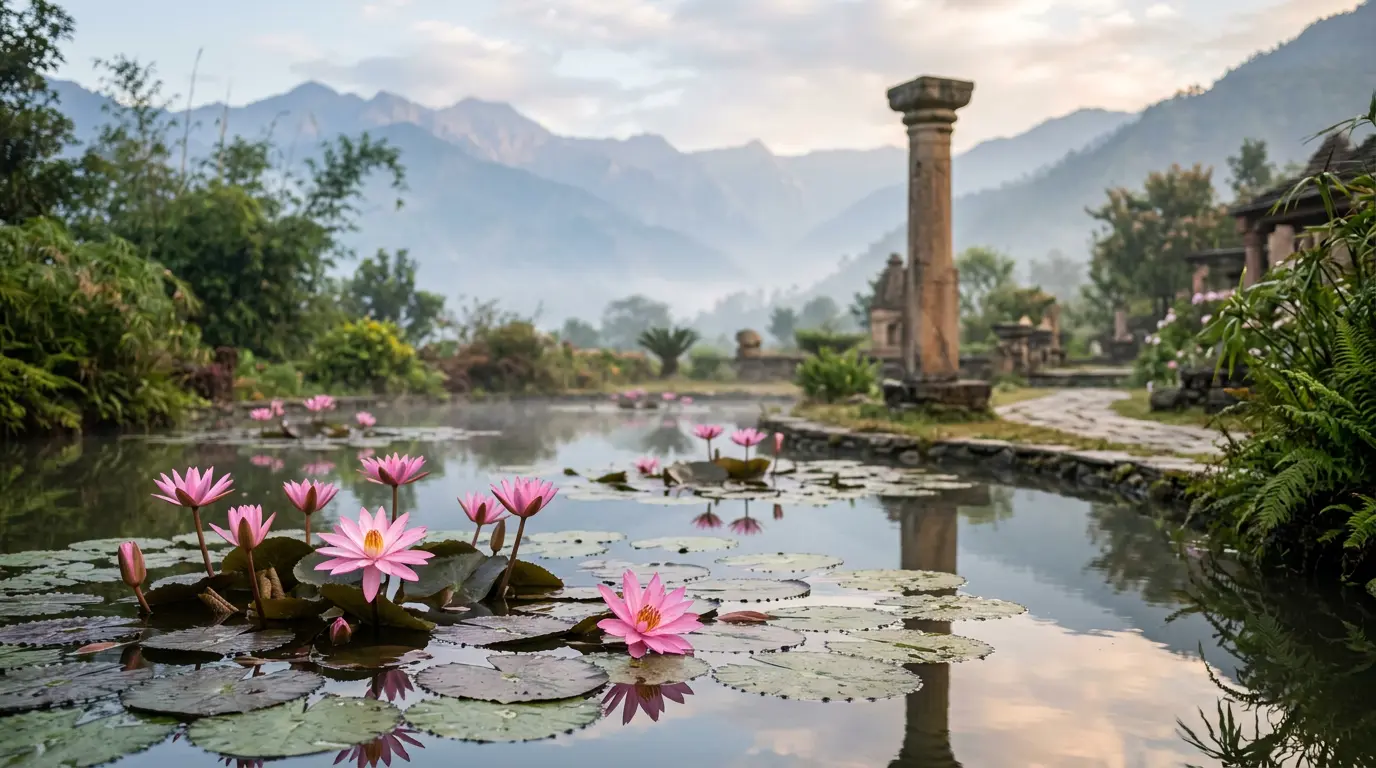
According to Buddhist tradition, Queen Maya gave birth to Siddhartha Gautama in the gardens of Lumbini, in present-day Nepal, around the 6th to 4th century BCE. UNESCO records the birth at Lumbini around 623 BCE, while many historians place his life more broadly across those centuries. The site is now a UNESCO World Heritage location and a major pilgrimage destination.
Where Was the Buddha Born?
The Buddha was born in Lumbini, a garden in the foothills of the Himalayas in what is now southern Nepal. An inscribed pillar placed by Emperor Ashoka in the 3rd century BCE still marks the spot, one of the earliest physical records connecting the location to the Buddha’s birth. Pilgrims from across the Buddhist world travel there each year, especially around Vesak.
What the Birth Story Symbolizes
The birth story carries meaning beyond the historical event. Tradition holds that Queen Maya dreamed of a white elephant before conceiving, a symbol of purity and a special destiny. The infant is said to have taken seven steps, with lotus flowers blooming where he stepped. Practitioners read these images as signs of the extraordinary path ahead, not as literal claims. The lotus in particular became a lasting emblem of rising above difficulty toward clarity.
How Vesak Is Celebrated Across Buddhist Traditions
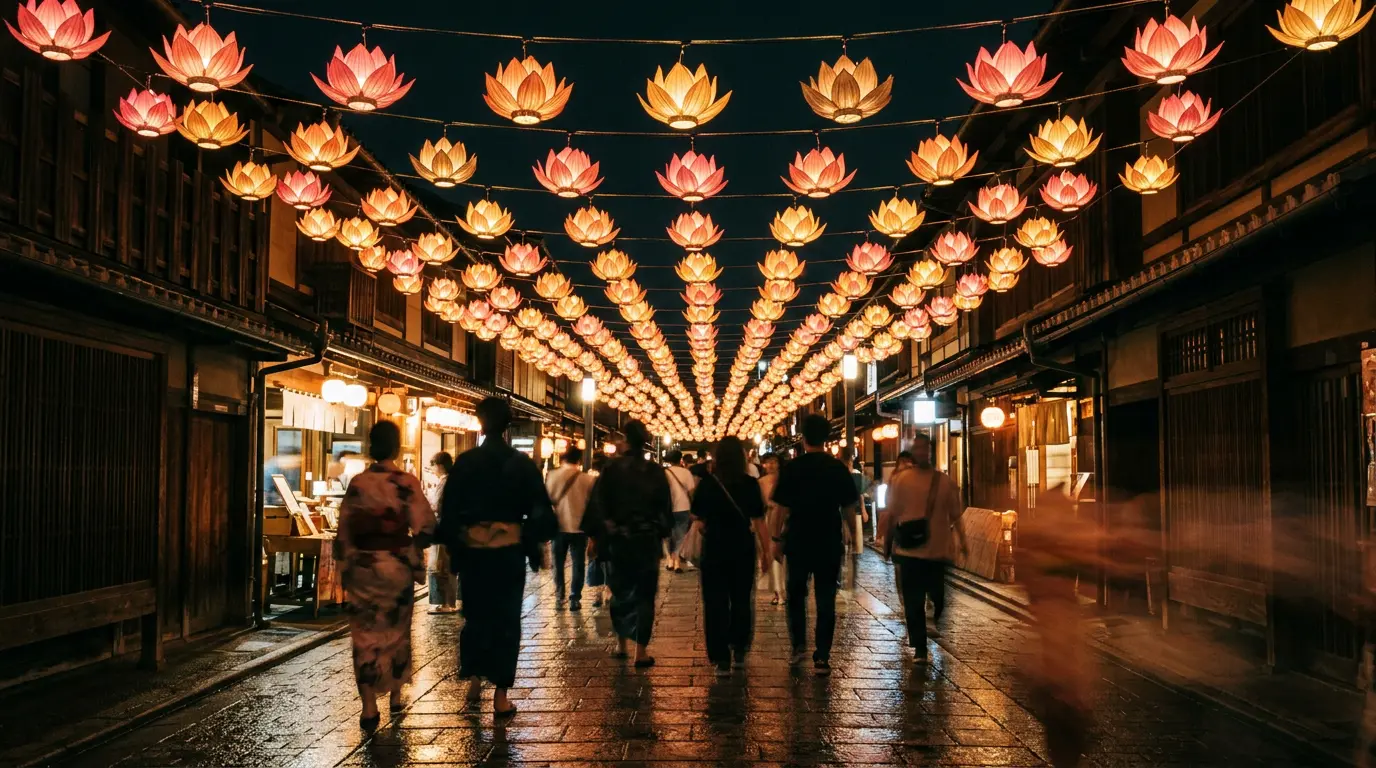
Buddha’s Birthday is celebrated differently around the world, and the biggest difference is whether the birth is marked on its own or combined with other events in the Buddha’s life. Customs range from quiet temple visits to citywide lantern parades, yet most share the same themes of generosity, reflection, and honoring the Buddha.
| Tradition | How the day is observed |
|---|---|
| Theravada (Sri Lanka, Thailand, Myanmar) | Combines the Buddha’s birth, enlightenment, and passing into one day called Vesak |
| Mahayana (China, Korea, Japan) | Often marks the birth on its own, with lanterns, processions, and bathing the Buddha |
| Vajrayana (Tibetan Buddhism) | Observes Saga Dawa Düchen, honoring birth, enlightenment, and passing together |
Theravada, Mahayana, and Vajrayana Observances
In Theravada countries, Vesak is a single sacred day that folds three milestones together: the Buddha’s birth, his enlightenment, and his passing. Devotees visit temples, bring simple offerings, and often wear white. In many Mahayana communities across East Asia, the birth is celebrated separately, with temple ceremonies and the ritual of bathing the Buddha. In the Vajrayana tradition of Tibetan Buddhism, the day falls within Saga Dawa, and specifically Saga Dawa Düchen, when merit from generous and virtuous acts is believed to be greatly multiplied throughout the month.
Lanterns, Processions, and the Lotus Lantern Festival
Lanterns are one of the most recognizable symbols of the celebration. In South Korea, the Lotus Lantern Festival (Yeondeunghoe) fills streets with glowing paper lanterns as the day approaches, and UNESCO inscribed it on its Representative List of the Intangible Cultural Heritage of Humanity in 2020. Elsewhere, communities hold candlelit processions, release captive animals as a gesture of compassion, and prepare vegetarian meals. If you want to bring these customs home, a set of prayer altar items and offering bowls makes it simple to arrange candles, incense, and offerings with care.
How to Observe Buddha’s Birthday at Home
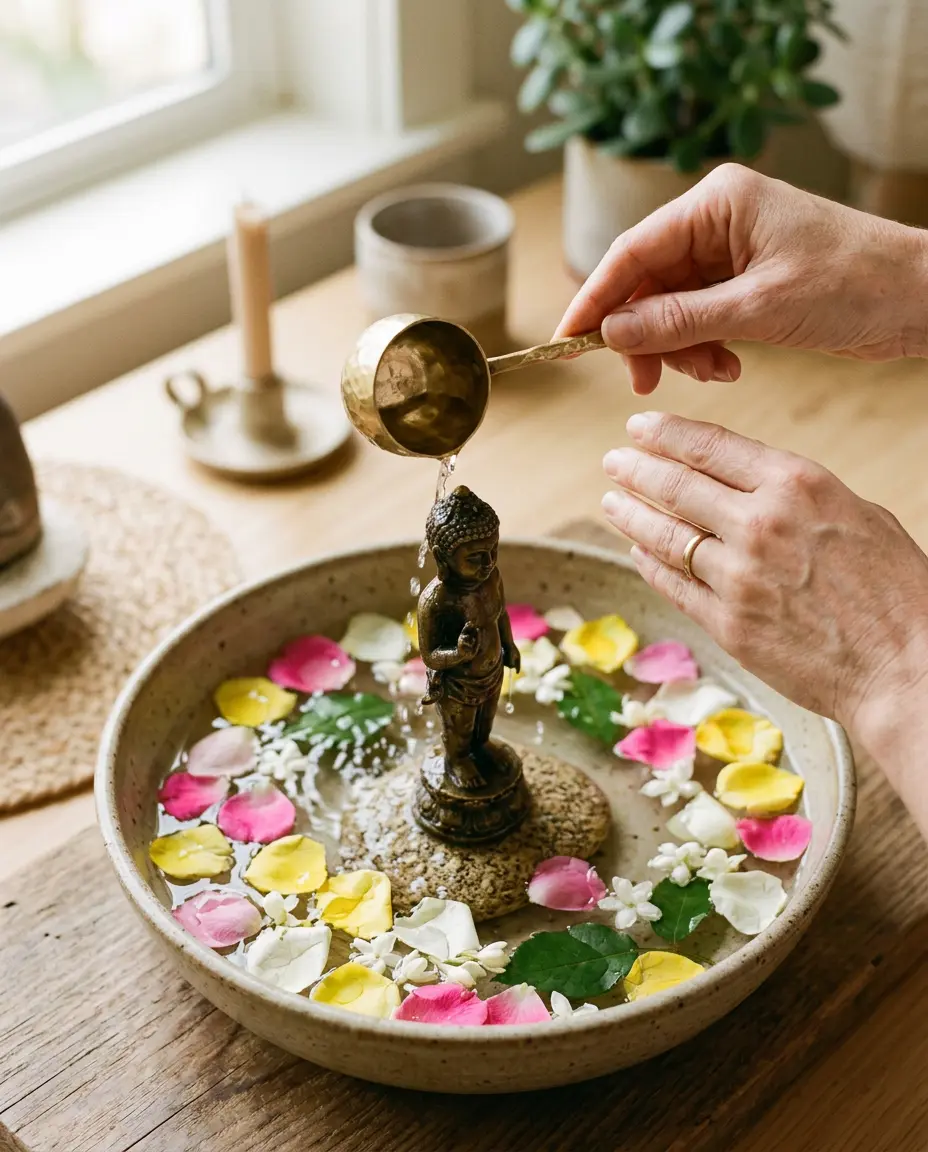
You can observe Buddha’s Birthday at home with five simple, respectful practices:
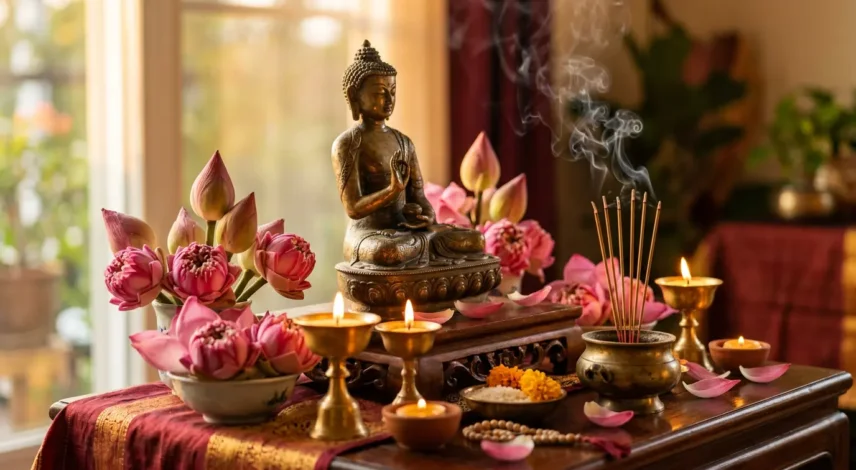
- Set up a small altar with a Buddha statue as the focal point.
- Offer fresh flowers, clean water, and incense on the altar.
- Bathe a small Buddha figure by gently pouring water or sweet tea over it.
- Meditate or chant, using a 108-bead mala to keep count.
- Perform an act of generosity (dana), such as a donation or an afternoon of volunteering.
None of this requires a temple or special training. The first time we prepared a bathing-the-Buddha basin for visiting practitioners, we learned that warm water and a small ladle work far better than a large bowl, which tends to splash and feel rushed. Keeping the setup simple lets the meaning come through.
Setting Up a Simple Home Altar
A home altar needs only a few pieces to feel complete: a Buddha figure, a clean cloth, and space for offerings. The statue acts as a focal point that gives your observance a real, dignified center rather than an abstract idea. Choosing a figure whose posture matches your intention helps, and you can explore Buddha statues for home altars to find one that fits. If you are unsure which pose to pick, this overview of the meaning behind different Buddha statue poses explains what each gesture represents.
Bathing the Buddha at Home
Bathing the Buddha, pouring water over a small figure of the infant Buddha, symbolizes the wish to purify your own body, speech, and mind. At home you can use a shallow basin, clean water or lightly sweetened tea, and a small ladle. Pour gently two or three times while reflecting on a quality you want to cultivate, such as patience or kindness. The act is meant to be calm and deliberate, not elaborate.
A note on meaning: The spiritual symbols described here reflect Buddhist tradition and belief. They are shared for cultural understanding and are not presented as scientific or medical claims. Approach them in whatever way feels respectful and meaningful to you.
Meditation, Chanting, and Acts of Generosity
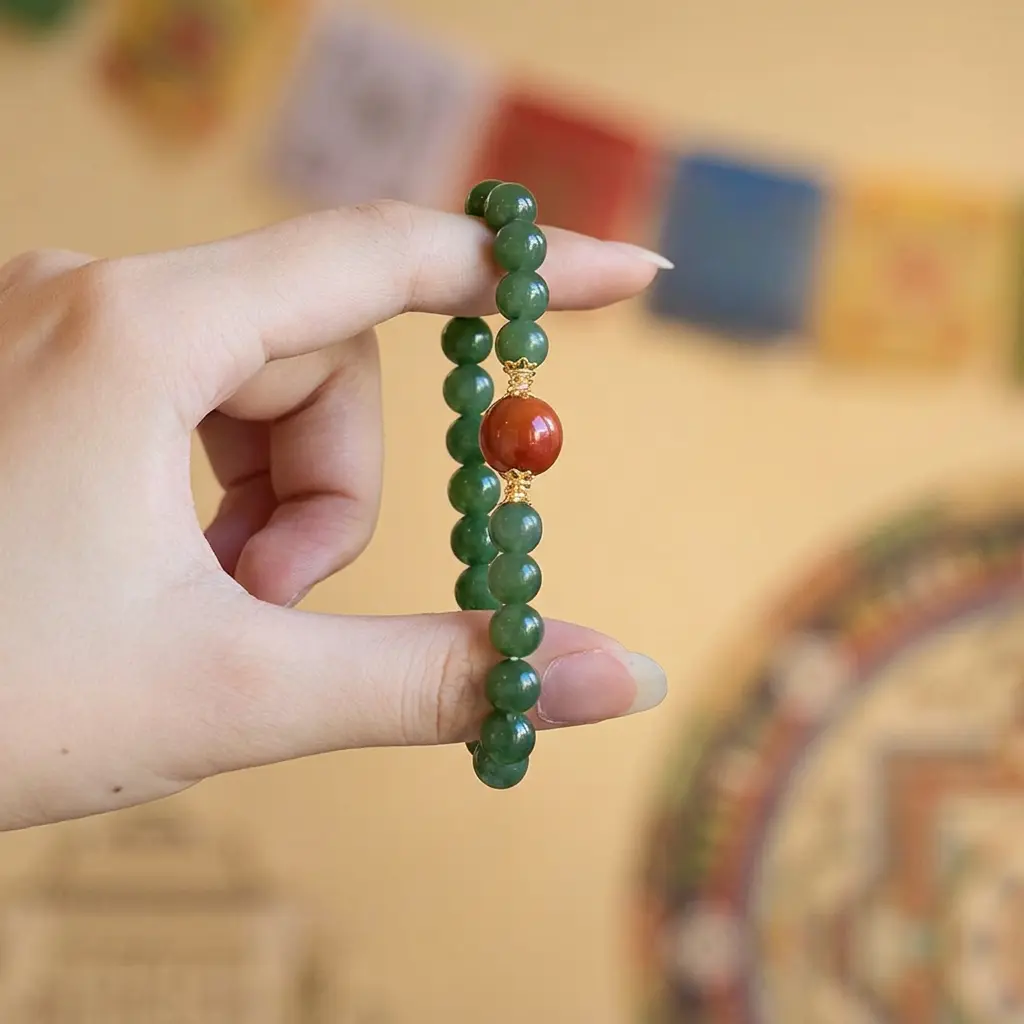
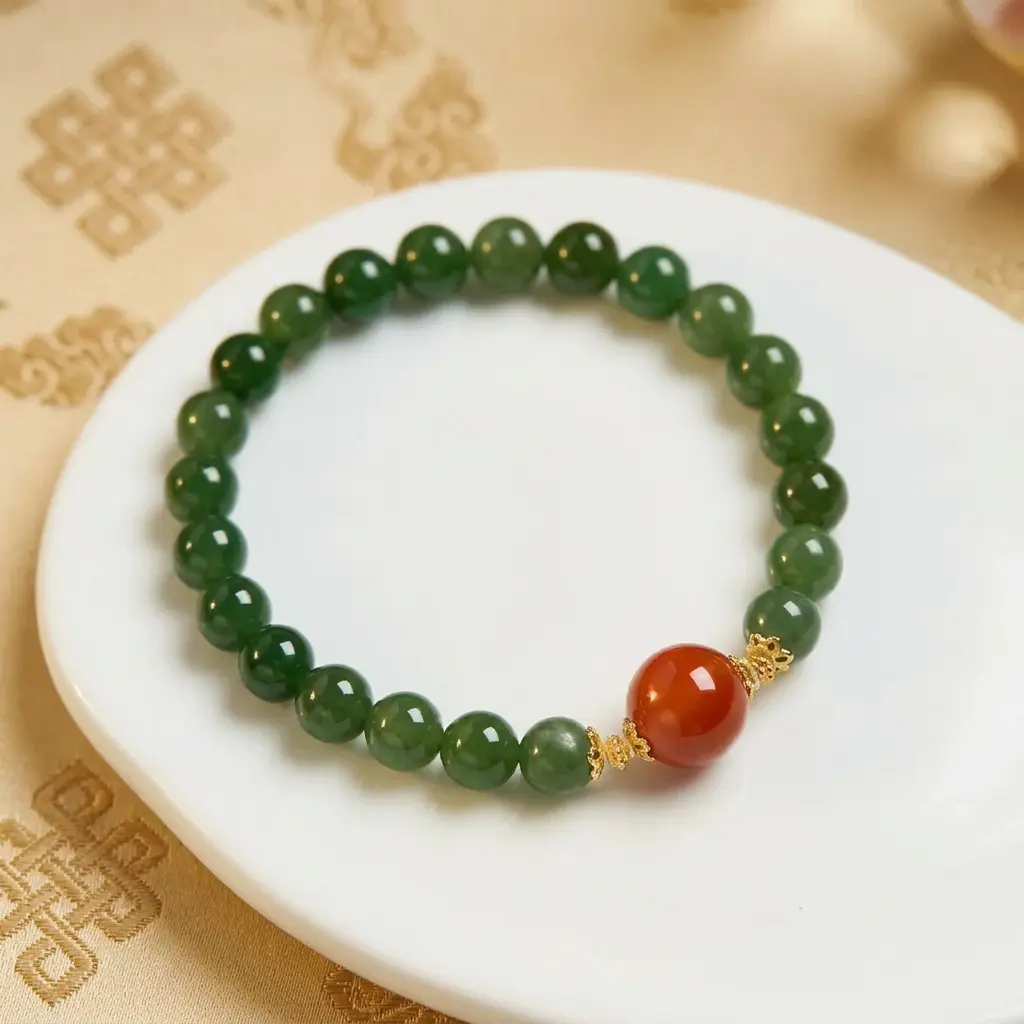
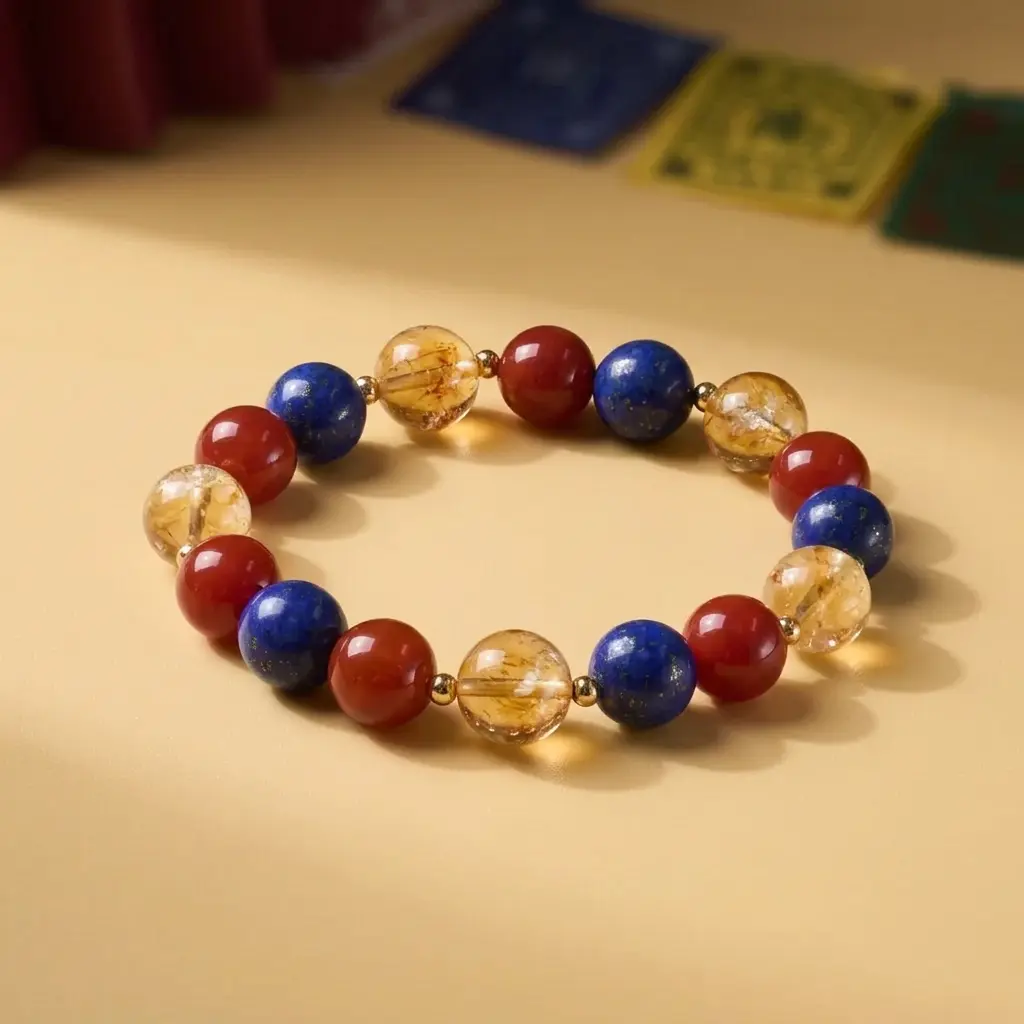
Meditation sits at the heart of the day. Even ten to twenty minutes of quiet breathing or loving-kindness practice honors the occasion. A traditional mala, a string of 108 counting beads plus one guru bead, helps you keep count during chanting so you can stay present instead of tracking numbers in your head. You can find authentic Tibetan mala beads for meditation if you would like one for the day. Finally, generosity (dana) is central to Vesak, so a donation, a kind gesture, or time given to others completes the practice.
Etiquette and Greetings for Vesak
To greet someone on Buddha’s Birthday, a warm “Happy Vesak” or “Happy Buddha Day” is always appropriate. These greetings are welcome from anyone, and taking part respectfully is encouraged rather than discouraged, even if you do not practice Buddhism.
How Do You Wish Someone a Happy Vesak?
The simplest greeting is “Happy Vesak,” which travels well across cultures. In Sri Lanka you may hear the Sinhala phrase “Suba Vesak,” and in Thailand the day is called Visakha Bucha. If you are unsure which term someone prefers, “Happy Buddha Day” is a friendly, neutral choice. A sincere greeting matters far more than perfect wording.
Can Non-Buddhists Take Part Respectfully?
Yes. Most temples welcome visitors on Vesak, and many host public celebrations open to everyone. If you attend, dress modestly, remove your shoes where asked, keep your voice low, and follow the lead of those around you. A small offering or a quiet moment of reflection is a respectful way to join. The key is to arrive with sincerity and openness, not as a spectator collecting photos. Observed this way, the day becomes a shared moment of goodwill rather than a performance.
Frequently Asked Questions
No. Buddha’s Birthday is not a federal holiday in the United States. It is mainly observed through temple events, community gatherings, and cultural festivals rather than a national day off, though many Buddhist centers hold public celebrations.
Largely, but with a nuance. Theravada traditions combine the Buddha’s birth, enlightenment, and passing into one day called Vesak. Many East Asian Mahayana communities celebrate the birth on its own, usually around the same time of year.
Common offerings include fresh flowers, clean water, incense, candles, and vegetarian food. They symbolize purity and gratitude rather than any transactional request. Keeping the offerings fresh and the altar clean matters more than how much you place on it.
A Buddha statue as the focal point, plus offering bowls, incense, candles, and flowers, is more than enough. Keeping the space clean and treating it with respect matters most. If you are choosing your first figure, our guide on how to choose the right Buddha statue walks you through size, posture, and material.
Bring the Day Home
Buddha’s Birthday is easy to observe with a simple, sincere setup. Browse PotalaStore’s Buddha statues, incense, and mala beads, sourced directly from Himalayan monastery workshops, to prepare a respectful home altar for Vesak.
📚 References
- UNESCO World Heritage Centre, Lumbini: Official listing of the Buddha’s birthplace, including its dating and archaeological background. whc.unesco.org
- UNESCO Intangible Cultural Heritage, Yeondeunghoe: Details on Korea’s Lotus Lantern Festival and its 2020 inscription on the Representative List. ich.unesco.org
- United Nations, Day of Vesak: Background on the UN’s international recognition of Vesak and its significance. un.org
- Encyclopaedia Britannica, Vesak: Scholarly overview of Vesak’s history, dates, and observances across traditions. britannica.com