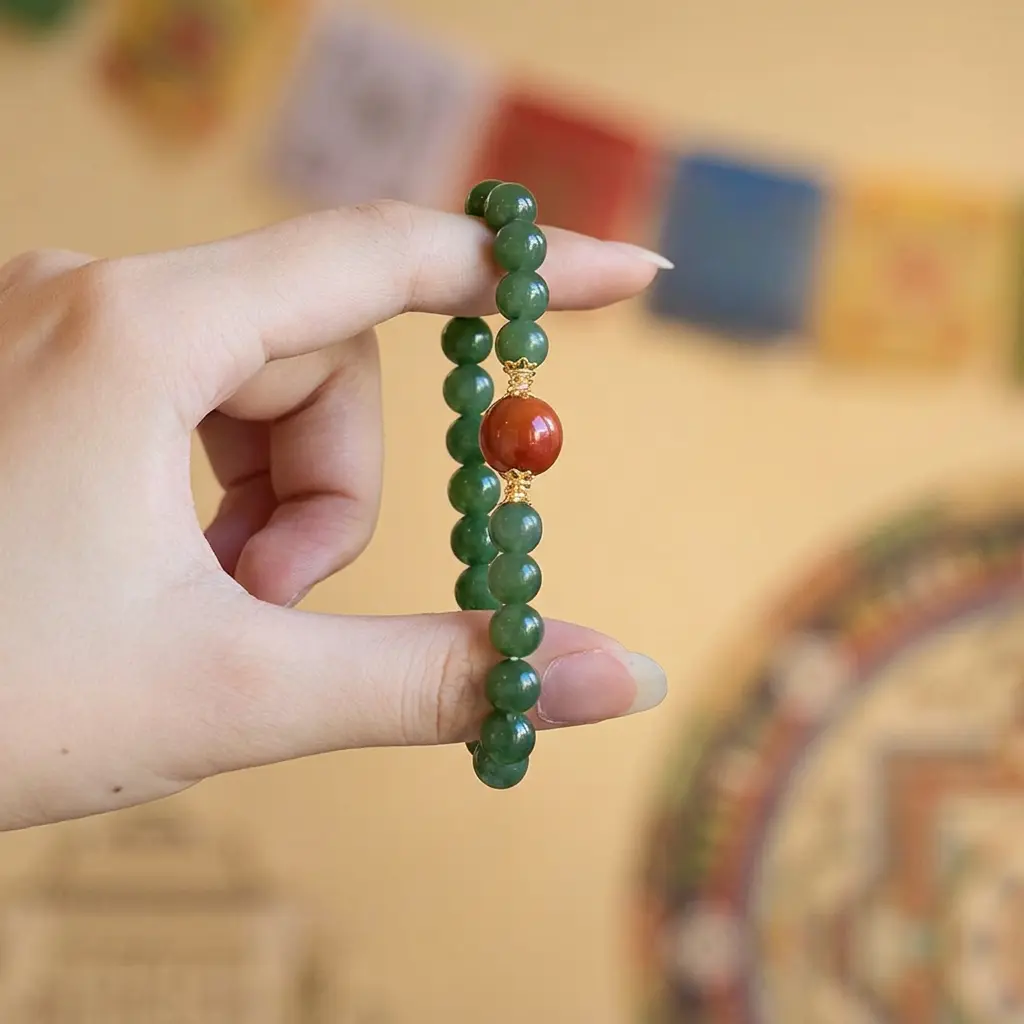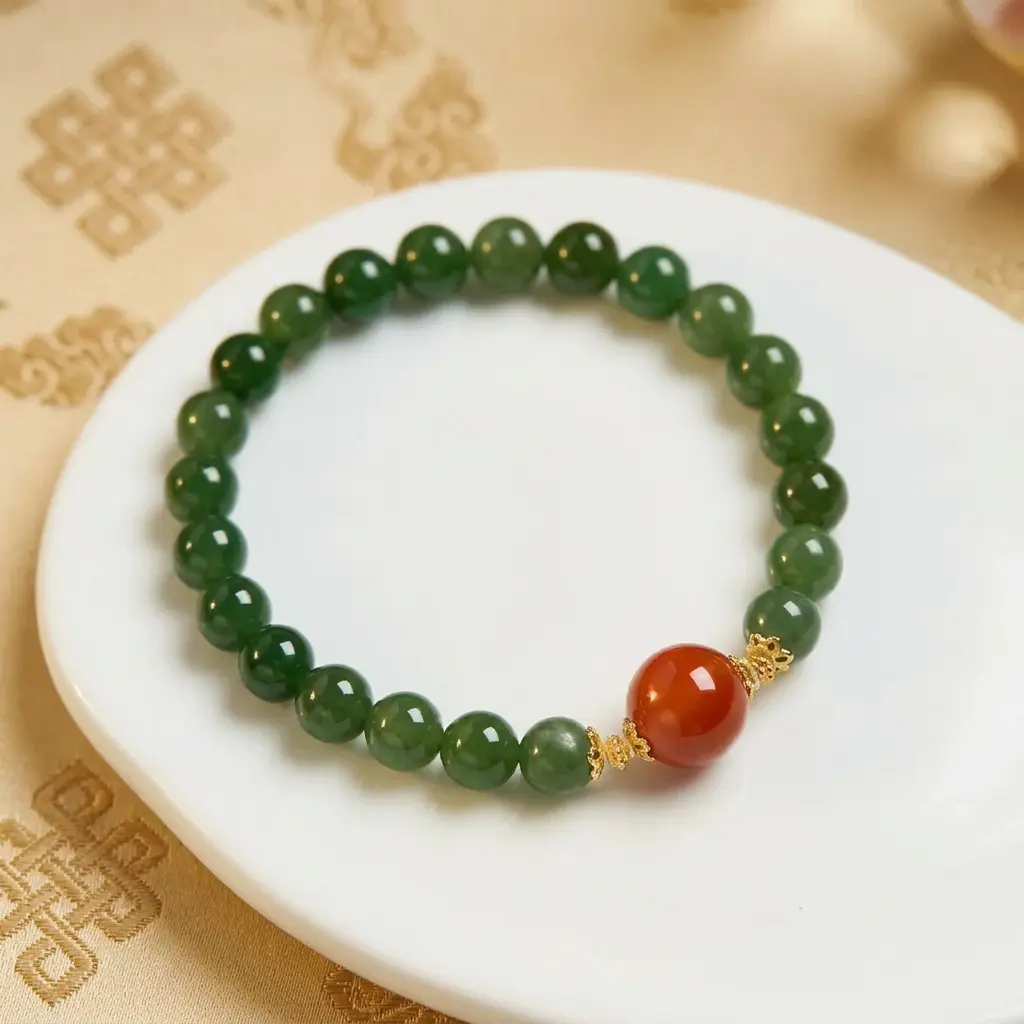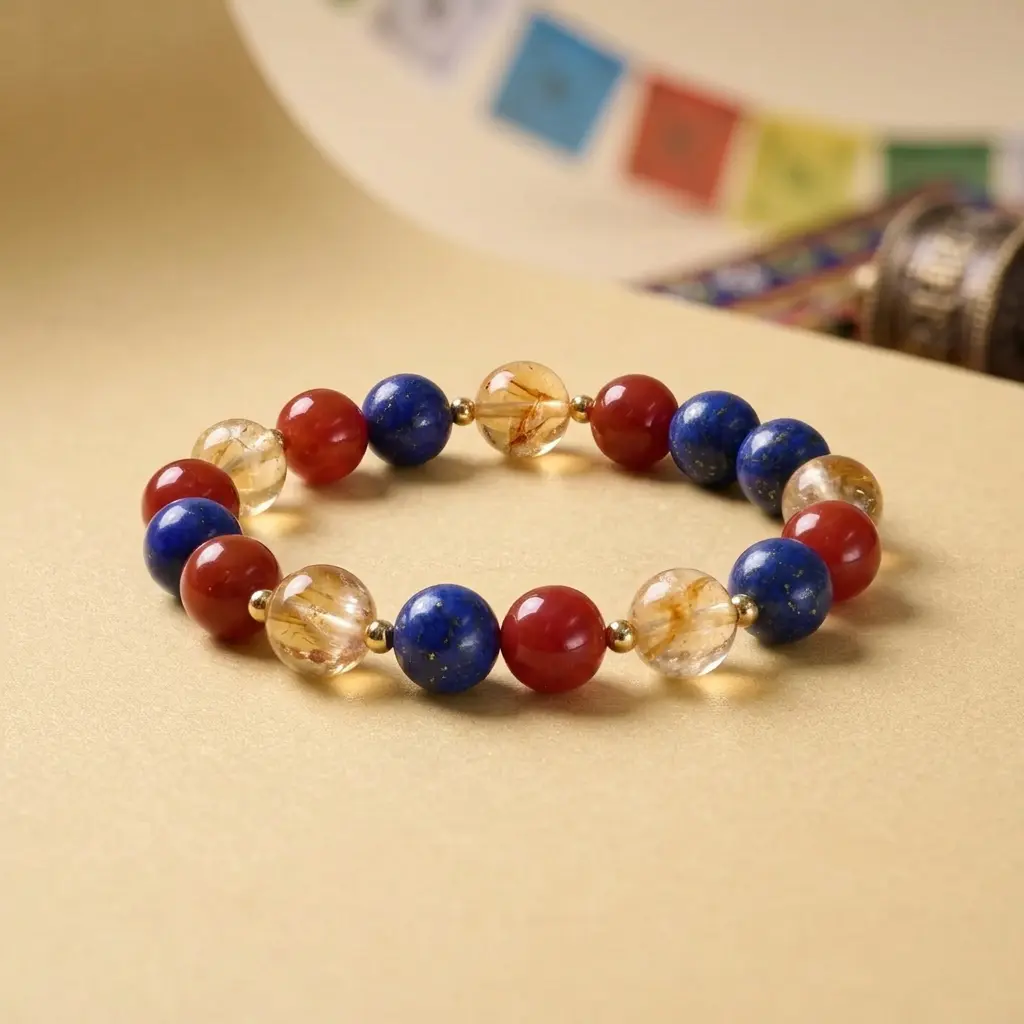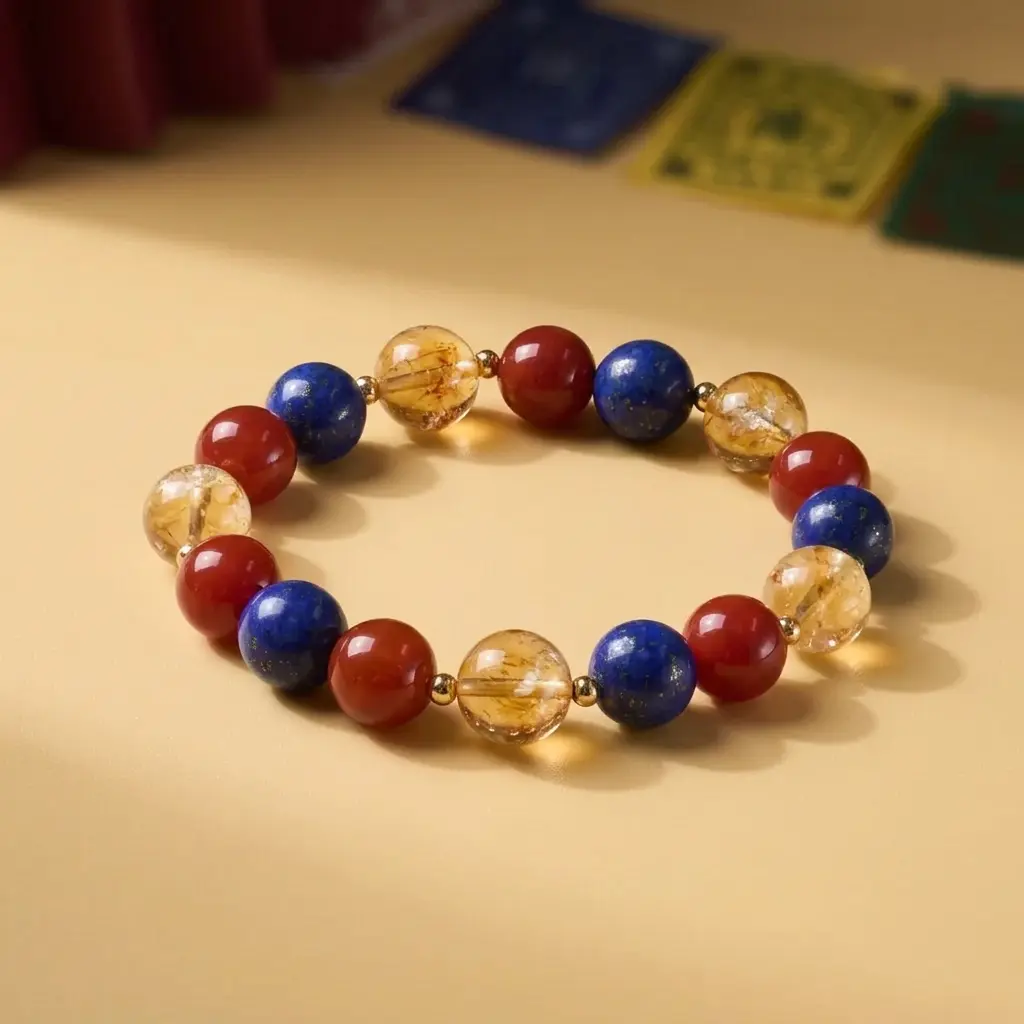

How Often Should You Cleanse Your Crystal Bracelet? PotalaStore’s Complete Maintenance Guide
 by Yang Tso
0 comments
by Yang Tso
0 comments
Using the wrong cleansing method — or waiting too long between cleanses — can actually damage your gemstone bracelet and dull the intention you’ve set in it. Knowing exactly how often and how to cleanse protects both the stone and your practice.
At PotalaStore, we source our crystal bracelets directly from Himalayan monasteries and Tibetan artisan workshops. Over the years, we’ve guided thousands of customers on bracelet care — and the most common question we hear is the one in this title. This guide gives you a straightforward, stone-specific answer.
The quick answer: Cleanse your crystal bracelet once a week if you wear it daily, every 2–3 weeks if you wear it occasionally, and at least once a month if you rarely wear it. Cleanse immediately — regardless of schedule — after illness, emotional stress, travel, crowded events, or if someone else handles the bracelet. Hard quartz-family stones (Mohs 6 and above, such as amethyst, citrine, and tiger’s eye) can be cleansed with running water. Softer stones (Mohs 5 and below, such as selenite, malachite, and lapis lazuli) should only be cleansed with smoke, sound, or moonlight.
Below, you’ll find the full breakdown: a frequency-by-wear table, the five signs a bracelet needs cleansing before its scheduled time, a Mohs hardness method guide, and four safe cleansing methods that work for every stone in your collection.
Note: The energetic and spiritual benefits described in this guide reflect traditional beliefs held by many crystal practitioners. These claims have not been confirmed by peer-reviewed science. For more on what research does and doesn’t say, see our guide on the healing properties of crystal bracelets.
Table of Contents
How Often Should You Cleanse Your Crystal Bracelet?
Your cleansing frequency should match your wear pattern — plus any situational triggers that arise. The table below covers the baseline schedule most practitioners follow.
| Wear Pattern | Recommended Frequency | Why |
|---|---|---|
| Daily wear (5–7 days/week) | Once per week | Absorbs skin oils, sweat, and ambient energy daily |
| Occasional wear (1–3 days/week) | Every 2–3 weeks | Lower exposure; still benefits from regular reset |
| Rarely worn (<1 day/week) | Once per month minimum | Even stored stones accumulate environmental energy |
| Situational triggers (see below) | Immediately, regardless of schedule | High-intensity energy events reset the baseline |
Situational Triggers: When to Cleanse Outside Your Normal Schedule
Some life events deposit more energy into a bracelet than weeks of ordinary wear. Cleanse immediately after any of the following:
- Illness or injury — the bracelet is traditionally believed to absorb physical and emotional stress during recovery
- Emotional conflict or grief — intense negative emotion is the most common trigger practitioners report
- Travel or crowded spaces — airports, concerts, hospitals, and busy commutes expose your bracelet to a wide range of ambient energy
- Someone else handles the bracelet — a friend trying it on, a partner fidgeting with it, or a child picking it up
- A new bracelet, straight from shipping — clear any energy accumulated during production and transit before your first wear
- Mercury retrograde periods — many practitioners increase cleansing to every 7–10 days during these astrologically sensitive windows (see our guide on spiritual jewelry during Mercury retrograde)
Does Stone Type Change the Frequency?
Yes — and this is a distinction almost no other guide makes clearly. Absorbing stones pull in and hold external energy; they need cleansing more often. Transmuting stones convert energy rather than store it; they rarely need cleansing and never need it to function.
| Stone Category | Examples | Cleansing Need |
|---|---|---|
| Absorbing stones | Black Tourmaline, Black Obsidian, Hematite | Weekly (or more often for heavy daily protection wear) |
| Standard stones | Amethyst, Rose Quartz, Moonstone, Jade | Every 2–4 weeks for daily wear |
| Transmuting stones | Citrine, Selenite, Kyanite | Monthly or less; some practitioners never cleanse these |
Black Obsidian bracelets — among our most popular pieces — fall into the absorbing category and benefit from weekly cleansing, especially if worn for energetic protection. Learn more about Black Obsidian’s properties and how to care for it.
Signs Your Crystal Bracelet Needs Cleansing Now
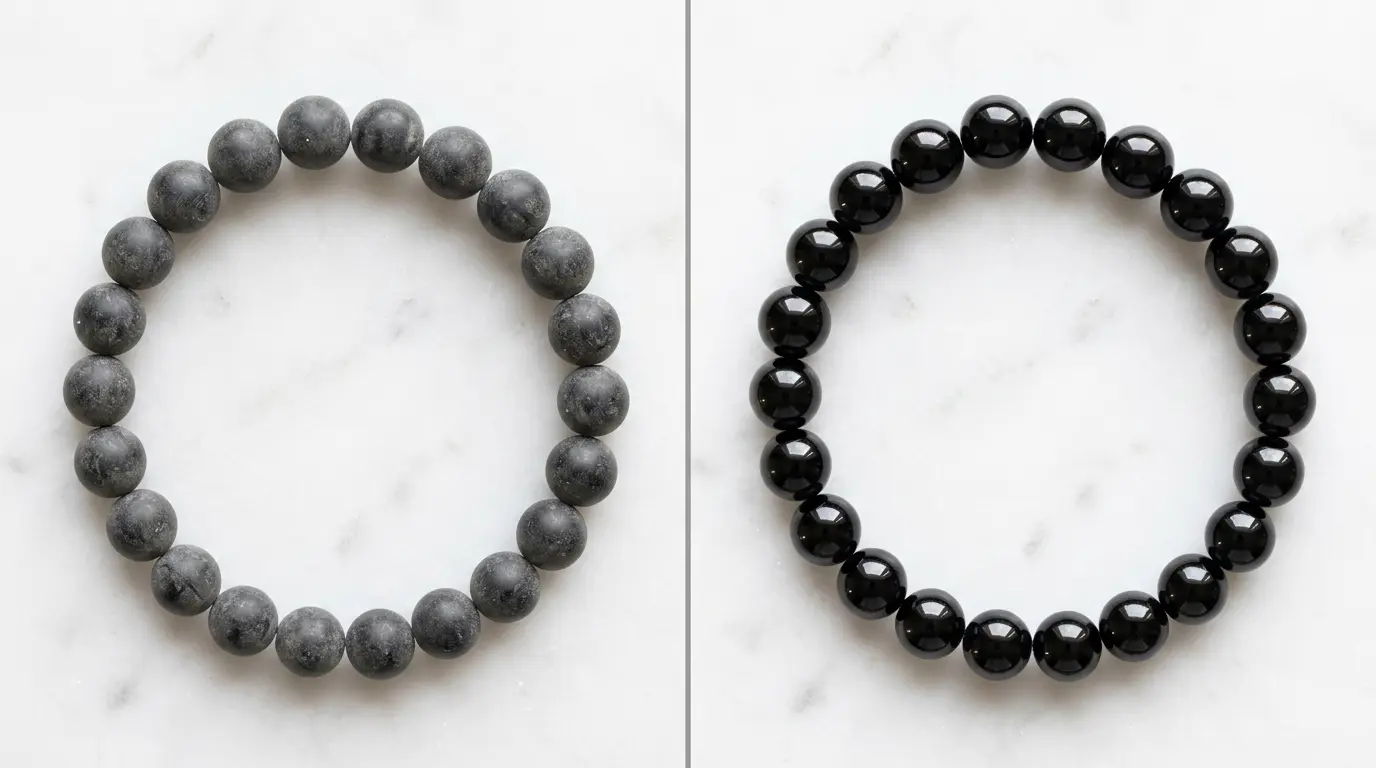
Five reliable signs tell you a bracelet needs cleansing before its scheduled time. Learning to read these cues means you’ll never under-cleanse — or over-cleanse — again.
- The stone looks dull or cloudy. A physically clean but visually flat stone is a common first signal. Natural luster returns after a proper energetic reset.
- Wearing it feels heavy or uncomfortable. If a bracelet you normally enjoy suddenly feels bothersome or “sticky,” many practitioners interpret that as a sign it’s energetically full.
- You’ve been through an emotionally intense period. Arguments, grief, anxiety, or physical illness are the highest-intensity energy events a bracelet encounters. Don’t wait for the calendar.
- The bracelet has been stored untouched for over a month. Even unworked stones absorb ambient environmental energy. A stored bracelet benefits from cleansing before it returns to active use.
- Someone else handled it without your permission. This is the trigger most new practitioners overlook. The moment another person’s energy enters your intentional piece, a reset is worth doing.
💡 Our experience: When we first started curating bracelets for customers, we assumed monthly cleansing was enough for most people. After years of feedback, the pattern is clear — daily-wear bracelets in high-stress environments (healthcare workers, teachers, caregivers) need weekly cleansing without exception. If you’re in a high-intensity role, default to the weekly schedule regardless of stone type.
Which Crystals Can’t Get Wet? The Mohs Hardness Rule Explained
Any crystal with a Mohs hardness score of 5 or below should never be placed in water — even briefly. Water causes these stones to dissolve, crack, or release toxic minerals. The threshold is simple: Mohs 6 and above is generally water-safe; Mohs 5 and below is not.
The Mohs Hardness Scale is a mineralogical ranking from 1 (softest) to 10 (hardest) that measures a mineral’s resistance to scratching — and, by extension, its resistance to water and chemical exposure. For bracelet owners, it’s the most practical guide to safe cleansing.
| Crystal | Mohs Score | Water Safe? | Safe Methods |
|---|---|---|---|
| Clear Quartz | 7 | ✅ Yes | Water, smoke, moonlight, sound |
| Amethyst | 7 | ✅ Yes (avoid prolonged sun) | Water, smoke, moonlight, sound |
| Rose Quartz | 7 | ✅ Yes | Water, smoke, moonlight, sound |
| Citrine | 7 | ✅ Yes | Smoke, moonlight, sound (rarely needs cleansing) |
| Tiger’s Eye | 6.5–7 | ✅ Yes (briefly) | Water, smoke, moonlight, sound |
| Black Obsidian | 5–5.5 | ⚠️ Borderline — avoid soaking | Smoke, moonlight, sound |
| Turquoise | 5–6 | ❌ No — water alters color | Smoke, moonlight, sound only |
| Lapis Lazuli | 5–6 | ❌ No — water can crack surface | Smoke, moonlight, sound only |
| Malachite | 3.5–4 | ❌ No — releases copper toxins | Smoke, moonlight, sound only |
| Selenite | 2 | ❌ No — dissolves in water | Moonlight, sound only (self-cleansing stone) |
| Pyrite | 6–6.5 | ❌ No — oxidizes and rusts | Smoke, moonlight, sound only |
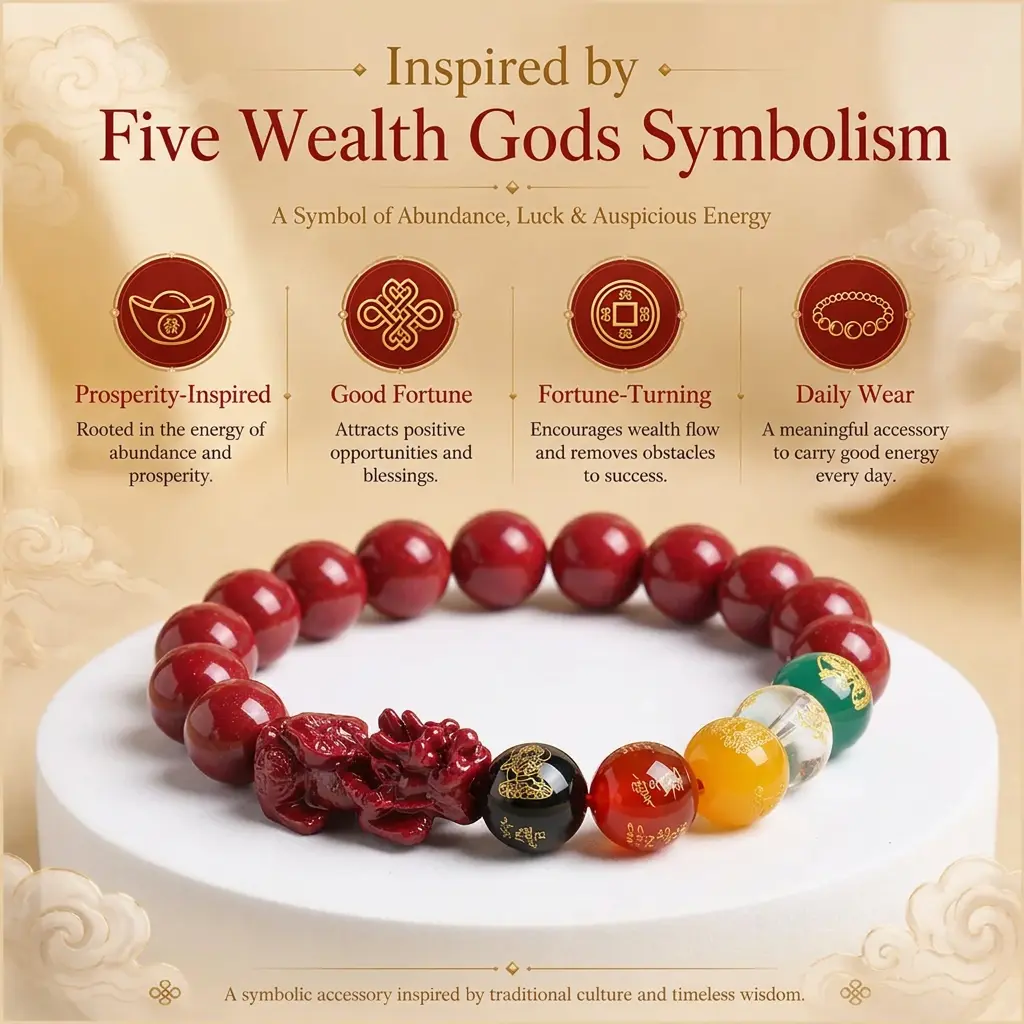
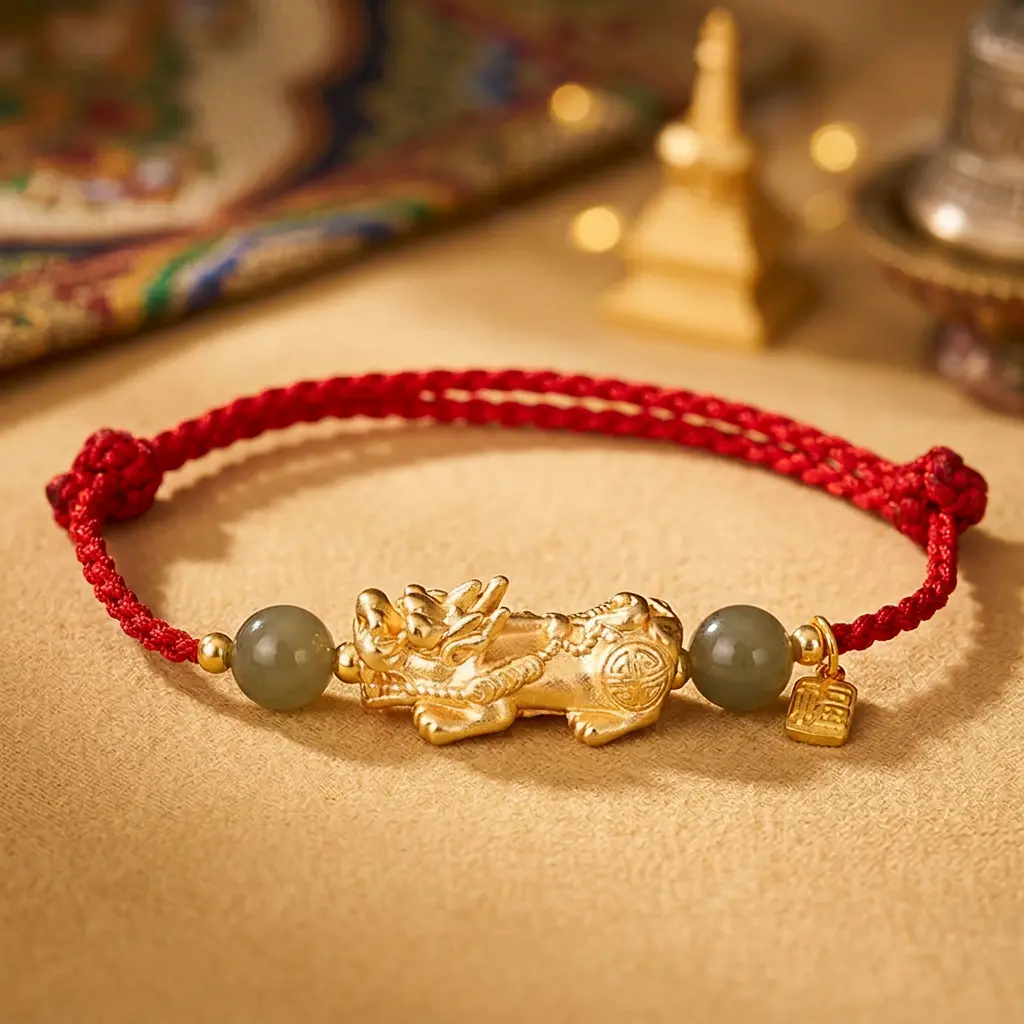
Multi-stone bracelets (chakra sets, Pixiu combos, protection stacks) need special attention: always cleanse based on the most delicate stone in the bracelet. If your bracelet contains turquoise alongside clear quartz, treat the whole piece as water-unsafe.
⚠️ A common mistake we see: LA TATVA, one of the top-ranking guides on this topic, recommends running water as the default method for all crystal bracelets. That advice will damage selenite, malachite, lapis lazuli, and pyrite pieces. If your bracelet has a powdery texture, a metallic sheen, or porous-looking beads, skip the water method entirely and use smoke or sound instead. When in doubt, check our dedicated guide on which crystals are safe to shower with for a full stone-by-stone breakdown.
4 Cleansing Methods Safe for Every Crystal Bracelet
Four methods work for every stone — from selenite to obsidian — with no risk of damage. Use any one of these each time you cleanse, or rotate them based on what feels right for your practice.
1. Smoke Cleansing (Smudging) — 30 to 60 Seconds
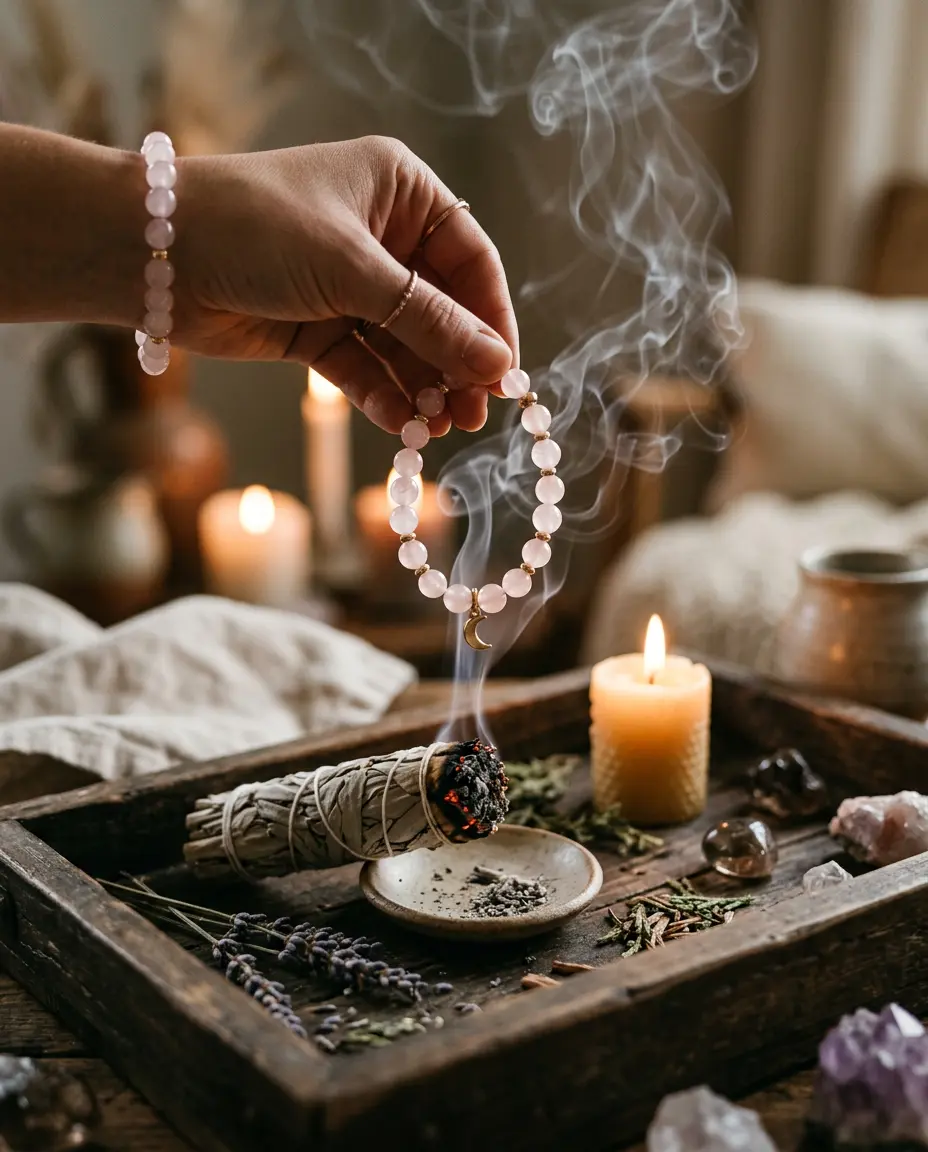
- Light a sage bundle, palo santo stick, or incense (sandalwood and juniper are traditional Tibetan choices).
- Hold your bracelet 4–6 inches above the smoke. Allow the smoke to flow around all sides of the beads for 30–60 seconds.
- Set your intention clearly as you cleanse — visualize the bracelet returning to a neutral, open state.
- Allow the bracelet to cool in open air for 1–2 minutes before wearing.
Smoke cleansing is the method with the deepest roots in Tibetan Buddhist practice. In the monastery traditions our team has observed firsthand, incense smoke was almost always the preferred purification method — water was rarely used on spiritual jewelry.
2. Selenite Plate Cleansing — 4–6 Hours (or Overnight)
- Place your bracelet directly on a flat selenite plate or inside a selenite bowl.
- Leave undisturbed for a minimum of 4 hours. Overnight works best.
- No additional steps are needed. Selenite is self-cleansing and does not need to be recharged itself.
This is our recommended method for people who want a completely hands-off routine. Leave your bracelet on the selenite plate every night and it’s effectively cleansed every 24 hours — ideal for daily-wear protection stones.
🛍️ Ready to start your cleansing routine? Browse PotalaStore’s full crystal bracelet collection — each piece comes with care instructions specific to its stone type.
3. Sound Cleansing (Tibetan Singing Bowl) — 1 to 2 Minutes
- Place your bracelet near (but not inside) a Tibetan singing bowl.
- Strike the bowl gently, then run the mallet around the rim to sustain the tone.
- Continue for 60–120 seconds. The vibration permeates the beads and is believed to reset the stone’s energy field.
- Allow the sound to naturally fade before moving the bracelet.
Sound cleansing at 432 Hz resonance is one of the few methods with documented physical impact on material objects (sound waves measurably alter the molecular surface of water-containing crystals). Whether or not you work with the energetic dimension, it’s a satisfying and thorough method. Explore our range of Tibetan singing bowls for options suited to bracelet and jewelry cleansing.
4. Moonlight Charging — Overnight
- Place the bracelet on a windowsill or outdoors where it will receive direct moonlight.
- Leave overnight. Full moon light offers the most intensity, but any lunar phase works for regular cleansing.
- Bring the bracelet inside before direct morning sunlight hits it — prolonged sun exposure fades amethyst, rose quartz, and citrine over time.
Moonlight is the gentlest method and the one most forgiving of timing errors. It’s ideal for your most delicate pieces — selenite, lapis lazuli, turquoise — because there is zero risk of physical damage. Full moon nights are preferred by many practitioners, but even a crescent moon provides adequate light for a standard cleanse.
Physical Care: The Step Most People Skip Entirely
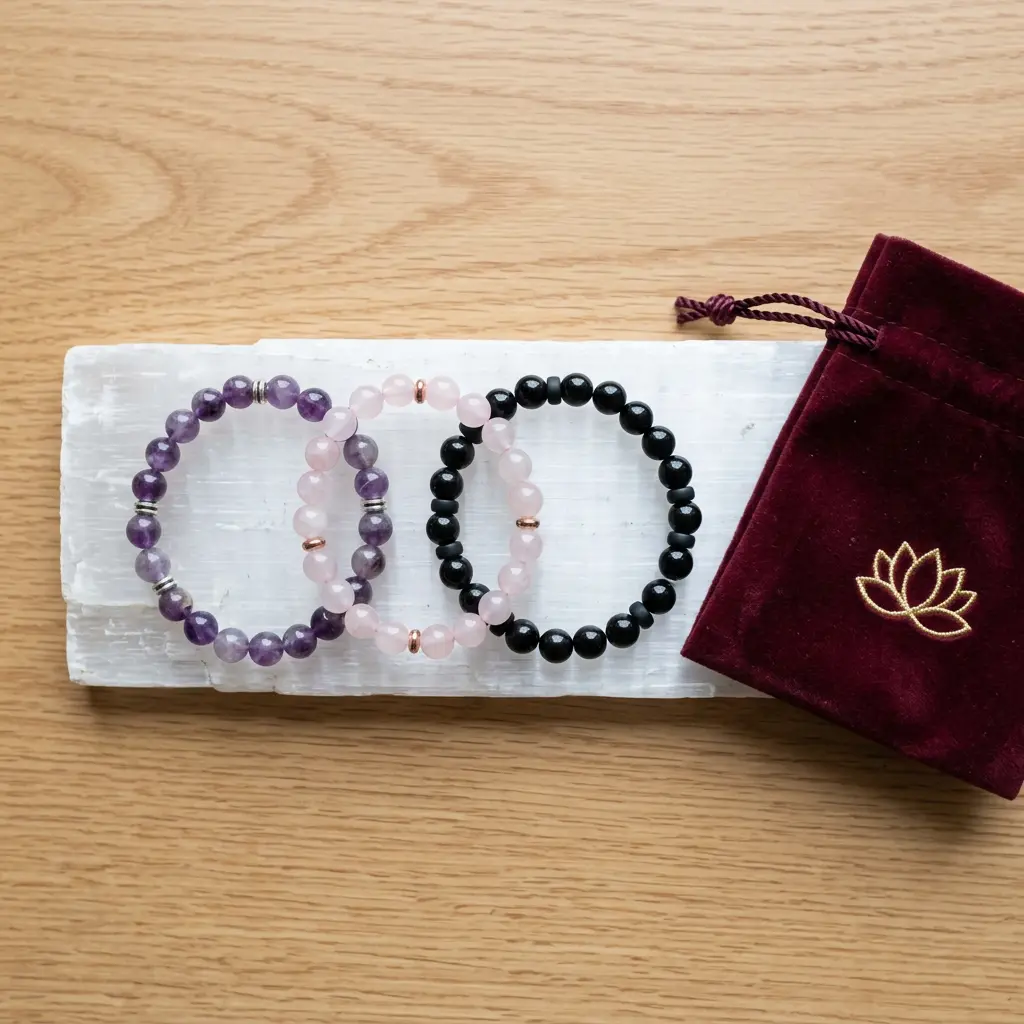
Energetic cleansing and physical maintenance are two separate routines — and most guides only cover the first one. Your bracelet’s elastic cord, bead surface, and storage environment all affect how long it lasts and how good it looks.
The Elastic Cord Lifecycle
Elastic cord degrades over time due to skin oils, sweat, stretching, and UV exposure. Here are the restringing intervals we recommend based on wear pattern:
- Daily wear: Replace the elastic cord every 12 months
- Occasional wear (2–3 days/week): Every 18 months
- Rare wear (<1 day/week): Every 24 months
Don’t wait for the cord to snap — a fraying or stretched cord is a safety risk and can cause you to lose beads permanently. For the full breakdown of why bracelets break and how to prevent it, see our guide on crystal bracelet breaking: 7 reasons and fixes.
Daily Physical Care Habits
- Wipe beads weekly with a dry or barely damp microfiber cloth to remove skin oil buildup (never use chemical cleaners)
- Remove before showering, swimming, or applying lotion — even water-safe stones are better off away from soap and chlorine
- Store in a soft cloth pouch when not wearing to prevent bead-on-bead scratching and dust accumulation
- Keep away from direct sunlight during storage — color fading is permanent in amethyst, rose quartz, and citrine
💡 Integrate physical and energetic care into one weekly ritual. Wipe the beads with a microfiber cloth, then pass the bracelet through sage smoke, then set your intention for the week. The whole process takes under three minutes and covers both dimensions of maintenance at once.
Frequently Asked Questions About Crystal Bracelet Cleansing
The most reliable signs are: the stone looks visually dull or flat, wearing it feels unusual or heavy, you’ve been through a stressful or emotionally intense period, or someone else has handled the bracelet. Any of these is sufficient reason to cleanse, regardless of how recently you last did it.
Yes — smoke, sound, and moonlight work on multiple pieces simultaneously. For a selenite plate, ensure each bracelet has direct contact with the selenite surface rather than stacking them on top of each other. For smoke cleansing, pass each bracelet individually through the smoke for best results.
Moonlight is the safer choice for most stones and works for all crystal types. Sunlight is more intense and faster, but it permanently fades amethyst, rose quartz, and citrine with extended exposure. If you use sunlight, limit it to 15–20 minutes in the morning when UV intensity is lower, and never leave any crystal bracelet in direct afternoon sun.
Yes. A new bracelet has passed through multiple hands — the artisan, a packaging facility, shipping carriers — before reaching you. Cleansing it before your first wear clears any accumulated energy from transit and production, and gives you a clean foundation for setting your own intention. Any of the four methods above works for a first-time cleanse; smoke or selenite plate are most commonly recommended.
Find Your Next Crystal Bracelet at PotalaStore
Every bracelet in our collection is handcrafted and sourced from authentic Tibetan workshops and Himalayan monasteries. Each piece ships with stone-specific care guidance, so you always know exactly how to cleanse and maintain it.Browse Crystal Bracelets →
Disclaimer: The energetic and spiritual properties described in this article reflect traditional beliefs and the practices of many crystal enthusiasts worldwide. A 1999 conference paper by French and Williams (Goldsmiths, University of London) explored the placebo effect in crystal meditation — but it was never published in a peer-reviewed journal, and no controlled study has confirmed the energetic mechanisms described here. PotalaStore does not make medical or therapeutic claims. Crystal bracelets are spiritual and aesthetic objects, not medical devices.
📚 References
- Mohs Hardness Scale — Mineral Properties: Comprehensive reference on mineral hardness and water solubility used by gemologists worldwide. Gemological Institute of America (GIA) — Gem Encyclopedia
- Crystal and Gemstone Properties: Smithsonian National Museum of Natural History educational resource on mineral composition, hardness, and care. Source: Smithsonian Institution — National Museum of Natural History (Readers may search the institution’s website for current mineral resources)
- Crystal Healing — Research Context: Overview of the scientific literature and the 1999 French & Williams conference paper on crystals and the placebo effect. Healthline — Do Healing Crystals Work?
- Tibetan Buddhist Ritual Objects and Purification Practices: Academic overview of traditional purification methods including incense and sound in Himalayan Buddhist ritual. Source: Rubin Museum of Art — Himalayan Art Resources (Readers may search himalayanart.org for current resources)