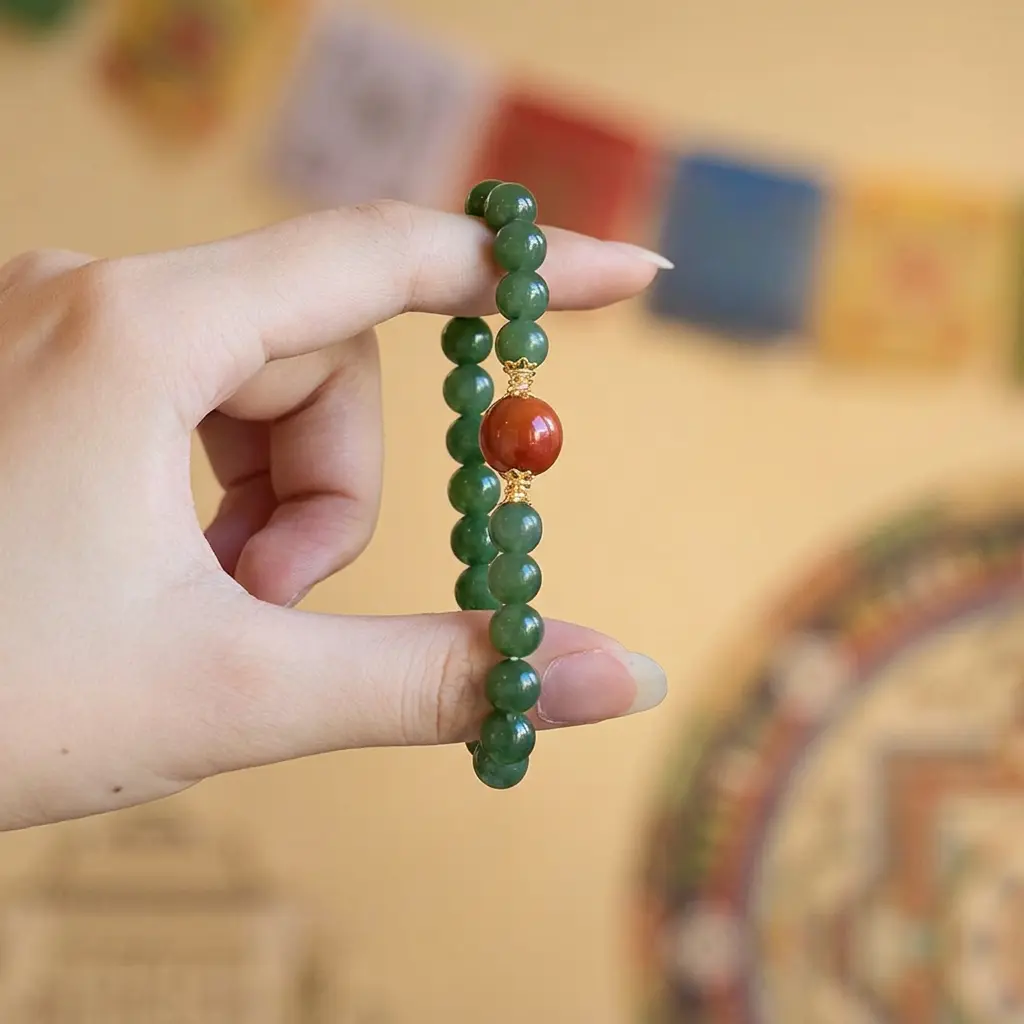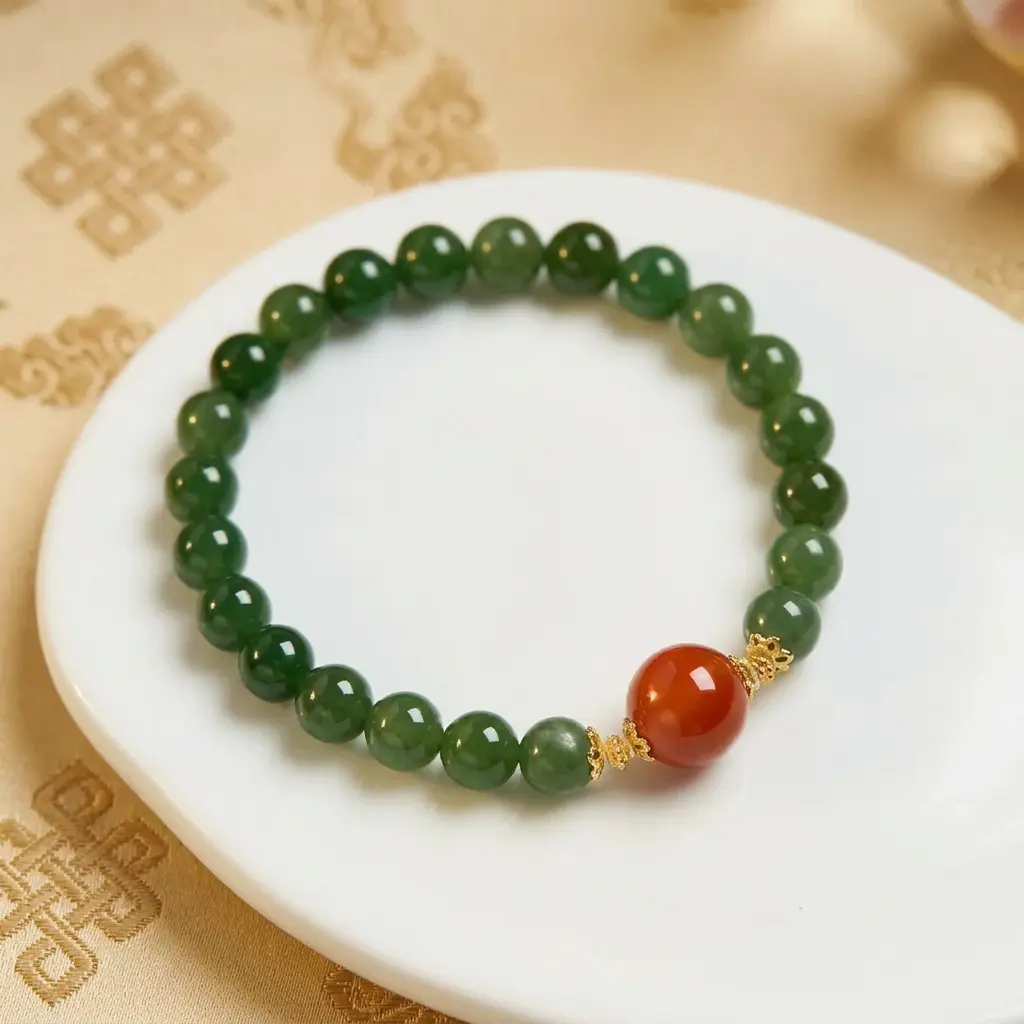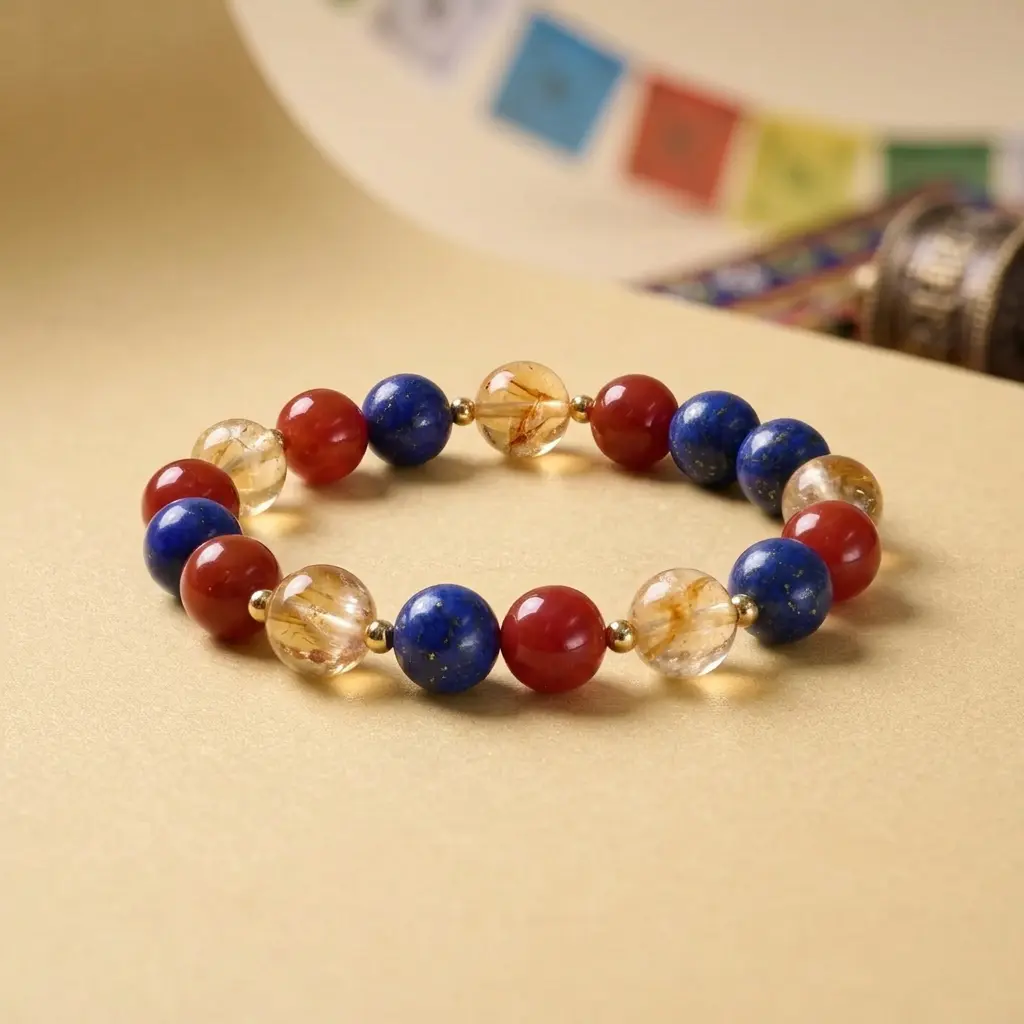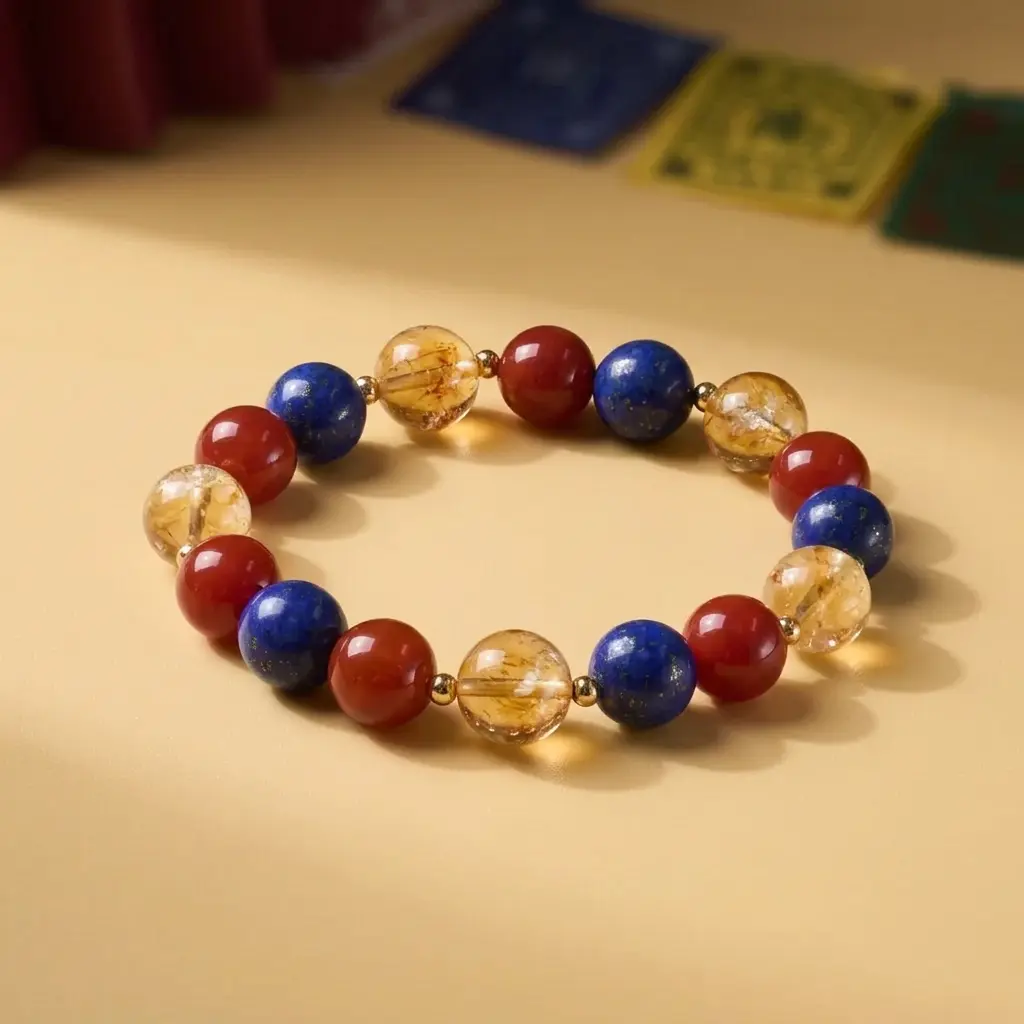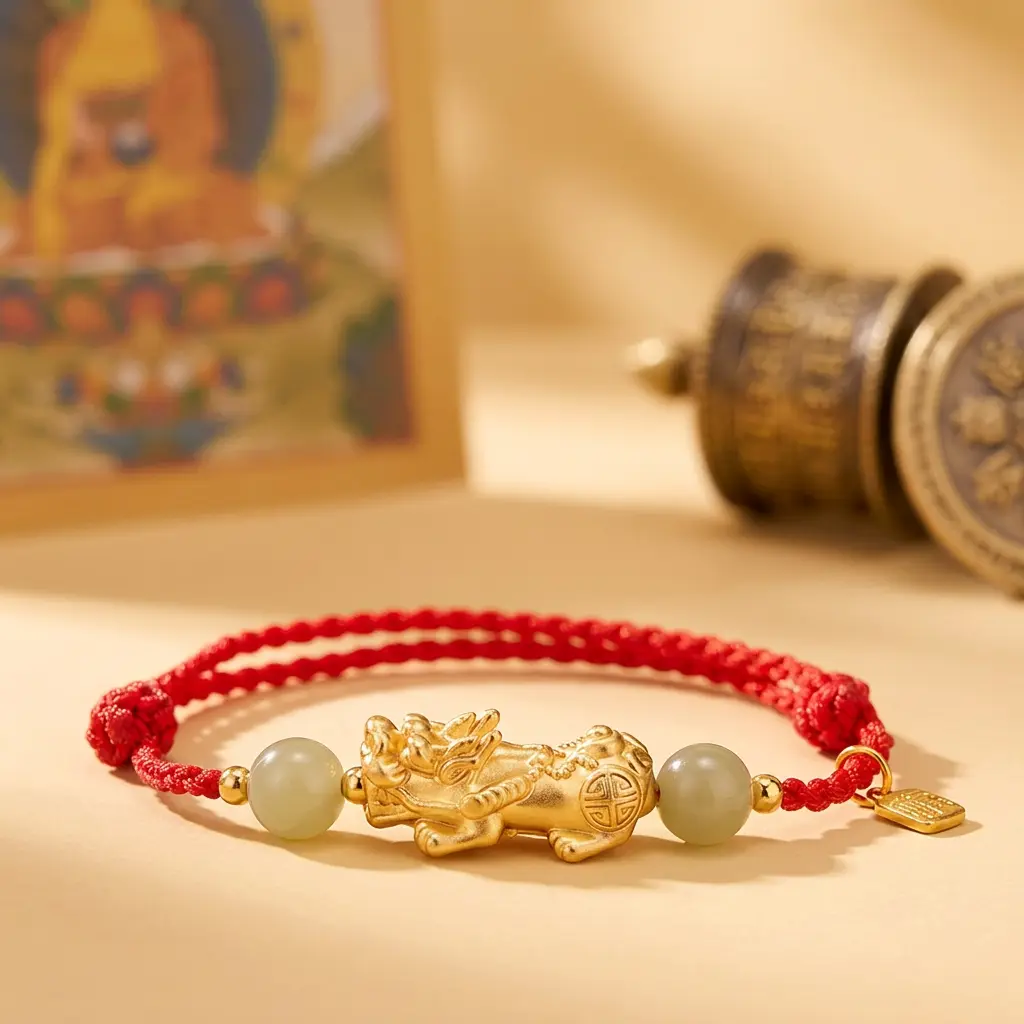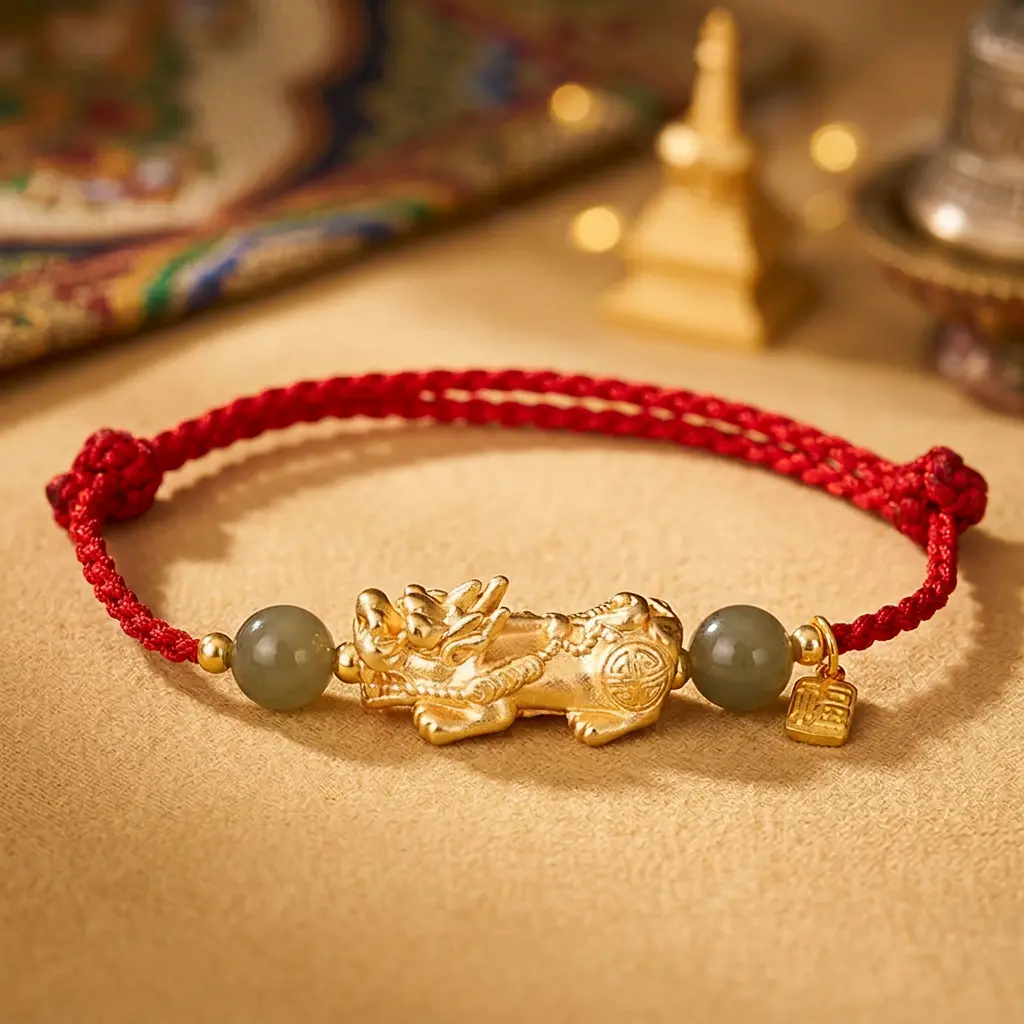



The most common feng shui mistakes at home are a cluttered or blocked front door, a bed in the “coffin position” facing the door, mirrors reflecting the bed, a stuffed-up wealth corner, and dead plants — all believed to block or drain your home’s chi (the life-force energy that feng shui says flows through every room). None of these mean your home is doomed. Most take an afternoon to fix, and you don’t need to renovate.
Here’s the honest part: you don’t need to buy anything to correct 90% of them. At PotalaStore, we’ve spent over a decade sourcing feng shui pieces directly from Himalayan artisans and Tibetan monasteries, and after fielding thousands of customer questions, we’ve noticed the same handful of mistakes come up again and again. This guide walks through the ones that quietly work against your energy, sleep, and sense of calm — and the simple fix for each.
⚠️ A quick note: Feng shui reflects traditional Chinese and Tibetan cultural beliefs. The ideas here are rooted in tradition and belief rather than scientific proof, and are not a substitute for professional medical, psychological, or financial advice.
Table of Contents
How Do You Know If Your Home Has Bad Feng Shui?
Quick answer
Bad feng shui simply means your home’s chi is blocked, stagnant, or rushing through too fast — it’s not a curse. Common signs include feeling drained the moment you walk in, clutter you keep stepping around, rooms you quietly avoid, and clogged or broken things you’ve stopped noticing.
In feng shui practice, energy is supposed to meander gently through a home, the way a slow river nourishes everything along its banks. Three things throw that off. Stagnant qi pools around clutter and mess. Sha qi (“poison arrows”) comes from sharp corners, long straight hallways, and cluttered corners pointing energy at you. And chi that rushes — front door lined up with a back door or window — leaves before it ever settles.
There’s a grain of everyday truth underneath the tradition. A well-known 2010 study in Personality and Social Psychology Bulletin found that people who described their homes as cluttered and unfinished tended to have flatter daily cortisol patterns, a stress marker linked to worse mood. You don’t need to believe in energy meridians to accept that a chaotic space affects how you feel in it.
In our experience, the most common reaction when we walk clients through this is a slightly embarrassed, “Oh — that’s the corner where I dump everything.” That corner is almost always the place to start.
Front Door & Entryway Mistakes That Block Opportunity
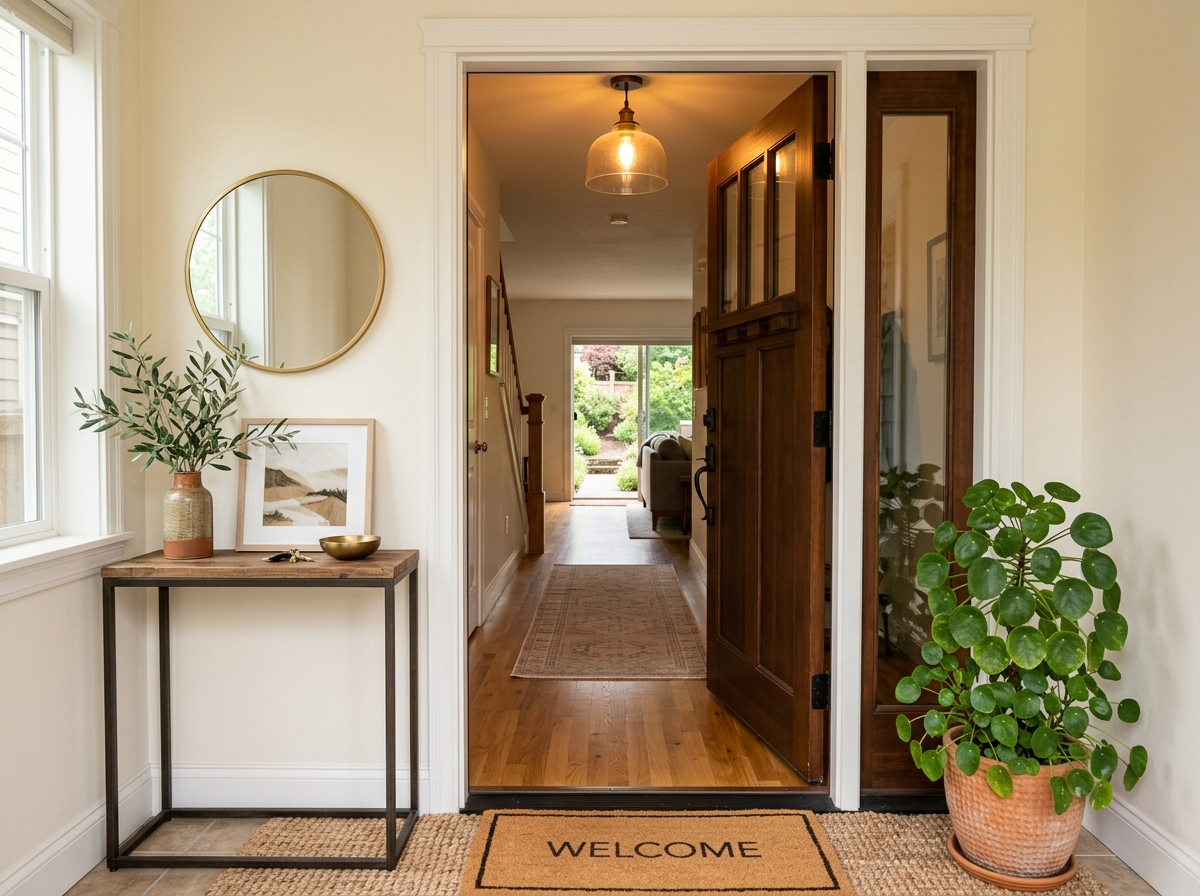
Your front door is the “Mouth of Chi” — the single most important spot in feng shui, because it’s where energy and opportunity enter your home. Feng shui masters estimate the entry accounts for up to 50% of a home’s overall energy, so a blocked, dark, or cluttered doorway is believed to push good fortune straight back out.
These are the entryway mistakes we see most, and each has a fast fix:
- A cluttered or hard-to-open door: shoes, mail, and coats piled at the entry choke incoming chi. Clear a 3-foot arc so the door swings fully open.
- The front-to-back energy leak: when your front door lines up directly with a back door or large window, chi rushes in and straight out. Slow it with a plant, a console table, or a screen placed between them.
- A mirror facing the front door: traditionally believed to bounce arriving energy back outside before it can circulate. Move it to a side wall instead.
- A dim or broken entry: burnt-out bulbs, a squeaky door, or a dead doormat signal neglect. Brighten the light and fix what sticks.
- “Poison arrows” at the door: a sharp corner or a path/road pointing straight at your entry (a T-junction) sends cutting sha qi toward the home. A rounded plant or a bagua map reference can help you soften and redirect it.
The key takeaway: treat your entry like a first breath. Keep it open, lit, and welcoming, and you fix the highest-impact area in the whole home before touching anything else. For pieces meant to guard that threshold, our protection-focused collection is a natural place to look.
Bedroom Setups That Wreck Your Sleep (and Relationships)
Quick answer
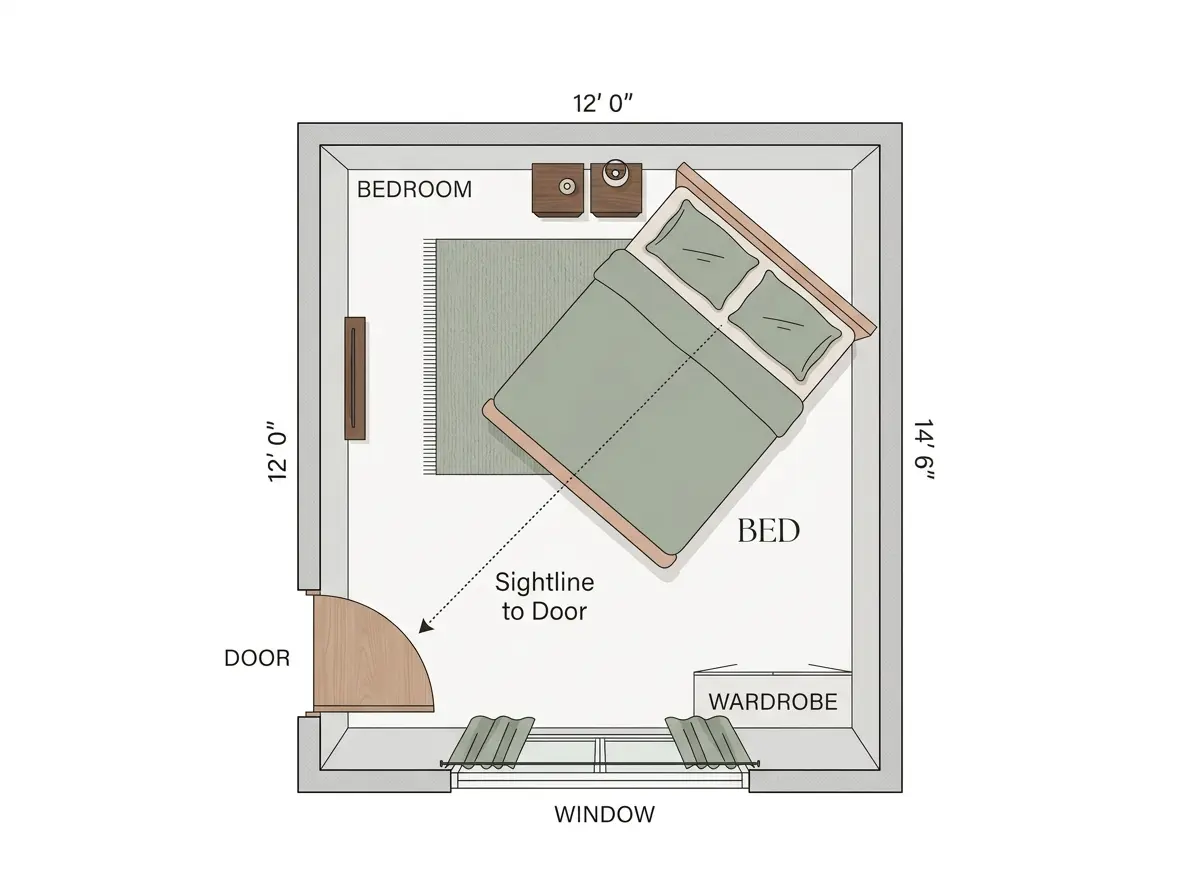
The biggest bedroom mistake is the “coffin position” — placing your bed directly in line with the door — followed by mirrors reflecting the bed. Both are traditionally believed to disrupt rest and even relationships.
Feng shui asks your bed to sit in the commanding position: you can see the door from bed, but you’re not directly in line with it, and your headboard rests against a solid wall. The idea is that you rest better when you feel secure and in control of the room. Here’s where people go wrong:
- Bed in the coffin position: feet or head pointing straight at the door. If you can’t move the bed, place a footboard, bench, or low screen between bed and door to break the direct line.
- A mirror reflecting the bed: according to feng shui consultants, a mirror facing the bed is believed to invite a third party into a couple’s relationship and disturb sleep. The best fixes are simple — move it to a wall perpendicular to the bed, place it inside a closet door, or cover it at night.
- Bed under a window or heavy beam: thought to leave you unsupported and “pressed down.” Shift the bed to a solid wall where you can.
- Clutter under the bed: stagnant qi right beneath your rest. Keep the space clear, or store only soft, sleep-related items there.
- Electronics and work gear: a buzzing charging station or a desk in the bedroom keeps active energy where you need calm.
If you’re just starting out, don’t stress about getting every rule perfect — shifting the bed and dealing with a mirror covers most of it. Many people layer in supportive pieces too; our Wu Lou health bracelet is a favorite for the bedside, since the gourd (Wu Lou) is a traditional symbol of health and protection. Want the full room-by-room breakdown? See our feng shui bedroom guide.
Living Room and Kitchen Layout Errors: Flow and the Fire–Water Clash
In shared spaces, the two most common mistakes are a sofa with its back to the door and a kitchen where the stove (Fire) and sink (Water) sit directly opposite each other — the classic “Fire–Water clash.” Both are believed to create tension and unease in the busiest rooms of the home.
| Mistake | Why it’s a problem | The fix |
|---|---|---|
| Sofa backing the door | Leaves you startled and unsupported, the living-room version of the coffin position | Face seating toward the entry, or add a console/plant behind the sofa for backing |
| Blocked walkways | Furniture crammed into paths stalls chi and daily flow | Keep clear routes between doorways and seating |
| Sharp corners aimed at seats | Table and shelf edges send sha qi at the people using the room | Soften with a rounded piece, a cloth, or a plant |
| Stove directly facing sink | Fire and Water elements in direct opposition | Add a Wood buffer between them — a wood cutting board or a small green plant — or keep about 18 inches of separation |
Here’s a piece of honesty most guides skip: not every classical school treats the Fire–Water layout as a disaster. Many modern practitioners see it as a minor imbalance you can harmonize with a Wood element, not a catastrophe to renovate around. So if your stove and sink face off across a small kitchen, breathe — a plank of wood and a potted herb do the job.
The Clutter and Wealth-Corner Habits Draining Your Home’s Energy
Clutter is the number-one source of stagnant chi, and a cluttered, dim, or bathroom-occupied wealth corner is believed to quietly block prosperity. You’ll find that corner in the far back-left of your home as you stand at the front door looking in (the Xun position in the Western BTB method), or in the southeast sector on a compass — element Wood, colors green and purple.
Work through these in order — free first, then the finishing touches:
- Declutter before anything else: no cure works on top of a pile. Clearing stuck qi is the highest-leverage move in the whole home.
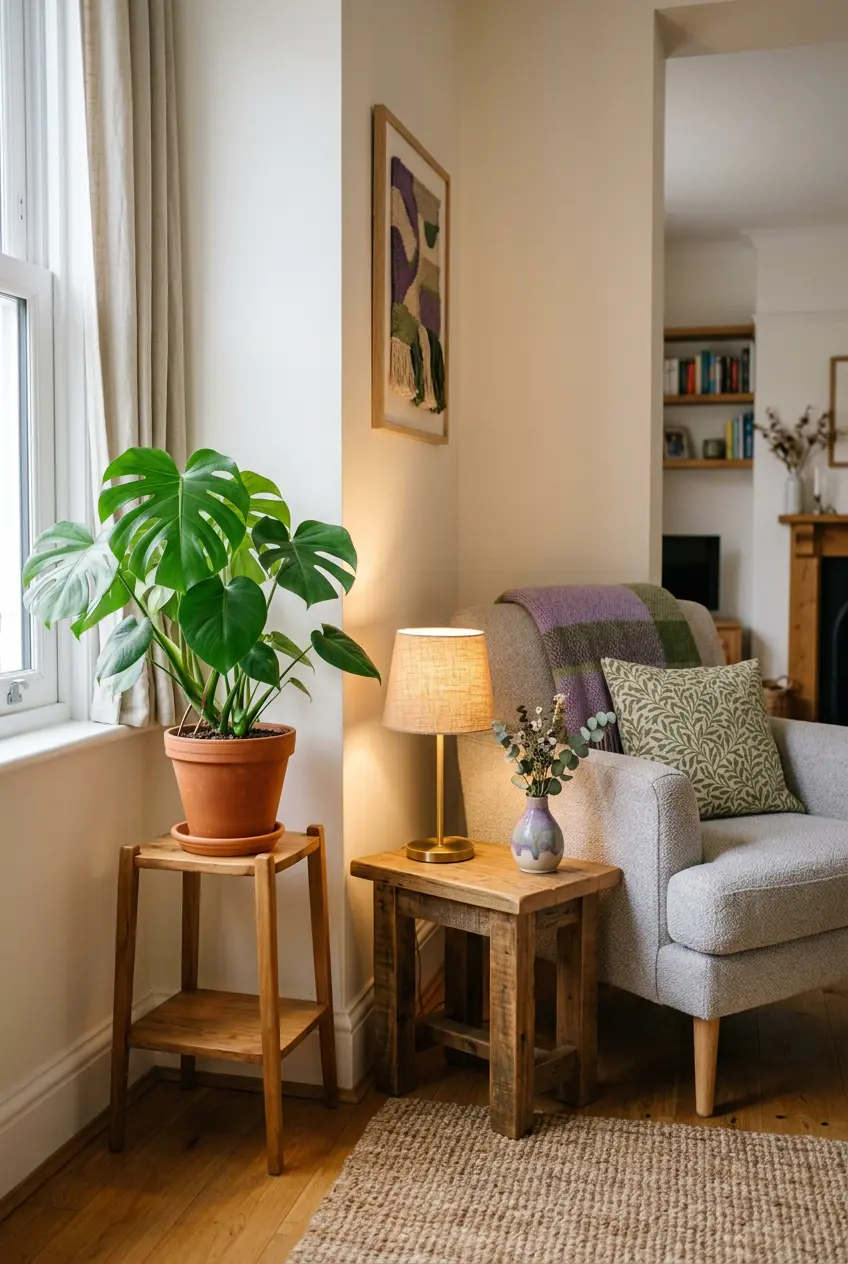
- Find and tend your wealth corner: remove clutter, add light, and place something living or moving — a healthy plant, a small water feature, or a meaningful object.
- Retire dead and dried plants: withered greenery carries yin, “death” energy. A sickly plant is worse than no plant at all.
- Fix broken things and dim lighting: a burnt-out bulb or a cracked item in a key corner drags the energy down with it.
- Don’t overdo the “cures”: five crystals, three fountains, and a wall of coins compete rather than help. One intentional object beats ten.
One reframe worth sitting with. Feng shui educator Anjie Cho points out that “wealth” here isn’t only money — it “encompasses self-worth, opportunity, generosity, and the experience of abundance.” So tending this corner is as much about how supported you feel as about your bank balance.
When people do choose an object for this corner, the black obsidian Pixiu is the one we’re asked about most. In Chinese mythology, Pixiu is a winged creature that draws in wealth and — thanks to a sealed body in the legend — never lets it leave, which is why obsidian (a natural volcanic glass carrying the Water element that governs money flow) is the traditional pairing. If that speaks to you, our Pixiu black obsidian wealth bracelet sits within our broader money corner guide. Just remember the order: declutter first, object second.
💡 Pro tip: Before you buy a single cure, spend one weekend clearing your entry, your bed area, and your wealth corner. Most people feel the shift from that alone — and then any piece you add lands on clean, open energy instead of a pile.
Feng Shui Myths and “Cure” Blunders: Superstition vs. Real Practice
Not every scary feng shui rule is real. A “number 4” house, a red front door, or an odd layout doesn’t doom you — and buying random “lucky” objects with no intention does very little. What actually moves the needle is decluttering first and using a small number of meaningful, consecrated pieces with purpose.
Here’s where fear and marketing tend to mislead people:
- The “unlucky number” panic: a house number containing 4 is a cultural association, not a sentence. Good flow and light matter far more than the number on your door.
- Buying symbols you don’t understand: as Anjie Cho warns, it’s best to avoid bringing something in to “improve your feng shui” when you don’t know its purpose — bagua mirrors in particular are often hung incorrectly and disrespectfully by people who don’t know how to use them.
- Over-curing: more objects don’t mean more luck. A crowded altar of competing symbols reads as clutter, which is exactly what you were trying to fix.
This is also where authenticity earns its place. In both Chinese and Tibetan traditions, a decorative object becomes an active cure only through consecration — kai guang in Chinese practice, or the Tibetan rab gnas ritual. Our founder, Yang Tso, grew up in this tradition, and the pieces we source pass through blessing ceremonies at partner monasteries including Sera Jhe and Kopan. It’s the difference between a pretty stone and an object made with intention — and it’s a layer most feng shui guides never mention. If wealth is your focus specifically, the traditional figure is Yellow Jambhala, the Buddhist deity of prosperity, rather than any single trending crystal.
⚠️ Important note: The spiritual and energetic properties described here come from traditional Chinese and Tibetan feng shui beliefs and cultural practice, not scientific evidence. Treat these pieces as intention anchors that support your own effort — not as guarantees of wealth, health, or luck.
Start With an Open Home, Then Add Intention
Once your space is clear, the right piece gives your intention something to hold. Explore authentic, monastery-blessed feng shui bracelets and home pieces, sourced directly from Himalayan artisans and shipped worldwide.Explore the Collection →
Frequently Asked Questions
Clutter — especially at the front door and in the wealth corner — because it’s believed to create stagnant chi that blocks opportunity. Start there before buying any cures; it’s free and it’s the highest-impact fix in the home.
Traditionally, yes. A mirror reflecting the bed is believed to disrupt sleep and, according to feng shui consultants, invite a third party into a couple’s relationship. Move it to a wall perpendicular to the bed, place it inside a closet door, or simply cover it at night.
Most fixes are free or low-cost: declutter, move your bed and sofa into the commanding position, slow a front-to-back energy leak with a plant or screen, and replace any dead plants. For targeted, intention-setting pieces afterward, explore our guide to choosing a feng shui bracelet.
In feng shui tradition they’re believed to redirect or attract energy, but they work best as intention anchors alongside decluttering and good layout — not as instant magic. Choose authentic, consecrated pieces, and always place them on a home you’ve already cleared and opened up.
📚 References
- Clutter and Daily Stress: Saxbe, D. E., & Repetti, R. (2010). “No Place Like Home: Home Tours Correlate With Daily Patterns of Mood and Cortisol.” Personality and Social Psychology Bulletin, 36(1), 71–81. Sage Journals
- Front Door as the “Mouth of Chi”: Overview of entry energy and its outsized role in home feng shui. Feng Shui Hero
- Mirror Placement in the Bedroom: Practitioner guidance on why mirrors facing the bed are discouraged, and how to reposition them. City Mattress
- Redefining the Wealth Corner: Anjie Cho, Mindful Design Feng Shui School, on the bagua wealth area and using cures with intention. Source: Mindful Design Feng Shui School (readers may search the school’s site for current resources)
At PotalaStore, we help people bring calm, intention, and authentic feng shui into their homes. Clear your space first — then let the right piece hold the intention.