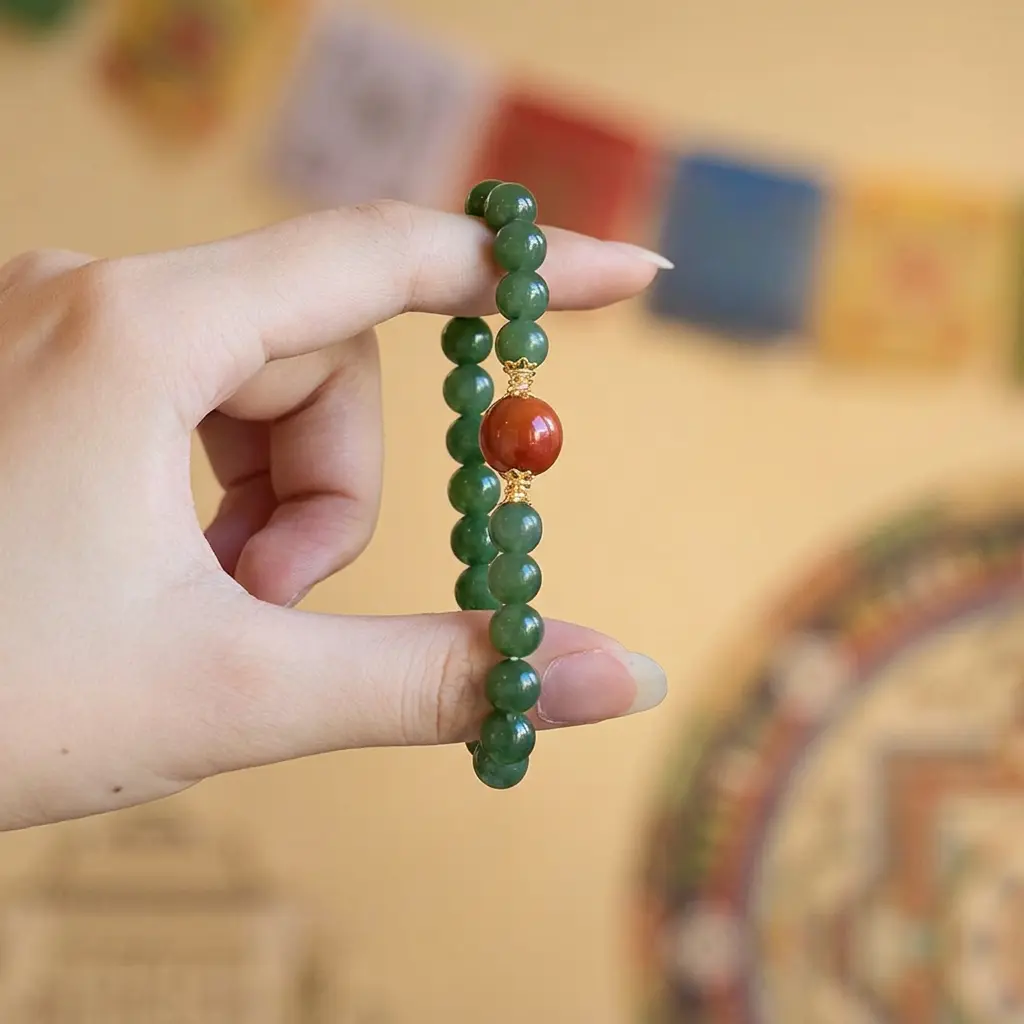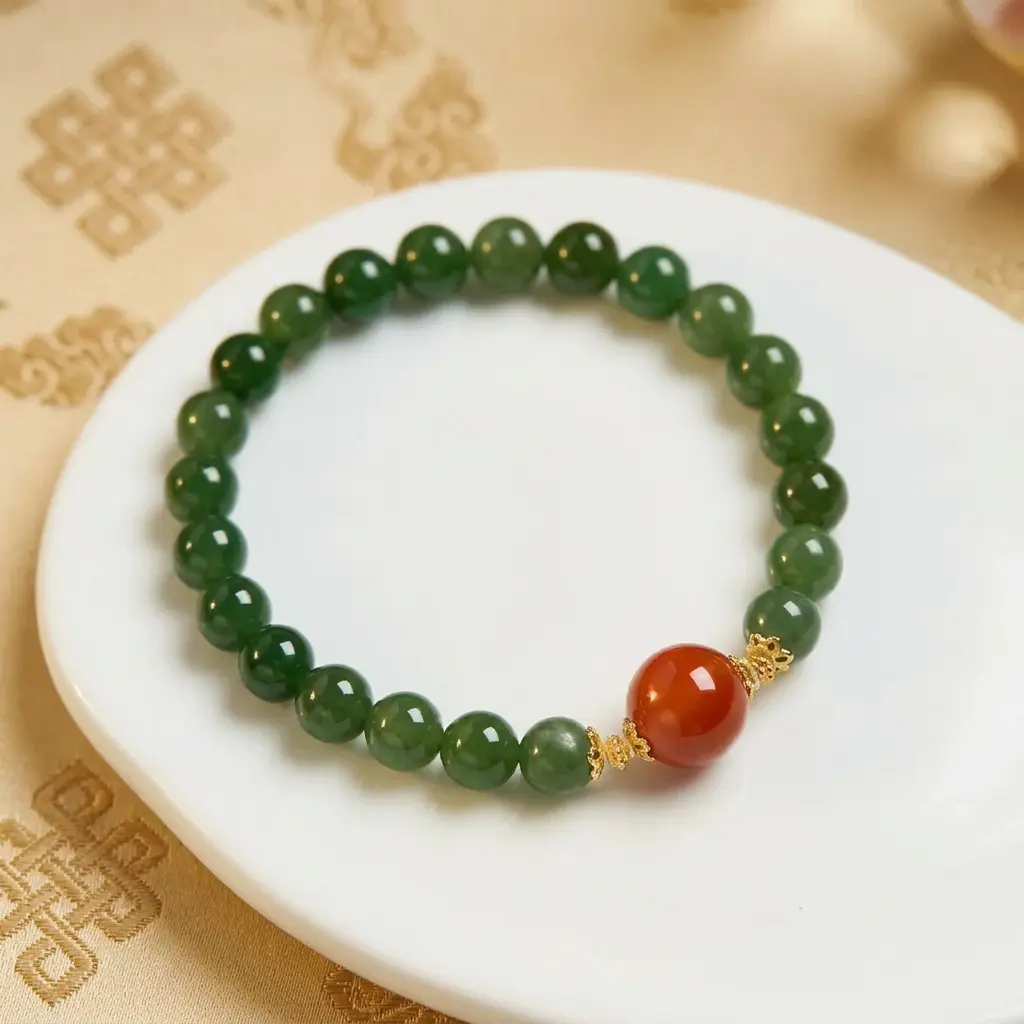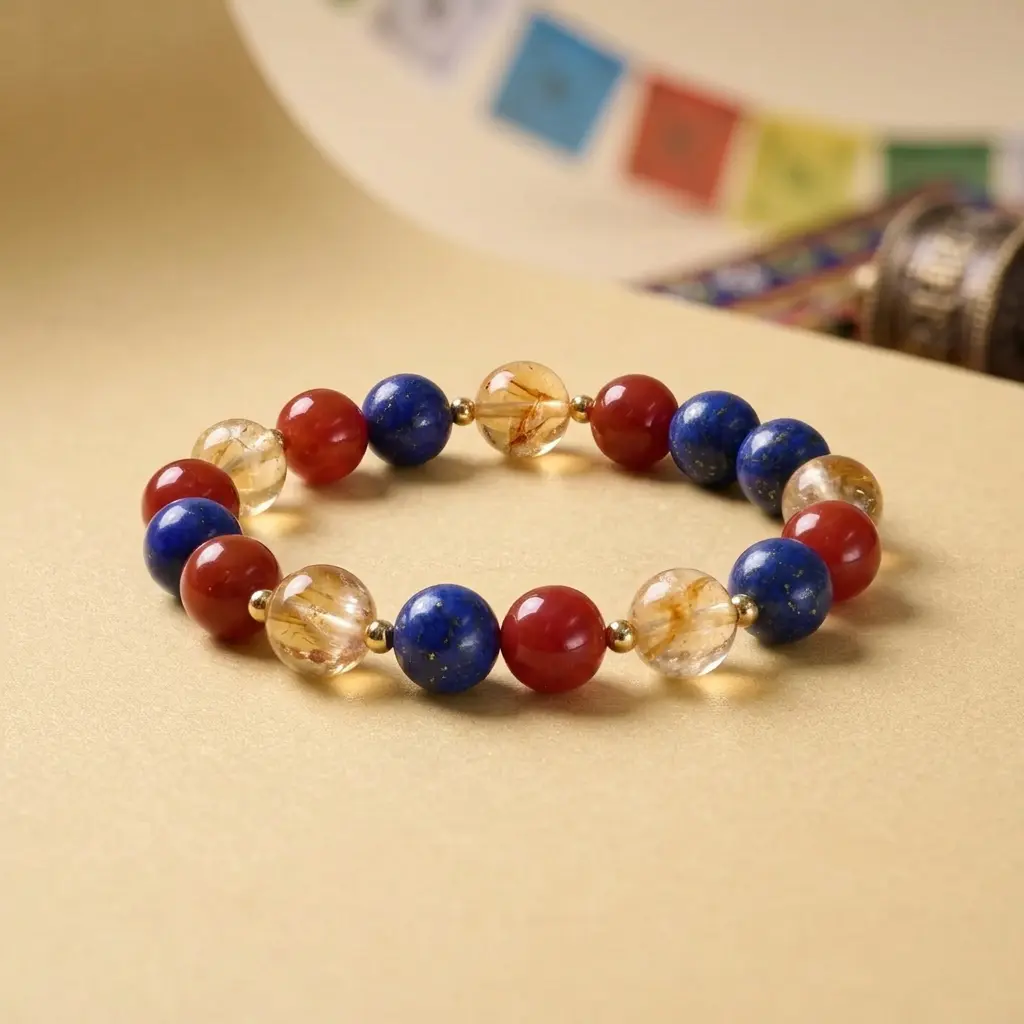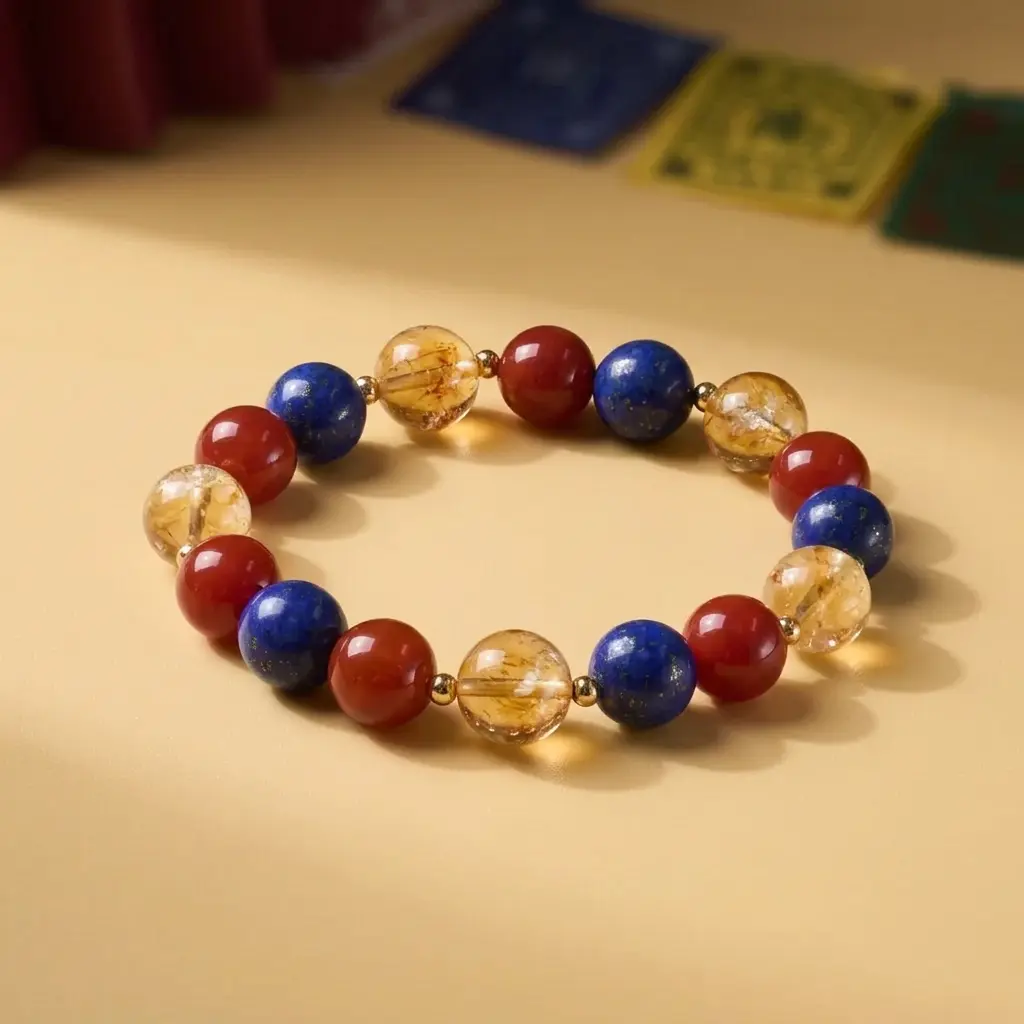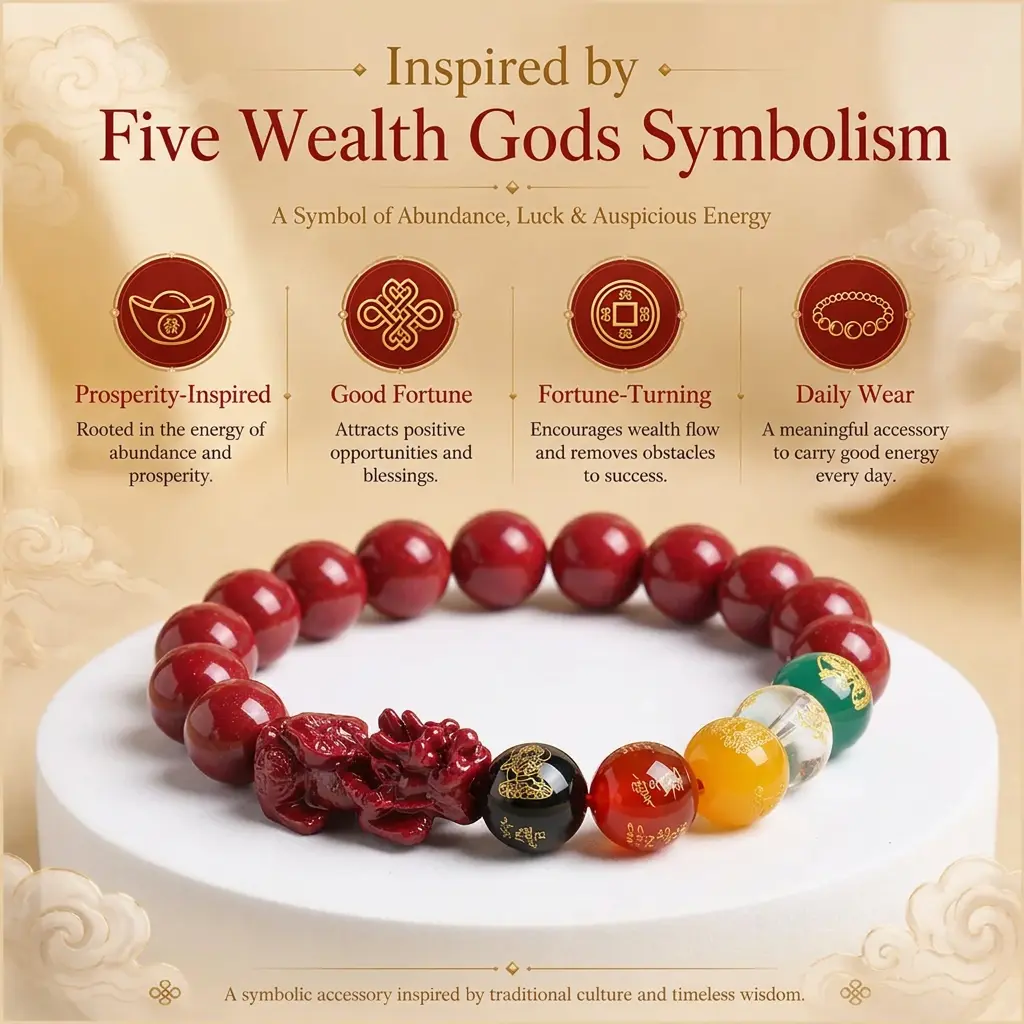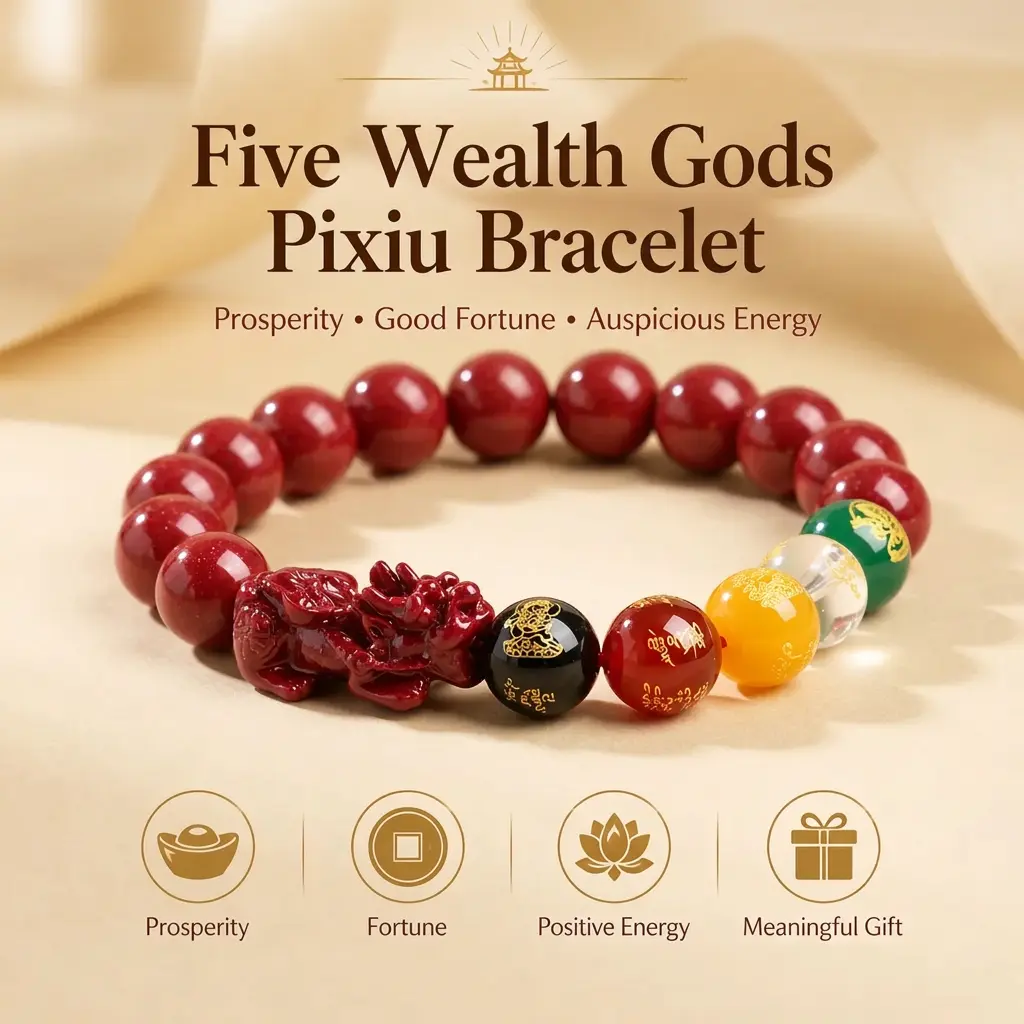


Wearing your crystal bracelet on the wrong wrist won’t curse you, but it can quietly work against the very thing you bought it for. Here’s the quick answer: in feng shui tradition, you wear a crystal bracelet on your left wrist to receive energy—wealth, love, calm—and on your right wrist to release or project it, like protection. Black obsidian and Pixiu pieces are the main exceptions, and we’ll cover those below. At PotalaStore, we source and bless our feng shui bracelets through direct partnerships with Himalayan monasteries, so this guide is built on the same wearing rules our artisans follow—not guesswork. By the end, you’ll know exactly which hand fits your stone and your goal.
Table of Contents
The Quick Answer: Left to Receive, Right to Release
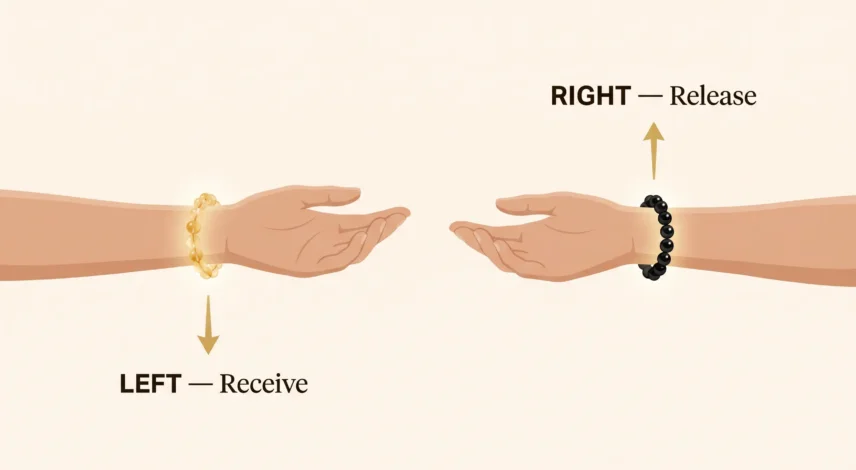
Wear a crystal bracelet on your left wrist to draw energy in, and on your right wrist to send energy out. In feng shui and Traditional Chinese Medicine, the left side is considered the receiving, yin side of the body, while the right is the giving, yang side. So a stone meant to attract something—money, love, calm—traditionally goes on the left. A stone meant to shield you or release negativity goes on the right. Black obsidian is the one stone that bends this rule, depending on your goal. Don’t panic if you’ve been wearing yours on the “wrong” hand; you simply may not be getting the full effect yet.
Why the Left Hand Receives and the Right Hand Gives
The rule comes from a classic principle in Chinese tradition: “left hand in, right hand out.” Your left side is believed to be passive and receptive, so it absorbs the energy of whatever crystal you wear there. Your right side is active and projective, so it pushes energy outward into the world. There’s also an anatomical reason often cited: the left wrist sits closest to the heart meridian, the energy channel linked in Traditional Chinese Medicine to emotion and circulation. That’s why practitioners place receiving, heart-centered stones on the left. Think of your two hands like a doorway—one side lets energy in, the other lets it out. None of this is scientifically proven, but it’s the consistent logic behind nearly every crystal-wearing tradition.
Left vs. Right Wrist: A Quick Decision Table
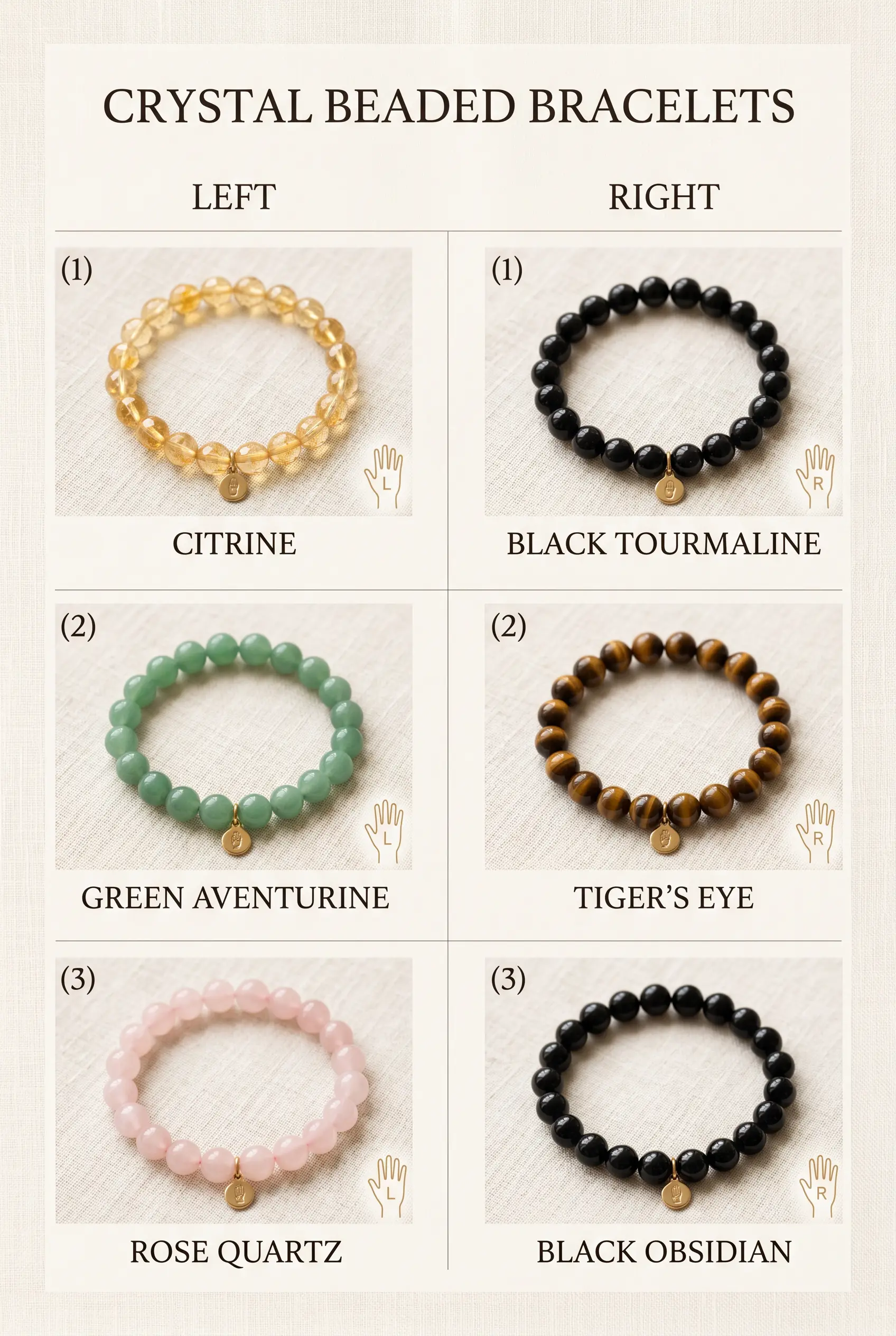
Use this table to match your stone and your intention to the correct wrist.
| Crystal | Intention | Wrist |
|---|---|---|
| Citrine | Wealth, abundance, confidence | Left |
| Green aventurine | Luck, opportunity, growth | Left |
| Rose quartz | Love, self-worth, calm | Left |
| Amethyst | Intuition, peace, sleep | Left |
| Black tourmaline | Protection, grounding | Right |
| Tiger’s eye | Releasing fear, willpower | Right |
| Black obsidian | Protection (right) / wealth (left) | Either |
| Pixiu bracelet | Attract & guard wealth | Left |
When to Wear It on Your Left Wrist (Attract & Receive)

The Ultimate Wealth Bracelet: Citrine & Pixiu Fortune Charm
Original price was: $58.95.$38.95Current price is: $38.95.
Buy Now
Gold Pixiu Wealth Mantra Bracelet – Attract Fortune
Original price was: $72.95.$35.95Current price is: $35.95.
Buy Now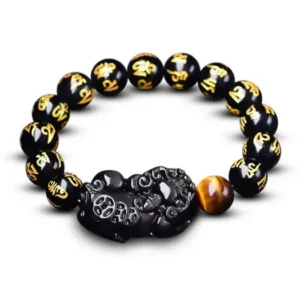
Obsidian Pixiu Wealth Bracelet – Feng Shui Talisman
Original price was: $46.95.$32.95Current price is: $32.95.
Buy Now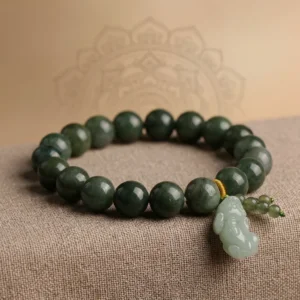
Green Jade Pixiu Bracelet – Feng Shui Fortune
Original price was: $69.97.$48.95Current price is: $48.95.
Buy NowWear your bracelet on your left wrist when you want to draw something in—money, love, luck, or calm. Because the left hand receives, it’s the home for “attracting” stones. Citrine, a golden quartz long called the “merchant’s stone,” has been tied to wealth and prosperity for centuries, which is why entrepreneurs wear it on the left to invite financial flow. Green aventurine is worn the same way for luck and new opportunities, while rose quartz sits on the left to open the heart to love and self-worth. The pattern is simple: if the goal is to bring energy toward you, the left wrist receives it best.
A citrine or rose quartz citrine wealth bracelet also makes a thoughtful gift—an easy win for a Black Friday or holiday present aimed at a friend chasing a big goal.
👉 Find your left-hand wealth bracelet →
When to Wear It on Your Right Wrist (Protect & Release)
Switch to your right wrist when your goal is to release energy or shield yourself from it. Because the right hand projects energy outward, it’s the natural side for protective and grounding stones. Black tourmaline worn on the right is believed to deflect negativity and electromagnetic stress, making it popular for high-pressure offices. Tiger’s eye goes on the right to release fear and reinforce willpower before a stressful event. If you’re walking into a draining environment—a tense meeting, a hospital visit, a crowded commute—the right wrist is where a protective bracelet does its work, sending unwanted energy away from you rather than pulling it in.
Which Hand for a Pixiu Bracelet?
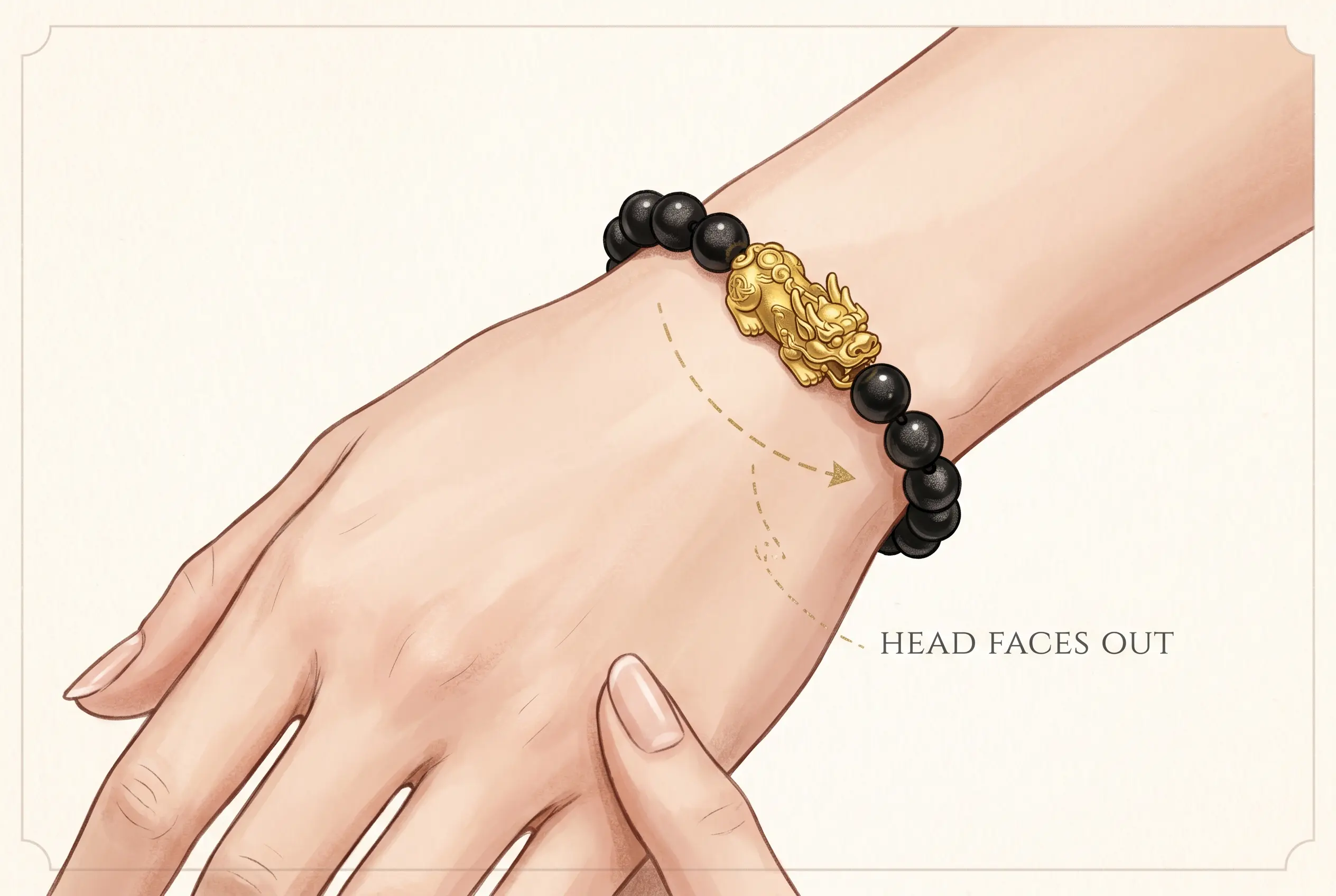
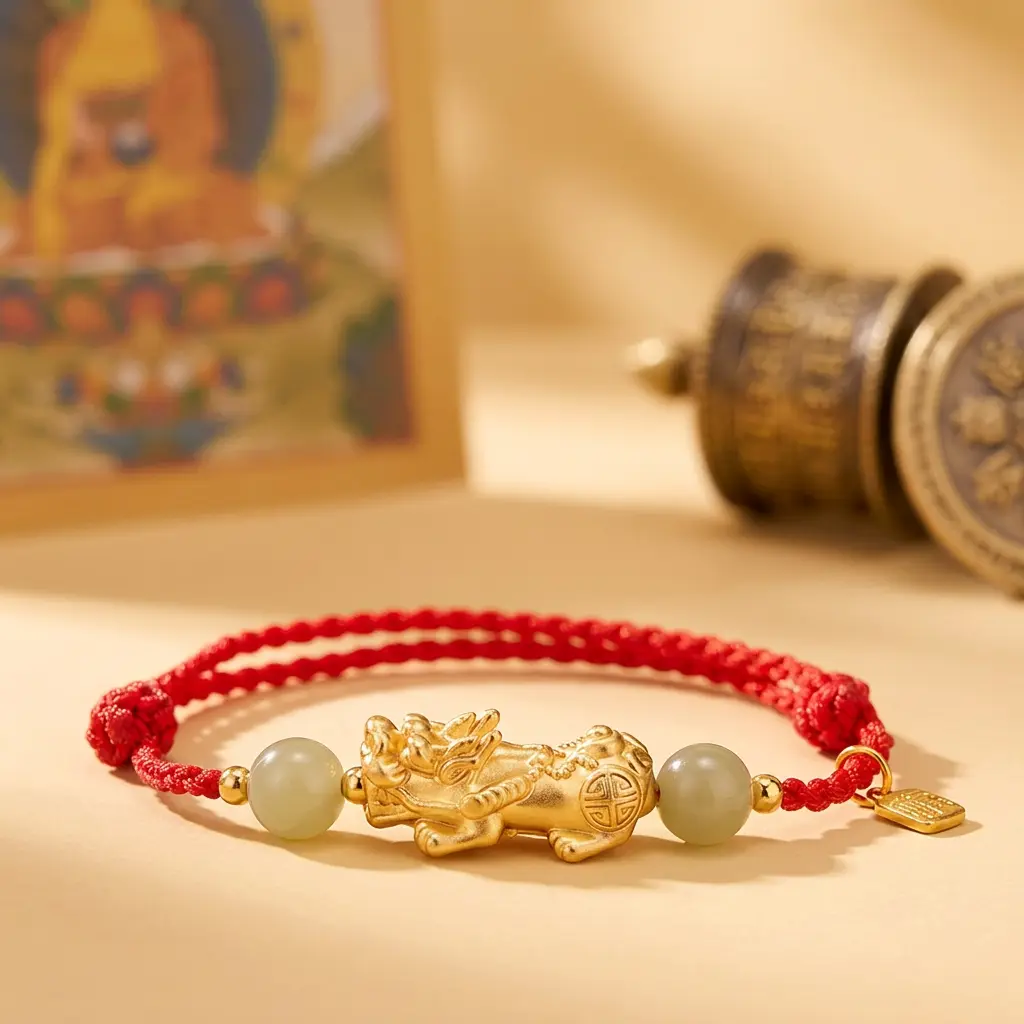
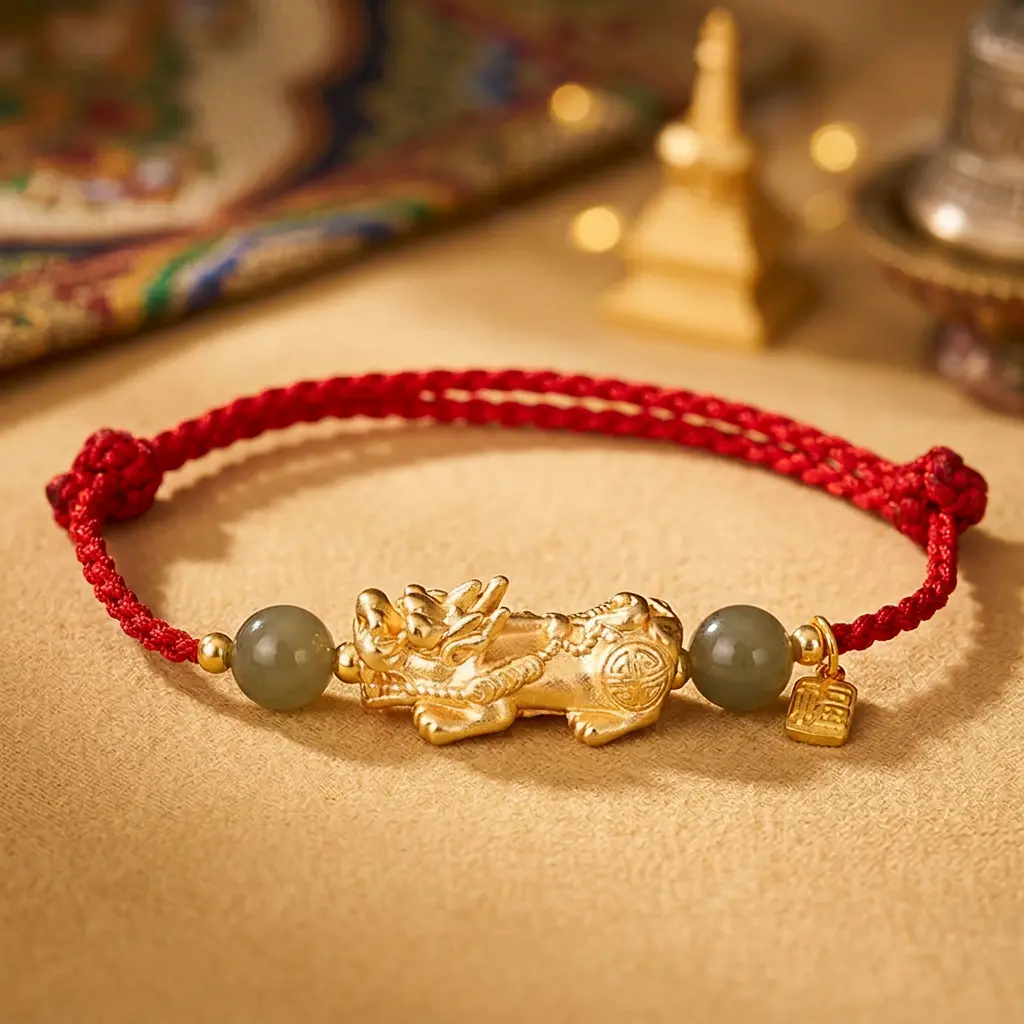
Always wear a Pixiu bracelet on your left wrist, with the creature’s head facing outward toward your pinky finger. Pixiu (Pi Yao, 貔貅) is a mythical winged beast that, in legend, devours gold and silver but can never release it—making it the ultimate symbol of wealth retention. Because the left wrist receives, that’s the side that lets the Pixiu draw fortune toward you; pointing the head outward lets it “hunt” for wealth out in the world rather than aiming its energy back at you. One traditional caution: avoid touching the Pixiu’s eyes and mouth, since folklore says it needs them to find and swallow your money. We’ll be honest—the first time we strung one on, it’s easy to wear the head inward by mistake, so double-check the direction before you set your intention.
Want to go deeper on single versus double Pixiu? See our guide on choosing between one and two Pixiu.
👉 Shop Pixiu bracelets — head facing out, ready to wear
Which Hand for a Black Obsidian Bracelet?
Black obsidian is the one stone you can wear on either wrist—right for protection, left for wealth. By default, this volcanic-glass stone goes on your right wrist, where it’s believed to absorb negative energy and shield you. But if your obsidian piece is a Pixiu wealth bracelet, it belongs on the left so the Pixiu can attract fortune. So the wrist depends on your purpose, not just the stone. Here’s a practical rule we share with customers in high-stress jobs—doctors, traders, anyone around heavy emotion: if protection matters more than money that day, keep your black obsidian on the right. Either choice is fine; the bracelet still works, you’re just steering it toward a different goal.
For the full breakdown of this stone, read our guide to black obsidian bracelet meaning and properties.
👉 Browse black obsidian for protection
What If You’re Left-Handed?
If you’re left-handed, you have two accepted approaches, and both are valid. The first keeps it simple: stick with the standard rule, since “left receives, right releases” is treated as fixed regardless of which hand you write with. The second adjusts for your body’s energy flow, treating your non-dominant hand as the receiving hand. For a right-handed person, the right hand is dominant and giving, and the left is receiving—but if you’re left-handed, that flips, so your right wrist becomes the receiving side. There’s no universal verdict here. Many crystal practitioners simply say to go with your gut. Pick the logic that feels right to you and stay consistent with it.
A Few Simple Wearing Rules
A few small habits keep your healing crystal bracelet working at its best:
- Point charms outward. For Pixiu and directional charms, the head faces away from your body, toward the pinky.
- Don’t let others handle it. Tradition holds that your bracelet tunes to your energy, so keep it personal.
- Take it off to sleep or shower. Elastic cord weakens when wet, and some wearers find active stones too stimulating overnight.
- Cleanse it monthly. Moonlight, sage smoke, or a singing bowl all work to reset the stone’s energy.
New to all of this? Our step-by-step guide to choosing and wearing a feng shui bracelet walks you through intention, zodiac, and the five elements.
[ Infographic: left wrist = receive energy | right wrist = release energy ]Left wrist draws energy in; right wrist sends energy out.
[ Diagram: Pixiu bracelet on the left wrist, head facing outward toward the pinky ]Pixiu is worn on the left wrist with its head facing outward.
Frequently Asked Questions
Wear a Pixiu bracelet on your left wrist—the receiving hand in feng shui tradition—with the head facing outward toward your pinky. This is believed to let the Pixiu hunt for wealth and bring it back to you. Ready to wear yours correctly? Shop our Pixiu bracelets, strung head-out and ready to go →
Yes. You can wear one on each wrist as long as the intentions complement each other—for example, citrine on the left to attract wealth and black obsidian on the right for protection. Just avoid pairing clashing energies on the same wrist.
Black obsidian is the main exception to the left-hand rule. Wear it on your right wrist for protection and releasing negativity, or on your left if it’s a Pixiu obsidian piece meant to attract wealth.
In feng shui and crystal traditions, yes—the left wrist is believed to receive energy and the right to release it. That said, there’s no scientific proof, and wearing it on the “wrong” hand won’t bring bad luck; it just may not maximize your intention. Not sure which stone fits your goal? See our pick of the best feng shui bracelets →
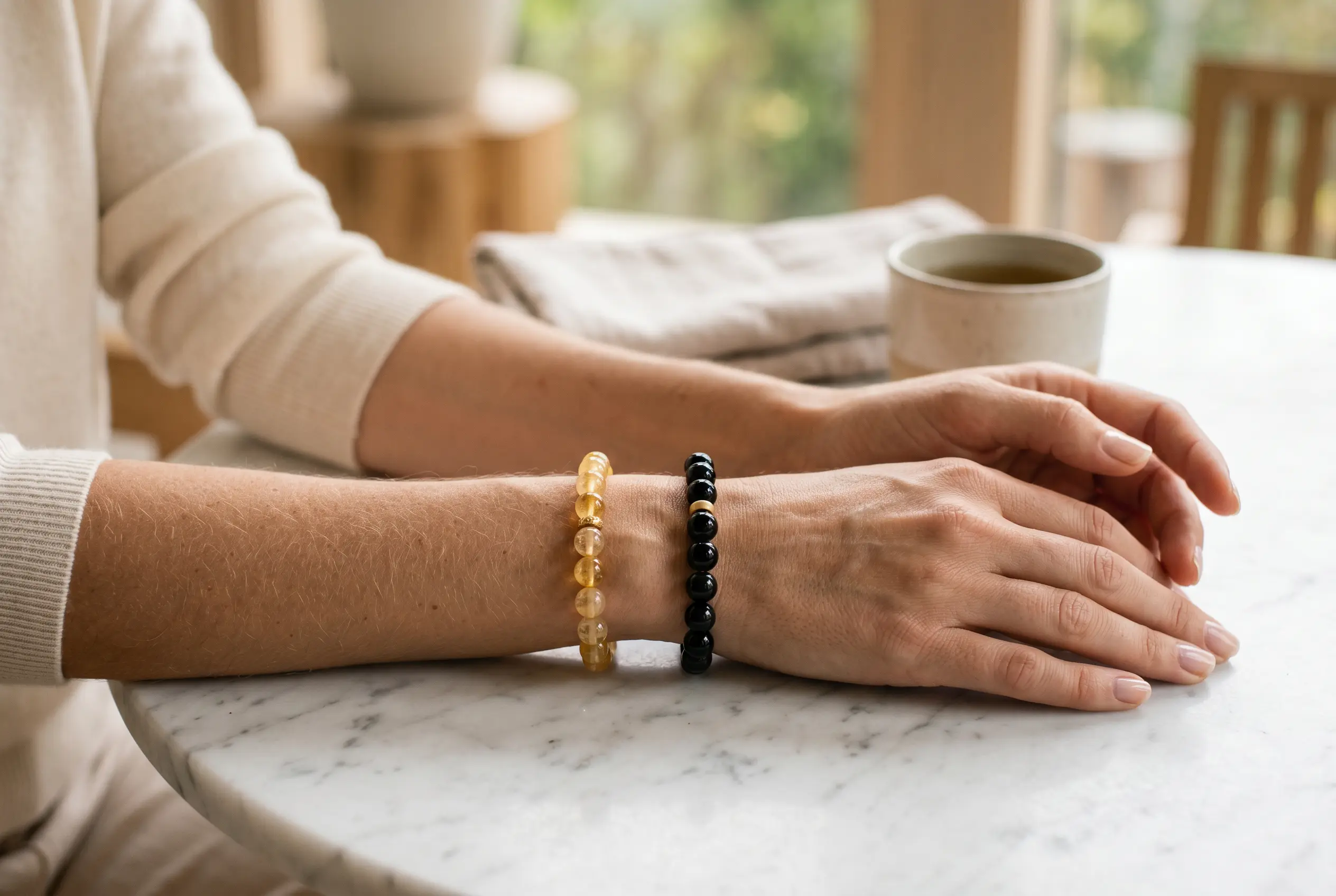
Wear Your Intention on the Right Wrist
Browse PotalaStore’s collection of monastery-blessed crystal bracelets—each one cleansed, strung correctly, and ready to wear from day one.Shop Crystal Bracelets →
⚠️ A note on tradition vs. science: The energetic properties described here come from feng shui and crystal-healing traditions. They are not scientifically proven. A crystal bracelet is a meaningful, intention-setting tool—not a substitute for professional medical, financial, or psychological advice.
📚 References
- Pixiu — Cultural Background: Origins, the Jade Emperor legend, and the wealth-retention symbolism of Pixiu. Wikipedia: Pixiu
- Which Wrist to Wear a Crystal Bracelet: A named crystal author’s take on the dominant/non-dominant hand approach and “go with your gut” guidance. Ethan Lazzerini
- Gemstone Education & Identification: Authoritative reference for crystal and gemstone properties and quality standards. Source: Gemological Institute of America (GIA) gia.edu
- Traditional Chinese Medicine — Meridian Theory: Background on the heart meridian and the left/right energy-flow concept behind crystal-wearing customs. Source: NCCIH overview of Traditional Chinese Medicine — readers may search the institution’s site for current resources.