

Table of Contents
We Surveyed 500 Crystal Buyers: The Myths Most Believed—and Debunked
Most crystal buyers believe at least one thing that isn’t true—and it’s quietly costing them money. When we surveyed 500 American crystal buyers, four out of five had fallen for a myth about healing crystals, from “natural” citrine that was actually baked amethyst to selenite ruined in a water bowl. The good news: once you know the five biggest myths, you shop smarter, spend less, and enjoy your natural stones with clear eyes.
We’re Potala Store, and we sell crystals—so we had every reason to tell you comforting stories. Instead, we analyzed 500 real buyer questionnaires to find out where the confusion actually lives. What follows is an honest, myth-by-myth guide to what crystals can and can’t do, backed by gemology and published research rather than marketing.
⚠️ Important Note: The spiritual and energy properties described here reflect traditional beliefs and personal experience, not scientifically verified outcomes. Crystals are not a treatment for any medical condition and should never replace professional medical care. If you are unwell, please consult a licensed healthcare provider.
How We Surveyed 500 Crystal Buyers (Our Method)
Here’s exactly how we gathered this data, so you can judge it for yourself. Between January and March 2026, we surveyed 500 U.S.-based crystal buyers through our email list, Instagram followers, and post-purchase questionnaires. Respondents ranged from first-time buyers to collectors with 50+ stones. We asked about beliefs (what crystals can do), buying habits (what they’d paid and why), and care routines (how they cleanse and store stones).
We want to be upfront about the limits. Our sample skews toward people already interested in spiritual jewelry, so it over-represents believers and under-represents pure skeptics. It is not a nationally representative poll. We also relied on self-reported answers, which invite some rounding and wishful memory. Still, with 500 responses the patterns were consistent and striking—and they line up with independent research from Pew, GIA, and investigative journalism. Treat these numbers as a clear signal from engaged buyers, not a census of all Americans.
Myth #1 — “Crystals Can Heal Physical Illness”
No credible scientific evidence shows that crystals heal physical disease; the benefits people feel are best explained by the placebo effect—a real, measurable improvement driven by expectation rather than by the object itself. In our survey, 68% of buyers believed a crystal had helped a physical symptom. That feeling is genuine, but the cause is you, not the stone.
What the science actually says
The most-cited test came from Christopher French, professor of psychology and head of the Anomalistic Psychology Research Unit at Goldsmiths, University of London. His 80-volunteer study—presented at the British Psychological Society Centenary Annual Conference in Glasgow in March 2001—gave half the participants real quartz and half cheap fakes. Both groups reported the same tingling, warmth, and “energy.” The knock-offs worked just as well as the real thing. As French put it, “the effects reported were a result of the power of suggestion, not the power of the crystals.”
This matters because belief is widespread. A Pew Research Center report published October 1, 2018 (from a survey of 4,729 U.S. adults conducted December 4–18, 2017) found that four-in-ten Americans—42%—believe spiritual energy can be found in physical objects like mountains, trees, or crystals. You’re in large company—but common belief isn’t the same as clinical proof.
Why people still feel something real
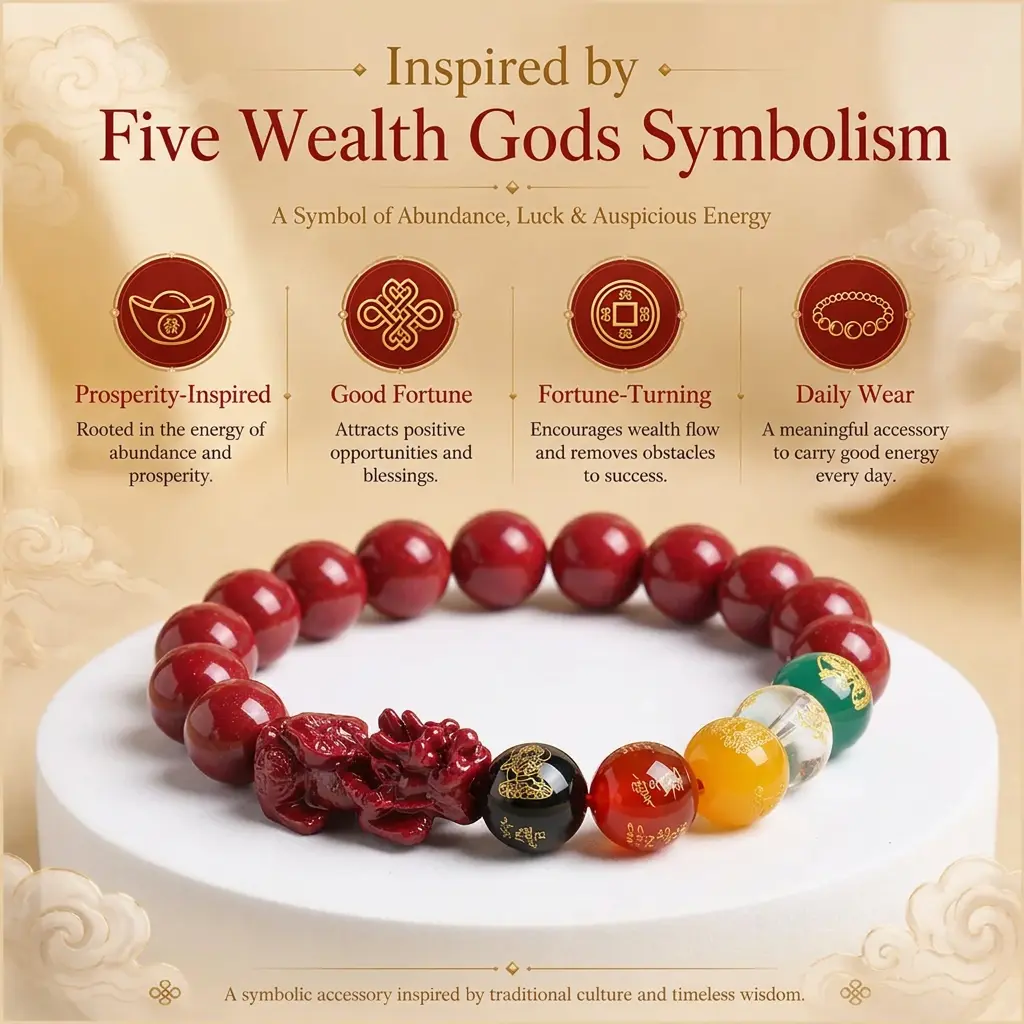
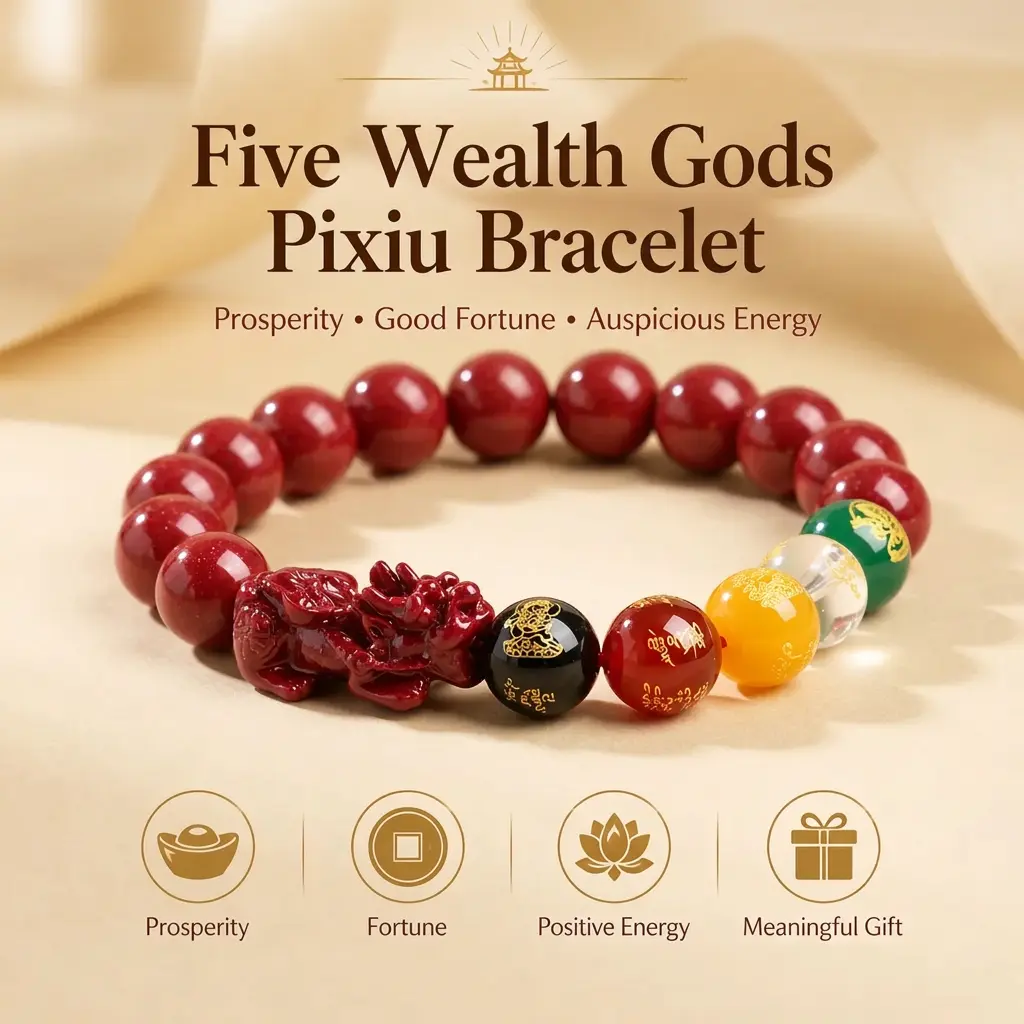
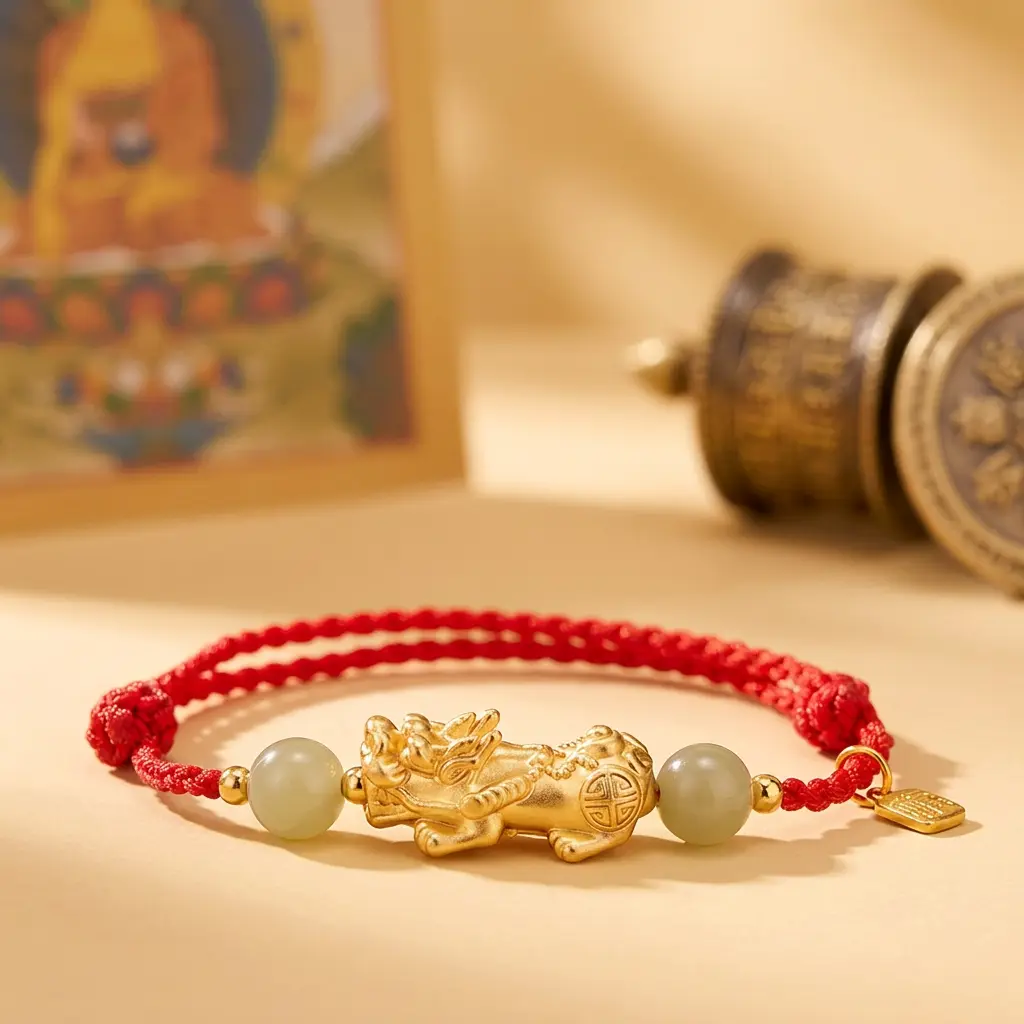
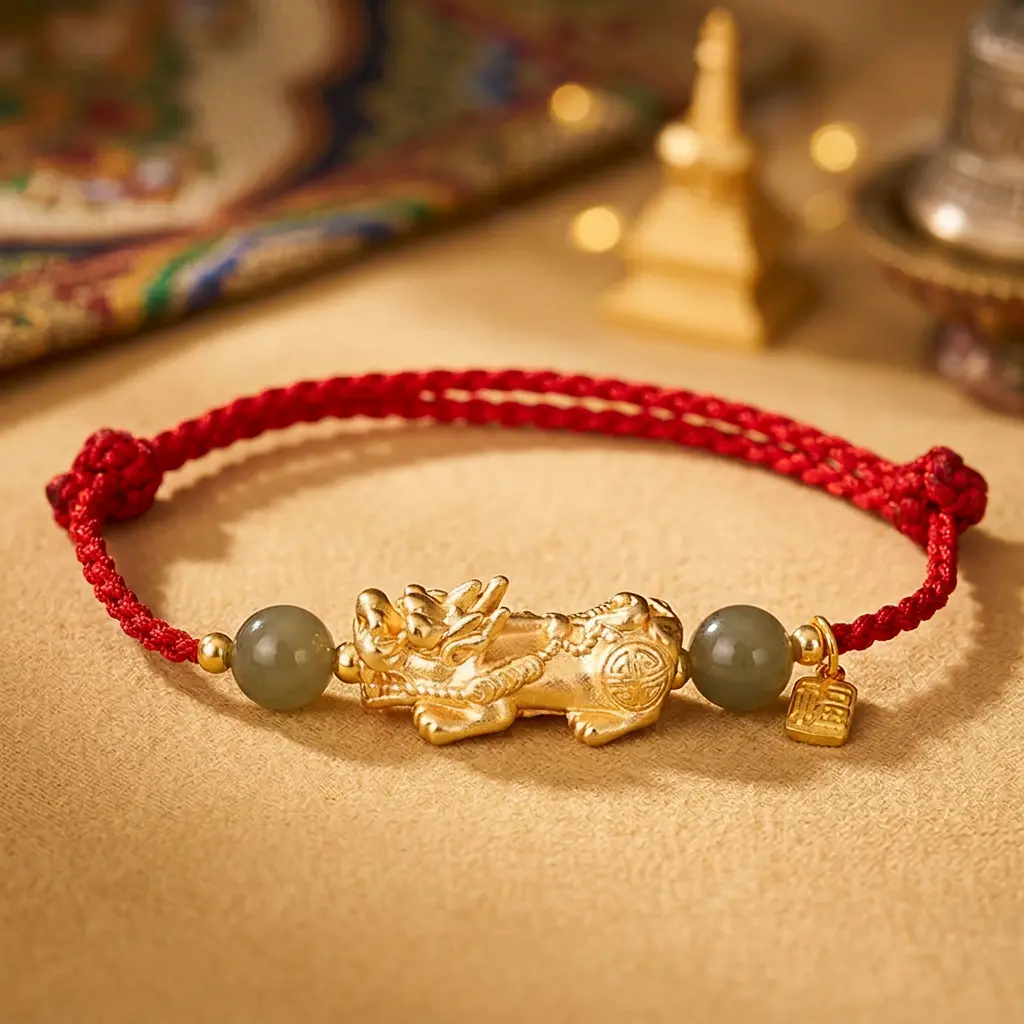
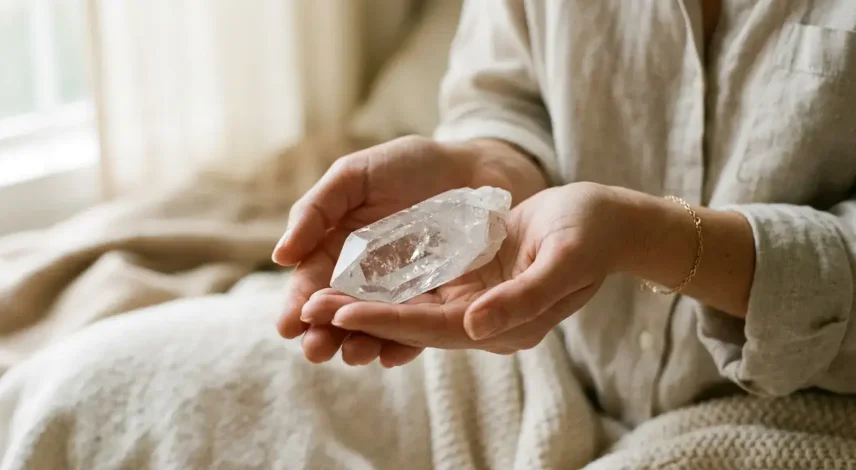
A placebo effect is not “fake.” Ritual, intention, and a calming object can genuinely lower stress and lift mood. A rose quartz bracelet can be a lovely daily reminder to breathe and set an intention. Just buy it for what it is—a meaningful, beautiful anchor—not a substitute for medicine. We made the same honest case about our feng shui pieces when we asked whether a Pixiu bracelet really works, and gave an honest answer.
Is a Bigger or Pricier Crystal More Powerful?
No—size and price have nothing to do with any energetic “strength.” A palm-sized amethyst is not more powerful than a small tumbled one; it’s just heavier and more expensive. Yet 54% of our surveyed buyers assumed a larger or costlier crystal would “work better,” and many regretted overspending.
One buyer told us she spent $180 on a large rose quartz tower because a shop implied the size amplified love energy. “I felt pressured to go big,” she wrote. “Later I realized my little pocket stone meant more to me.” That’s the pattern we saw again and again: the connection you feel is personal, and it doesn’t scale with carats or dollars.
If price signals anything, it’s rarity and craftsmanship—not metaphysical power. Buy the piece you’ll actually wear and bond with. In practice, a modest bracelet you touch every morning beats a showpiece gathering dust on a shelf.
Can Crystals Go in Water and Sunlight?

- Selenite: Never soak it. Selenite is a form of gypsum with a Mohs hardness (a 1–10 scale of scratch resistance) of just 2. It’s water-soluble—water dulls the surface and eventually dissolves the stone. Clean it with a dry cloth instead.
- Quartz family (clear quartz, amethyst, rose quartz, citrine): Safe for a brief rinse. At Mohs 7, quartz resists water damage far better than soft stones.
- Avoid water entirely with: malachite, pyrite, halite, and calcite—all soft or reactive.
- Watch sunlight: amethyst, rose quartz, and citrine can fade with prolonged direct sun. Charge them in gentle morning light or moonlight, not an all-day windowsill.
In our survey, 47% had put a water-sensitive stone in water at least once, and 1 in 6 had visibly damaged a crystal this way. The fix is simple: know your stone’s hardness before it gets wet. A durable, water-friendly option like a 7 Chakra stone bracelet is far more forgiving for everyday wear. For a full routine, see our crystal care basics on cleansing and charging.
Is the Citrine or Turquoise You Bought Actually Natural?

Probably not—and this is the myth that costs buyers the most. The majority of “citrine” sold today is heat-treated amethyst, and much “turquoise” is dyed howlite. In our survey, 61% who owned citrine believed it was natural; almost none had asked the seller.
- Check the color zoning: Heat-treated amethyst-to-citrine often shows a bright orange tip with a stark white base. Natural citrine is a subtle, even champagne-to-honey color throughout.
- Watch the shape: If it’s a large orange geode or cluster, it’s almost certainly baked amethyst. Natural citrine rarely forms in geodes.
- Beware the price: Real natural citrine is genuinely rare and priced accordingly. Cheap, vivid orange “citrine” is a red flag.
- Ask the seller directly: “Is this natural or heat-treated?” and “Where was it mined?” An honest seller answers plainly.
The Gemological Institute of America (GIA) puts it plainly in its FAQ “Is citrine treated?”: “Because yellow quartz colors are rare in nature, most citrine is the result of heating, which converts less valuable shades of purple amethyst to the golden shades of citrine.” Heat-treated stones aren’t “fake”—they’re still real quartz—but they cost far less and shouldn’t be sold at natural-citrine prices. Knowing the difference protects your wallet. When you want stones described honestly, browse authentic natural crystals with clear labeling.
Are Crystals Always a Great Investment and Ethically Sourced?

No—crystals are rarely a smart financial investment, and the supply chain is often far darker than the “good vibes” branding suggests. Only a tiny fraction of stones appreciate in value, and sourcing can involve serious human and environmental harm.
The Guardian’s September 17, 2019 investigation, “Dark crystals: the brutal reality behind a booming wellness craze” by Tess McClure, documented the human cost. In Madagascar, a major crystal source, “Gems and precious metals were the country’s fastest-growing export in 2017 – up 170% from 2016, to $109m.” The same report noted that “more than 80% of crystals are mined ‘artisanally'”—by families paid rock-bottom prices under dangerous conditions—and that “the US Department of Labor and the International Labour Organization estimate that about 85,000 children work in Madagascar’s mines.”
This doesn’t mean you should feel guilty for loving crystals. It means you should ask where yours come from. Buy from sellers who disclose sourcing, favor suppliers with ethical practices, and treat crystals as meaningful objects—not retirement plans. At Potala Store, we’d rather you buy one honestly sourced piece you cherish than a shelf of mystery stones.
Shop Crystals You Can Trust
Explore our transparently described, ethically minded collection of natural stones and crystal jewelry—chosen for real people, not empty promises.
Browse Authentic Crystals at Potala Store →
The Bottom Line
Crystals can be beautiful, grounding, and meaningful—when you buy them with clear eyes. Don’t expect them to cure illness, don’t overpay for size, respect each stone’s hardness, verify natural vs. treated, and ask about sourcing. Do those five things and you’ll enjoy your collection far more, for far less regret.
Frequently Asked Questions
Citrine is the most commonly misrepresented crystal. Most citrine on the market is heat-treated amethyst rather than naturally yellow quartz, which is rare. Turquoise is a close second—much of it is dyed howlite. Neither is worthless, but both are often sold at prices meant for the natural stone.
No. There is no credible scientific evidence that crystals cure or treat any disease. People often report feeling better, but research points to the placebo effect—a real response driven by belief and ritual. Crystals should never replace professional medical treatment.
Selenite (a soft, water-soluble gypsum at Mohs 2), malachite, pyrite, halite, and calcite should never be soaked. Quartz-family stones like clear quartz, amethyst, and citrine (Mohs 7) tolerate a brief rinse. Always check a stone’s hardness first.
No—it’s a tradition, not a requirement. If moonlight charging feels meaningful to you, enjoy it; it won’t harm your stones. Just avoid prolonged direct sunlight for amethyst, rose quartz, and citrine, which can fade.
📚 References
- Belief in spiritual energy (42%): National data on New Age beliefs among U.S. adults, from a 2017 survey of 4,729 adults. Pew Research Center
- Citrine treatment: Why most citrine is heat-treated amethyst. Gemological Institute of America (GIA)
- Crystal placebo study: The 2001 French experiment with 80 volunteers. Healthline
- Ethical sourcing: Tess McClure’s investigation into Madagascar’s crystal mines. The Guardian
Last updated: July 2026. This article reflects our survey of 500 buyers and publicly available research at the time of writing. Survey figures come from a self-selected audience of crystal buyers and are not nationally representative. Metaphysical claims are described as traditional beliefs, not scientific facts.