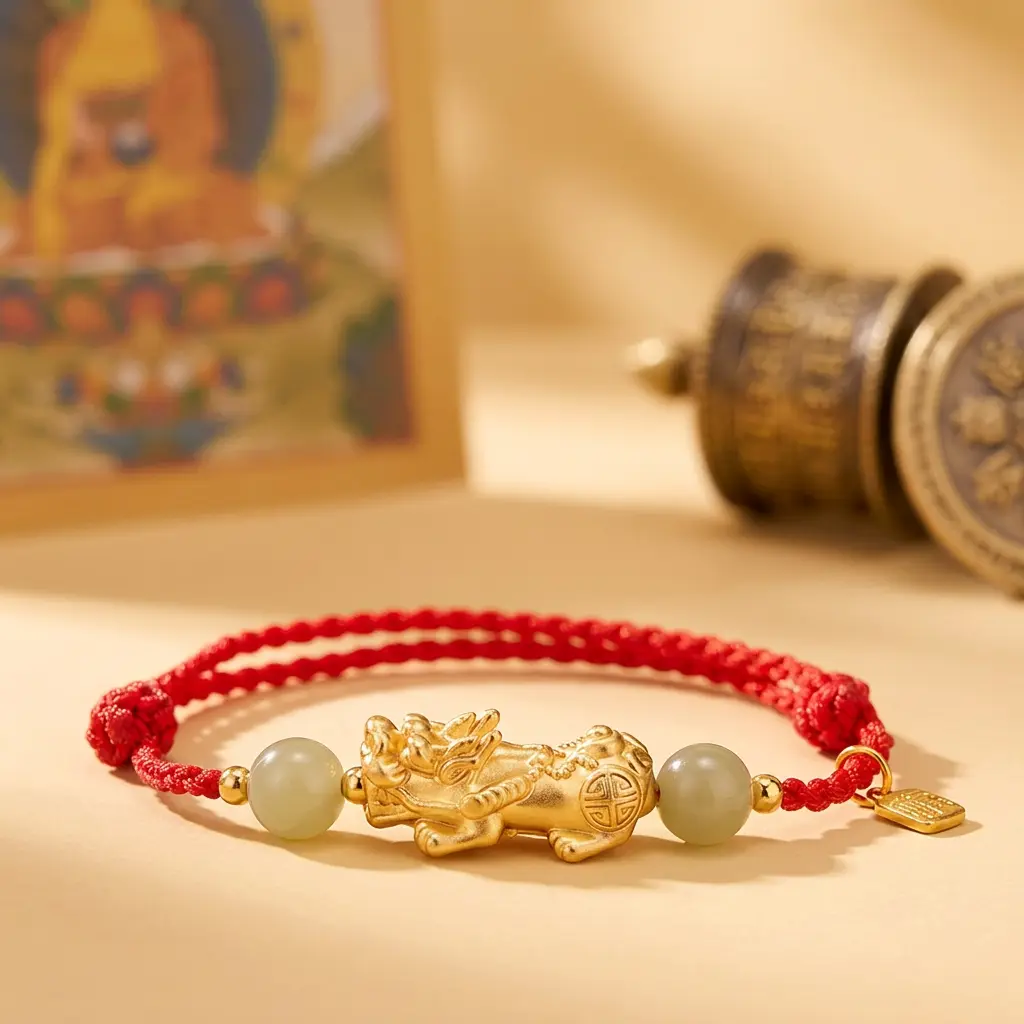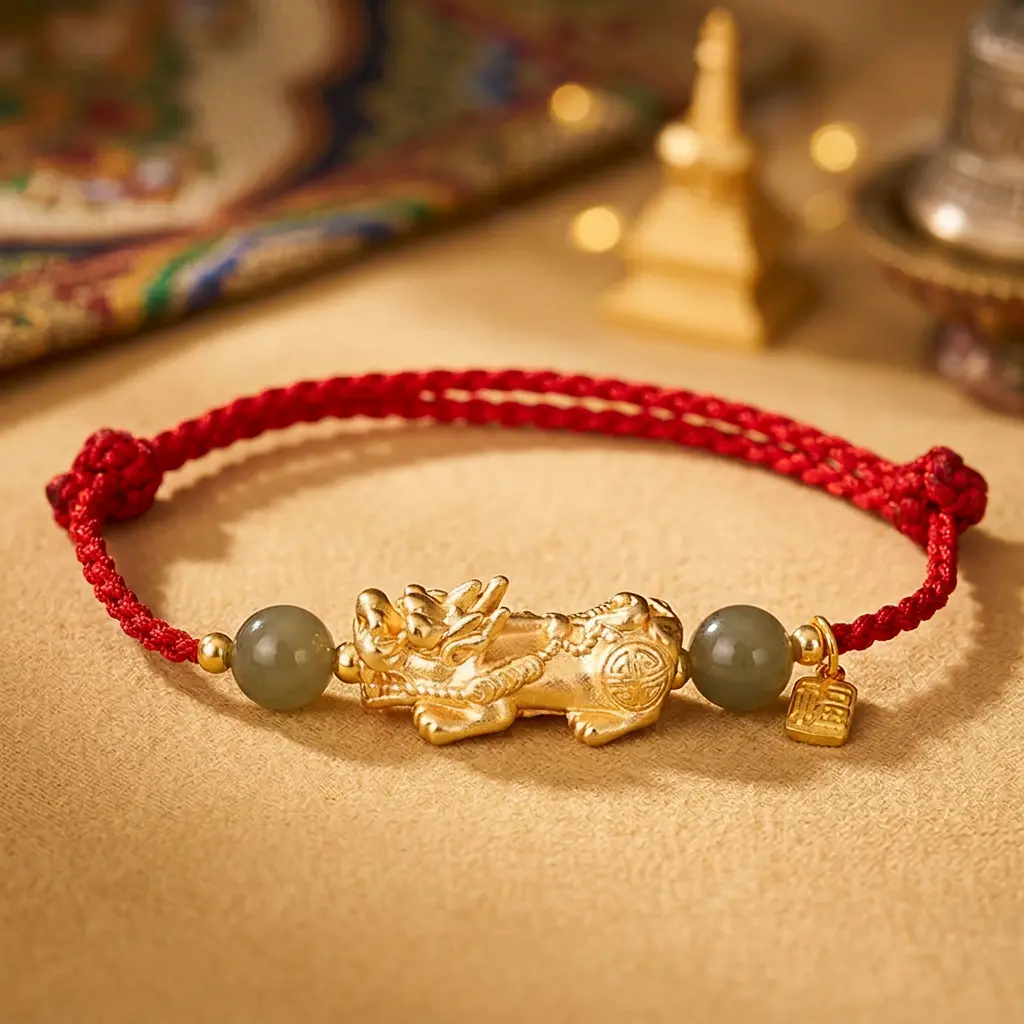

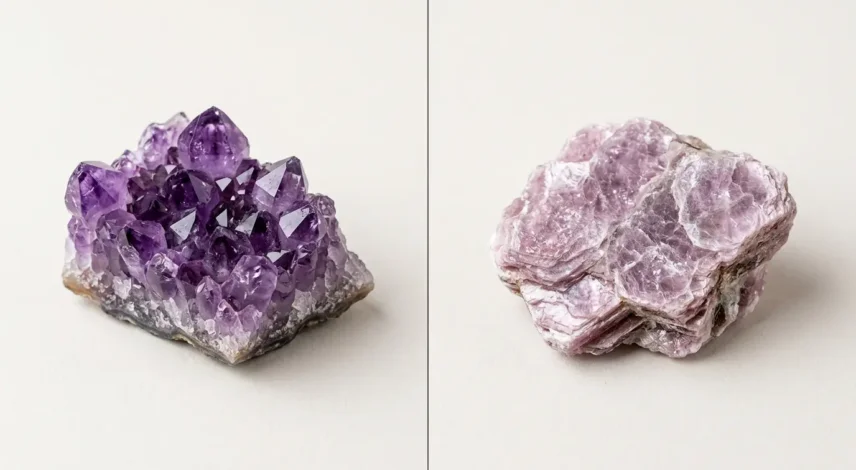

Still torn between amethyst and lepidolite for anxiety relief? You’re not alone — these two calming crystals get recommended almost interchangeably, but they’re different minerals that suit different kinds of anxiety. The short version: reach for amethyst when your anxiety is mental, and lepidolite when it’s emotional or physical.
At Potala Store, we’ve spent years sourcing healing crystals directly from Himalayan monastery partners, and one of the most common questions we field is exactly this one. So we’ll give you a straight, mineralogically honest answer — including the truth about lepidolite’s famous lithium content, which most articles get wrong.
Quick answer: Choose amethyst if your anxiety shows up as racing thoughts, overthinking, or insomnia. Choose lepidolite if it shows up as emotional overwhelm, mood swings, or physical tension. Many people keep both — they work on different symptoms, not the same one.
⚠️ Important note: The calming properties described here come from traditional crystal practice and personal experience, not clinical science. Crystals are a supportive ritual, not a treatment or cure. If anxiety is affecting your sleep, work, or relationships, please talk to a licensed mental health professional — a stone is a companion to that work, never a substitute.
Table of Contents
Amethyst vs Lepidolite at a Glance
Here’s how amethyst and lepidolite compare at a glance, so you can see the core differences before we go deeper.
| Feature | Amethyst | Lepidolite |
|---|---|---|
| Mineral type | Purple quartz (SiO₂) | Lithium-bearing mica |
| Hardness (Mohs) | 7 — durable for daily wear | 2.5–4 — soft, needs gentle care |
| Color & cause | Violet, from iron plus natural irradiation | Lilac to pink, from manganese (not lithium) |
| Chakra | Crown & third eye | Heart & crown |
| Best for | Racing mind, overthinking, sleep | Emotional overwhelm, tension, mood swings |
| Everyday care | Rinse-tolerant; fades in prolonged sun | Keep dry; avoid water and knocks |
Held in the hand, the two feel completely different. Amethyst is cool, glassy, and dense. Lepidolite is soft, slightly pearly, and noticeably lighter — you can often see its flaky, layered structure catching the light.
How Amethyst Eases a Racing Mind
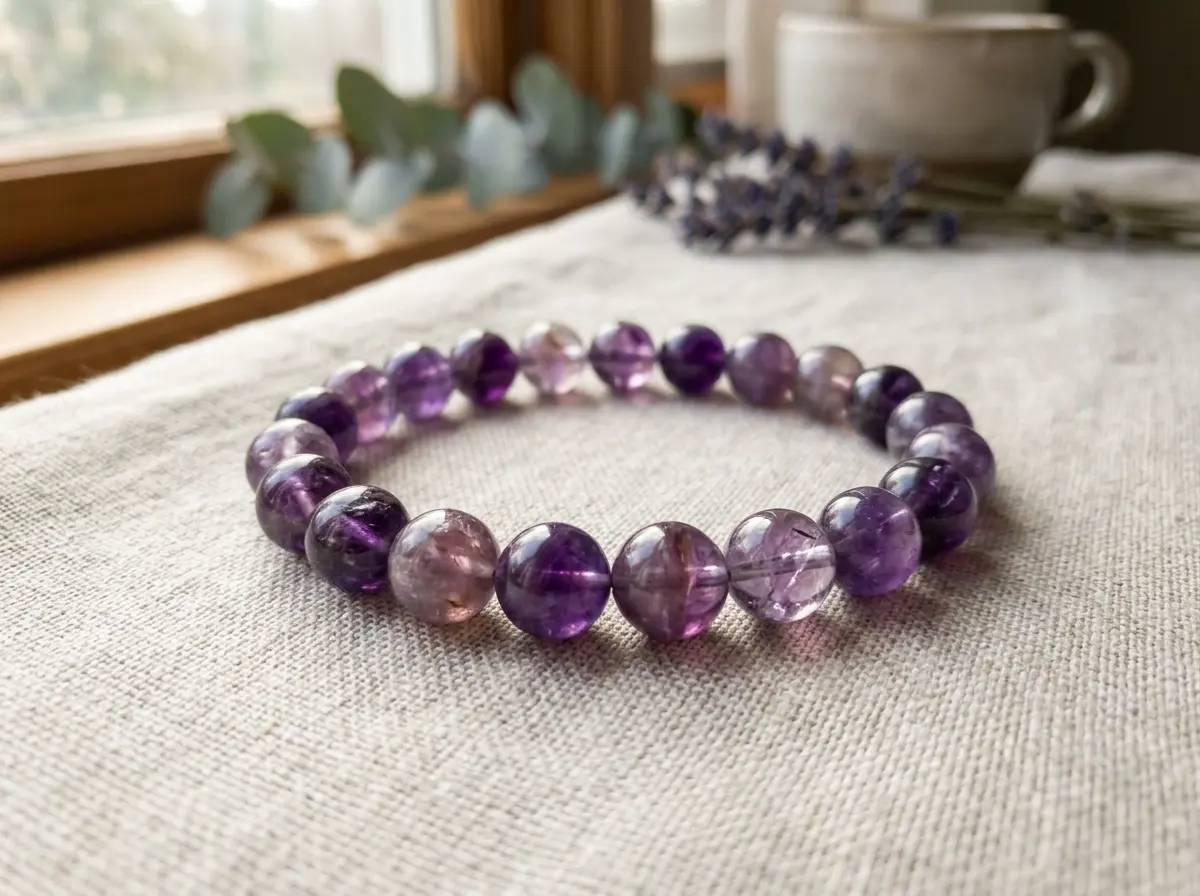
Amethyst is the stone people reach for when anxiety lives in the head — the 2 a.m. loop of replaying conversations and running through tomorrow’s to-do list. Amethyst is a violet variety of crystalline quartz traditionally believed to quiet mental chatter and calm an overactive mind.
Its association runs to the crown and third eye chakras, which is why it’s linked in crystal tradition to clearer thinking and deeper, more restful sleep. That’s the practical appeal for most anxiety sufferers: not a dramatic fix, but a tangible anchor for the intention to slow down.
Amethyst also has a real durability advantage. At Mohs 7, it stands up to daily wear on the wrist without chipping, which matters if you want a calming stone you can actually keep on all day. Its purple color comes from trace iron and natural irradiation during formation — a mineral fact, not a marketing claim.
A practical way to use it: keep an amethyst piece on your nightstand or hold it during a few minutes of slow breathing before bed. The point isn’t the stone doing the work — it’s giving an anxious mind a small, repeatable focal point, which is exactly the kind of ritual that mindfulness research links to lower stress.
In our experience helping customers pick a first calming stone, amethyst is the one people connect with fastest — not because it’s the “strongest,” but because racing-mind anxiety is the most common type, and amethyst is aimed squarely at it. Customers who wear it daily most often report a shift within about two to four weeks — not a cure, just a steadier baseline.
Find Calm You Can Wear Every Day
Our Amethyst Bracelet for Peace & Clarity is hand-finished natural amethyst — durable enough (Mohs 7) for all-day wear and priced at $43.95.Shop the Amethyst Bracelet →
How Lepidolite Softens Emotional Overwhelm
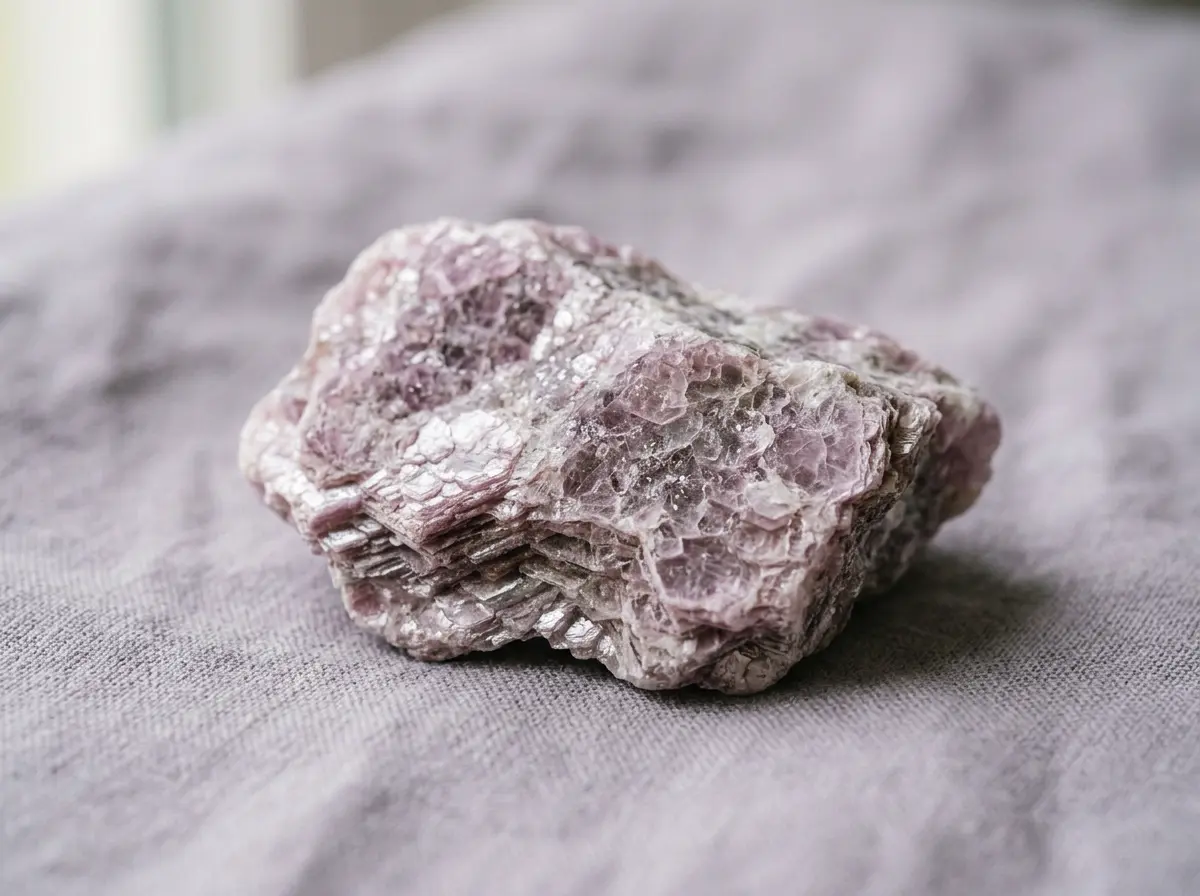
Lepidolite is the stone people reach for when anxiety sits in the body — the tight chest, the restless evenings, the emotional overwhelm that words can’t quite fix. Lepidolite is a lithium-bearing mica traditionally used to soothe emotional turbulence and calm an overworked nervous system.
Where amethyst targets the mind, lepidolite is associated with the heart and crown chakras and gets recommended for mood swings, grief, and the kind of nighttime unease that feels more emotional than mental. Many practitioners specifically seek it out for tension-driven anxiety.
One honest caveat: lepidolite is soft. At Mohs 2.5–4 with perfect basal cleavage, it’s far more fragile than amethyst and can flake or scratch. That’s the trade-off — a gentler-feeling stone that needs gentler handling.
A quick note on honesty: Potala Store doesn’t currently sell a lepidolite piece, so we’ve no reason to oversell it. We’re describing it here purely on its merits so you can make the right call. If a soft, emotionally soothing stone is what you’re after, that’s genuinely useful to know before you buy anywhere.
Does Lepidolite Really Contain Lithium?
Yes — lepidolite is one of the most lithium-rich minerals on Earth, but that lithium is locked inside the crystal structure and is not absorbed by holding or wearing the stone. This is the single biggest source of confusion online, so it’s worth getting right.
Lepidolite contains roughly 3–7% lithium oxide (Li₂O) by weight — the same element used in mood-stabilizing medication. That fact is real, and it’s why the stone has such a strong calming reputation. But the lithium substitutes into the octahedral sites of the mica’s aluminosilicate lattice, bonded to oxygen and fluorine. It isn’t free, water-soluble, or bioavailable through skin. In other words, the calming effect people describe is traditional and psychological, not pharmacological.
Here’s a second myth worth correcting: many articles claim lepidolite’s lilac color comes from lithium. It doesn’t. The pink-to-purple color is caused by trace manganese, not lithium. Getting this right is a small thing, but it’s the kind of detail that separates an honest guide from a copy-paste one.
The key takeaway: value lepidolite for how it makes you feel and for its symbolism, not for any belief that it delivers a “dose” of anything.
Which One Should You Choose for Your Type of Anxiety?
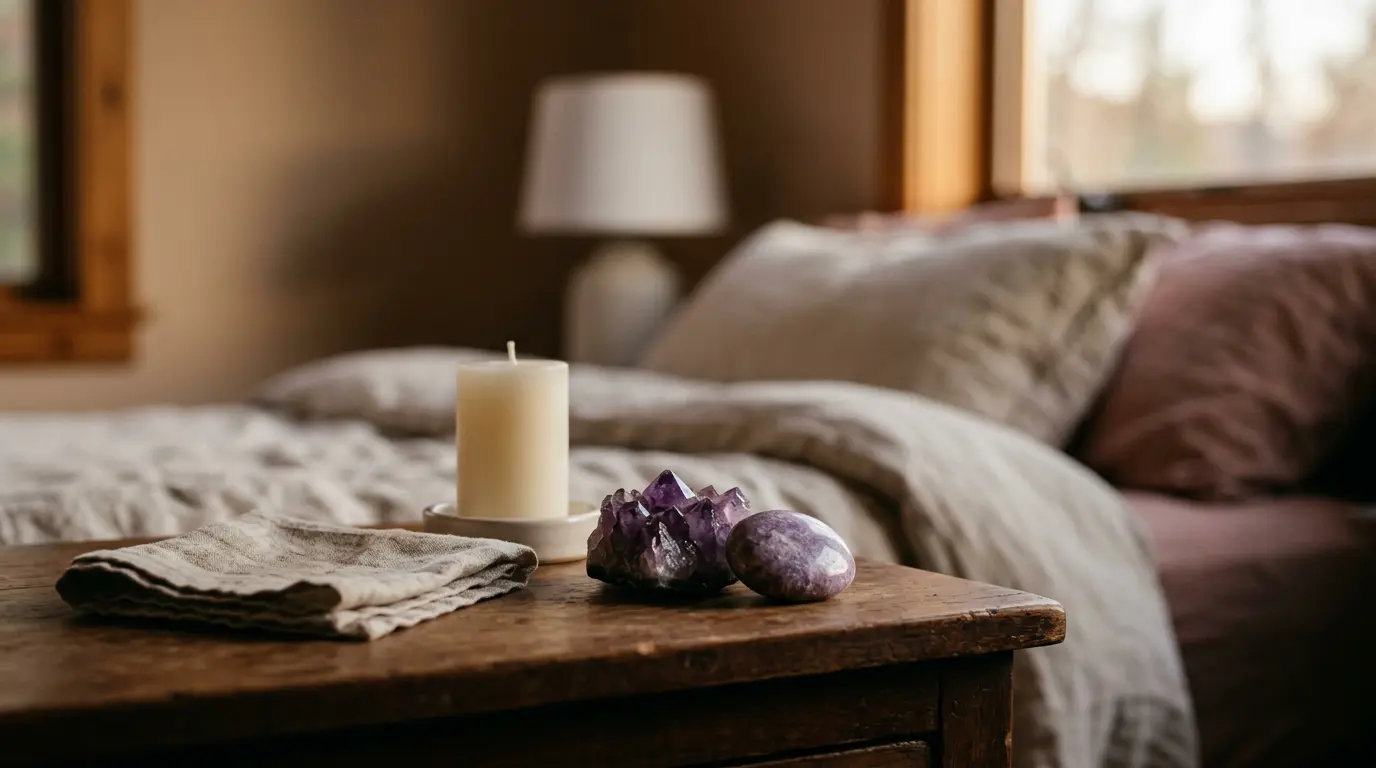
Choose amethyst if your anxiety is mental, and lepidolite if it’s emotional or physical — and if it’s both, there’s no rule against keeping the two together. The most useful way to decide is to match the stone to how your anxiety actually shows up.
- Racing thoughts & overthinking: amethyst, worn or kept nearby during the day.
- Emotional overwhelm & mood swings: lepidolite, held during wind-down moments.
- Trouble switching off at night: depends on the cause — see below.
- Daily-wear durability matters: amethyst wins on toughness (Mohs 7 vs 2.5–4).
Is lepidolite or amethyst better for sleep?
It depends on why you’re awake. If your mind won’t stop running, amethyst is the traditional pick for a racing-thought type of insomnia. If you’re kept up by emotional heaviness or restlessness, lepidolite is more commonly recommended. Either way, keeping the stone on your nightstand is the gentlest way to use it.
Can you use amethyst and lepidolite together?
Yes — and many people do. A popular approach places a calming stone on each side, letting amethyst work with the crown and third eye while lepidolite works with the heart. There’s no energetic conflict between them, since they target different symptoms rather than competing for the same one.
Budget and lifestyle matter too. Amethyst is widely available, affordable, and forgiving of a busy routine, which makes it the safer everyday pick for most people. Lepidolite is often sold as tumbled stones or palm stones rather than sturdy bracelets, precisely because it’s too soft for constant wrist wear — so it tends to work best as a bedside or pocket stone you handle carefully.
One care reminder that affects your choice: amethyst tolerates a quick rinse, but lepidolite should be kept away from water entirely. If you want something low-maintenance you can wear at the sink without worry, amethyst is the more forgiving option. You can read more in our guide on how to choose your first crystal bracelet, which covers wrist sizing and the “power banding” pairing trick of wearing a calming stone on one wrist and a grounding stone on the other.
💡 If anxiety runs high for you: it’s completely normal to feel unsure about where to start, and picking a stone shouldn’t add pressure. Go with the type that matches your symptoms, keep expectations gentle, and treat it as one small supportive ritual among others. Browse our calming crystal bracelet collection when you’re ready.
The Verdict: Where to Start Your Calming Ritual
If we had to hand you one stone to start with, it’d be amethyst. It’s the more durable, more versatile daily-wear choice, and it targets the racing-mind anxiety most people struggle with. Lepidolite is a beautiful second stone if emotional overwhelm is your main challenge — just handle it gently.
However you choose, keep the ritual simple. Wear your bracelet on your left wrist to draw calming energy inward, set a short intention when you put it on, and pair it with a few slow breaths. That small, repeatable habit is where the real value lives — the stone is the anchor, and consistency does the rest.
For the fuller picture on how these stones fit into a wider practice, our sourcing team’s expert guide to wearing crystal bracelets goes deeper on chakras, care, and pairings.
Ready to Bring Some Calm Into Your Day?
Start with the stone built for everyday calm. Our natural Amethyst Bracelet for Peace & Clarity ships worldwide and is hand-finished for durable daily wear.Shop the Amethyst Bracelet →
Frequently Asked Questions
In crystal tradition, lepidolite is often called the strongest for emotional and physical anxiety because of its lithium content, while amethyst is the most popular all-rounder for a racing mind. Neither is medically stronger than the other — they simply suit different symptoms.
No. The lithium is bound within the mineral’s aluminosilicate structure and isn’t absorbed by wearing or holding the stone. Its calming reputation is traditional, not pharmacological.
No. Crystals are a complementary ritual, not a treatment or cure. If anxiety is affecting your sleep, work, or relationships, please talk to a licensed professional for proper support.
Start with amethyst — it’s durable enough (Mohs 7) for daily wear and targets the racing-mind anxiety most people have. Shop Potala Store’s Amethyst Bracelet for Peace & Clarity, and add lepidolite later if emotional overwhelm turns out to be your main struggle.
📚 References
- Lepidolite mineral data (composition, lithium content, structure): Mineral information, formula, and localities for lepidolite. Mindat.org
- Amethyst & quartz color chemistry: Overview of amethyst as iron-bearing quartz and the origin of its violet color. Wikipedia — Amethyst
- Anxiety prevalence & when to seek help: Global data on anxiety disorders and guidance on professional treatment. World Health Organization
- Lepidolite physical & optical properties (hardness, cleavage): Mineralogical reference for mica-group durability and care considerations. Geology Science