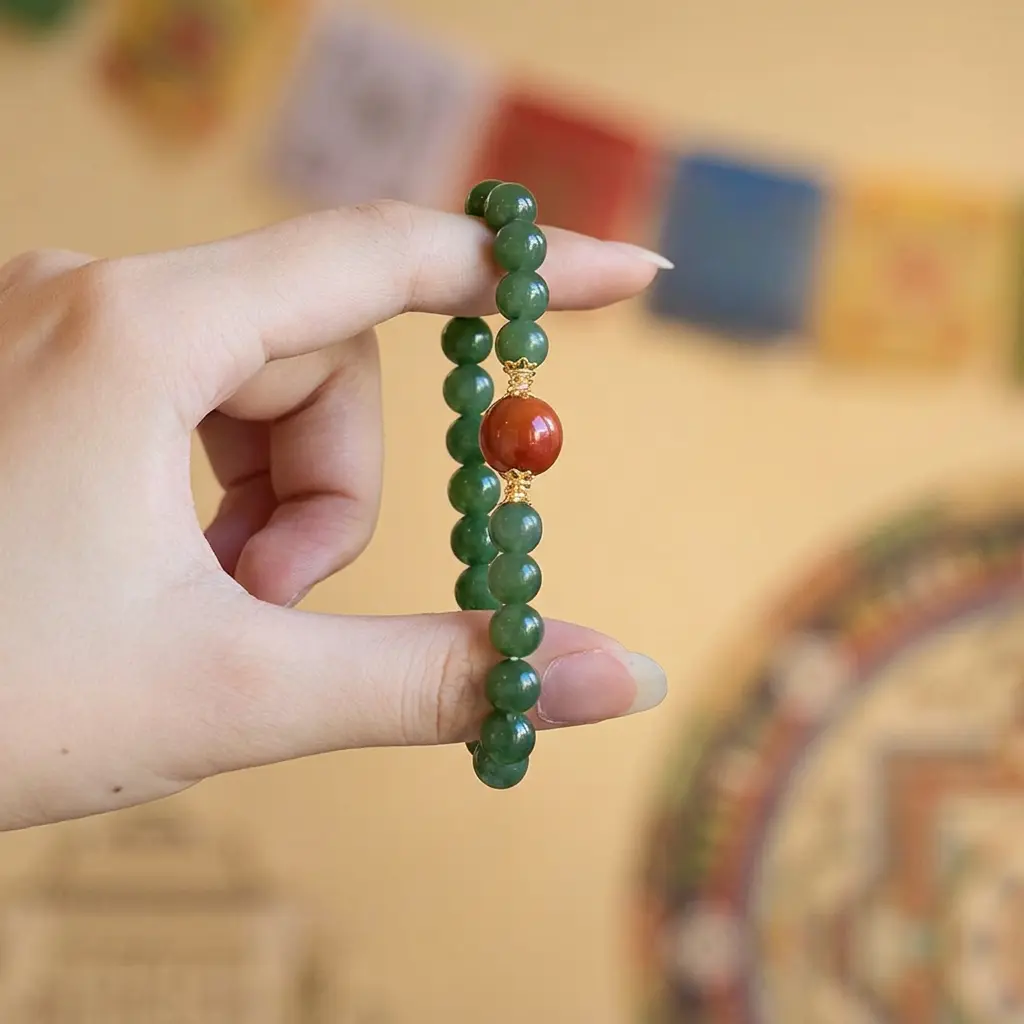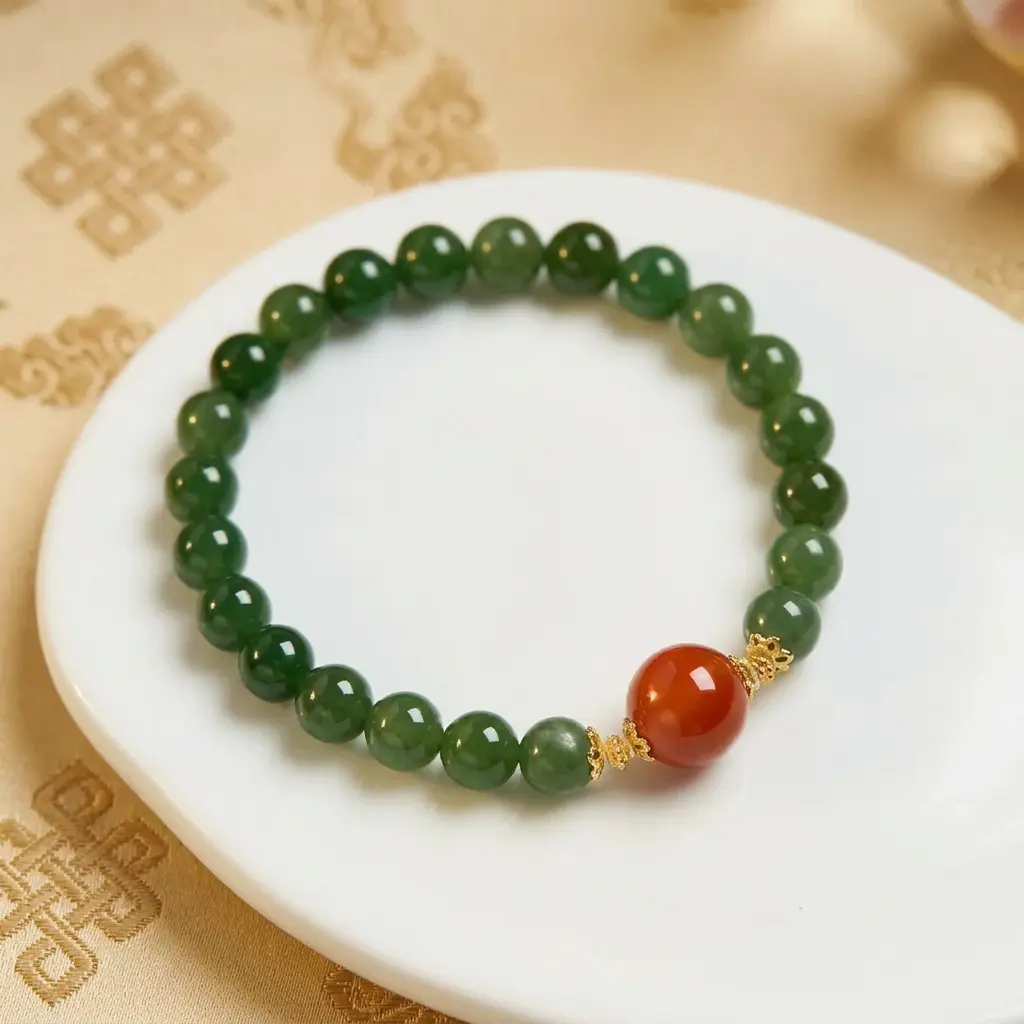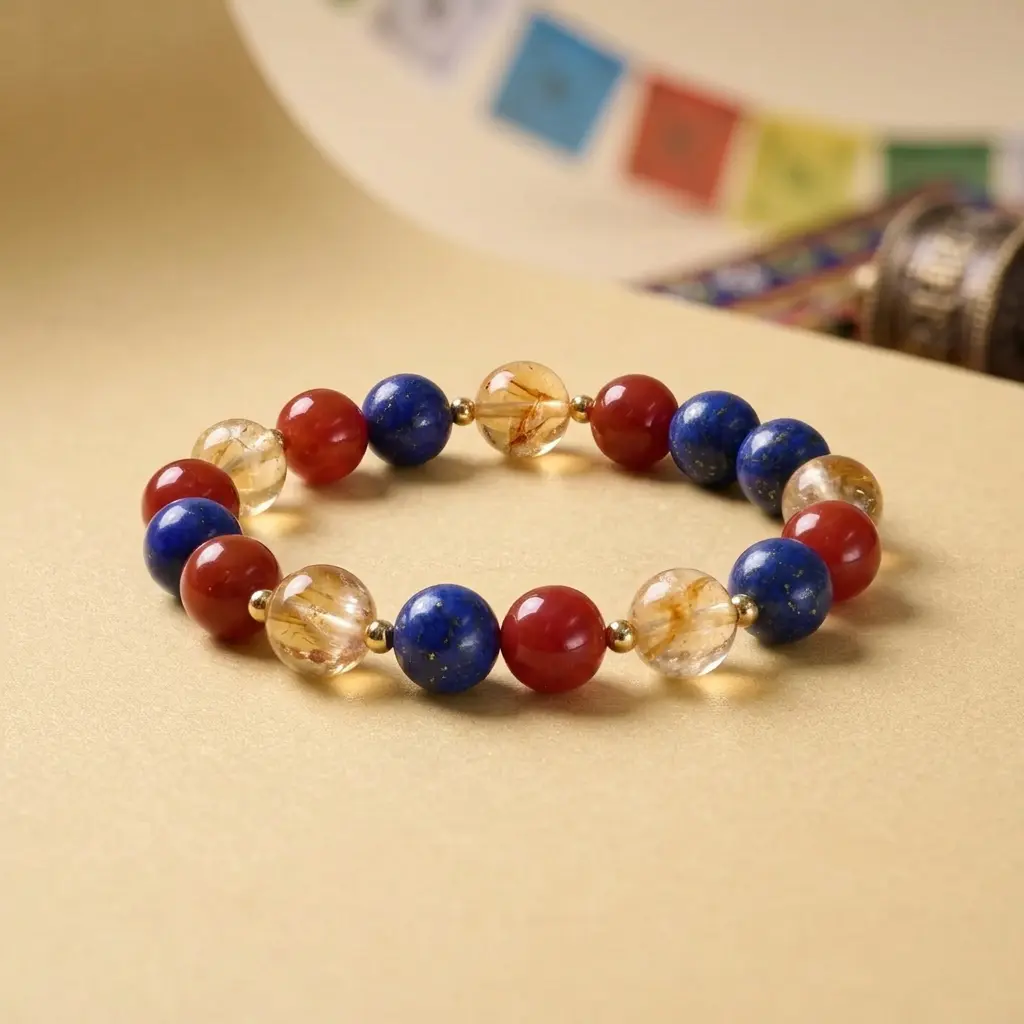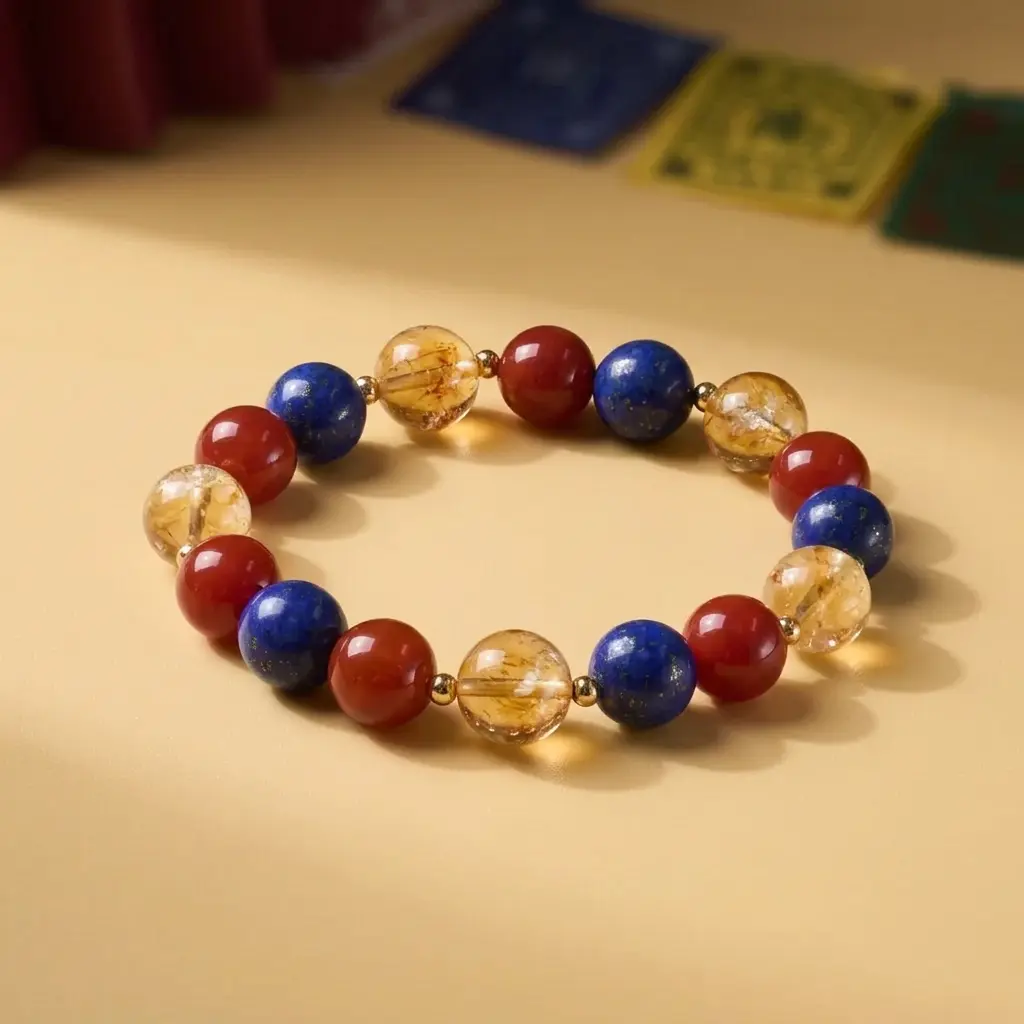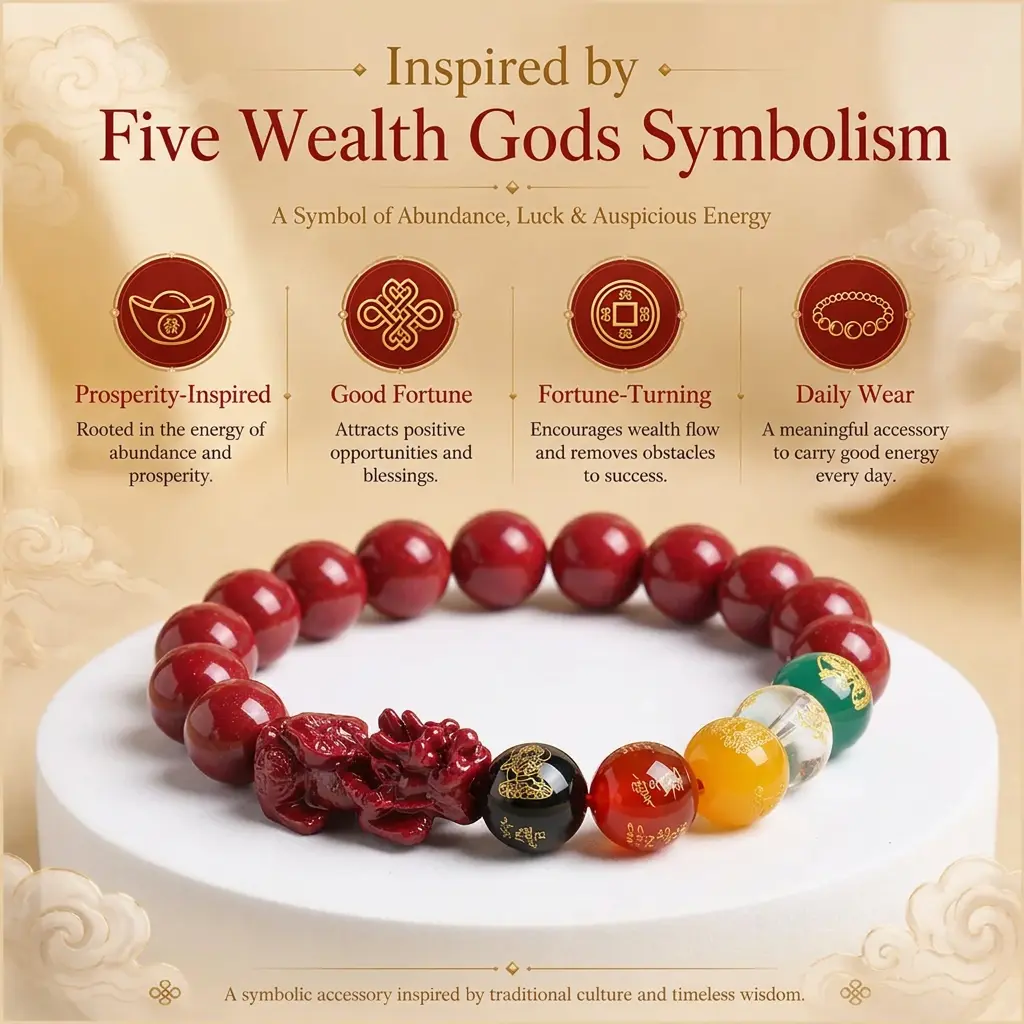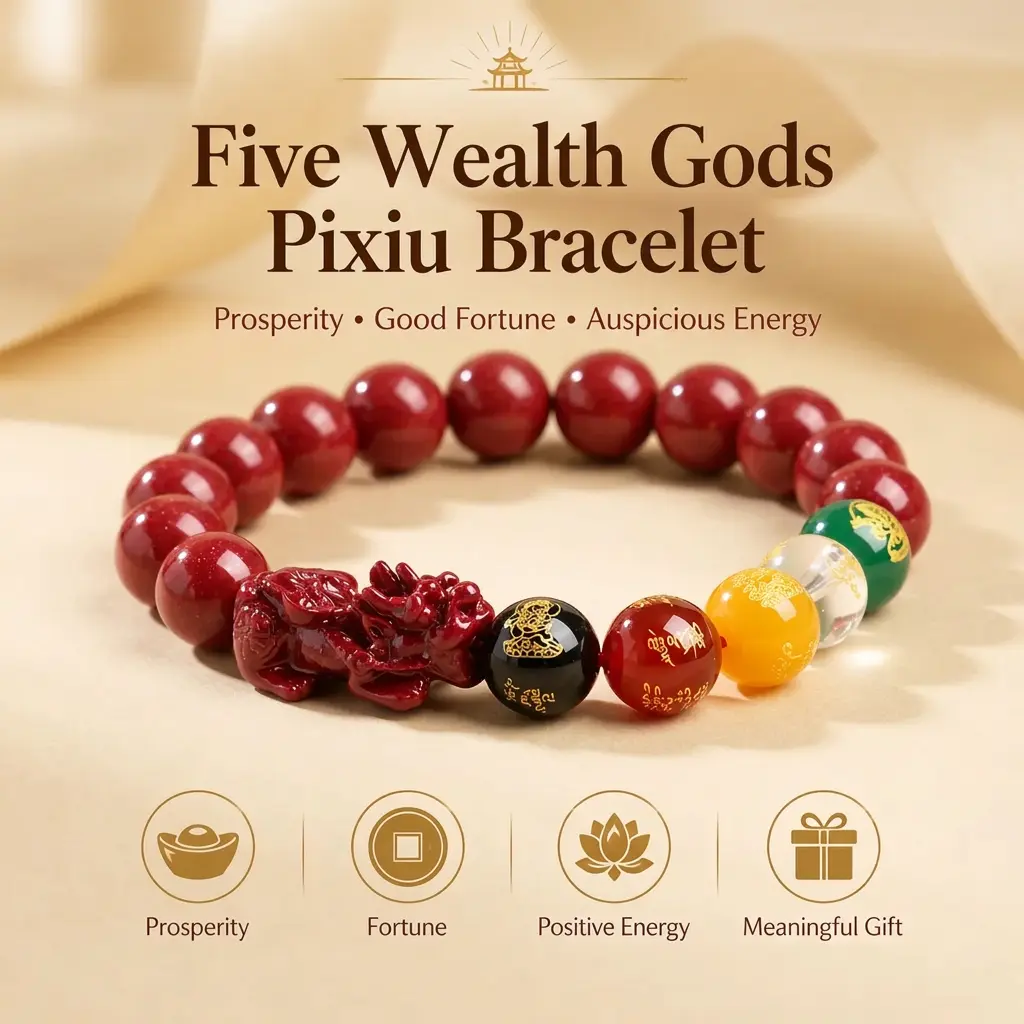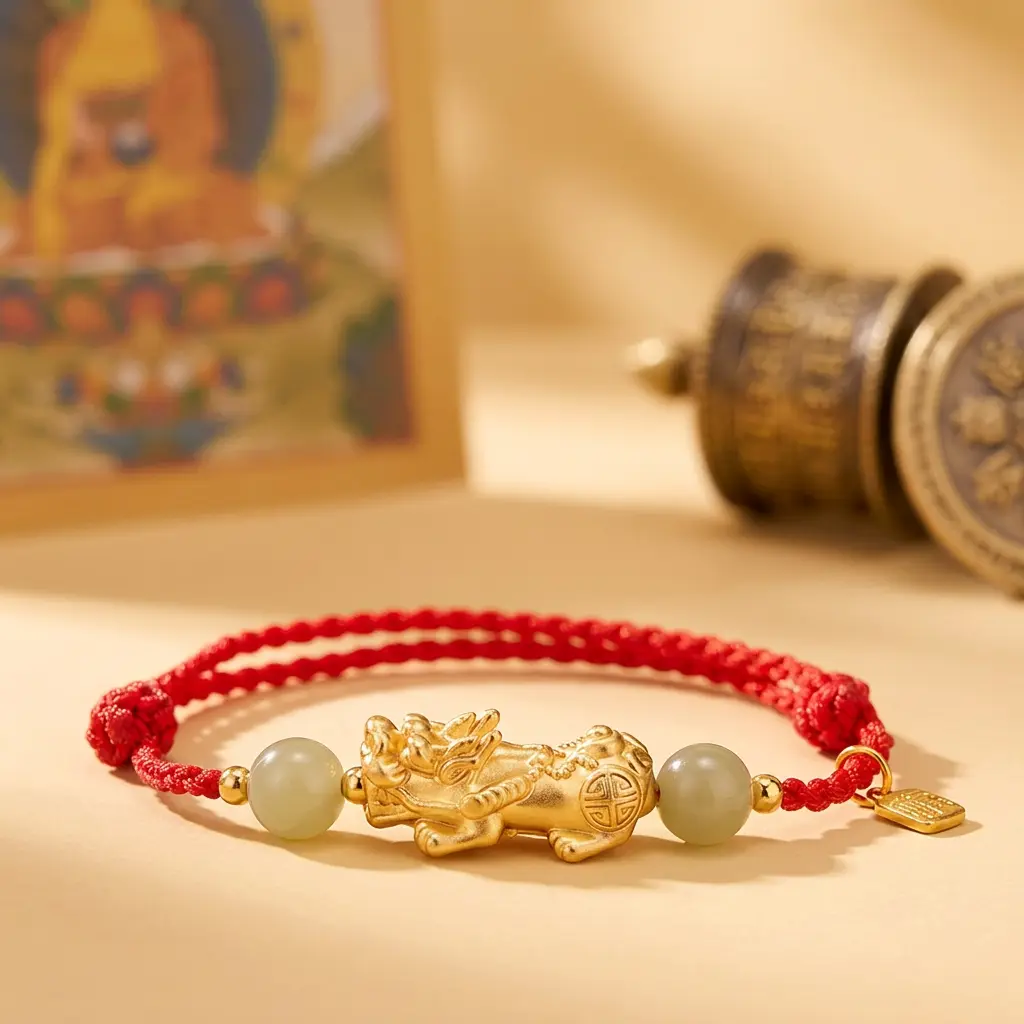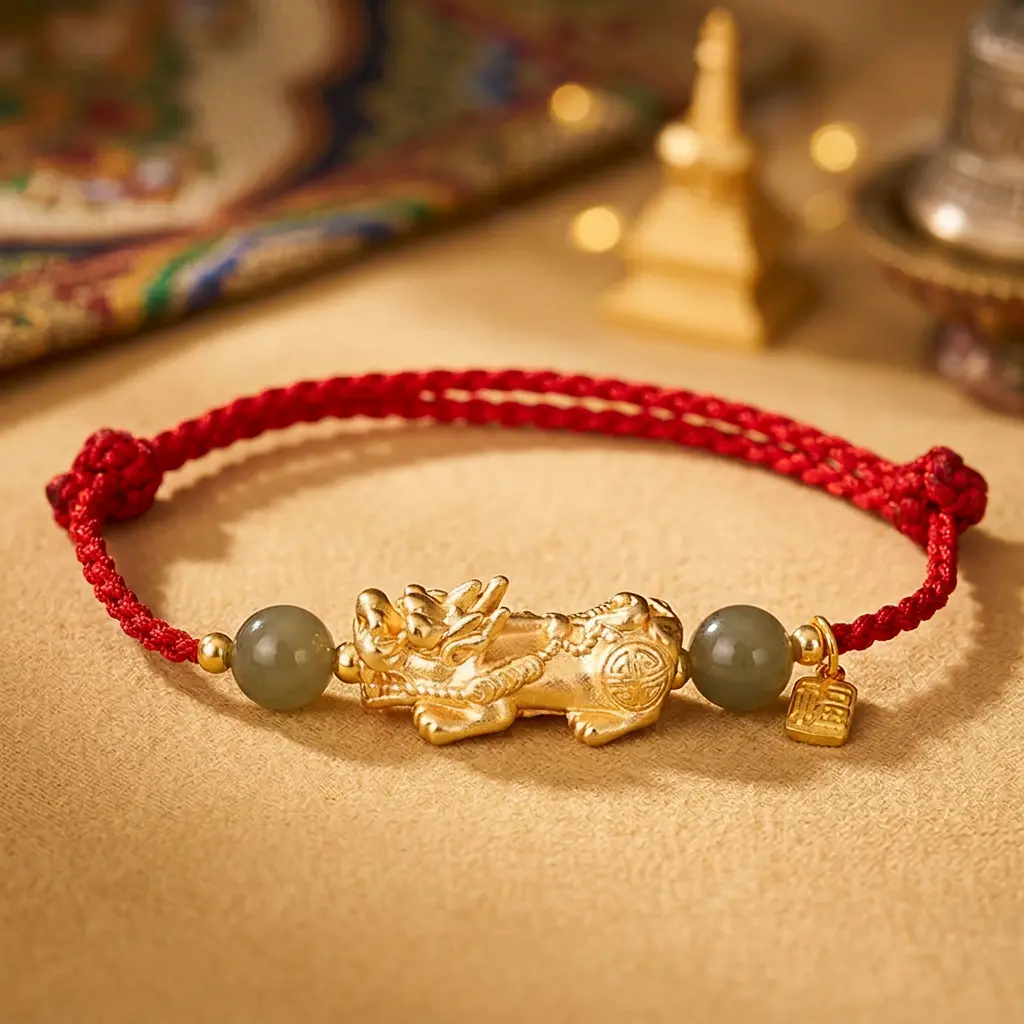

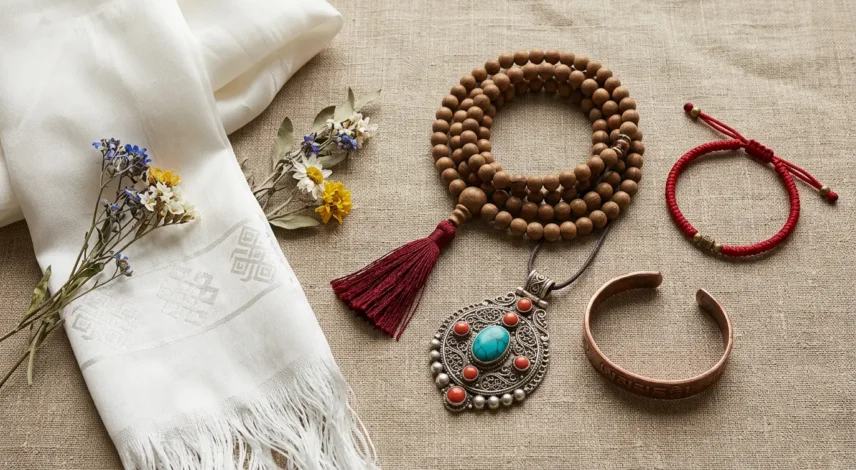

Choosing a Tibetan jewelry gift for someone on a spiritual path can feel high-stakes. You want it to mean something, not sit in a drawer. The safest place to start is simple. A 108-bead mala or a blessed red string bracelet suits almost any spiritual seeker, at almost any budget. From there, you match the piece to how the person actually practices.
At Potala Store, we work directly with Himalayan artisans and monasteries, and we’ve helped thousands of people pick a first meaningful gift. Every piece is monastery-blessed and handmade, prices start at $25.95, and each order ships with a free Reiki blessing. That background shapes this guide. It is built to help you give a sacred gift with confidence, not to push the most expensive option.
Below you’ll find a quick way to match a piece to the person’s practice, curated picks by recipient and by budget, and clear etiquette for giving something blessed. You don’t have to be Buddhist to give or receive these pieces. What matters is choosing with intention and presenting it with a little context. If you want to browse first, start with our Tibetan spiritual gift ideas.
Table of Contents
Why Tibetan Jewelry Makes a Meaningful Gift for a Spiritual Seeker
Tibetan jewelry makes a meaningful gift because each piece carries a symbol and an intention the wearer can return to every day. A blessed pendant or bracelet works less like decoration and more like a small anchor. When someone touches it, it reminds them to pause, breathe, and reset. A blessed piece also carries the intention you set for it when you give it, which is what turns an object into a personal gift.
More Than an Accessory: A Daily Reminder They Carry
A good spiritual gift gives the person something to hold, not just something to wear. Researchers who study habit change call this an implementation intention. Pairing a goal with a tangible cue makes people far more likely to follow through. A mala on the wrist or a mantra pendant at the chest becomes that cue. It quietly prompts calm, patience, or focus in the middle of a busy day. Malas come in natural sandalwood, bodhi seed, gemstone, and yak bone, so you can match the material to the person’s taste and their practice.
What Sets an Authentic Tibetan Piece Apart
Authentic Tibetan silver is stamped 925 for sterling or 999 for fine silver, and it shows slightly irregular, handmade detail. Mass-produced “Tibetan style” jewelry often contains no silver at all and gets assembled by machine in under 30 minutes. A genuine piece is handmade over two to three days, with each knot tied during mantra recitation. At Potala Store, every piece is monastery-blessed and made by Himalayan and refugee artisans, and 10% of each order goes back to Tibetan monasteries and refugee communities. That provenance is the part a factory version can’t copy, and it is often what the recipient feels first.
How to Match the Piece to Where They Are on Their Path
The best gift matches how the person actually practices, not just their personality. Start by picturing how they spend their quiet time. Someone who meditates daily wants a different piece than someone who collects crystals or is moving through a hard transition. Once you know the practice, the right symbol and material follow naturally.
Read the Practice, Not Just the Person
Ask yourself one question. What does this person reach for when they want to feel steady? A daily meditator reaches for structure, so mala beads that help them keep count through a long mantra fit well. Someone facing change reaches for reassurance, so a protective pendant fits better. If you genuinely don’t know where they are on their path, a 108-bead mala or an adjustable red string is a safe, welcome choice that almost never misses. For more on matching a piece to a practice, see our guide on how to choose spiritual jewelry for meditation.
Symbol-to-Intention Quick Reference
Use this quick reference to match a symbol to what you want the gift to say:
| Symbol | Meaning | Best gift for |
|---|---|---|
| Om Mani Padme Hum | Compassion and mindfulness | A friend who offers steady care |
| Endless Knot | Connection and lasting bonds | A partner or close friend |
| Lotus | Growth through hard times | Someone starting over |
| Vajra (Dorje) | Strength and clarity | A determined, focused person |
| Turquoise & Coral | Protection and vitality | Anyone you want to keep safe |
Each of the eight auspicious symbols carries its own meaning, which you can explore in our roundup of the top Tibetan spiritual jewelry pieces for inner peace.
Sacred Gifts by the Seeker You’re Shopping For
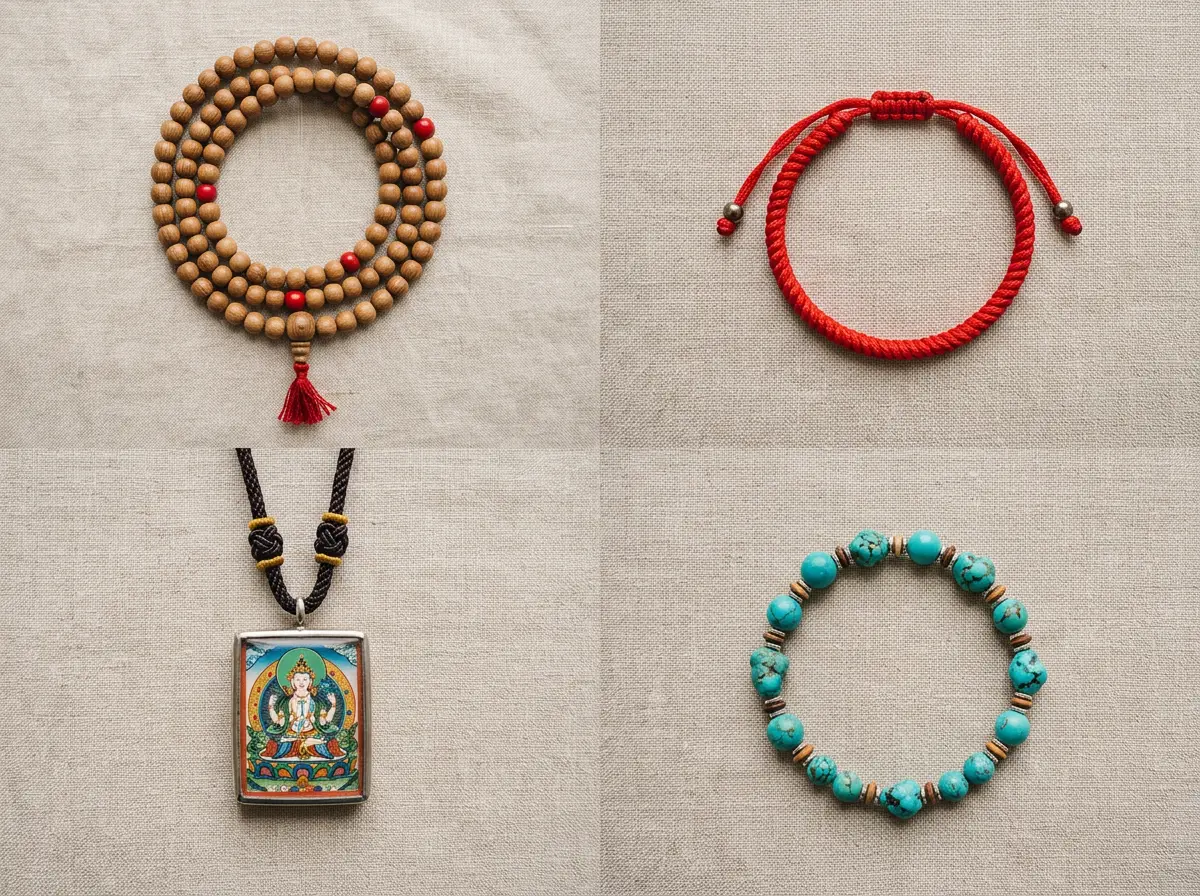
Here’s what to give based on how the person practices, with a simple way to present each one. Every pick below is handmade and monastery-blessed, so it arrives ready to give.
For the Meditator or Mantra Practitioner
For a daily meditator, give a mala they can actually use. A traditional mala has 108 beads plus a larger guru bead, and the count helps them keep rhythm without tracking numbers in their head. A 27-bead wrist mala, one quarter of the full strand, suits someone who wants a lighter piece for everyday wear. Sandalwood is the easy win here. The natural scent helps them settle into focus faster, so their practice feels calmer from the first breath. Browse the authentic Tibetan mala and necklace collection to find a strand that fits their style.
For the One Seeking Protection or Grounding
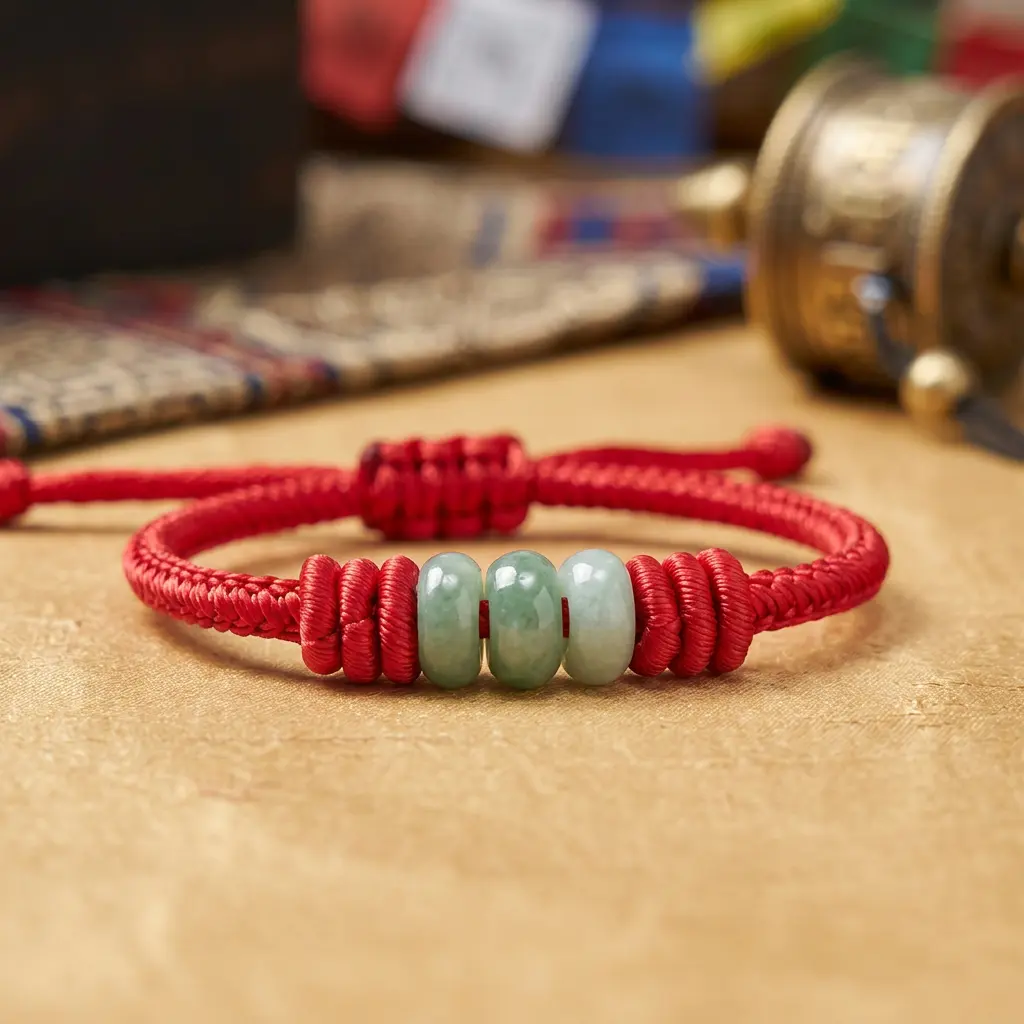
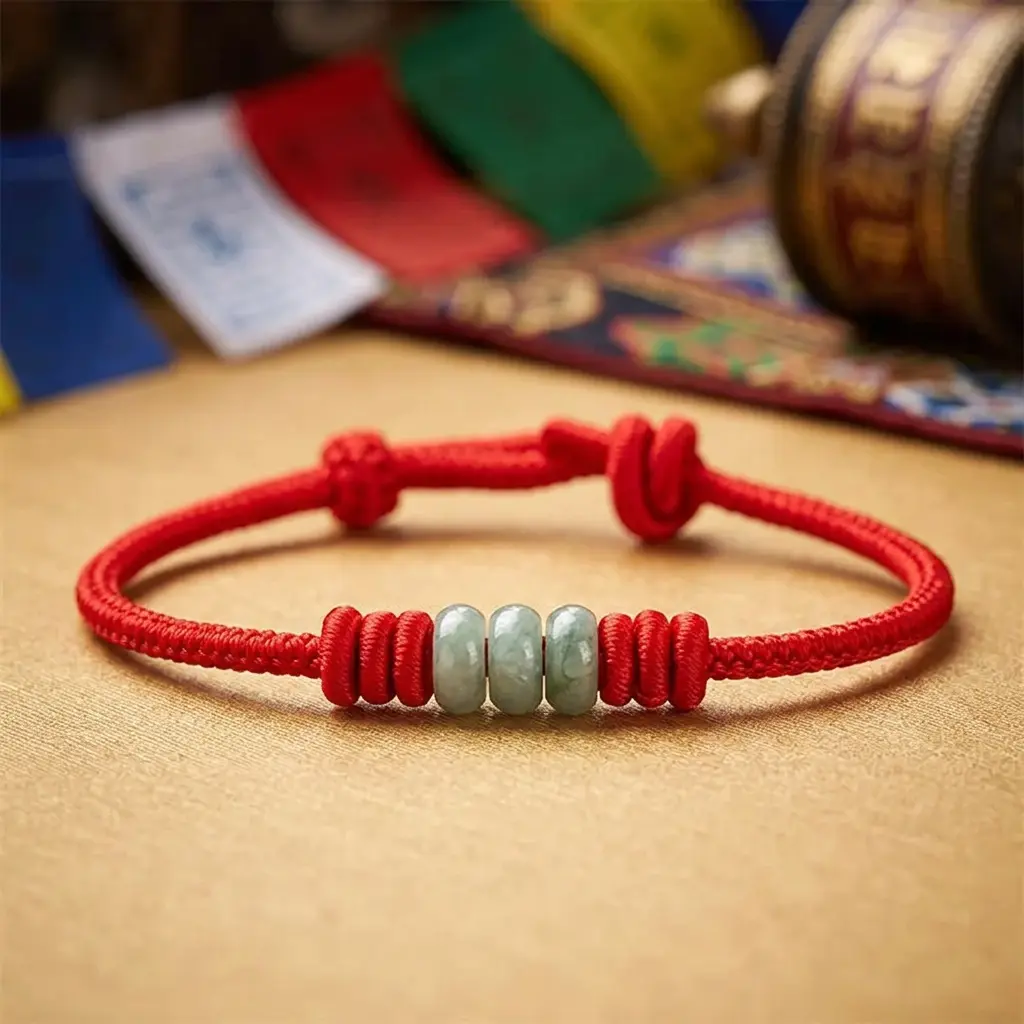
For someone who wants protection and grounding, a red string bracelet is a classic, low-risk gift. Ours uses traditional Tibetan string with an adjustable slide-knot, so it fits any wrist and works for men and women alike. That means you can give it confidently even if you don’t know their size. Red is tied to protection and vitality, and the simple form goes with everything they own. The handmade red string protection bracelet is a reliable pick that starts affordable and still feels personal.
For the Friend Starting a New Chapter
For a friend starting a new job, a move, or a hard season, give something that marks the moment. A big change can feel unsteady at first. A pendant they wear through it becomes a quiet reminder that they are carrying support with them. A hand-painted Thangka Buddha pendant works beautifully here, since each one follows a sacred art tradition rather than machine-printed imagery. Pair it with a short note naming your wish for them, and the gift lands as encouragement, not just jewelry.
For the Crystal-Curious and Wellness-Minded
For someone drawn to crystals and wellness, choose a gemstone piece tied to a clear intention. Turquoise is linked to protection and healing, and it pairs naturally with the calm most crystal lovers are after. A gemstone bracelet reads as thoughtful without needing any explanation. If you’re shopping for a specific person, our spiritual gifts for women and spiritual gifts for men collections group pieces by recipient to make the choice faster.
💡 Not sure which piece fits? Start with the Tibetan spiritual gift ideas collection, grouped to help you choose by recipient and intention.
Gifts by Budget: Meaningful Options at Every Price
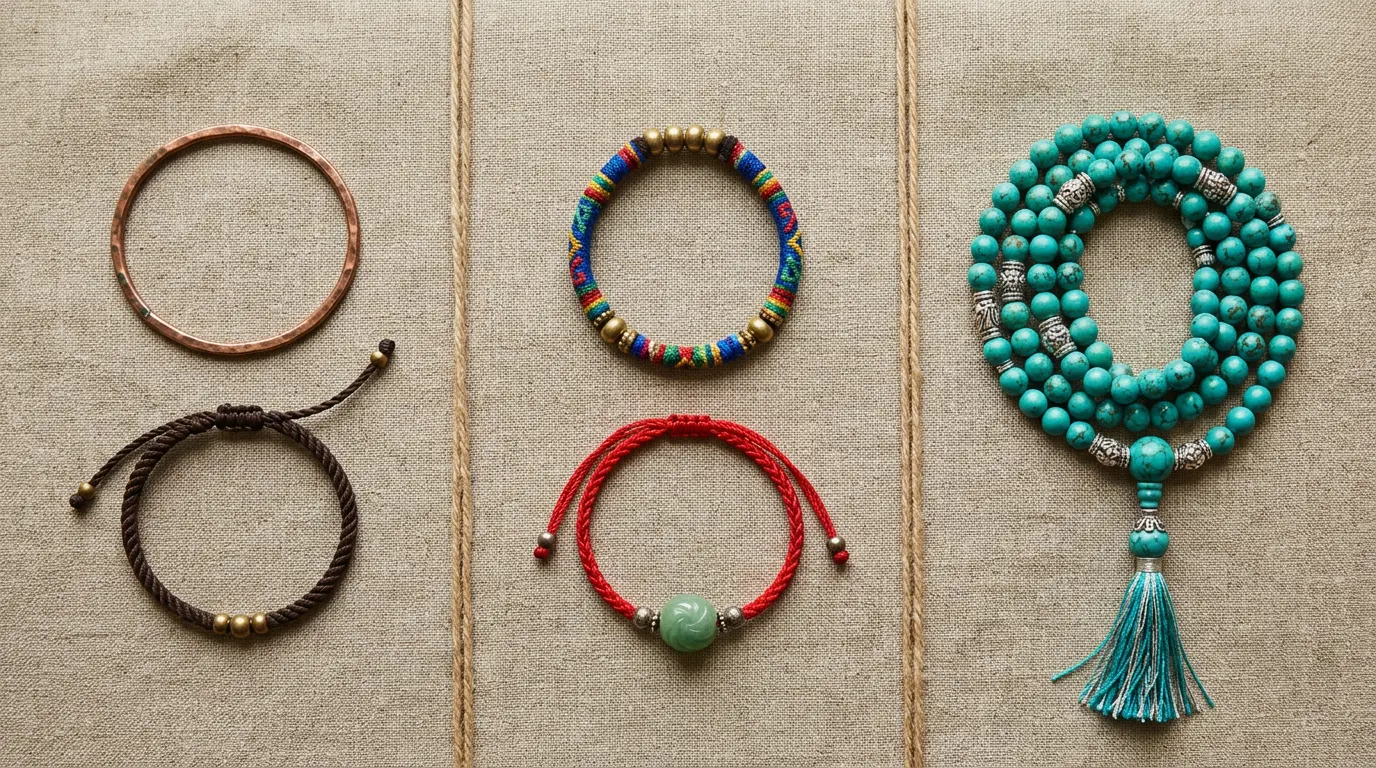
Thoughtful doesn’t have to mean expensive. Potala Store pieces start at $25.95, and there is a meaningful gift at every price point. Here’s how the tiers break down:
| Budget | Good pick | Price |
|---|---|---|
| Under $40 | Tibetan Copper Bracelet for Healing & Luck | $38.95 |
| Under $40 | Tibetan Buddhist Knot Lucky Rope Bracelet | from $28.95 |
| $40 to $80 | Koi Fish Luck Hand-Woven Bracelet | $47.95 |
| $40 to $80 | Handmade Red String Jade Bracelet | $76.95 |
| $80 and up | Turquoise mala or sterling silver pendant | $80+ |
Under $40: Heartfelt Starters
Under $40, focus on simple, wearable pieces with a clear meaning. A Tibetan Copper Bracelet for Healing & Luck ($38.95) or a Tibetan Buddhist Knot Lucky Rope Bracelet (from $28.95) both make heartfelt starters or stocking stuffers. These work well as add-ons when you want the gesture to feel personal without a big spend.
$40 to $80: Everyday Companions
In the $40 to $80 range, you get more craft and a piece meant for daily wear. The Koi Fish Luck Hand-Woven Bracelet ($47.95) is handwoven and colorful, while the Handmade Red String Jade Bracelet ($76.95) pairs blessed red string with natural jade. Both balance meaning and everyday wearability.
$80 and Up: Heirloom Pieces
Above $80, you are giving an heirloom. A turquoise mala for protection or a sterling silver pendant with a protective symbol feels substantial and lasts for years. These pieces suit milestone gifts, like a graduation, a wedding, or a meaningful birthday. Explore the full mala and necklace collection for pieces in this range.
How to Give Tibetan Jewelry Respectfully
Yes, giving spiritual jewelry is appropriate and increasingly common, as long as you choose it with intention and include a short note explaining its meaning. A blessed mala or pendant reads as a thoughtful, personal gift rather than a religious statement. A little context is what makes it land with respect.
Presenting a Consecrated or Blessed Piece
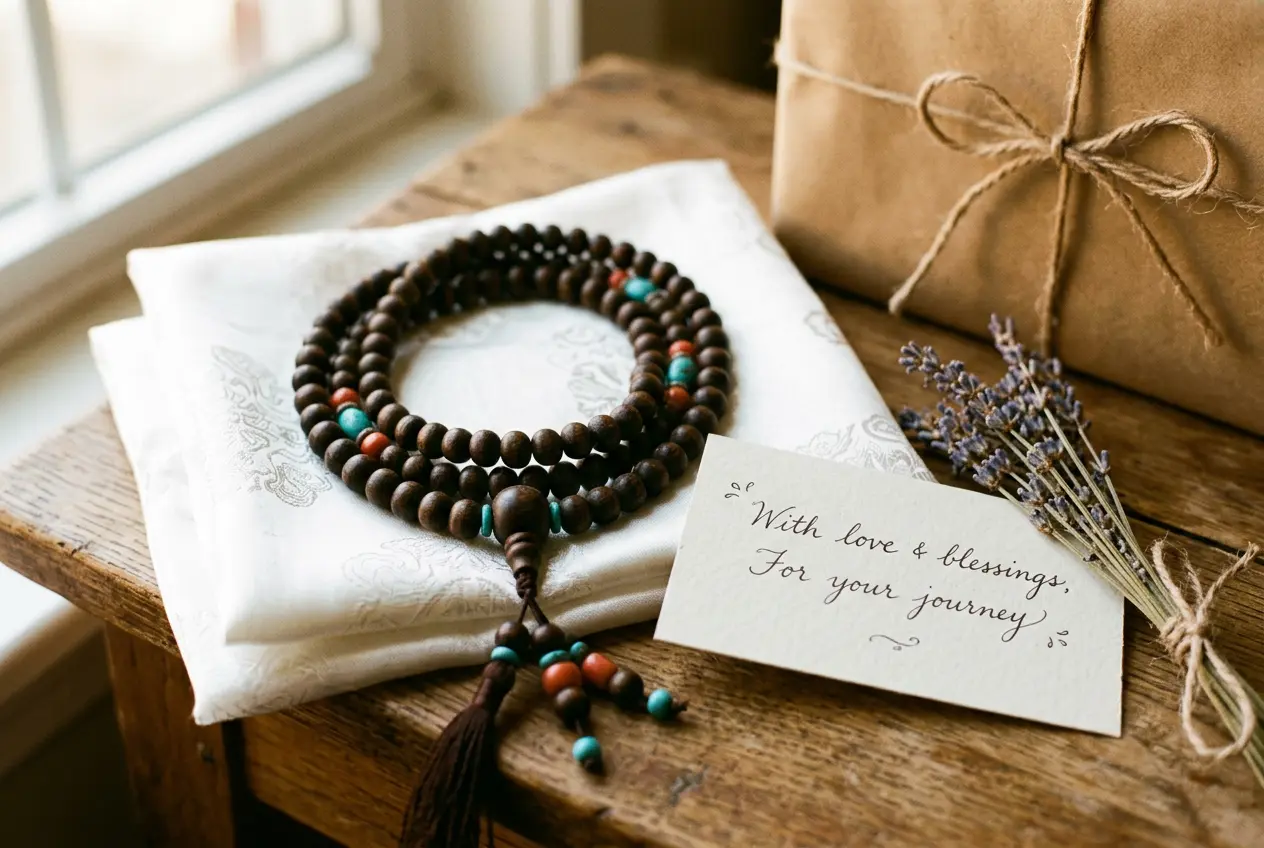
When a piece is consecrated or blessed, present it with two small gestures. First, include a card that names the symbol and a one-line dedication, such as a wish for calm or protection. Second, mention that pieces carrying a deity image or mantra are traditionally worn above the waist and kept respectfully. You set the intention when you give it, and sharing that intention out loud makes the gift feel considered. For statues and larger sacred gifts, our guide on Buddha statue gift etiquette covers the same care in more detail.
Can You Give Buddhist Jewelry to a Non-Buddhist?
Yes, you can give Buddhist jewelry to someone who isn’t Buddhist. You don’t have to practice the religion to appreciate the symbolism or wear it with respect. Many people treat a mala or mantra pendant as a mindfulness cue rather than a statement of faith. The key is intention and honest sourcing, not religious membership. If the recipient prefers a secular token, offer the piece with no expectation and let them decide how to wear it.
⚠️ Important Note: The information about spiritual and energy properties reflects traditional beliefs and personal experiences, not scientific or medical claims. Sacred jewelry is intended for meditation and personal practice, and is not a substitute for professional medical or mental health advice.
Frequently Asked Questions About Gifting Tibetan Jewelry
Yes. Chosen with intention and given with a short note on its meaning, a mala or pendant reads as thoughtful and personal, not as a religious statement.
Absolutely. You don’t have to be Buddhist to wear it. What matters is respectful intention and authentic sourcing.
No. A blessed piece is offered as goodwill, so a sincere thank-you is enough. Many people wear it above the waist as a sign of respect.
A 108-bead sandalwood mala or an adjustable red string bracelet. Both are welcoming, unisex, and easy to use. Browse beginner-friendly picks in the Tibetan mala and necklace collection.
A thoughtful Tibetan jewelry gift does more than look good. It gives someone a small, daily reminder of calm, protection, or intention that lasts long after the moment you hand it over. Match the piece to their practice, add a short note, and you’ve given something personal.
Ready to Find a Gift They’ll Actually Keep?
Browse authentic, monastery-blessed Tibetan jewelry, handmade by Himalayan artisans and shipped worldwide with a free Reiki blessing. Prices start at $25.95.Shop Tibetan Spiritual Gift Ideas →
📚 References
- Tibetan Prayer Beads (Mala) Structure and Use: Museum documentation of the 108-bead mala, mantra counting, and material symbolism in Tibetan Buddhism. Rubin Museum of Himalayan Art
- Bodhi Seed Prayer Beads and the Guru Bead: How the 108 beads divide into four groups of 27, with separator beads and the guru bead’s meaning. Rubin Museum of Himalayan Art
- The Art of Prayer Beads in Asia: Overview of the origins, structure, materials, and symbolism of Buddhist prayer beads. Rubin Museum of Himalayan Art
- Buddhist Prayer Beads and Meditation Practice: Cultural and historical background on mala traditions and their role in Buddhist practice. Source: Smithsonian National Museum of Asian Art (Readers may search the institution’s website for current resources on Buddhist artifacts.)