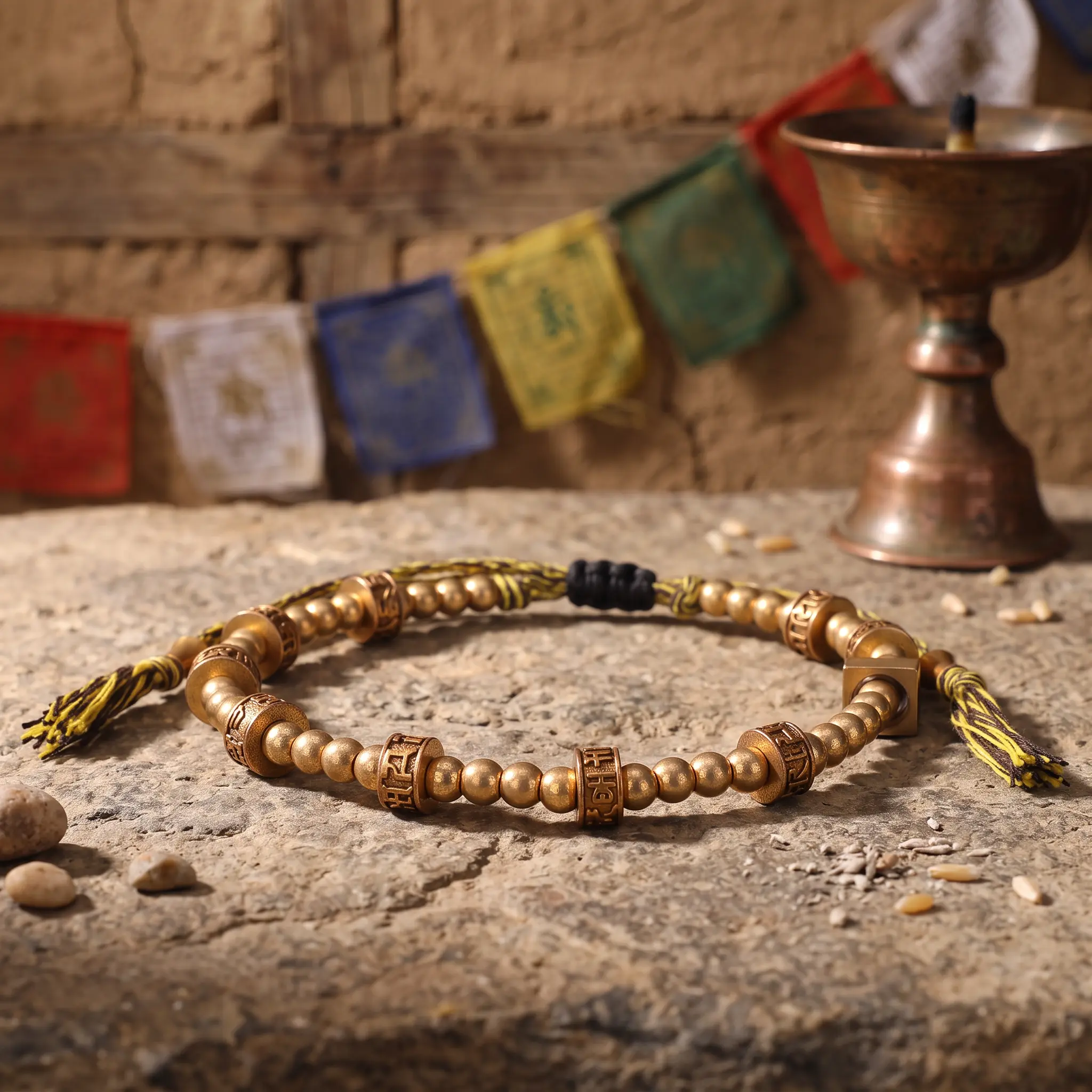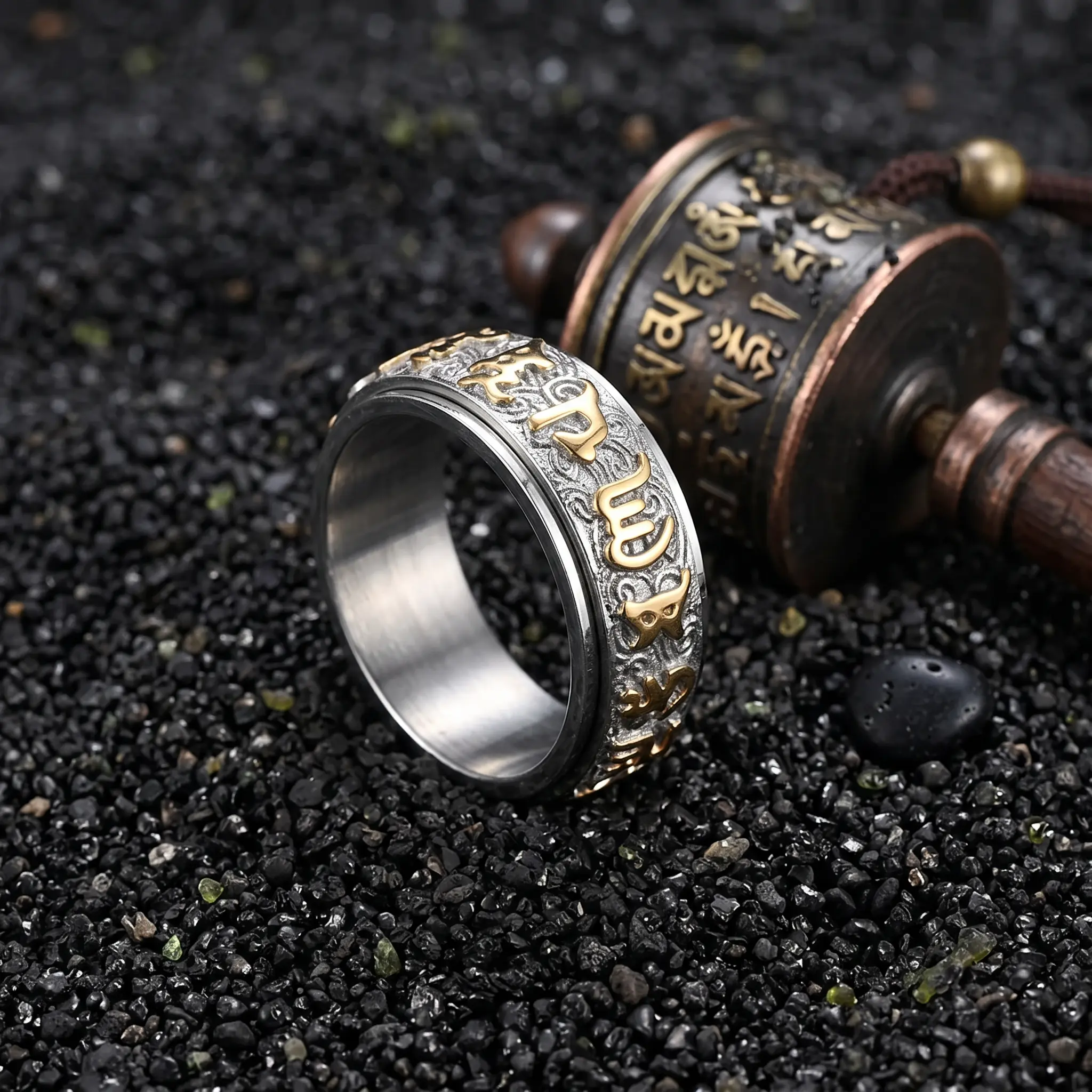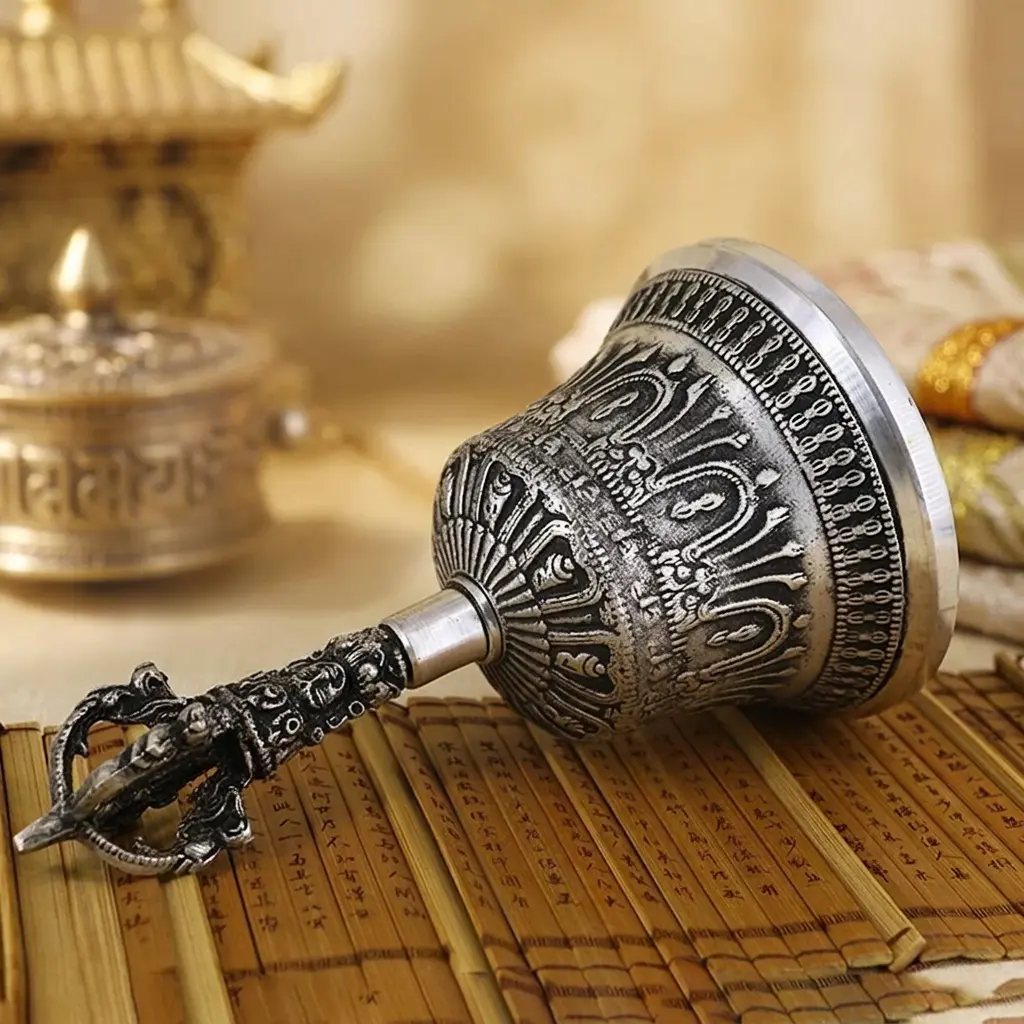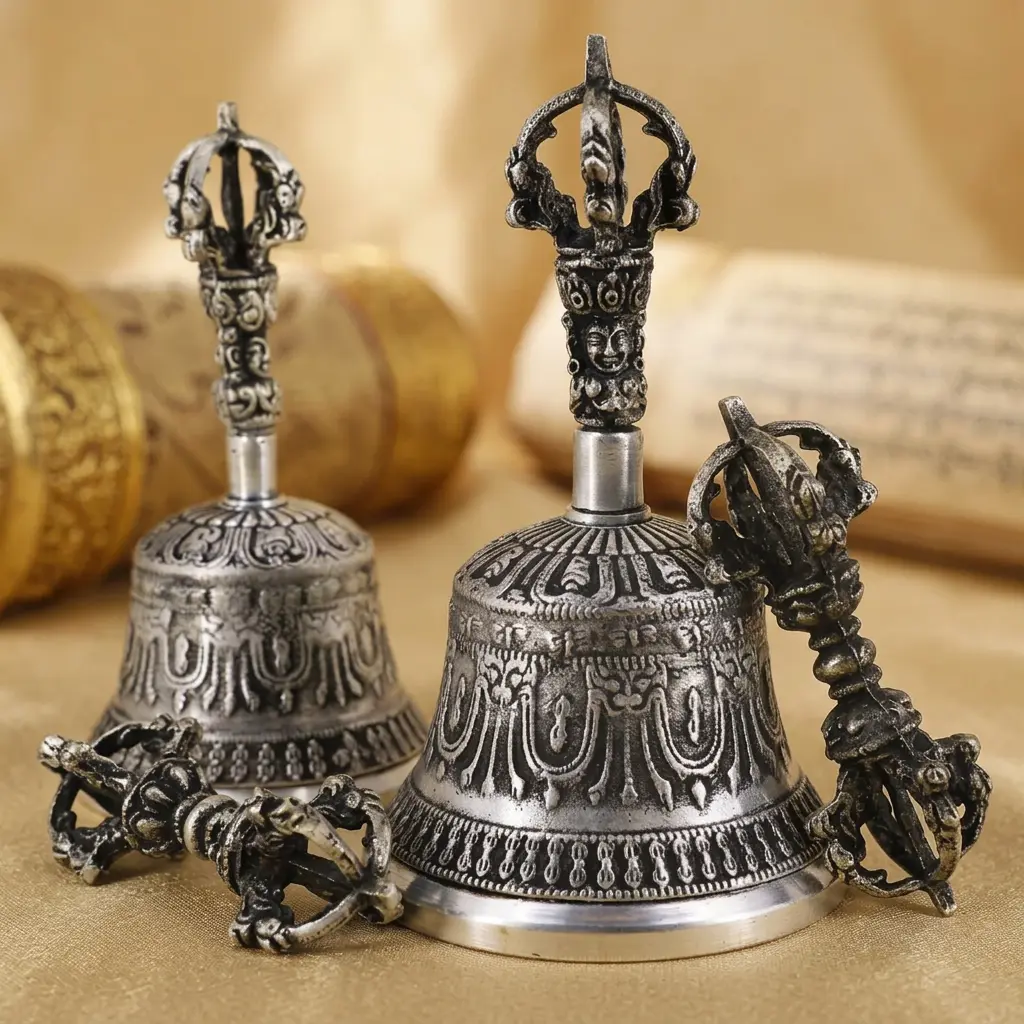


Picked out a wall clock for a friend’s new home? Put it back. The safest feng shui housewarming gifts are a citrine or crystal money tree, lucky bamboo, feng shui coins on red string, a laughing Buddha, or a small singing bowl. Skip clocks, knives, cacti, empty wallets, and pears.
Feng shui is a traditional Chinese practice of arranging a home to guide the flow of chi, or life energy. Lucky gifts for a new home carry prosperity, calm, or protection, and they are believed to invite positive energy. Gifts that suggest an ending, a cut, or a lack are traditionally avoided.
At Potala Store, we work with artisans in Nepal and Tibet, and gift-etiquette questions reach us every holiday season. Below you will find eight lucky picks with real prices, five gifts to never give, and a simple fix if you already made a mistake.
You don’t want your thoughtful gift to land as an accidental insult. Feng shui is a belief system, not a science, so treat these gifts as heartfelt wishes rather than guarantees. Short on time? Browse our feng shui home gifts.
Table of Contents
What Makes a Housewarming Gift Good Feng Shui?
A housewarming gift counts as good feng shui when it carries an auspicious symbol, suits one of the five elements the home needs, and comes with a clear wish for the people living there. In feng shui tradition, the intention and the placement matter as much as the object itself.
Chi (also spelled qi) is the life energy that feng shui believes moves through a space. Heavy, stable objects symbolize a steady foundation, so a solid crystal tree beats a flimsy trinket. Early on, we assumed bigger statues would impress most recipients. In practice, people reached for small pieces they could actually use.
Which of the Five Elements Should the Gift Carry?
Match the gift to the element: plants bring Wood for growth, candles or red accents bring Fire, crystals and ceramics bring Earth, coins and wind chimes bring Metal, and a small fountain brings Water.
| Element | Gift examples | What it symbolizes |
|---|---|---|
| Wood | Lucky bamboo, jade plant | Growth and new beginnings |
| Fire | Candles, red wrapping | Warmth and celebration |
| Earth | Crystals, ceramic bowls | Stability and grounding |
| Metal | Feng shui coins, wind chimes | Clarity and prosperity |
| Water | Small tabletop fountain | Flow and calm |
Does Intention Matter More Than Price?
Yes. Feng shui practitioners traditionally treat a modest, well-placed piece with a sincere wish as more meaningful than an expensive object left in a drawer. That is why a two-sentence gift note matters. Say what the gift means and where it can go. For example: “This citrine tree is for your southeast corner. I hope it brings steady abundance to your new home.”
8 Lucky Picks for a New Home (With Prices and Placement)
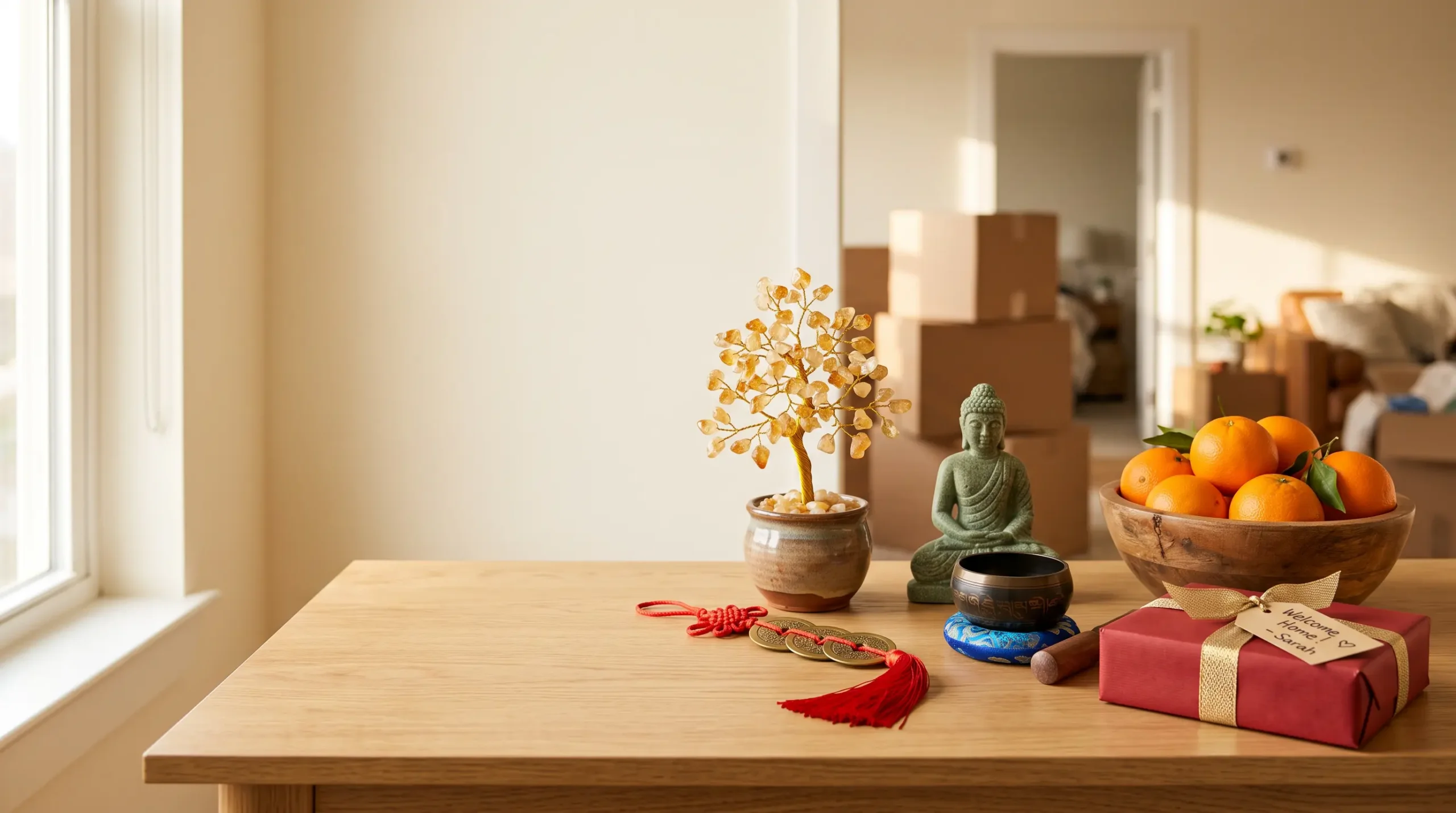
The eight most trusted feng shui housewarming gifts are a citrine or crystal money tree, lucky bamboo, a jade plant, feng shui coins on red string, a laughing Buddha, a small singing bowl, metal wind chimes, and a bowl of nine oranges. Each is traditionally believed to invite prosperity, calm, or protection.
| Gift | Traditional meaning | Best spot | Price | Care |
|---|---|---|---|---|
| Citrine or crystal money tree | Abundance, steady growth | Southeast corner | $53.95 to $60.87* | None |
| Lucky bamboo | Luck and growth | Desk or living room | Typically under $30 | Low |
| Jade plant | Money and good fortune | Entryway or office | Typically under $30 | Low |
| Feng shui coins on red string | Prosperity | Front door or wealth corner | $46.95* | None |
| Laughing or seated Buddha | Joy and contentment | Living room shelf | $42.95* (seated) | None |
| Singing bowl | Calm and a cleared space | Living room | From $40.95* | None |
| Metal wind chimes | Clearing stagnant energy | Entry or porch | Typically $20 to $60 | None |
| Nine oranges | Abundance and health | Kitchen or entry table | Under $15 | Low |
*Potala Store listings, checked 10/27/2026 and subject to change. Plant, chime, and fruit prices are typical retail ranges.
We chose these eight because they appear across the most trusted feng shui gift guides we reviewed, then checked each against what we stock. Want more ideas rooted in Tibetan practice? See our guide to spiritual housewarming gifts like Tibetan singing bowls and prayer flags.
Citrine Money Tree or Crystal Tree for Abundance
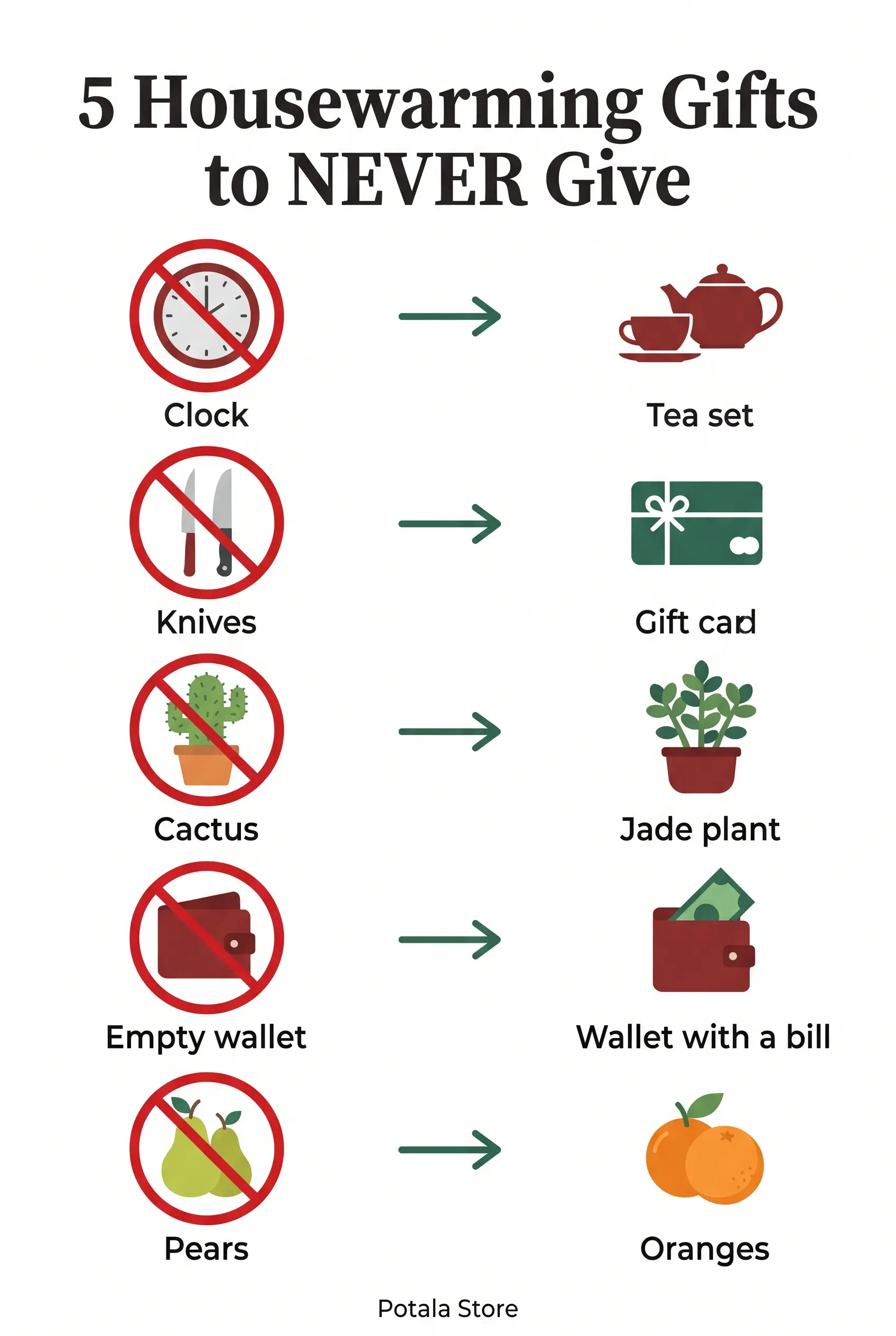
A citrine money tree is a classic feng shui gift for prosperity, because citrine is traditionally called the merchant’s stone and the tree form symbolizes steady growth. Place it in the southeast wealth corner, known as the Xun sector, which sits between 112.5° and 157.5° on a compass.
A crystal tree needs no watering, so it suits the friend who has already lost three houseplants. You get the growth symbolism without the upkeep. Our Chakra Money Tree Ornament, blessed for wealth costs $60.87. Prefer calm over cash? Amethyst is traditionally linked with calm, and our Amethyst Crystal Tree for feng shui good luck costs $53.95. For more picks, read our roundup of feng shui wealth gifts such as Pixiu, citrine, and jade.
Lucky Bamboo and Jade Plant for Living Growth
Lucky bamboo and the jade plant are the easiest living feng shui gifts, because both are low-maintenance Wood-element plants traditionally linked to luck and wealth. Give lucky bamboo in eights, since eight stalks are associated with prosperity. Never give four stalks, because the Chinese word for four sounds like the word for death.
A jade plant’s round, coin-like leaves suit an entryway or home office. One honest caveat: a living gift needs care, and a plant that wilts by week three sends the opposite message.
Laughing Buddha or Seated Buddha for Joy and Calm
A laughing Buddha is one of the most popular housewarming gifts for non-Buddhist friends, because Budai is a Chinese folk figure of contentment and abundance rather than the historical Buddha. Budai is based on a Chinese monk said to have lived in the 10th century, and people often mistake him for Siddhartha Gautama.
Choose a 6 to 12 inch statue and set it on a shelf or table, never on the floor. Skip reclining Buddha figures as gifts, since they depict the Buddha’s passing. For a seated option, our Tibetan meditation Buddha statue in handmade green sandstone costs $42.95. Unsure how your friend will feel? Read our guide to Buddha statue gift etiquette for non-Buddhist recipients.
Feng Shui Coins on Red String for Prosperity
Feng shui coins tied with red string are a simple, symbolic housewarming gift, traditionally hung near the front door or placed in the wealth corner to invite prosperity into the new home. Traditional sets use three coins bound in red.
Our Feng Shui Lucky Coins for wealth on red string sell for $46.95. That is a meaningful gift under $50 with a story that fits on a card.
A Small Singing Bowl or Wind Chimes for a Calm Reset
A 4 to 5.5 inch Tibetan singing bowl or a set of metal wind chimes makes a calming housewarming gift, because sound is traditionally used to clear stagnant energy, though singing bowls come from Tibetan Buddhist practice rather than feng shui. The 4 to 5.5 inch size (10 to 14 cm) fits a shelf or desk.
Describe the bowl as a sound tool for a calm first night, not a feng shui cure. Our Tibetan singing bowls for meditation and sound healing start at $40.95. Metal wind chimes belong to the Metal element and are traditionally hung near an entry.
A Bowl of Nine Oranges for Last-Minute Luck
If you need a gift today, a bowl of nine oranges or tangerines is a traditional symbol of abundance and good health, and it costs under $15. Nine is considered the luckiest number, so a citrus bowl of nine pieces is the classic form. Keep pears out of the basket.
5 Housewarming Gifts You Should Never Give (and What to Give Instead)
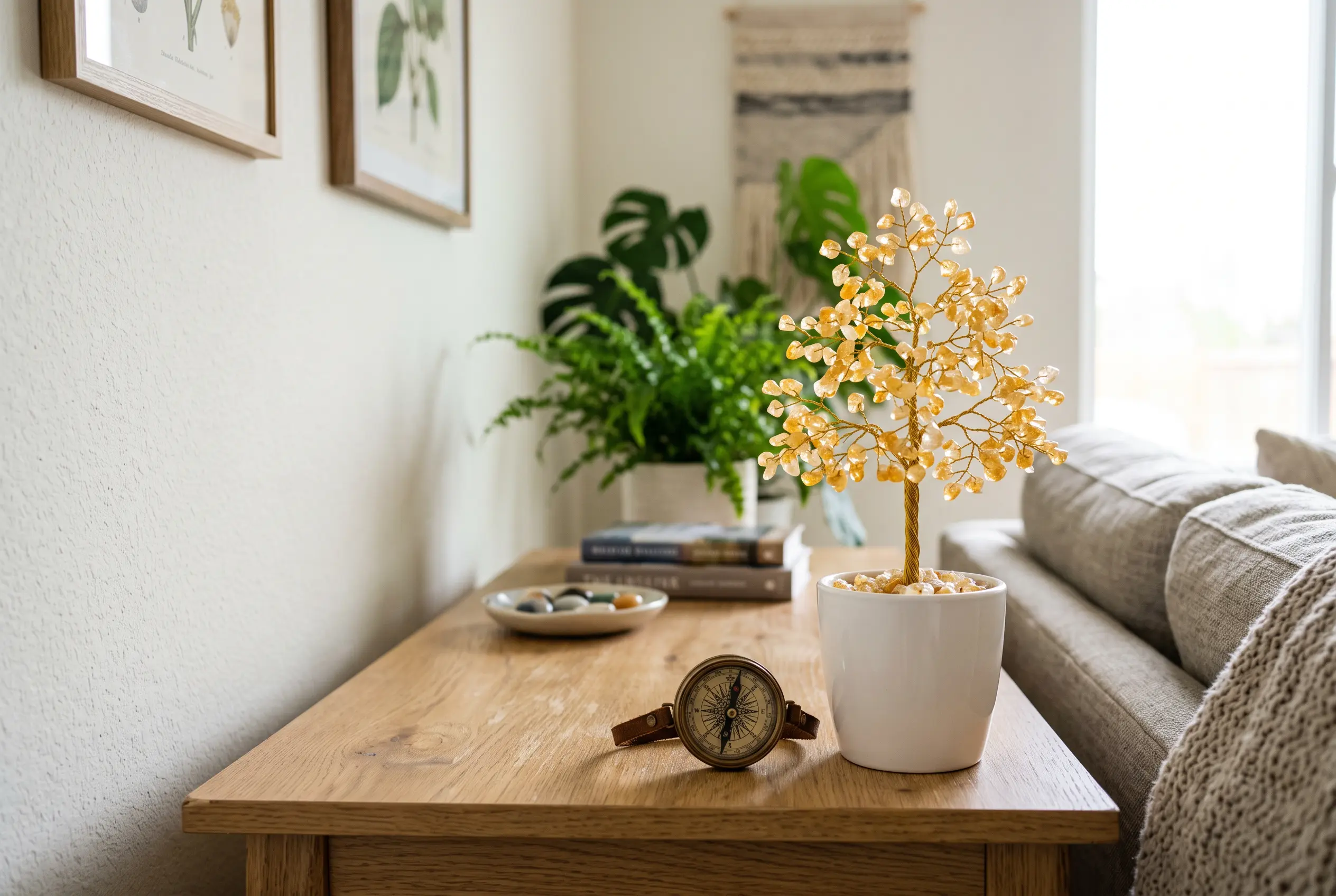
The five housewarming gifts to never give, according to feng shui and Chinese gift etiquette, are clocks, knives or other sharp objects, cacti and thorny plants, empty wallets or containers, and pears. Each one traditionally symbolizes an ending, a cut, or a lack, and each has an easy, auspicious swap.
- Clocks and watches: swap for a tea set or citrine crystal.
- Knives and scissors: swap for a gift card to buy the knives they want.
- Cacti and thorny plants: swap for a jade plant in a red pot.
- Empty wallets, purses, or vases: fill with a bill or coins first.
- Pears in a fruit basket: swap for oranges or apples.
Even the kindest gift can send the wrong message if it carries one of these meanings.
1. Clocks and Watches
Never give a clock, because in Mandarin “giving a clock” (sòng zhōng) sounds like attending a funeral ritual; give a tea set or a citrine crystal instead. A ticking clock also hints that time is running out, which is why Chinese gift-etiquette guides rank it among the most taboo presents.
2. Knives, Scissors, and Other Sharp Objects
Skip the knife set, because sharp objects traditionally symbolize cutting a relationship and create sha chi, or cutting energy; a gift card for the knives they want sidesteps the problem. If the knives are already wrapped, the traditional coin remedy fixes it (see the last section).
3. Cacti and Thorny Plants
Avoid cacti and thorny plants as housewarming gifts, since their spines are believed to project prickly energy indoors; a round-leaf jade plant in a red pot sends a prosperity wish instead. Some practitioners accept a cactus outdoors, but it is a risky gift.
4. Empty Wallets, Purses, or Vases
Never hand over an empty wallet, purse, or vase, because emptiness traditionally signals a lack of abundance; tuck a crisp bill or a few feng shui coins inside first. A filled wallet says “may you always have enough.”
5. Pears in a Fruit Basket
Leave pears out of a housewarming fruit basket, because the Mandarin word for pear (lí) sounds like the word for parting; oranges, tangerines, or apples are the auspicious swap.
Honorable mentions: sets of four, white chrysanthemums, shoes, umbrellas, and green hats also appear on Chinese gift taboo lists.
Swap the clock for a citrine wealth piece. Our monk-blessed natural citrine wealth crystal costs $45.95 and sends the opposite message: growth, not endings.
Feng Shui vs. Chinese Etiquette: Where Do These Taboos Come From?
Most “feng shui gift taboos” actually come from three different sources: Mandarin homophones like clock and pear, feng shui energy rules like sharp objects and thorns, and religious sensitivity around Buddhist images. Knowing which is which helps you judge how much a specific recipient will care.
| Source | Examples | Who cares most |
|---|---|---|
| Mandarin homophones | Clocks, pears, sets of four | Chinese-speaking recipients and older relatives |
| Feng shui energy rules | Knives, cacti, empty wallets | Anyone who follows feng shui |
| Religious sensitivity | Reclining Buddha figures, statues on the floor | Practicing Buddhists |
None of these rules has scientific backing. They are cultural traditions, and that is exactly why the recipient’s background matters.
Homophone Taboos vs. Energy Rules
Homophone taboos depend on Mandarin pronunciation, so they matter most to Chinese-speaking recipients, while energy rules like avoiding sharp objects apply in any feng shui-minded home.
Most of our American customers have never heard of the clock taboo. Their grandmothers usually have. When in doubt, ask a relative or choose from the lucky list above.
Is a Bonsai a Good or Bad Housewarming Gift?
It depends on who you ask: some feng shui consultants say a bonsai symbolizes stunted growth, while others list it as a lucky plant, so choose lucky bamboo when you’re unsure. We left bonsai off our never-give list for this reason. The advice genuinely splits.
How to Match the Gift to the Person, the Budget, and the Room
Pick the gift by recipient first, then budget: crystals or coins for skeptics who like decor, a Buddha statue or singing bowl for practitioners, and a crystal tree instead of a live plant for anyone who travels a lot.
Gift by Budget: Under $50, $50 to $100, and Splurge
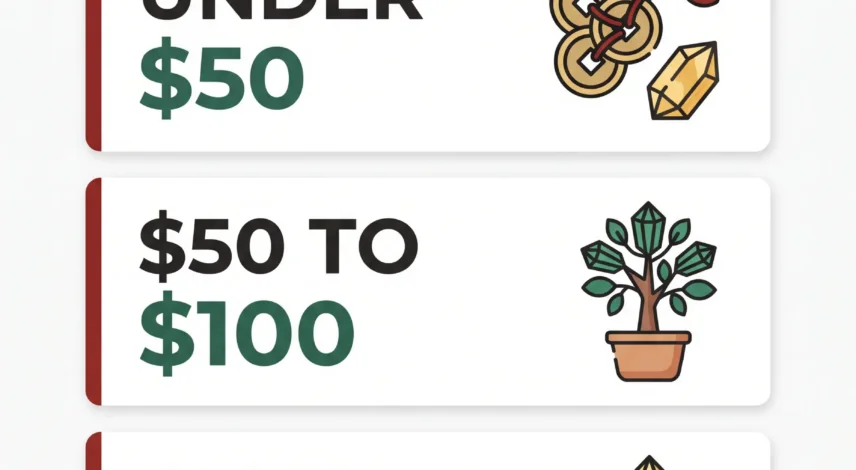
Under $50, choose feng shui coins or a citrine tower; between $50 and $100, a crystal money tree; above $100, a larger citrine tower.
| Budget | Pick | Price at Potala Store |
|---|---|---|
| Under $50 | Lucky coins, citrine wealth crystal, seated Buddha, small citrine tower | $29.95 to $46.95 |
| $50 to $100 | Crystal money tree or amethyst crystal tree | $53.95 to $60.87 |
| Over $100 | Larger sizes of the natural citrine money and wealth crystal tower | Up to $104.95 |
Gift by Recipient: The Skeptic, the Practitioner, the Plant-Killer
Choose by temperament: a skeptic wants beauty first, a practitioner wants meaning first, and a plant-killer wants zero upkeep.
- The skeptic: Choose something beautiful first and symbolic second, such as a crystal tree.
- The practitioner: Ask before giving religious images, then choose a Buddha statue or singing bowl.
- The plant-killer: Give a crystal tree instead of a living plant.
Where Should They Place It?
Tell them where it goes: wealth pieces in the southeast corner, protective coins near the front door, and calming objects like a singing bowl in the living room, never on the floor or in a bathroom. A short placement card in the box saves them the guesswork.
Skip bagua mirrors as gifts unless the recipient asked for one. Traditionally they hang outside, above the door.
Wrapping, Presenting, and Fixing a Mistake
Wrap the gift in red or gold, give items in even numbers other than four, and add a two-line note explaining what the gift means. If you’ve already given a taboo gift, the traditional fix is simple: the recipient hands you a small coin, turning the gift into a purchase.
Red Wrapping, Even Numbers, and a Two-Line Note
Red and gold wrapping signals celebration, even numbers signal pairs and harmony, and a short note turns a decorative object into a personal blessing. If you add a red envelope, use an even amount and avoid anything with a four.
Already Gave a Taboo Gift? Here’s the Coin Fix
If you’ve already given knives or a clock, ask the recipient to hand you a coin, such as $1, so the gift becomes a symbolic purchase. This coin remedy works for a knife set or a clock alike. Most people find the gesture charming rather than awkward.
Feng Shui Housewarming Gift FAQs
Start with the wish you want to send, such as prosperity, calm, or protection. Then pick a symbol that carries it and suits their space. Not sure where to begin? Use the budget and recipient tables above to narrow it to two options.
In Mandarin, “giving a clock” (sòng zhōng) sounds like the phrase for attending a funeral ritual. A clock also hints that time is running out, so many Chinese families consider it one of the unluckiest gifts. Give a tea set or a citrine crystal instead.
Cacti and other thorny plants are the most commonly avoided, along with dead or dried plants. Bonsai is debated. Lucky bamboo or a jade plant is a safer living gift.
Yes. A laughing Buddha or seated Buddha reads as a gesture of peace and goodwill, as long as you avoid reclining figures and ask first if your friend practices Buddhism. See the Laughing Buddha section above for placement and etiquette tips.
In summary, the best feng shui housewarming gifts give a symbol of growth, joy, or calm and skip anything that cuts, ends, or empties. Add a short note so the meaning travels with the gift.
Find a Gift That Carries a Blessing
Browse Potala Store’s Attract Wealth collection of blessed Tibetan jewelry and spiritual pieces for a new home.Shop the Attract Wealth collection
Important note: Feng shui reflects cultural tradition and personal belief. The information about energy and symbolism here is not scientific evidence and is not a substitute for financial, medical, or professional advice.
📚 References
- Feng shui overview: Encyclopedia entry on the Chinese practice of siting buildings and arranging space. Encyclopaedia Britannica
- Gift taboos and the coin remedy: Overview of Taiwanese gift taboos, including how a recipient neutralizes a taboo gift. Wikipedia: Taiwanese superstitions
- Gifts to avoid: Explains the homophone logic behind taboos such as clocks and pears. China Highlights
- Chinese gift taboos and alternatives: Lists taboo gifts with suggested replacements. Stellar Chinese