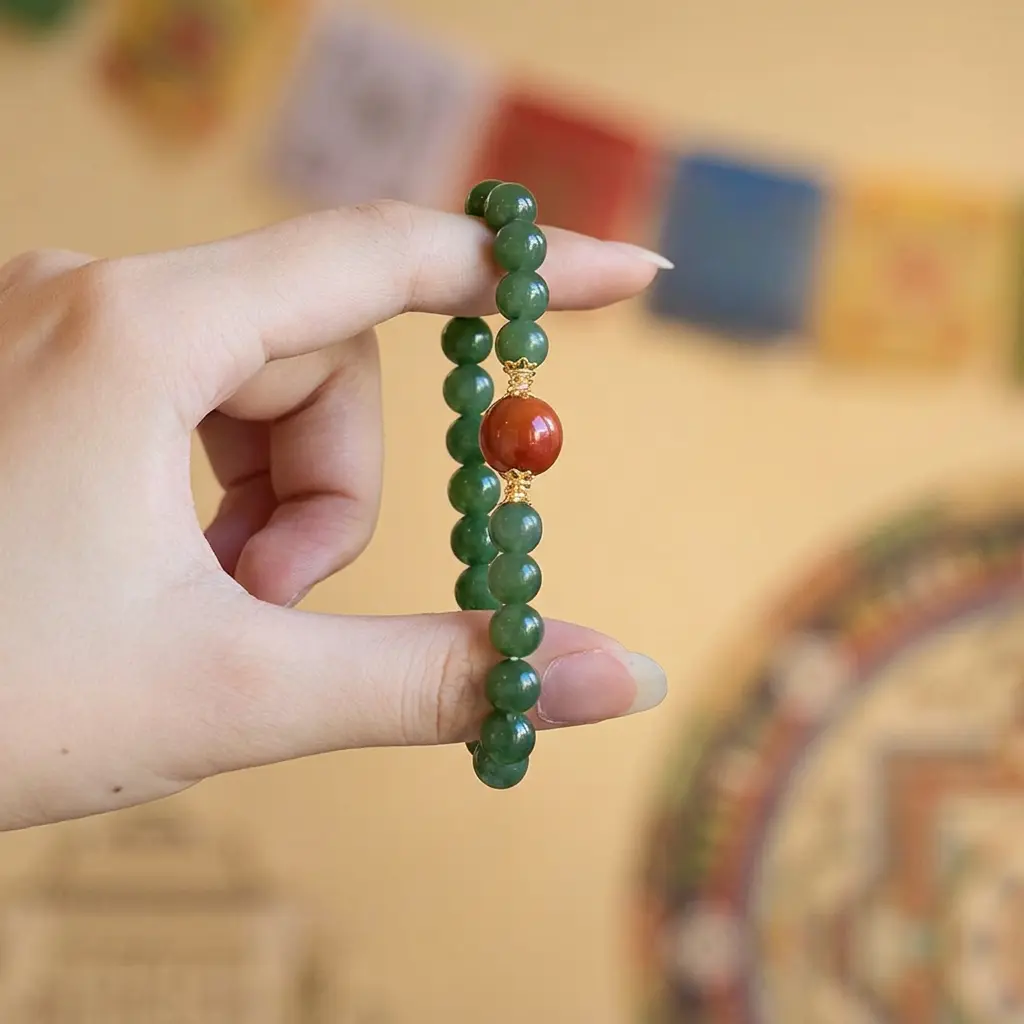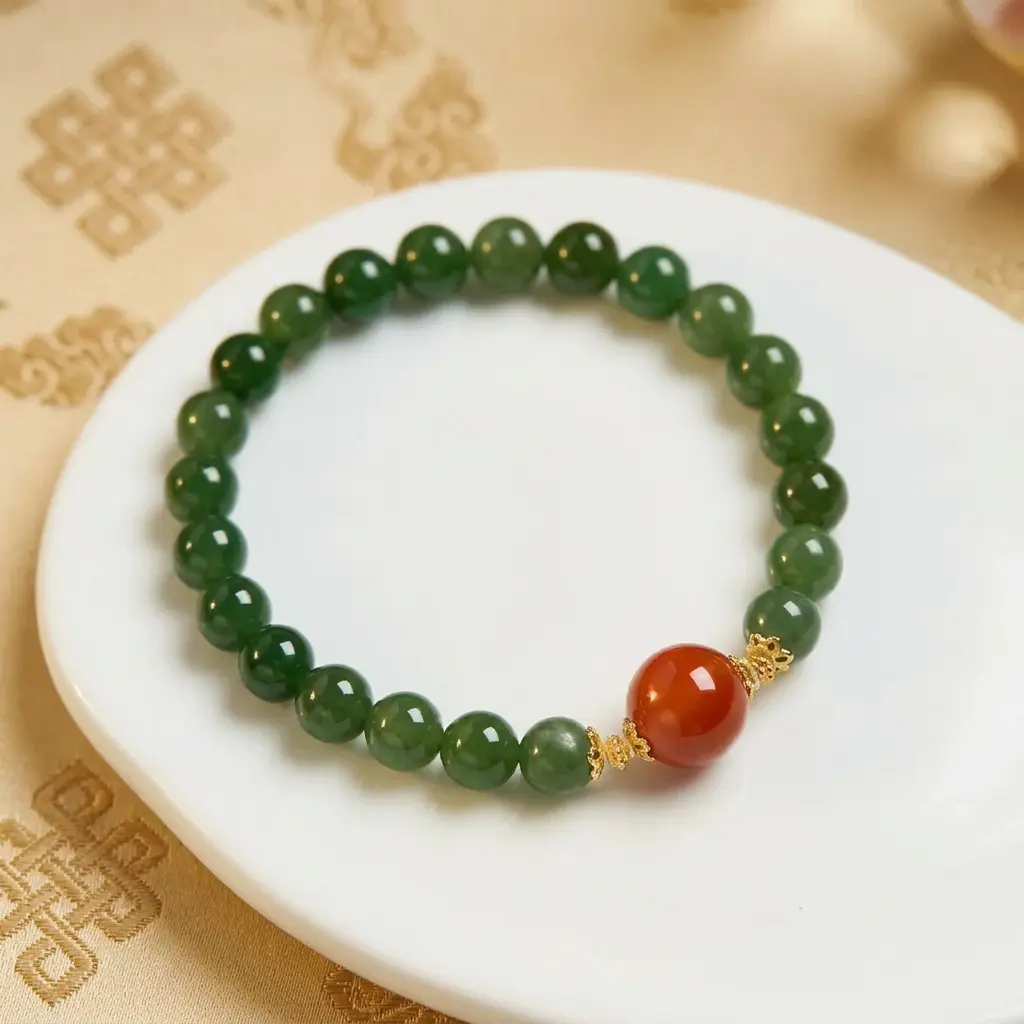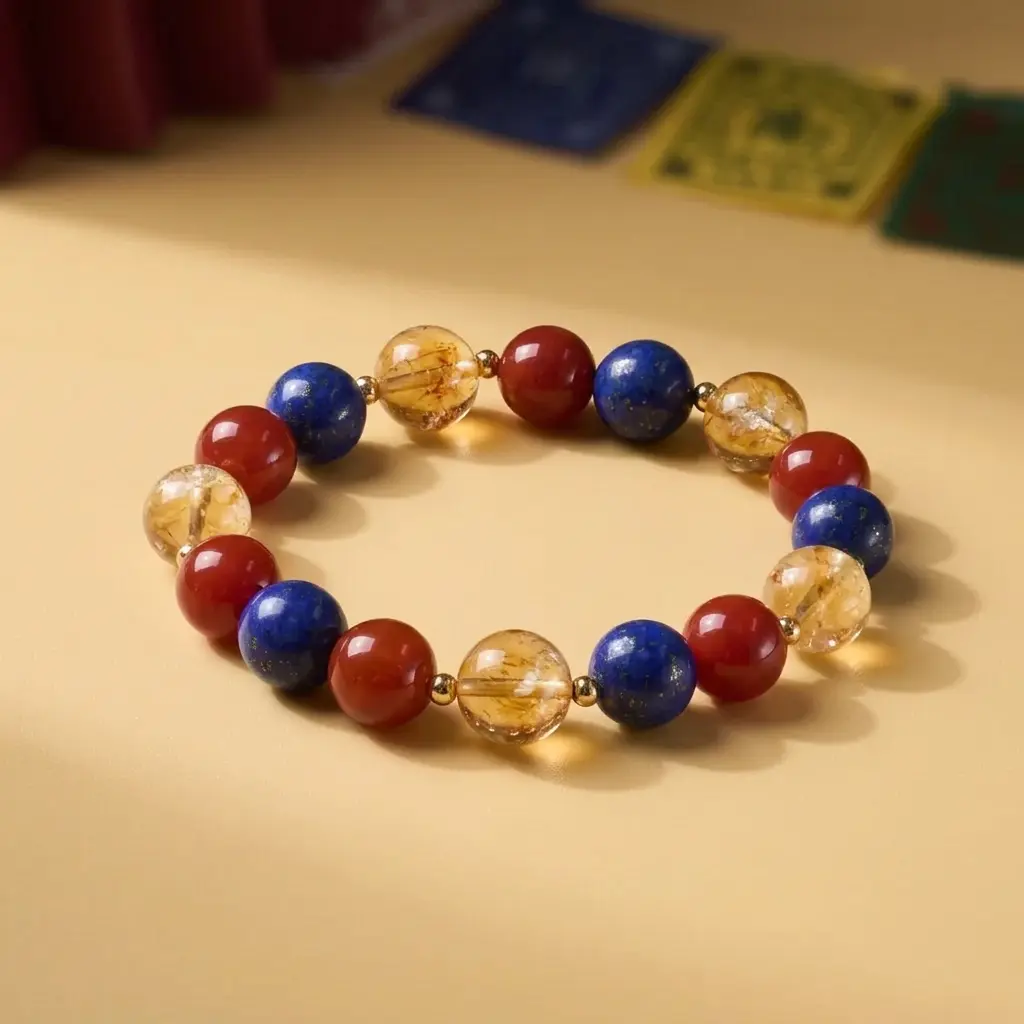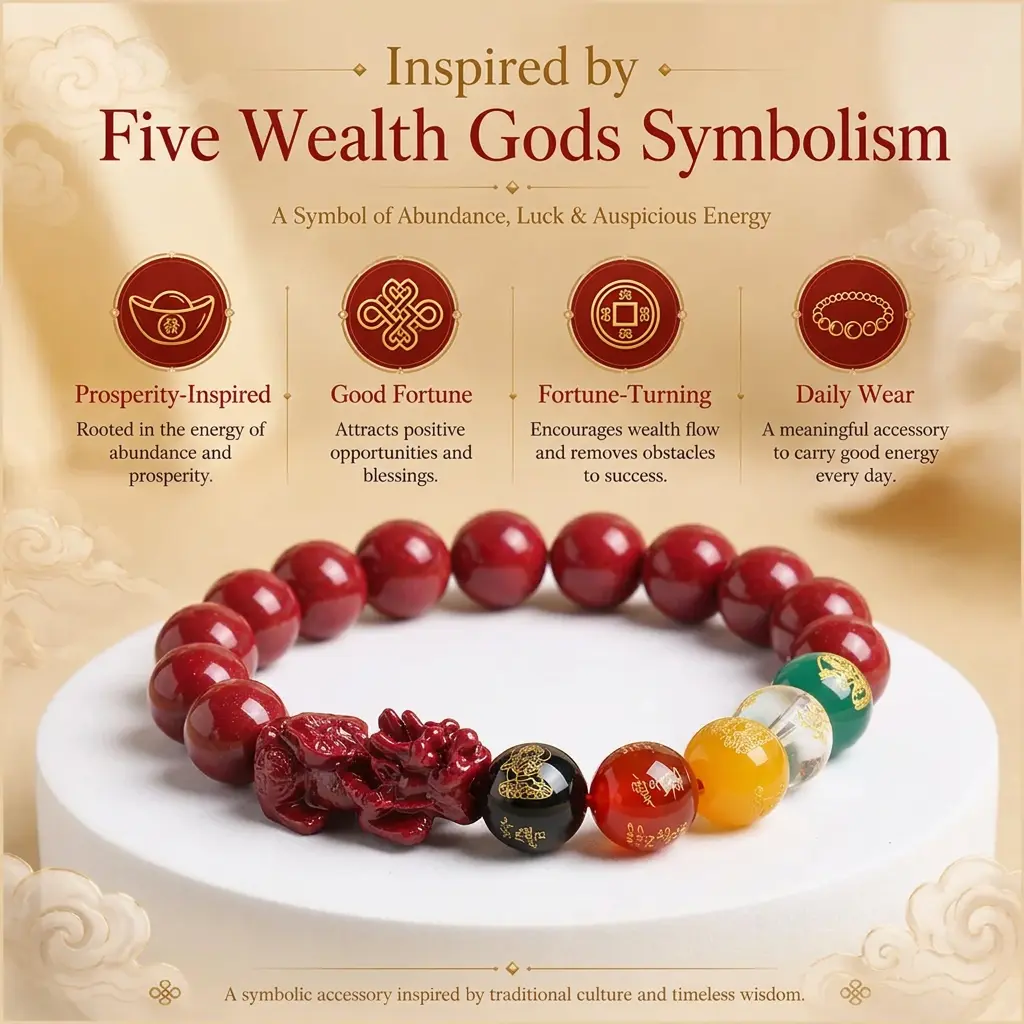


Tibetan Buddhism and Zen Buddhism grew from the same Mahayana root, yet they feel like opposite worlds. One fills the room with color, mantra, and painted deities. The other strips everything back to silent, upright sitting. If you have ever held two malas and wondered which tradition each belonged to, you are not alone. This guide breaks down how the two paths differ in origin, meditation, and the jewelry practitioners wear, so you can tell them apart and choose what fits your own practice.
At Potala Store, we work directly with monastery workshops near Sera Jhe and Kopan, and our founder has sourced beads in Lhasa and Kathmandu since 2015. That hands-on contact shapes everything below. The short answer: Tibetan Buddhism is an elaborate, ritual-rich form of Vajrayana, while Zen is a pared-down Mahayana school built around zazen, or seated meditation.
Table of Contents
Tibetan Buddhism vs Zen Buddhism: Key Differences at a Glance
The main difference is scale and style. Tibetan Buddhism uses ritual, mantra, and deity visualization, while Zen emphasizes minimalist seated meditation such as zazen and koan study. Both aim at awakening, but they take very different routes there.
The Quick Comparison Table
Here is how the two traditions compare across the points people ask about most.
| Dimension | Tibetan Buddhism | Zen Buddhism |
|---|---|---|
| Origin & lineage | India to Tibet, 8th century (Padmasambhava); absorbed native Bön | India to China as Chan, 6th century (Bodhidharma), later Japan |
| School / vehicle | Vajrayana, within Mahayana | Chan / Zen, within Mahayana |
| Core meditation | Deity yoga, visualization, mantra recitation | Zazen, shikantaza, koan practice |
| Path emphasis | Gradual, structured stages (Lamrim) | Direct, often sudden insight |
| Visual culture | Rich: thangka, mandala, statues | Minimal: enso circle, empty space, ink |
| Prayer beads | 108-bead mala plus guru bead, Dzi stones | Juzu (nenju), simpler and less central |
| Key figures | Dalai Lama, Padmasambhava, Milarepa | Bodhidharma, Dogen, D.T. Suzuki |
What They Share (Mahayana Roots)
Both traditions are branches of Mahayana Buddhism, the “great vehicle” that stresses compassion and helping all beings toward liberation. They share the bodhisattva ideal, the teaching of emptiness, and the belief that every person already holds Buddha-nature. So while their surfaces look different, their deeper goal is the same. The key takeaway is that these are two dialects of one language, not two separate religions.
Different Origins: From Tibet’s Himalayas to Japan’s Zen Halls
Zen and Tibetan Buddhism took shape in different countries, centuries apart, which explains much of their contrasting style. One grew in the monasteries of the Himalayas, the other in the meditation halls of China and Japan.
How Zen Traveled from China to Japan
Zen began as Chan in sixth-century China, traditionally traced to the Indian monk Bodhidharma. The word “Zen” is simply the Japanese pronunciation of Chan. In the thirteenth century, the teacher Dogen carried the Soto school to Japan, where it grew around quiet, objectless sitting. The Rinzai school, by contrast, became known for the koan, a riddle-like question used to break ordinary thinking. Both branches keep the same spirit: strip practice down to direct experience.
How Tibetan Buddhism Grew from India and Bön
Tibetan Buddhism took root in the eighth century, when the Indian master Padmasambhava helped establish tantric practice in Tibet. King Trisong Detsen invited Padmasambhava and the scholar Shantarakshita, and together they oversaw Samye, Tibet’s first monastery, around 749 CE. The new tradition absorbed elements of Bön, the native Tibetan religion. Over time it organized into four main schools: Nyingma (the oldest), Kagyu, Sakya, and Gelug, the school the Dalai Lama belongs to. This layered history is why Tibetan practice feels so rich and structured.
Meditation and Practice: Silent Sitting vs Mantra and Visualization
Zen practice centers on silent, seated meditation, while Tibetan practice engages body, speech, and mind through mantra, gesture, and visualization. The contrast in method is the clearest way to feel how the two paths differ day to day.
Zen: Zazen, Koans, and Just Sitting
Zazen, or seated meditation, is the heart of Zen. In the Soto school this often means shikantaza, “just sitting,” where you rest in open awareness without chasing thoughts. In the Rinzai school, a teacher may pair sitting with a koan such as “What is the sound of one hand?” to push the mind past logic. Little equipment is needed. A cushion, an upright posture, and steady attention are enough.
Tibetan: Mantra, Deity Yoga, and Visualization
Tibetan meditation often pairs a spoken mantra with a mala to count repetitions, so the beads and the practice work as one. A common mantra is Om Mani Padme Hum, linked to the bodhisattva of compassion. More advanced practice includes deity yoga, where you visualize an enlightened figure to cultivate its qualities. Sound also plays a role, and many practitioners use a Tibetan singing bowl to open and close a session. In practitioner forums like Dharma Wheel and Treeleaf, we often see people who sit zazen and also recite mantra, usually keeping the two on separate days rather than blending them. These techniques are traditionally believed to steady and focus the mind.
Sacred Objects and Jewelry: Mala vs Juzu, Thangka vs Minimalism
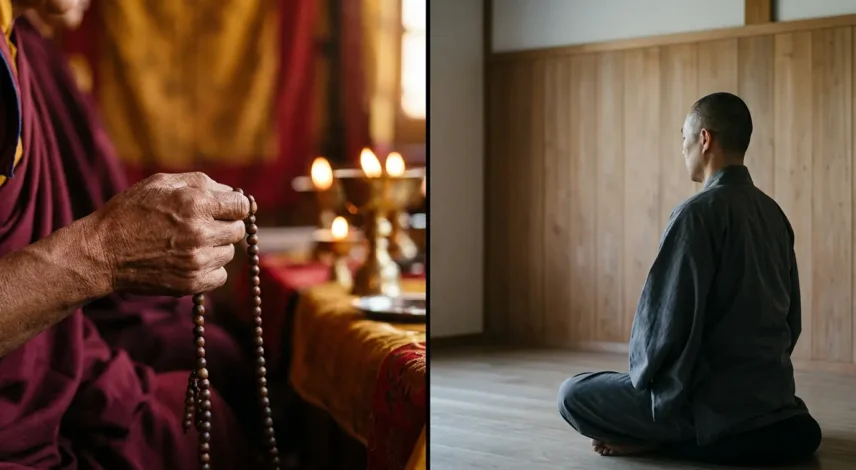
The clearest material difference shows in what practitioners hold and wear. Tibetan practice leans on the 108-bead mala and vivid thangkas, while Zen keeps its objects sparse. If you want a fast way to tell the traditions apart in a shop or a photo, look at the beads and the walls.
Prayer Beads: The 108-Bead Tibetan Mala vs the Japanese Juzu
A Tibetan mala holds 108 beads plus one larger guru bead, often divided by counter beads into four groups of 27. The number 108 carries many meanings, and one tradition connects it to the 108 volumes of the Kangyur, the collected words of the Buddha, a link you rarely see explained elsewhere. The Japanese juzu (also called nenju) can also hold 108 beads, but counts vary by sect, and it is used more for chanting and as a marker of school identity than for strict mantra counting.
| Feature | Tibetan Mala | Japanese Juzu |
|---|---|---|
| Bead count | 108 plus guru bead, often 4 x 27 | Often 108, varies by sect (27 or 54 also common) |
| Main use | Counting mantra repetitions in Vajrayana practice | Chanting and sect identity, less counting-focused |
| Common materials | Bodhi seed, sandalwood, gemstone, Dzi | Wood, crystal, sect-specific tassels |
Made from bodhi seed with a guru bead, a traditional mala gives your hand a fixed rhythm to follow. That structure keeps count for you, so your attention can stay on the mantra instead of the math, which is what helps many people settle into a steadier meditation. In the workshops we visit near Kopan, artisans knot each mala by hand while quietly reciting mantra, and you can read more about that process in our look inside a Tibetan mala workshop. If you want the fuller symbolism, we also cover why a mala carries 108 beads and a guru bead.
One honest note on materials. Traditional malas were often made from Indian sandalwood (Santalum album), now listed as Vulnerable by the IUCN and subject to trade controls. For that reason, most modern malas use bodhi seed, other woods, or gemstone as symbolic alternatives rather than scarce sandalwood.
New to daily practice? A simple 108-bead bodhi seed mala bracelet is an easy first step, and entry-level malas at Potala Store start around $26. You can browse the full authentic Tibetan mala and necklace collection to compare styles.
Visual Culture: Thangka and Mandala vs Zen Minimalism
Tibetan spaces are filled with thangka scroll paintings and intricate mandala diagrams, which serve as visualization aids as much as decoration. Every color and figure carries meaning. Zen rooms move in the opposite direction. A single enso circle, plenty of empty space, and one ink brushstroke express the whole aesthetic. Where Tibetan art fills the eye to guide the mind, Zen art empties it for the same purpose.
Pros, Cons, and Which Path Might Suit You
Neither path is better. The right one depends on how you like to practice and what draws you in. Below is a plain look at what each tradition offers and where it can feel demanding.
Zen: Best for Simplicity Seekers
- Strengths: minimal equipment, clear focus on sitting, easy to begin at home.
- Trade-offs: little external structure, and long silent sitting can feel stark for beginners.
- Good fit for: people who want calm, spare practice without much ritual.
Tibetan Buddhism: Best for Structure and Ritual
- Strengths: rich imagery, step-by-step stages, and community rituals that give practice shape.
- Trade-offs: a steeper learning curve, more terms, and often a teacher to guide advanced practice.
- Good fit for: people who thrive on symbolism, devotion, and a mapped path.
Many newcomers also worry about wearing sacred beads respectfully, which is a fair concern rather than a small one. We answer it directly in our guide on who can respectfully wear mala beads. In short, whichever path calls to you, the object you choose should match real intention, not just style.
A note on spiritual claims: Descriptions of energy, blessing, and spiritual effect here reflect traditional beliefs and practitioner experience, not scientific findings. This article is for cultural and educational purposes and is not a substitute for professional medical or mental health advice.
Frequently Asked Questions
Are Zen and Tibetan Buddhism both Mahayana?
Yes. Both are Mahayana traditions. Tibetan Buddhism is specifically a Vajrayana branch within Mahayana, while Zen is a Chan-derived Mahayana school. They share the bodhisattva ideal and the belief in Buddha-nature.
Which is better for beginners: Zen or Tibetan Buddhism?
Neither is universally better. Zen suits people drawn to simplicity and silent sitting, while Tibetan Buddhism suits those who benefit from structure, imagery, and ritual. Visiting a local center or teacher for each is the best way to feel the difference before you commit.
Can you practice both Zen and Tibetan Buddhism?
Many practitioners engage both, though usually not at the same time. Some use a mala for Tibetan mantra practice and shikantaza for Zen sitting on separate occasions, keeping each method distinct.
Does Zen use mala beads?
Zen uses juzu, also called nenju, but beads are less central than in Tibetan practice. In Tibetan Buddhism the 108-bead mala is a core mantra-counting tool, while in Zen the beads mainly support chanting and mark a practitioner’s school.
Begin With an Authentic Mala
Explore hand-knotted Tibetan malas sourced through our Himalayan monastery partners, ready to support your own practice.Shop Tibetan Mala Beads
References
- Tibetan Buddhism overview: Background on Vajrayana, its history, and its schools. Encyclopaedia Britannica
- Zen (Buddhism): Origins of Chan and Zen and their spread from China to Japan. Encyclopaedia Britannica
- The Four Schools of Tibetan Buddhism: Clear summary of Nyingma, Kagyu, Sakya, and Gelug. Tibetan Nuns Project
- Understanding the four schools: Accessible explainer on Tibetan lineages and their differences. Lion’s Roar