

If a restless mind keeps you awake or stress follows you through the day, amethyst is one of the first crystals many people reach for. This guide covers what amethyst actually is, the healing properties tradition assigns to it, which chakras it works with, and how to use and care for it safely.
Amethyst is the purple variety of quartz, a silicon dioxide (SiO₂) mineral rated 7 on the Mohs hardness scale. In crystal tradition, this purple quartz is valued as a calming stone tied to the crown and third eye chakras, and it serves as the February birthstone. No clinical research proves its healing claims, so it works best as a supportive tool alongside proper care, not as a treatment.
At PotalaStore, we have spent more than a decade sourcing amethyst and other stones from workshops near the Himalayas. That hands-on experience shapes the honest, fact-checked advice below, including the parts most guides skip.
⚠️ Important note: The spiritual, chakra, and energy properties described here reflect traditional beliefs and personal experiences, not scientific evidence. This content is for educational purposes only. Amethyst cannot diagnose, treat, cure, or prevent any condition, and it should never replace professional medical or mental health care.
Table of Contents
What Is Amethyst? Meaning and Purple Quartz Basics
Amethyst is the violet-to-purple variety of quartz, a silicon dioxide (SiO₂) crystal that rates 7 on the Mohs scale and forms inside geodes. That hardness makes it durable enough for everyday jewelry. Its name comes from the ancient Greek word amethystos, meaning “not intoxicated,” because Greeks and Romans believed the stone guarded against drunkenness.
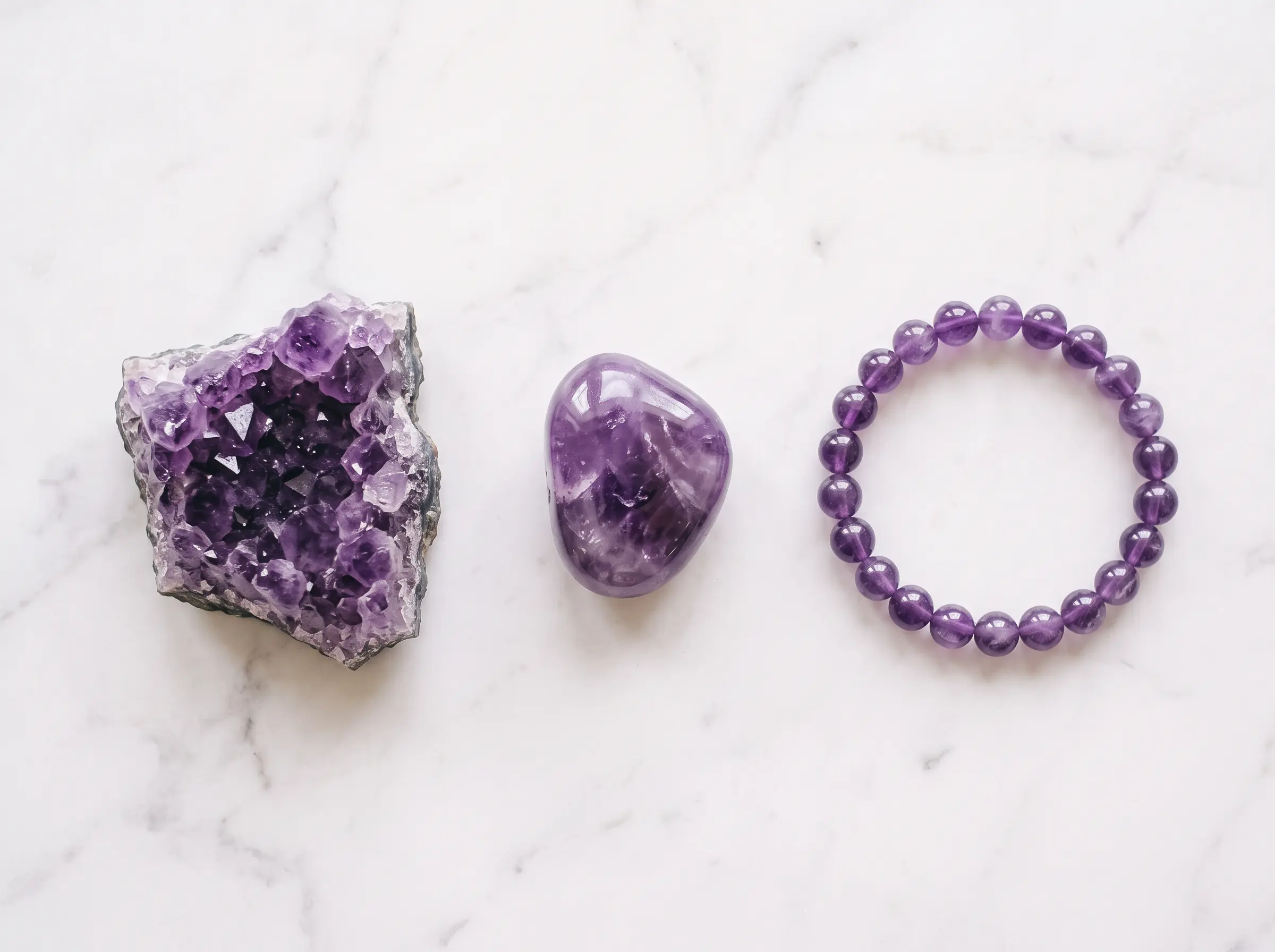
As a member of the quartz family, amethyst grows in several forms you will see in shops: raw geodes, clusters, smooth tumbled stones, and polished points or towers. Its wide availability and gentle reputation make it a natural starting stone. If you are building your first set, our roundup of the best healing crystals for beginners is a good next read.
Amethyst at a Glance
| Mineral type | Purple variety of quartz |
|---|---|
| Chemical formula | Silicon dioxide (SiO₂) |
| Mohs hardness | 7 (suitable for daily jewelry) |
| Color cause | Iron and trace elements, activated by natural irradiation |
| Main chakras | Crown (Sahasrara) and Third Eye (Ajna) |
| Birthstone | February |
| Zodiac links | Pisces and Aquarius |
| Main sources | Brazil, Uruguay, Zambia |
Where Does Amethyst Come From?
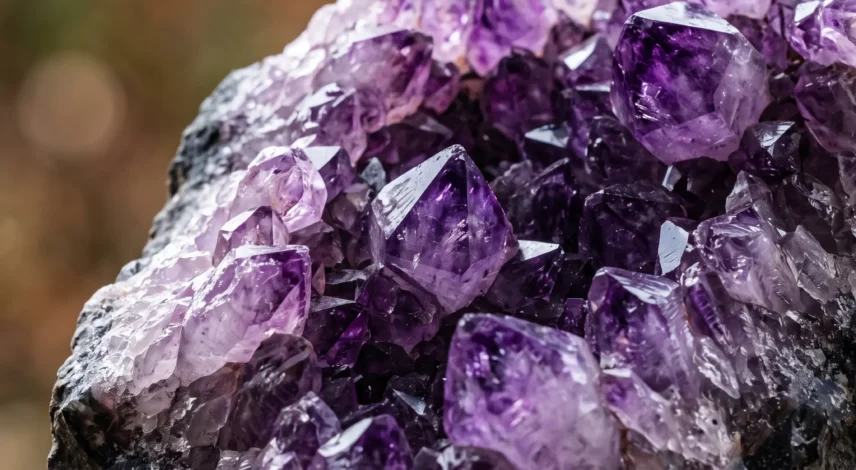
Most amethyst on the market comes from Brazil, Uruguay, and Zambia, where it grows inside volcanic rock cavities called geodes. Brazil, especially the Rio Grande do Sul region, produces the large hollow geodes many people recognize. Uruguay, around Artigas, is known for deep, richly saturated purple. Zambia’s Kariba mine yields some of the most intensely colored stones, and the Four Peaks mine near Phoenix, Arizona supplies fine amethyst in the United States.
Amethyst forms slowly as silica-rich water fills gas pockets in cooling volcanic rock and crystallizes over long stretches of time. That patient, natural formation is part of what gives each stone its unique color zoning.
Why Is Amethyst Purple?
Amethyst gets its purple color from traces of iron and other elements, activated by natural irradiation deep inside the earth. The irradiation nudges iron into what gemologists call color centers, which absorb certain wavelengths of light and reflect violet back to your eye. Without that natural radiation, the iron would not produce the signature purple at all.
Here is a connection most guides miss. Violet sits at the very top of the visible light spectrum, the same color that tradition assigns to the crown chakra. That overlap is one reason amethyst became the classic crown chakra stone rather than a stone for the lower energy centers. The color is also delicate: strong heat can turn amethyst yellow, transforming it into citrine, which is why prolonged sunlight is best avoided.
Amethyst Healing Properties and Benefits
Amethyst’s healing properties are traditionally centered on calm: it is believed to ease stress, quiet an overactive mind, and support restful sleep. These are metaphysical beliefs rather than medical facts, but they explain why amethyst is one of the most popular wellness stones. In crystal tradition, its most cited benefits include:
- Calm and stress relief: traditionally used to soften anxious, racing thoughts.
- Restful sleep: often placed near the bed to encourage a settled night.
- Focus and clarity: believed to steady the mind for study or meditation.
- Spiritual protection: long associated with clearing heavy or negative energy.
- Emotional balance: many people find it grounding during change or grief.
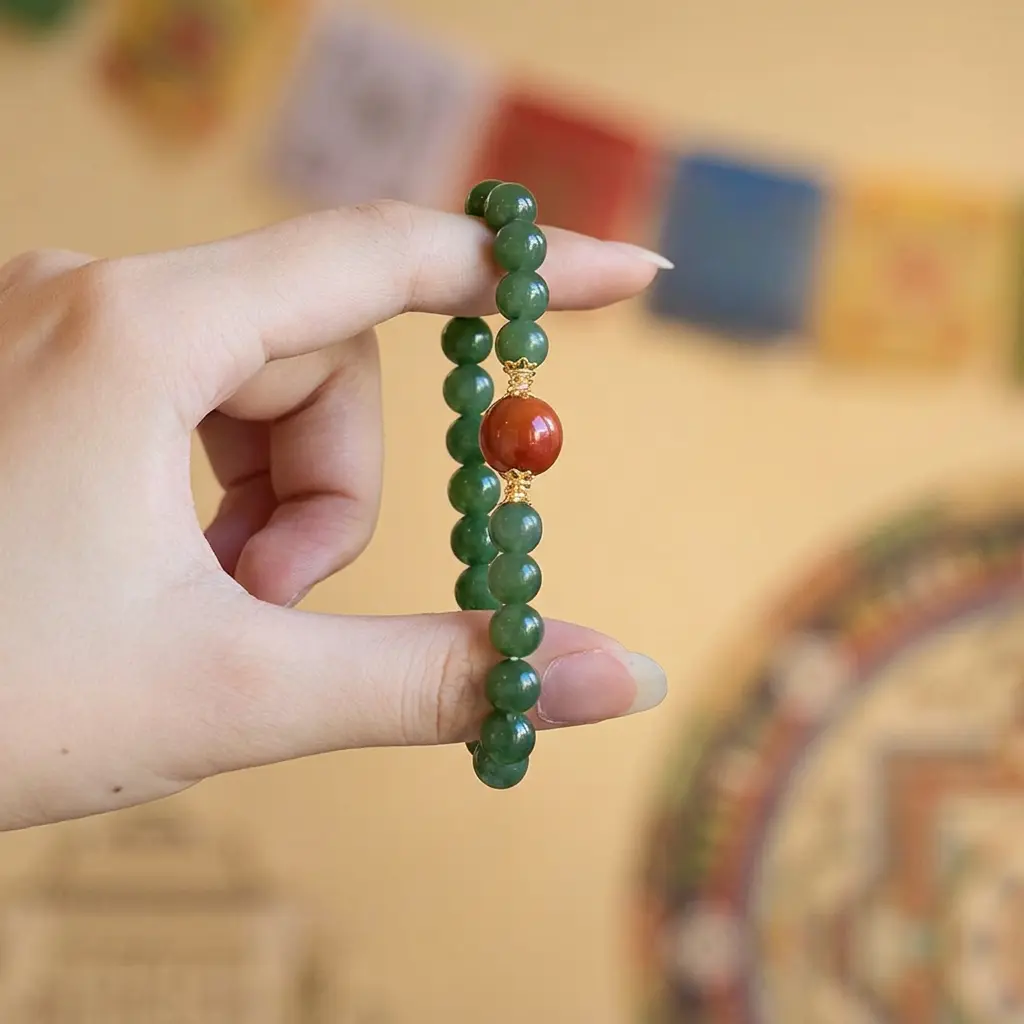
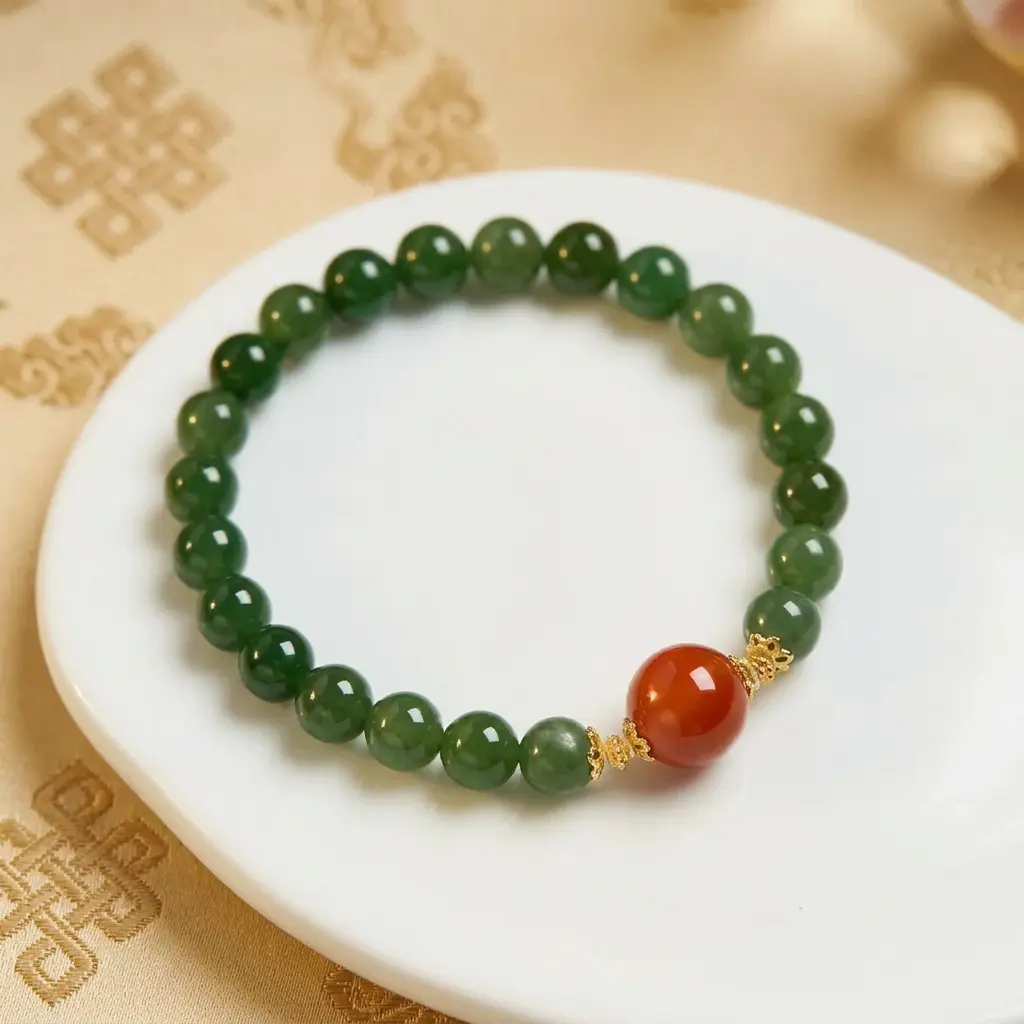
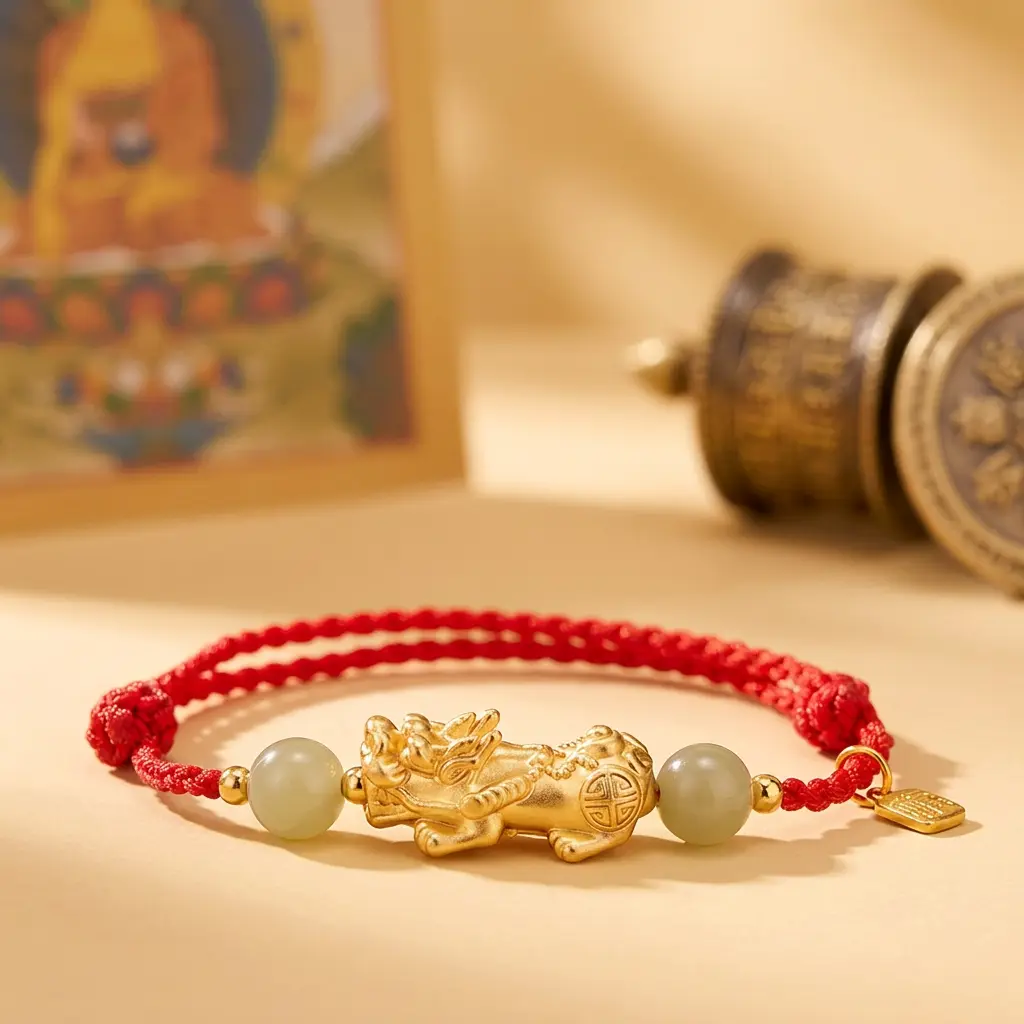
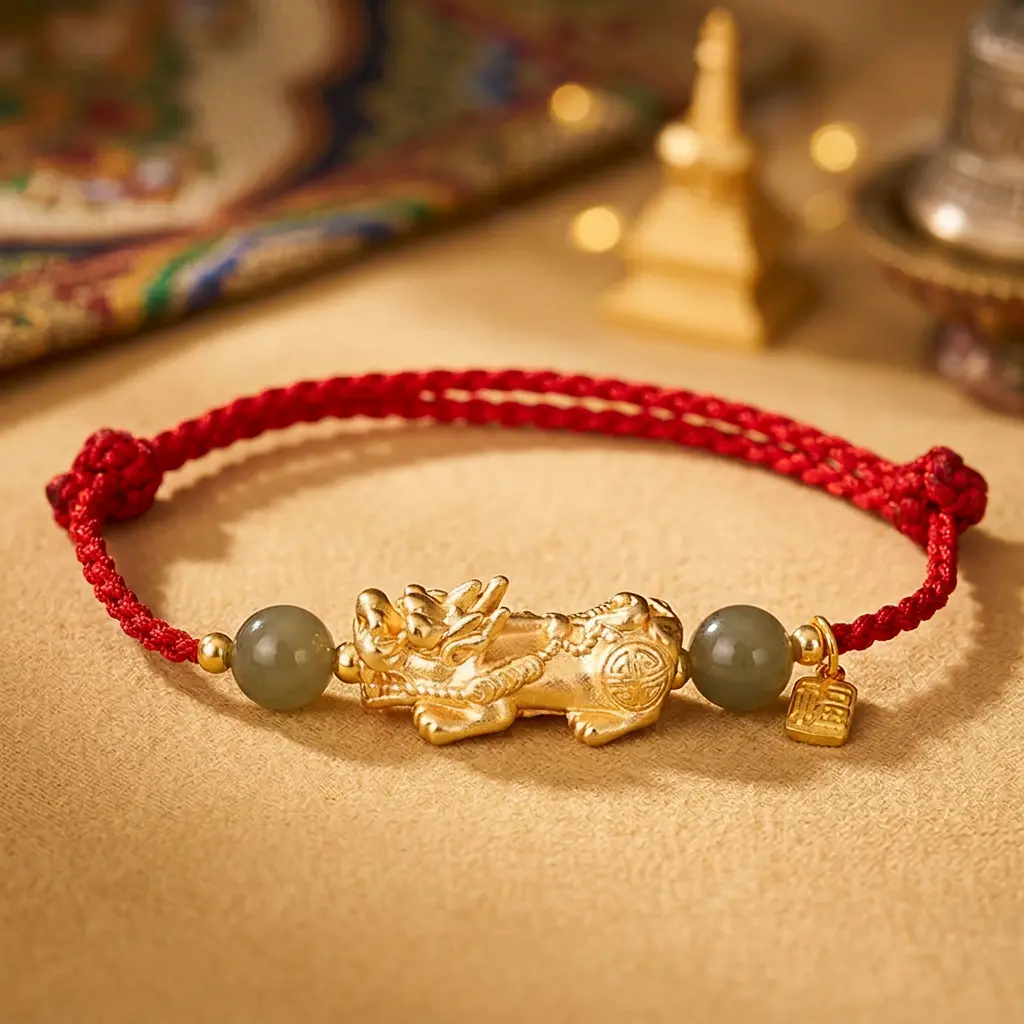
Many people like to keep this sense of calm close by wearing the stone. Our natural amethyst bracelet ($43.95) holds polished purple quartz in gentle skin contact all day, which is the simplest way to carry a calming intention with you rather than leaving a stone on a shelf.
What amethyst will not doAmethyst is a supportive, symbolic tool, not medicine. It will not cure anxiety, replace therapy, or heal a physical illness. We share this because trust matters more than a sale: use amethyst to support healthy habits, and see a qualified professional for any medical or mental health concern.
Is Amethyst Good for Anxiety and Sleep?
Amethyst is widely used for anxiety and sleep, though no clinical research proves it works. Health experts, including Healthline, note that its wellness claims are not backed by scientific study. In tradition, its calming presence makes it a common bedtime and mindfulness companion.
In our experience, customers rarely describe an instant effect. Most report a gradual, supportive shift over a few weeks of consistent wear, and the real value often comes from the ritual itself: pausing, breathing, and setting an intention. Treat that honestly, and amethyst becomes a helpful anchor for calmer habits rather than a quick fix.
What Does Amethyst Do Spiritually?
Spiritually, amethyst is believed to raise awareness, deepen intuition, and offer protection from negative energy. Crystal practitioners consider it a high-vibration stone, which is why it appears so often in meditation and Reiki practice. It is associated with inner stillness and a sense of connection to something larger than daily worries.
This spiritual reputation flows directly from the energy centers amethyst is linked to, which brings us to the chakras.
What Chakra Is Amethyst For?
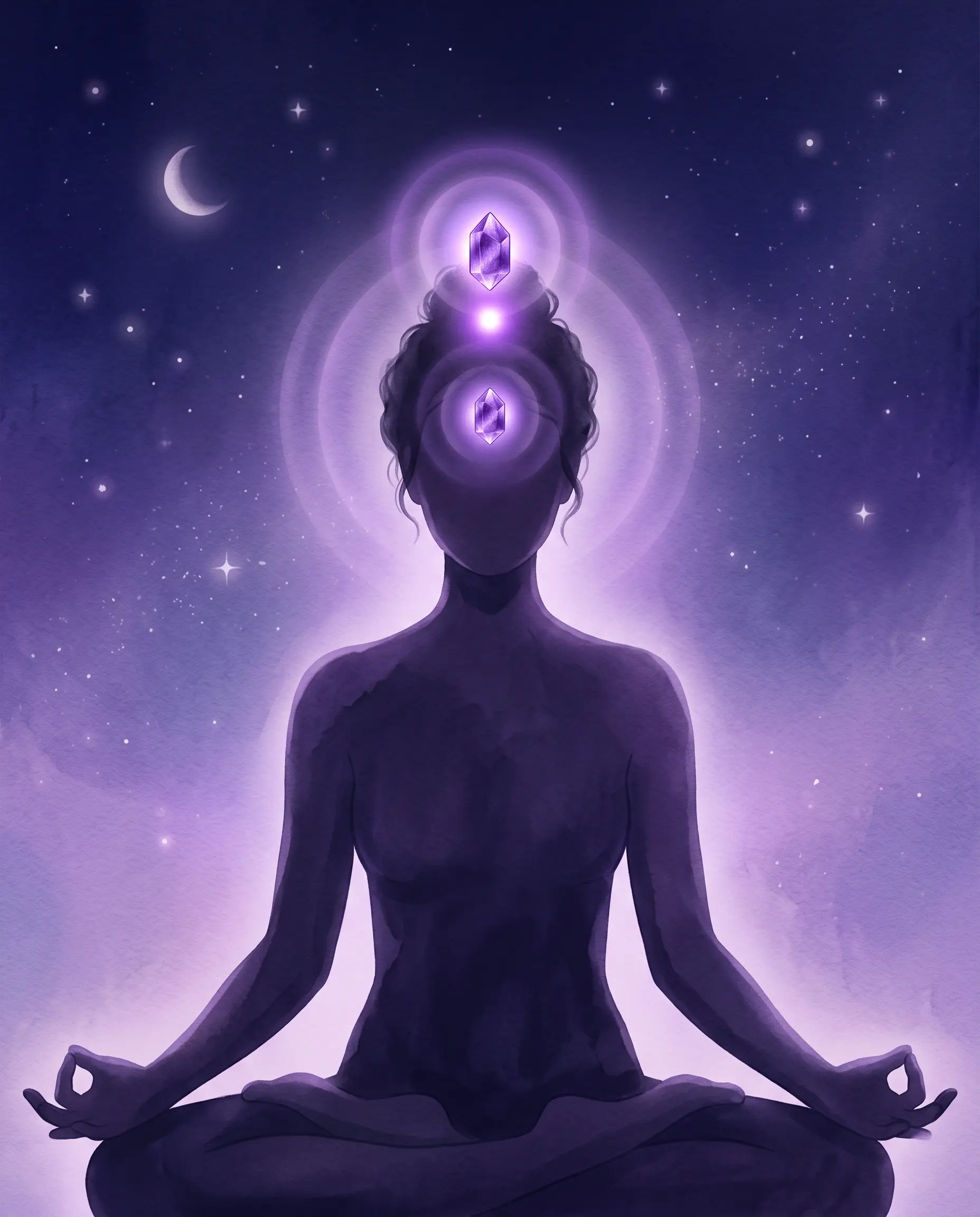
Amethyst is the classic crown chakra (Sahasrara) stone, and it also works with the third eye chakra (Ajna). These two upper energy centers govern intuition, awareness, and a sense of spiritual connection, which is exactly why amethyst sits at the heart of so many meditation practices.
- Crown chakra (Sahasrara): connection, stillness, and higher awareness.
- Third eye chakra (Ajna): intuition, insight, and mental clarity.
If you want to understand how these centers fit together, our complete 7 chakras guide walks through all seven. For balancing every center at once, a 7 chakra stones bracelet ($23.77) pairs amethyst at the crown with a stone for each of the others, an easy start when you are not sure where to focus.
Amethyst and the Crown Chakra
The crown chakra sits at the top of the head and represents connection, stillness, and higher awareness. Amethyst’s violet color matches the traditional color of this center, which is why the two are so closely paired. Working with the crown chakra is believed to quiet mental noise and open a sense of calm perspective.
To try a simple placement, lie down comfortably, rest an amethyst point just above the crown of your head, and breathe slowly for 5 to 10 minutes. Keep the session short and unforced; the goal is a settled mind, not a marathon.
Amethyst and the Third Eye Chakra
The third eye chakra sits between the brows and is linked to intuition, insight, and mental clarity. Amethyst is thought to support the third eye by sharpening intuition and calming the mental chatter that clouds focus. This pairing is popular with anyone who meditates to think more clearly.
A common method is to rest a small tumbled amethyst on your brow for 5 to 10 minutes during quiet meditation. Many people find this helps them feel centered before study, journaling, or decision making.
How to Use This Stone at Home and in Meditation
The easiest ways to use amethyst are to wear it as jewelry, place a cluster in your home, or hold a piece during meditation. Each approach suits a different goal, and you can combine them. The key is to keep the stone somewhere you will actually notice and use it.
Wearing Amethyst Jewelry vs. Home Placement
Wearing amethyst keeps its energy with you all day, while home placement turns a room into a calmer space. A bracelet or pendant offers constant skin contact and travels everywhere you go. A geode or cluster creates a larger, stationary presence you can build a room around.
Where you place it can match your intention: a bedside stone for restful sleep, a desk piece for focus, or an entryway cluster in Feng Shui to invite a calmer home. An amethyst crystal tree ($53.95) works well on a nightstand or desk, adding a calm focal point that doubles as decor. In our workshops near the Himalayas, practitioners often keep a small stone resting in the palm during seated meditation, a simple habit anyone can copy.
Amethyst as a February Birthday and Zodiac Gift
Amethyst is the February birthstone and is traditionally linked to Pisces and Aquarius, which makes it a thoughtful gift for late-winter birthdays. Because February also brings Valentine’s Day, one amethyst piece can cover a birthday and a romantic occasion at the same time.
If you are choosing a gift and worried about getting it wrong, amethyst is a safe pick. It suits every zodiac sign, carries a gentle and universally liked meaning, and needs no special knowledge to enjoy. For more on the tradition, see our February birthstone guide.
How Do You Cleanse and Care for Amethyst?
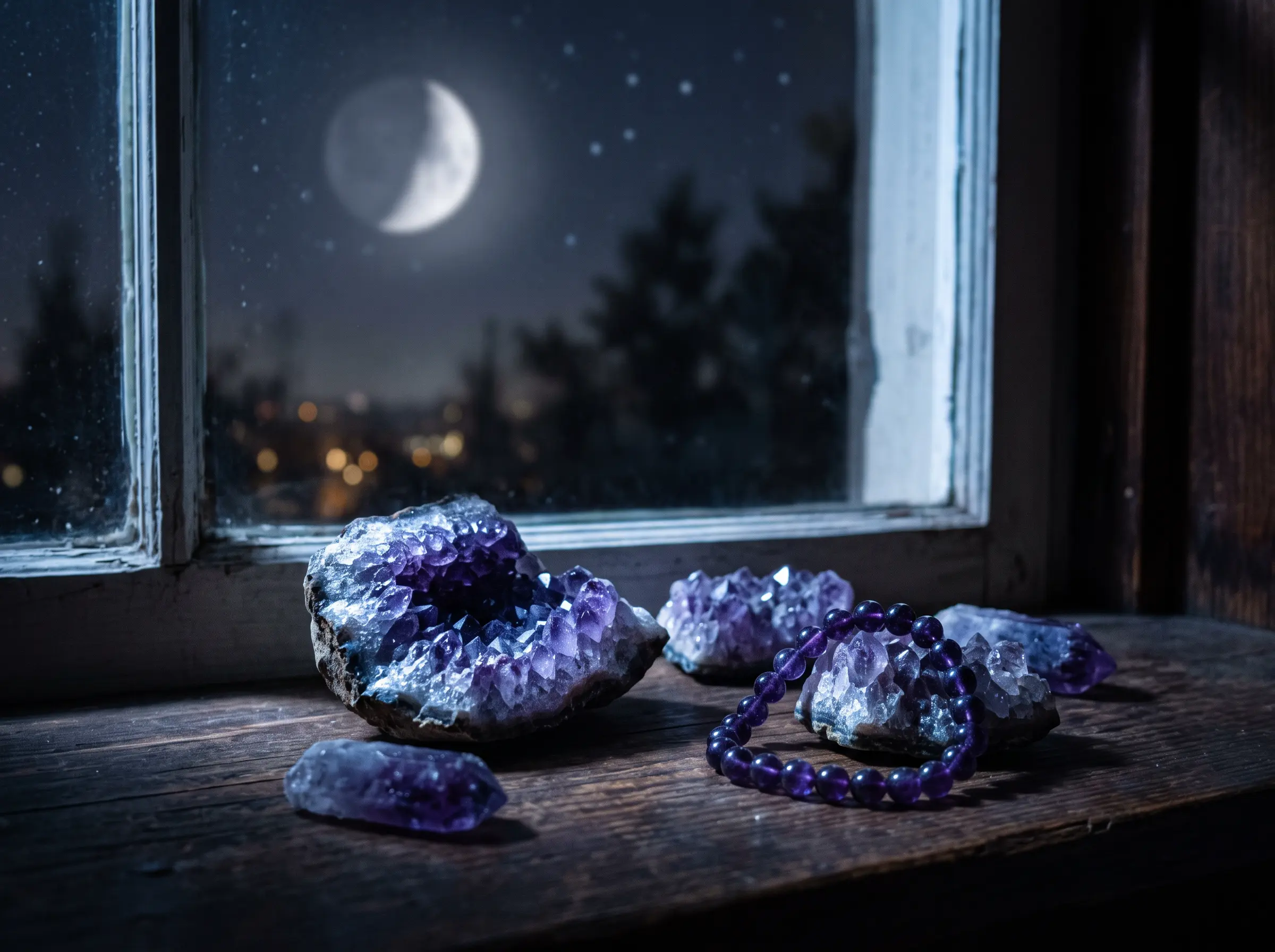
To cleanse amethyst, refresh its energy with one of these safe methods, then recharge it under moonlight. Regular cleansing is believed to clear the stagnant energy your stone gathers through daily use. Choose whichever method fits your routine:
- Running water: rinse briefly under cool water for 30 to 60 seconds, then pat dry.
- Moonlight: leave it on a windowsill overnight, ideally around the full moon.
- Sage or incense smoke: pass the stone through the smoke for about 30 seconds.
- Sound: ring a singing bowl or bell near it for 1 to 2 minutes.
- Selenite: rest it on a selenite plate for a few hours.
Care matters as much as cleansing, because amethyst’s color is more delicate than its hardness suggests:
| Method | Safe for amethyst? | Why |
|---|---|---|
| Brief water rinse | Yes | A Mohs hardness of 7 resists water damage |
| Moonlight charging | Yes | Gentle, and will not affect the color |
| Prolonged salt-water soak | Avoid | Can damage metal settings and porous inclusions |
| Direct, prolonged sunlight | Avoid | UV light slowly fades the purple color |
If you wear amethyst daily, cleanse it about once a week. For a routine that covers all of your stones at once, see our guide on how to cleanse and charge crystals.
Can Amethyst Go in Water?
Yes, amethyst can go in water briefly, because its Mohs hardness of 7 makes it resistant to short water contact. A quick rinse is fine, but skip long soaks and salt water, which can loosen settings and dull the surface over time. Always dry the stone afterward, and take beaded jewelry off before showering or swimming to protect the string and any metal parts.
How Can You Tell If Amethyst Is Real?
You can spot real amethyst by its uneven color zoning, its hardness, and its cool temperature. Natural stones show color that shifts within the crystal, while dyed glass or plastic often looks too perfectly uniform. Genuine amethyst also scratches glass but resists scratching itself, thanks to its hardness of 7, and it feels cool to the touch and warms up slowly.
One honest caveat: glass imitations frequently contain tiny trapped air bubbles, so a loupe can help. Keep in mind that some natural amethyst is heat-treated to improve color, which is a standard industry practice and still counts as a genuine, natural stone.
Find Your Amethyst
Explore PotalaStore’s collection of crystal bracelets and amethyst pieces, sourced from trusted workshops and ready to gift or keep.Shop Crystal Bracelets →
Frequently Asked Questions
Which zodiac is amethyst for, and who should wear it?
Amethyst is gentle enough for everyone, so there are no traditional restrictions on who can wear it. It is most closely linked to Pisces and Aquarius and is February’s birthstone. Many people simply remove it before intense workouts or swimming to protect the stone.
Is amethyst a birthstone?
Yes. Amethyst is the official February birthstone, recognized by the Gemological Institute of America as the purple variety of quartz. That makes it a natural choice for a February birthday or a Valentine’s Day gift.
Does amethyst really work for anxiety?
There is no scientific proof that amethyst treats anxiety, and reputable sources like Healthline confirm the claims are unproven. Many people still find it a helpful calming anchor within a mindfulness routine, so use it as a supportive habit rather than a medical treatment.
How often should I cleanse my amethyst?
If you wear it daily, cleanse it about once a week using moonlight, sound, or a brief water rinse, and recharge it under moonlight rather than sun. You can shop gentle, ready-to-wear options in our crystal bracelet collection.
About this guide. Written and reviewed by the PotalaStore crystal team, drawing on more than a decade of direct sourcing from artisan workshops near the Himalayas. Gemological facts are checked against the sources listed below. Metaphysical and chakra descriptions reflect long-standing crystal tradition and are shared for educational and inspirational purposes only, not as medical advice.
📚 References
- February Birthstone and Amethyst Meaning: Amethyst as the purple quartz February birthstone, its Mohs hardness, and the Greek origin of its name. Gemological Institute of America (GIA)
- Amethyst Gemstone Facts: Chemistry, hardness, and how iron, trace elements, and natural irradiation create its color. International Gem Society (IGS)
- Amethyst Healing Properties (Wellness Perspective): An evidence-based look noting that amethyst’s healing claims are not supported by scientific research. Healthline
- Amethyst Mineralogy and Sources: Composition, color causes, global sources, and etymology of amethyst. Wikipedia