
Evil Eye vs Tibetan Protection Jewelry: Which Offers Stronger Spiritual Shielding?
 by Yang Tso
0 comments
by Yang Tso
0 comments
Still deciding between an evil eye bracelet and a Tibetan protection piece? Here’s the short answer: they don’t protect the same way — and knowing the difference will help you pick the one that actually fits your situation.
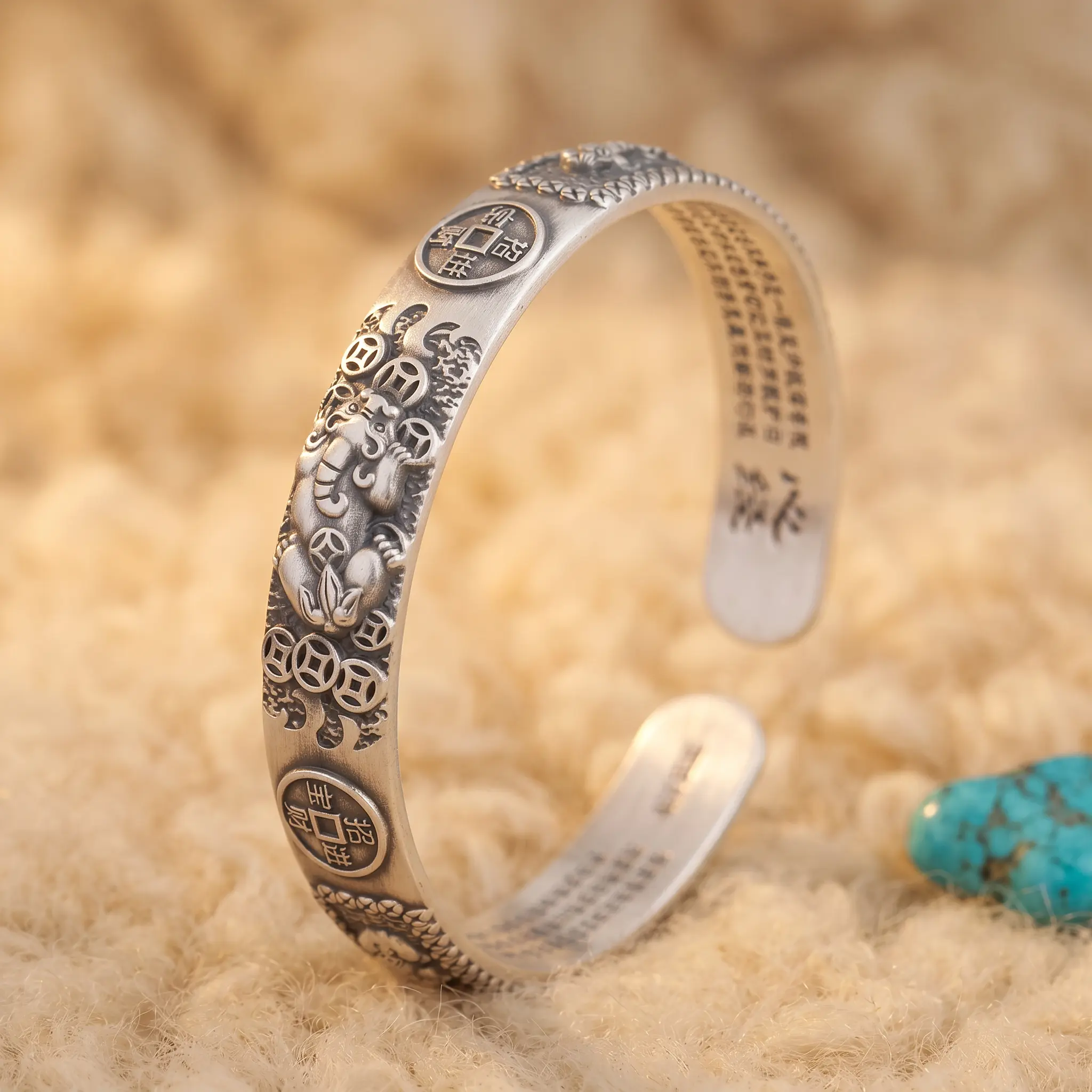
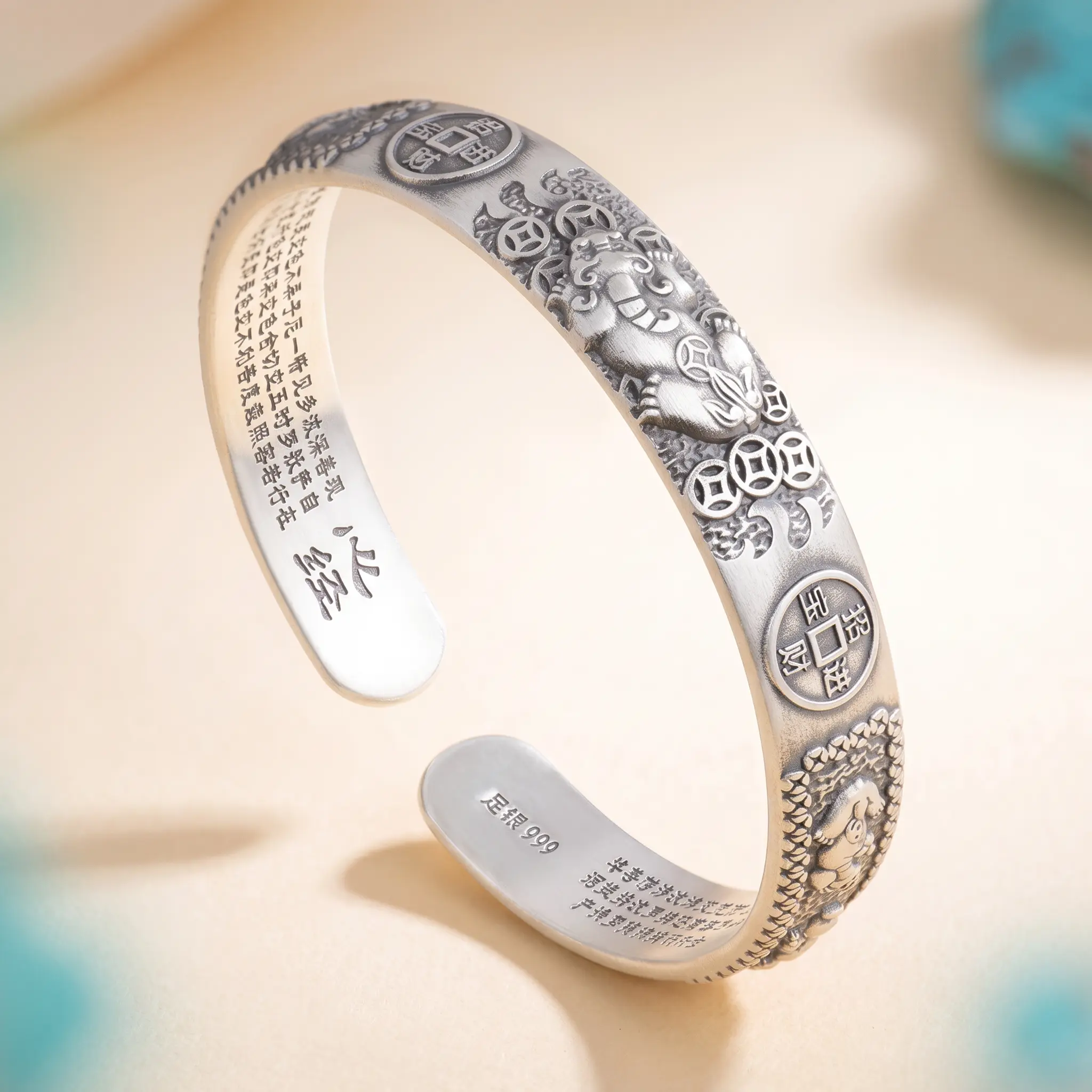
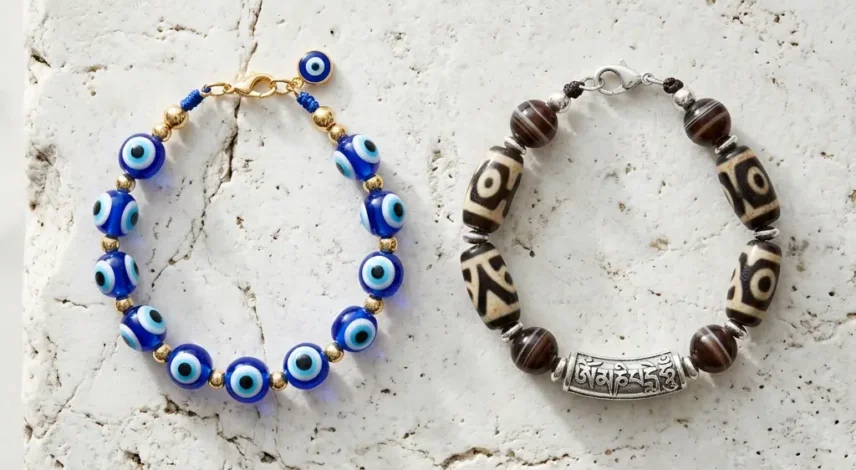
Evil eye jewelry and Tibetan protection jewelry both carry centuries of belief behind them, but their underlying mechanisms are completely different. Evil eye pieces — like the Turkish nazar bead or the Greek mati — are designed to deflect jealousy and malicious attention from others outward. Tibetan protection jewelry — dzi beads, mantra bracelets, red string pieces — works from the inside out, drawing on consecrated mantras and monastic blessings to shield your karma and spiritual energy.
At PotalaStore, we’ve sourced Tibetan jewelry directly through partnerships with Sera Jhe Monastery and Kopan Monastery for years. We’ve also written at length about how evil eye protection works — because our customers ask about both traditions constantly. What we’ve learned: neither is universally “stronger.” But one is almost certainly more right for your specific need.
⚠️ Important Note: The spiritual and energy properties described in this article are based on traditional beliefs and reported practitioner experiences — not scientific evidence. This content is for educational purposes only and does not constitute medical, psychological, or professional advice. Honor these traditions with the respect they deserve.
The Honest Answer: They Shield in Completely Different Ways
Evil eye jewelry deflects external threats — specifically the jealousy, envy, or ill will of others — by reflecting that energy back outward. Tibetan protection jewelry works by creating an internal energetic foundation through consecrated mantras, monastic blessings, and sacred symbols believed to support the wearer’s karma and spiritual alignment.
Think of it this way: the evil eye is a mirror, and Tibetan protection jewelry is a fortress built from the inside.
| Feature | Evil Eye Nazar / Mati | Tibetan Dzi / Mantra / Gau |
|---|---|---|
| Origin | Mesopotamia, c. 3,000 BCE; popularized across Mediterranean, Middle East, South Asia | Himalayan plateau; Vajrayana Buddhist tradition, c. 7th–13th century CE onward |
| Protection mechanism | Reflects the malicious gaze outward; traditionally believed to absorb a curse directed at the wearer | Inward fortification through consecrated mantras and monastic puja ritual; addresses karma and spiritual energy |
| Primary material | Blue-and-white glass (cobalt oxide fused in kiln); also copper, sterling silver | Dzi (agate), turquoise, coral, bodhi seed, yak bone, copper, sterling silver |
| Wearing side | Left wrist (Kabbalah tradition) or right wrist (some Mediterranean practices) — traditions vary | Left wrist (receiving hand in Vajrayana) for protection; right for sharing blessings |
| Best protection against | Envy, jealousy, malevolent gaze, ill will from others | Negative karma, spiritual misalignment, harmful energies on inner and outer levels |
| What breaking means | Traditionally: it absorbed a curse meant for you — replace it, say a word of gratitude | Traditionally: it completed its karmic purpose — treat it respectfully, wrap in white cloth, return to the earth |
| Cleansing / re-charging | Moonlight, sage smoke, running water | Singing bowl sound, mantra recitation, sunlight for non-turquoise pieces |
Ready to explore Tibetan protection jewelry?
Browse PotalaStore’s handcrafted collection — sourced directly from Himalayan artisans and monastery-blessed through traditional puja ritual.Shop Tibetan Protection Bracelets →
Evil Eye Jewelry — A 5,000-Year Mediterranean Deflection Talisman
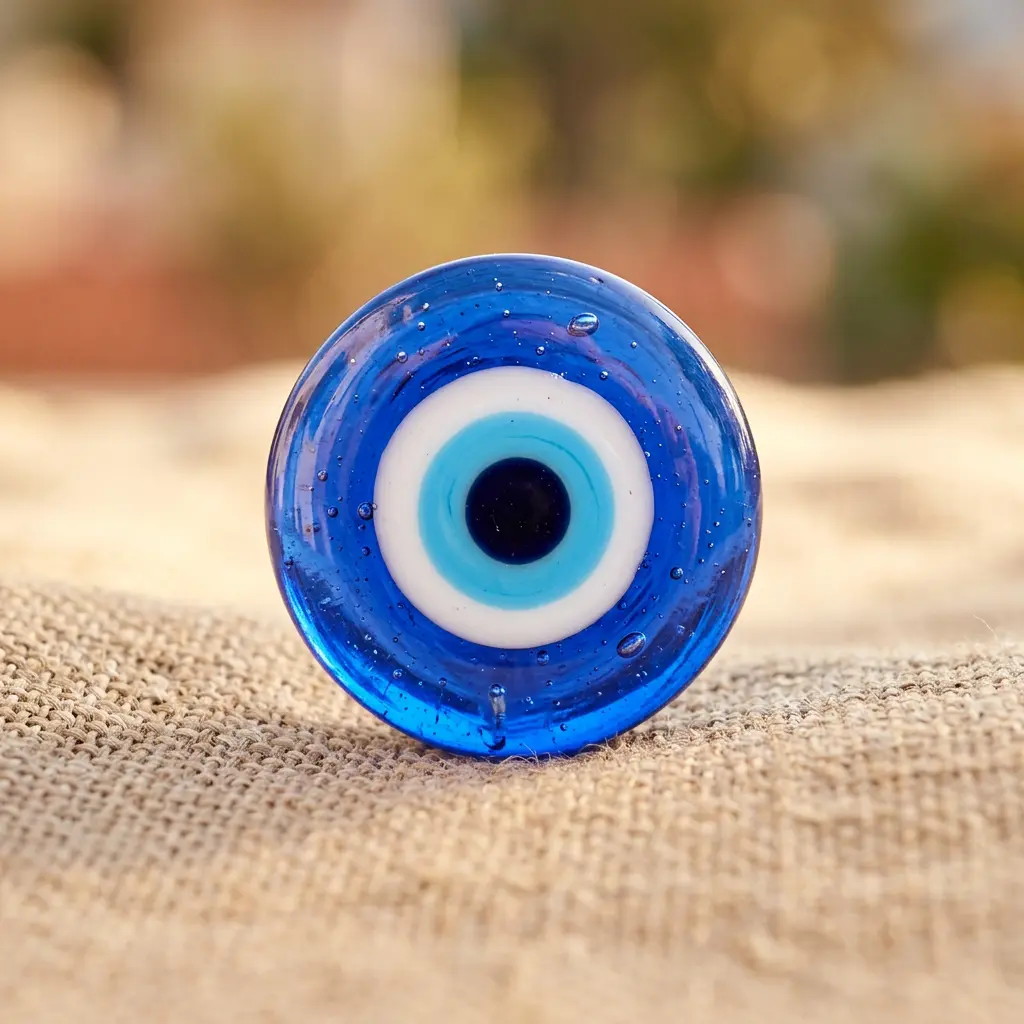
The evil eye belief complex traces back to Mesopotamia around 3,000 BCE — making it one of the oldest documented protective traditions in human history. From ancient Greece (where it was called mati) to Turkey (the iconic nazar boncuğu) to Latin America’s mal de ojo, the core idea is consistent: a jealous or admiring gaze can transfer harmful energy onto a person, animal, or object — and a protective amulet can intercept and deflect it.
Folklore scholar Prof. Alan Dundes of UC Berkeley documented that the evil eye is “an Indo-European and Semitic belief complex” rooted in Mediterranean and Middle Eastern cultures — distinct from Himalayan Buddhist protective traditions, which evolved from a separate cosmological framework altogether. Both are ancient. Both are serious about protection. But they’re answering different questions.
How the Nazar Works
The nazar bead — the blue-and-white concentric-circle amulet most people recognize — is crafted from glass fused with cobalt oxide, producing its signature deep blue color. Traditional Turkish artisans still hand-blow authentic nazar beads in kilns in Görece and Nazarköy. The concentric eye pattern is believed to stare back at whoever directs envy or ill will toward you, catching and neutralizing the energy before it reaches you.
Color carries meaning in this tradition. Dark navy blue provides protection against the evil eye itself. Light blue (or sky blue) offers broader spiritual protection and good fortune. Red evil eye pieces are associated with courage and keeping you safe from fear. White promotes purity and clarity. If your evil eye bracelet or pendant breaks suddenly, many practitioners interpret this as the piece having absorbed a curse on your behalf — a sign it did its job.
🔵 Dark blue: blocks the evil eye directly
☀️ Light blue: general luck and goodwill
❤️ Red: courage and personal protection
🤍 White: clarity and purity
For a deeper dive into colors, placement, and how to care for your evil eye piece, see our complete evil eye protection guide.
Tibetan Protection Jewelry — A Consecrated Ritual Instrument, Not Just an Amulet
The single biggest misunderstanding about Tibetan protection jewelry is that it functions like a lucky charm you pick off a shelf. It doesn’t — at least not when it’s authentic. Tibetan protective jewelry derives its power from the combination of sacred materials, symbolic geometry, and monastic consecration through puja ritual. This process transforms a physical object into what Tibetan Buddhist teaching considers a genuine protective support for the wearer’s karma and spiritual wellbeing.
Scholars at the Rubin Museum of Himalayan Art have documented that Tibetan protective amulets — known as sungwa or sungkhor — are “consecrated through contemplative ritual proceedings,” and have historically been used to protect against misfortune during travel, illness, harmful spirits, and spiritual obstacles. The mechanism isn’t symbolic decoration. It’s intention made physical through practice.
Dzi Beads — The Ancient Himalayan Eye
Dzi beads (pronounced “zee”) are among the oldest protective objects in the Himalayan tradition, with examples dated to approximately 2,000–3,000 years ago. Made from natural agate and etched with distinctive eye patterns, these beads are believed to attract positive energy and shield the wearer from negative forces and misfortune. The number of eyes on a dzi bead determines its specific protective function: a nine-eye dzi, for example, is associated with good fortune, merit accumulation, and protection from obstacles across nine directions.
Authentic antique dzi beads are extraordinarily rare and valuable. Modern handcrafted dzi — made by skilled Himalayan artisans using traditional methods — carry the same symbolic weight when properly consecrated. Learn more in our guide to dzi bead meaning and symbolism.
Mantra Bracelets — Om Mani Padme Hum and Green Tara
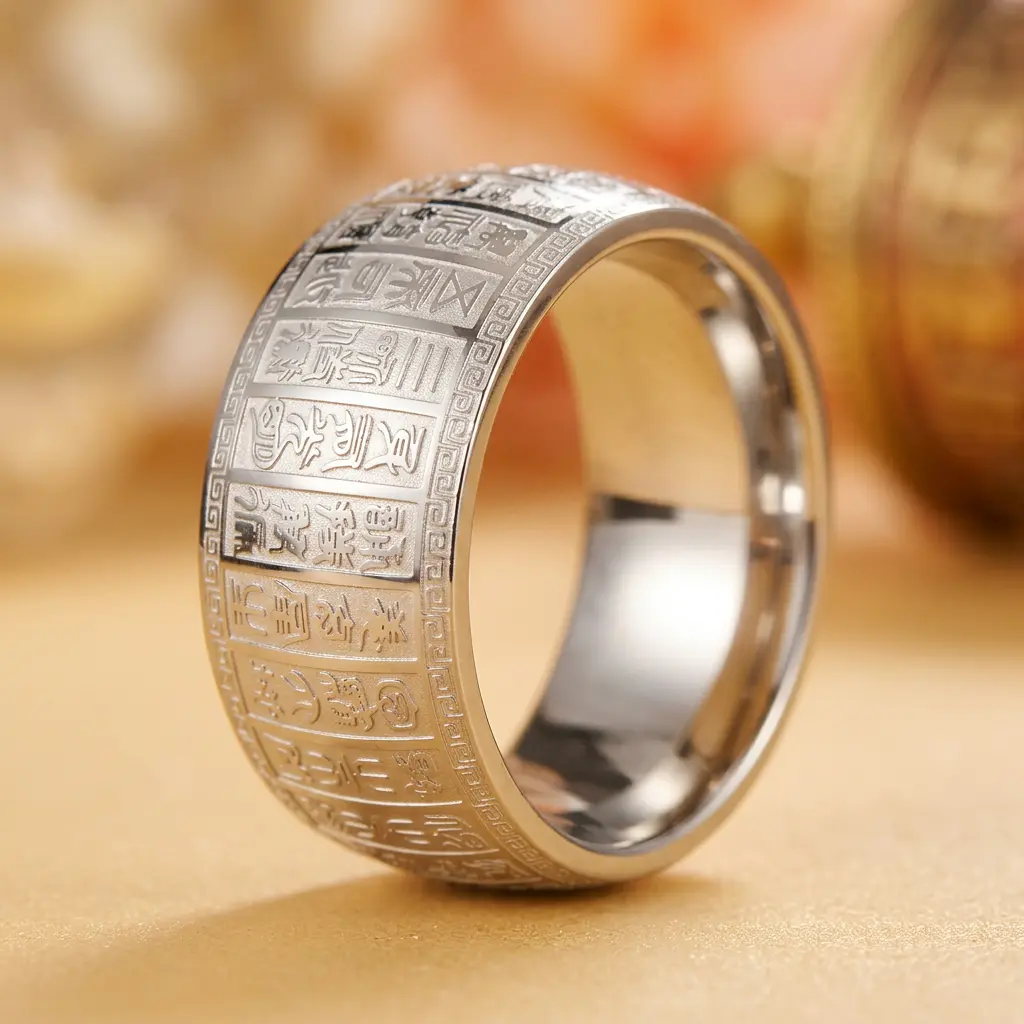
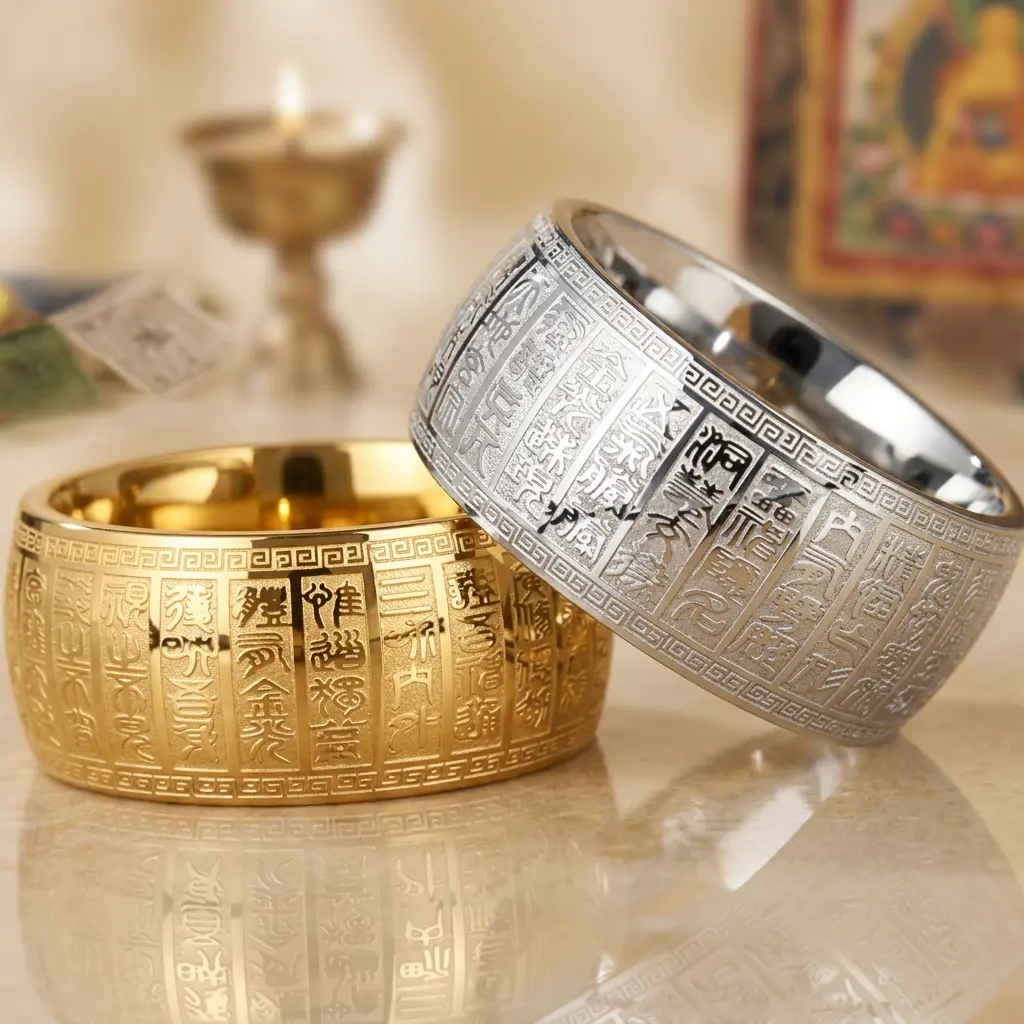
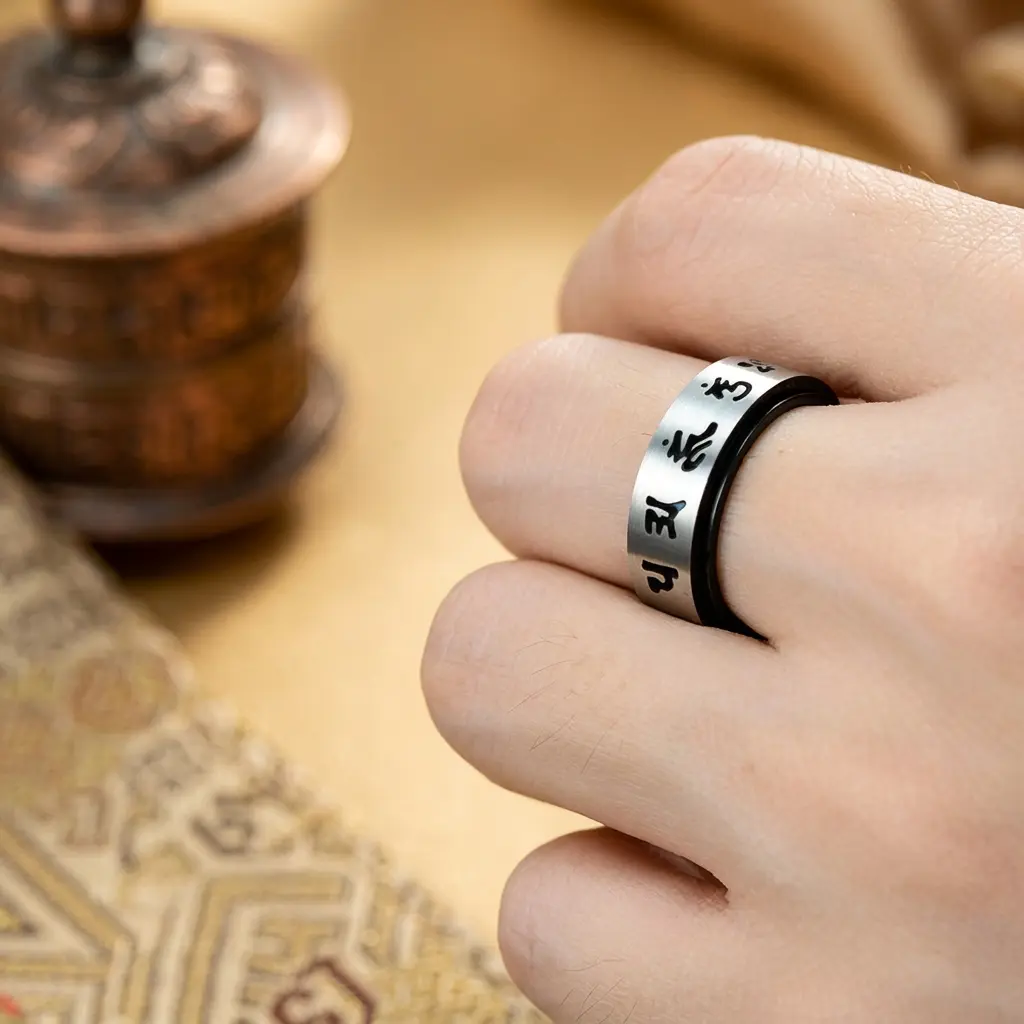
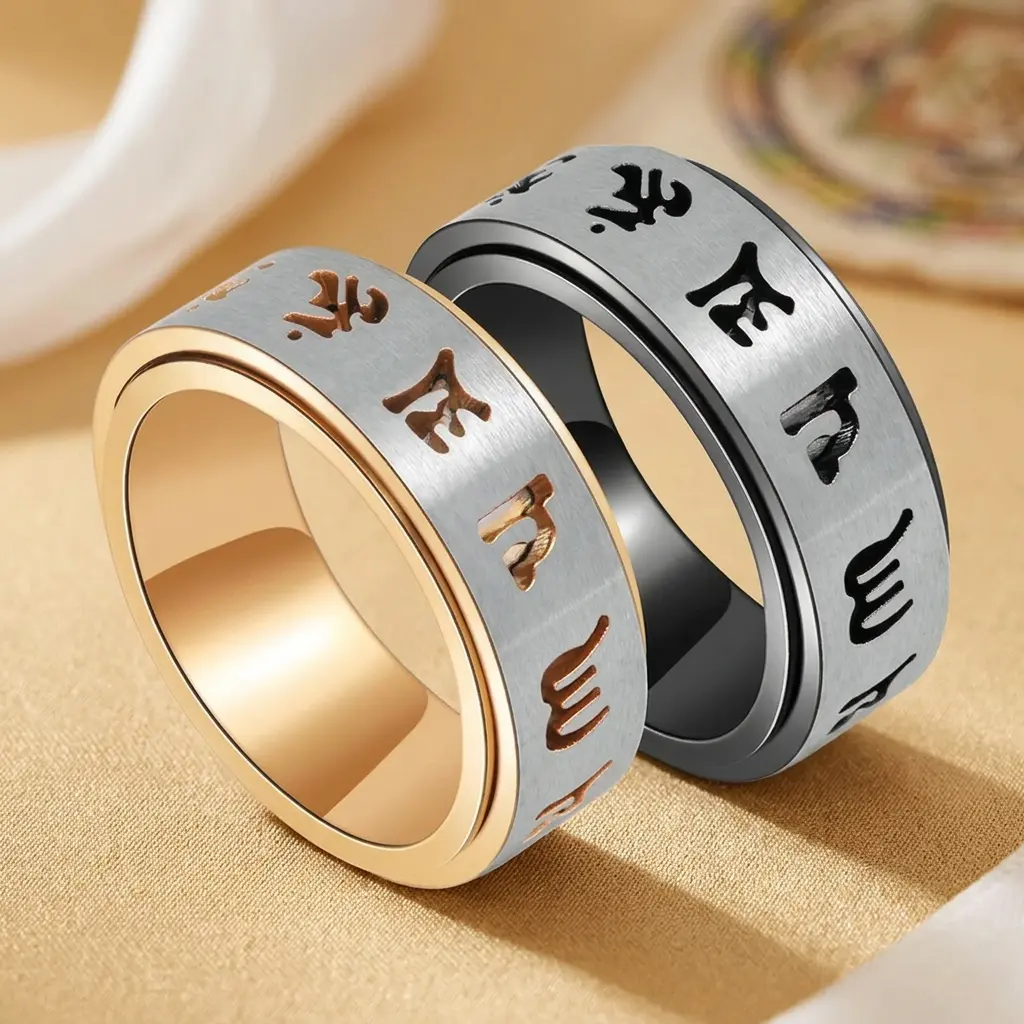
Om Mani Padme Hum is the six-syllable mantra of Avalokiteshvara (Chenrezig), the Bodhisattva of Compassion — and arguably the most widely used protective mantra in the Tibetan Buddhist tradition. Each of the 6 syllables is believed to purify one of the 6 realms of samsara, creating a field of protection around the practitioner that addresses their karma at its root. When this mantra is physically inscribed on sterling silver or copper and worn against the skin, practitioners believe the body becomes a moving mantra wheel.
Green Tara’s mantra — Om Tare Tuttare Ture Soha — is specifically invoked for protection from danger, fear, and obstacles during travel. Both mantras appear on bracelets, pendant tubes, and mala necklaces in our Tibetan collection.
Red String with Mantra Tube — The Bridge Between Traditions
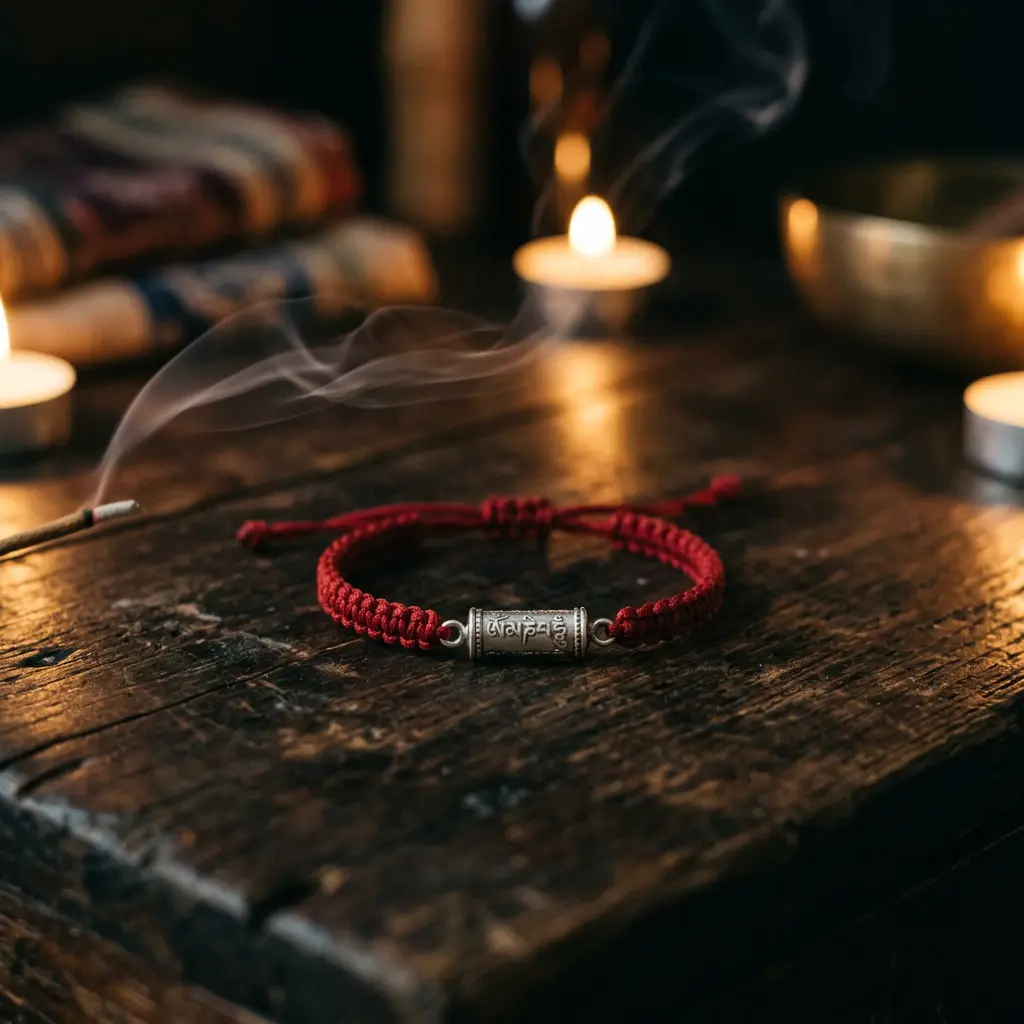
One of our most popular pieces at PotalaStore brings both traditions into a single bracelet: a red knotted string — blessed by monks and tied with the traditional Tibetan knot used in protective ceremonies — threaded through a sterling silver mantra tube inscribed with Om Mani Padme Hum. Interestingly, the red string itself appears in both Tibetan Buddhist and Kabbalistic evil-eye traditions, making this piece an authentic bridge between the two forms of protection. It’s monastery-consecrated through a traditional puja on the Tibetan side, while the red string visually resonates with evil-eye wearers transitioning to a deeper protective framework.
The Red String Mantra Bracelet — Where Both Traditions Meet
Handcrafted, monk-blessed, and inscribed with Om Mani Padme Hum. This is the piece we recommend most often to customers crossing over from evil eye jewelry.View the Om Mani Padme Hum Bracelet →
What a Broken Piece Actually Means — and Why the Two Traditions Disagree
This is the question no other comparison article addresses — and it’s one of the most emotionally loaded moments a jewelry owner faces. Your piece breaks. Now what?
In the evil eye tradition, a broken nazar or shattered evil eye bracelet is traditionally viewed as a positive sign: the piece absorbed an attack of jealousy or ill will that was directed at you. It sacrificed itself so you didn’t have to experience that harm. Many Mediterranean and Middle Eastern practitioners replace the broken piece with gratitude rather than distress. Some say a brief acknowledgment — “thank you for protecting me” — before disposing of the broken pieces in water or the earth is customary.
In the Tibetan tradition, a broken dzi bead or snapped mantra bracelet is also generally seen as neutral or positive: the piece has completed its karmic function. It absorbed or redirected the energy it was meant to address. Tibetan Buddhist practitioners traditionally wrap a broken sacred object in white cloth — never thrown carelessly in the trash — and eventually return it to the earth (burial), moving water (river or ocean), or give it back to a monastery for proper disposal through fire offering (sur). The key distinction from the evil eye tradition is that the Tibetan approach emphasizes the piece’s completion of a karmic cycle, not simply the blocking of an external threat.
Both traditions agree on one point: a broken protective piece should be replaced. The protection it offered has been spent.
Which One Is Right for You? A Practical Decision Guide
The right protective piece depends on what you’re actually trying to shield yourself from. Here’s a straightforward decision matrix built from both traditions’ documented protective strengths.
| Your Situation | Best Choice | Recommended Piece |
|---|---|---|
| Jealousy or envy from colleagues, peers, or family | Evil Eye | Dark blue nazar bracelet or pendant |
| Seeking inner calm, spiritual alignment, or mindfulness anchor | Tibetan | Om Mani Padme Hum mantra bracelet or mala |
| Protection during travel, relocation, or major life transitions | Tibetan | Dzi bead, gau box pendant, or Green Tara mantra piece |
| Bad luck streak, obstacles, or feeling energetically depleted | Tibetan | Nine-eye dzi bead or Tibetan red string (monk-blessed) |
| Gift for someone from a Mediterranean, Turkish, Greek, or Latin American background | Evil Eye | Nazar pendant or hamsa combination piece |
| Deepening a meditation or Buddhist practice | Tibetan | 108-bead mala or Tibetan copper mantra bracelet |
| Want both traditions together | Both (stack) | Red string mantra bracelet + nazar bead — a recognized modern hybrid |
Can You Wear Both Together?
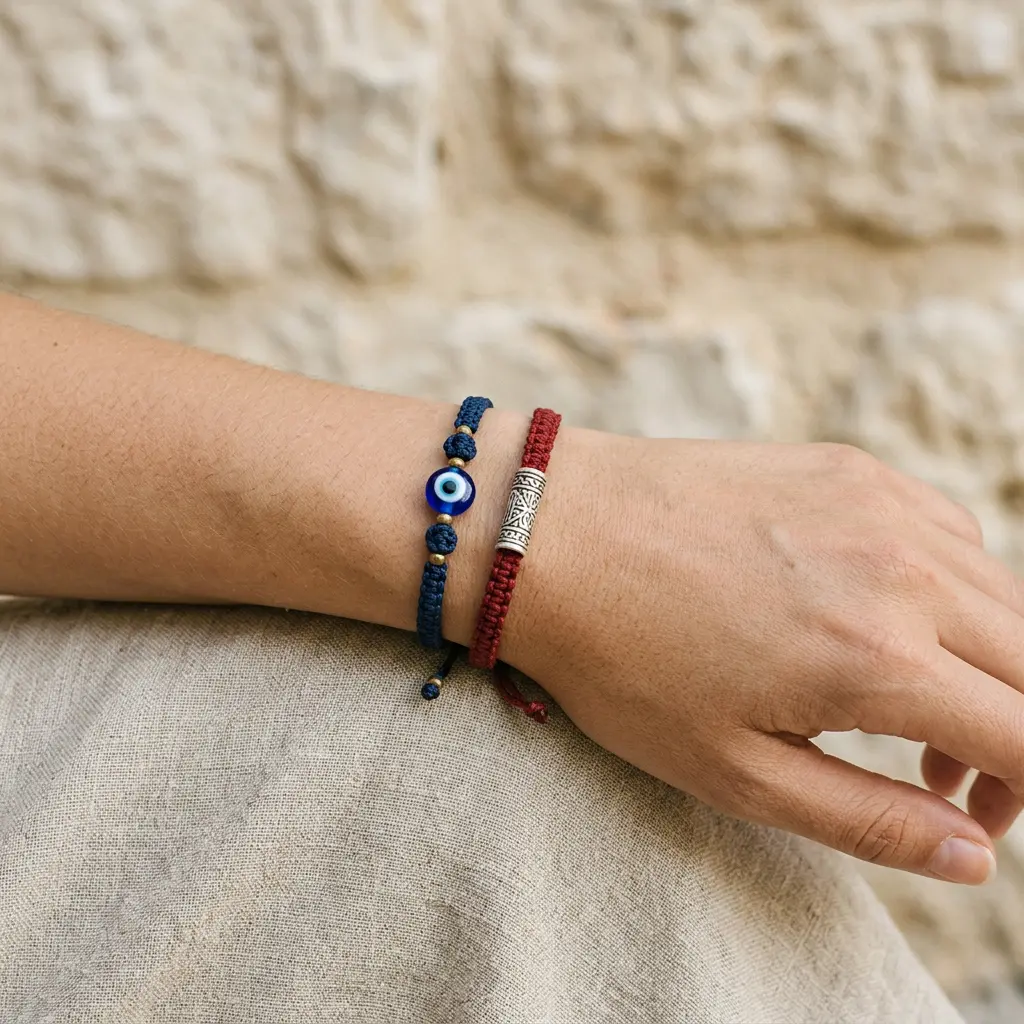
Yes — and it’s more common than you might think. The red string appears in both Tibetan Buddhism and the Kabbalistic evil-eye tradition, which has made combined stacking a natural evolution for people who resonate with both forms of protection. The main guideline we share with customers: don’t stack so many pieces that intention becomes diluted. Choose each piece consciously. One evil eye piece paired with one Tibetan mantra bracelet is a powerful, intentional combination. Five randomly chosen “protection” pieces worn together without clear intention tends to be more aesthetic than protective.
For guidance on what your Tibetan bracelet colors and symbols actually mean before you stack, that’s a useful starting point.
How to Tell Monastery-Blessed from Mass-Produced — What Most Sellers Won’t Tell You
The spiritual protection conversation has a problem: most “Tibetan” and “evil eye” jewelry on the mass market was never consecrated, never sourced from its tradition, and was manufactured in factories with no connection to the lineages they invoke. This matters — not just ethically, but practically if you believe in the mechanism.
Here’s what separates authentic Tibetan protection jewelry from imitation:
- Provenance matters more than appearance. A genuine monastery-blessed piece will have documentation of the puja ritual it passed through — or the seller will be able to describe the consecration process specifically. Vague language like “energized” or “charged” with no further detail is a red flag.
- Dzi bead authenticity has physical markers. Authentic dzi beads (including quality modern handcrafted ones) have a characteristic waxy, slightly porous surface texture distinct from glass or plastic imitations. Antique dzi typically show natural wear patterns that cannot be replicated. Our detailed guide to dzi bead symbolism and how to evaluate authenticity walks through this in full.
- The monastery connection should be specific. PotalaStore works with Sera Jhe Monastery (one of the three great Tibetan Gelug monastic universities, now in Bylakuppe, India) and Kopan Monastery in Nepal. Our founder Yang Tso has visited both monasteries personally. The 3-day puja consecration our pieces receive isn’t marketing language — it’s a specific ritual process. Any seller worth trusting can tell you exactly who blessed the piece and how.
- Artisan sourcing supports living traditions. PotalaStore contributes 10% of proceeds to the Tibetan Artisan Community Fund — because authentic pieces come from real artisans whose craft is part of the living tradition, not from anonymous factories.
For evil eye pieces: authentic Turkish nazar beads are hand-blown glass. The concentric eye pattern should show slight variation — a sign of handwork, not machine uniformity. Mass-produced plastic or low-quality resin pieces lack the weight, translucency, and detail of genuine glass nazar.
We’ll be direct: we’re stronger on the Tibetan side than on traditional Mediterranean evil eye pieces. If your primary interest is an authentic Turkish nazar, seek a specialist in that tradition. If you want Tibetan protection — or a Tibetan-rooted alternative to evil eye jewelry — that’s where our depth and relationships are.
A note on spiritual claims: Everything described above about protective mechanisms reflects traditional belief systems — Tibetan Vajrayana Buddhism, Mediterranean folk traditions, and Kabbalistic practice. These are sincere, ancient traditions deserving of respect. They are not peer-reviewed medical claims. Wear what resonates with your values and tradition. Neither piece is a substitute for professional support when you need it.
Frequently Asked Questions
Yes. Many people combine a red string Tibetan mantra bracelet with an evil eye bead — the red string itself appears in both traditions, making this a natural pairing. The key is intentionality: know why you’re wearing each piece. One or two well-chosen pieces worn with clear purpose are more meaningful than a pile of randomly combined amulets.
The closest Tibetan equivalent is the dzi bead — specifically the one-eye or nine-eye dzi, which is believed to absorb and neutralize negative energy directed at the wearer. However, dzi beads function through a different mechanism: consecrated mantra and karmic protection, not reflective deflection. A monk-blessed red string bracelet inscribed with Om Mani Padme Hum is another common Tibetan protective piece that parallels the evil eye’s wearable-protection function.
In the evil eye tradition, a broken bracelet or shattered nazar bead is traditionally interpreted as a positive sign: the piece absorbed an attack of jealousy or ill will directed at you. It protected you by taking the impact itself. Dispose of the broken pieces respectfully — in running water or the earth — and replace the piece. It’s considered bad luck to wear a broken evil eye piece.
Tibetan Buddhist teachers generally welcome people of any background wearing Tibetan protective jewelry — provided it is worn with respect for the tradition it comes from. The intention and sincerity of the wearer matter in most practitioners’ understanding. What’s not appropriate is wearing a monastery-blessed piece as pure fashion with no awareness of its origin. If you’re drawn to the tradition, take a few minutes to learn what your piece represents — it deepens the experience and honors the lineage.
Shop PotalaStore’s Tibetan Protection Collection
Every piece is handcrafted by Himalayan artisans and monastery-consecrated through traditional puja ritual at Sera Jhe or Kopan Monastery. Discover dzi beads, mantra bracelets, red string pieces, and more.Browse All Tibetan Protection Jewelry → Explore Dzi Beads →
📚 References
- The Evil Eye — History and Cultural Context: Encyclopædia Britannica’s scholarly overview of the evil eye belief complex, its origins in Mesopotamia and Greece, and its spread across Mediterranean, Middle Eastern, and South Asian cultures. Britannica — Evil Eye
- Tibetan Protective Amulets — Gau Box and Consecration Ritual: Academic essay by James Gentry (Stanford University) for the Rubin Museum of Himalayan Art’s Project Himalayan Art, documenting the role of sungwa and sungkhor in Tibetan protective practice and the structure of monastic consecration. Rubin Museum — Amulet Box (Gau) with Its Contents
- Evil Eye Scholarship — Alan Dundes: Interview with Prof. Alan Dundes (University of California, Berkeley), editor of The Evil Eye: A Casebook, on the geographic and cultural boundaries of the evil eye belief complex. Cabinet Magazine — The Evil Eye: An Interview with Alan Dundes
- Himalayan Jewelry Traditions — Smithsonian: The Smithsonian National Museum of Asian Art’s collections and educational resources on Himalayan art, amulets, and Buddhist material culture in Tibet and Nepal. Smithsonian National Museum of Asian Art