
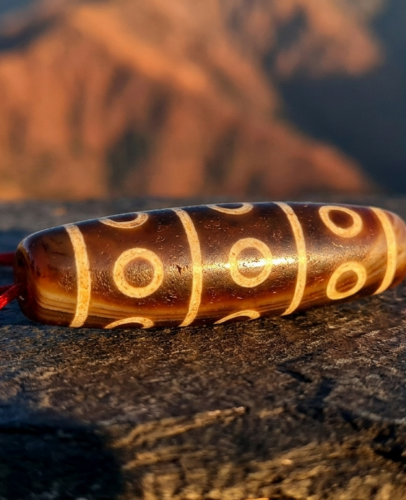
Dzi Bead Eye Meanings: 1-Eye to 21-Eye Guide
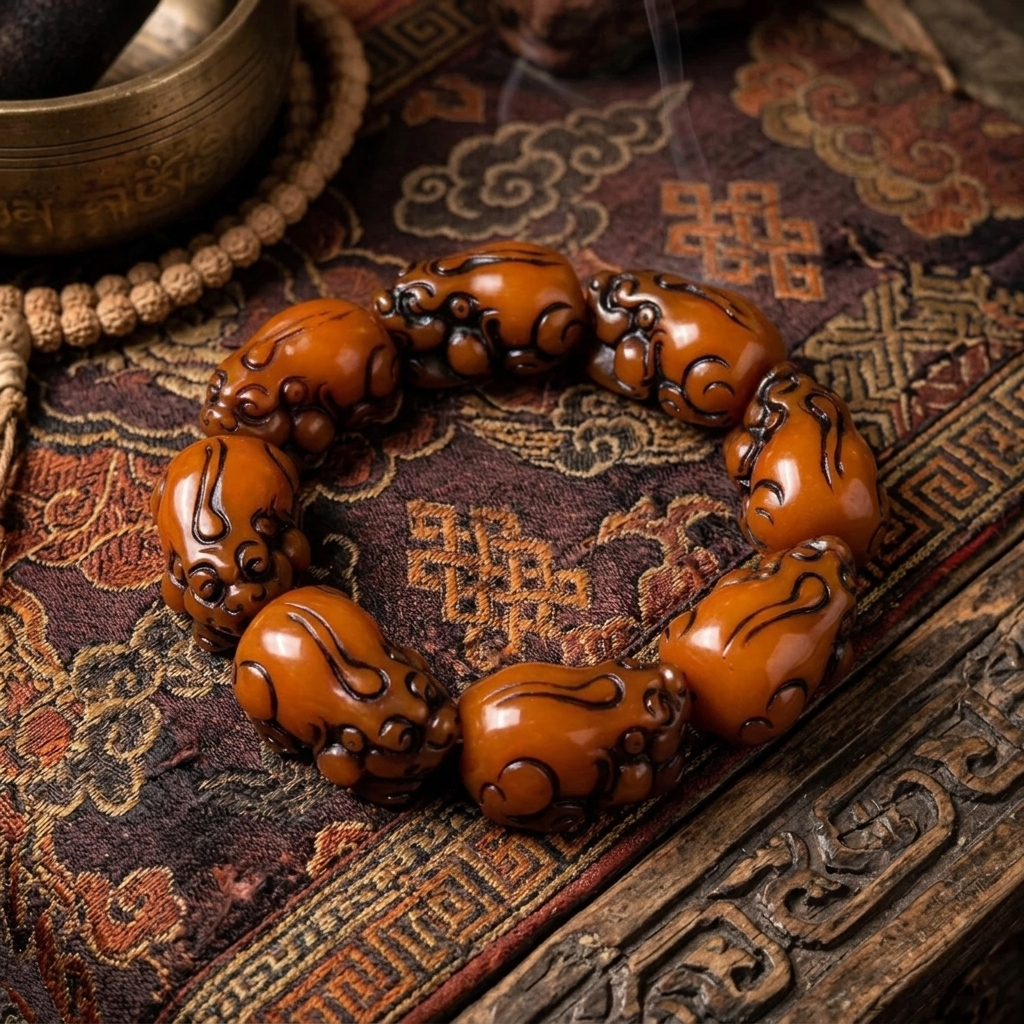
The eyes on a dzi bead are etched circles, and the number of circles signals the meaning Tibetan tradition attaches to that bead. One eye is traditionally linked to clarity, three to wealth and health, six to the Om Mani Padme Hum mantra, and nine to complete blessing. Dzi beads (Tibetan gzi, also called tian […]
Read more
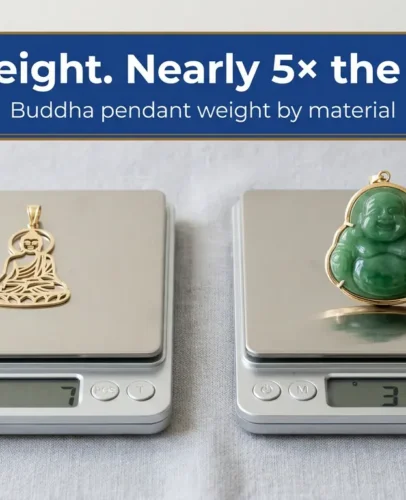
Compare Buddha Pendant Sizes, Dimensions, and Weight: A Measured Chart by Material
Two Buddha pendants can stand nearly the same height, 2.2 and 2.3 inches (56 and 58.6 mm), and weigh about 7 grams and 33.6 grams. Swap the first for a 1.6-inch (41 mm) gold relief and the gap hits ten times: 3.37 grams against 33.6. Photos hide scale, and many listings give millimeters but not […]
Read more
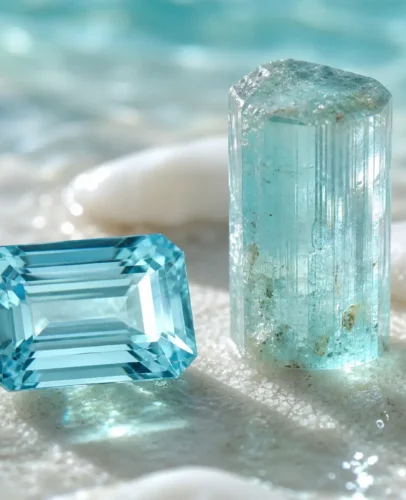
March Birthstone: Aquamarine Meaning Explained
Aquamarine is the March birthstone, a sea-blue variety of beryl that tradition links to calm, courage, and clear communication. If you were born in March, or you are buying for someone who was, you likely want three answers fast: what the gem means, why it is that soft blue, and whether it holds up to […]
Read more
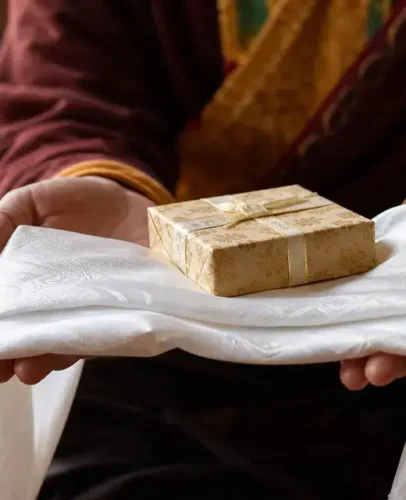
How Tibetans Present Gifts: Khata, Colors and Numbers That Matter
In the U.S., 13 is unlucky and a scarf is an accessory. In Tibetan tradition, 13 counts as a sacred number. And a white khata (a Tibetan ceremonial scarf, also spelled katak or khatag) can say more than a card. Here is the short version. Fold the khata lengthwise. Offer it with both hands. Place […]
Read more