
What’s the Difference Between Buddhist Charms and Pendants?
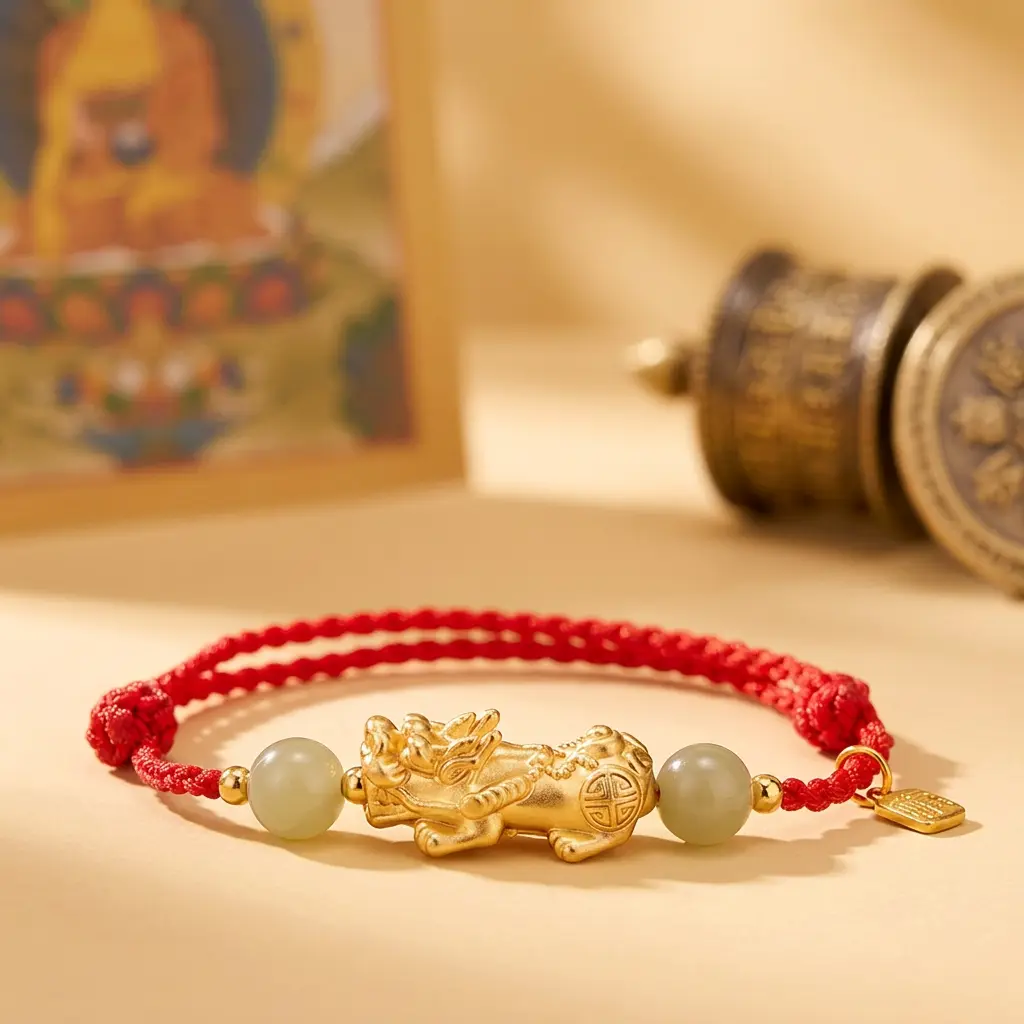
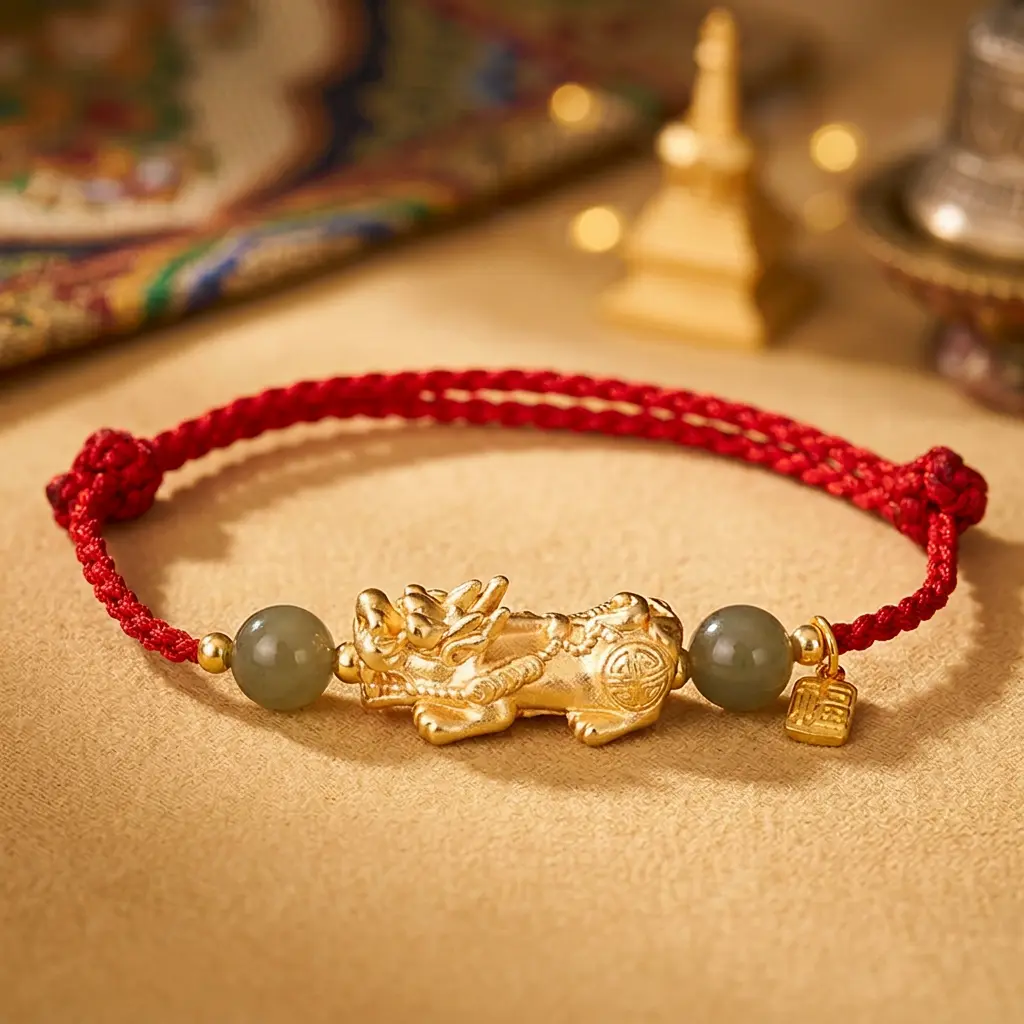
Seeing the same Buddha sold as a “charm” in one shop, a “pendant” in another, and an “amulet” in a third? Here is the short answer. A Buddhist pendant is a single focal piece that hangs from a necklace, while a Buddhist charm is a smaller accent worn on a bracelet, a red string, or […]
Read more
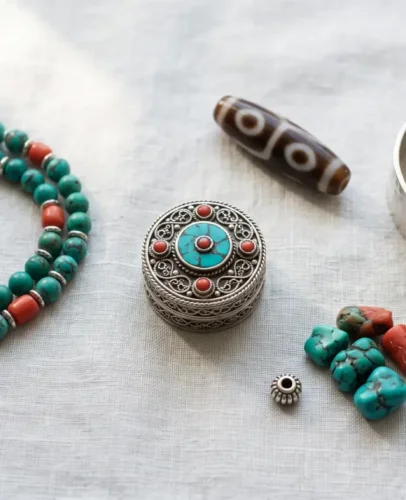
Tibetan Buddhist Jewelry: Meaning, Symbols and How to Choose Authentic Pieces
Two Om pendants can look identical online, one priced at $12 and one at $120. The gap is rarely spiritual. It is usually the metal, the stone, and how honestly the seller labels both. Tibetan Buddhist jewelry includes prayer beads (malas), amulet boxes, and silver, turquoise, coral, and dzi pieces that carry sacred symbols. Its […]
Read more
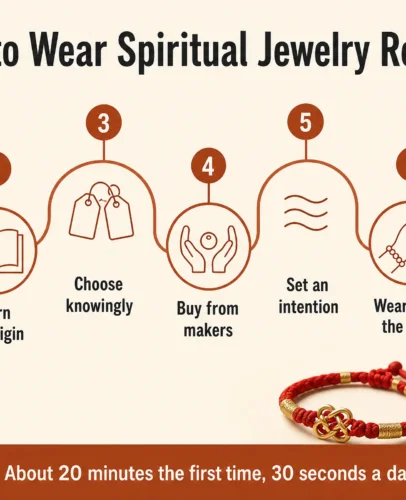
How to Wear Spiritual Jewelry Without Being Religious
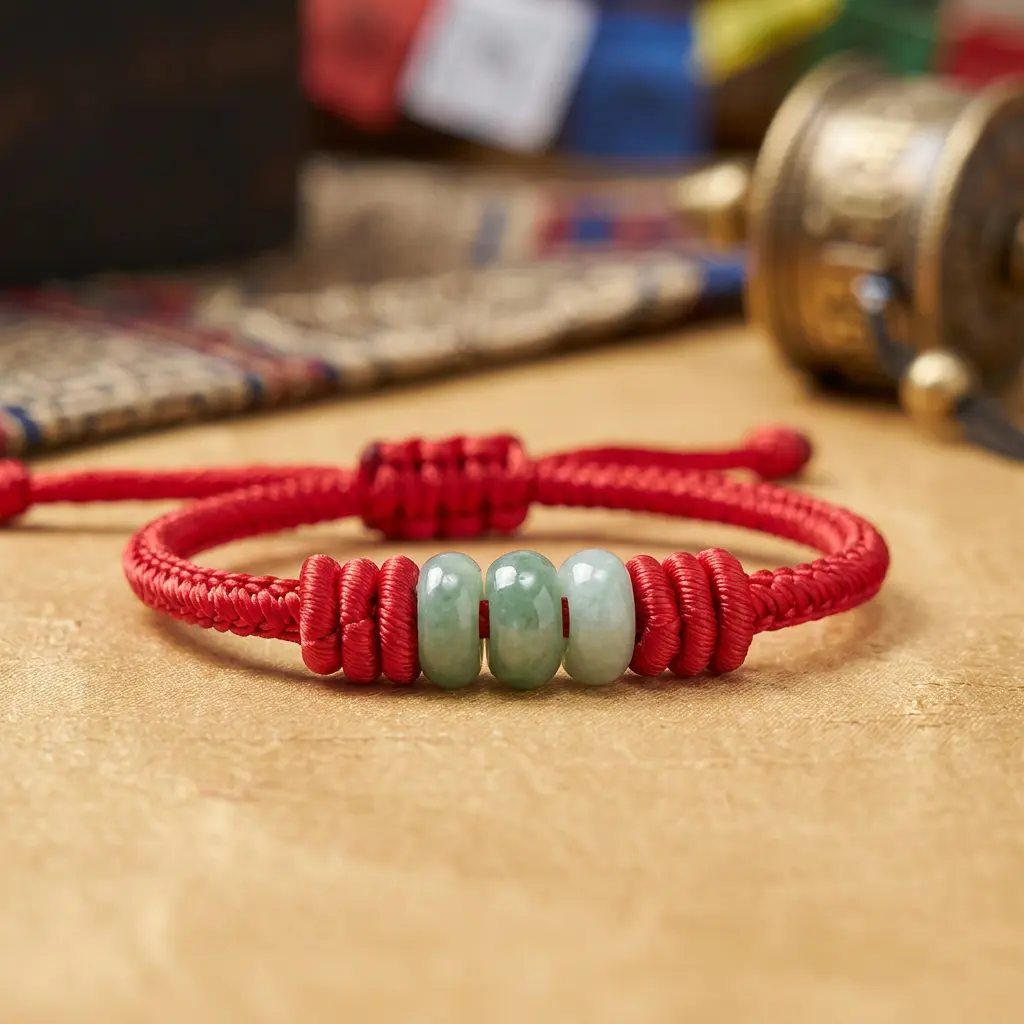
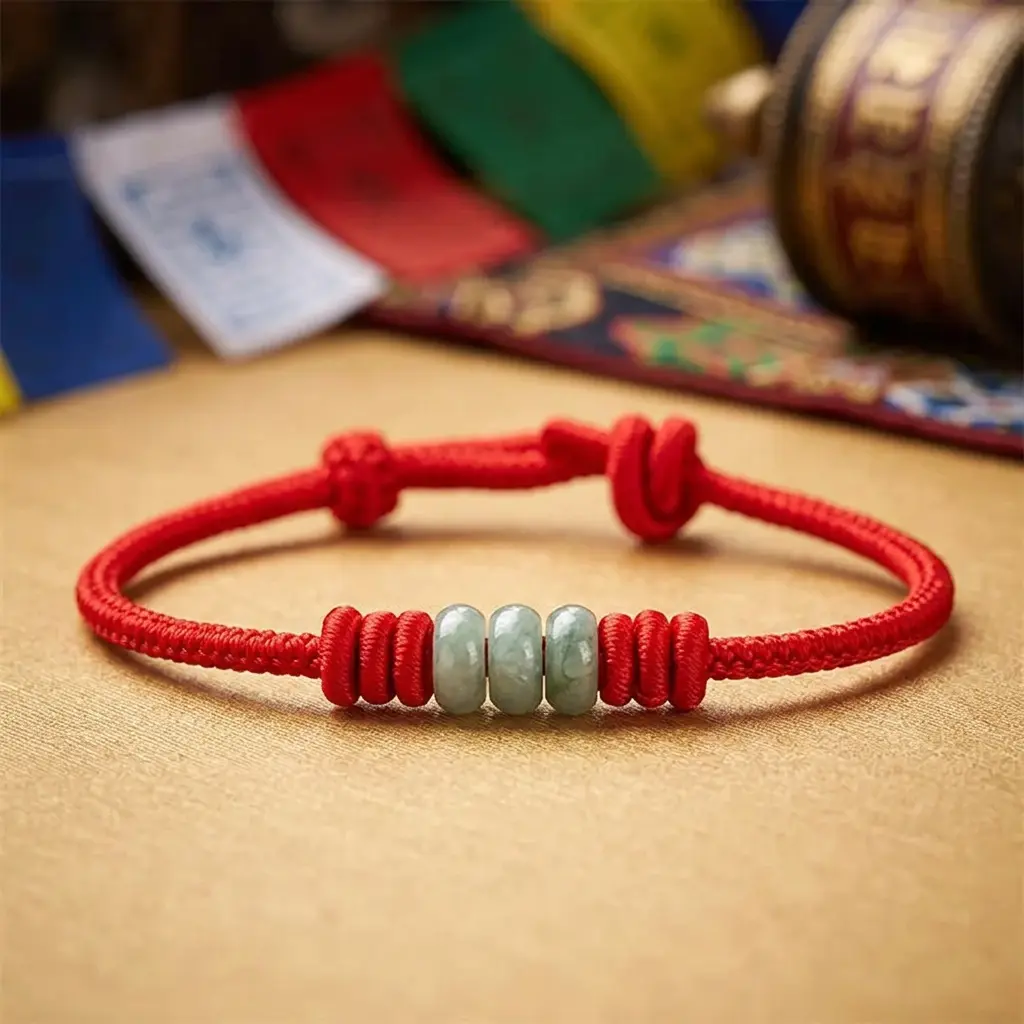
Spiritual jewelry is jewelry that carries a symbol or tool from a faith tradition, like mala beads or a knotted Tibetan bracelet. 22% of U.S. adults now call themselves spiritual but not religious, according to Pew Research Center’s 12/07/2023 survey of 11,201 adults, conducted July 31 to Aug. 6, 2023. If that’s you, a mala […]
Read more
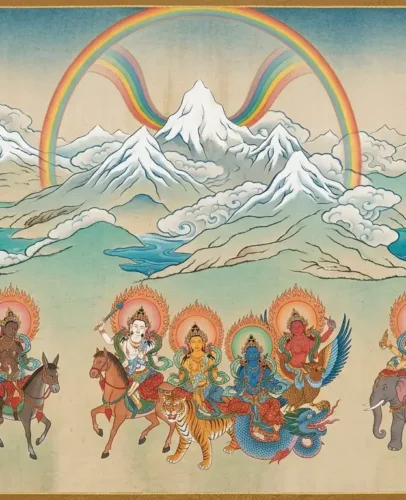
The Twelve Dharmapala Goddesses: Tibet’s Ancient Guardians of Protection and Balance
The Twelve Tenma goddesses (Tibetan bstan ma bcu gnyis, also called Tenma Chunyi) are twelve female protectors of Tibet, often called the twelve Dharmapala goddesses in English. If you have studied a Palden Lhamo thangka, you have probably seen them: a row of goddesses on different mounts along the lower edge. This guide shows you […]
Read more

The Legend of Nyenchen Tanglha: Tibet’s Mountain God of Protection and Fortune
To trekkers, Nyenchen Tanglha is a 23,497-foot wall of snow rising above Namtso Lake. To Tibetans, he is someone: a white-robed rider who once ruled the hail, guarded hidden treasure, and swore an oath to protect the Dharma. Nyenchen Tanglha is the mountain god of northern Tibet, one of the four great mountain gods, and […]
Read more
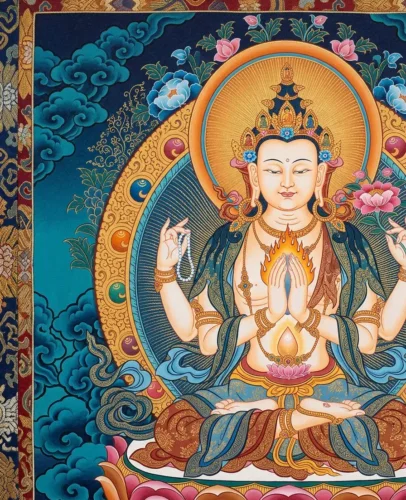
What Is the Mani Jewel in Buddhism? Meaning, Symbolism, and Spiritual Power
You have probably seen it without knowing its name: a small jewel wrapped in flames, held in a bodhisattva’s palm on a Tibetan thangka. The Mani Jewel is the wish-fulfilling jewel of Buddhism, called cintāmaṇi in Sanskrit. It symbolizes compassion and the clear Buddha-nature within every person. It is not a literal gem that grants […]
Read more
The Legend of Reincarnated Lamas: A Tibetan Story of Compassion and Continuity
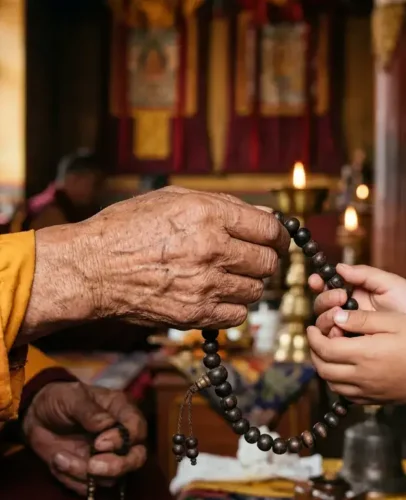
Reincarnated lamas, known in Tibetan as tulkus, are Buddhist teachers believed to return by choice, out of compassion, to continue their work. Tibetan Buddhism has recognized them for more than 700 years, and the tradition now sits at the center of a global succession debate around the Dalai Lama. This guide explains what a tulku […]
Read more
What Is Buddha’s Birthday and How to Observe It
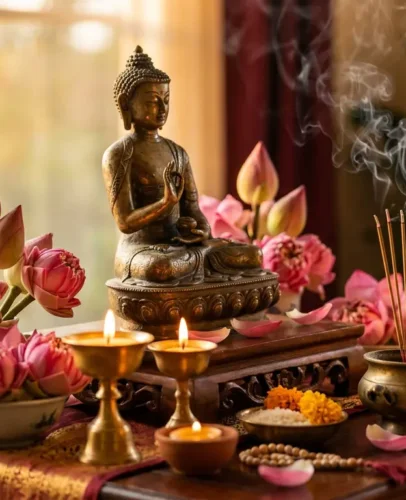
Buddha’s Birthday is a Buddhist holy day that honors the birth of Siddhartha Gautama, the teacher who became the Buddha. Known in many countries as Vesak or Buddha Purnima, it is traditionally observed on the full moon of May, though the exact date shifts each year with the lunar calendar. If the many names and […]
Read more